
Epoxy Compound Moisture Diffusion Kinetics during Reflow
Epoxy compound moisture absorption generates critical steam pressures during lead-free reflow, demanding strict MSL dry-pack handling to prevent internal delamination.
Epoxy compound moisture absorption generates critical steam pressures during lead-free reflow, demanding strict MSL dry-pack handling to prevent internal delamination.
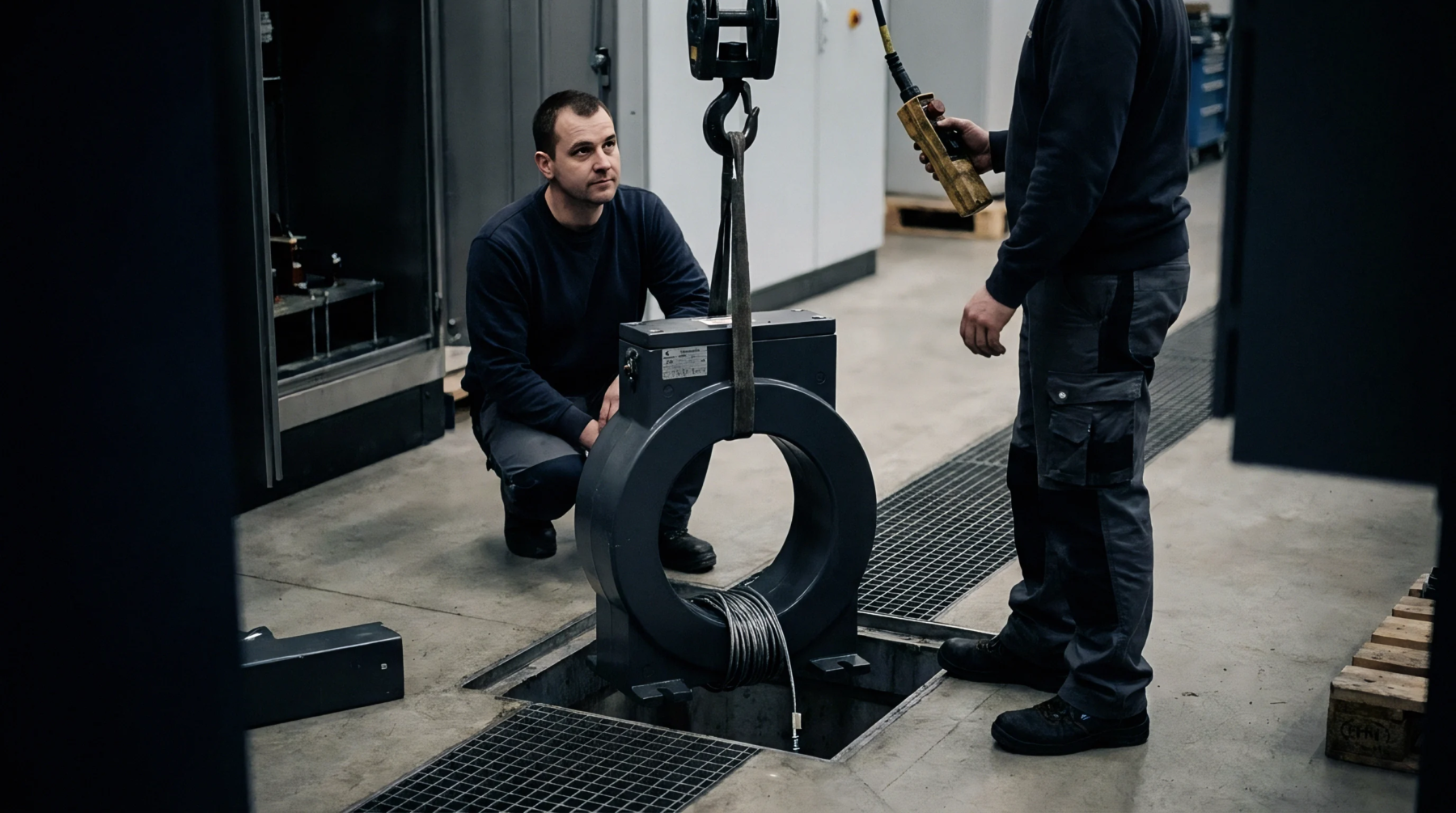
Viscoelastic creep in die attach epoxies drives zero offset hysteresis; low-modulus adhesives minimize stress transfer to preserve long-term transducer balance.
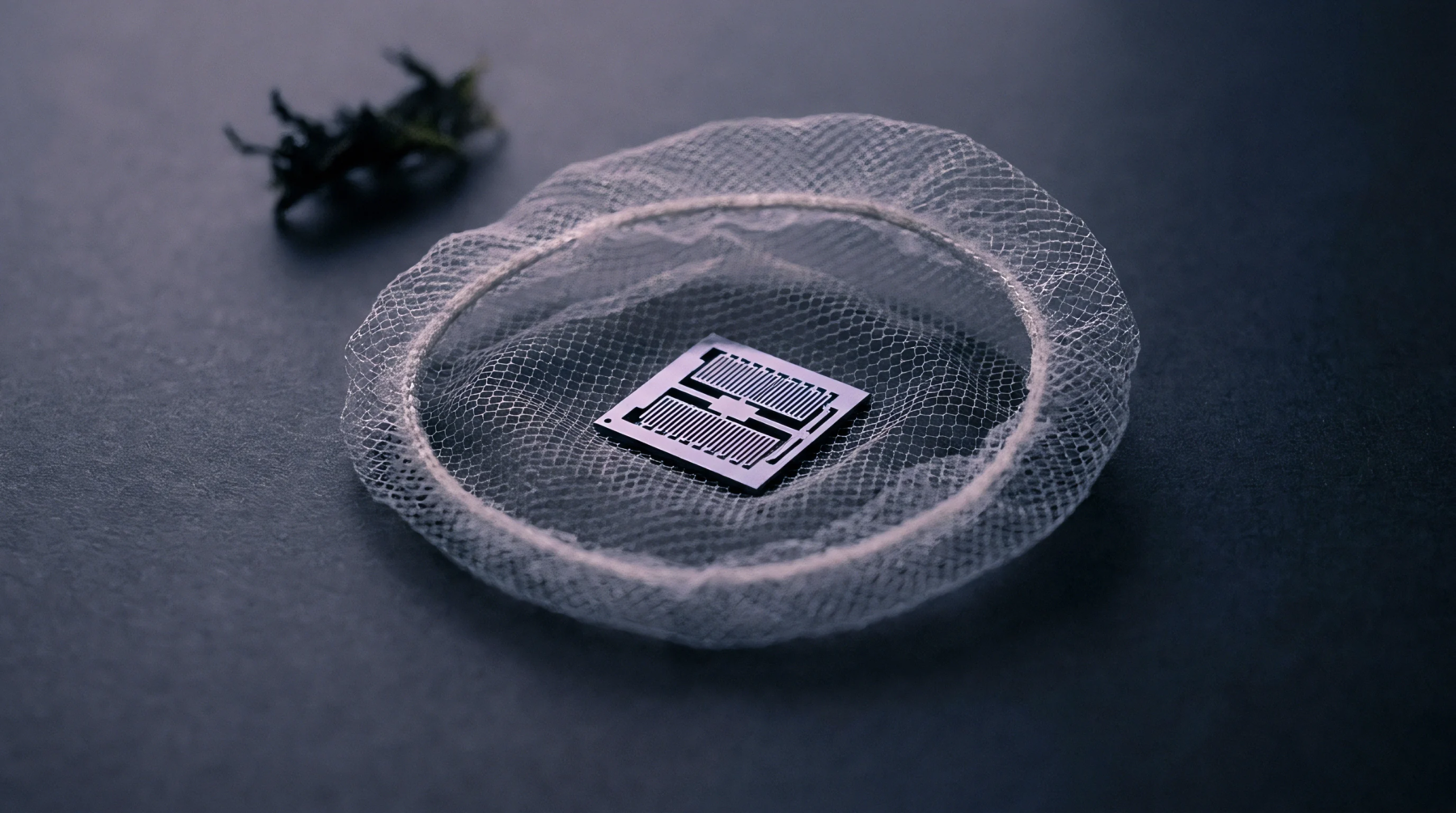
Component reflow popcorning occurs when trapped moisture vaporizes during soldering; acoustic microscopy detects internal delamination via signal phase inversion.
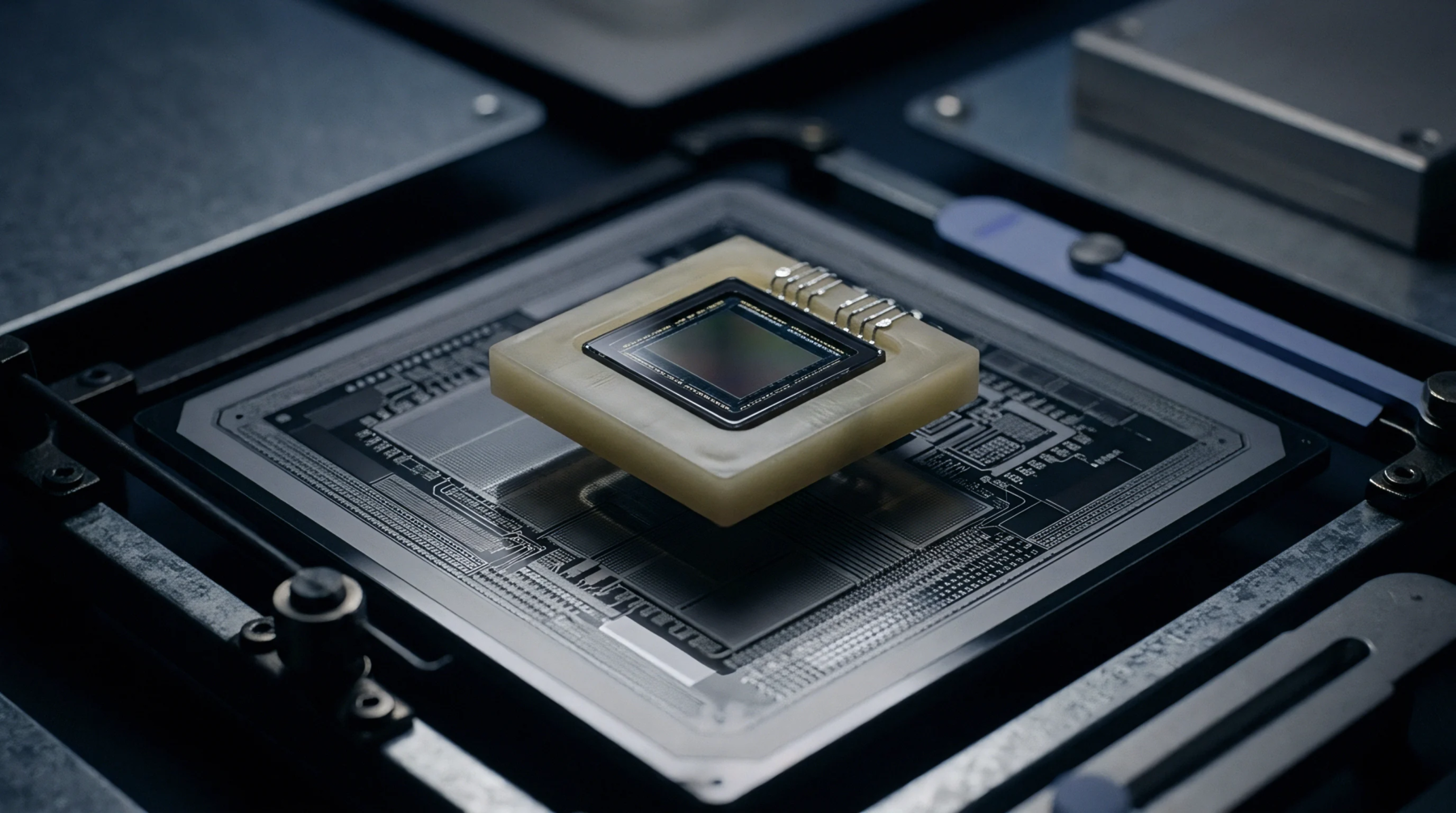
Silicon substrate expansion mismatches create stress across MEMS structures, driving zero-g drift that demands isolated anchors and hysteresis modeling.

Selecting low-modulus die attach adhesives with glass transition temperatures outside operating limits eliminates non-linear MEMS zero-g offset drift.
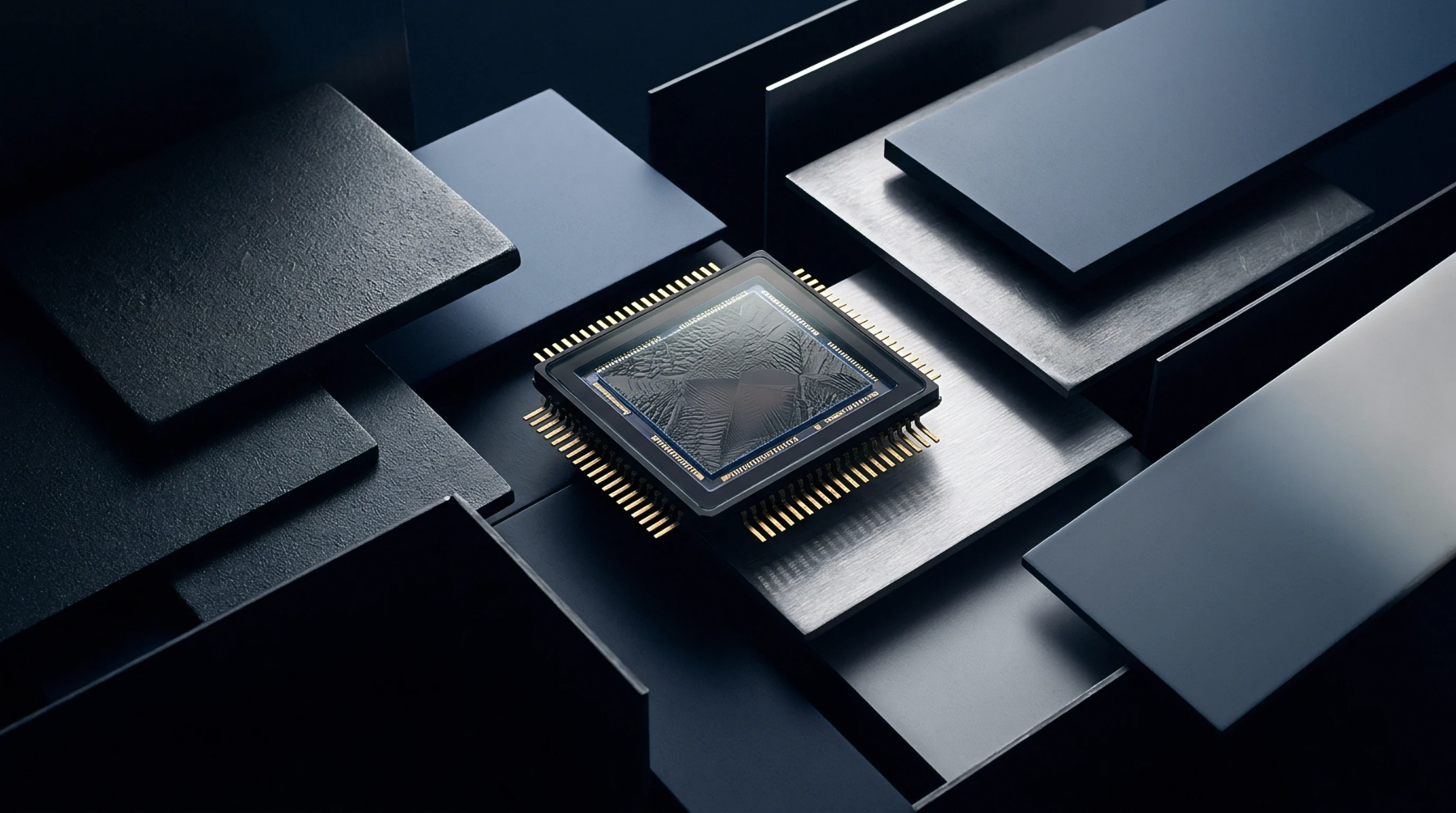
Separating package stress from silicon creep during calibration relies on modeling the exponential viscoelastic time constants of polymers against intrinsic lattice stability.

Viscoelastic relaxation in organic sensor die attach adhesives causes baseline zero drift that requires thermal pre-conditioning bake cycles to stabilize.

Elevated storage temperatures accelerate moisture diffusion into epoxy molding compounds, raising internal vapor pressure during reflow and driving package failure.

Viscoelastic stress relaxation in sensor potting creates non-linear strain hysteresis, requiring generalized Maxwell modeling to prevent zero-point calibration drift.
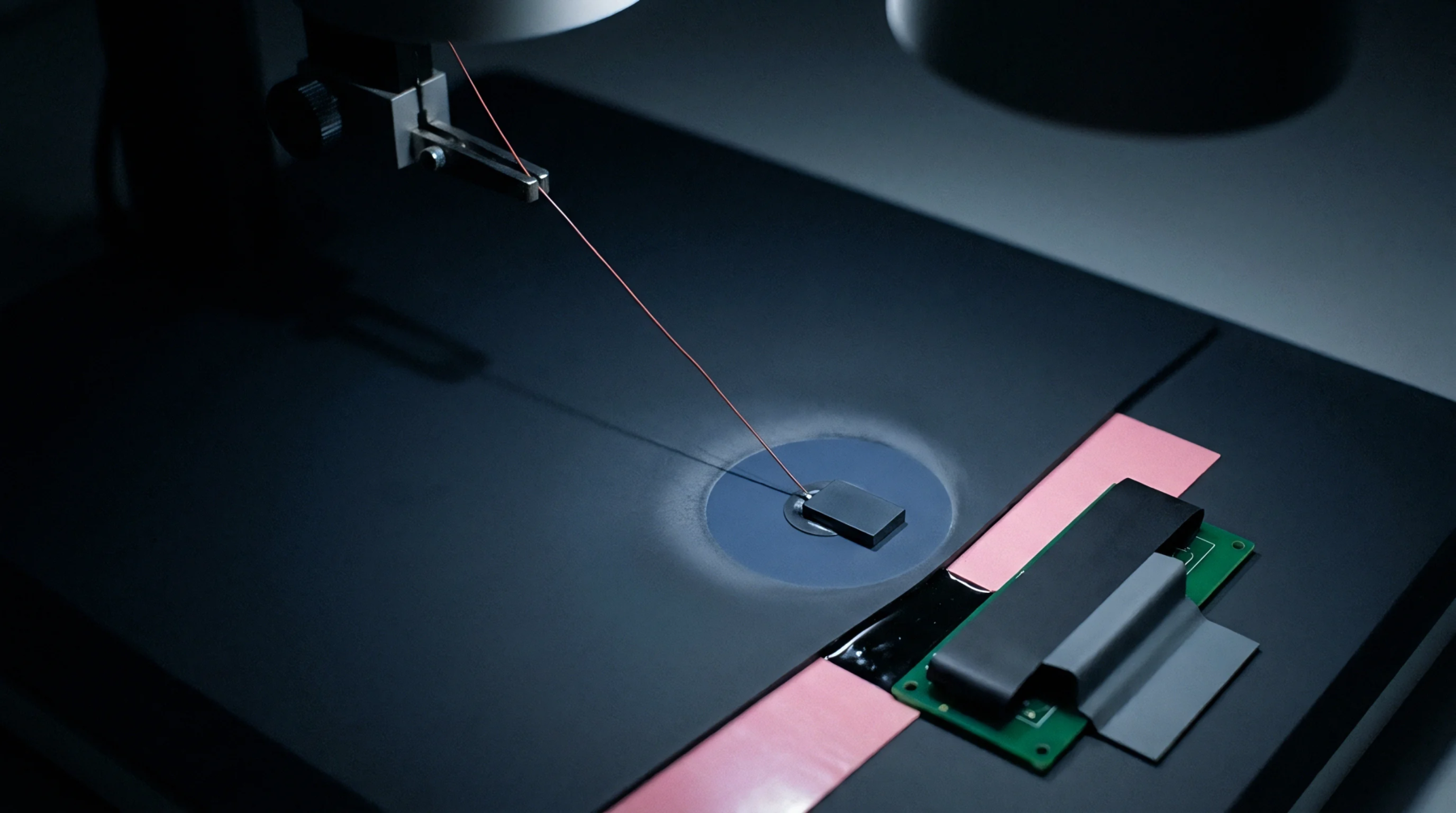
Mechanical board flex induces stress tensor shifts in calibrated silicon die, driving output register offsets beyond rated least significant bit tolerances.

Thermal expansion mismatch between silicon dies and packaging substrates generates parasitic mechanical stress, causing piezoresistive zero-point drift.

Generalized Maxwell models under cryogenic thermal ramps require Arrhenius shift functions and thermal lag compensation to accurately predict stress relaxation bounds.

High-temperature package creep redistributes interfacial strain to drive long-term sensor drift, requiring viscoplastic modeling and burn-in stabilization.

Polyimide die attach master curves bound stress relaxation under automotive minus forty to plus one hundred seventy-five degree thermal shock cycles.
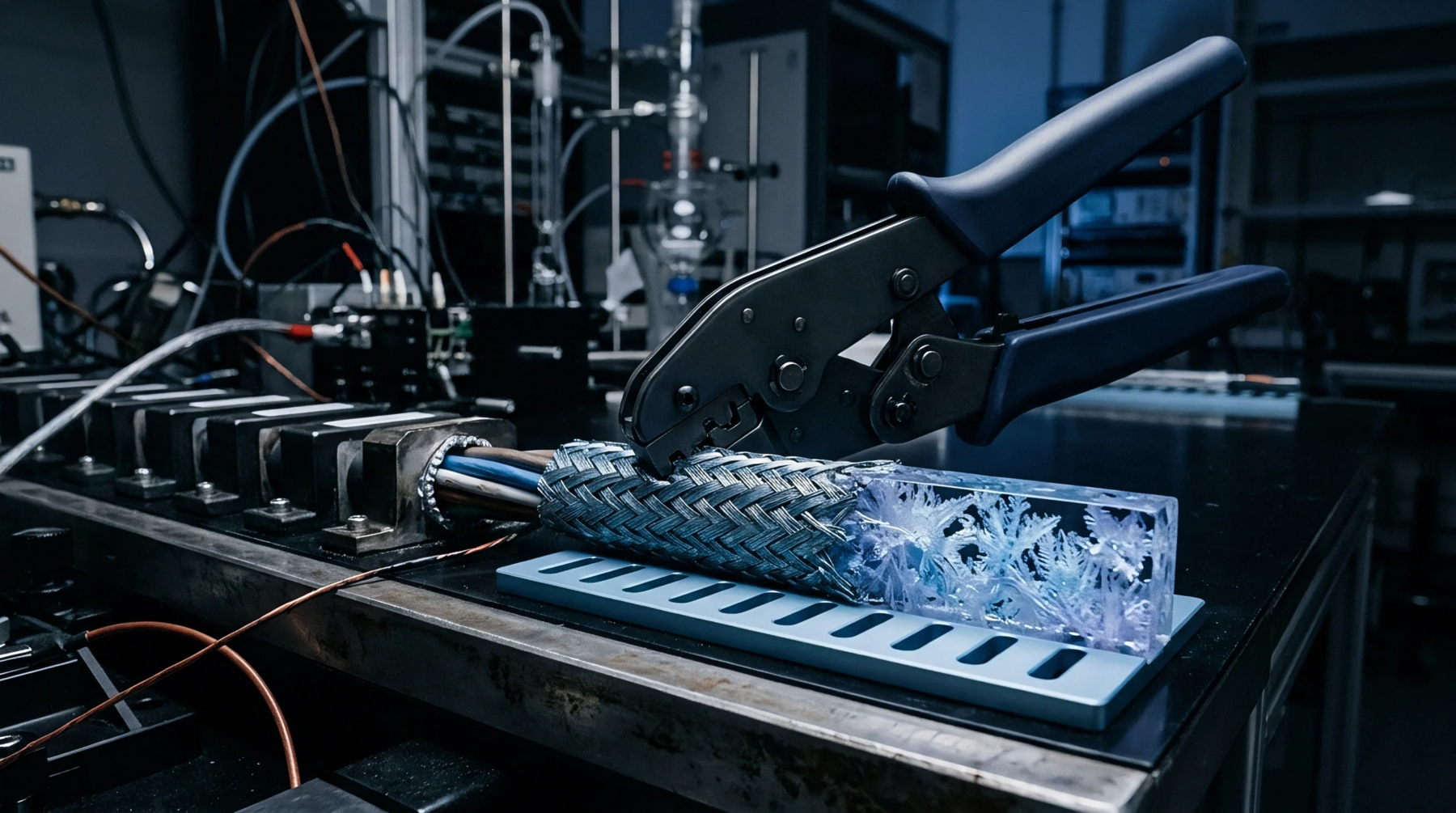
Constitutive modeling of viscoelastic aging in thermoset die attach layers enables precise finite element prediction of lifetime stress and sensor drift.

Micro-cladding coils require symmetric viscoelastic potting and strict glass-transition offset to eliminate non-linear thermo-elastic bias drift.
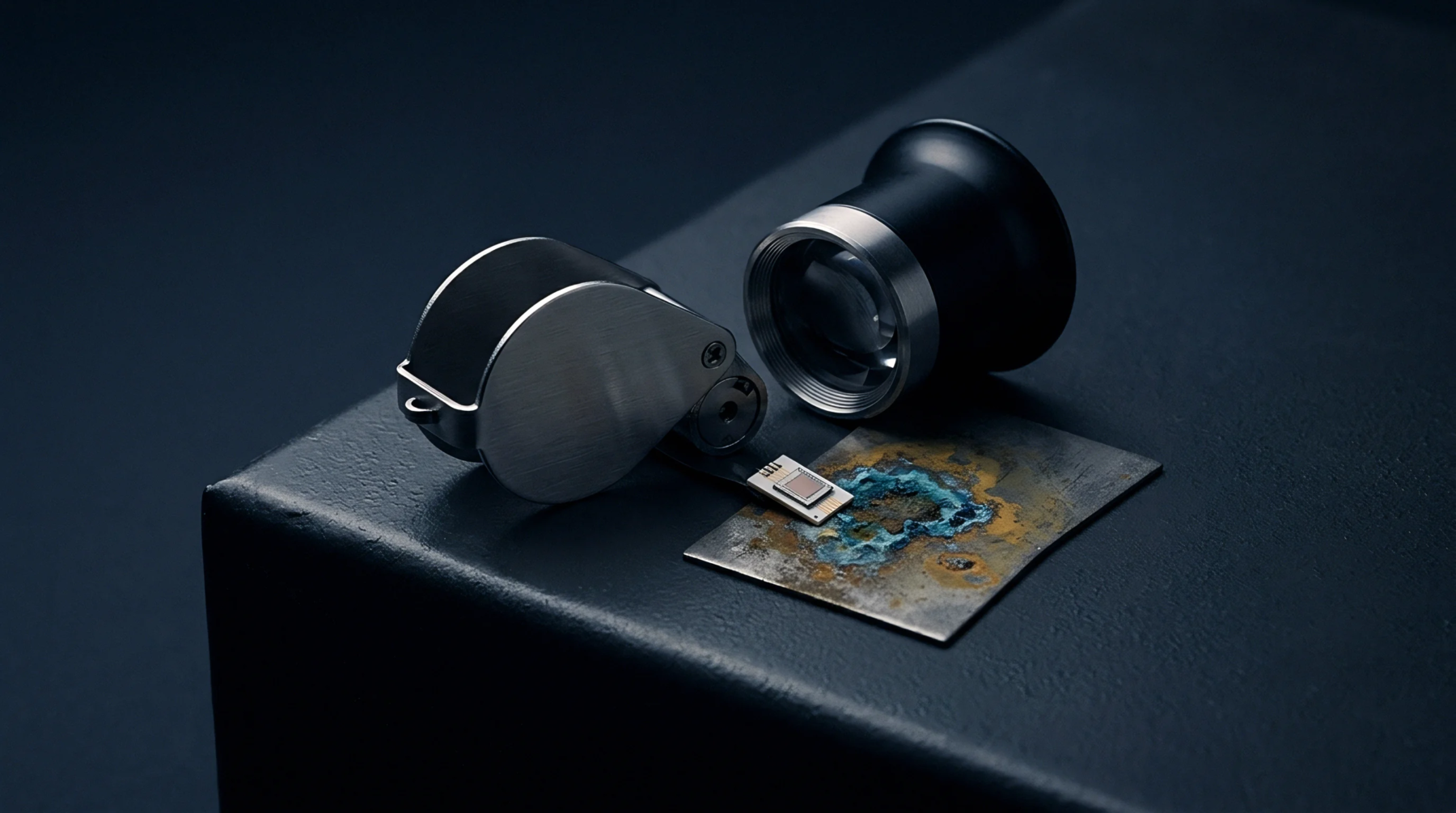
Silicon substrate thermal expansion alters MEMS structural spacing and compliance, requiring isolated single-point anchors and 3rd-order ASIC polynomial correction.
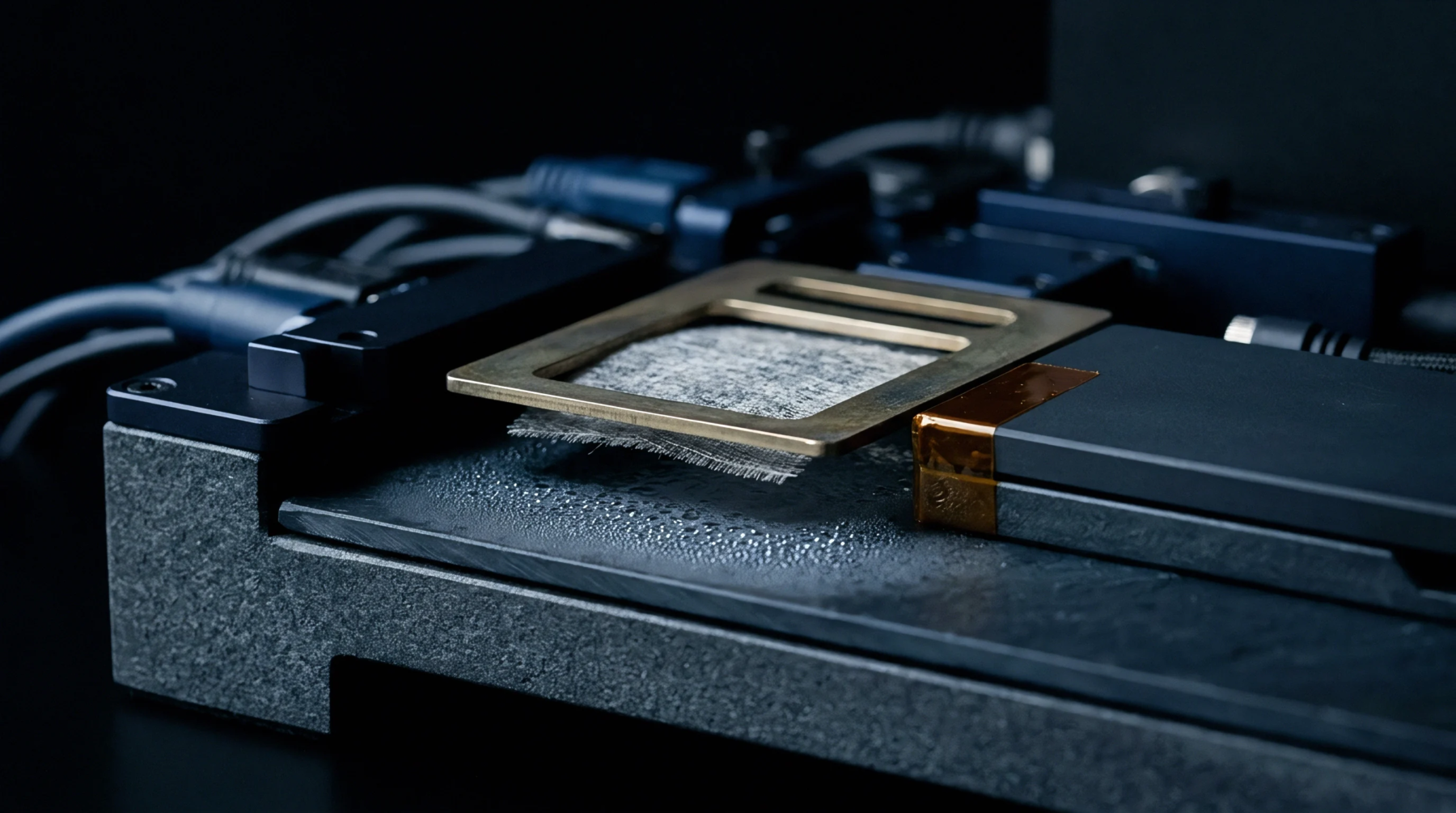
Epoxy molding compounds absorb moisture according to temperature-dependent diffusion rules, requiring strict MSL floor life management to avoid popcorning during reflow.
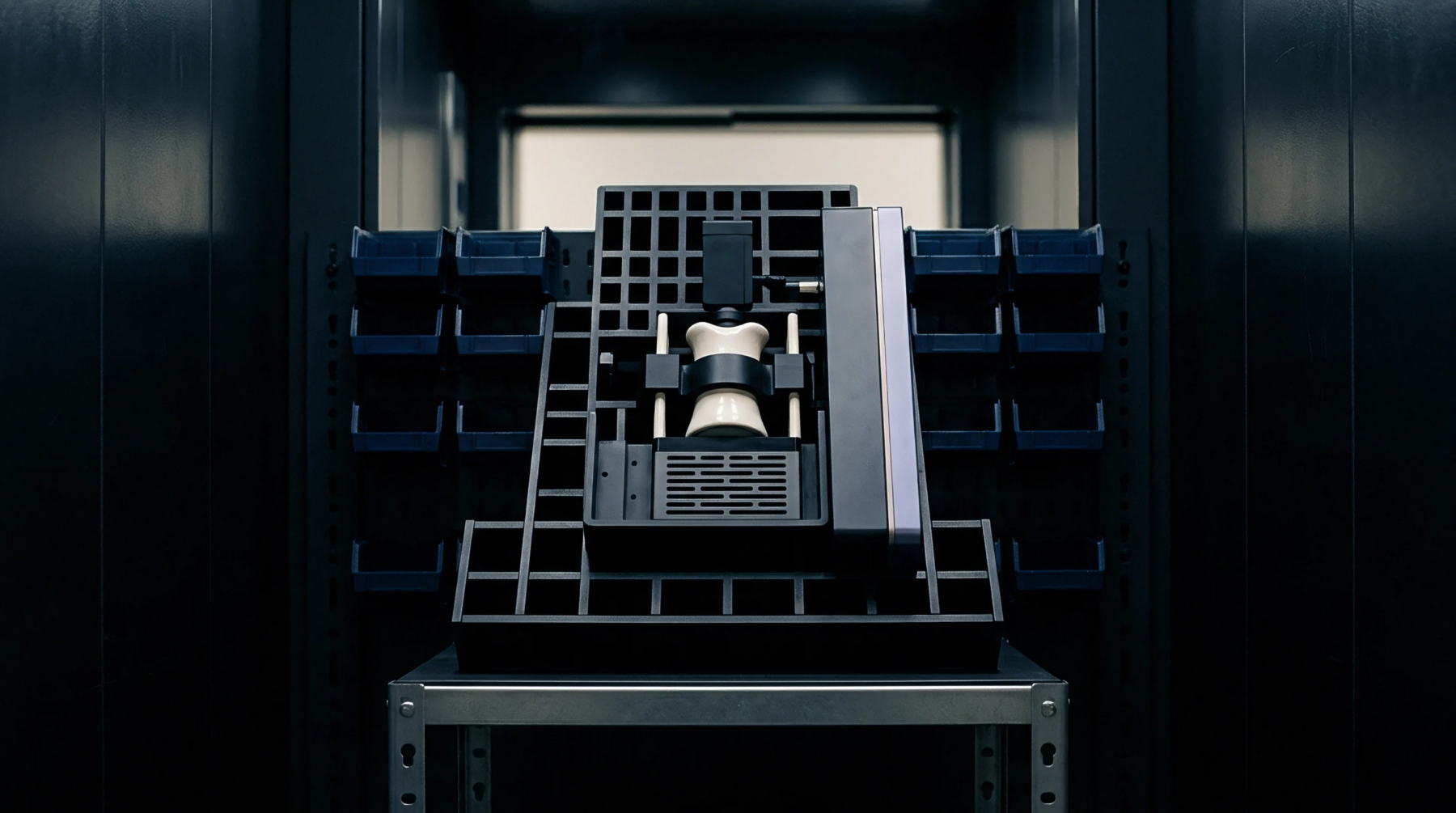
Polymer die attach selection governs MEMS IMU bias drift by balancing storage modulus, glass transition temperature, and long-term viscoelastic stress relaxation.
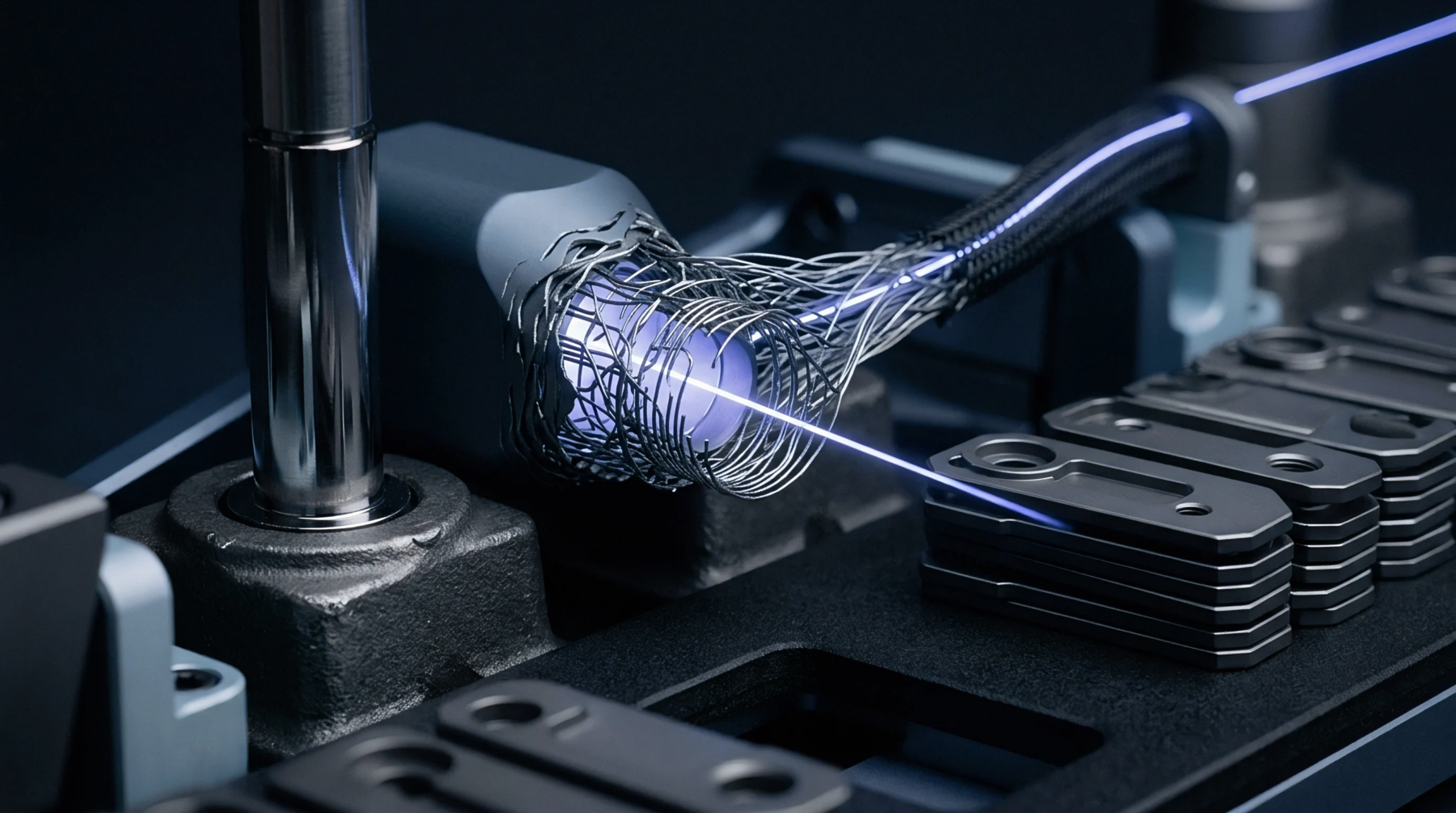
Thermal soak accelerates die attach viscoelastic micro-strain relaxation, reducing shear stress while driving physical aging, interface delamination, and Rth growth.

Encapsulated piezoresistive sensor zero drift under cyclic humidity stems from encapsulant swelling strain and viscoelastic creep, requiring Parylene passivation or oil isolation to hold long-term accuracy.
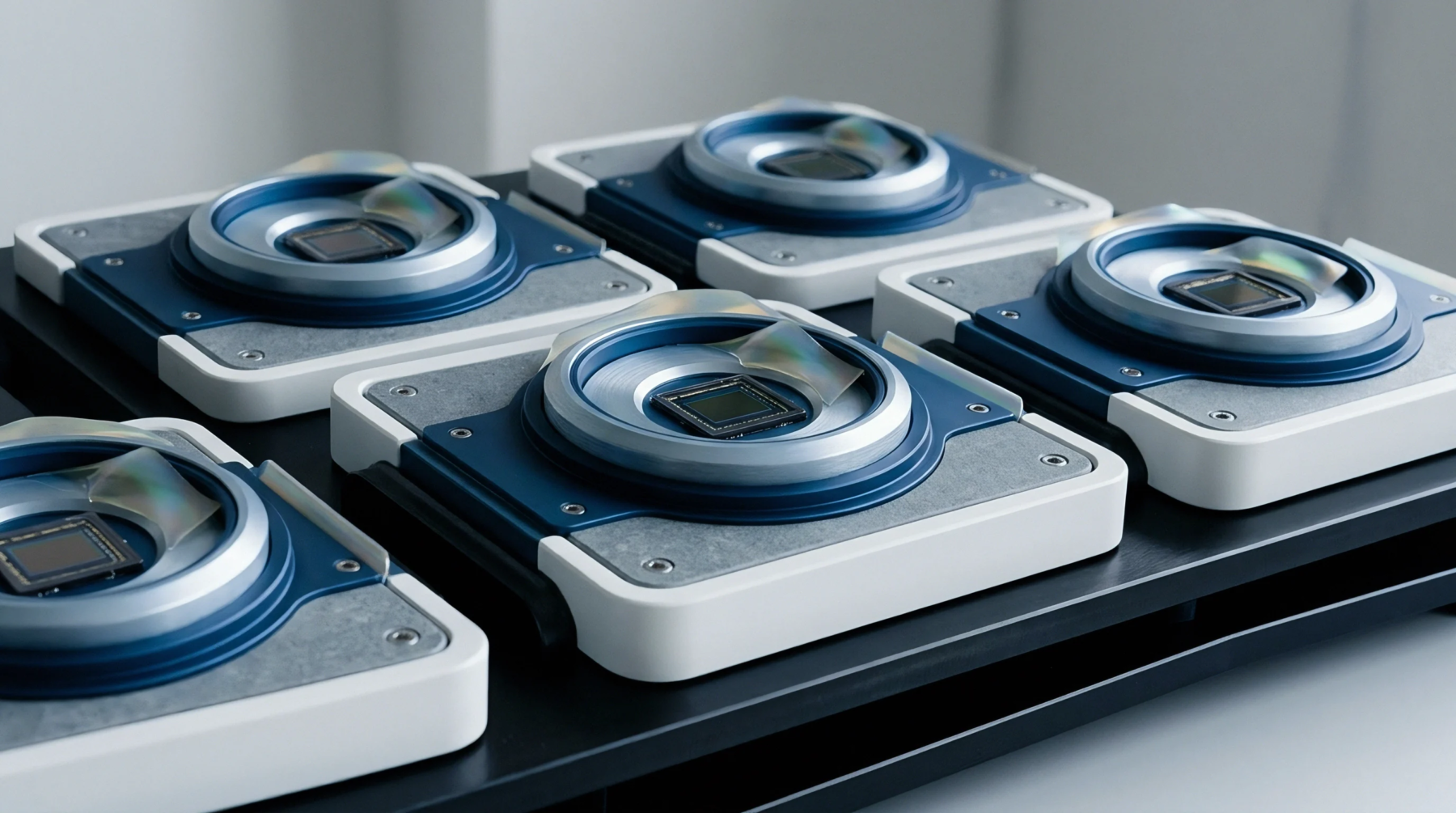
Polymeric die attach viscoelastic creep drives time-dependent sensor offset drift; matching glass transition temperature and controlling bondline shear lag minimizes zero wander.
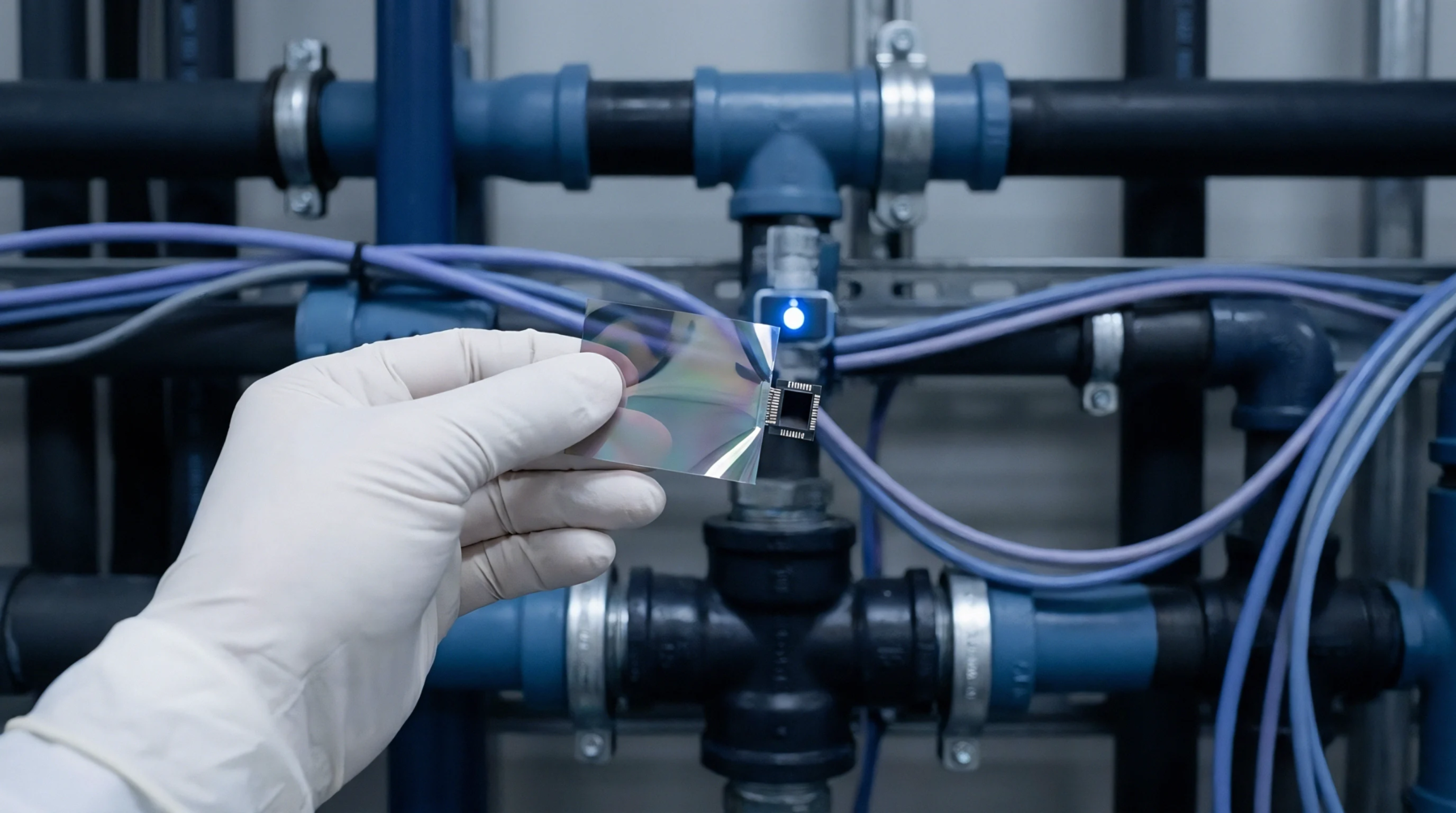
Packaging stress decay in silicon sensor dies causes continuous zero-point drift that requires thermal preconditioning bakes to stabilize long-term offset accuracy.
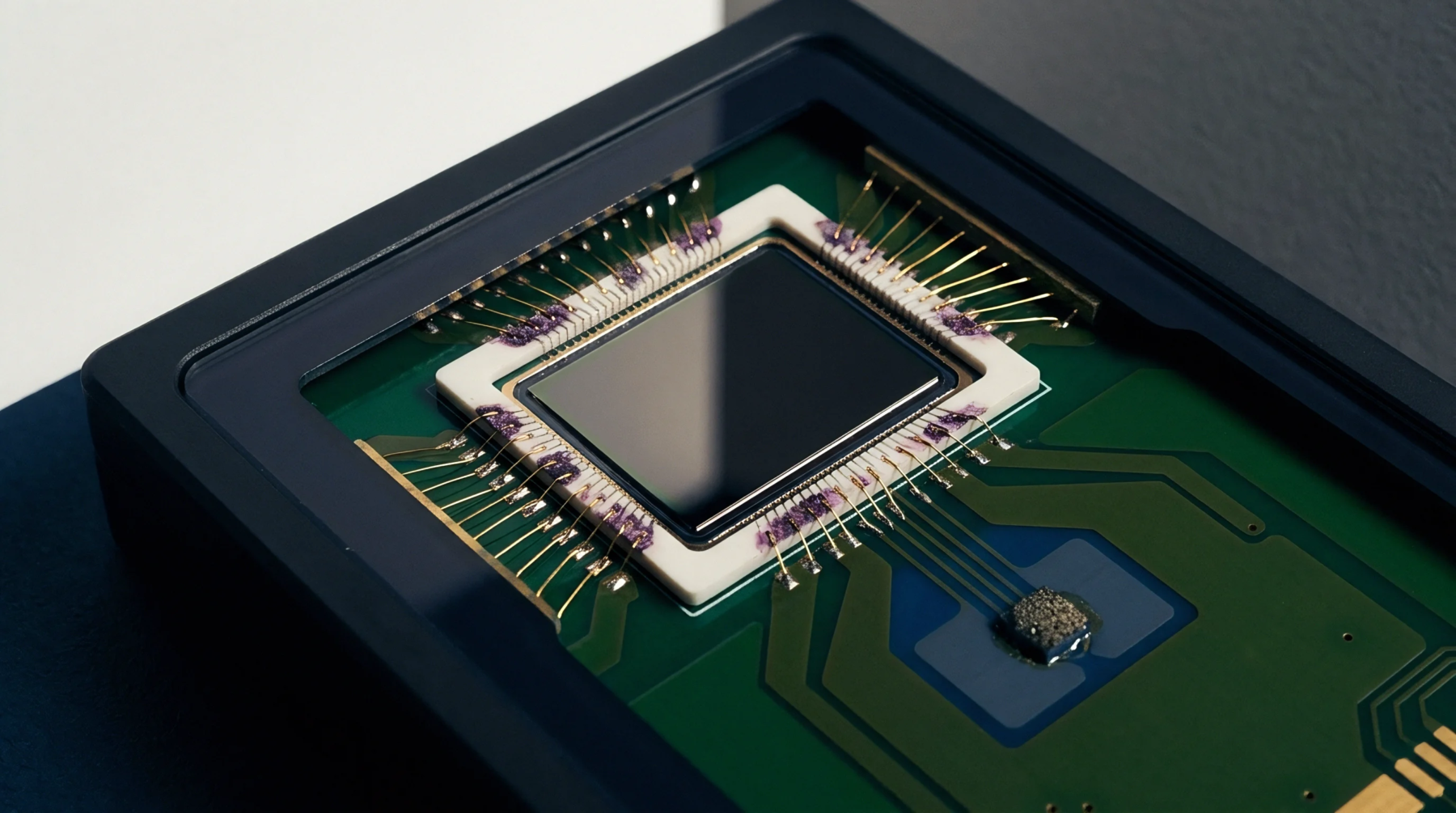
Polymeric potting stress relaxation causes time-dependent zero drift in precision transducers, requiring thermal seasoning to stabilize output baseline.

Board flexure transfers surface strain into sensor packages via shear lag mechanics, where higher standoff height and low-modulus interconnects attenuate die stress and offset drift.

Dynamic mechanical relaxation testing isolates glass transition, creep compliance, and thermal stability in high temperature die attach polyimides.
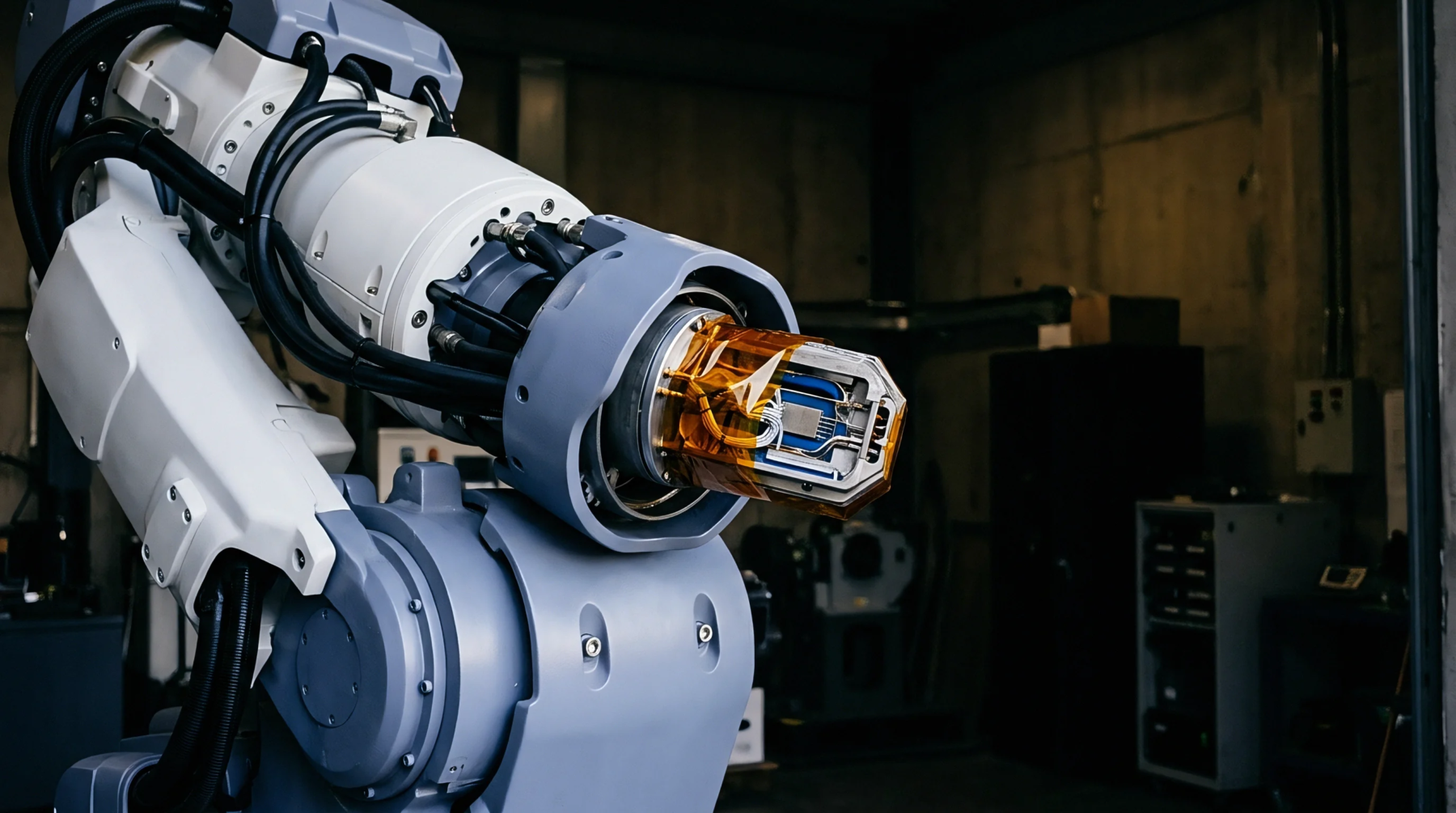
Real-time digital inverse Prony filtering decouples time-dependent polymer stress relaxation from true acceleration signals in high-precision micro-sensors.
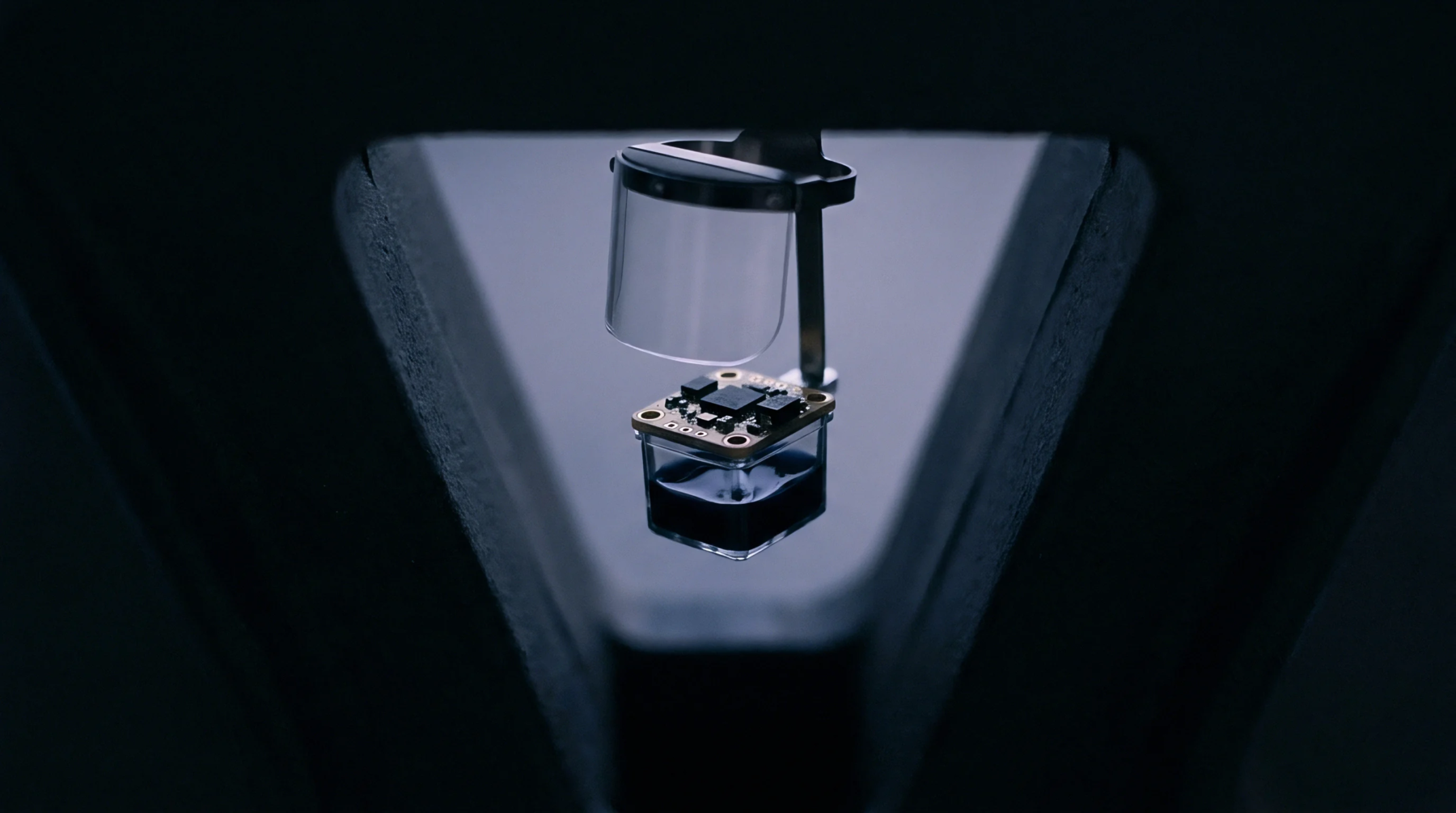
Initial glass transition advancement dictates die attach modulus evolution and residual stress, requiring calibrated thermal analysis to prevent assembly yield loss.

Substrate thermal gradients induce anisotropic strain fields that degrade MEMS accuracy through piezoresistive offset shifts and capacitive gap distortion.
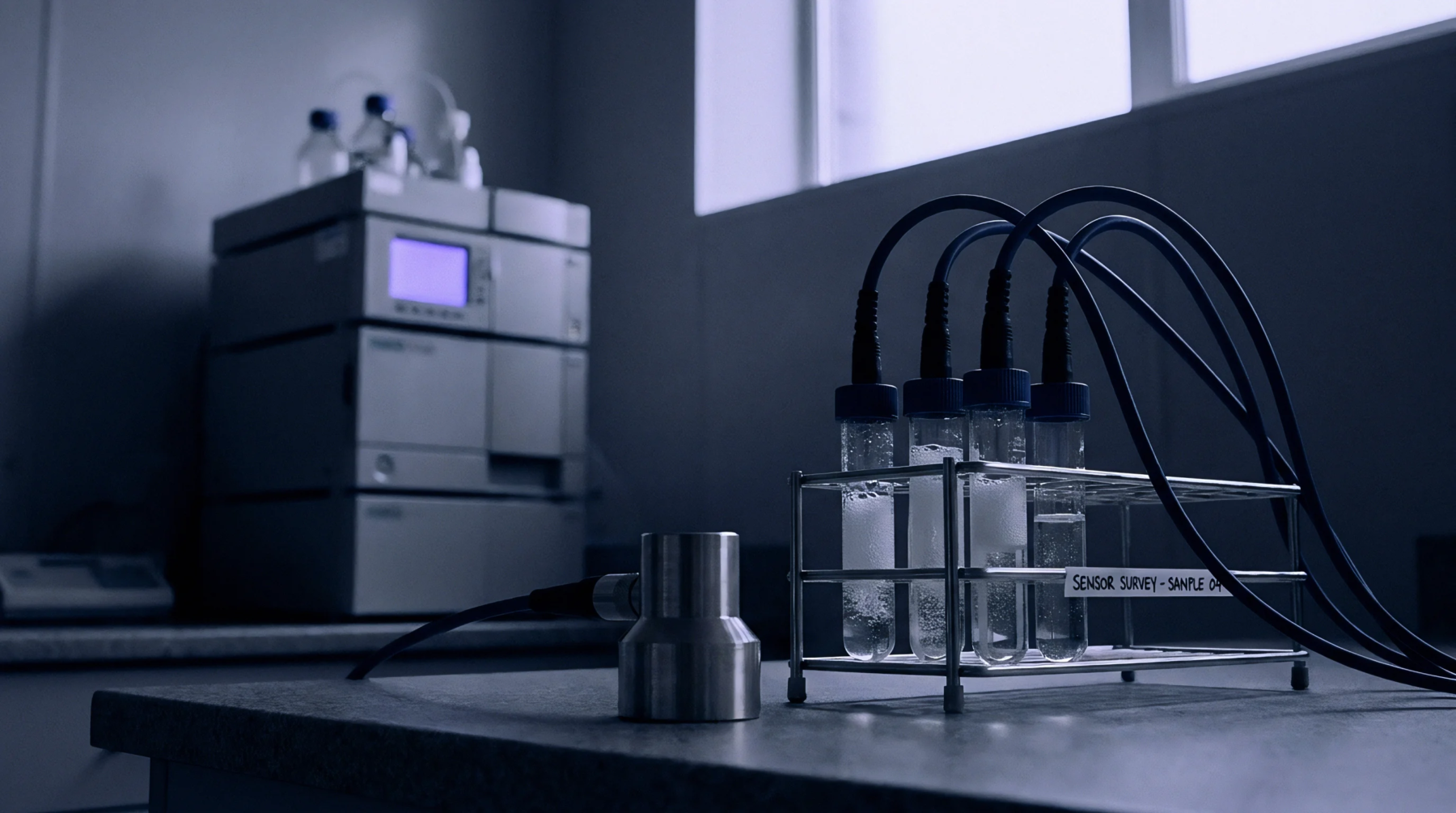
Thermomechanical stress relaxation in MEMS suspensions causes long-term zero-g bias drift that requires Prony series modeling and state estimation to mitigate.
Expertise is a utility, not a secret. sentiention™ publishes its working knowledge as open reference: intelligence layer covering the materials it sources, the markets it enters, and the reference that serves both.