Deformation Metric
Tin-silver-copper alloys demonstrate a time-dependent strain response when held under constant mechanical stress at elevated temperatures. Sac305 creep represents the plastic flow of this specific solder composition as grain boundaries slide or rotate to accommodate external loads. This mechanism operates most aggressively above half the absolute melting point of the alloy.
Engineers quantify the resulting strain rate to predict the longevity of solder joints under thermal cycling conditions.
Environmental Constraint
Ambient heat accelerates the atomic diffusion processes within the metal lattice. Accelerated ageing tests apply steady loads to sac305 creep specimens to isolate these internal movements from thermal fatigue. Higher temperatures lower the shear strength of the bulk material and permit dislocation movement across crystal planes.
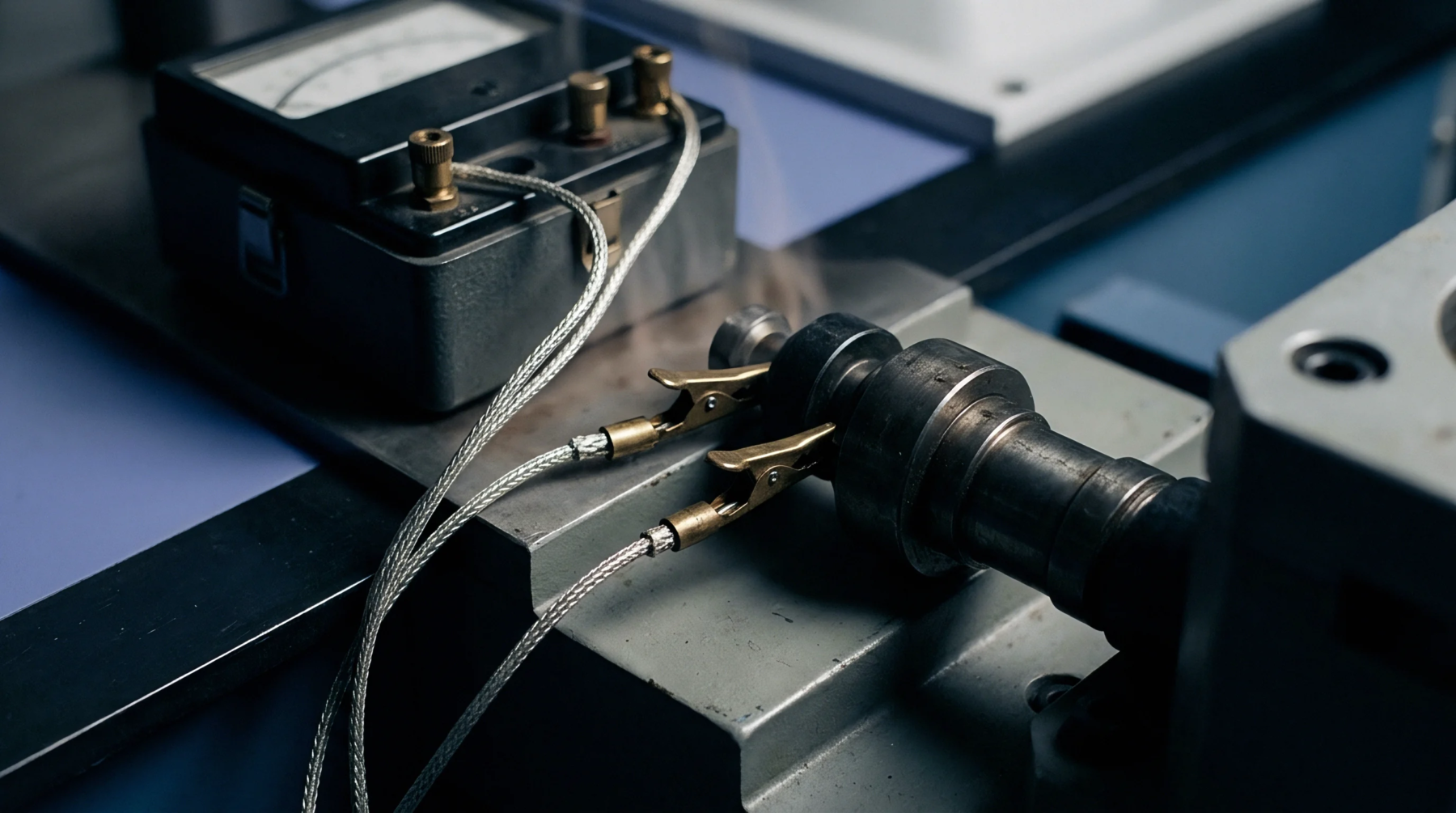
Measurements often occur in isothermal ovens where the application of force remains constant while the dimensions of the sample shift over days or weeks.
Analytical Boundary
Mathematical models describe the secondary stage of deformation where the rate of change remains steady. Power law equations govern how sac305 creep behaves under varied stress intensities and thermal gradients. Deviation from these steady state conditions indicates the transition toward tertiary necking or sudden fracture.
Precise laboratory instrumentation tracks displacement in micrometers to generate the constitutive equations required for reliability simulations.
Verification Protocol
Metrological standards demand stable test environments to ensure the data reflects material properties rather than external vibration. Calibration of the load cells and displacement sensors validates the integrity of the collected data against known alloy performance benchmarks. Any shift in the sample orientation or clamping pressure introduces significant error into the final calculation.
Rigid control of these parameters produces a reliable curve for long term structural assessment of joints in electronic assemblies.