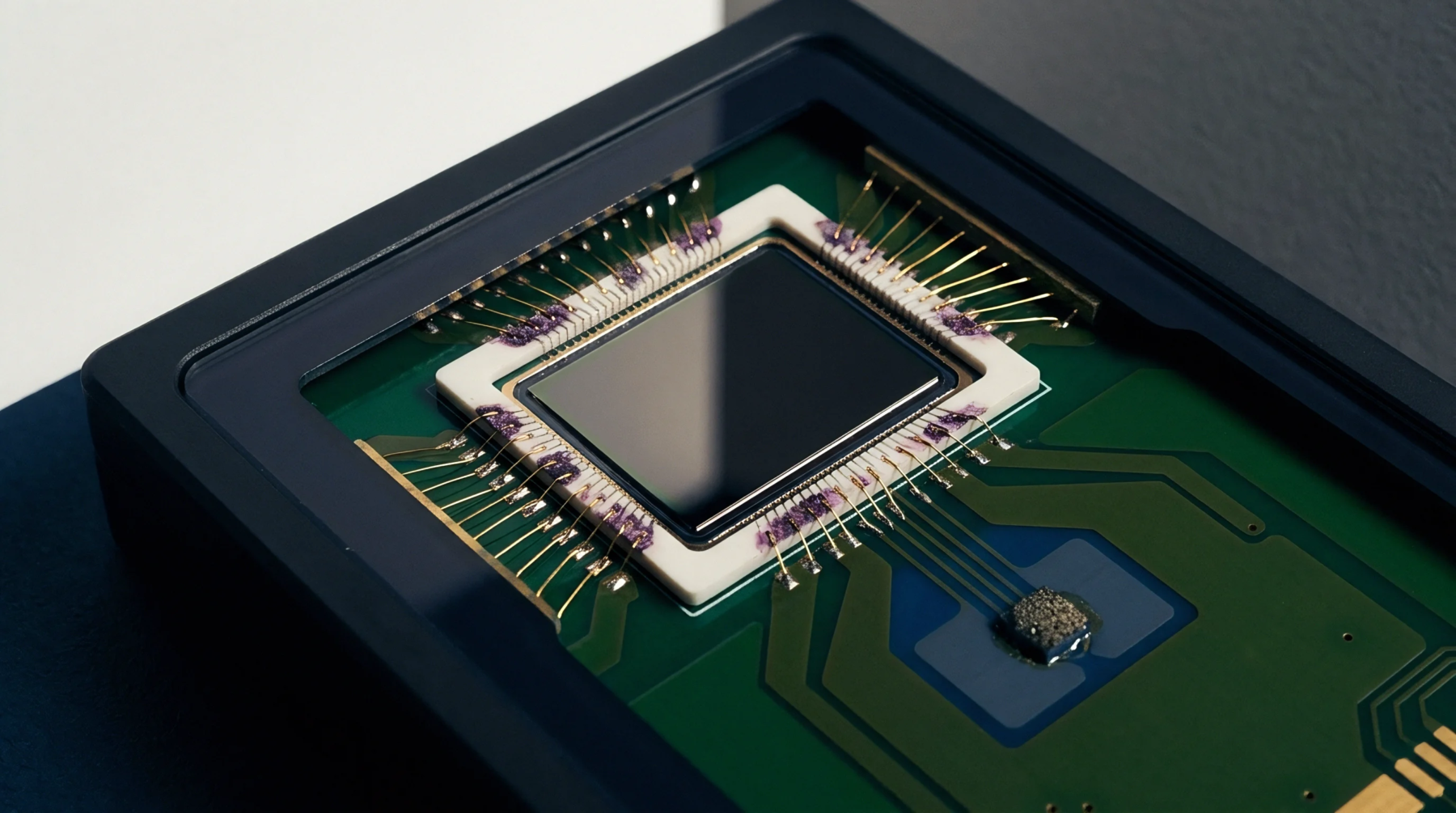
Stress Buffer
Intermediate material situated between two bonded surfaces to accommodate differences in mechanical or thermal expansion. The primary function of a compliance layer is to prevent the fracture of fragile components by absorbing shear forces. This soft interface allows rigid materials to move independently when exposed to fluctuating temperatures.
Engineers select materials for this role based on their young’s modulus and their ability to recover from deformation.
Mechanical Interface
Attachment points in electronic assemblies often use a compliance layer to protect silicon dies from the rigid substrate. Without this layer, the mismatch in the coefficient of thermal expansion would cause the solder joints to fail prematurely. Materials such as silicone or specialized polymers are common choices for this application.
These substances provide the necessary flexibility while maintaining a strong physical bond between the parts.
Thermal Relief
Rapid changes in temperature create internal tension that can warp a circuit board or shift a sensor’s calibration. A compliance layer acts as a mechanical filter that prevents these stresses from reaching the sensitive sensing element. This isolation is particularly important for pressure sensors where any external force can be mistaken for a change in the measured medium.
Material Selection
Choosing the right substance involves a trade-off between mechanical softness and the need for long-term stability. A compliance layer that is too soft might allow the component to vibrate, while one that is too rigid will not protect against thermal stress. Resistance to chemical outgassing and moisture absorption is also required to maintain the integrity of the vacuum seal in MEMS devices.
Final verification of the layer performance occurs through thermal cycling and shear strength testing to ensure the longevity of the sensor assembly.