Sensor Offset
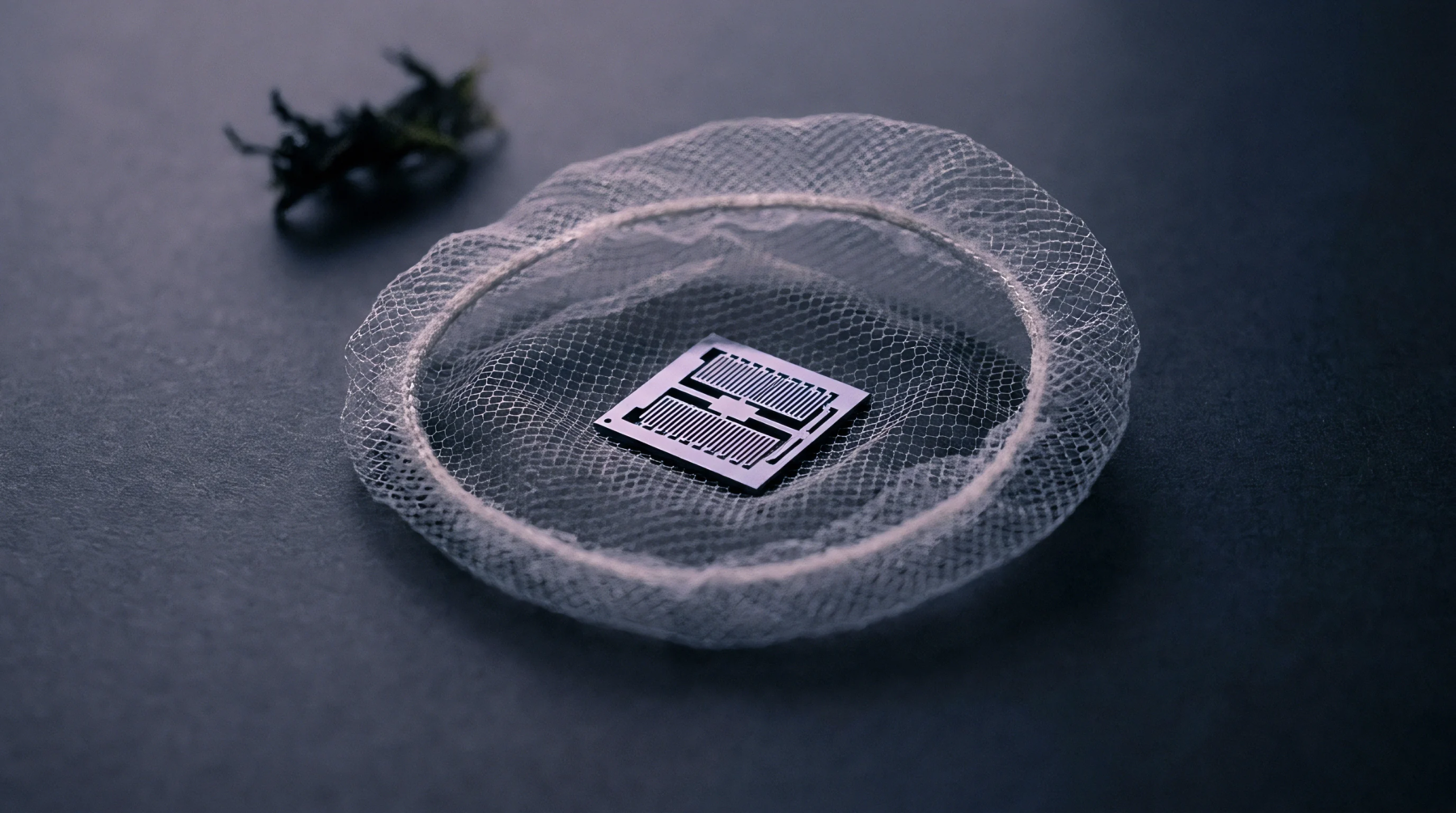
Absolute acceleration measurement relies upon optical interferometers that detect displacement of an inertial proof mass relative to an outer housing. Zero-G bias drift designates the gradual electrical output shift of that displacement transducer during prolonged orbital freefall conditions where external gravitational forces vanish. Transducers measure the capacitance changes between electrodes and the proof mass to compute accelerations.
Manufacturers calibrate the output zero point in terrestrial laboratories before launch using gravity as a constant reference acceleration vector. Thermal gradients across the housing distort the electrode geometry once the instrument reaches orbit. Spacecraft power fluctuations introduce noise into the demodulation circuits that process the capacitive signals.
Orbital Mechanics
Thermal expansion coefficients of the internal mountings dictate the magnitude of the measurement error during continuous solar heating cycles. Spacecraft attitude maneuvers alter the thermal environment of the sensor package which changes the steady state offset. Operators apply polynomial compensation curves to the raw telemetry to remove the thermal component from the sensor output.
Ground stations transmit updated calibration coefficients to the onboard computer every week. Algorithms subtract the modeled thermal offset from the measured acceleration values before flight dynamics software computes the trajectory.
Calibration Boundary
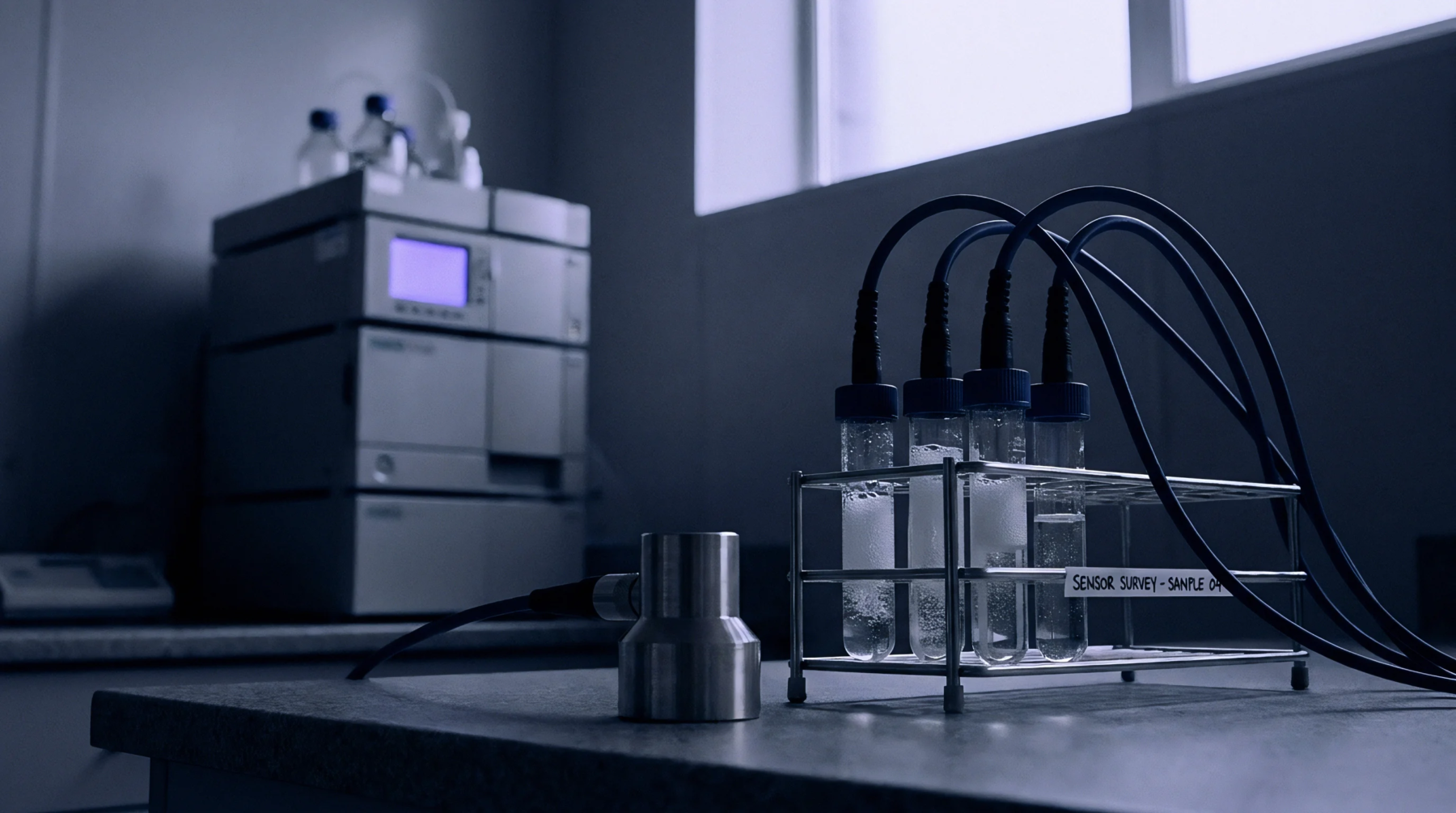
Laboratory test benches simulate zero gravity conditions by floating the proof mass on magnetic suspension rigs. Air currents inside the vacuum chamber introduce damping anomalies that distort the baseline offset verification. Technicians verify the scale factor against a laser interferometer standard before sealing the titanium housing.
Seal integrity prevents atmospheric ingress that would alter the dielectric constant of the internal gas mixture. Pressure sensors inside the housing monitor the vacuum level continuously during operational life.
Error Accumulation
Double integration of corrupted acceleration data over extended mission durations produces unacceptable orbital position errors. Navigation computers diverge from true ephemeris coordinates when the sensor bias shifts unmonitored. Flight software detects drift by comparing inertial navigation solutions with star tracker sightings.
Celestial fixes bound the position error growth by resetting the integration filters periodically. Continuous tracking ensures that long missions maintain the navigational accuracy required for deep space rendezvous maneuvers.