Thermal Management
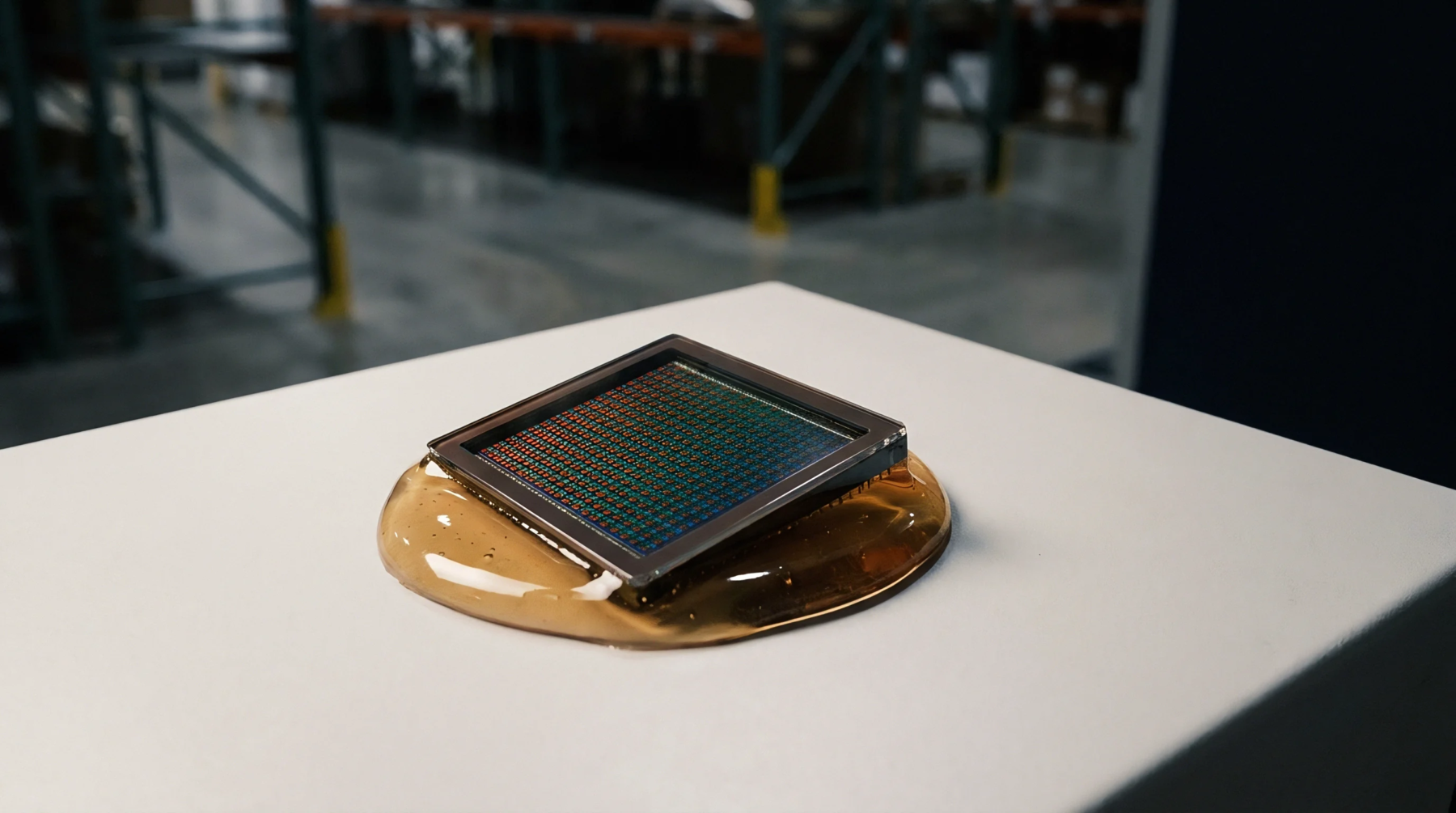
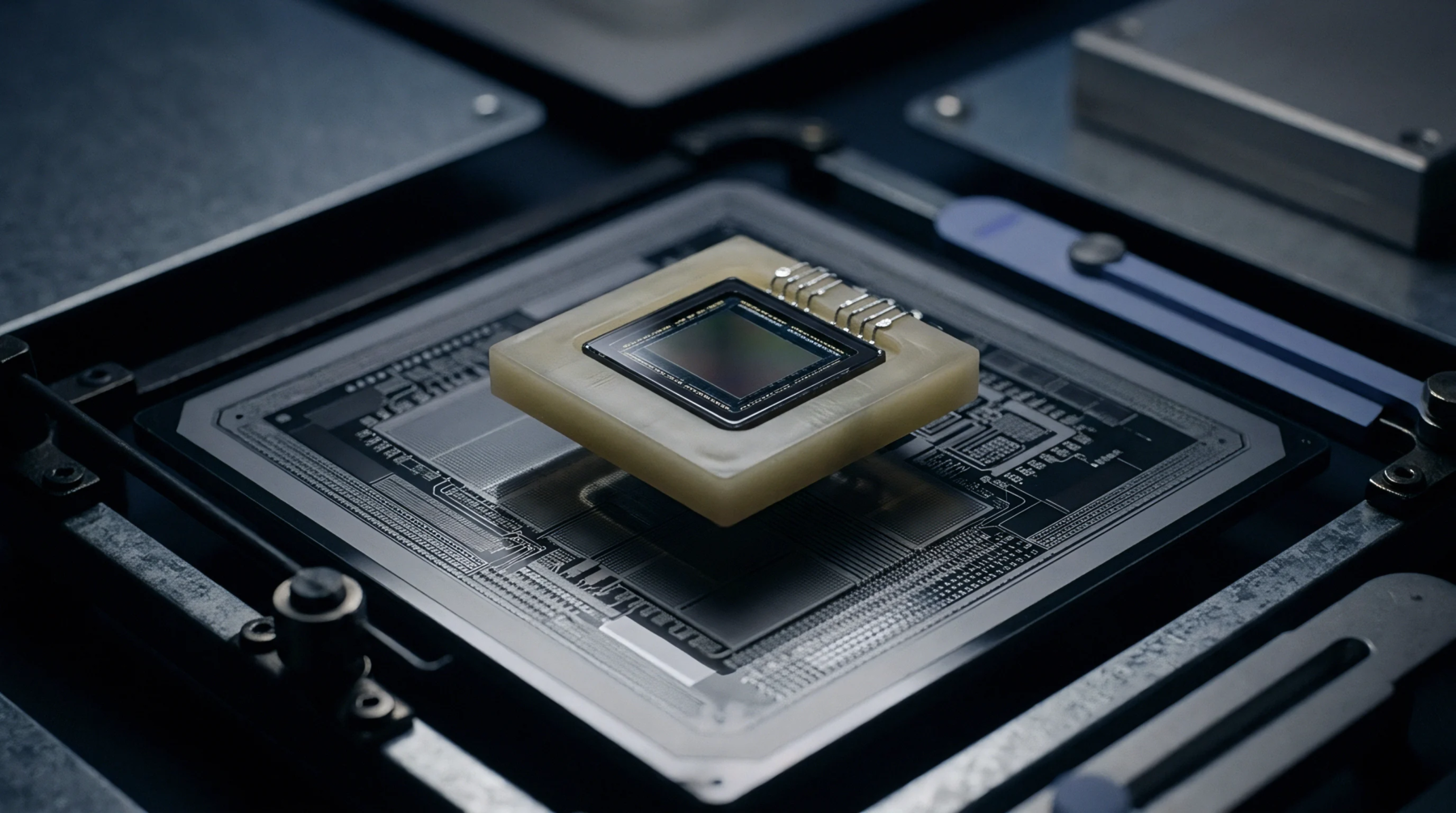
A hermetic housing assembly shields high performance semiconductor dies from environmental moisture while providing specific electrical pathways to external circuitry through a sintered substrate. A ceramic cavity package facilitates the placement of light sensitive or motion sensing components in an open air void beneath a sealed lid. Die attachment happens directly on the floor of the housing base where thermal conductivity governs the heat dissipation rate.
The base consists of alumina or aluminum nitride layers cofired to build a rigid platform for mounting. Lead frames or gold plated pads route signals from the internal bond wires out to the system board. Hermetic sealing prevents oxygen ingress which would degrade metal oxide layers on the active die surface.
Engineers select these housings for high frequency applications where plastic moulding materials introduce unacceptable signal attenuation or dielectric loss.
Interconnect Geometry
Bond wires connect the interior contact pads to the gold pins extending through the wall of the structure. Signal integrity depends upon the length of these connections as stray inductance rises with distance. Operators monitor the loop height to ensure clearance under the lid during final vacuum sealing procedures.
Every wire must clear the edge of the package footprint to prevent shorts. Gold or aluminum alloy wires weld to the pads using ultrasonic energy or thermal compression. Precise control of the welding parameters prevents microcracks in the ceramic floor.
Failure to maintain bond wire spacing results in intermittent connectivity under thermal cycling.
Environmental Sealing
The lid attachment creates the final barrier against gaseous contaminants. Low temperature solder or glass frit bonds the metallic cover to the ceramic frame. Vacuum bake procedures evacuate moisture trapped inside the cavity before the final seal occurs.
Detection of leakage happens via helium mass spectrometry where pressurized helium forces its way through any breach in the seal. The leak rate specification defines the reliability limit for aerospace or medical deployment. Variations in the thermal expansion coefficients of the glass and the ceramic material introduce stress concentrations during temperature swings.
Material Qualification
Qualification tests subject the assembly to repeated temperature shocks to verify the strength of the seal. Dimensional tolerances for the cavity volume ensure the proper fitting of optical lenses or pressure diaphragms. Calibration of the sealing furnace guarantees consistent bonding across every batch.
Measurement of the gold plating thickness ensures the oxidation resistance of the signal pads over the operating life of the device. High humidity exposure tests reveal vulnerabilities in the adhesive bonds used for the cover. The package provides a stable environment for sensitive chips when the seal remains intact throughout the entire lifecycle of the component.