
Inductive Transduction Fundamentals in Conductive Metal Inspection
Inductive metal inspection resolves surface and subsurface flaws by measuring complex impedance trajectory shifts driven by eddy current diffusion physics.
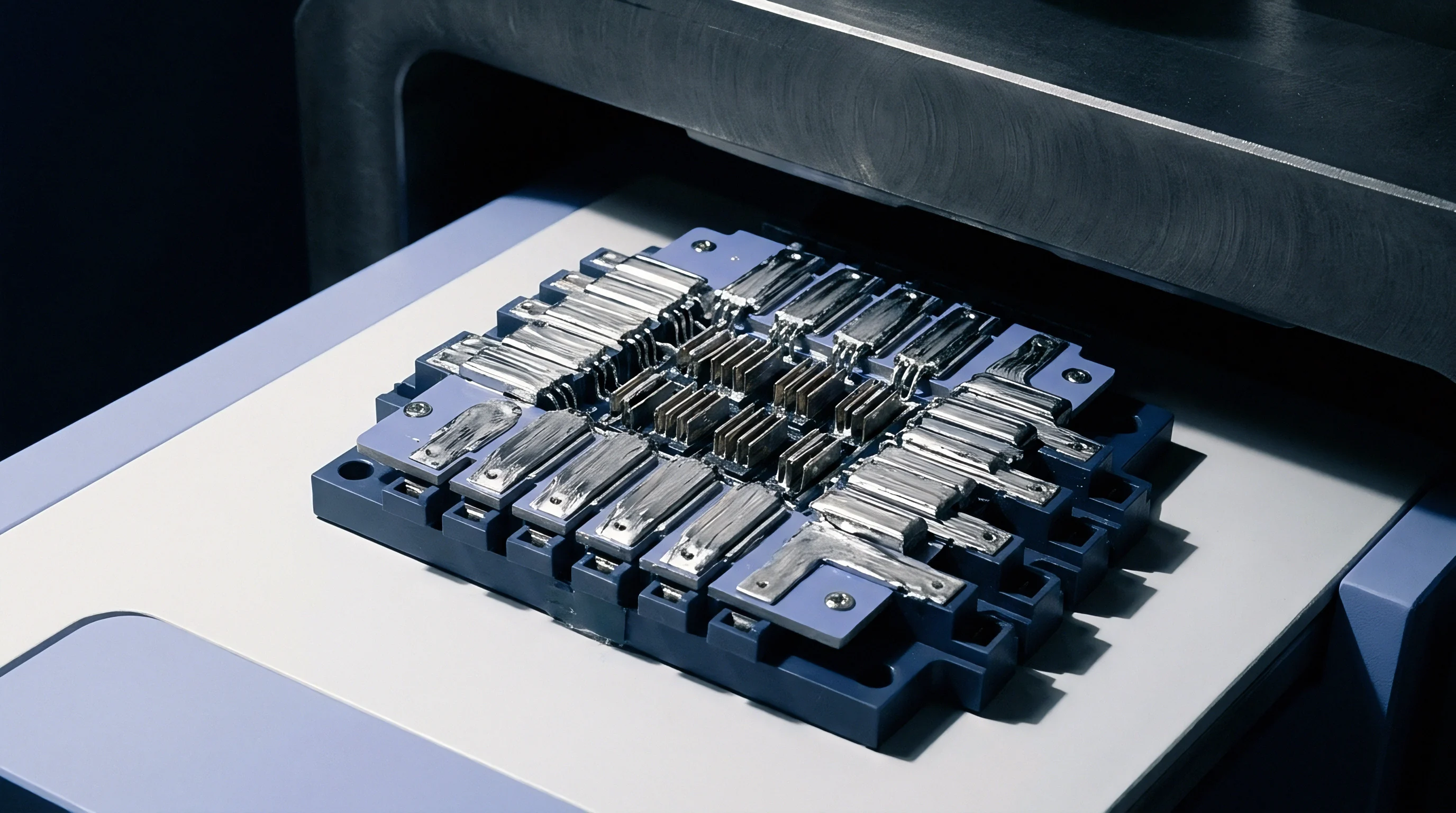
Start from what must be measured. Motion, environmental, vision, proximity, current: the modality defines the physics before any part number, and each principle brings its own suppliers.

Inductive metal inspection resolves surface and subsurface flaws by measuring complex impedance trajectory shifts driven by eddy current diffusion physics.
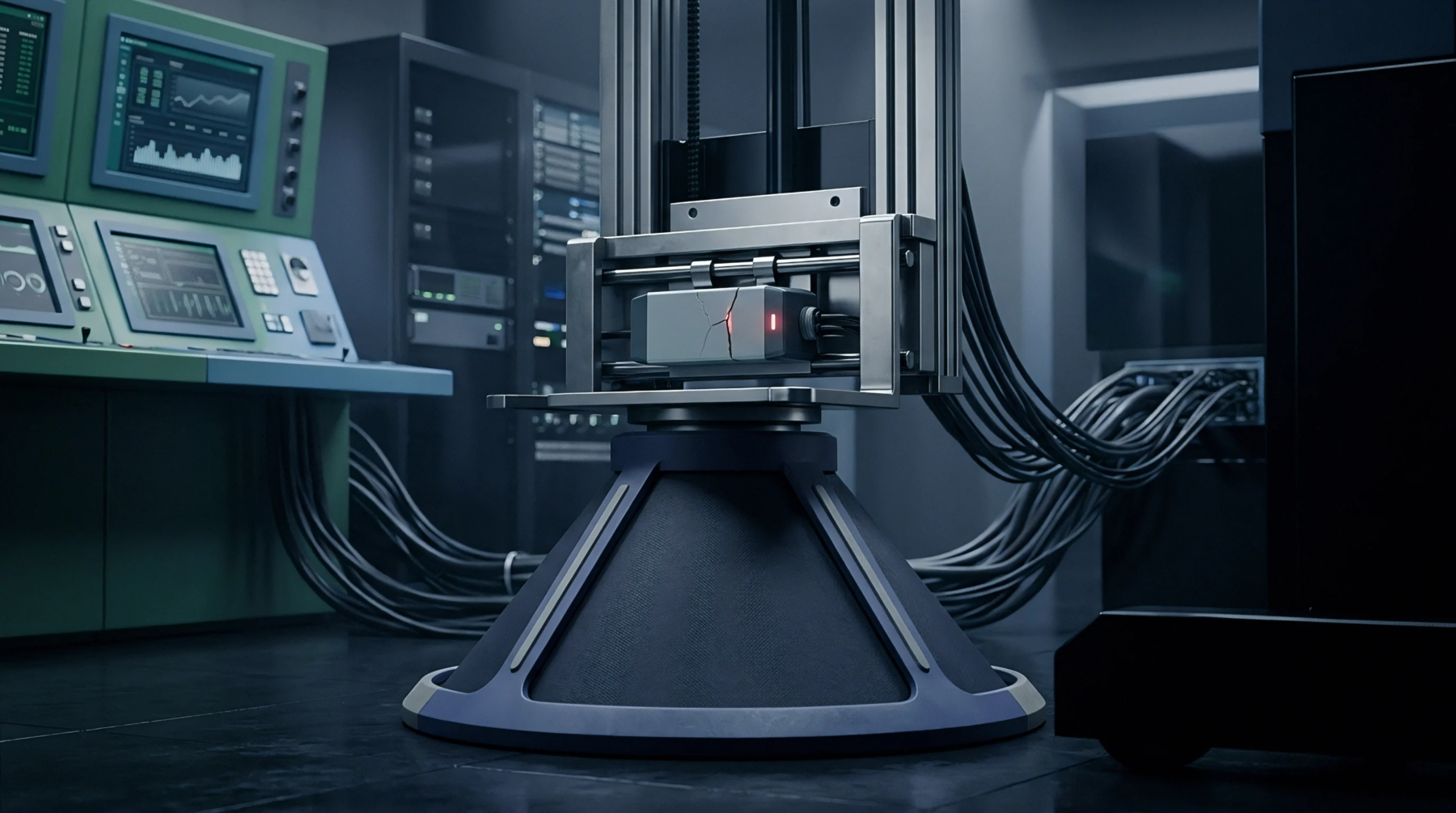
Polymer die attach relaxation changes micro-resonator anchor stress over time, driving bias drift that requires hard eutectic solders or burn-in aging.
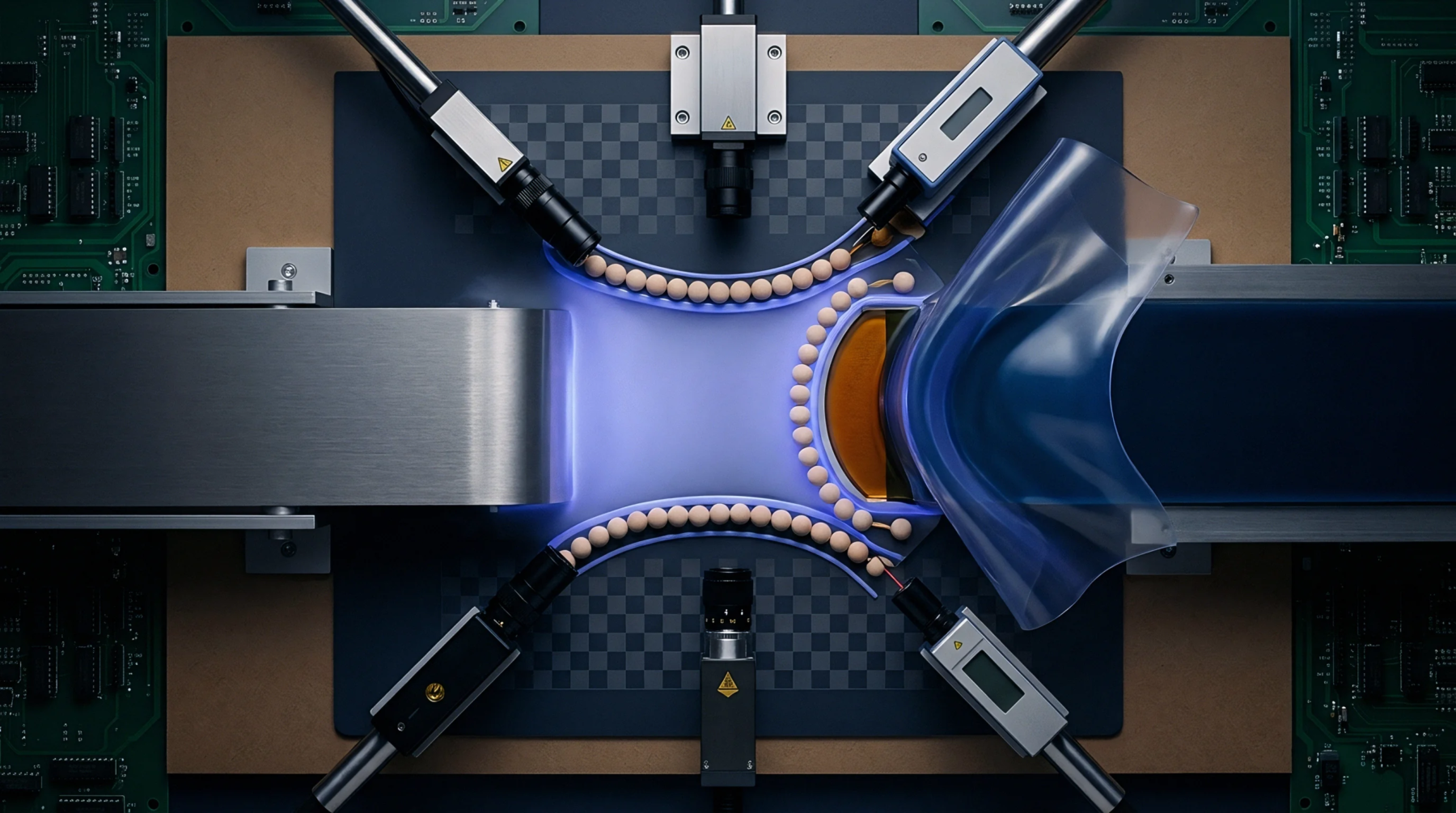
Digital ASIC polynomial compensation corrects pressure module thermal drift by evaluating bivariate surface fit matrices stored in EEPROM over fixed-point ALUs.
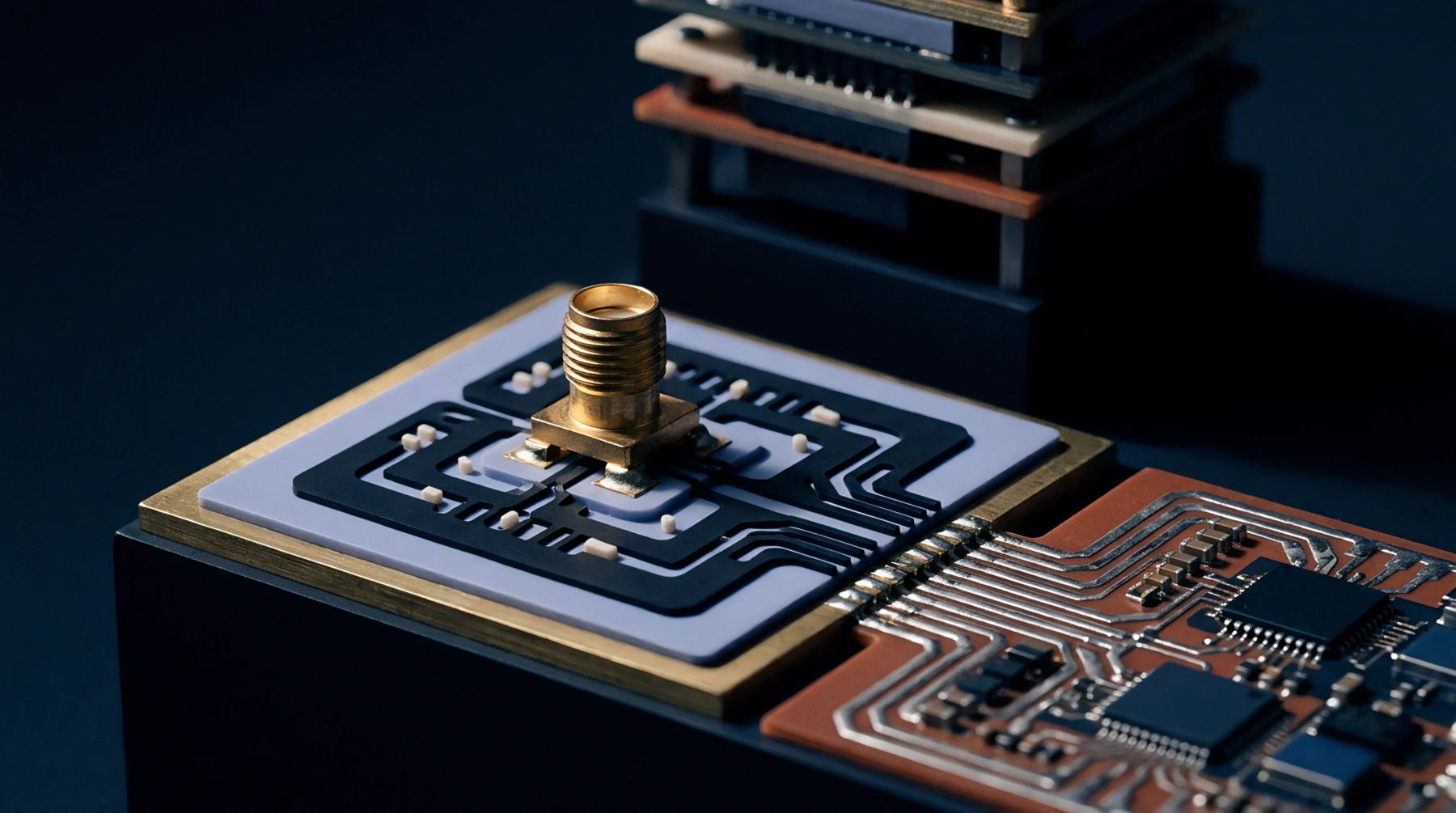
On-chip thermal state estimators eliminate MEMS gyro dynamic bias drift by using drive resonance to calculate mass temperature in real time.

Managing integrated Hall sensor offset stability requires isolating piezoresistive package stress from core magnetic remanence across temperature cycles.

Evaluating common mode transient immunity requires measuring differential displacement noise caused by isolation barrier capacitance under real circuit switching conditions.
SMD, embedded or standalone. I2C, SPI or analog. Package and interface decide integration effort and board space, and the same die ships in five forms at five prices.
Treat the interface as a sourcing spec.


Bottom terminated package parasitic isolation requires thermal pad segmentation while mechanical stress drift is suppressed by limiting solder voiding under 10 percent.
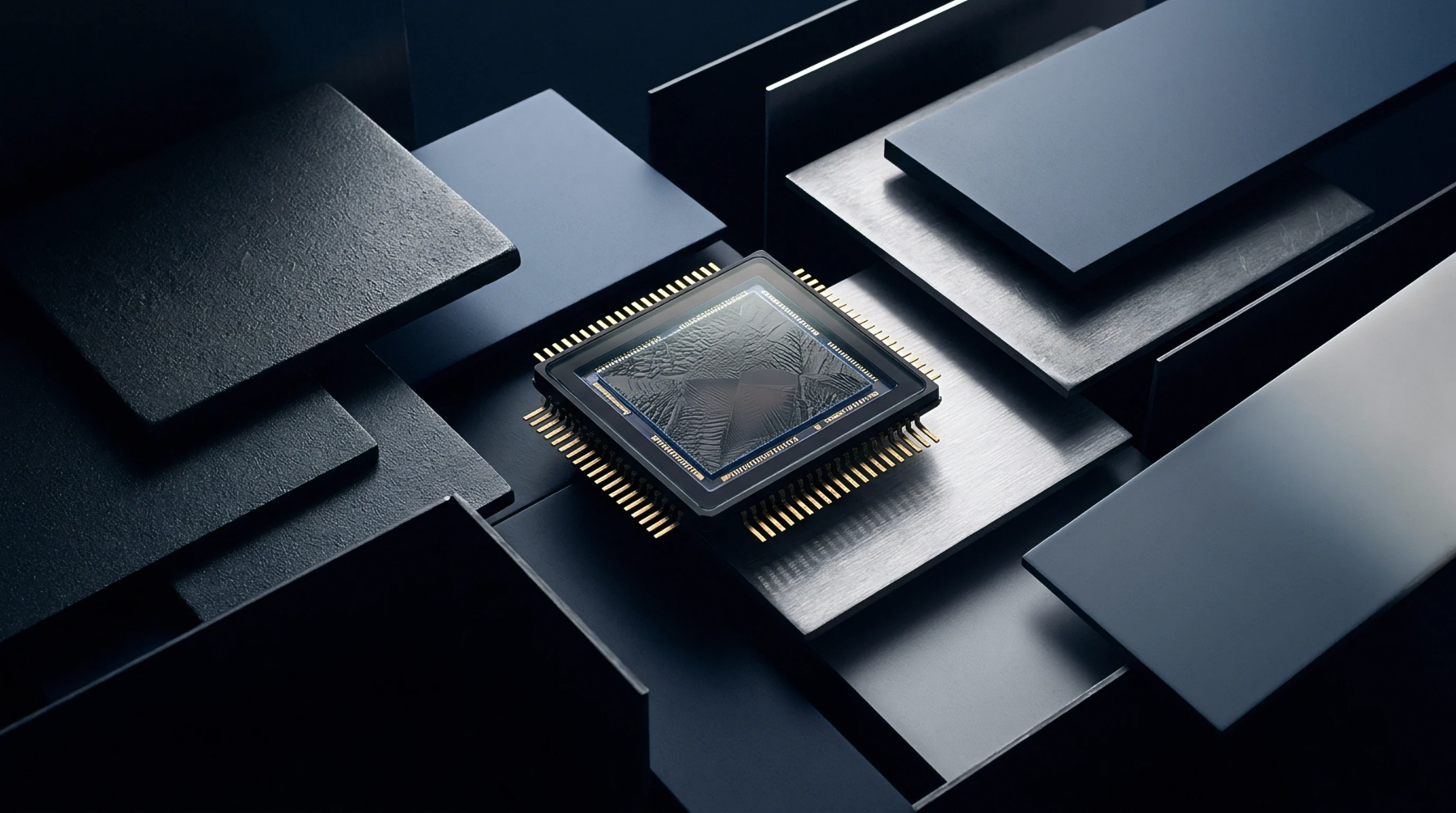
Interconnect parasitic shifts degrade return loss and collapse eye margins, forcing board-level copper compensation and firmware-driven equalization offsets.
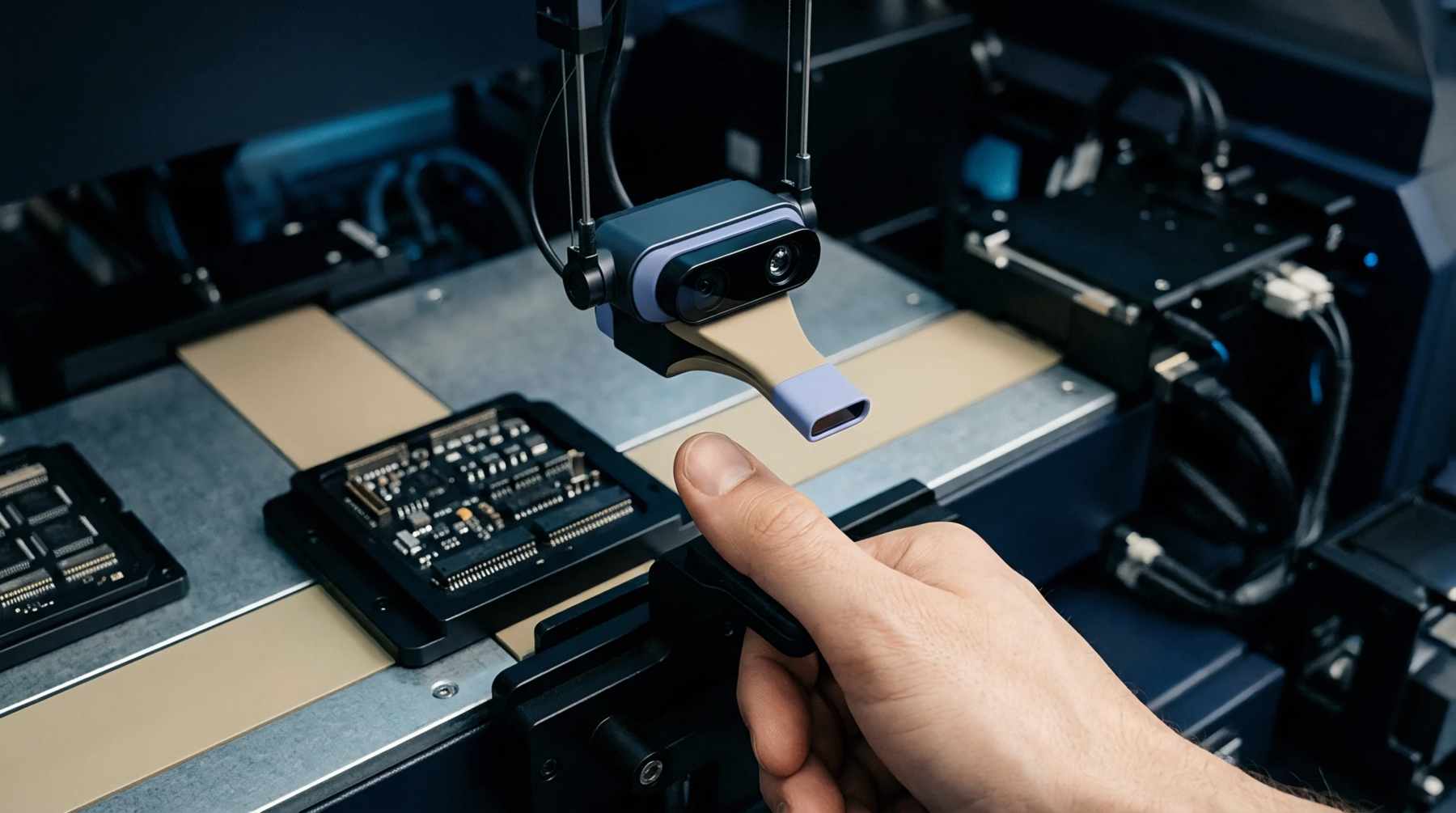
Extract leadless package parasitics using 3D field solvers and route unbroken ground returns under thermal pads to suppress inductive ground bounce.

Dynamic strain rate matrix models show low-temperature Bi-Sn solders embrittle at impact velocities, requiring micro-alloying or underfill to pass drop audits.

Triaxial strain rosette signal acquisition during depaneling audits requires simultaneous 50 kHz sampling and 10 kHz anti-aliasing filtering to capture true strain peaks.
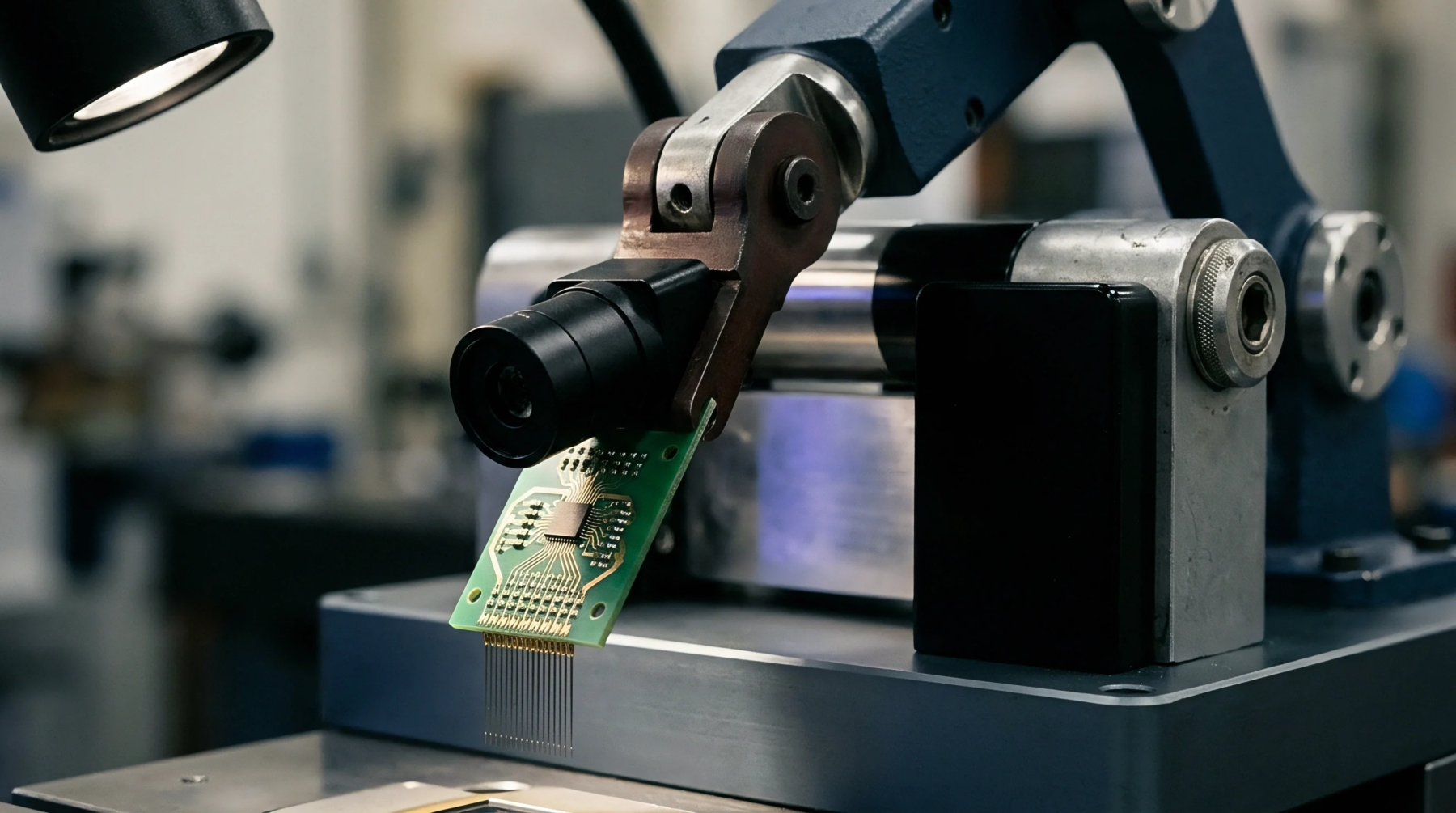
Surface mount strain gauge selection relies on matching package shear modulus, serial bus update rates, and IPC-9704 board strain limits.
Calibration is the question a sensor buyer pays to have answered. Accuracy, drift, IP rating, range: a datasheet figure is a claim, verified drift is an audit result. Sourcing is won or lost here.
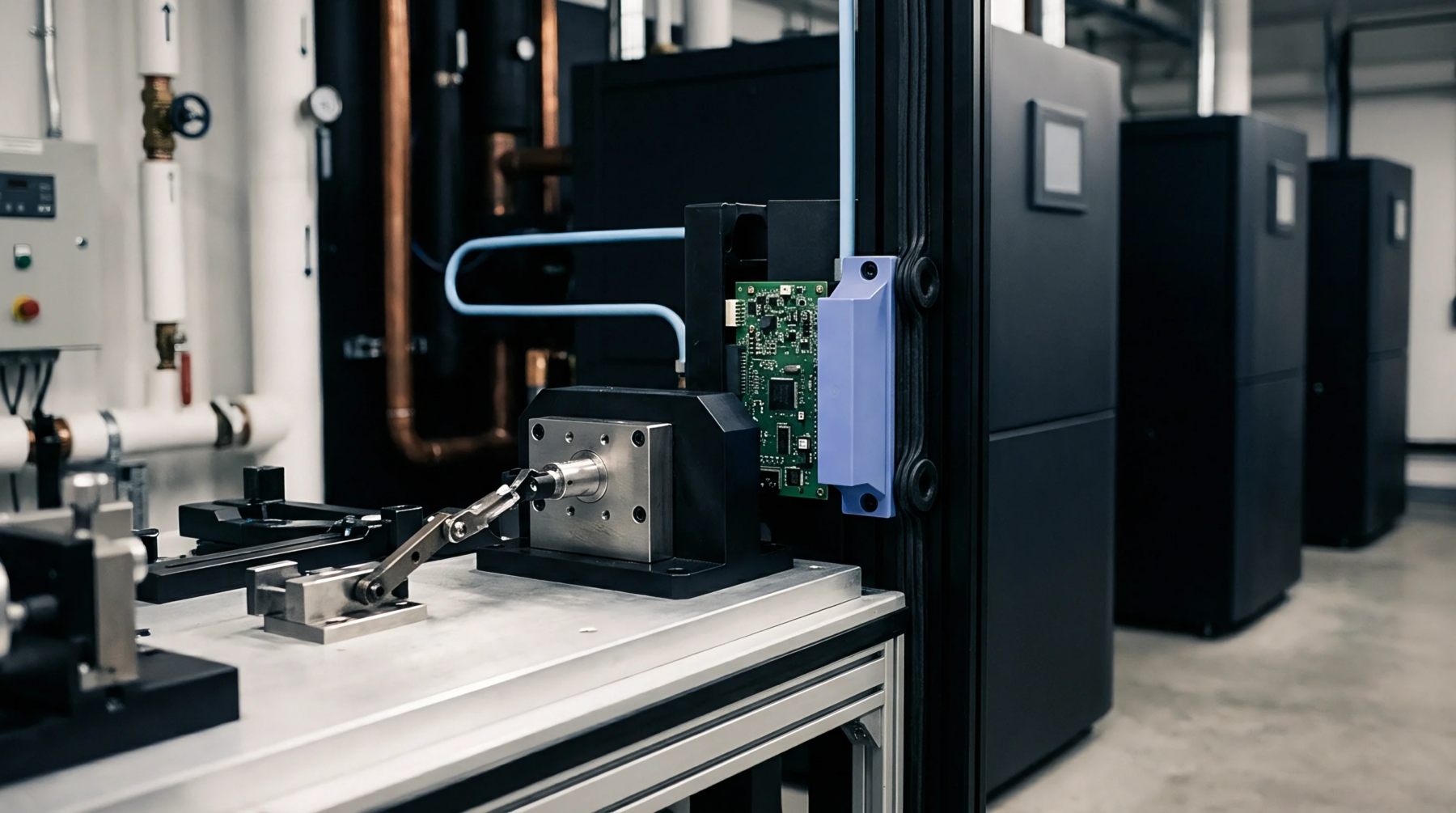
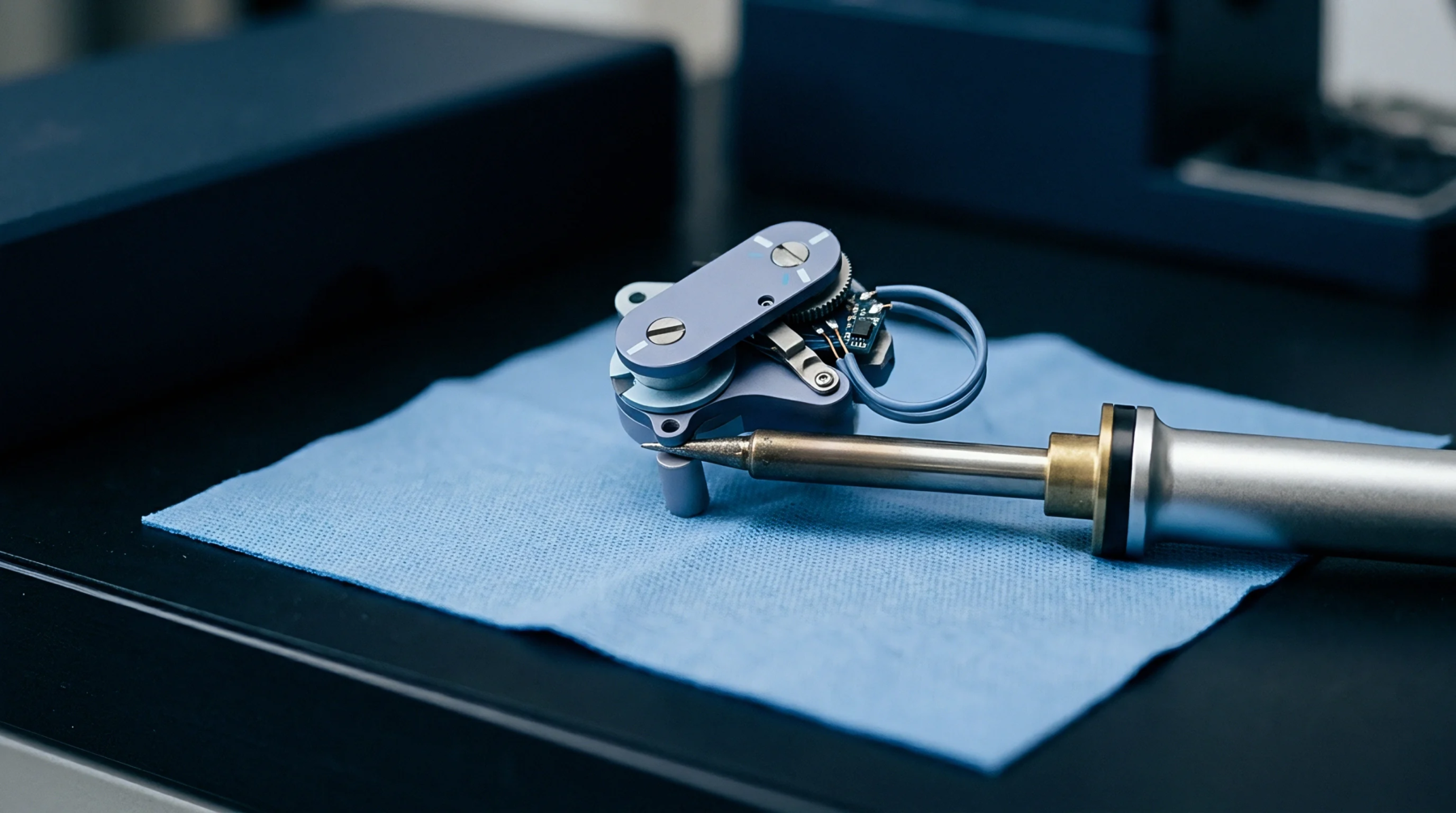
Decoupling non-Fickian moisture swelling from viscoelastic relaxation requires differential reference dies and state-observer firmware to hold zero-point stability.

Moisture ingress into silicone transducer gels induces time-dependent strain and viscoelastic relaxation that shift piezoresistive offset accuracy.

Sintered silver creep shifts die shear limits under power cycling, demanding Anand viscoplastic parameters tied directly to measured density.

High-temperature epoxy bondlines lose shear stiffness during thermal soak, causing continuous micro-strain span decay and zero drift that require time-based derating.
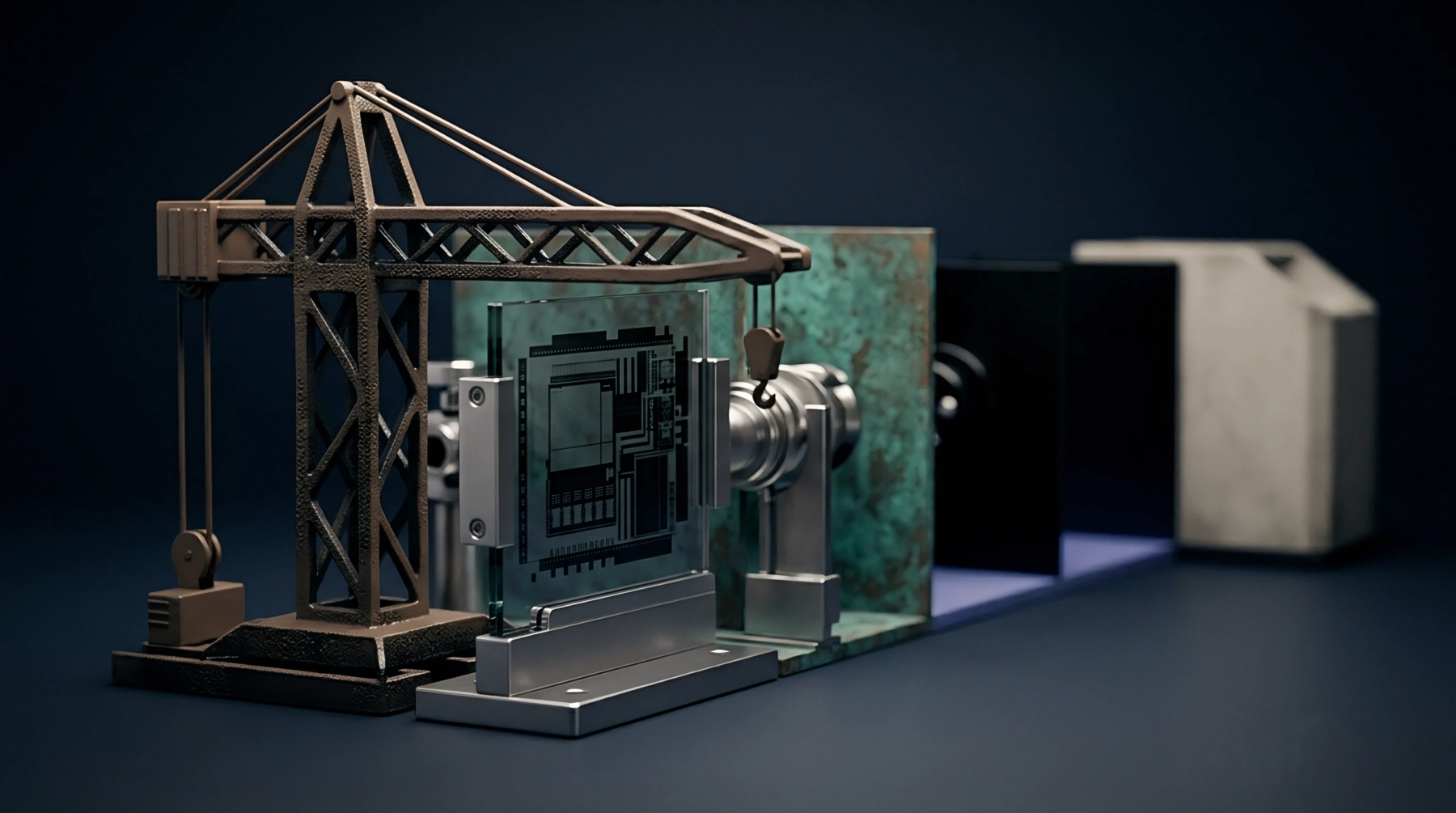
Polymer interface degradation stems from moisture hydrolysis and thermomechanical stress, requiring targeted acoustic screening and activation energy mapping.
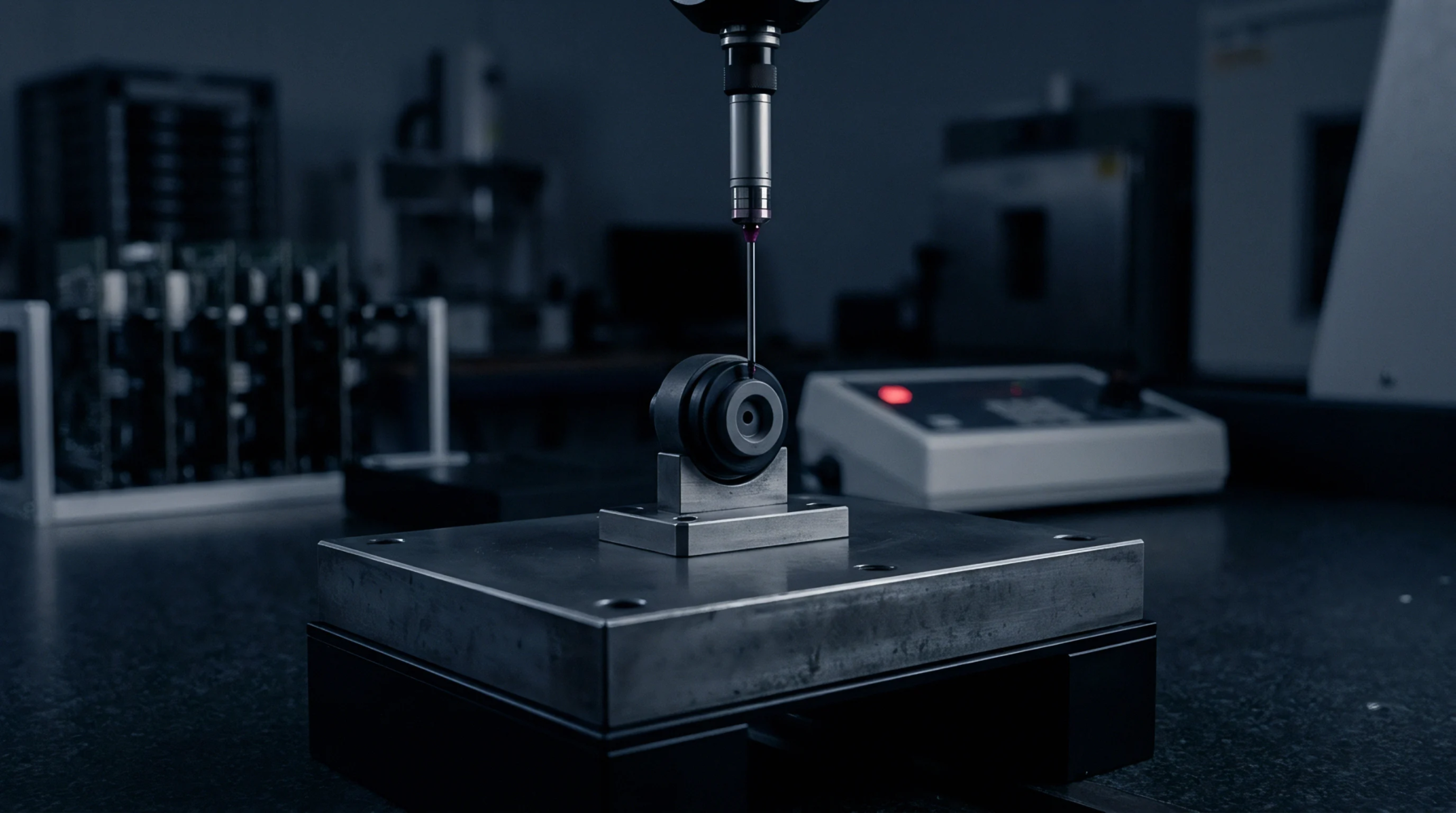
Dynamic thermal gradients in field transfer standards expand calibration uncertainty, requiring calculated ramp lag and axial conduction additions.
Expertise is a utility, not a secret. sentiention™ publishes its working knowledge as open reference: intelligence layer covering the materials it sources, the markets it enters, and the reference that serves both.