
Nonlinear Viscous Flow Drag in Ultra High Pressure Piston Engagement Annular Clearances
Viscous drag and piezoviscous thickening non-linearly alter piston effective area and fall rate in ultra high pressure annular engagement clearances.
Viscous drag and piezoviscous thickening non-linearly alter piston effective area and fall rate in ultra high pressure annular engagement clearances.

Primary piston gauge recalibration uncertainty budgeting requires combining effective area, pressure distortion, mass values, and local gravity into a rigorous GUM model.
Traceable piezoresistive pressure calibration links sensor bridge millivolt outputs to primary piston standards through quantified uncertainty budgets.

Resolving cross-border calibration bias requires bilateral transfer artifact audits, ISO 14253-1 guardbanding, and statistical En score validation.

Calculating compatibility ratios across divergent pressure calibrations requires converting uncertainties to k=2, correcting for local g and fluid head, and evaluating the En statistic.
Baseline accuracy requires root-sum-square isolation of terminal-point linearity, hysteresis, and repeatability backed by a verified 4:1 Test Uncertainty Ratio.
Characterizing non-linear deflection requires modeling membrane stretching beyond 0.2t thickness to specify correct ASIC calibration polynomial profiles.
Dynamic thermal gradients and structural hysteresis break static sensor accuracy models, demanding derivative compensation and explicit dynamic calibration bounds.
Viscoelastic package stress drives non-linear piezoresistive zero drift, demanding multiphysics finite element modeling and high-order thermal calibration.

Laser trimming corrects Wheatstone bridge thermal zero drift by modifying resistor geometries, but microstructural relaxation requires post-trim thermal burn-in.

Silicon piezoresistive pressure drift stems from temperature-dependent carrier mobility and package stress, requiring constant current drive or polynomial ASIC matrices.

Quantifying adhesive zero-point drift requires deriving empirical activation energies via multi-temperature soaks to accurately model long-term baseline stability.
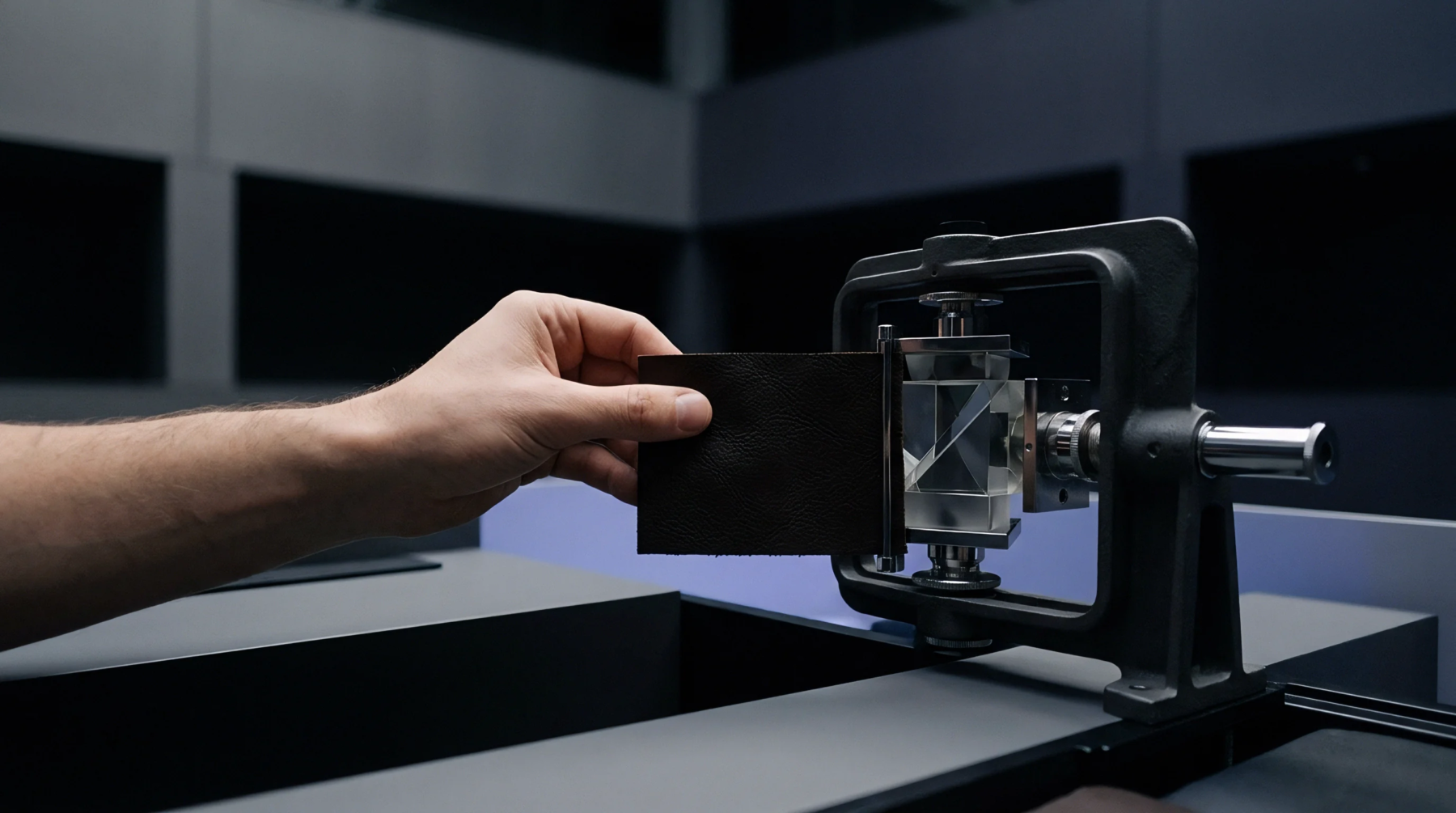
Inertial bench accuracy demands active sub-Hertz seismic isolation, symmetric thermal baffling, and nanoradian tilt control to bound errors below one microGal.
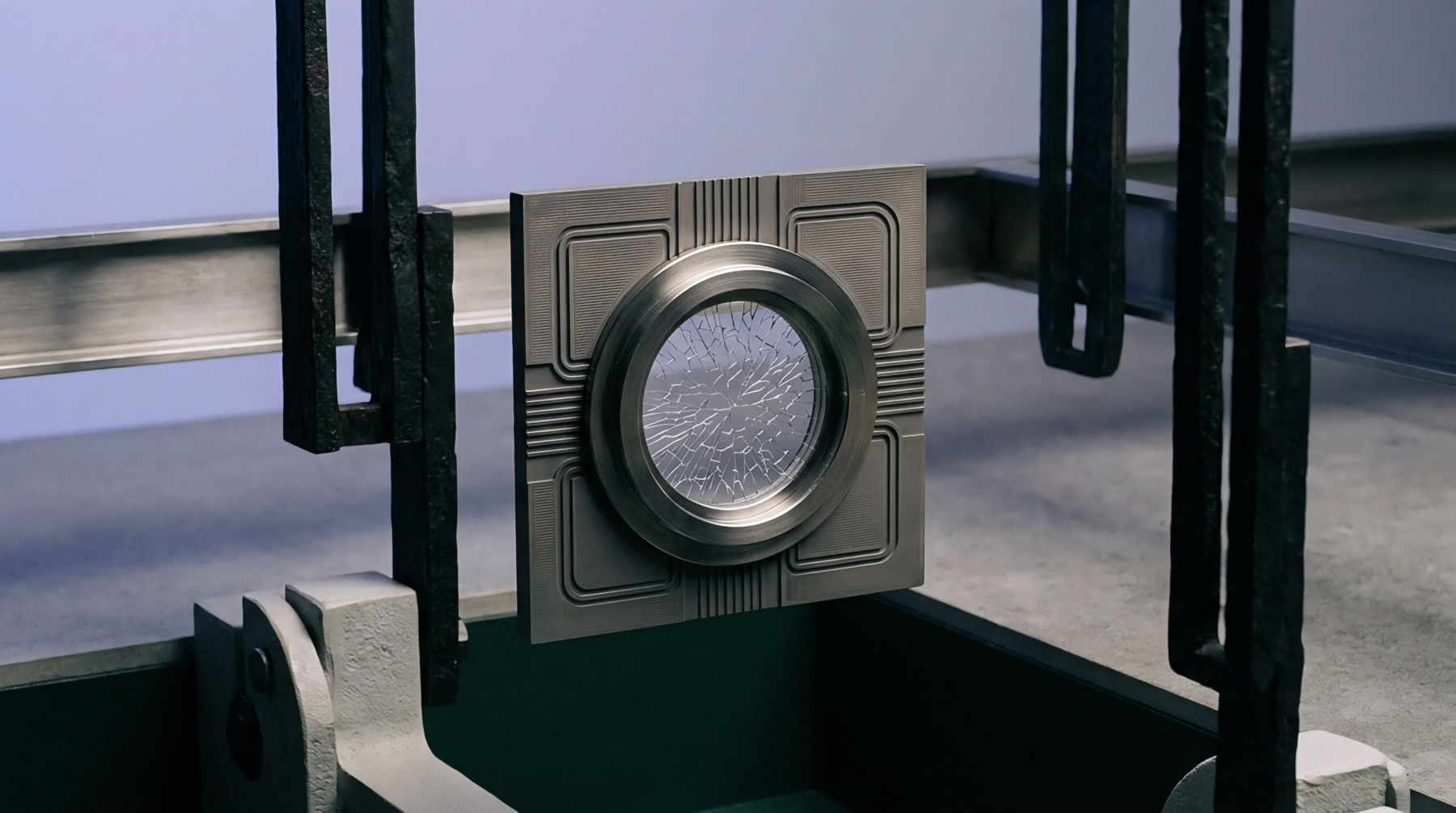
Pedestal glass creep induces irreversible zero wander in piezoresistive transmitters via interfacial stress relaxation under sustained static pressure.
Guardband design balances consumer risk and factory yield by subtracting combined calibration and environmental drift uncertainties from sensor tolerance limits.

Quantifying high-temperature MEMS calibration uncertainty demands summing reference sensor error, furnace thermal gradients, and package drift into expanded limits.
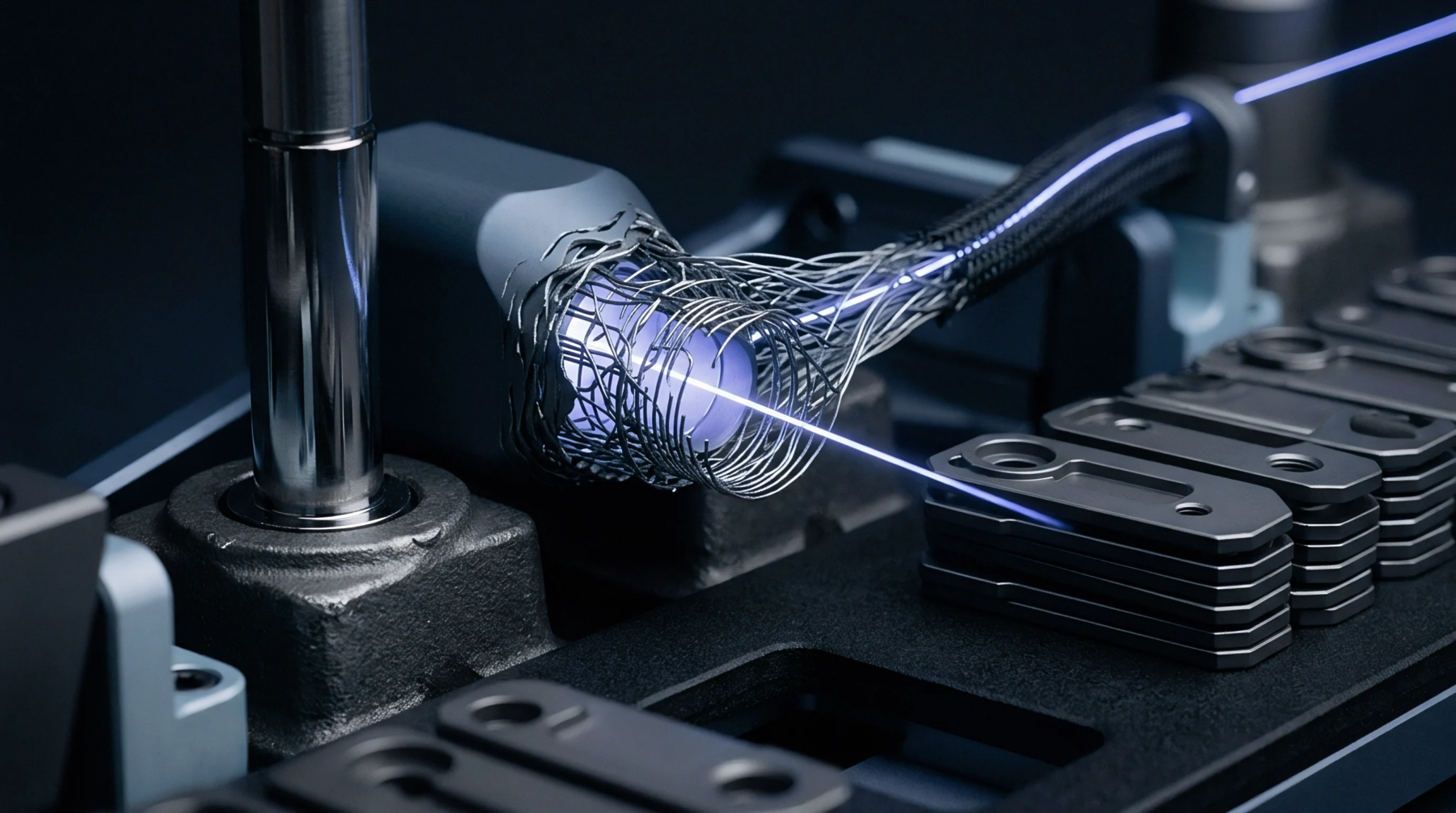
High-temperature MEMS micro-strain calibration requires isolating thermal apparent strain and Seebeck offsets from true mechanical load using optical references.

Coupled thermodynamic drift modeling links secular resistance shifts to turnover decay, reducing long-term calibration uncertainty below 0.02 ppm.
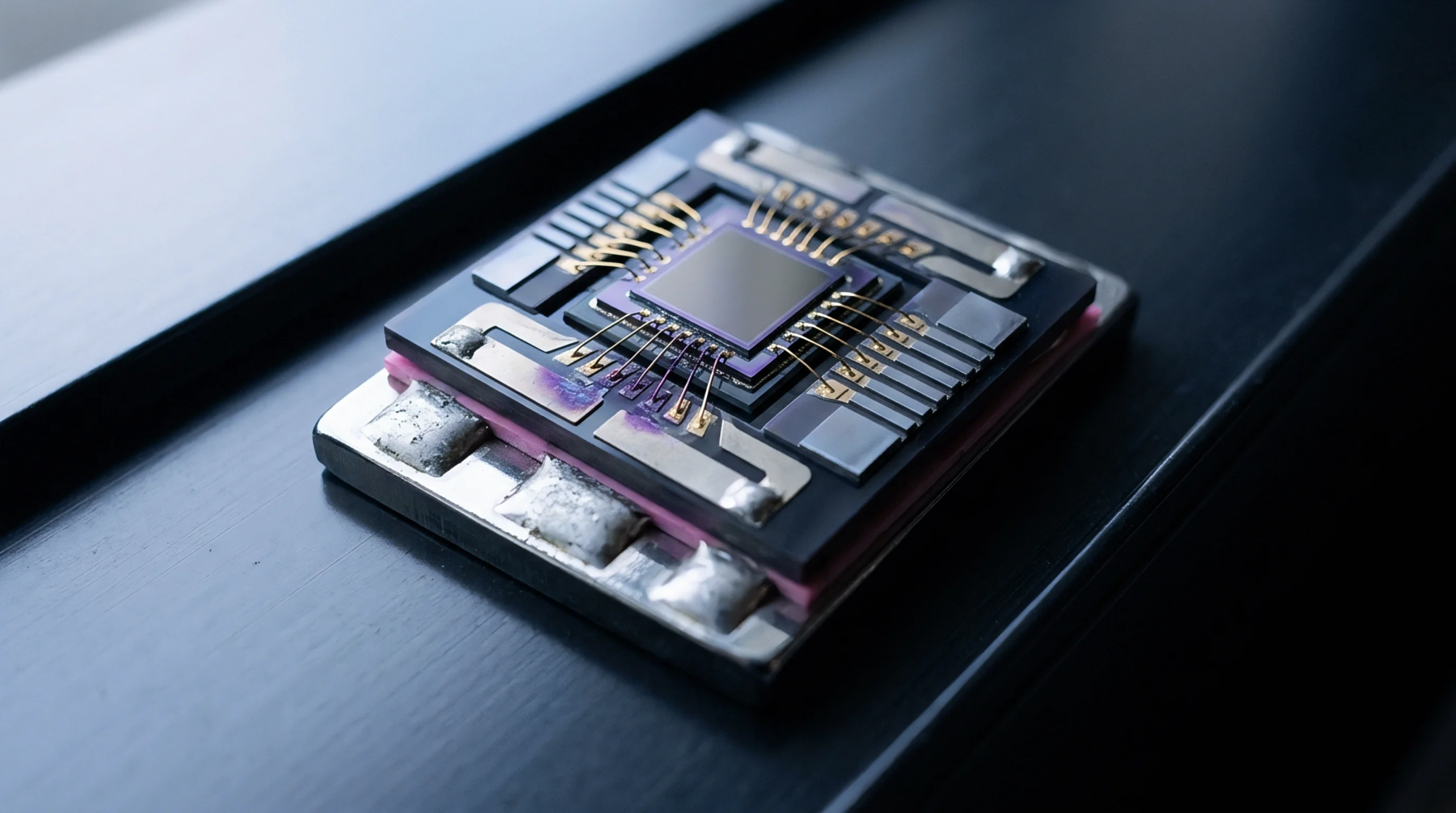
Structural stress relaxation in hermetic wire standards drives logarithmic resistance drift, controllable through precise multi-stage thermal relief aging.
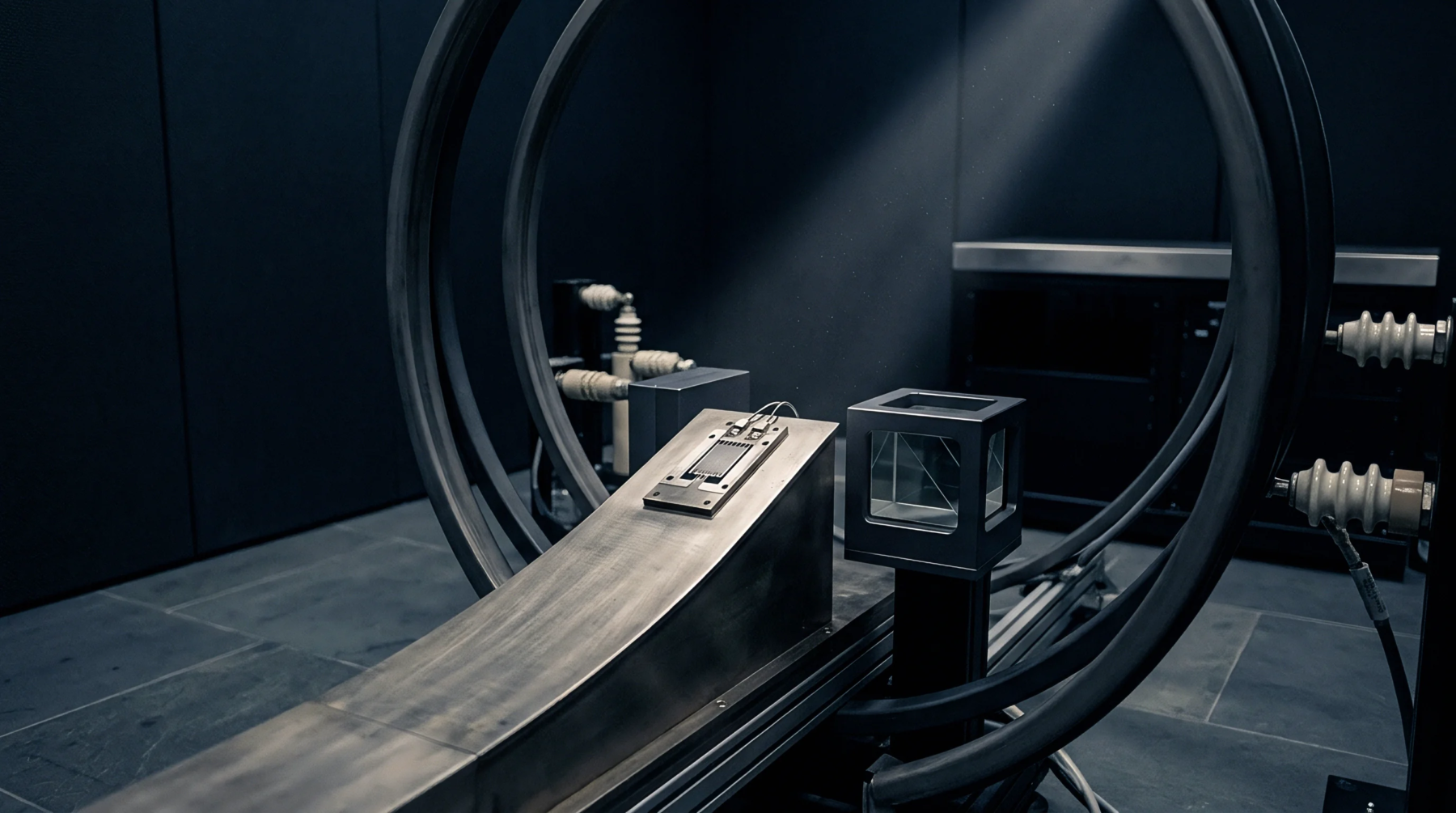
Uncertainty budgeting for field resistors requires combining initial tolerance, parabolic temperature coefficients, and hysteresis into an RSS model.

Borosilicate capacitive cells suffer baseline permeation drift under helium exposure, requiring aluminosilicate materials or accelerated screening to hold multi-year calibration limits.
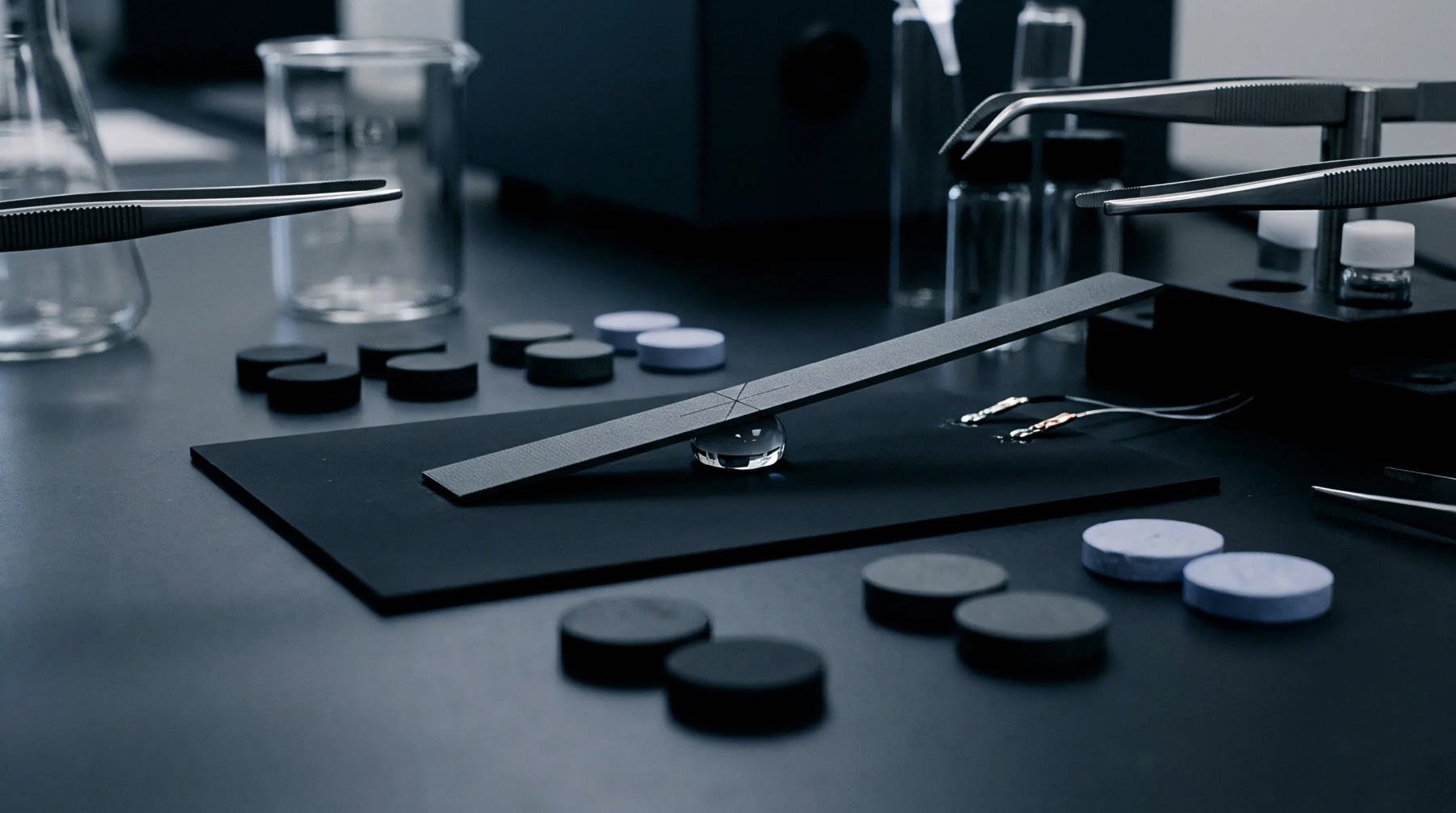
Dynamic subsea transducer matrix correction requires interpolating temperature and hydrostatic pressure lookup tables to cancel phase drift and beam pointing errors.
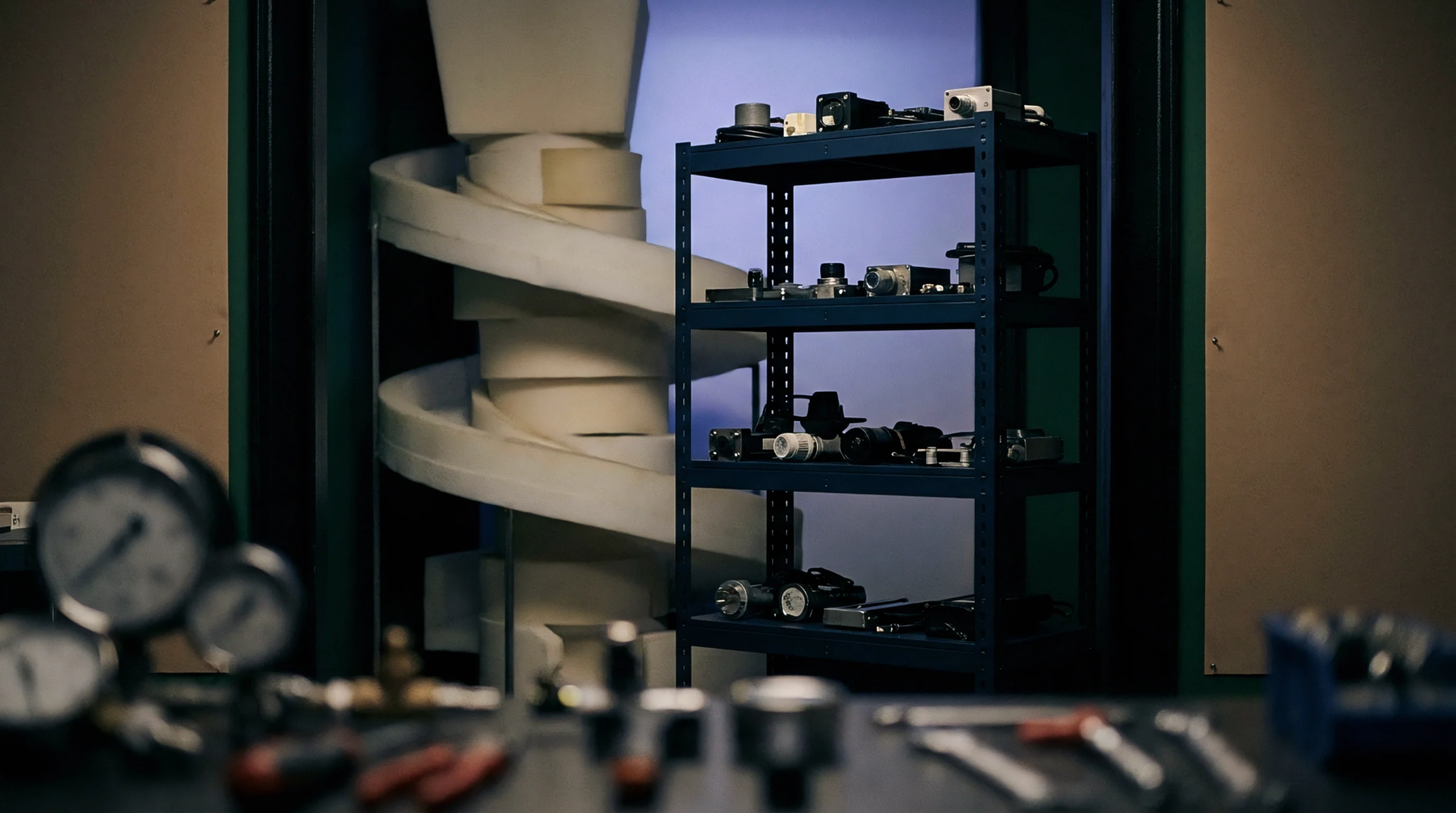
Accurate oceanographic pressure calibration demands simultaneous multi-temperature characterization matrices to eliminate thermal transient and zero-shift errors.

Rigorous subsea pressure sensor auditing ties factory certificates to primary piston gauges while qualifying thermal dwell and hydrogen barrier stability.

Carbon co-implantation and millisecond quench arrest transient enhanced diffusion, restricting piezoresistive zero-point wander below 0.20% FSO at 250°C.

Anodic glass pedestals isolate silicon pressure sensors from packaging stress, locking thermal zero drift within 0.1 percent full scale across service life.

Alkali drift and structural glass relaxation shift sensor zero-points over years; mitigating drift demands pre-aging bakes and barrier films.
Expertise is a utility, not a secret. sentiention™ publishes its working knowledge as open reference: intelligence layer covering the materials it sources, the markets it enters, and the reference that serves both.