
Quantifying Viscoelastic Relaxation Effects on MEMS Diaphragm Zero Point Offset Stability
Viscoelastic die attach relaxation drives MEMS zero point offset drift, requiring rigid pedestal isolation or pre-trim thermal bakes to secure stability.
Viscoelastic die attach relaxation drives MEMS zero point offset drift, requiring rigid pedestal isolation or pre-trim thermal bakes to secure stability.

Polymer encapsulation ingress shifts sensor zero baselines through hygroscopic swelling stress and permittivity drift, requiring pre-conditioned calibration.

Relative humidity drives zero offset drift through polymer swelling strain on silicon diaphragms and surface leakage across unpassivated bridge resistors.
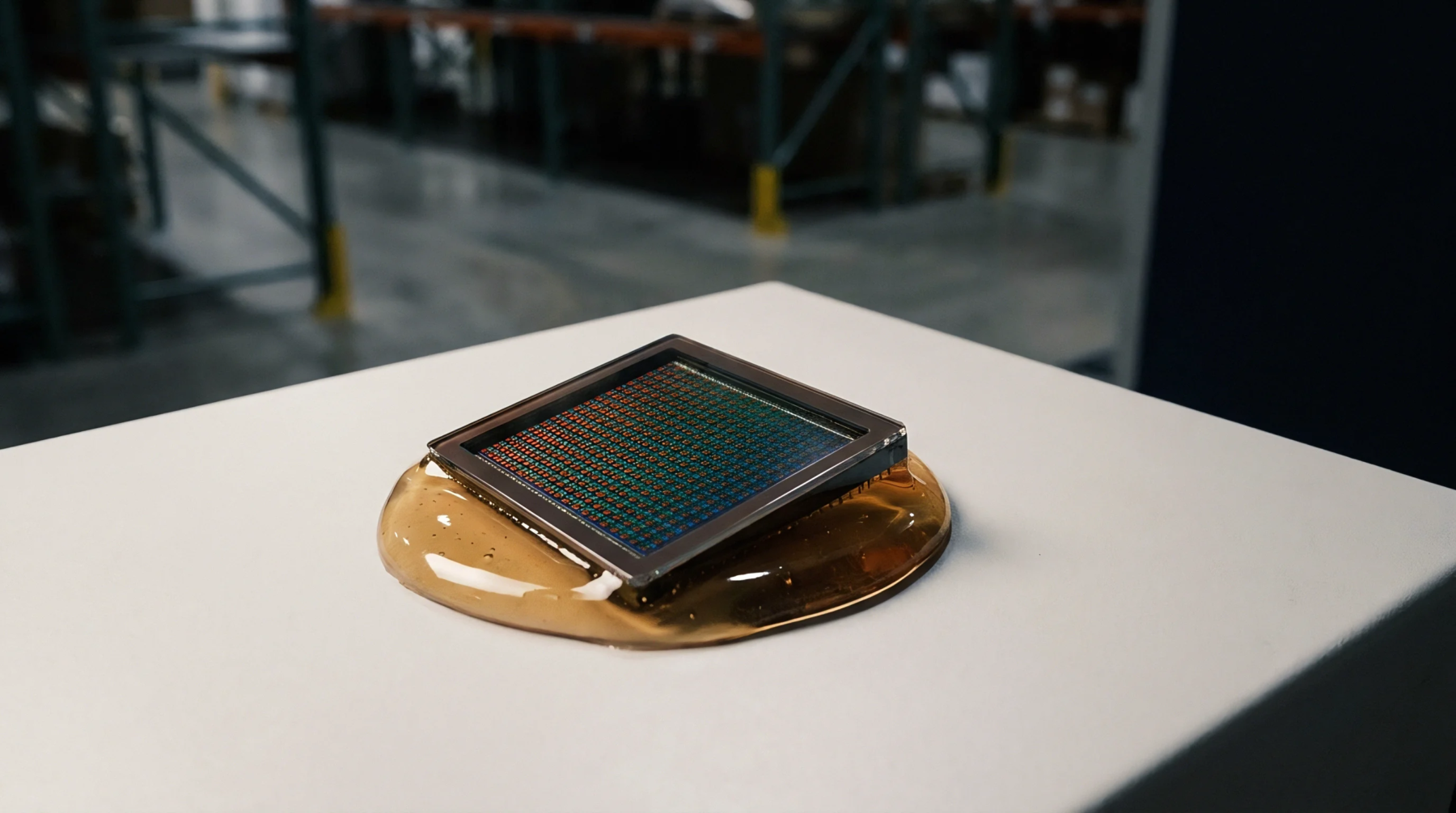
Viscoelastic adhesive relaxation in ceramic LCC packages causes time-dependent zero drift, requiring master-curve Prony modeling to quantify long-term offset shift.

Dynamic elasticity tensor tracking uses embedded piezoresistive rosettes and recursive inversion to cancel interposer viscoelastic warpage in real time.

Controlling moisture-induced shear strain below 80 microstrain in epoxy-molded foil elements requires compliant silicone buffers to hold sub-5 ppm stability.
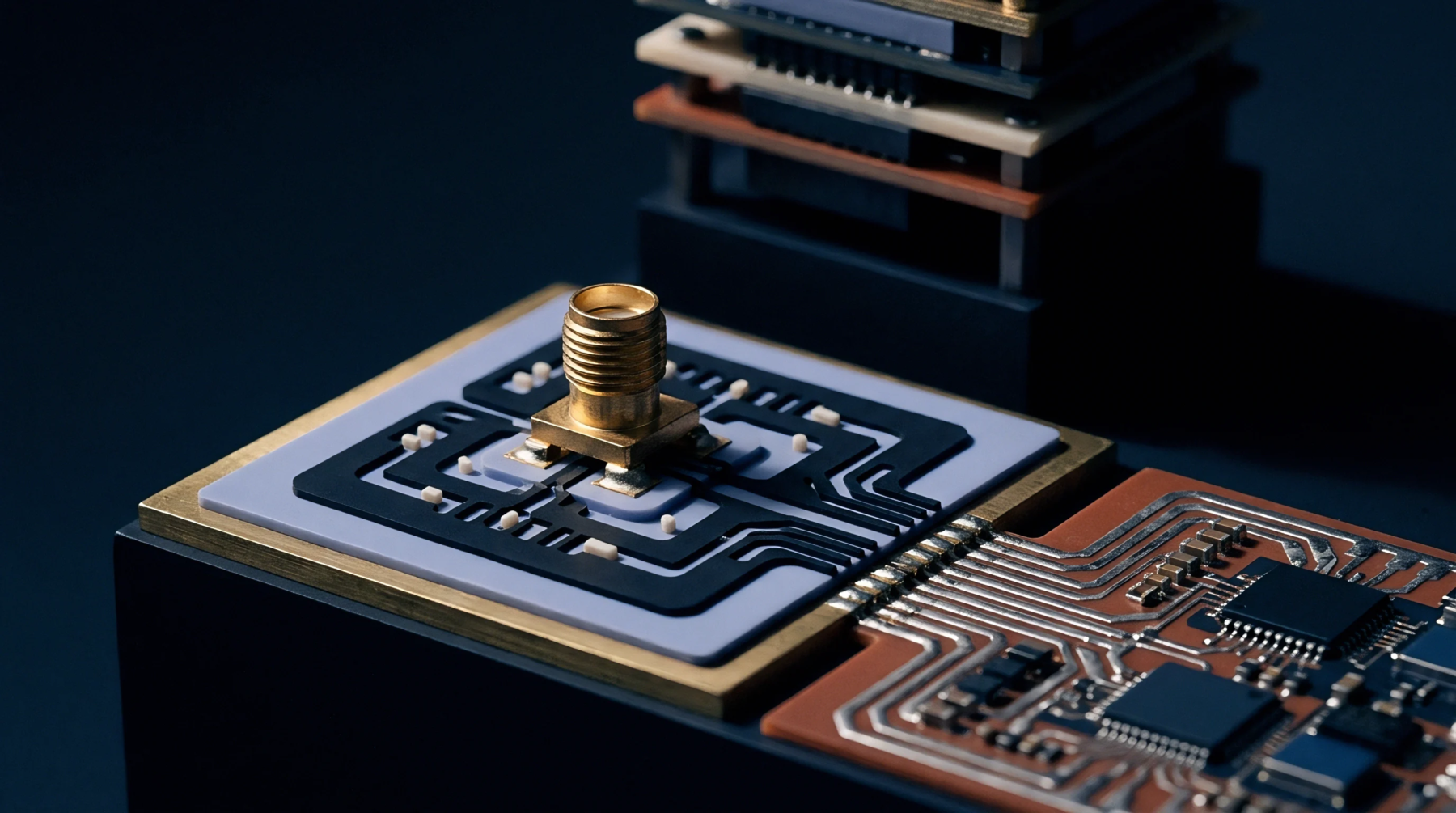
Interposer substitutions demand matched expansion coefficients, controlled solder paste volume, and structural underfill to prevent thermal fatigue fracture.

Semiconductor allocation engines balance client margins, past intake accuracy, and packaging bottlenecks to ration components through linear programming rules.

Polymer die attach relaxation decays mounting stress into silicon frames, causing sub-nanometer anchor warpage that shifts precision accelerometer bias.
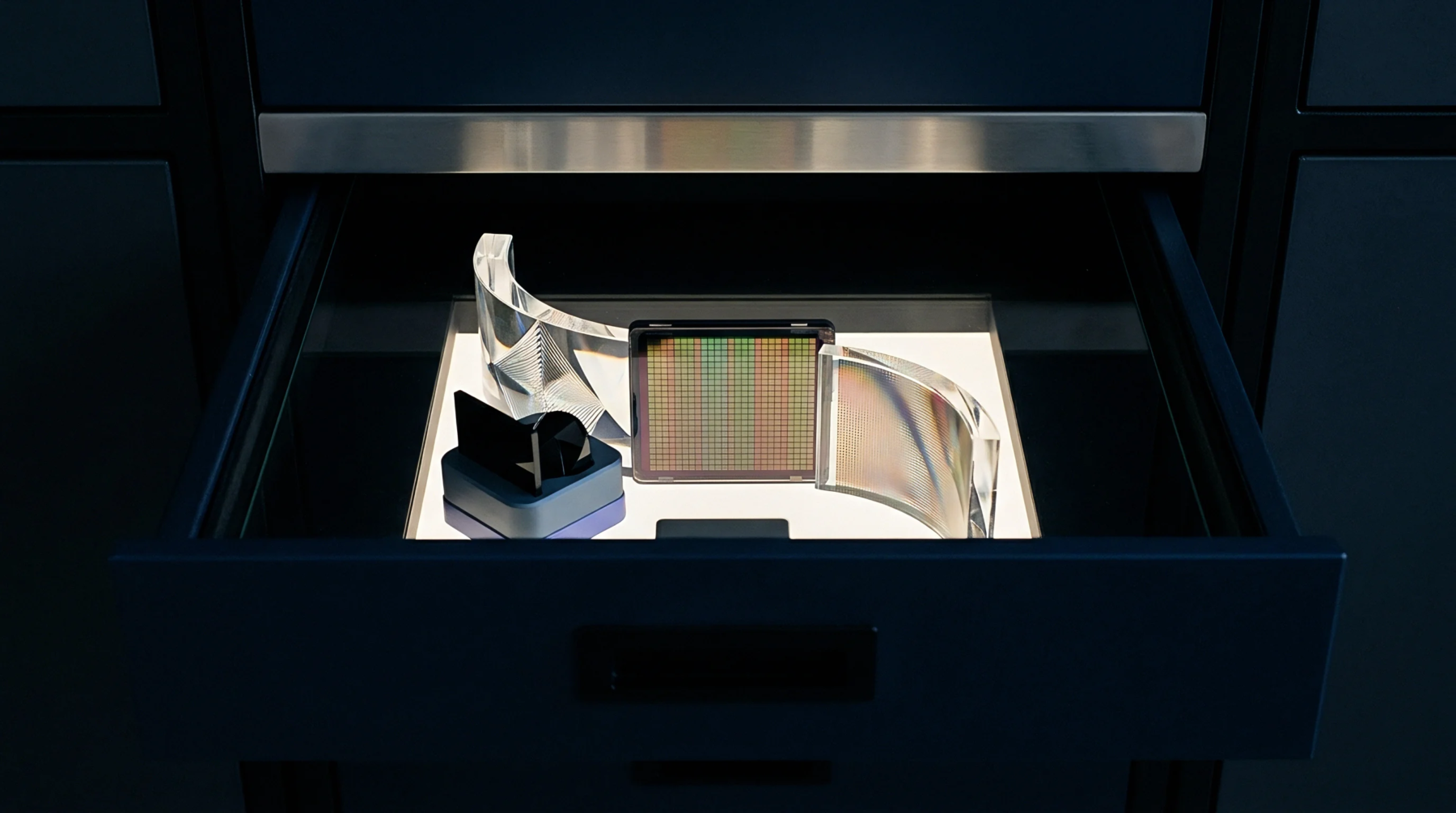
Polymeric die-attach relaxation causes time-dependent thermal strain hysteresis in silicon MEMS, producing zero-offset drift that static calibration cannot fix.
Characterizing packaging strain relaxation under forced convection isolates thermal boundary layer stripping from fluid line pressure to secure true sensor accuracy.

Dynamic thermal stress induces localized micro-bump strain and jitter, requiring CRC-protected in-band register polling to verify chiplet steppings before boot.
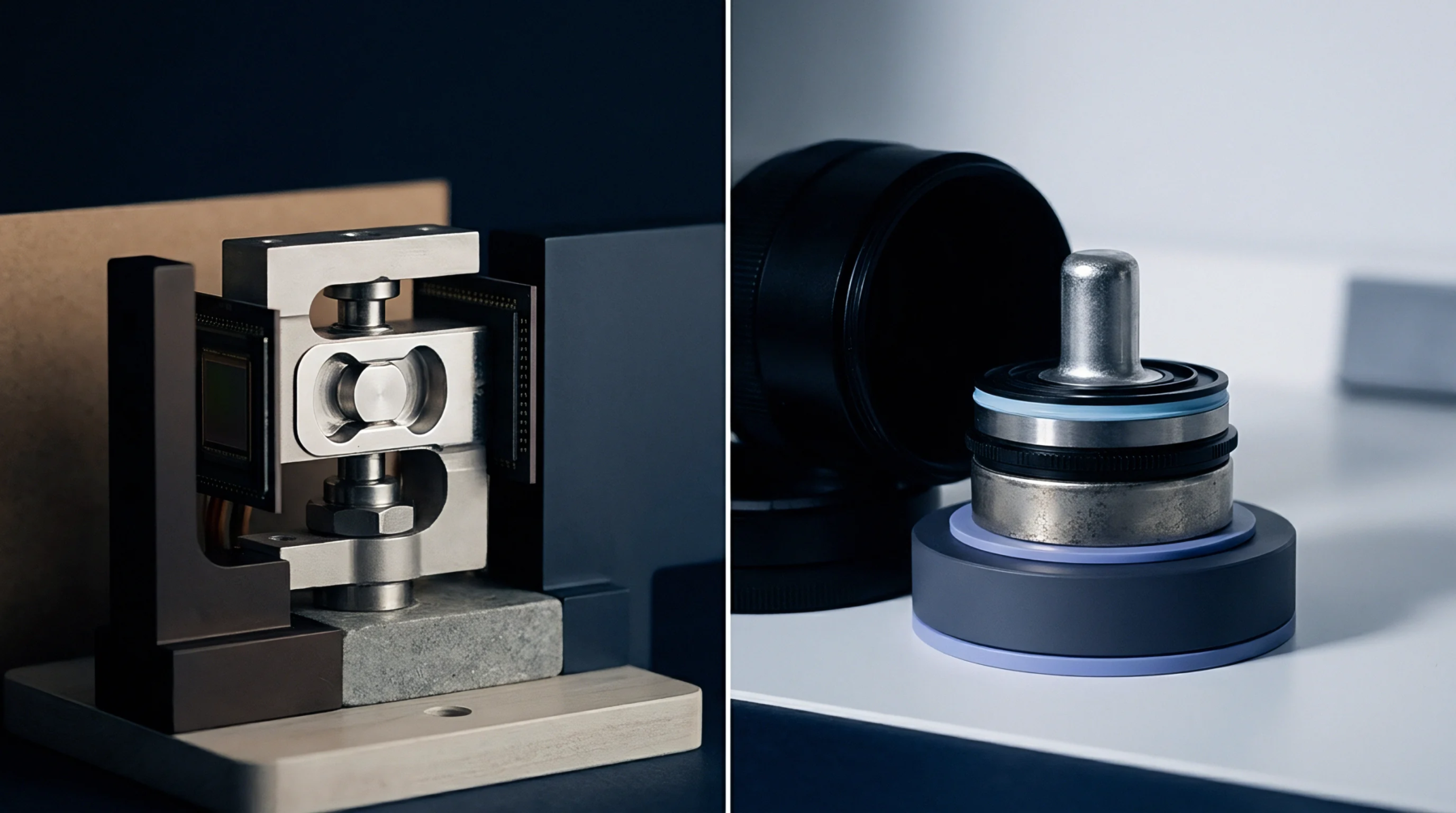
Validating four-week transducer qualification requires deriving activation energies empirically across stepped temperatures to prevent severe drift underestimation.
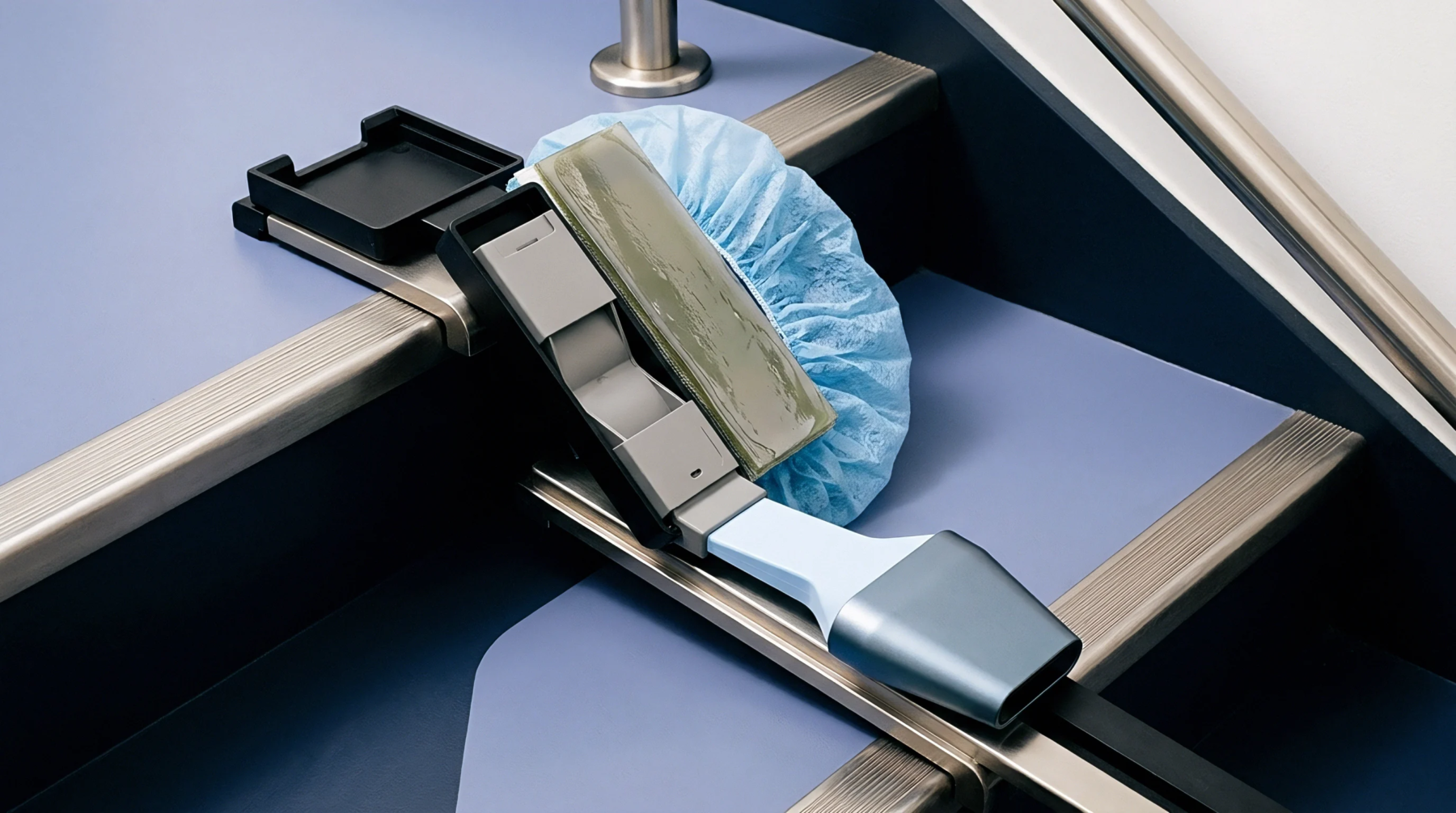
Interfacial shear stress transfers package thermal mismatch into piezoresistor bridges, requiring glass pedestals to prevent unrecoverable zero-point drift.

Hygrothermal aging drives sensor drift via moisture permeation, hygroscopic swelling, and hydrolytic degradation, requiring verified kinetic acceleration models.
Empirical activation energy for sensor encapsulation polymers requires multi-temperature aging below glass transition to prevent catastrophic field failures.

Viscoelastic mold compound relaxation during thermal cycling alters sensor die stress, causing unrecoverable analog drift unless modeled via Prony series.

Post-reflow zero-point drift stems from package-to-board thermal expansion mismatch, demanding compliant leads or post-assembly firmware calibration.
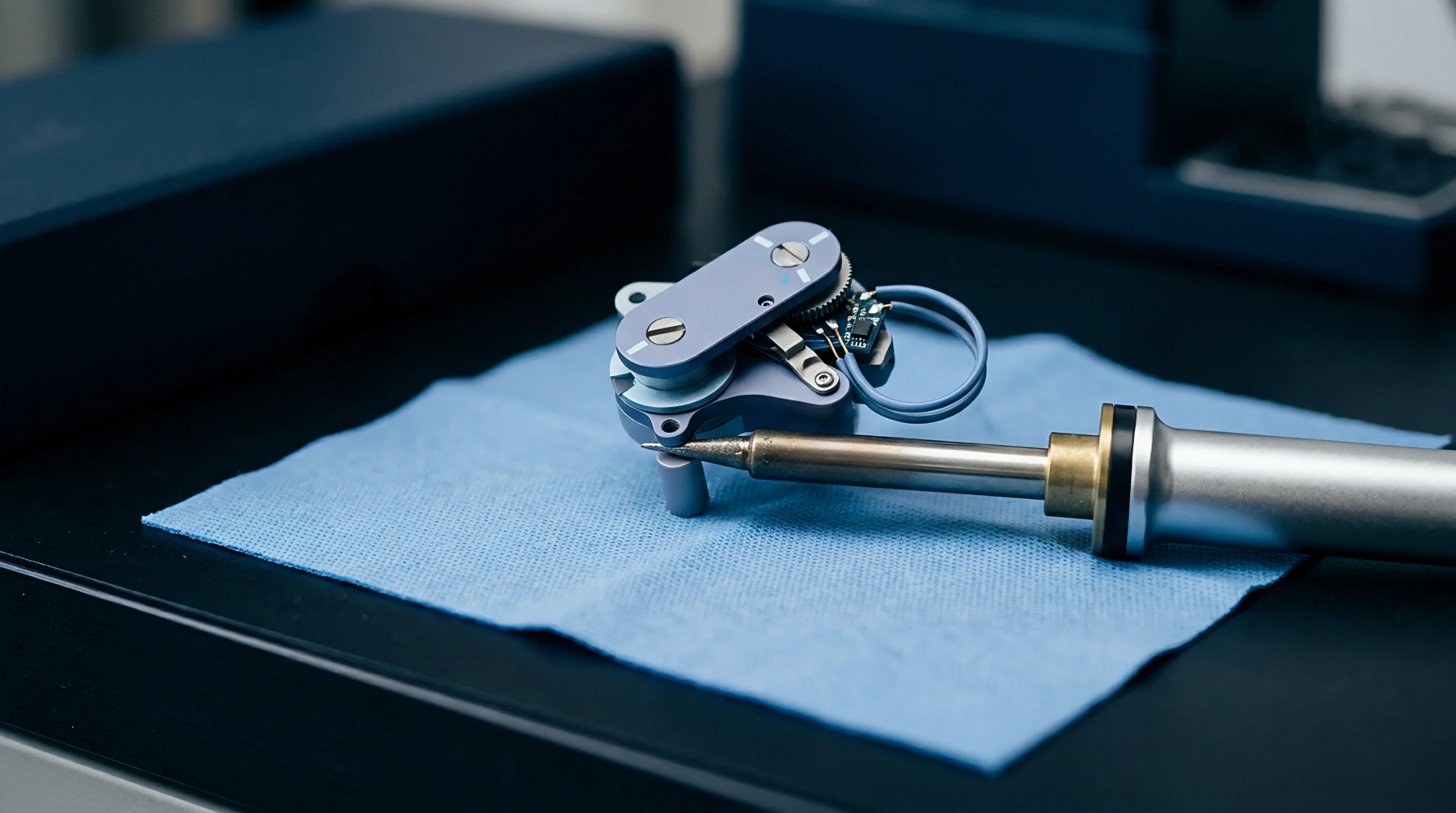
Thermal expansion mismatch in fine-pitch packages concentrates shear strain in outer joints, demanding matched underfill and strict standoff control to survive.

Unpassivated wafer conversion packaging transfers mold compound reflow stresses directly into analog trim circuits, shifting factory register offsets.

Finite element Prony integration isolates viscoelastic die-attach relaxation from thermal gradients, preventing multi-axis sensor array bias drift.

Polymeric die attach relaxation shifts accelerometer bias by altering die strain profiles over time, demanding viscoelastic modeling during mechanical layout.
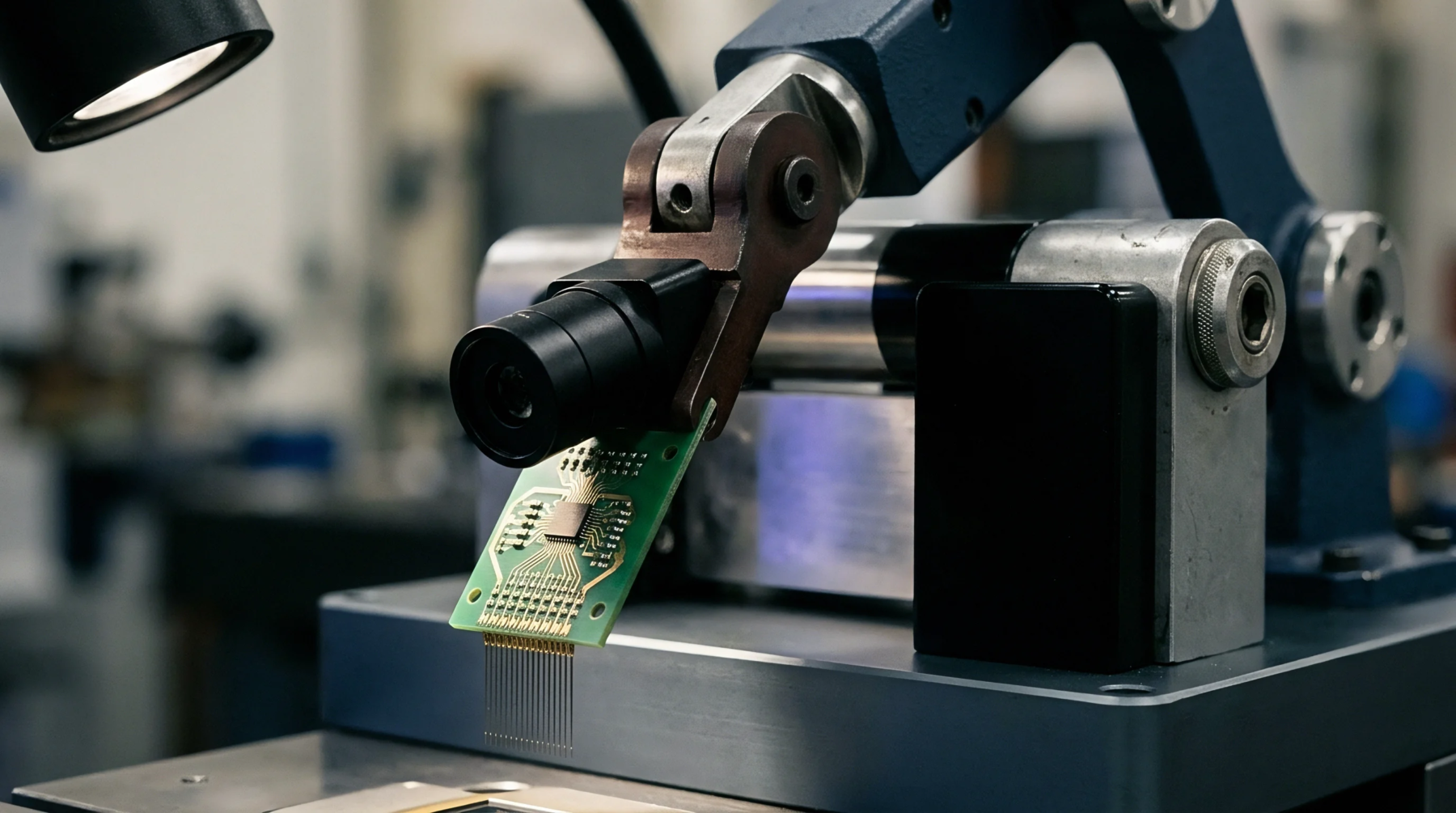
Characterize mold compound viscoelastic relaxation and decouple board strain through routing slots to prevent unrecoverable long-term sensor calibration drift.

Post-assembly thermo-mechanical drift limits require tracking package CTE mismatch, solder standoff compliance, and viscoelastic mold relaxation across life.
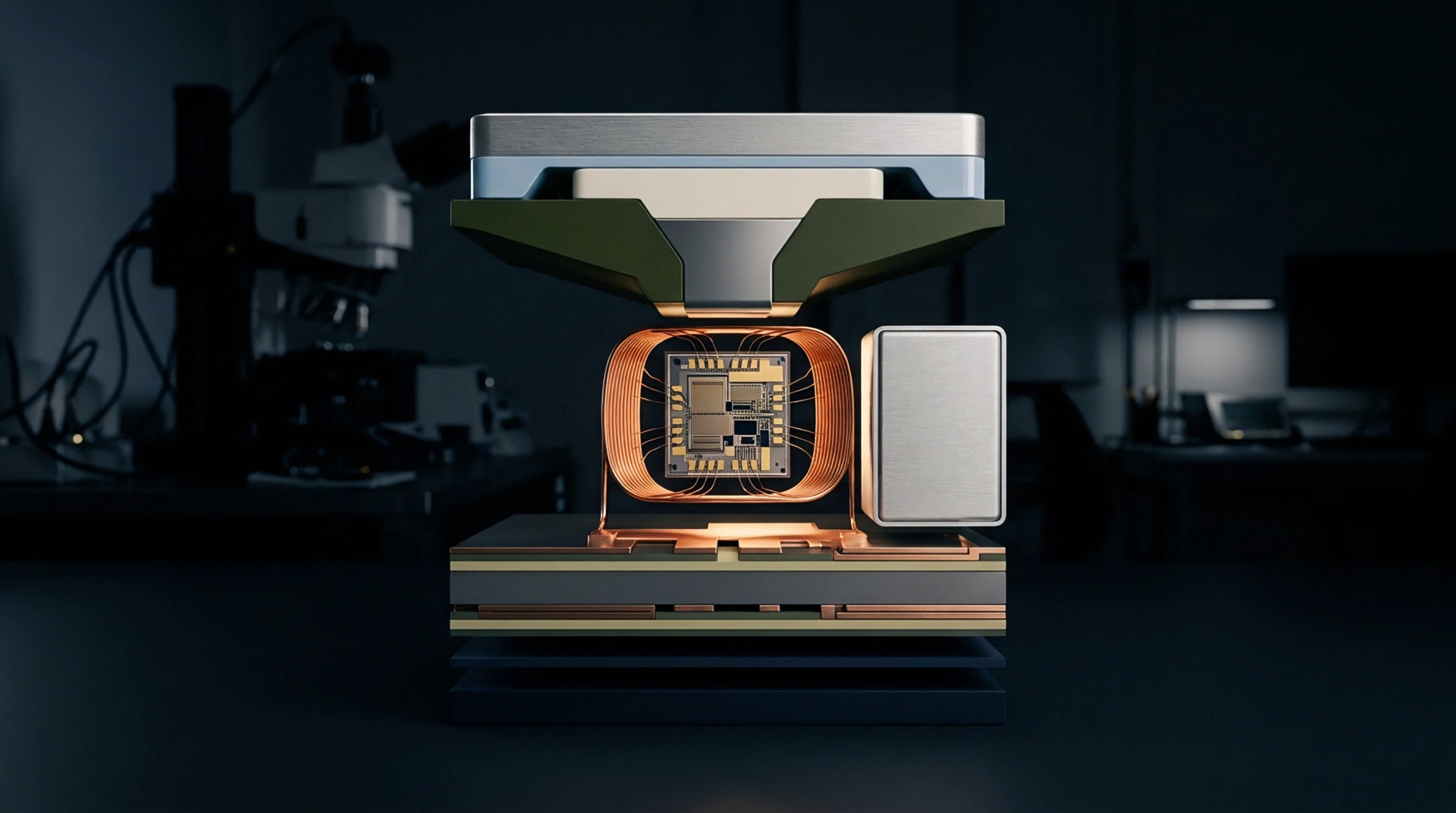
Procuring sensor mold compounds requires locking down glass transition, modulus, extractable halogens, and cold chain limits to prevent die stress and drift.

Evaluate piezoresistive die attach relaxation by tracking zero-point drift across thermal shock cycles using stretched exponential models and Kelvin sensing.

Viscoelastic package stress relaxation and thermal shock shear fatigue degrade micro-sensor offset stability, requiring void-free compliant die attach.

Dynamic thermomechanical decoupling requires real-time state-space inversion of coupled volumetric and shear relaxation histories inside the sensor package.

Die-attach stress relaxation transfers decaying mechanical strain into silicon sensing diaphragms, creating irreversible zero-point drift during thermal dwell.

Ultra-thin wafer-level sensors lose flexural rigidity at sub-100 micrometer thicknesses, transferring solder and PCB viscoelastic creep directly into active sensing elements.
Expertise is a utility, not a secret. sentiention™ publishes its working knowledge as open reference: intelligence layer covering the materials it sources, the markets it enters, and the reference that serves both.