Mechanical Loading
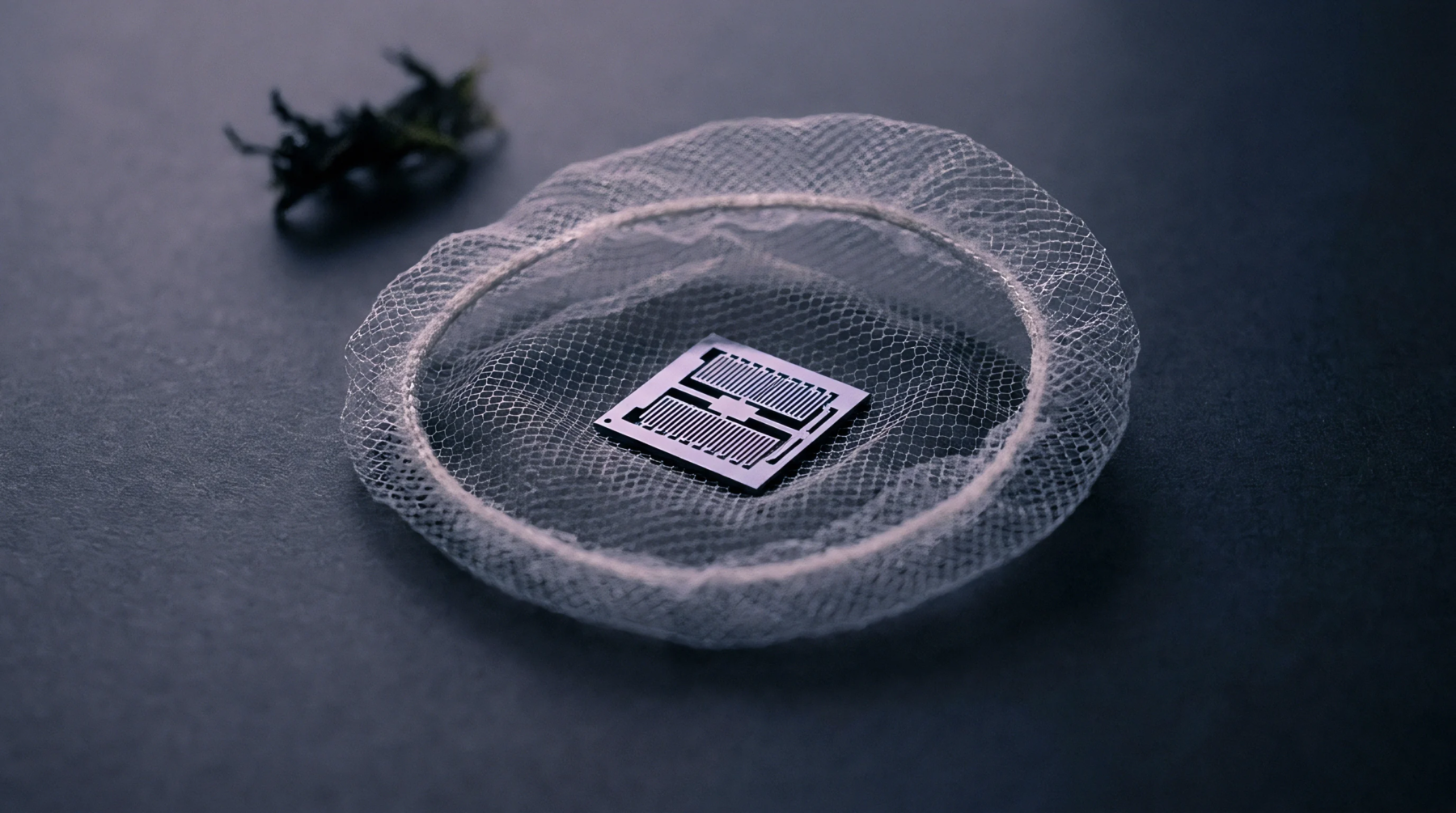
Physical interaction between a rigid housing and internal semiconductor components dictates the baseline durability of a microelectronic assembly. Package stress describes the cumulative deformation forces exerted upon a silicon die through differential thermal expansion or external physical impact during operational life. Manufacturers verify this property by subjecting integrated circuits to controlled temperature cycling regimes until intermetallic connection failure occurs.
Material Properties
Thermal expansion coefficients represent the primary factor driving internal strain across varying layers of lead frames and encapsulation resins. These disparities force components to expand at different rates during heating cycles, which induces shear at every contact interface. Such displacement leads to cracks within the passivation layer or the loss of electrical continuity at bond wires.
Engineers select polymer resins to match the expansion behavior of the silicon die to reduce this accumulation.
Calibration Standards
Reference conditions for testing rely upon standardized environmental chambers that cycle components between liquid nitrogen and elevated oven temperatures. Metrological instruments monitor the resistance across specific test structures to detect the exact point where mechanical thresholds are breached. Data from these sensors allow for the calculation of the maximum allowable deflection before the integrity of the die attach material is compromised.
Verification of these limits happens during the qualification phase for every new chip carrier design.
Structural Failure
Degradation of the internal geometry proceeds linearly when the operating environment remains constant. Permanent structural changes within the moulding compound result in reduced protection against moisture ingress and atmospheric contaminants. The presence of internal voids acts as a multiplier for localized strain, shifting the failure point below the design limit.
A component reaches the end of its useful life when internal fractures prevent the required signal propagation.