
Analytical Die Stress Modeling and Hysteresis Compensation in MEMS Sensors
Analytical die stress modeling isolates mechanical package strain from sensor signals while hysteresis compensation algorithms eliminate viscoelastic offset drift.
Analytical die stress modeling isolates mechanical package strain from sensor signals while hysteresis compensation algorithms eliminate viscoelastic offset drift.
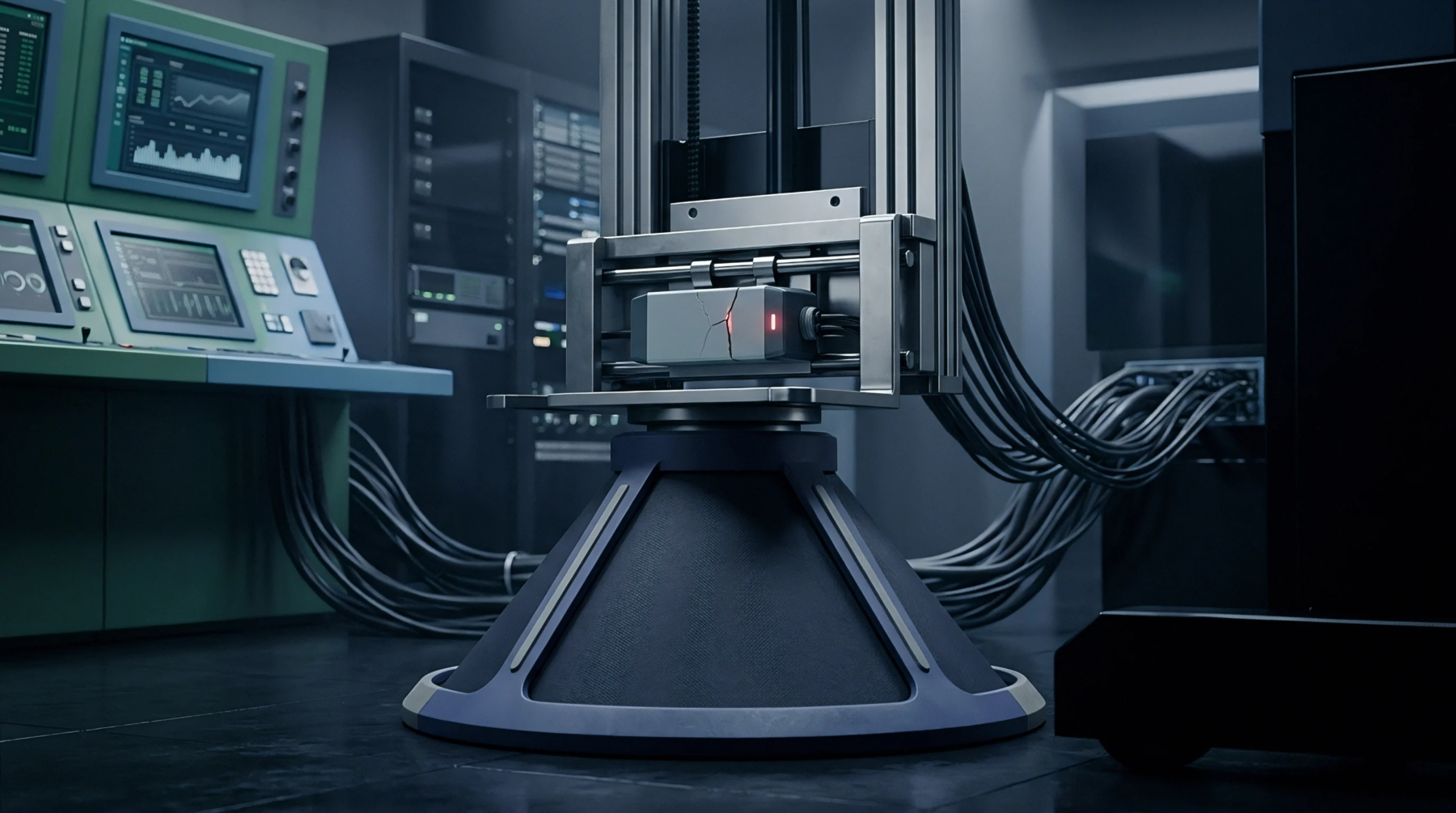
Dynamic asymmetric board strain couples into silicon piezoresistors via solder joints, causing uncompensated baseline drift mitigated by PCB isolation slots.

Wafer-level residual stress gradients induce asymmetric die warpage that relaxes over time, causing dynamic calibration matrices to suffer severe cross-axis drift.
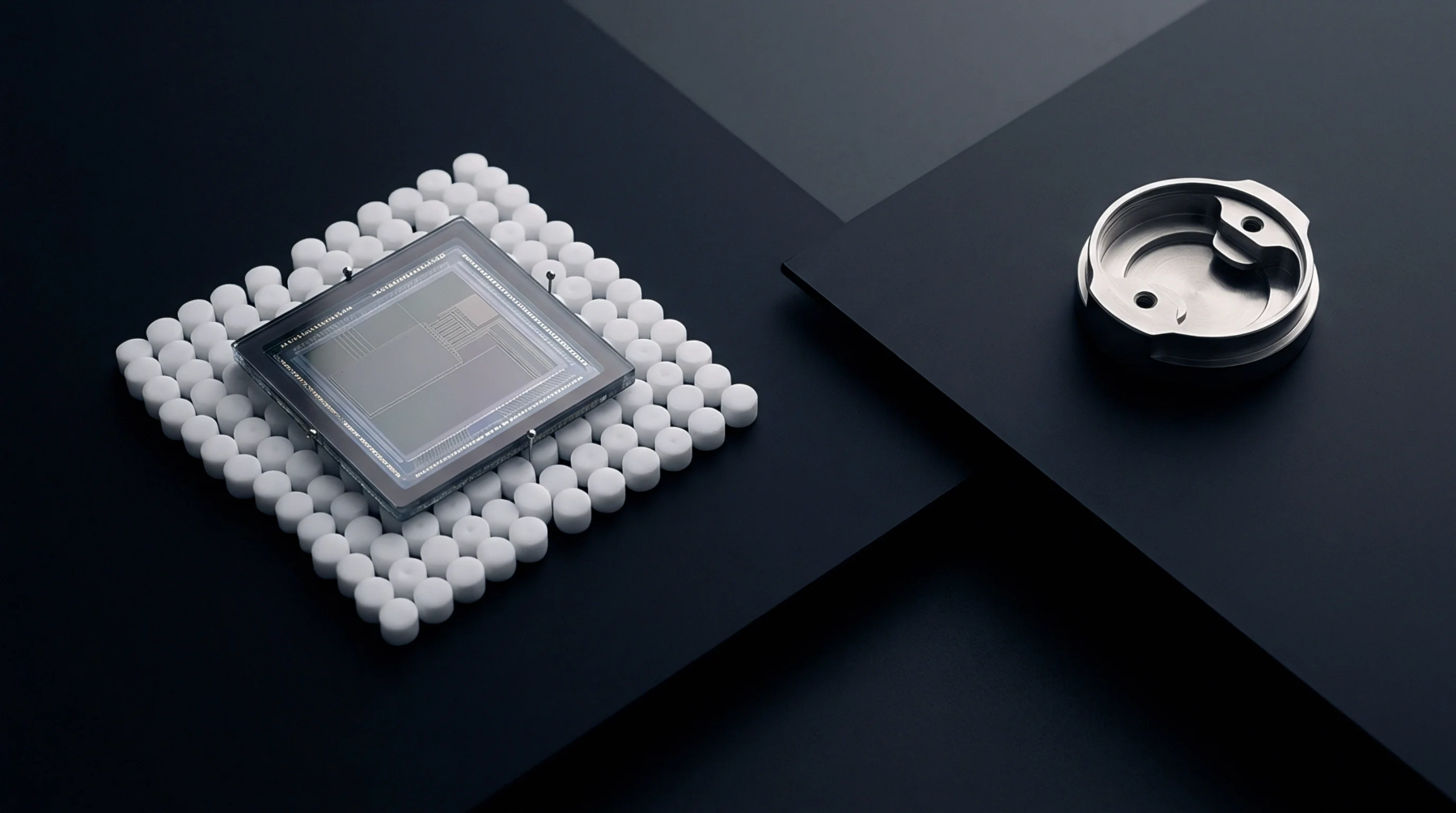
Packaging thermal expansion mismatch generates die stress that converts to electrical offset drift via piezoresistive coupling and polymer viscoelastic creep.

Substrate CTE mismatch drives interfacial shear strain into current shunt alloys, causing piezoresistive thermal hysteresis that requires post-cure thermal cycling to stabilize.

Bulk metal foil resistor drift stems from thermal stress relaxation and epoxy moisture swelling, manageable through hermetic packaging and thermal burn-in.
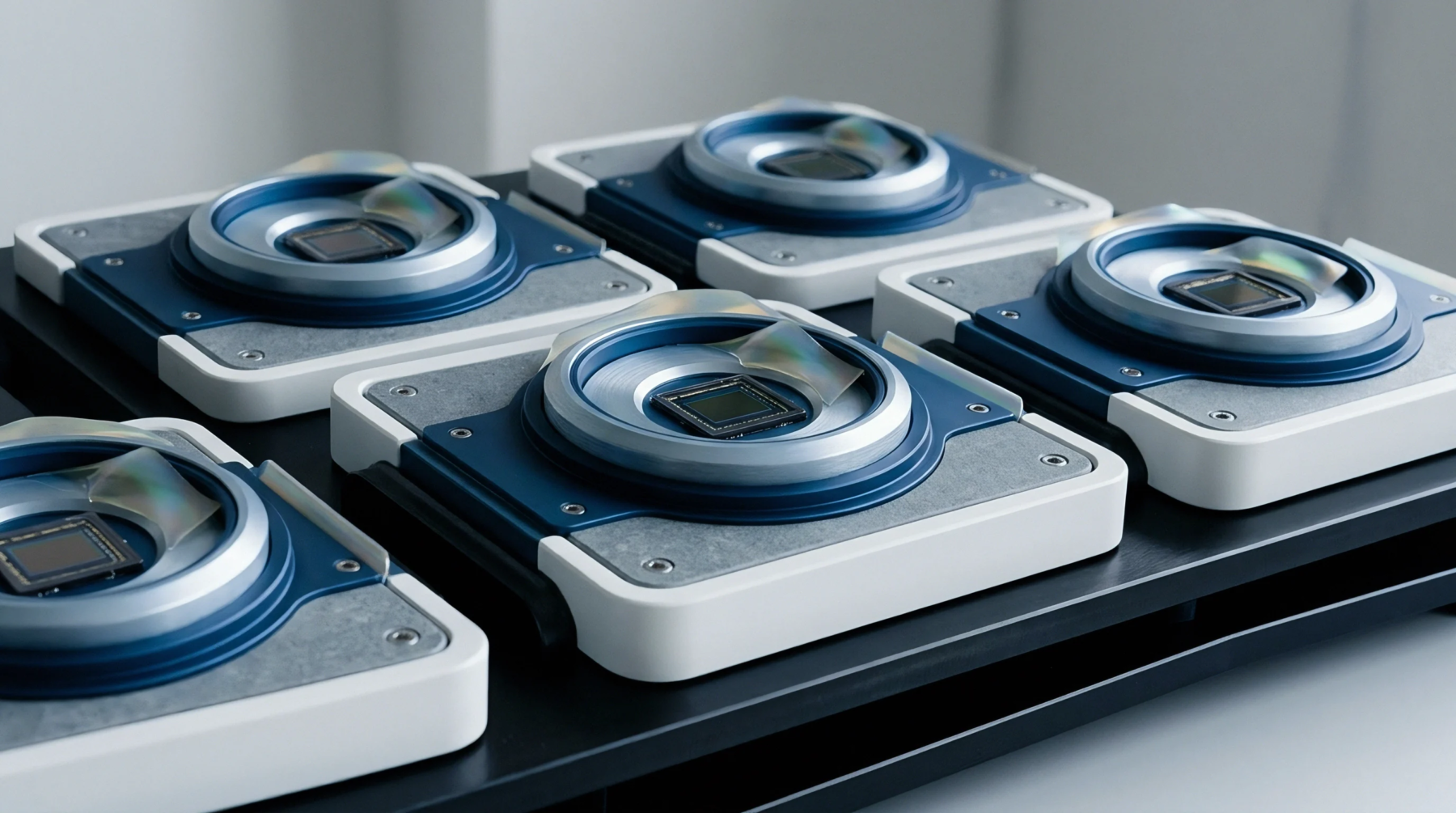
Polymeric die attach viscoelastic creep drives time-dependent sensor offset drift; matching glass transition temperature and controlling bondline shear lag minimizes zero wander.
Temperature cross-sensitivity in pressure sensors stems from physical die stress and semiconductor carrier shift, requiring digital ASIC polynomial compensation to control thermal error bands.
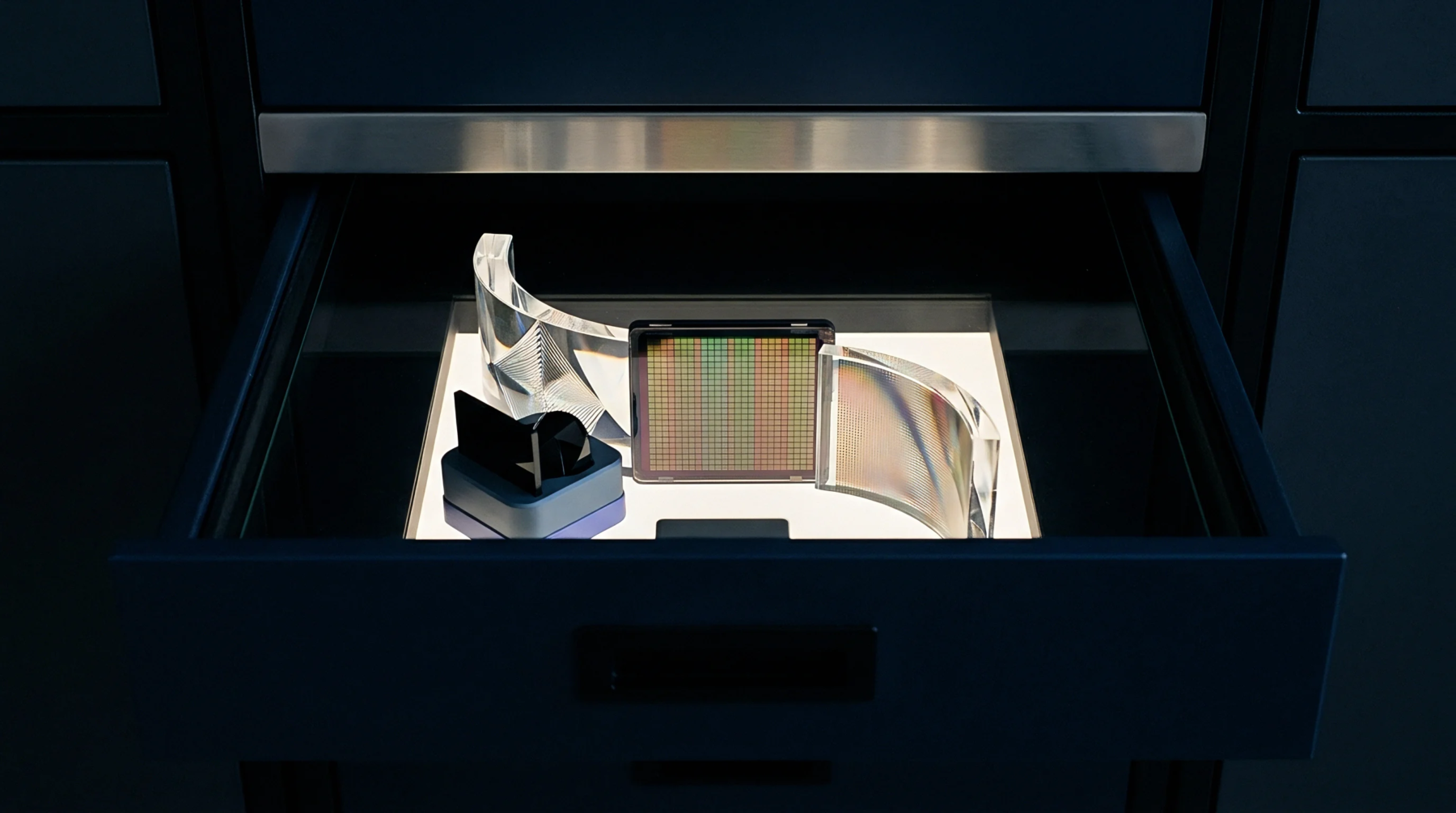
Wafer-level thermal diffusion gradients locked in during bonding alter MEMS flexure strain, driving long-term dynamic calibration matrix drift in field applications.

Mechanical stress isolation via matched CTE submounts, compliant gels, and silicon micro-machined trenches eliminates parasitic packaging strain to preserve long-term sensor calibration stability.
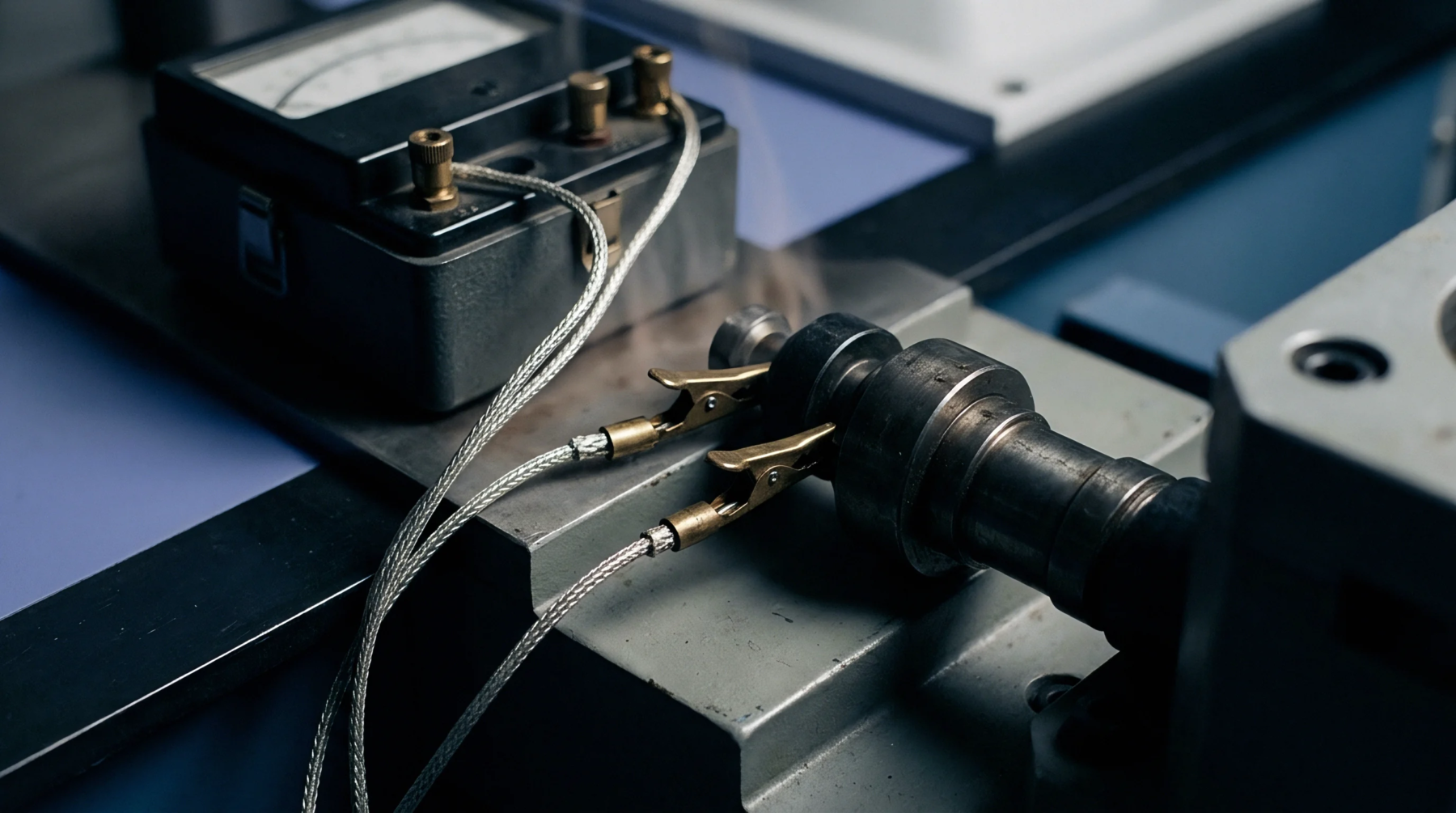
Unbudgeted sensor thermal settling times and hysteresis generate severe measurement errors, demanding mandatory package-level soak protocols to preserve field accuracy.
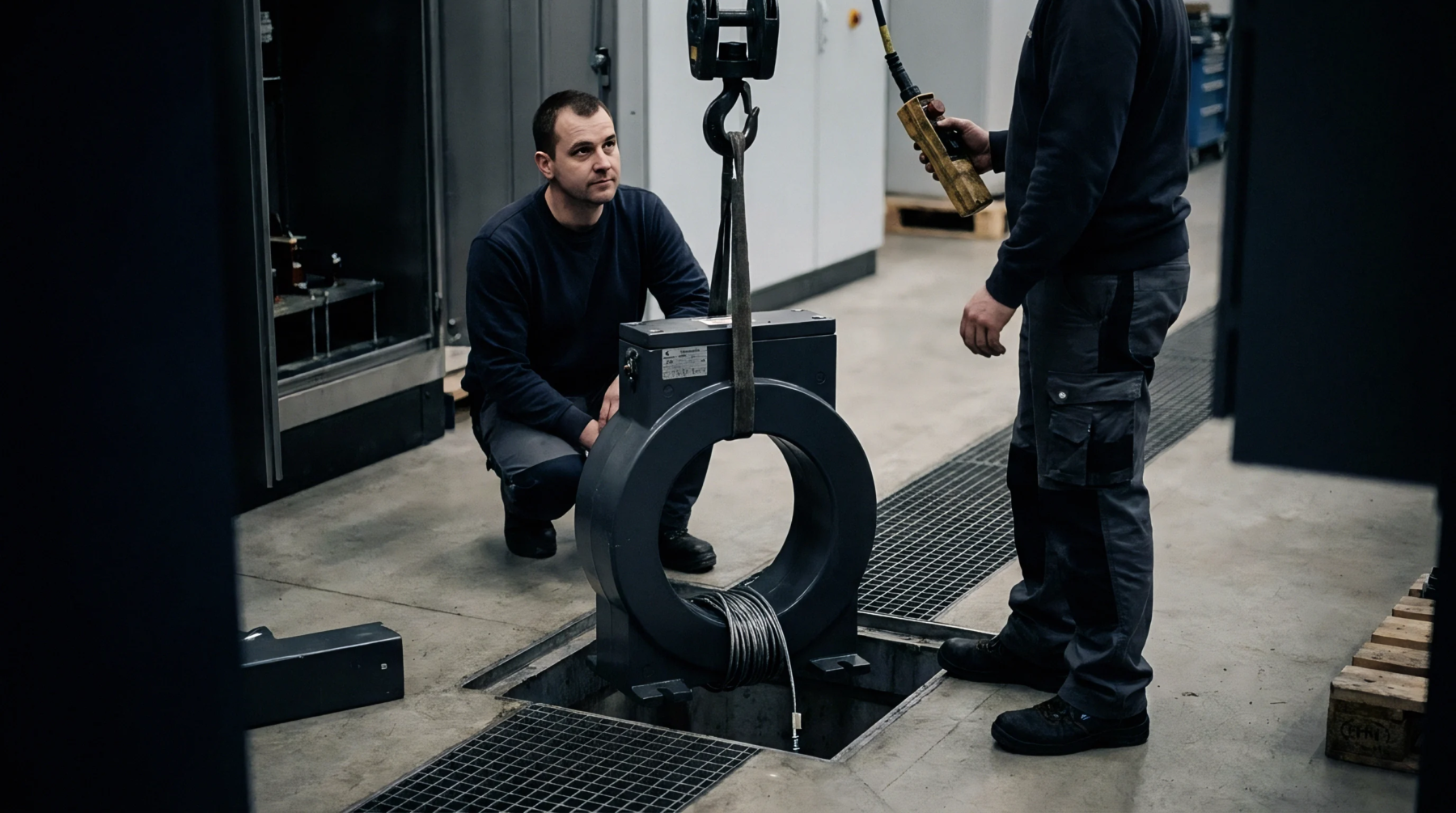
Viscoelastic creep in die attach epoxies drives zero offset hysteresis; low-modulus adhesives minimize stress transfer to preserve long-term transducer balance.
Expertise is a utility, not a secret. sentiention™ publishes its working knowledge as open reference: intelligence layer covering the materials it sources, the markets it enters, and the reference that serves both.