
Inductive Transduction Fundamentals in Conductive Metal Inspection
Inductive metal inspection resolves surface and subsurface flaws by measuring complex impedance trajectory shifts driven by eddy current diffusion physics.
Inductive metal inspection resolves surface and subsurface flaws by measuring complex impedance trajectory shifts driven by eddy current diffusion physics.
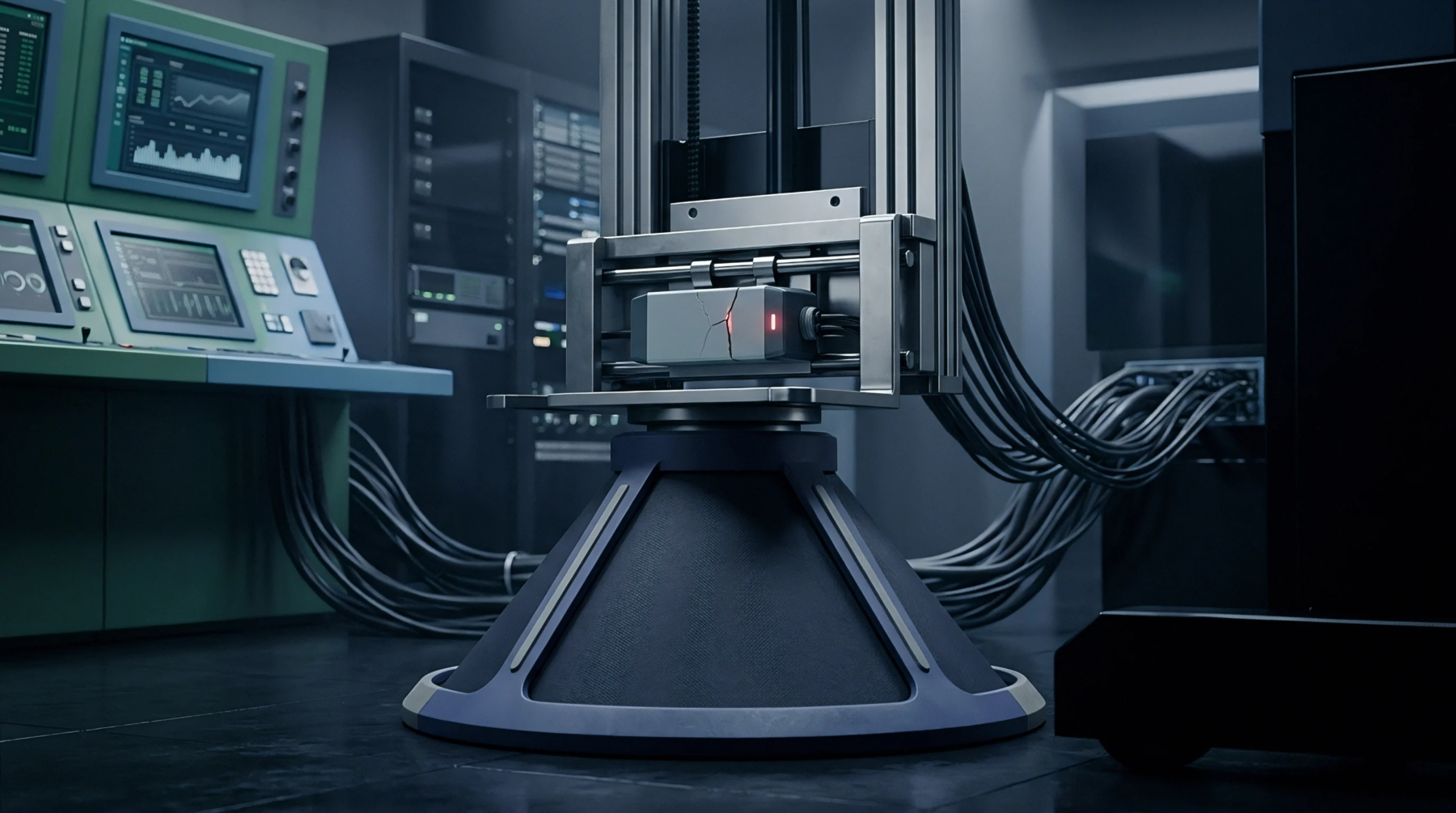
Polymer die attach relaxation changes micro-resonator anchor stress over time, driving bias drift that requires hard eutectic solders or burn-in aging.
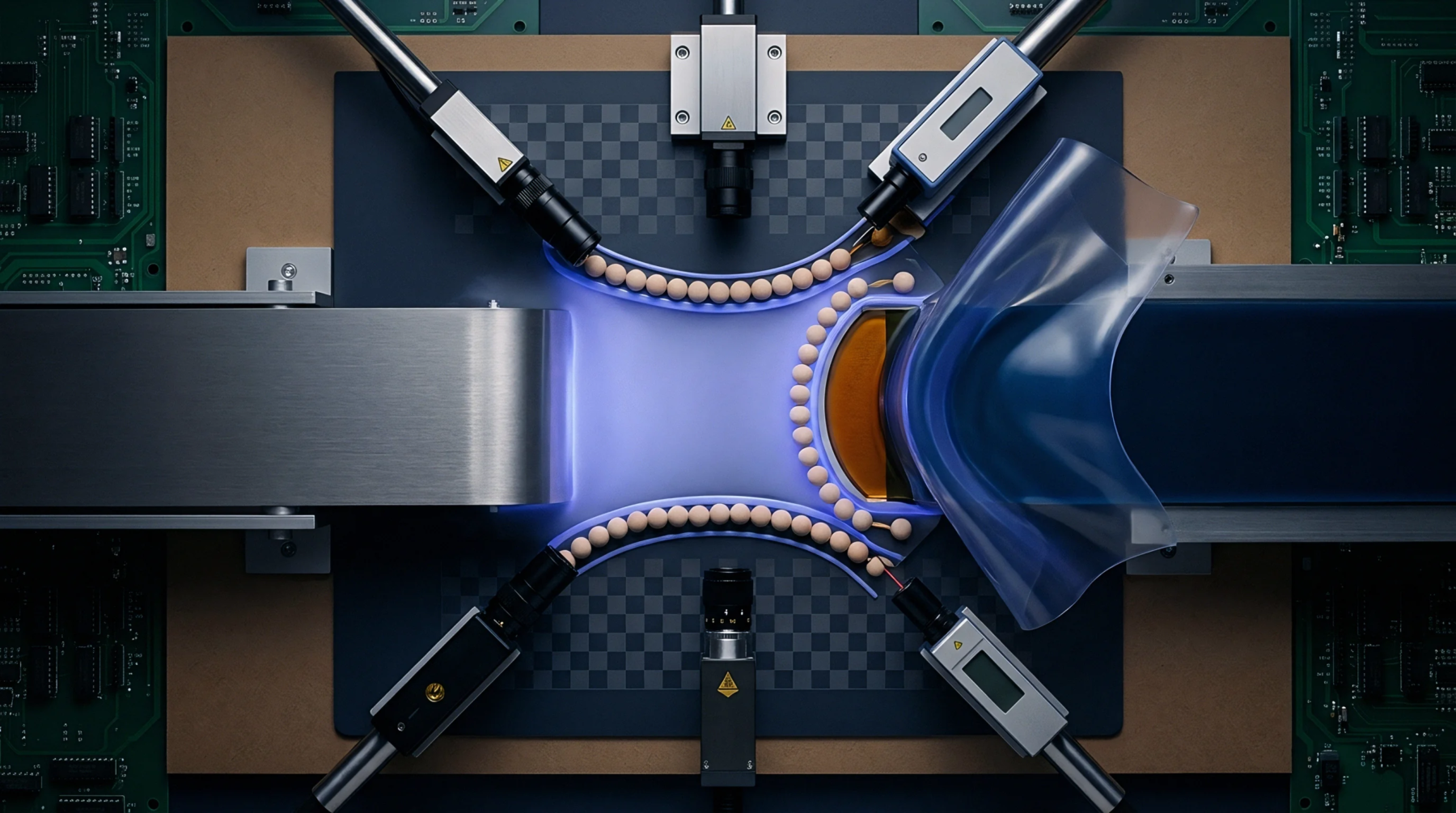
Digital ASIC polynomial compensation corrects pressure module thermal drift by evaluating bivariate surface fit matrices stored in EEPROM over fixed-point ALUs.
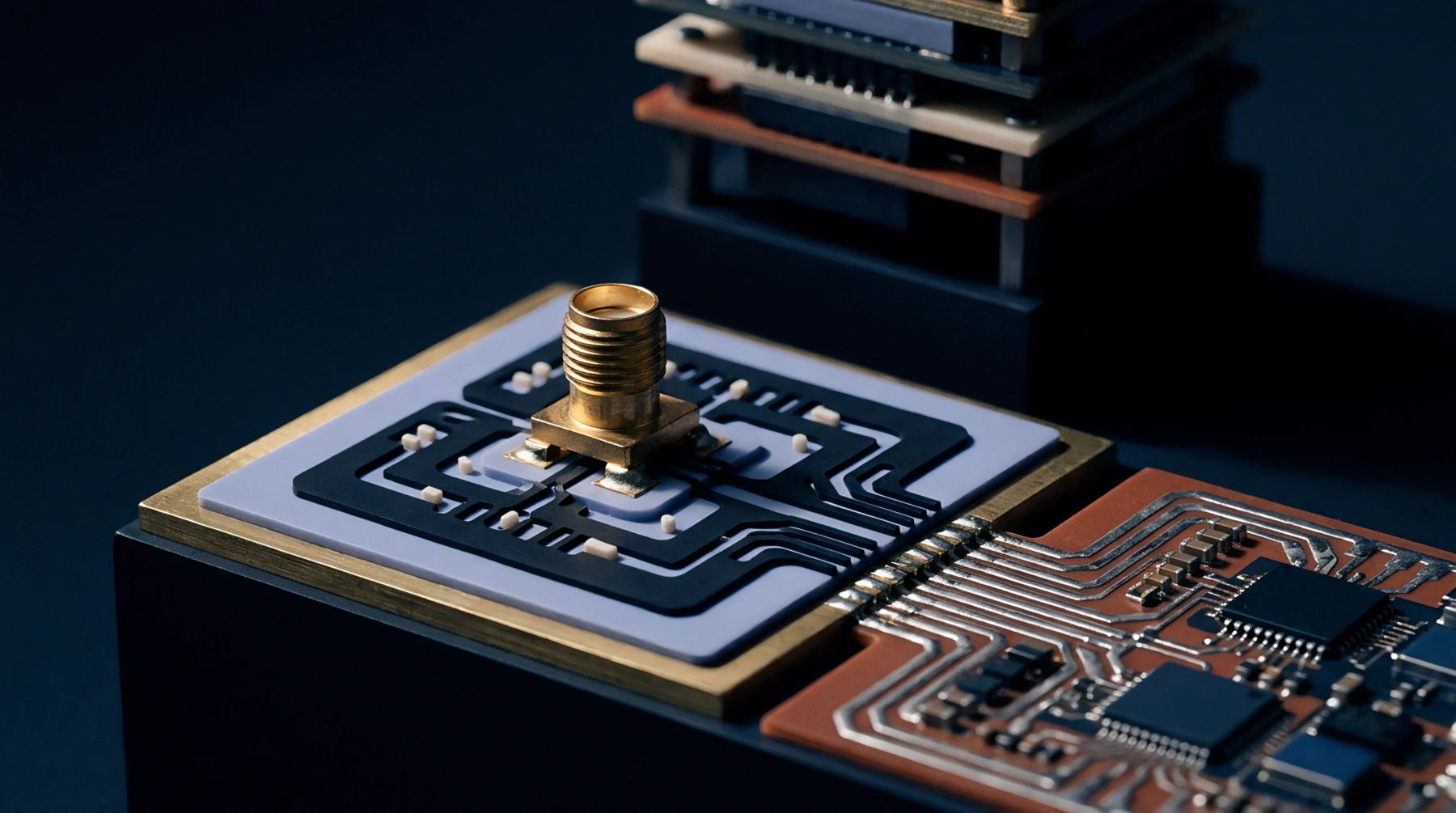
On-chip thermal state estimators eliminate MEMS gyro dynamic bias drift by using drive resonance to calculate mass temperature in real time.
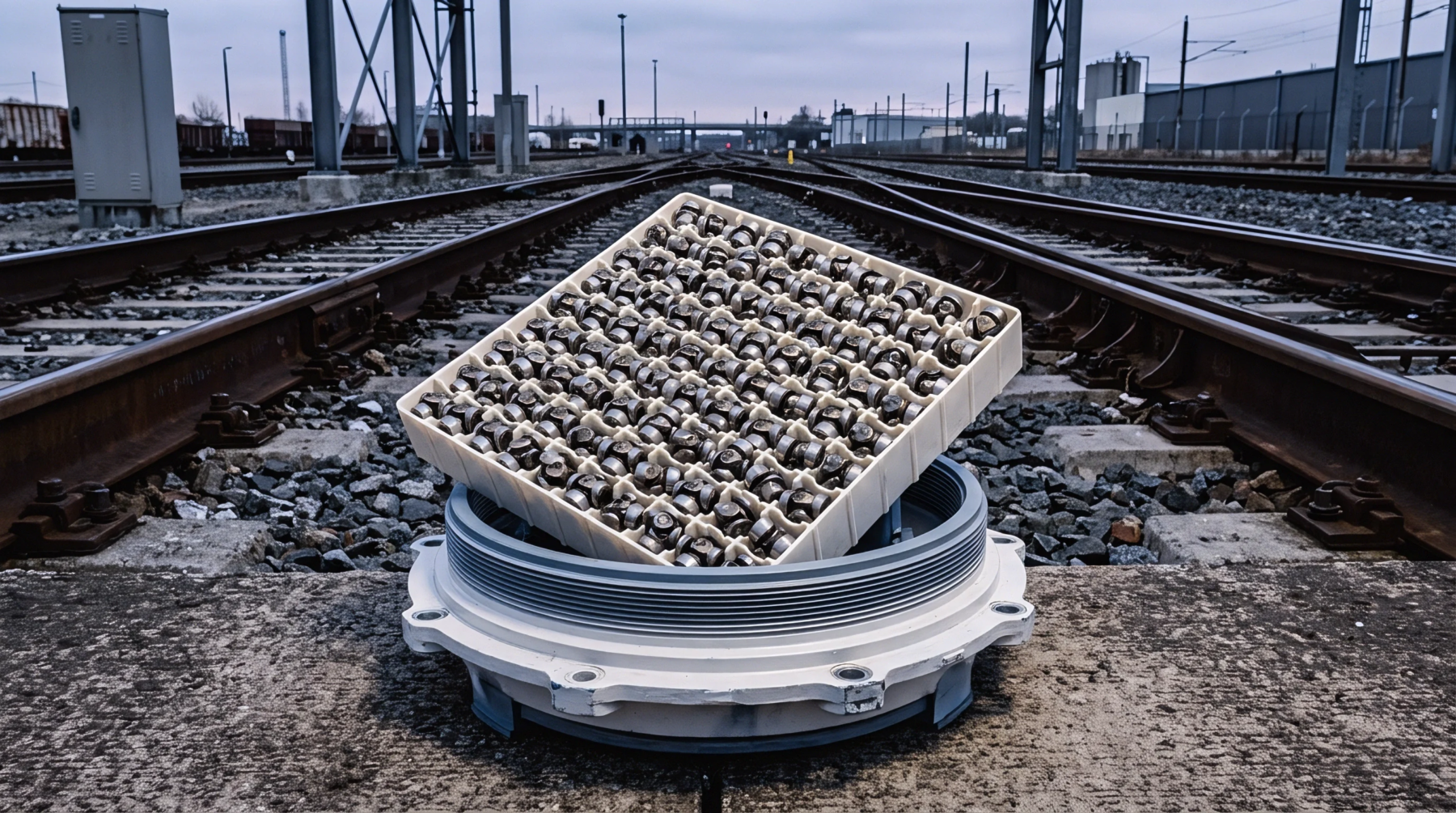
Managing integrated Hall sensor offset stability requires isolating piezoresistive package stress from core magnetic remanence across temperature cycles.
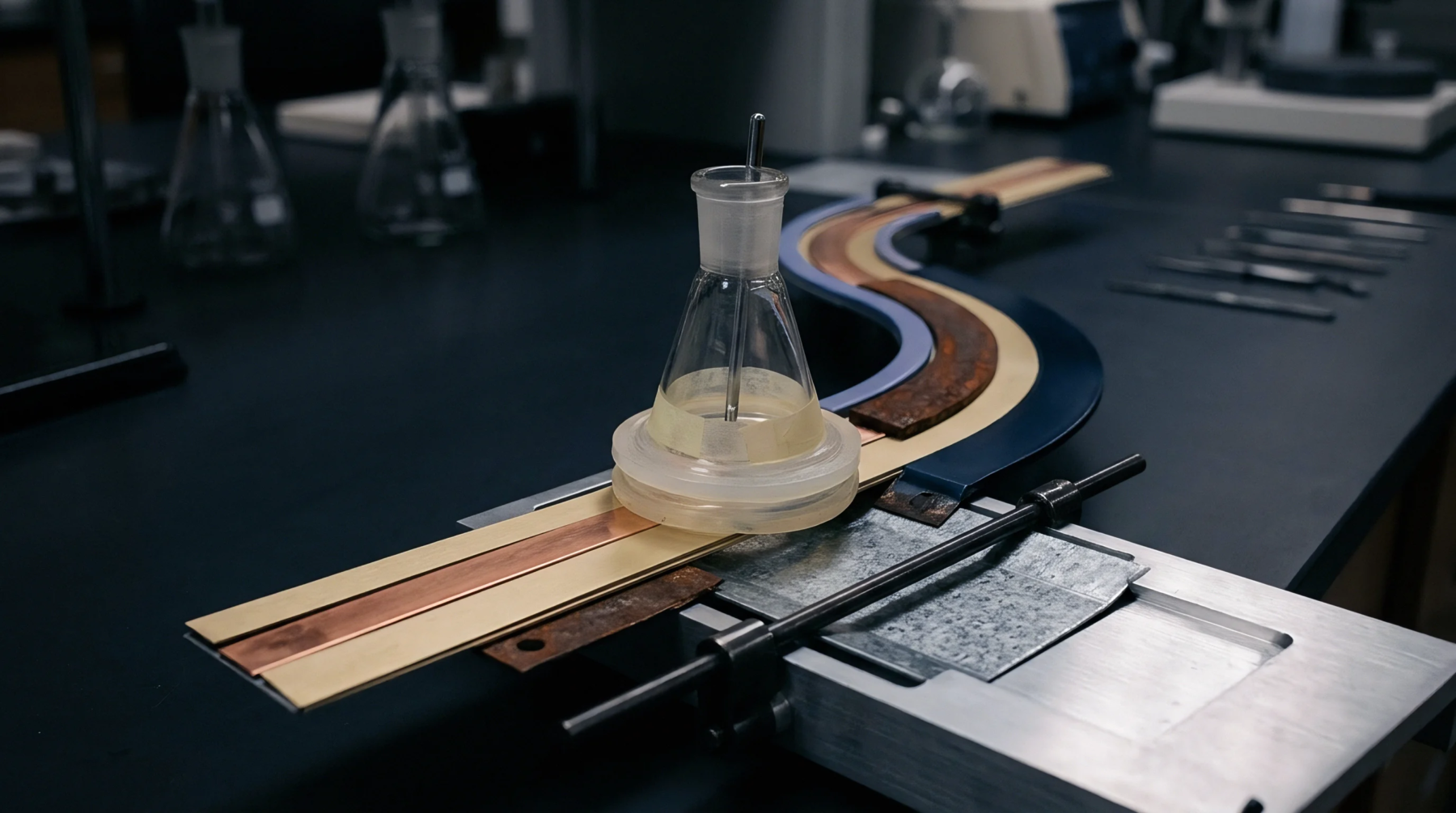
Evaluating common mode transient immunity requires measuring differential displacement noise caused by isolation barrier capacitance under real circuit switching conditions.

High side current sensing requires balancing dV/dt transient immunity and isolated bandwidth against decimation filter delay and parasitic trace inductance.

Dynamic thermal gradient hysteresis in oil-filled pressure transducers stems from fluid expansion lag during temperature ramps, fixable via low cavity volume.
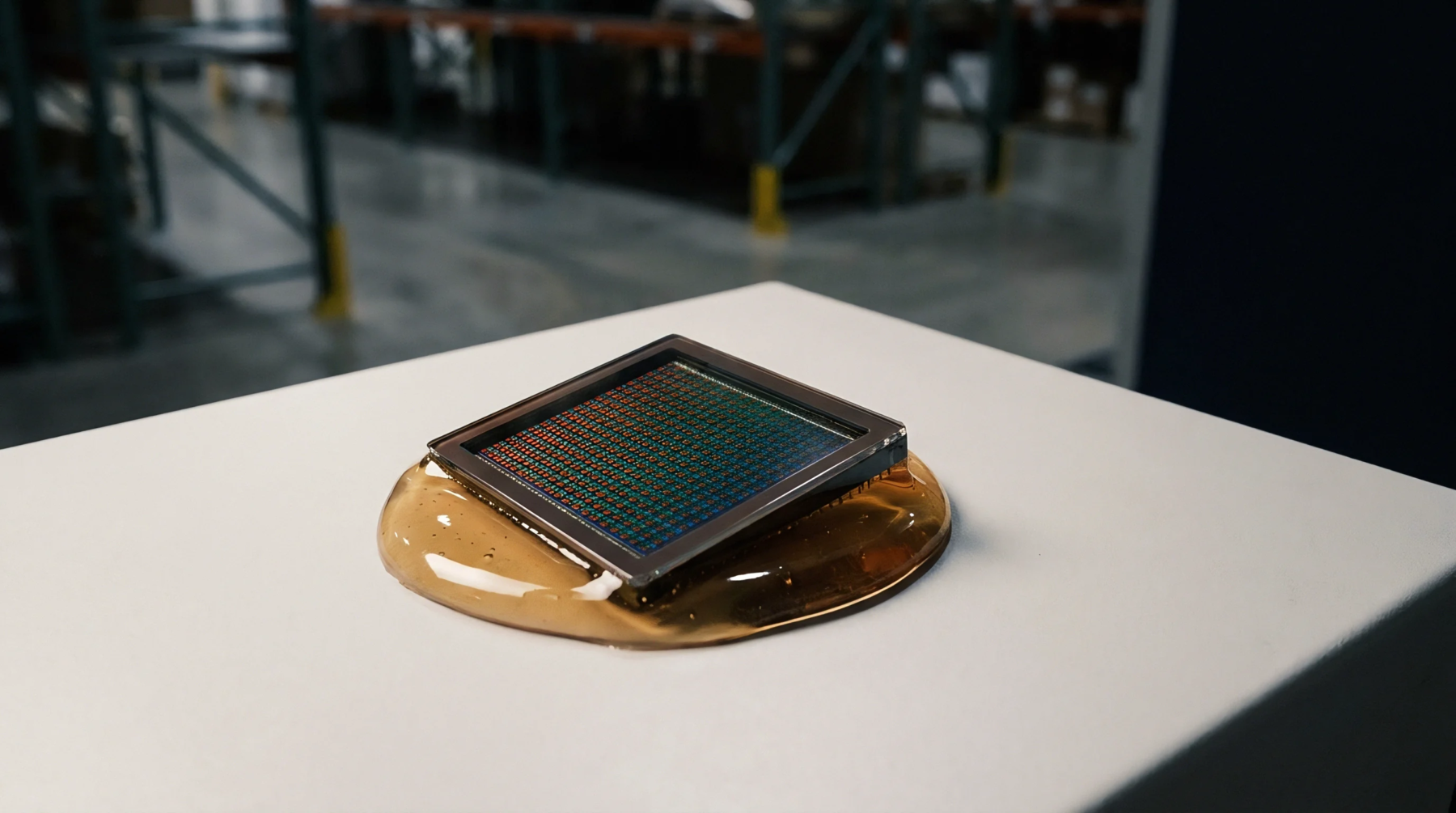
Silicon piezoresistive element selection requires matching doping concentration to signal chain compensation capabilities to handle resistance and sensitivity thermal shifts.
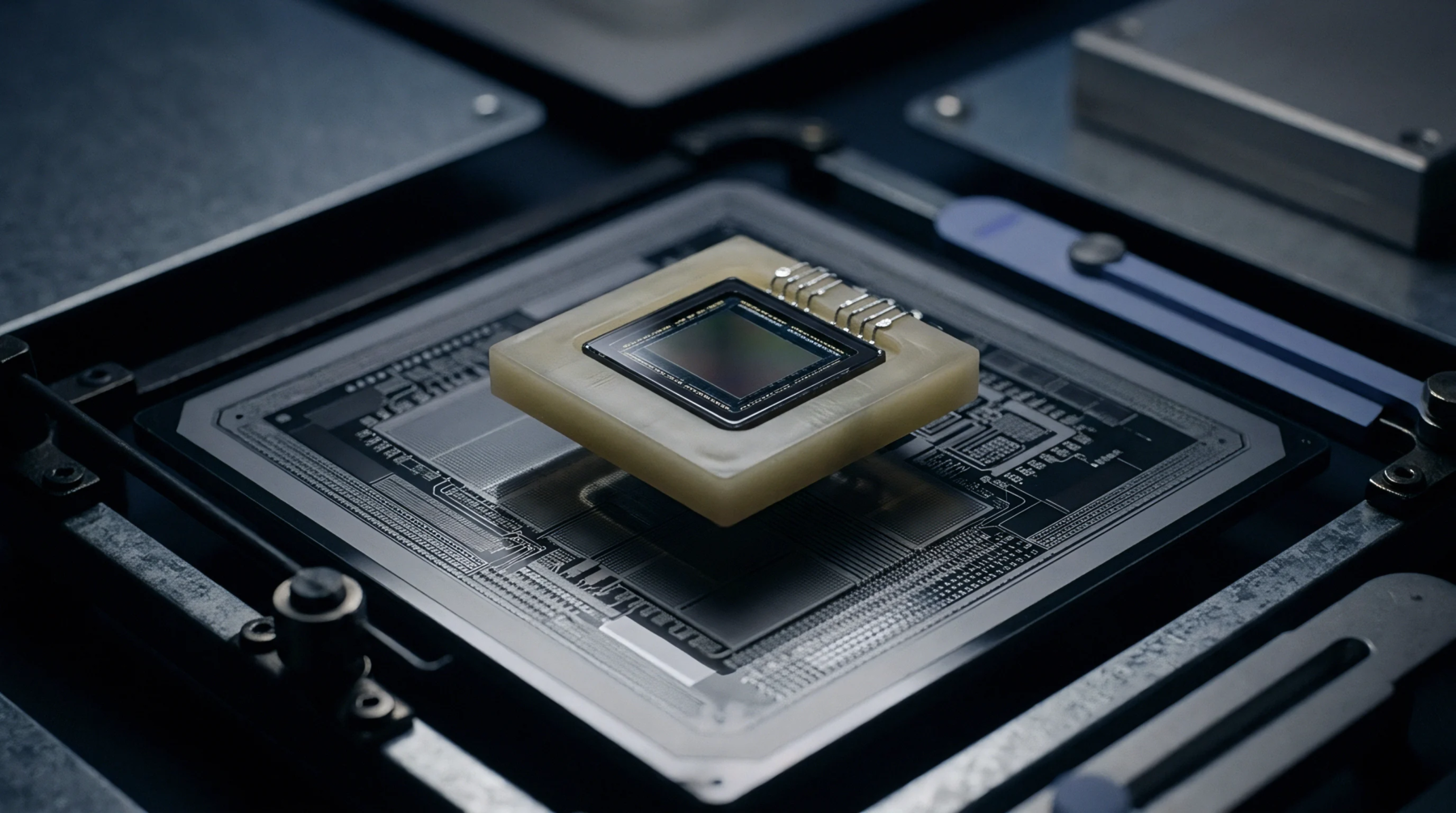
Creep voiding in sintered silver under high-frequency pulsing proceeds by vacancy diffusion and grain growth, accelerating delamination near the die interface.
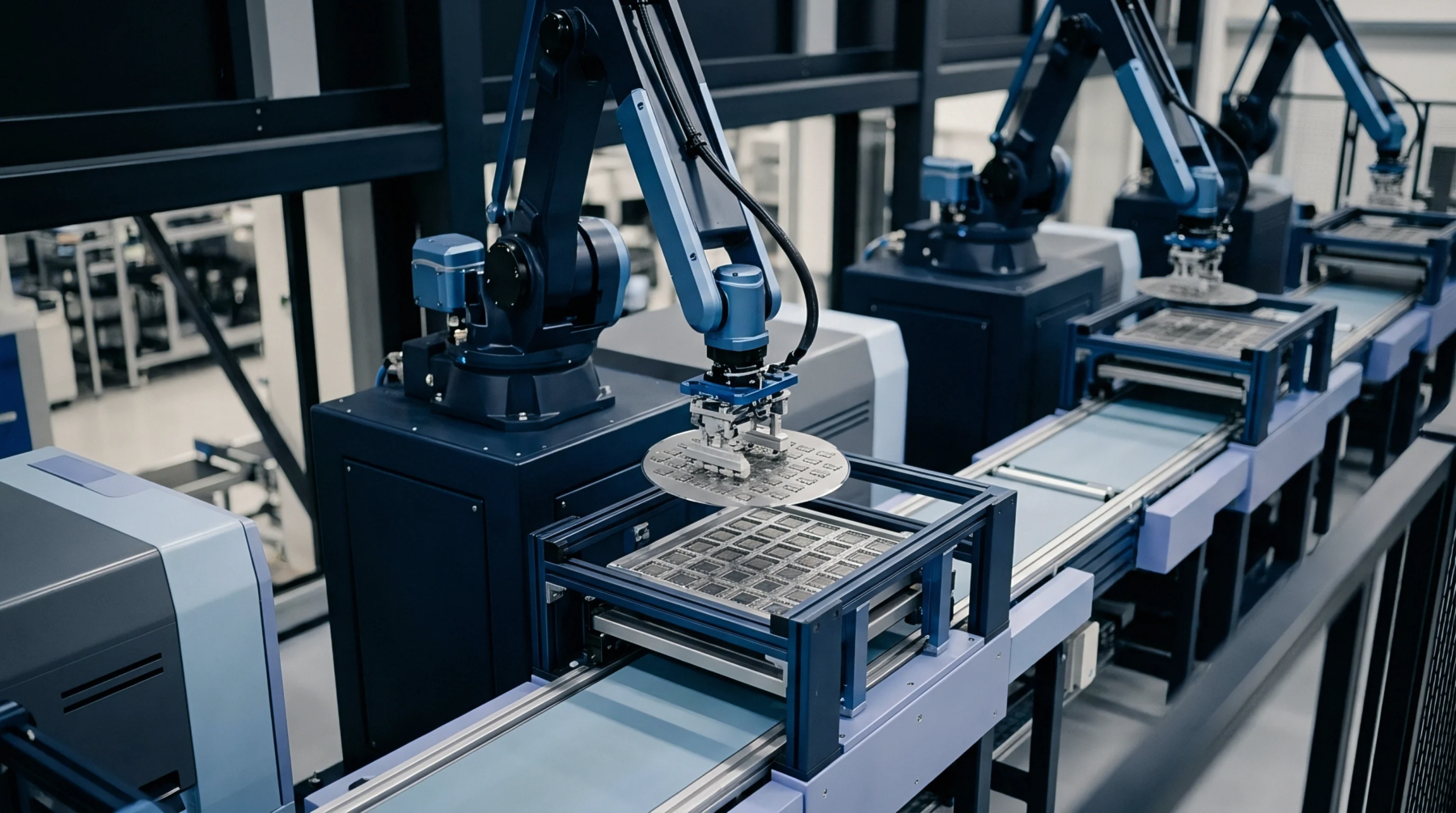
Wafer level differential structure function extraction pinpoints subsurface crystal and layer defects prior to dicing by deconvolving millisecond thermal step response data into localized thermal capacitance derivatives.
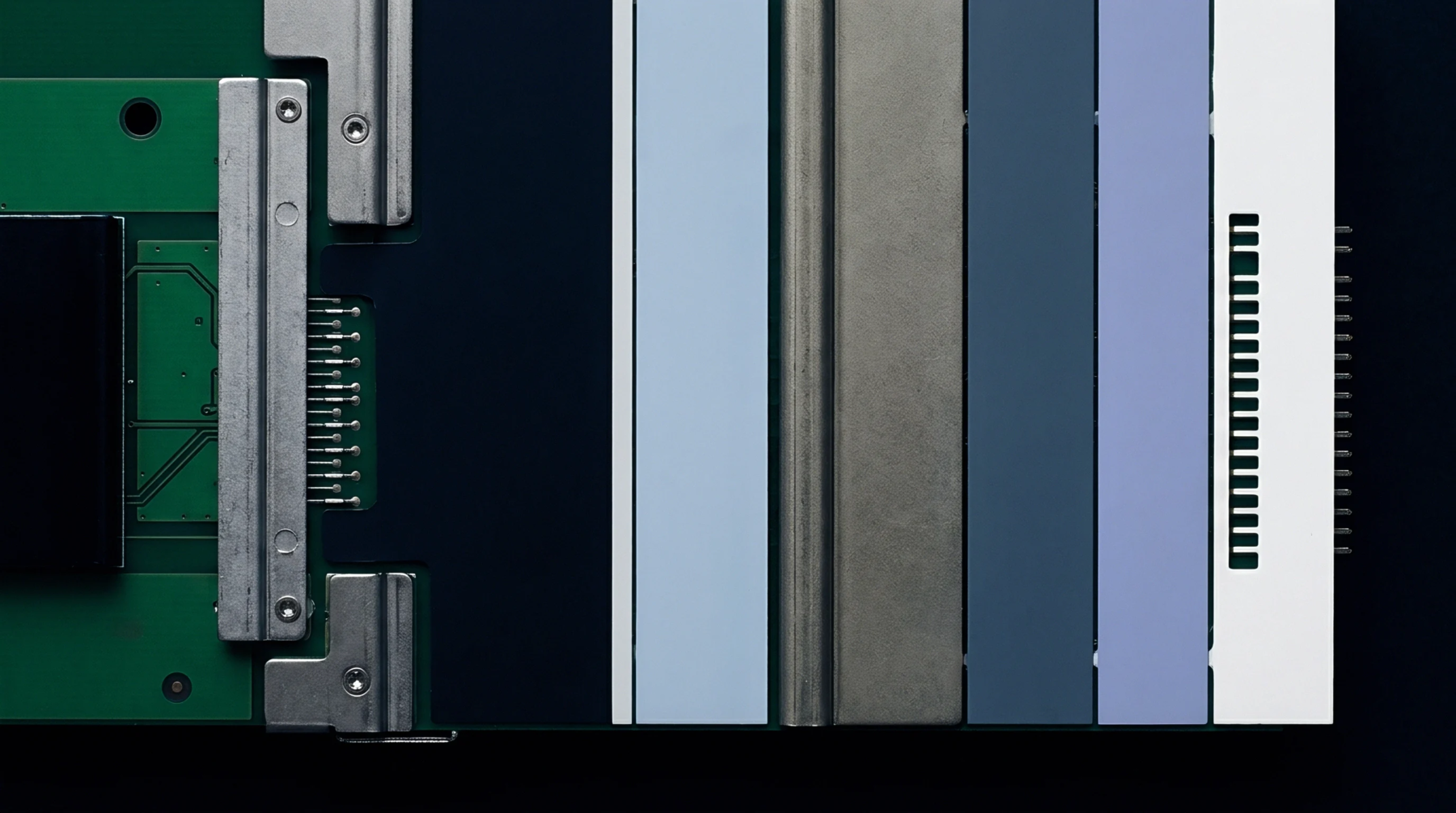
Transient thermal impedance measurement isolates semiconductor die attach voids by deconvolving time-domain cooling curves into spatial structure functions.
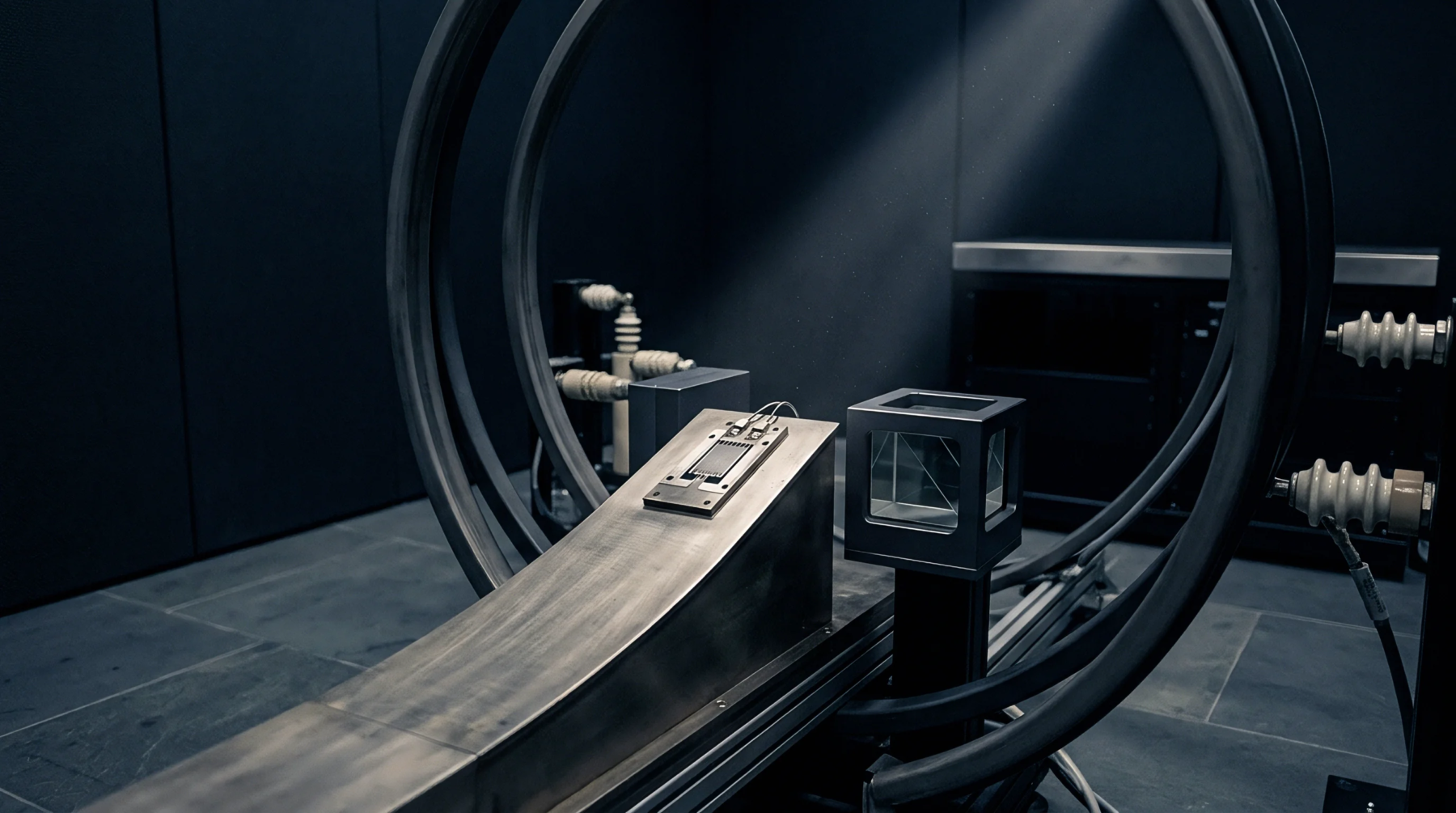
Augmenting transient observer state vectors with nonlinear Maxwell viscoelastic die attach models eliminates sensor drift between 77 Kelvin and 473 Kelvin.
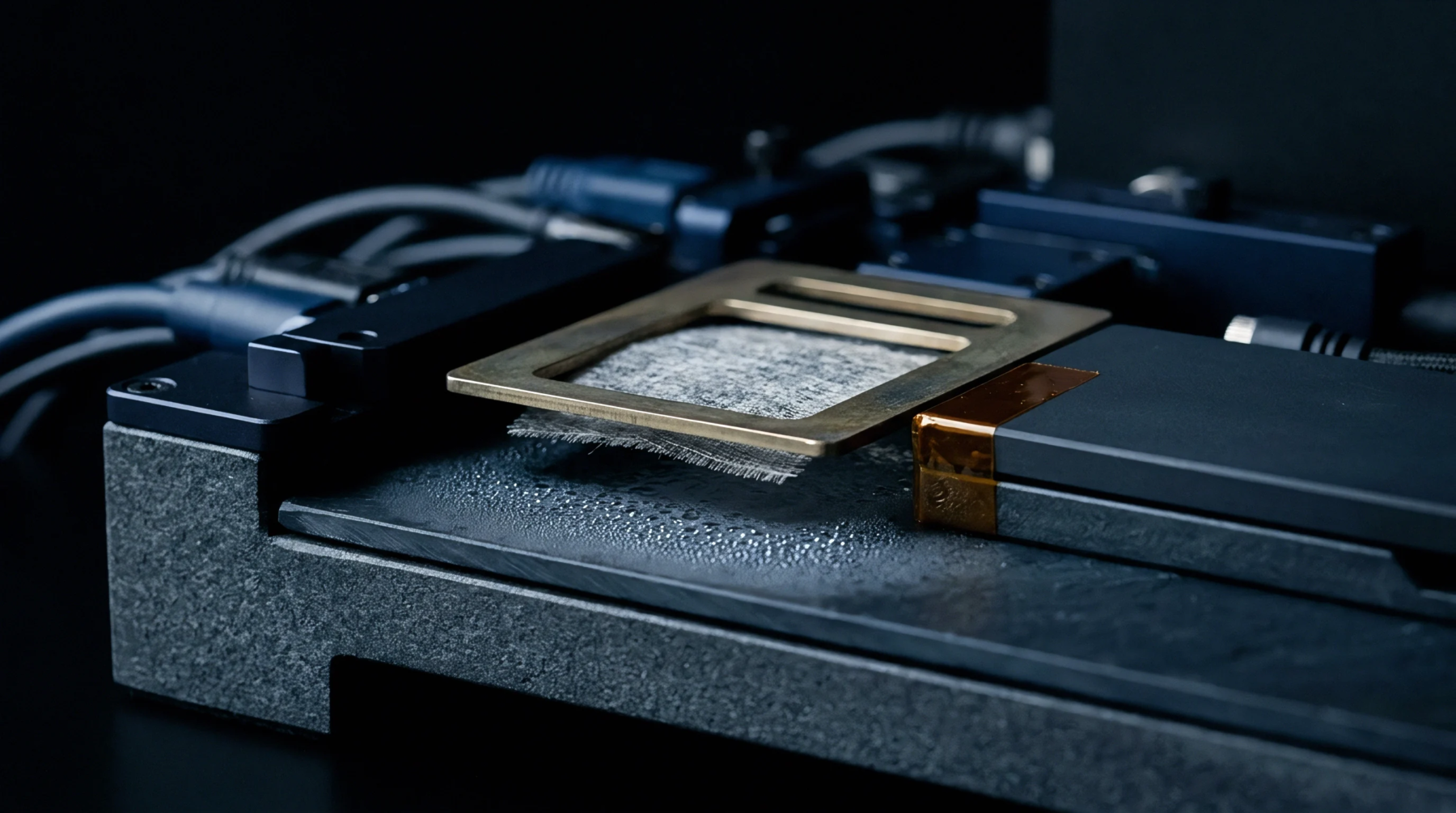
Lumped parameter state space observers reconstruct true sensor inputs by modeling internal transducer dynamic lag in firmware to eliminate delay and phase lag.
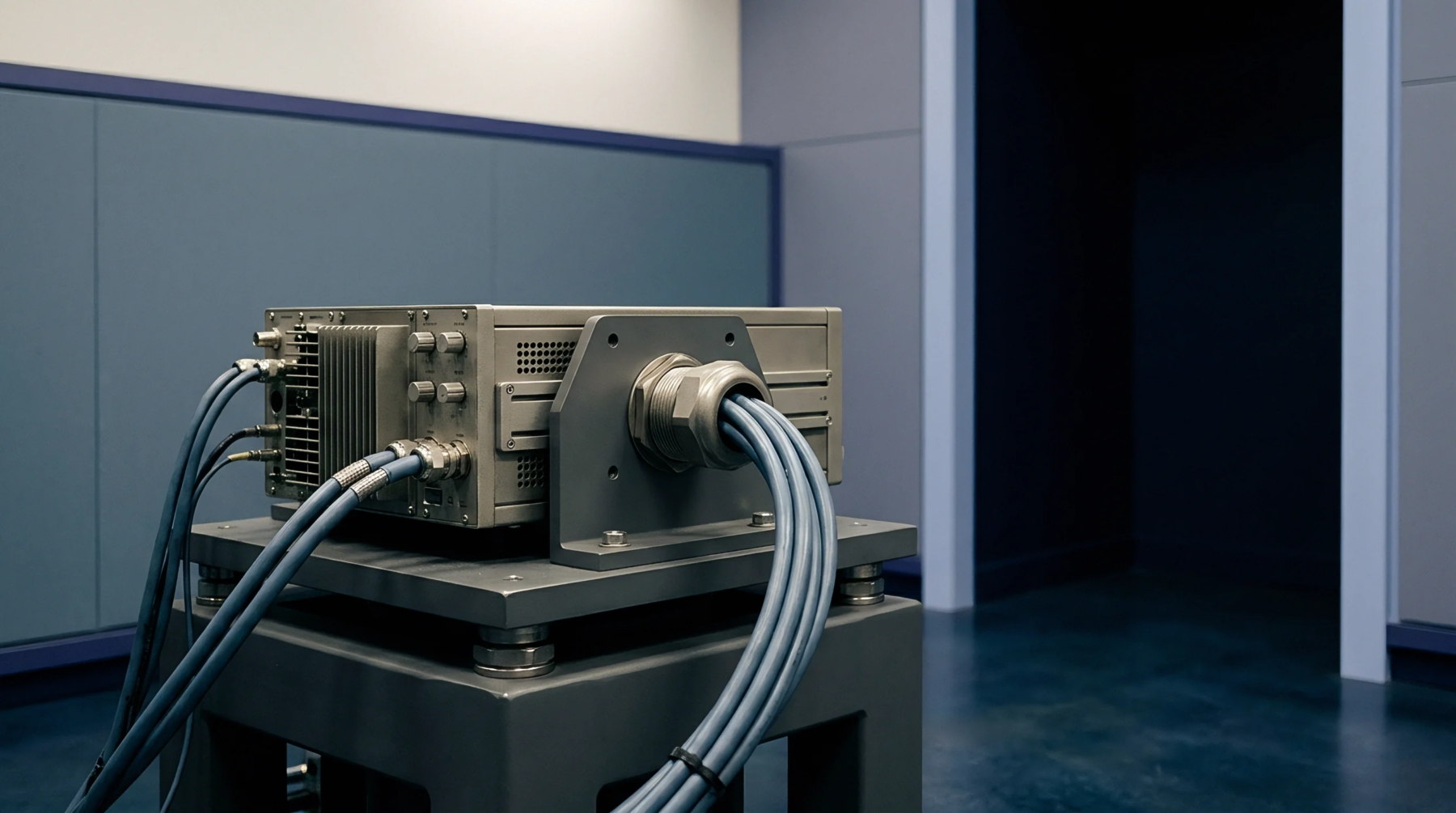
Tactical IMU thermal bias modeling requires combining static higher-order polynomials with real-time temperature derivative terms to eliminate dynamic lag errors.
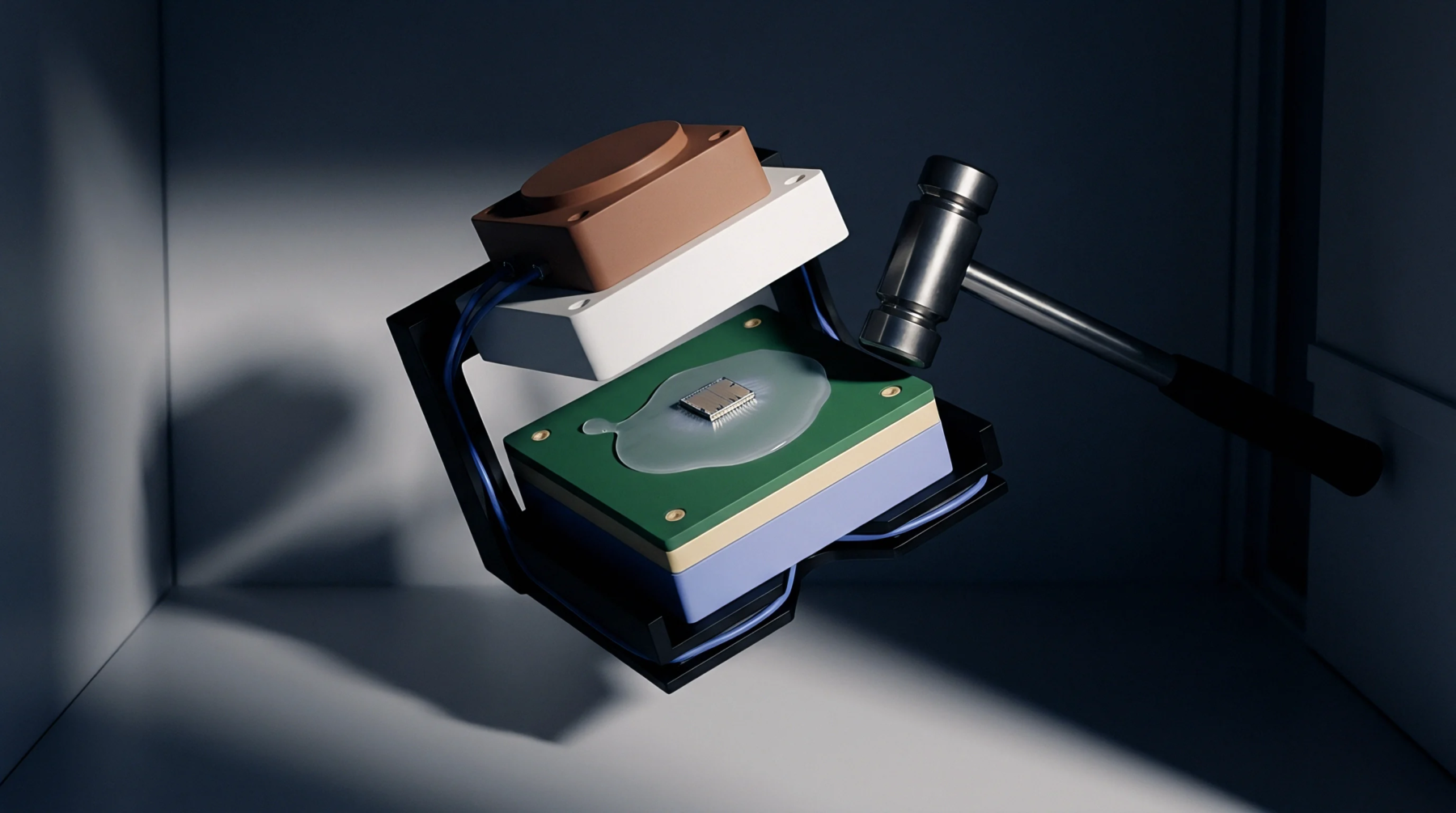
Sub-micron thermo-mechanical strain in encapsulated accelerometer arrays is mitigated using central anchor suspensions, DRIE isolation trenches, and balanced wafer stacks.
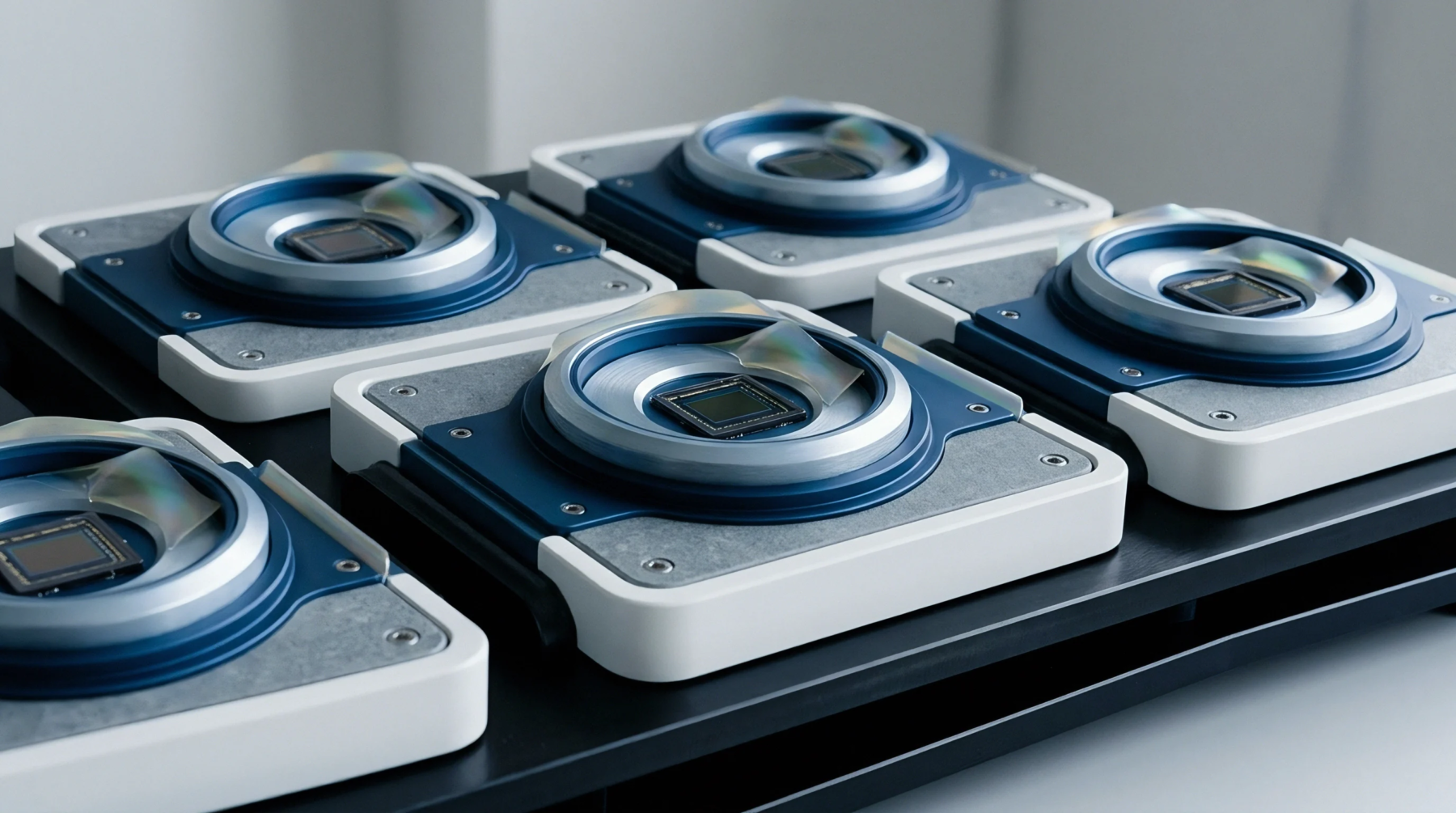
Spatial thermal gradients disrupt differential capacitive balance, requiring symmetric substrate layout and strain isolation to preserve bias stability.

Spatial thermal gradient mapping in micro-machined accelerometer arrays decouples linear motion from external board heat using differential thermopile matrices.
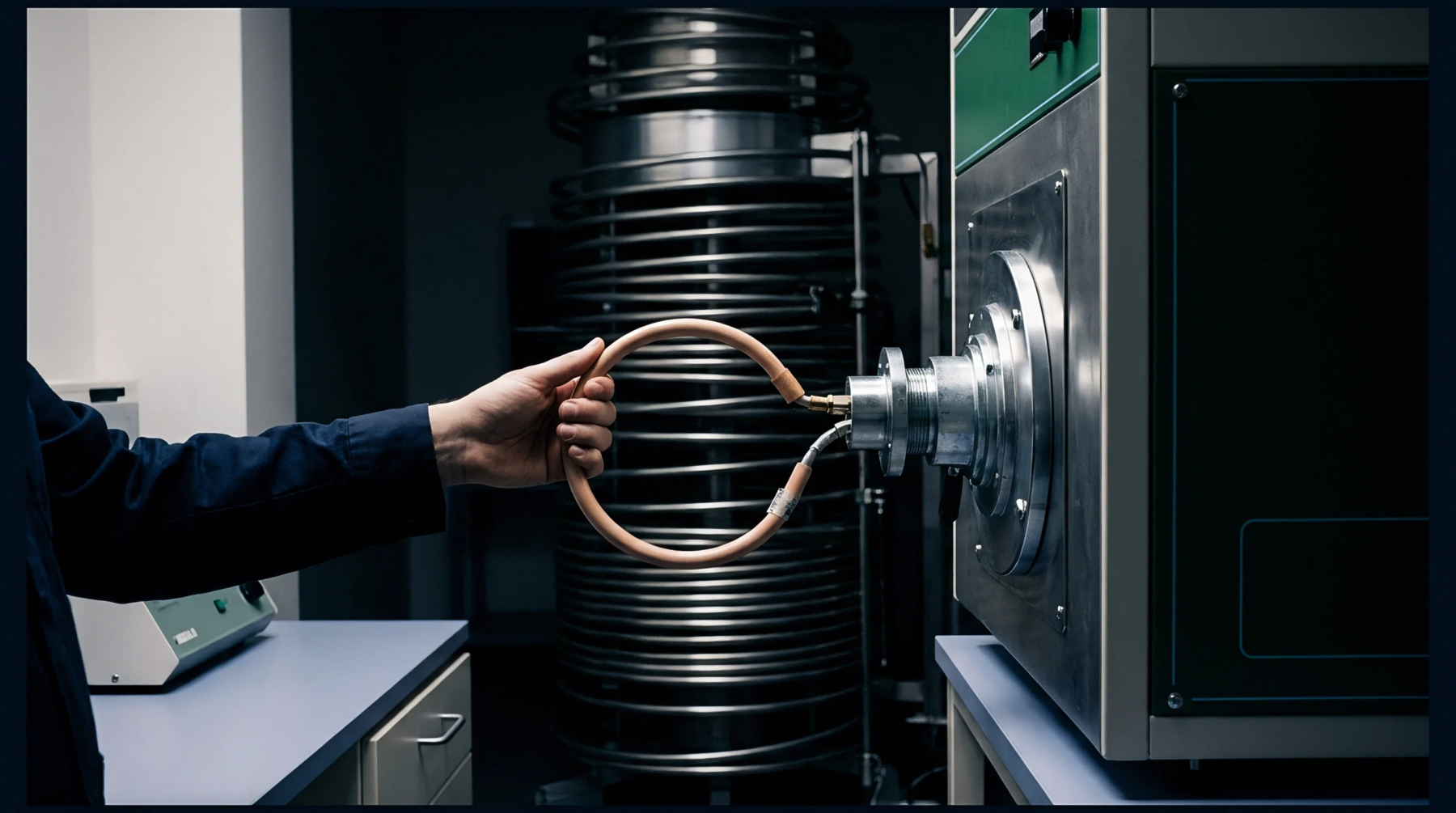
Viscoelastic relaxation in ultrafine cladding coatings couples dynamic shear strains directly into the core, generating uncorrected optical phase drift.
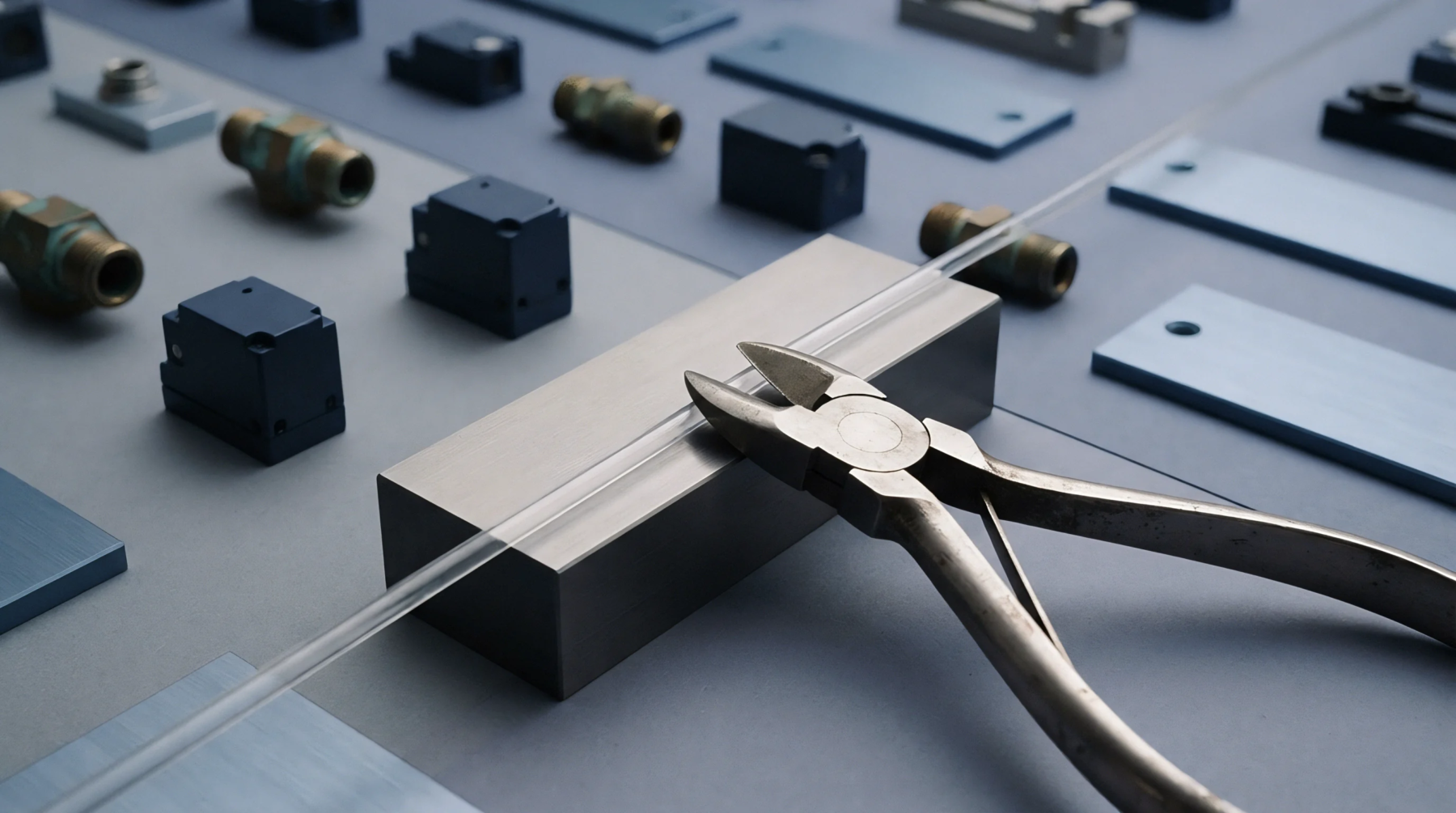
Quadrupolar winding cancels symmetric thermal gradients, leaving elasto-optic drift manageable via compliant potting and multi-point sensor compensation.
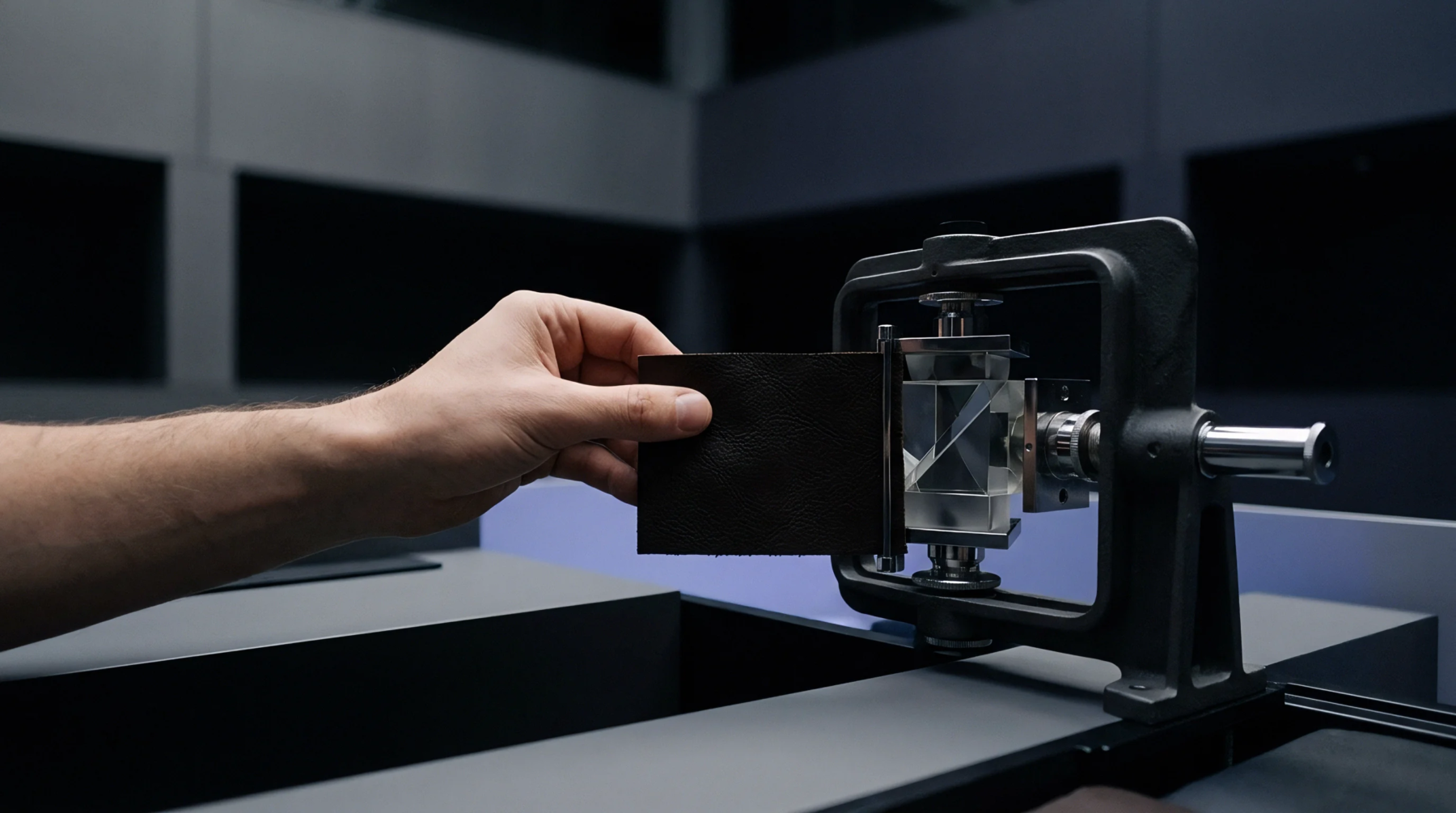
Minimizing thermal sensitivity in reduced diameter optical coils demands quadrupolar winding symmetry matched with soft elastomeric potting to prevent Shupe effect bias drift.
Expertise is a utility, not a secret. sentiention™ publishes its working knowledge as open reference: intelligence layer covering the materials it sources, the markets it enters, and the reference that serves both.