
Spatial Thermal Gradient Mapping Micro-Machined Accelerometer Arrays
Spatial thermal gradient mapping in micro-machined accelerometer arrays decouples linear motion from external board heat using differential thermopile matrices.
Spatial thermal gradient mapping in micro-machined accelerometer arrays decouples linear motion from external board heat using differential thermopile matrices.

Active pull-up buffers restore slew rates on high-capacitance sensor lines without raising low-level output voltages or violating static sink limits.

Matrix compensation algorithms correct non-linear thermal piezoresistive drift by mapping raw bridge and temperature counts through fixed-point polynomial surfaces.

Dynamic multi-sensor varactor compensation uses thermal flux tracking and predictive modeling to eliminate tuning drift during steep temperature ramps.

Wafer-level residual stress gradients induce asymmetric die warpage that relaxes over time, causing dynamic calibration matrices to suffer severe cross-axis drift.

Asymmetric thermal gradients across precision references induce microvolt offsets through Seebeck potentials and piezo-resistive stress imbalance.

Packaging thermal expansion mismatch generates die stress that converts to electrical offset drift via piezoresistive coupling and polymer viscoelastic creep.

Static thermal zero-g bias shifts in MEMS accelerometers are isolated by enforcing prolonged thermal dwell periods to decouple stress creep from thermal gradients.
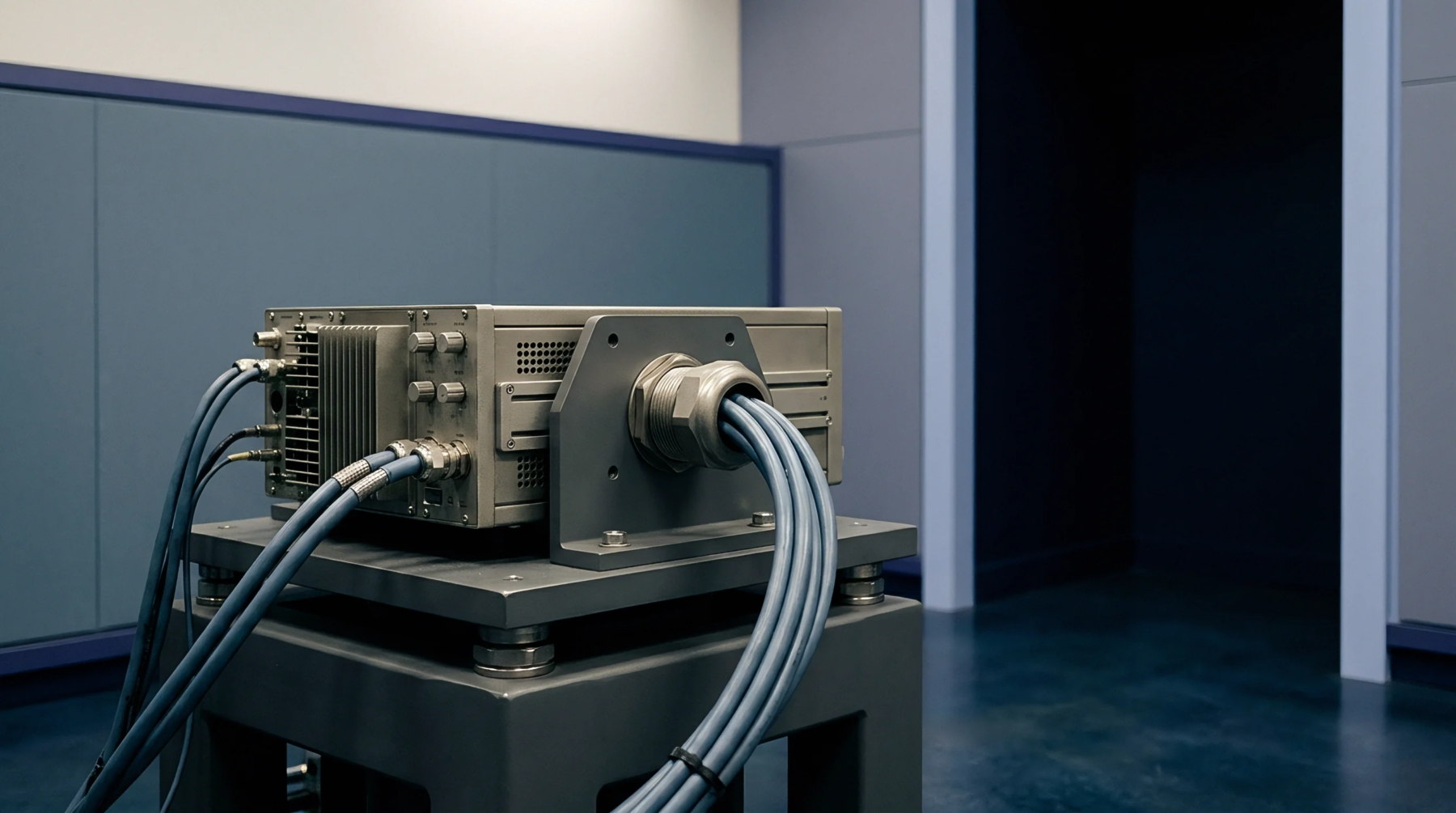
Multi coil quadrature demodulation isolates amplitude and phase in inductive proximity chains, resolving sub-micron targets while rejecting thermal noise.

High-latitude ground alignment error budgets require explicitly modeling second-order sculling and vibro-pendulous base motion rectifications to prevent false bias growth.
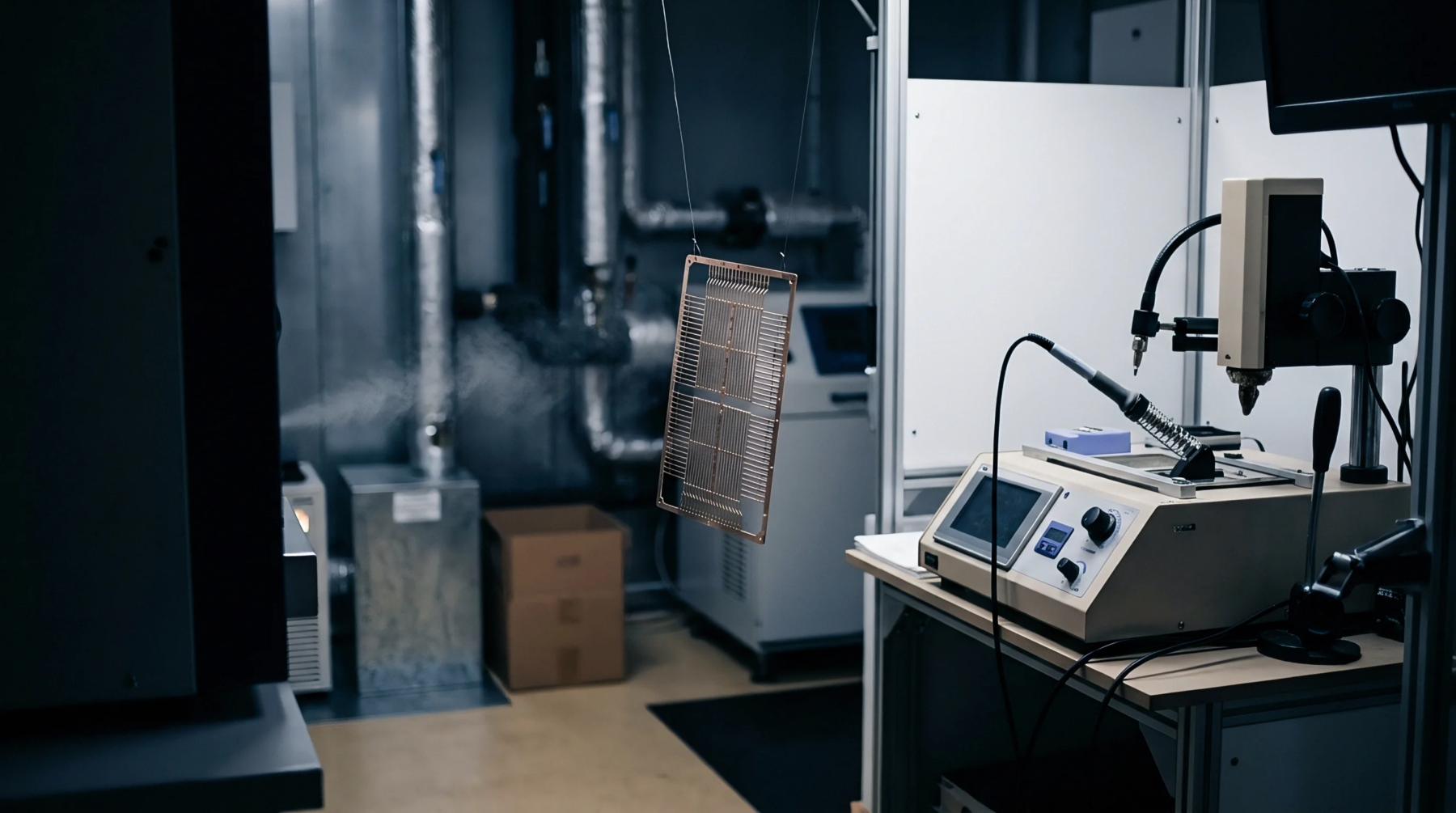
Analytical error bounds combine accelerometer bias tilt projection and latitude secant gyrocompassing equations to establish deterministic spatial uncertainty limits.

External analog load currents extract direct current and charge pulses from internal bandgap reference nodes, inducing static droop and transient conversion errors.
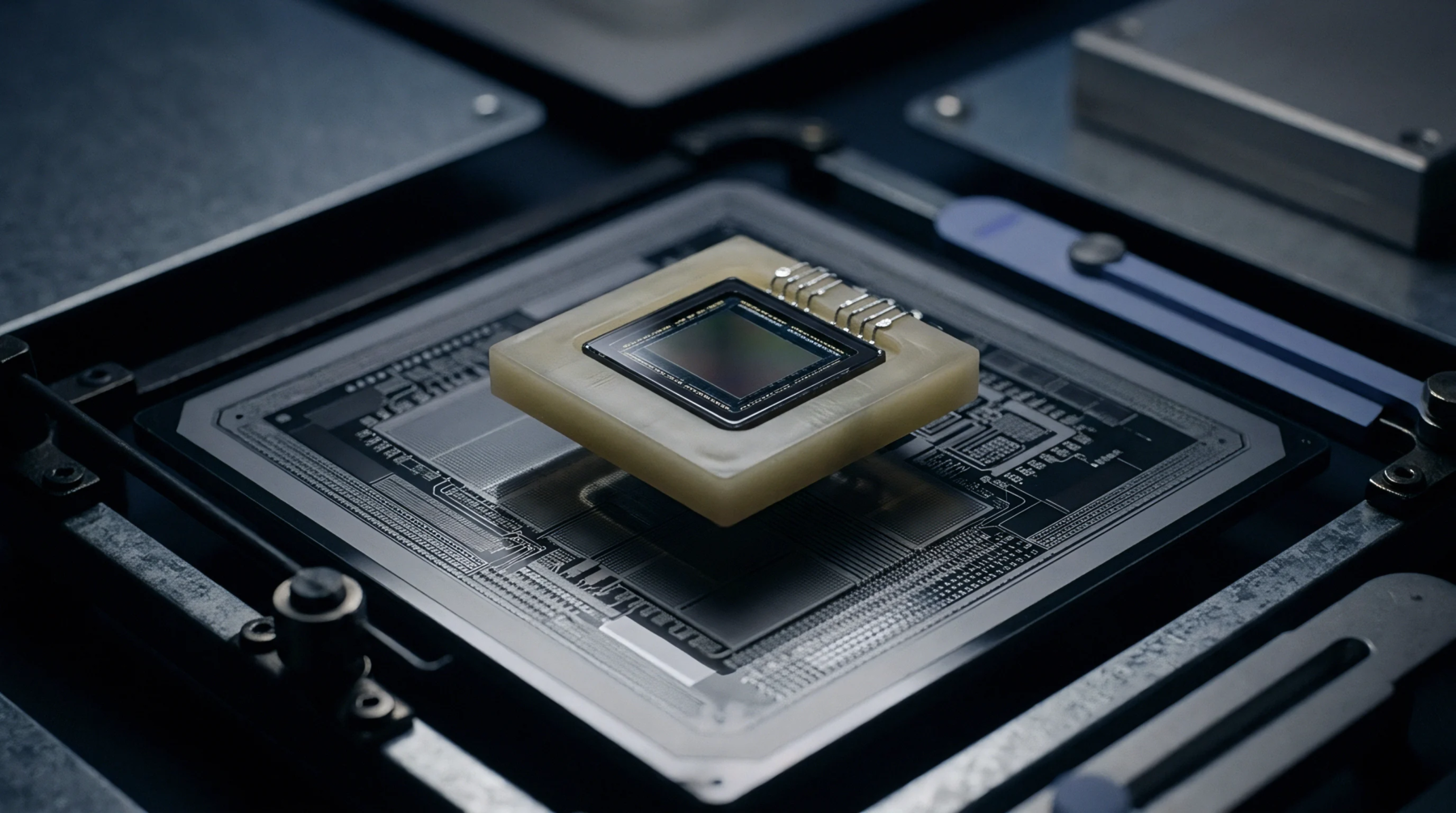
Wafer level sensor package strain mitigation relies on compliant redistribution layers, optimized pad geometries, and firmware offset calibration to ensure operational stability.
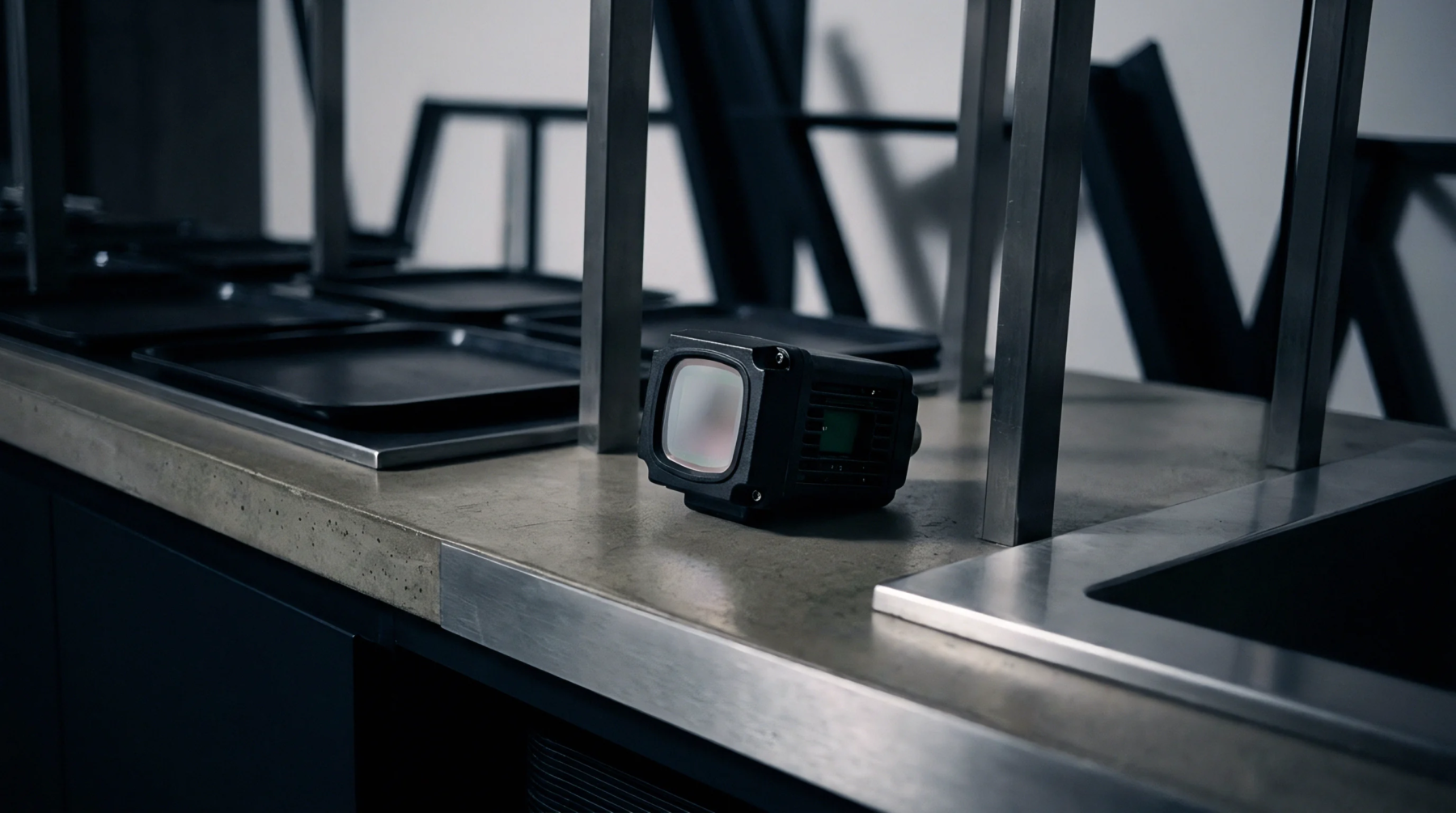
Driver self-heating creates thermal gradients across integrated precision references, causing microvolt drifts that demand symmetrical PCB layout.

Selecting sensors requires matching physical transduction principles to measurands while accounting for thermal drift, noise floor, and fab availability.
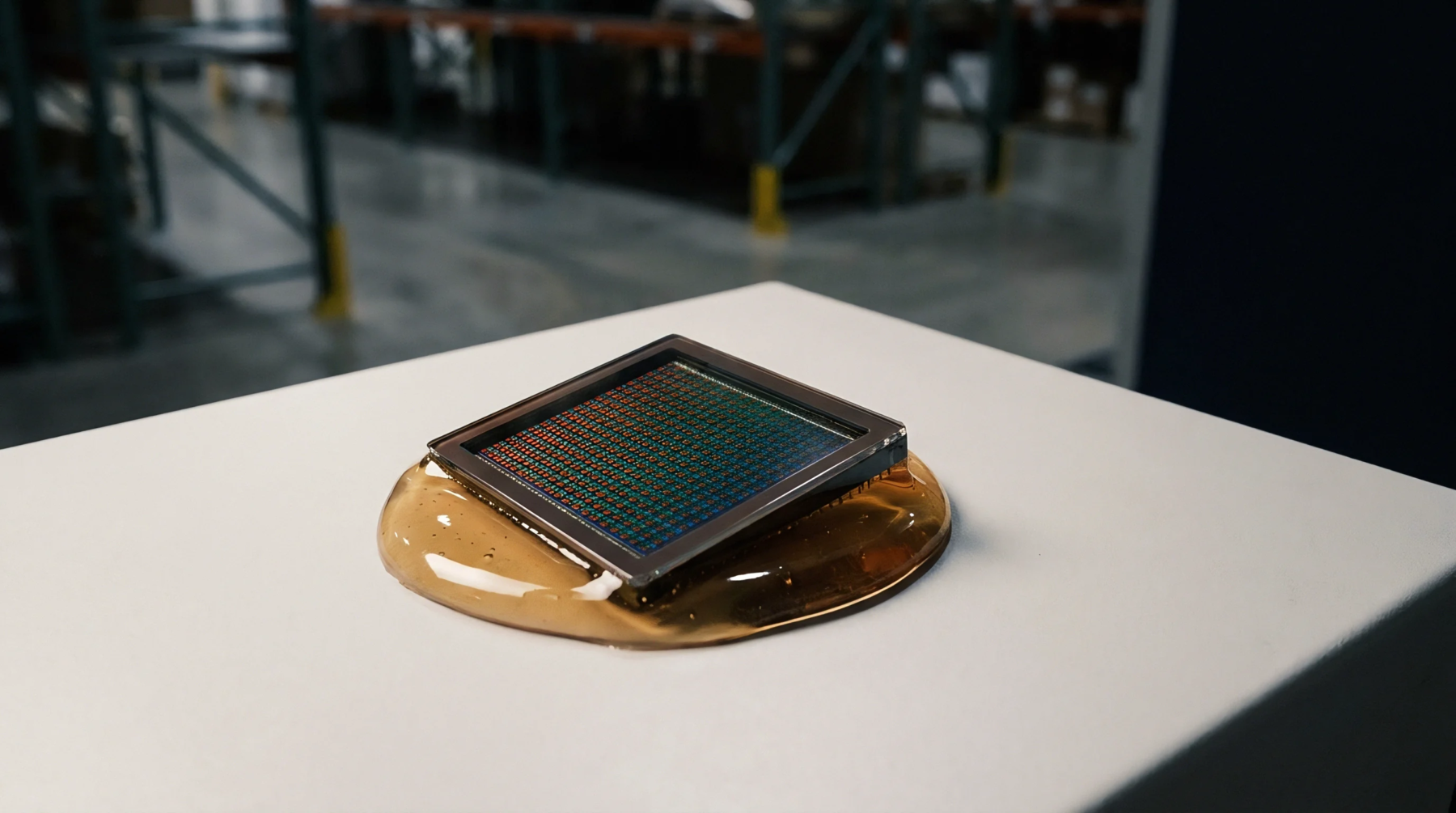
Thermal stress evaluation isolates CTE mismatch across silicon and packaging materials to prevent accelerometer zero-g offset drift and sensitivity shifts.

Thermomechanical packaging stress splits quad-symmetric gyroscope resonance modes, requiring mechanical anchor isolation paired with real-time modal stiffness tracking.
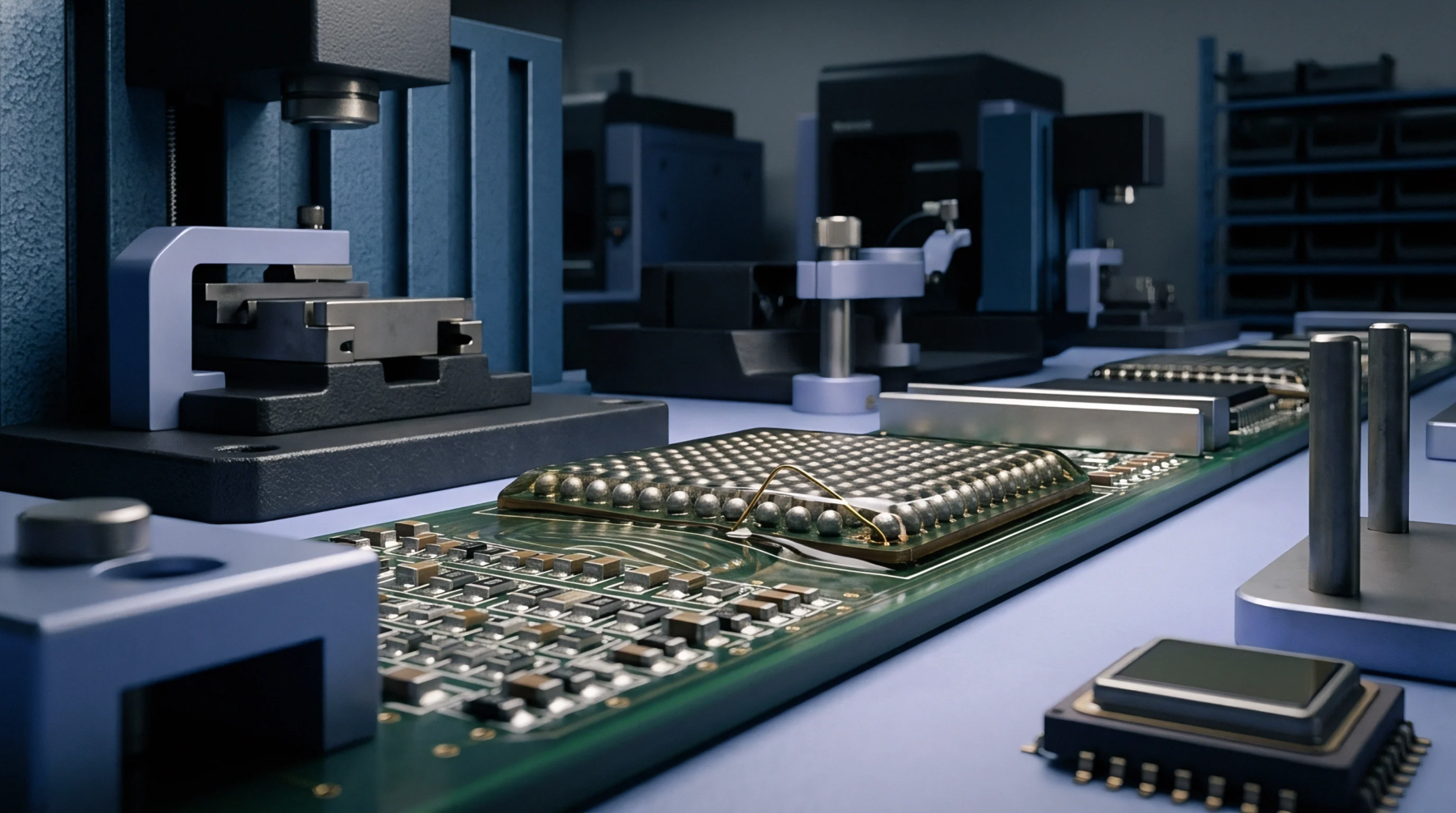
Isothermal precision reference layouts eliminate microvolt thermal EMFs and mechanical strain by balancing copper symmetry, milling strain-relief cuts, and decoupling heat flow.

Dynamic trajectory matrix drift under extreme heat is suppressed by pairing vacuum-melted low-ferrite alloys with dual-frequency phase-compensated sensing.
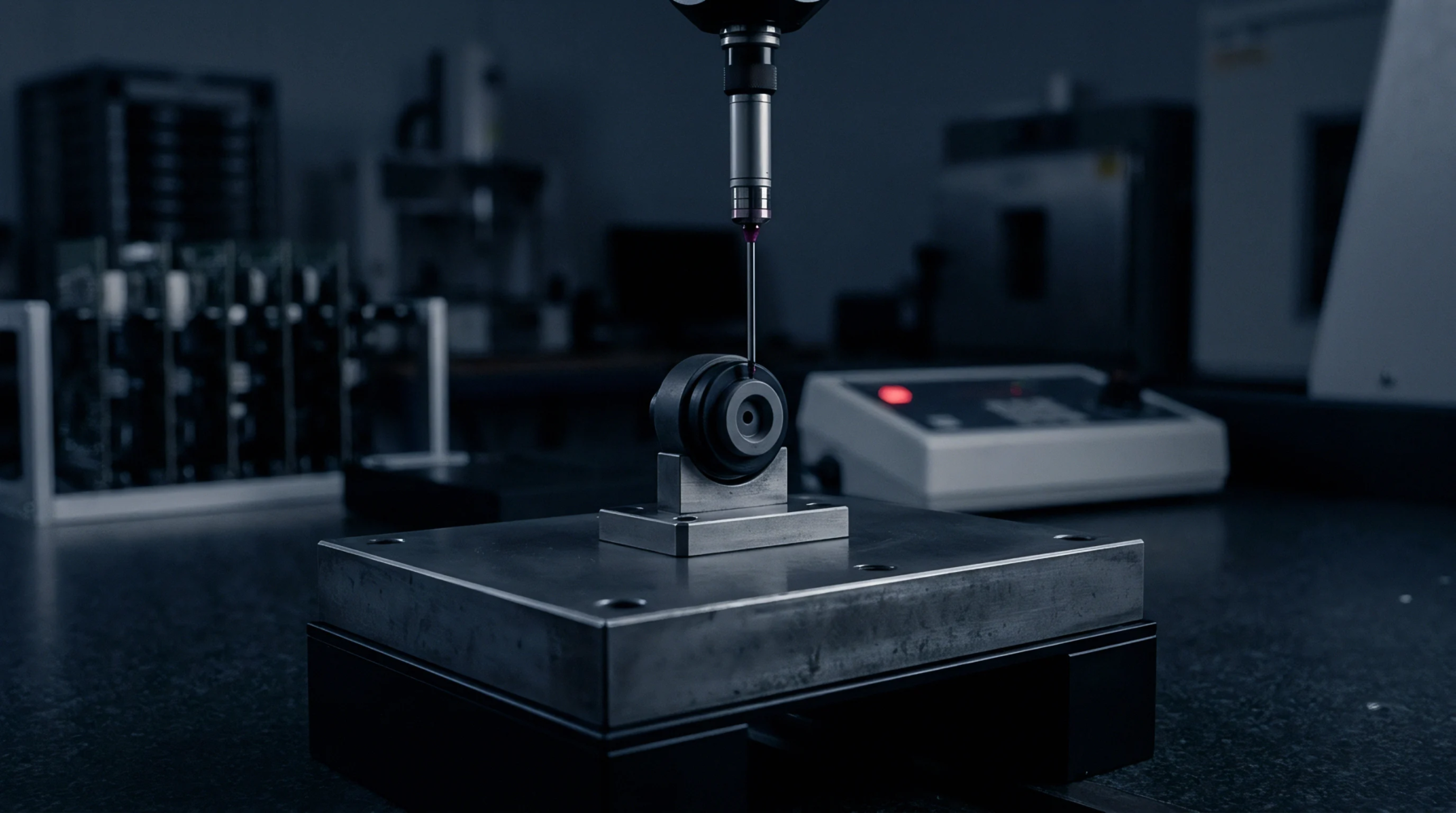
Verify silicon die revision registers via JTAG or serial readback before firmware boot to catch unannounced stepping changes and protect assembly yield.

External loading on internal voltage references degrades system precision through load droop, substrate thermal gradients, and capacitive loop instability.

Selecting low-modulus die attach adhesives with glass transition temperatures outside operating limits eliminates non-linear MEMS zero-g offset drift.
Silicon substrate expansion mismatches create stress across MEMS structures, driving zero-g drift that demands isolated anchors and hysteresis modeling.

Selecting die packaging forms requires matching land pattern mechanical stress, bus wiring distance, and calibration stability against landed unit economics.
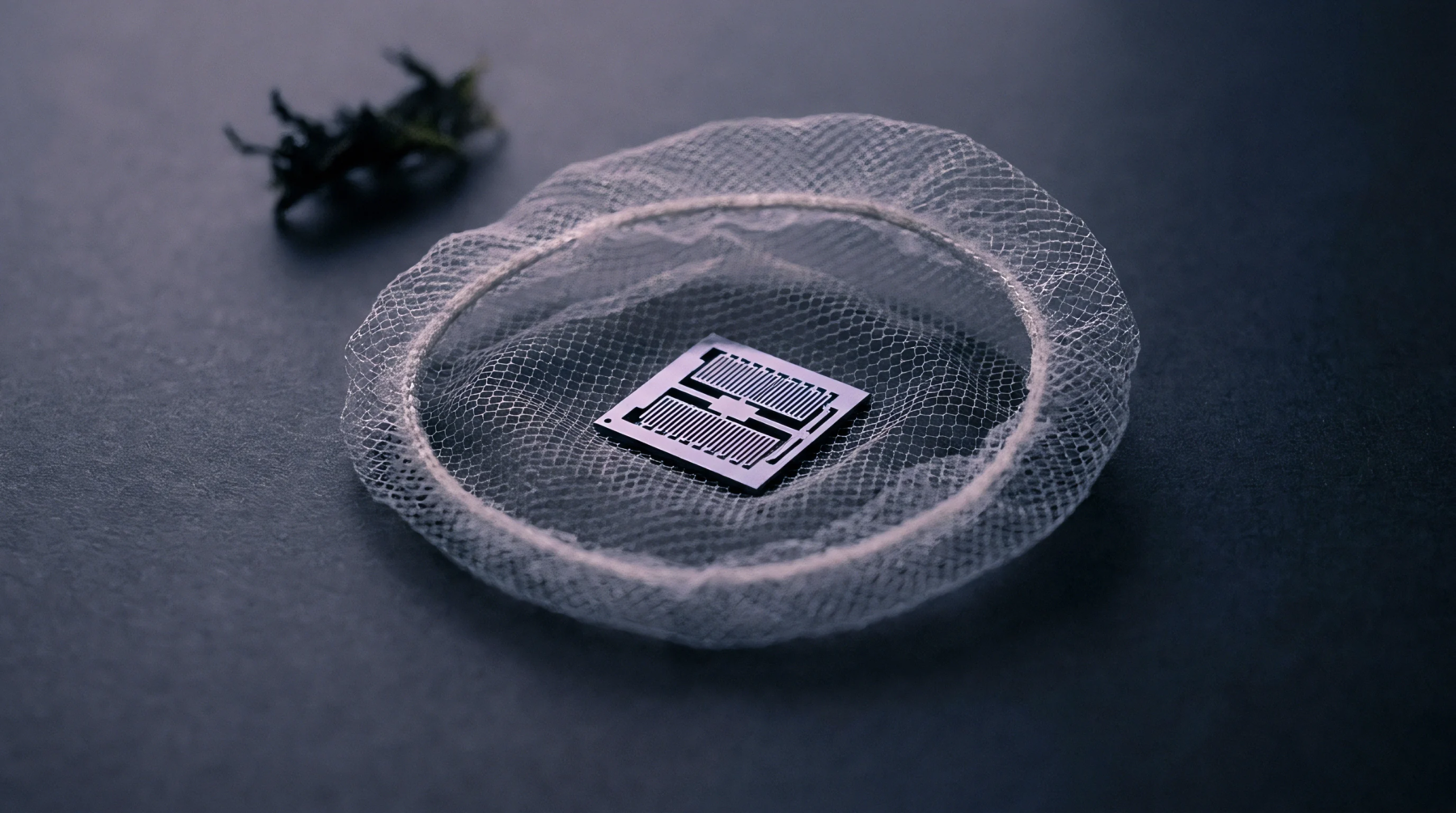
Component reflow popcorning occurs when trapped moisture vaporizes during soldering; acoustic microscopy detects internal delamination via signal phase inversion.
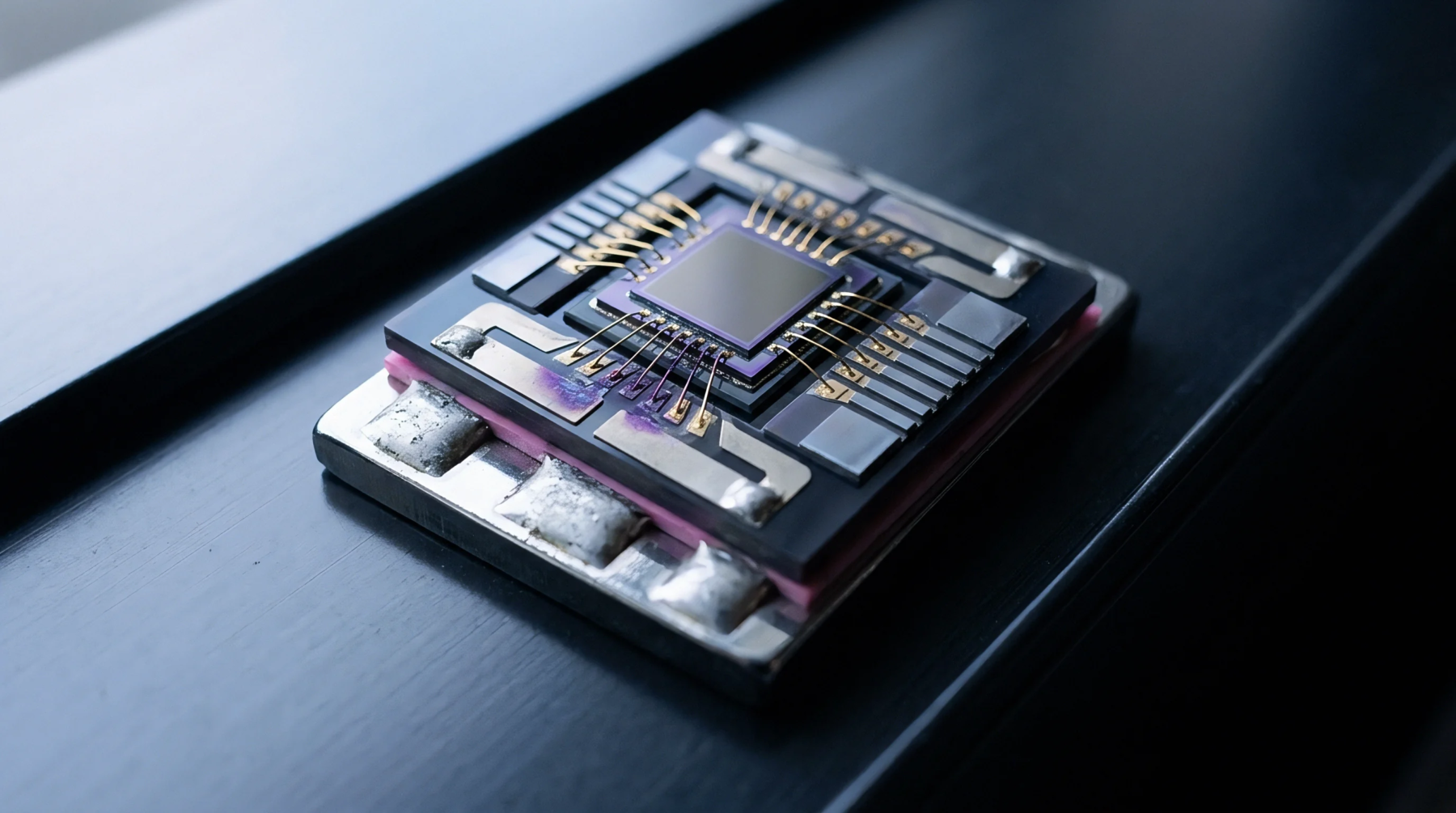
When component vendors end leaded packages, identical active silicon dies often survive in surface-mount forms that demand revised land patterns and thermal layouts.
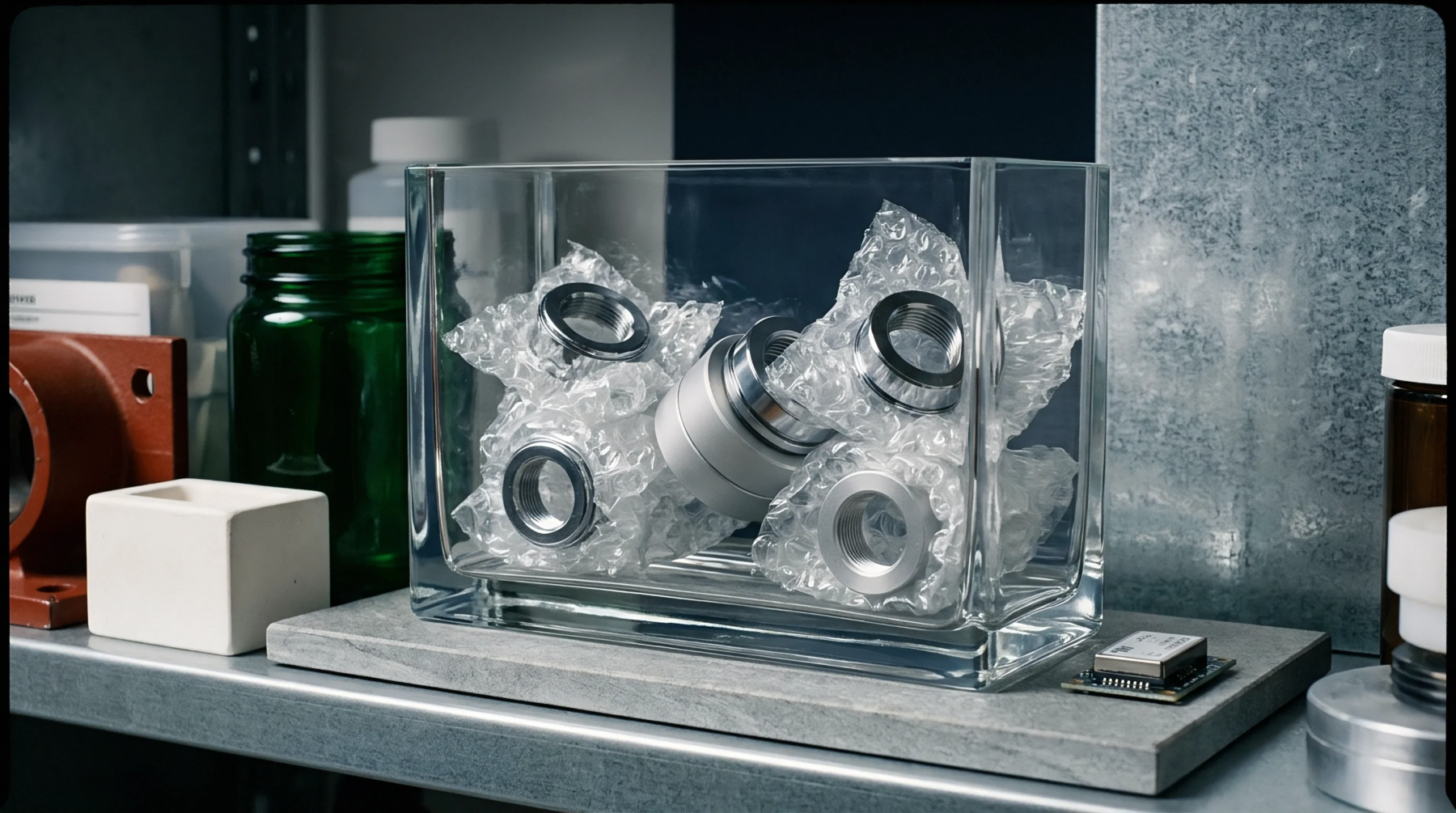
Substituting high-grade physical sensors with multi-element algorithms saves unit cost but adds firmware overhead, thermal drift risks, and qualification expenses.
Expertise is a utility, not a secret. sentiention™ publishes its working knowledge as open reference: intelligence layer covering the materials it sources, the markets it enters, and the reference that serves both.