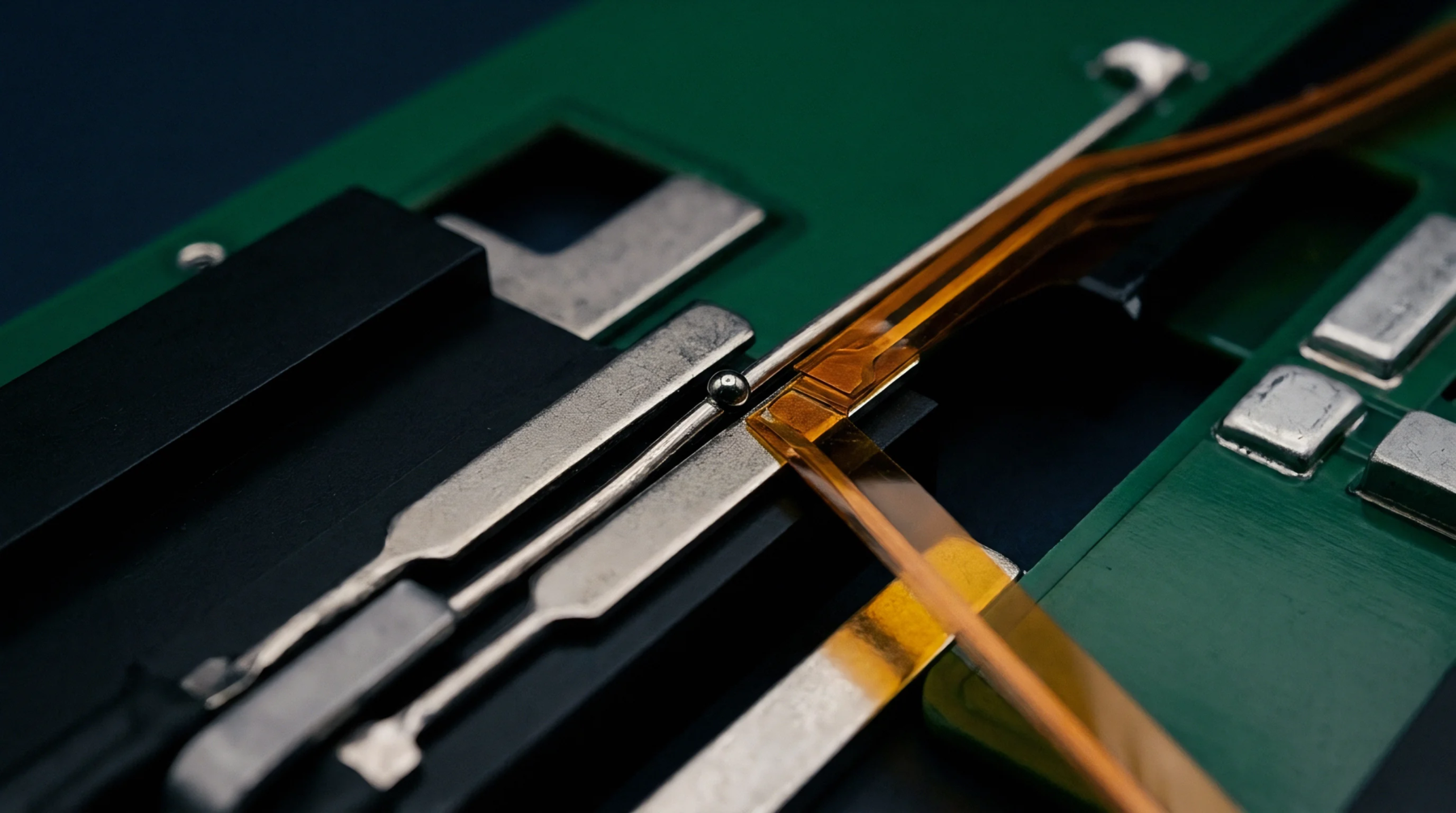
Minimizing Circuit Board Strain Propagation in Surface Mounted Pressure Sensors
Milled PCB isolation slots and controlled solder standoff heights decouple surface mount pressure sensors from assembly flexure and thermal board strain.
Milled PCB isolation slots and controlled solder standoff heights decouple surface mount pressure sensors from assembly flexure and thermal board strain.
Extracting non-negative Prony parameters from dynamic sweeps requires Tikhonov-regularized NNLS to prevent numerical instability in time-domain FEA solvers.
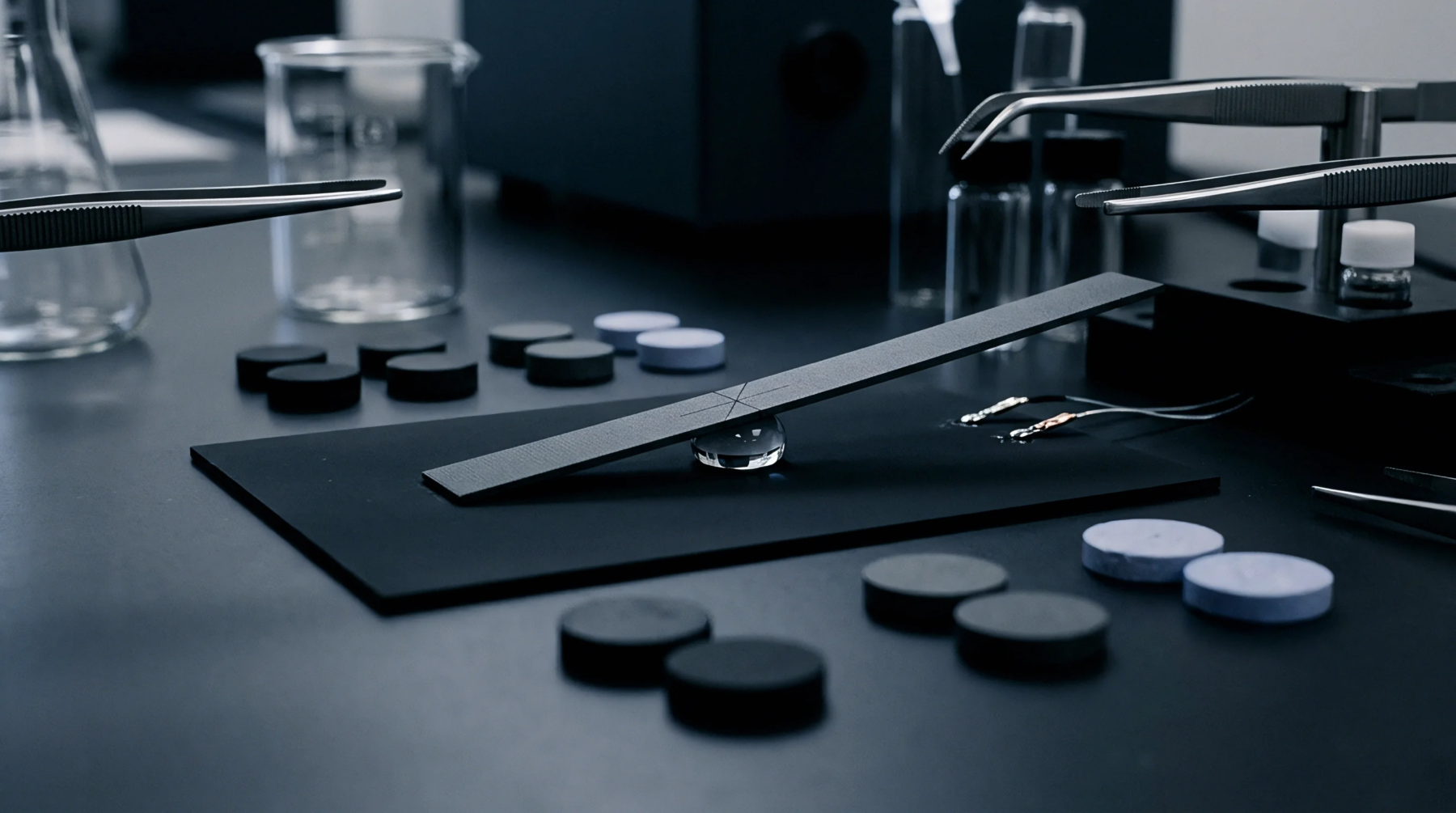
Compositionally graded compliant interlayers and post-sputter thermal anneals eliminate residual thermal strain, preventing zero-drift in sputtered thin-film sensors.

Metrological verification of high-temperature piezoresistors requires quantified drift kinetics, four-wire thermal testing, and guardbanded uncertainty budgets.
Prony series modeling converts polymer relaxation data into actionable sensor zero-drift predictions, isolating packaging strain from true physical signals.
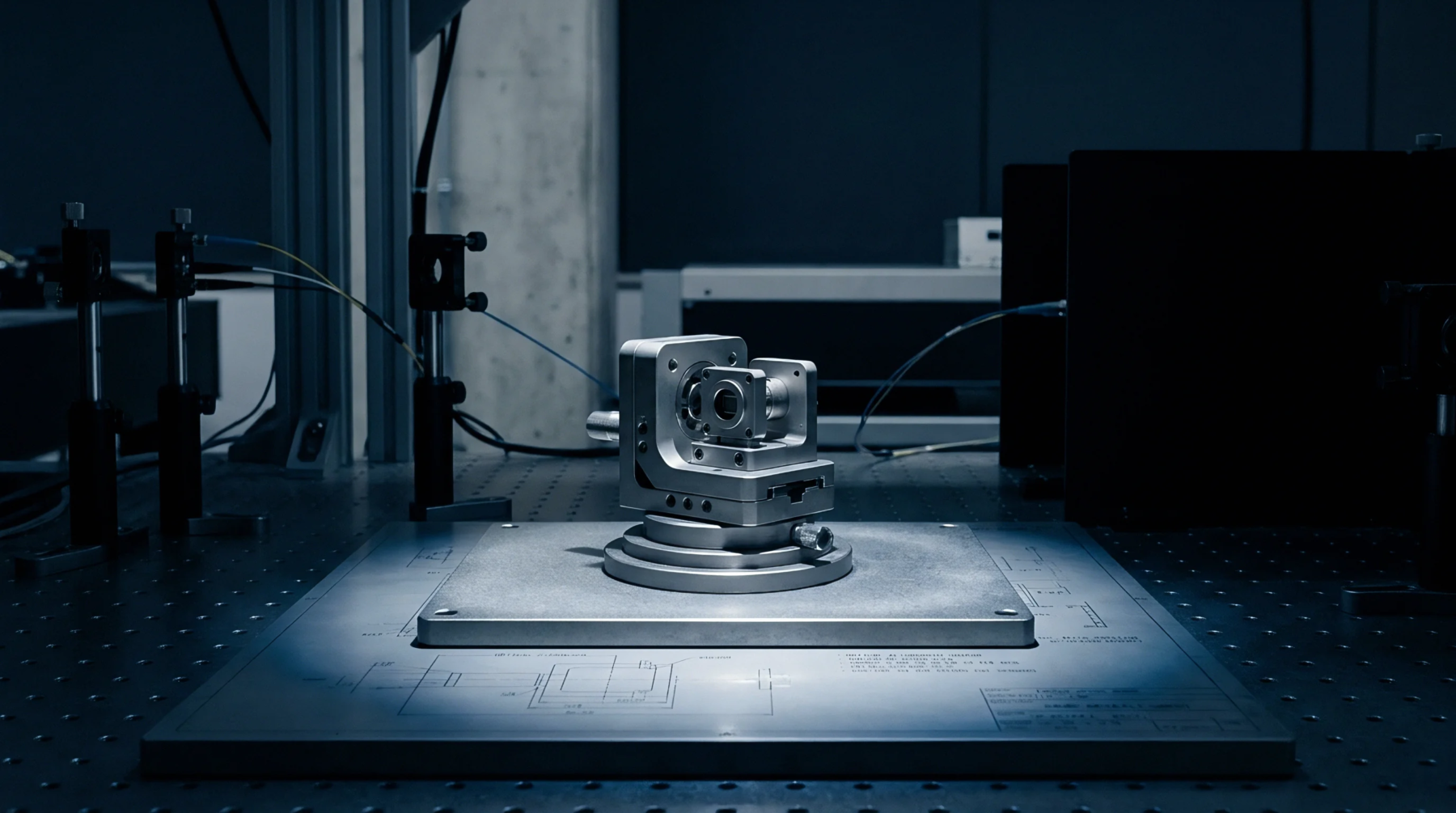
Linear annual drift extrapolation from four-week test bench data produces severe forecast errors by ignoring logarithmic relaxation and test fixture noise floors.
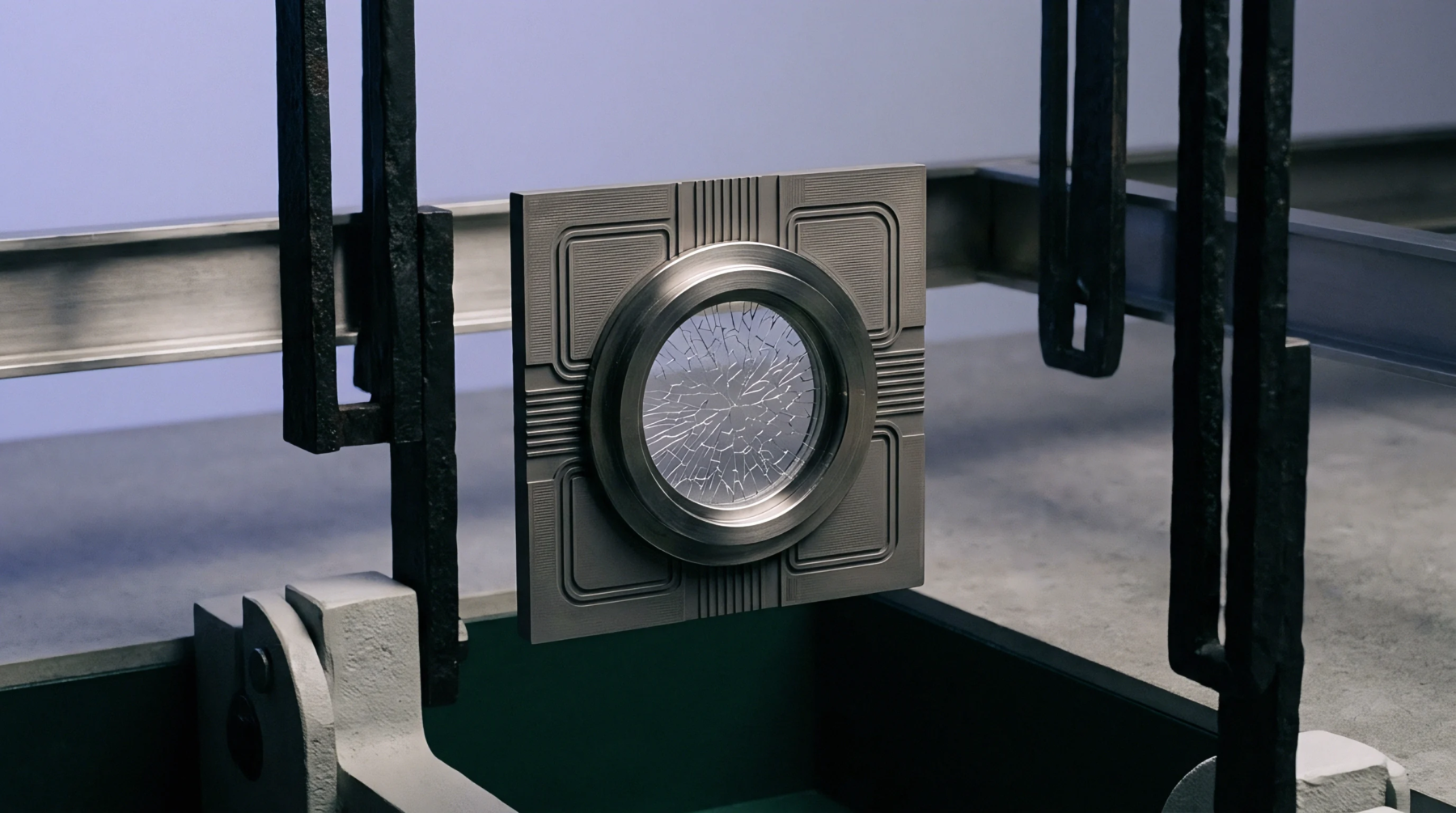
Wafer-level packaging stress relaxation induces anisoelastic stiffness drift and quadrature leakage, requiring stabilization annealing to hold tactical bias limits.
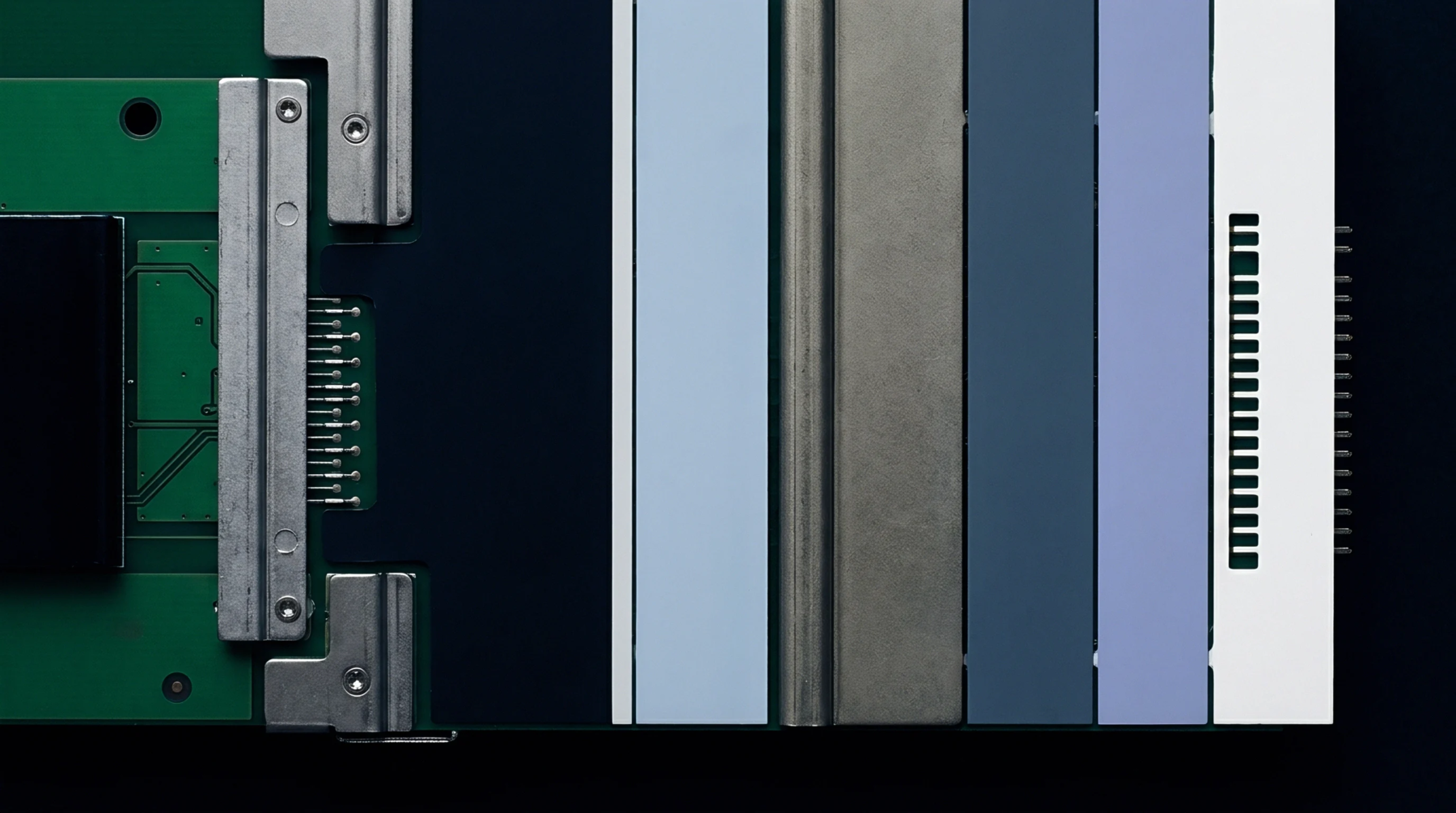
Thermal hysteresis drift in high density transducer arrays stems from package microstructural strain relaxation and requires multi-cycle thermal preconditioning.
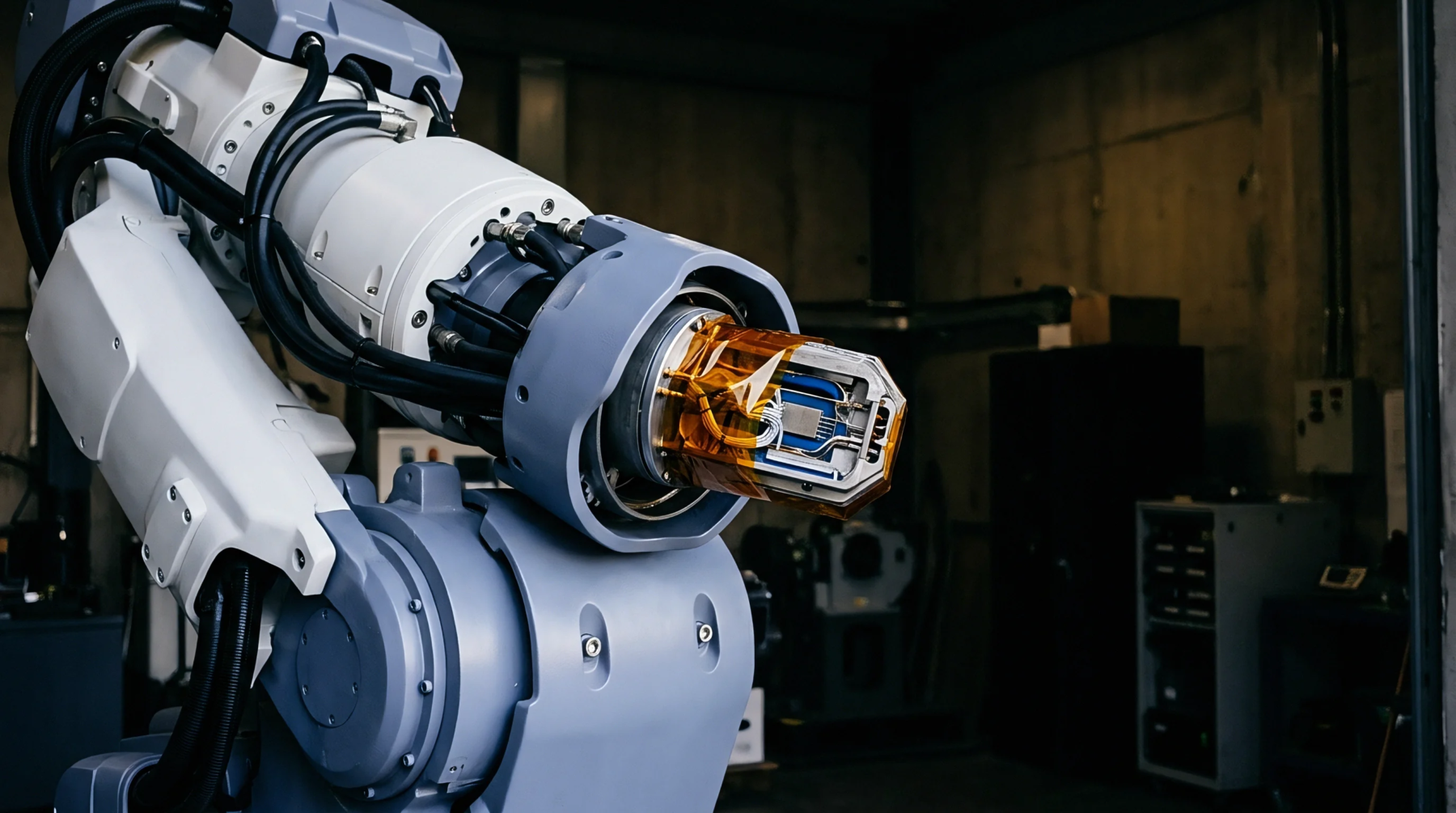
Real-time digital inverse Prony filtering decouples time-dependent polymer stress relaxation from true acceleration signals in high-precision micro-sensors.

Dynamic mechanical relaxation testing isolates glass transition, creep compliance, and thermal stability in high temperature die attach polyimides.
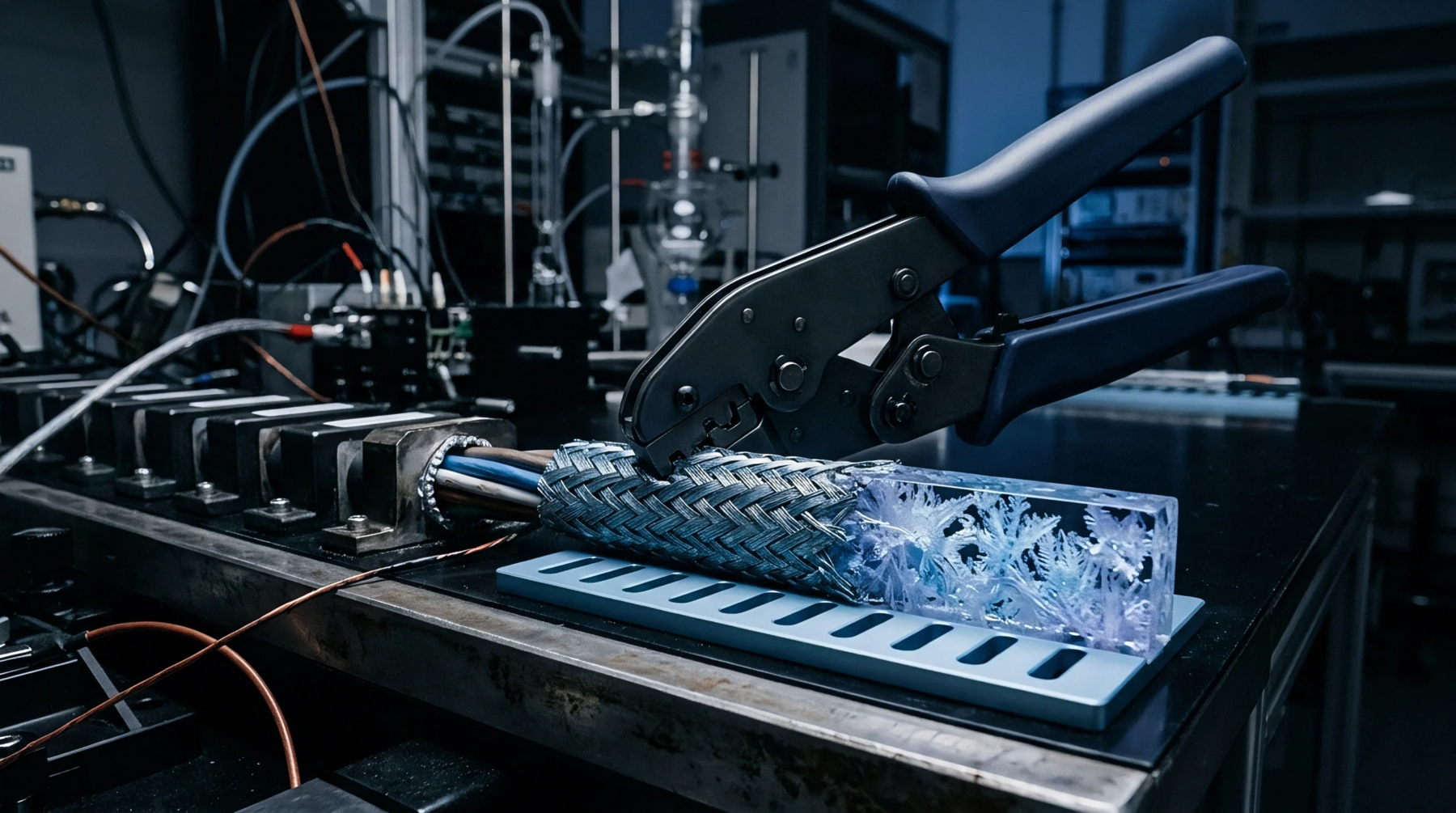
Constitutive modeling of viscoelastic aging in thermoset die attach layers enables precise finite element prediction of lifetime stress and sensor drift.

Polyimide die attach master curves bound stress relaxation under automotive minus forty to plus one hundred seventy-five degree thermal shock cycles.
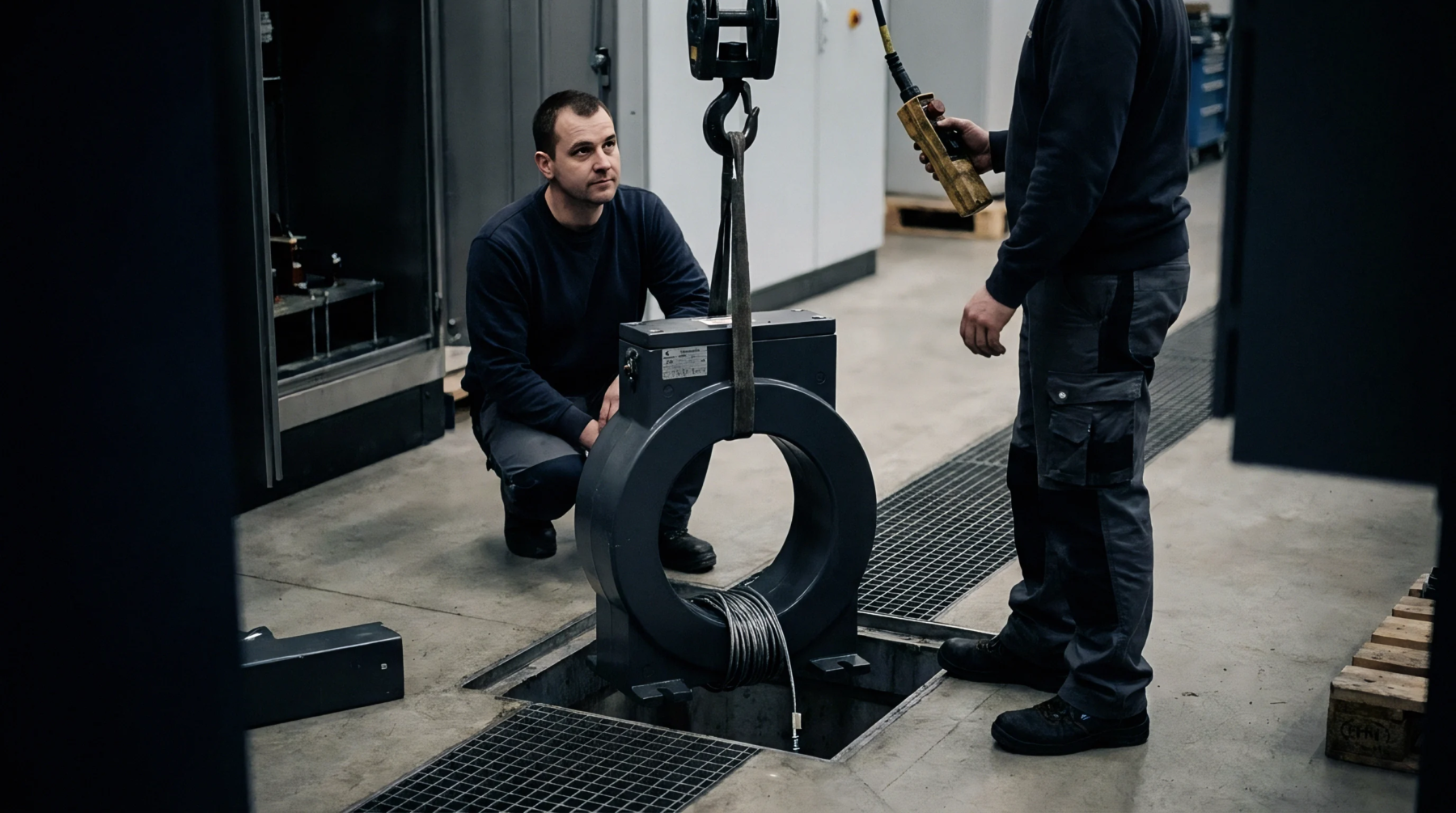
Viscoelastic creep in die attach epoxies drives zero offset hysteresis; low-modulus adhesives minimize stress transfer to preserve long-term transducer balance.
Expertise is a utility, not a secret. sentiention™ publishes its working knowledge as open reference: intelligence layer covering the materials it sources, the markets it enters, and the reference that serves both.