Transducer Operation
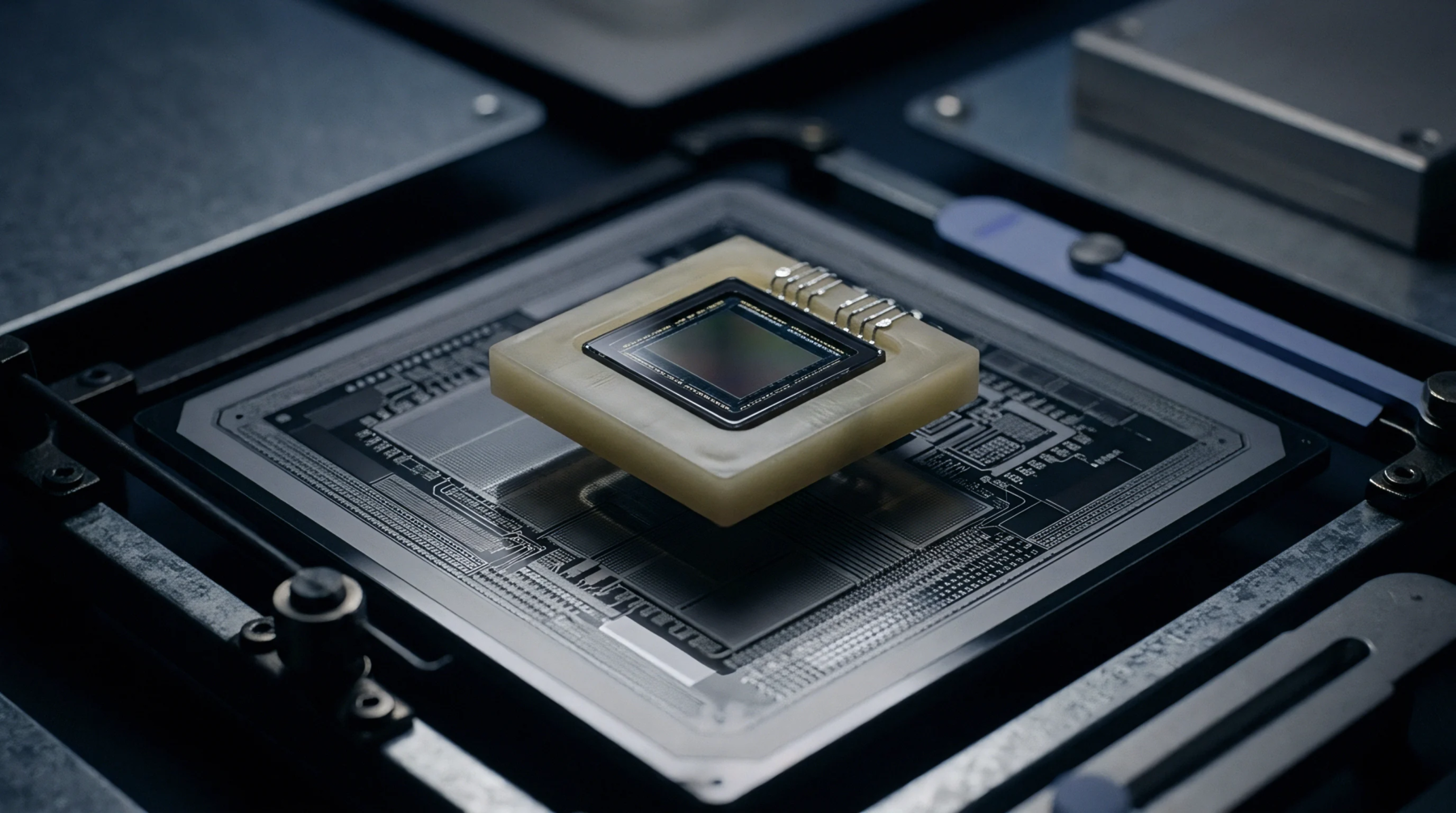
Microscopic electromechanical systems detect linear acceleration by measuring the displacement of a proof mass relative to a fixed frame of reference. The mems accelerometer integrates mechanical structures and electronic circuits on a single silicon substrate, using fabrication techniques derived from the semiconductor industry. At the heart of the device is a mass suspended by delicate springs that move in response to an external force.
When the sensor is accelerated, the inertia of the mass causes it to lag behind the frame, creating a measurable physical displacement. This movement is typically sensed through changes in electrical capacitance between the proof mass and a set of fixed electrodes. The integrated electronics then convert this small capacitive change into a voltage or a digital signal that can be read by a microprocessor.
Capacitive Sensing
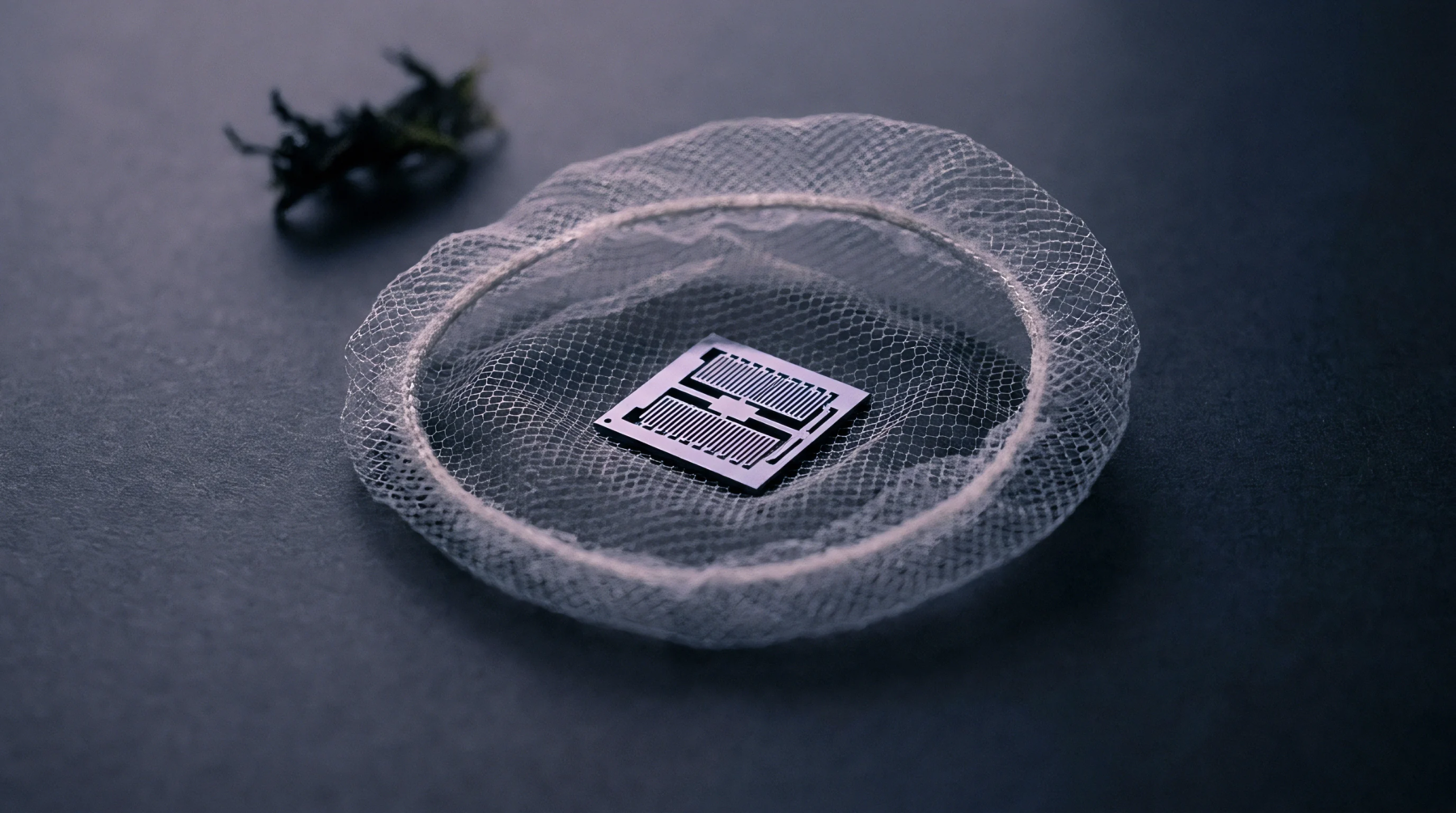
Architecture of the sensing element often uses an interdigitated comb structure to maximize the surface area and the sensitivity of the measurement. As the proof mass moves, the distance between the fingers of the comb changes, which alters the capacitance of the system. This method is highly effective because it is sensitive to very small movements while remaining resistant to temperature variations.
Some designs use a differential sensing approach, where two sets of capacitors are measured and the difference between them is used to calculate the acceleration. This configuration cancels out common mode noise and improves the overall accuracy of the sensor. The tiny size of these structures allows them to react quickly to changes in motion, making them ideal for detecting vibration, tilt and sudden shocks.
Error Source
Performance of the sensor is influenced by several factors that can introduce bias and noise into the output signal. The most significant error is the zero g offset, which is the output of the sensor when it is perfectly still and level. This offset can drift over time or change in response to temperature fluctuations and mechanical stress on the package.
Another common issue is the cross axis sensitivity, where the sensor responds to acceleration in a direction perpendicular to its intended axis. To mitigate these effects, manufacturers often include built in calibration data and temperature compensation circuits. Despite these challenges, the precision of modern micro machined sensors is sufficient for most consumer and industrial applications.
Application Boundary
Versatility of the technology has led to its adoption in everything from smartphone screen rotation to automobile airbag deployment systems. In the automotive industry, these sensors are used to detect crashes and to stabilize the vehicle during emergency maneuvers. In consumer electronics, they enable gesture control and step counting in wearable devices.
The mems accelerometer is also used in industrial settings for condition monitoring of machinery, where it detects the subtle vibrations that signal an impending failure. The technology continues to evolve, with newer designs offering higher bandwidth, lower power consumption and smaller footprints. It remains the dominant technology for motion sensing in the modern world, providing a low cost and reliable solution for a vast range of products.