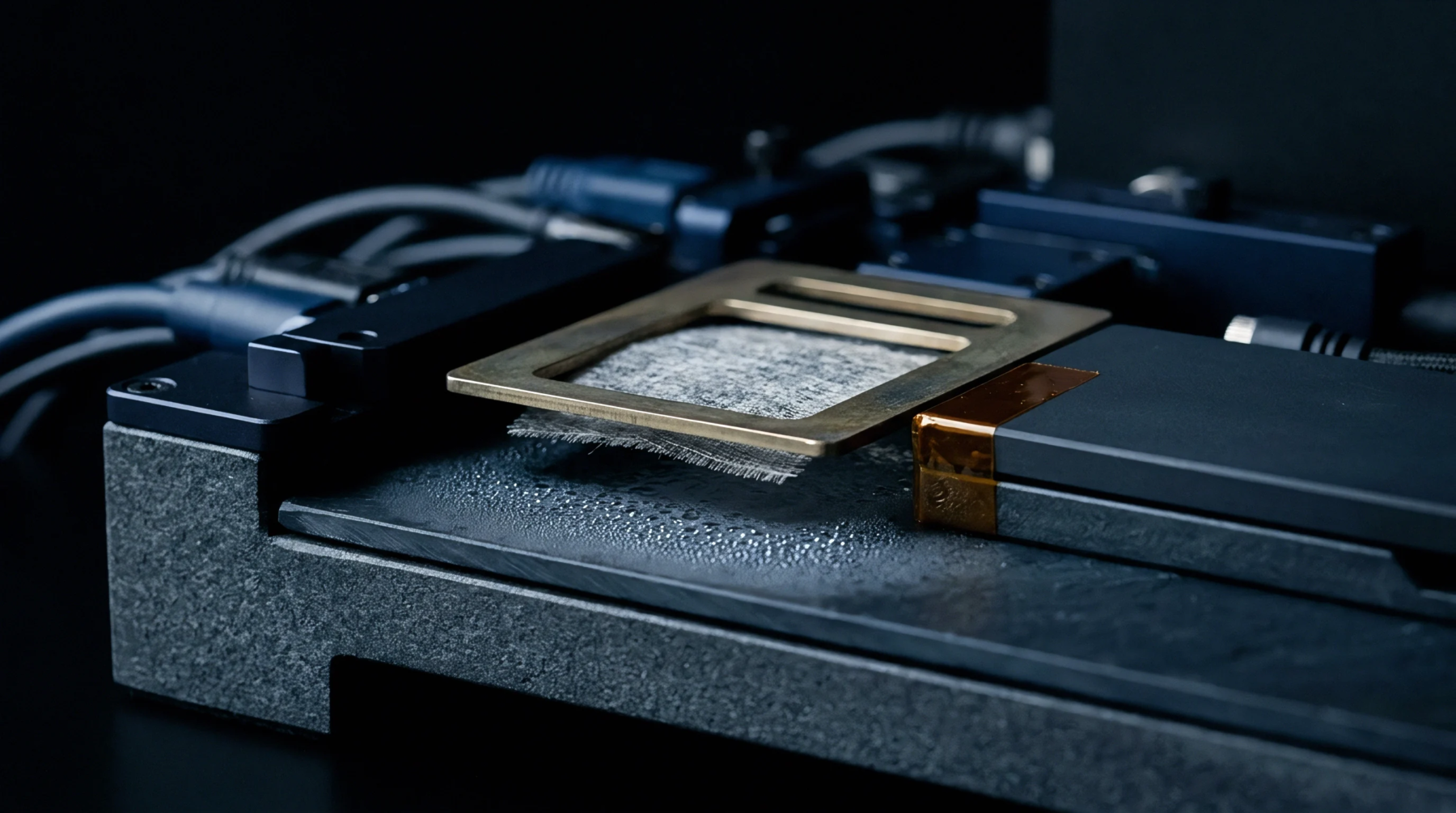
Lumped Parameter State Space Observer Implementation for Embedded Sensor Compensation
Lumped parameter state space observers reconstruct true sensor inputs by modeling internal transducer dynamic lag in firmware to eliminate delay and phase lag.
Lumped parameter state space observers reconstruct true sensor inputs by modeling internal transducer dynamic lag in firmware to eliminate delay and phase lag.

Digital compensation requires thermal chamber dwell times of at least four time constants based on device core telemetry rather than chamber air indicators.
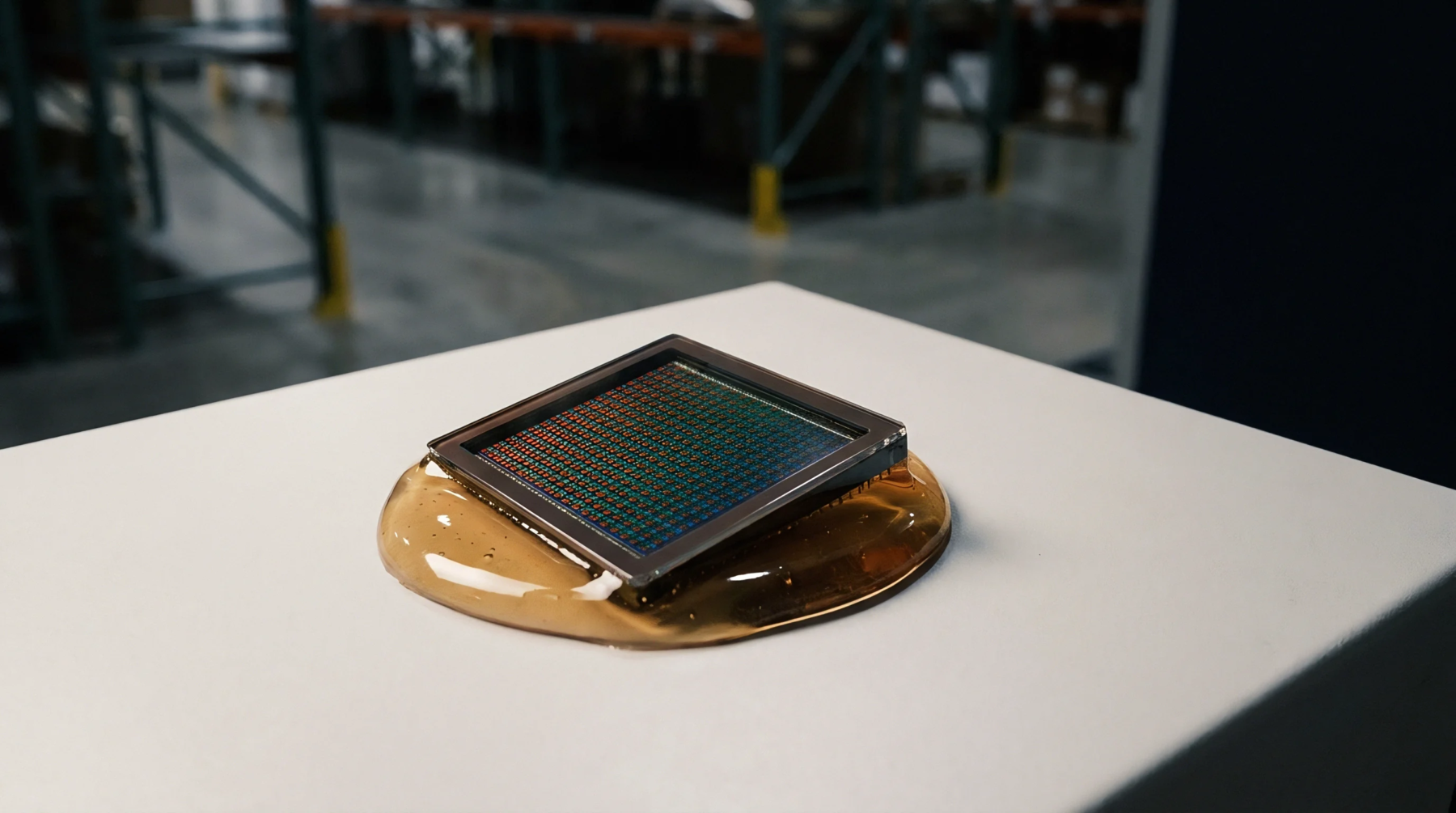
Transient thermal calibration compensates quartz resonant accelerometer bias shifts caused by temperature gradients using differential thermal rate models.

Dynamic multi-sensor varactor compensation uses thermal flux tracking and predictive modeling to eliminate tuning drift during steep temperature ramps.

Spatial multi-point temperature sensing inside sub-Torr MEMS packages removes transient thermal gradient frequency drift down to sub-ppm precision limits.

Dynamic thermal gradient shifts during sensor tumble profiling cause transient thermo-mechanical package stress that distorts inertial calibration matrices.

Augmenting Extended Kalman Filters with dynamic temperature derivative states eliminates dynamic thermal bias drift during rapid ramp conditions.

Quantifying thermal soak delays requires isolating sheath resistance and fill conductivity to offset dynamic tracking errors in automated process control loops.
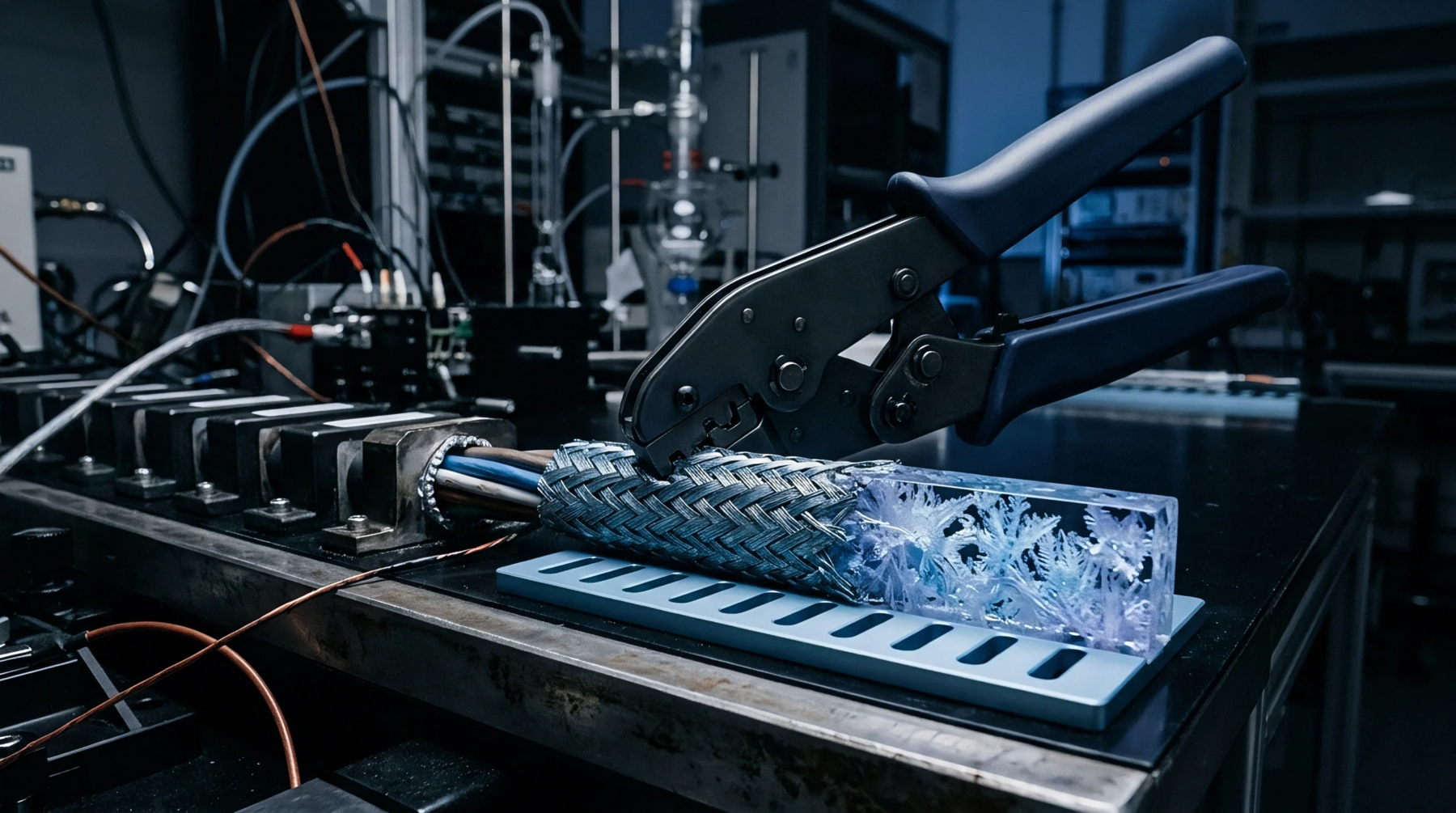
Modulated MEMS emitters exceeding thermopile bandwidth induce thermal phase lag and attenuation that require multi-RC transient model compensation.

Forced air thermal dwell acceptance sampling isolates package stress drift in transducer lots before field deployment.

Substrate thermal gradients induce anisotropic strain fields that degrade MEMS accuracy through piezoresistive offset shifts and capacitive gap distortion.

Active differential thermopile feedback loops suppress transient ambient gradient baseline drift by driving real-time substrate thermal equalization.

Board level thermal gradients shift internal bandgap voltages by inducing transistor temperature differentials and piezoresistive package stress.
Asymmetric output load dissipation creates substrate thermal gradients across monolithic reference dies, inducing microvolt baseline offsets in precision data converters.
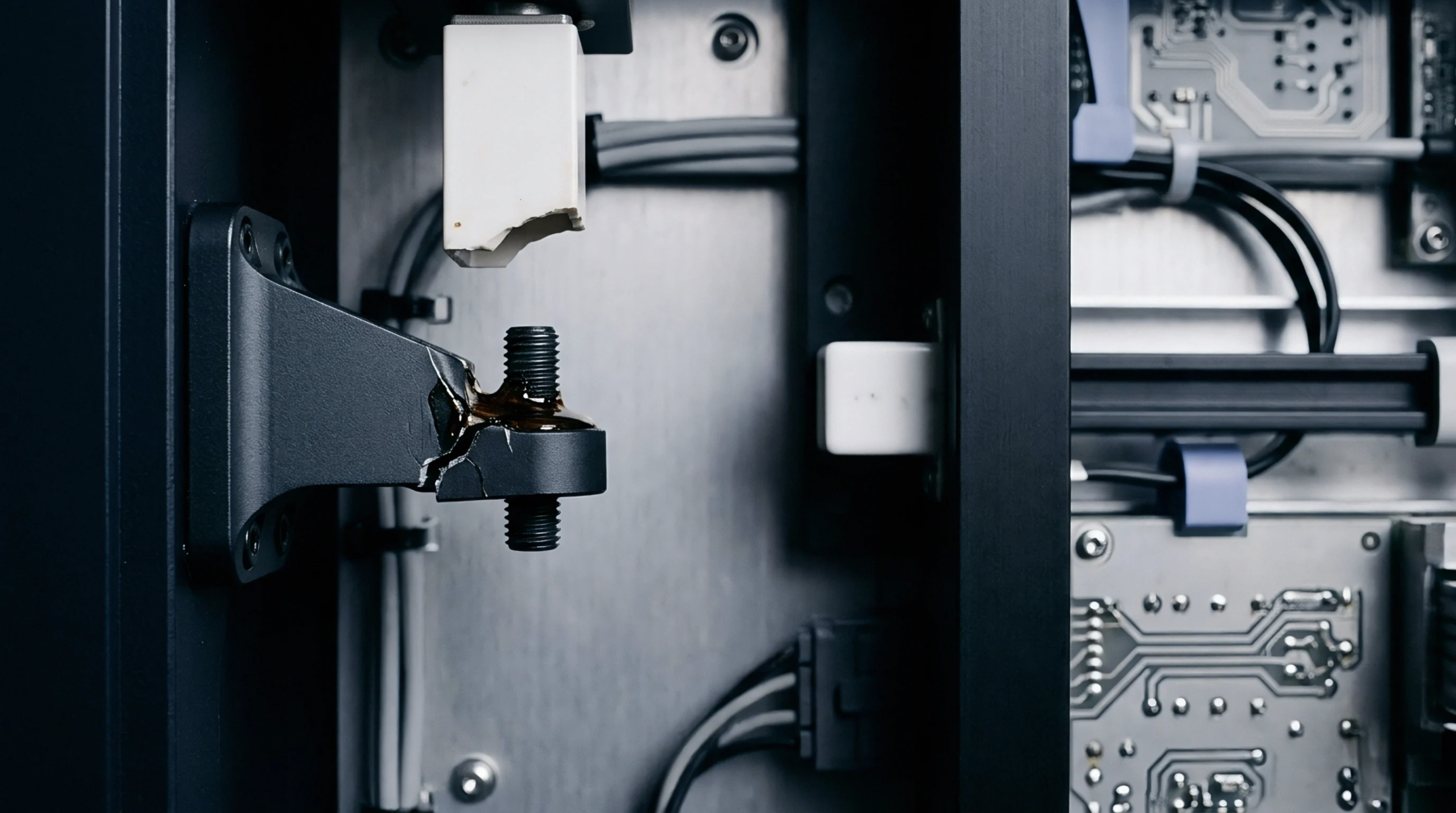
Transient thermal impedance variance in wafer-level die attach stems from micro-voiding and bondline shifts, identifiable via differential structure functions.

Continuous thermal shock introduces spatial transient heat gradients that degrade LC oscillator stability unless dynamic rate-of-change compensation is applied.
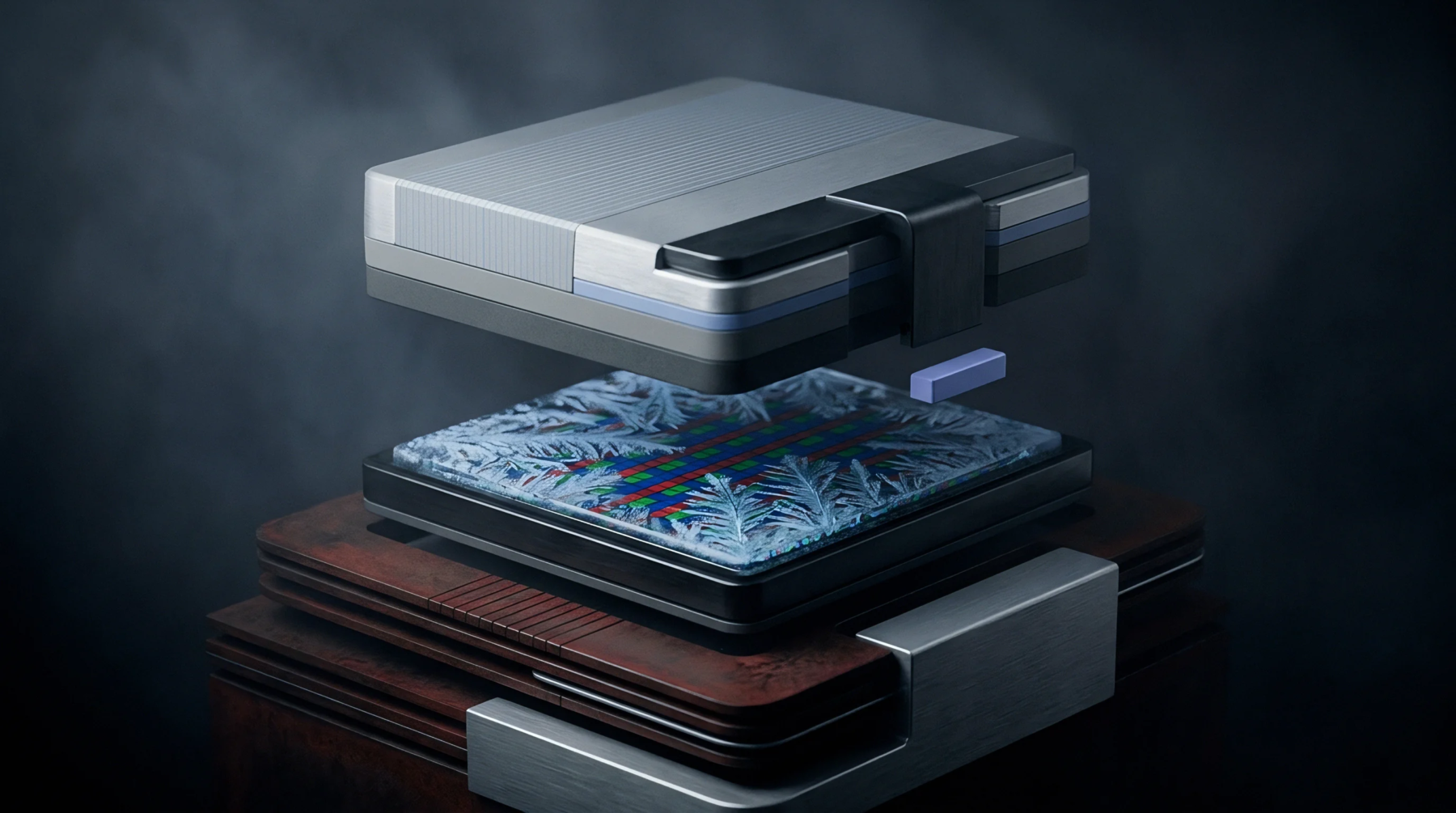
Dynamic thermal gradient compensation requires multi-node spatial sensing and state-space filtering to eliminate phase-lagged bias shifts during rapid thermal slewing.
Driving current from an analog sensor output heats internal silicon sub-circuits, creating thermal gradients that drift the internal voltage reference beyond nominal tolerances.
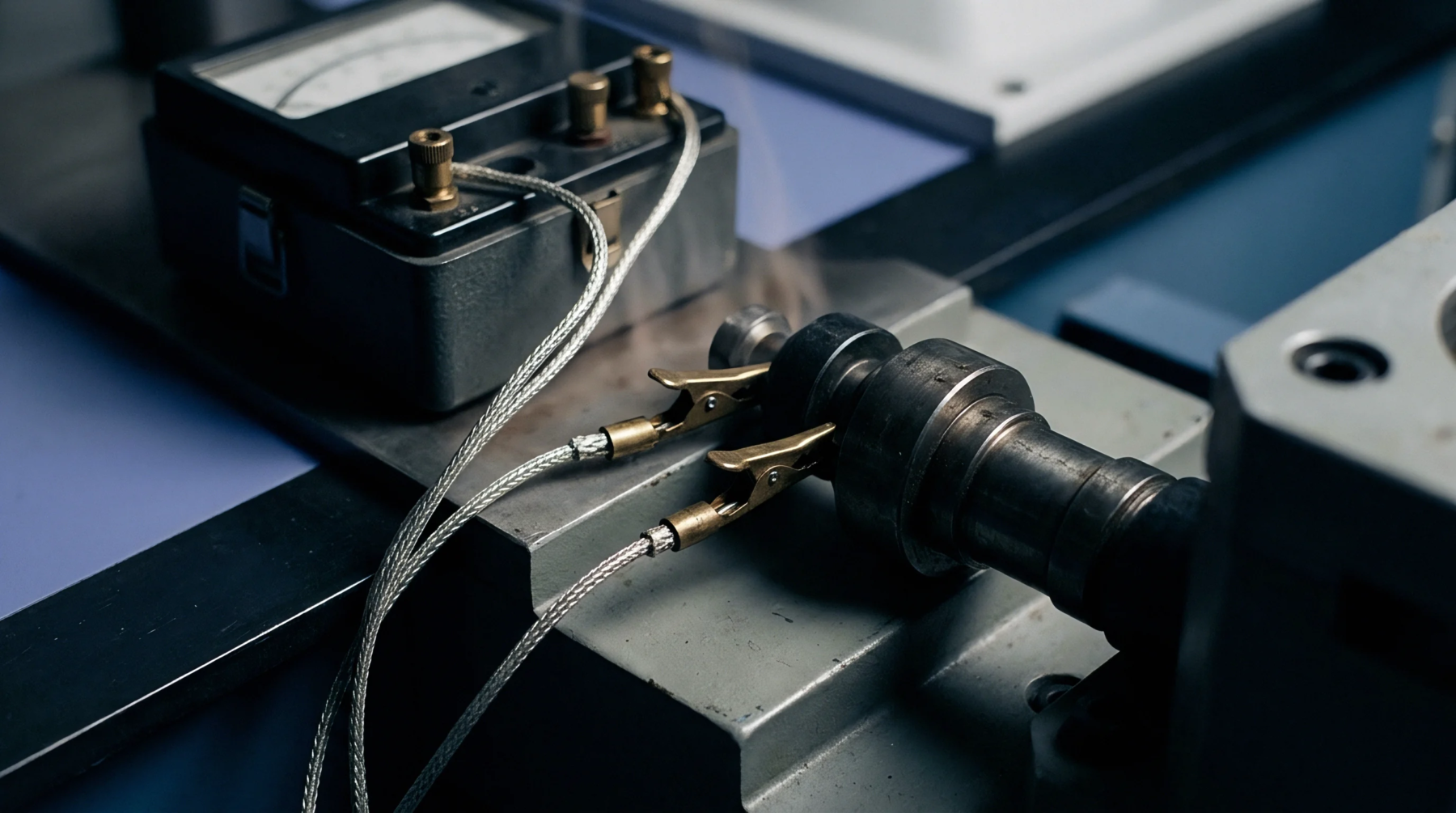
Unbudgeted sensor thermal settling times and hysteresis generate severe measurement errors, demanding mandatory package-level soak protocols to preserve field accuracy.
Expertise is a utility, not a secret. sentiention™ publishes its working knowledge as open reference: intelligence layer covering the materials it sources, the markets it enters, and the reference that serves both.