
Establishing Measurement Traceability Chains for Industrial Pressure Transducers
Establishing pressure traceability requires calculating complete uncertainty budgets and enforcing accredited test ratios to prove sensor claims.
Establishing pressure traceability requires calculating complete uncertainty budgets and enforcing accredited test ratios to prove sensor claims.
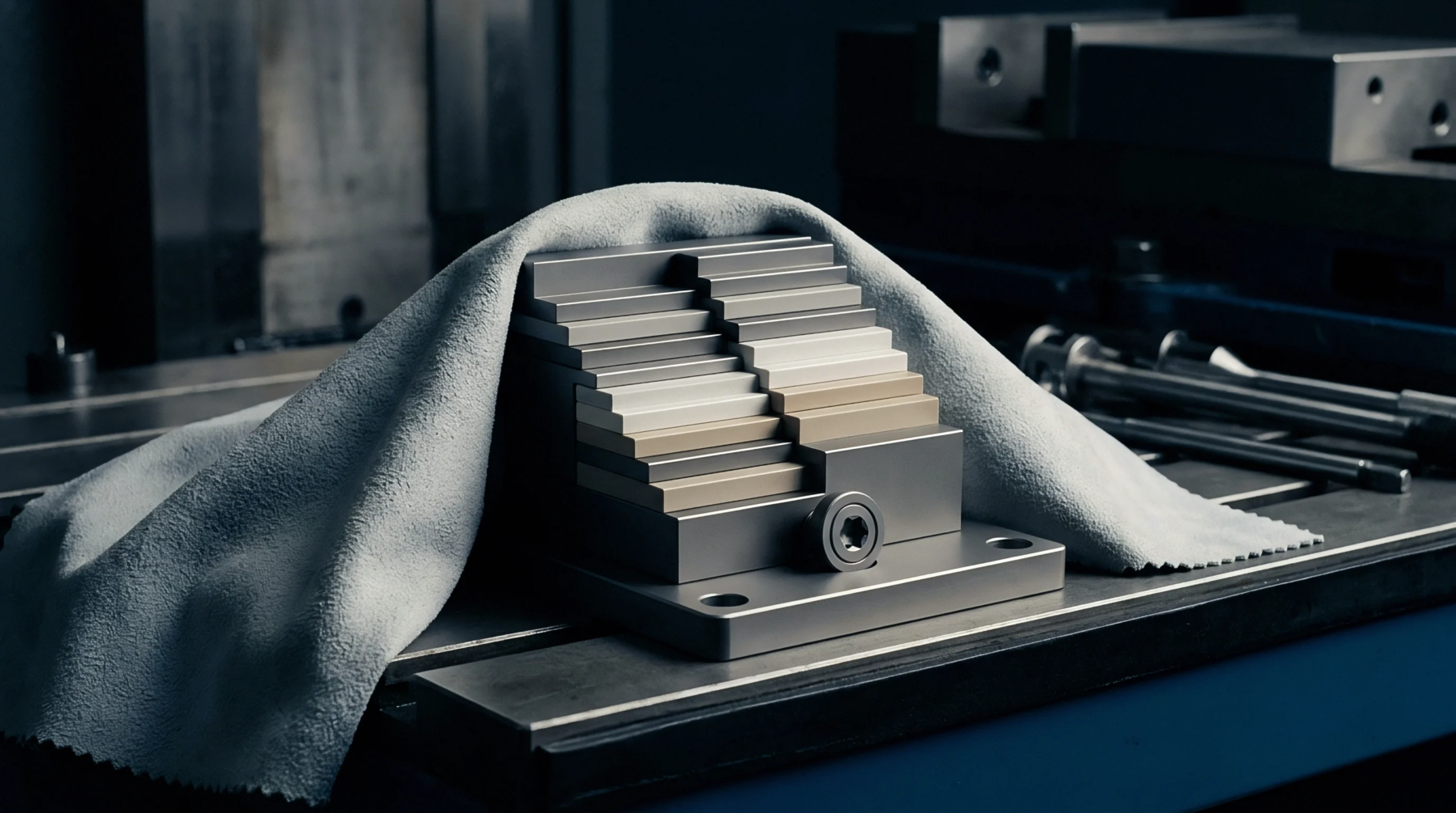
Primary deadweight piston gauge uncertainty budgeting demands rigorous mathematical coupling of effective area, pressure distortion, mass buoyancy, and clearance flow.
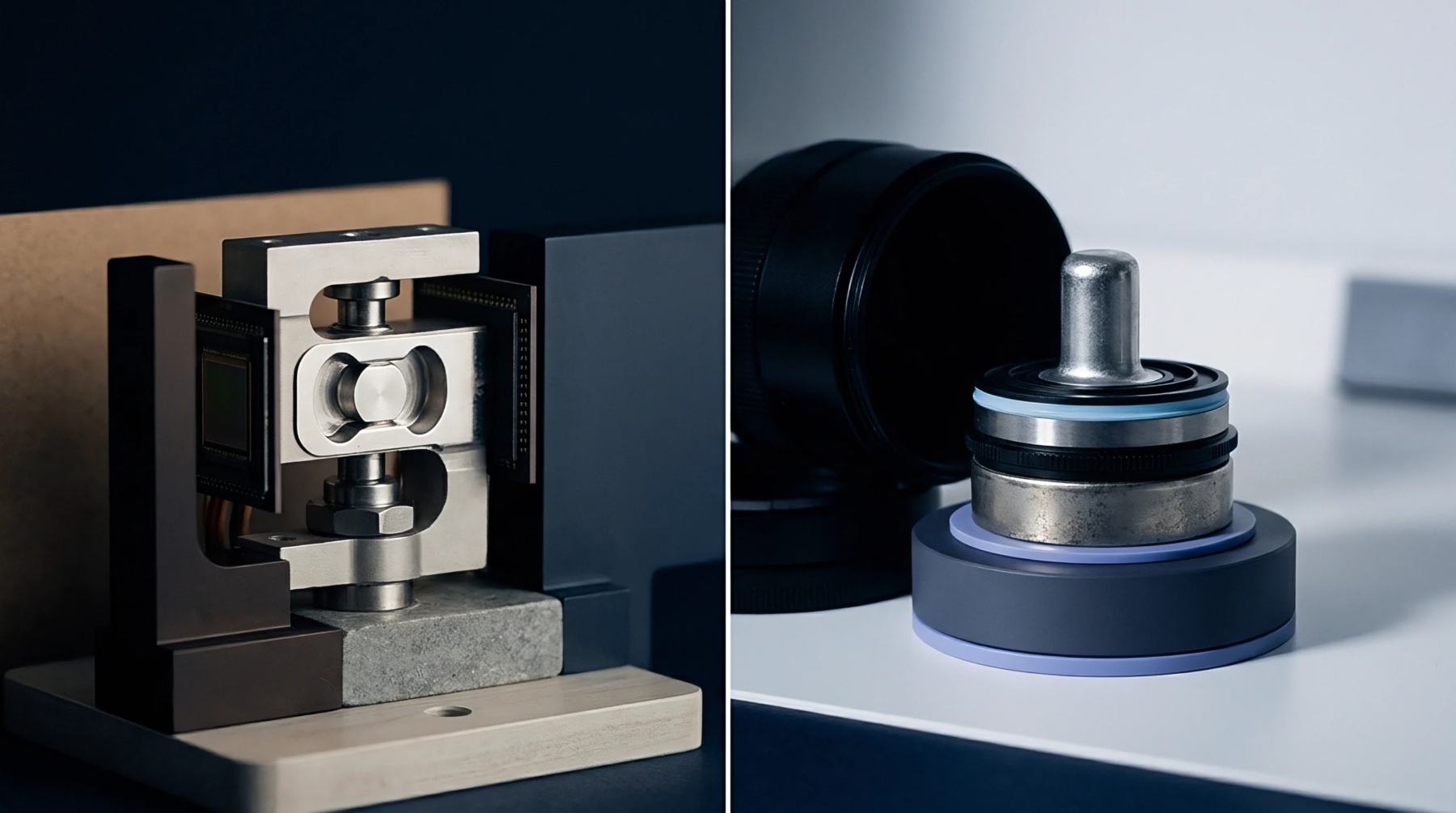
A structured transducer intake bench verifies zero balance, insulation resistance, and multi-point span accuracy against calibrated reference standards.

Dynamic thermal cycling induces non-linear piezoresistive hysteresis that demands dynamic gradient tracking and second-order surface compensation models.

Metrological verification of high-temperature piezoresistors requires quantified drift kinetics, four-wire thermal testing, and guardbanded uncertainty budgets.

High-temperature MEMS micro-strain relaxation follows stretched exponential kinetics driven by Coble creep, requiring in-situ Raman verification above 400°C.

Turnover temperature migration in sub-ppm resistance references systematically shifts effective thermal coefficients, accelerating drift and invalidating linear calibrations.

Submersible sensor accuracy requires unbroken ISO 17025 traceability and pressure-thermal uncertainty budgets to prevent costly subsea deployment failures

Evaluating input covariance matrices in Type B propagation prevents underestimating multi-channel variance and ensures valid system uncertainty limits.

Silicon pressure transducer calibration under humidity excursions requires multi-plateau RH dwells to decouple water absorption strain from pressure signals.

Room-temperature sensor calibrations omit outdoor thermal drift coefficients, expanding real field uncertainty far beyond published baseline claims.
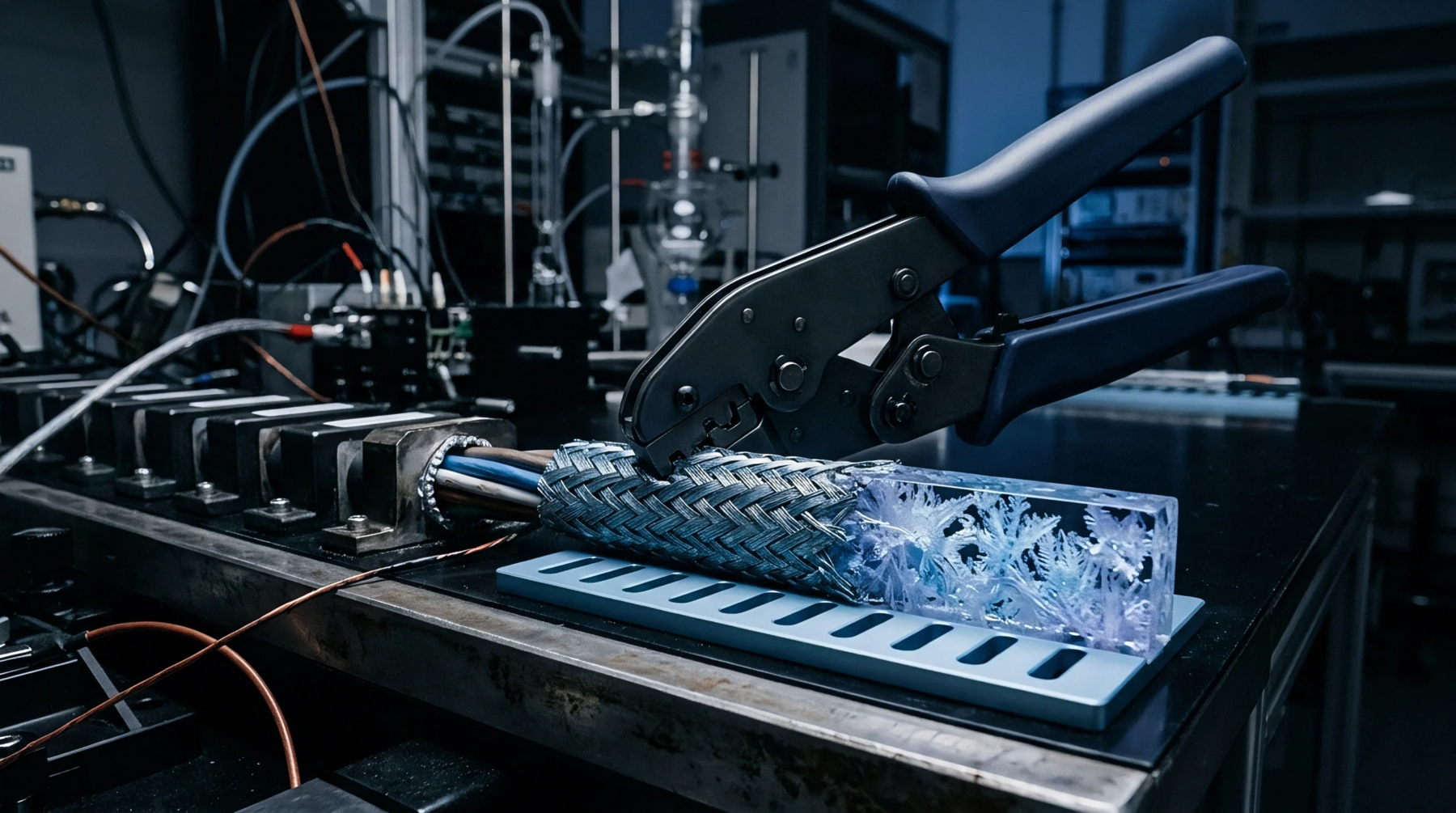
Constitutive modeling of viscoelastic aging in thermoset die attach layers enables precise finite element prediction of lifetime stress and sensor drift.
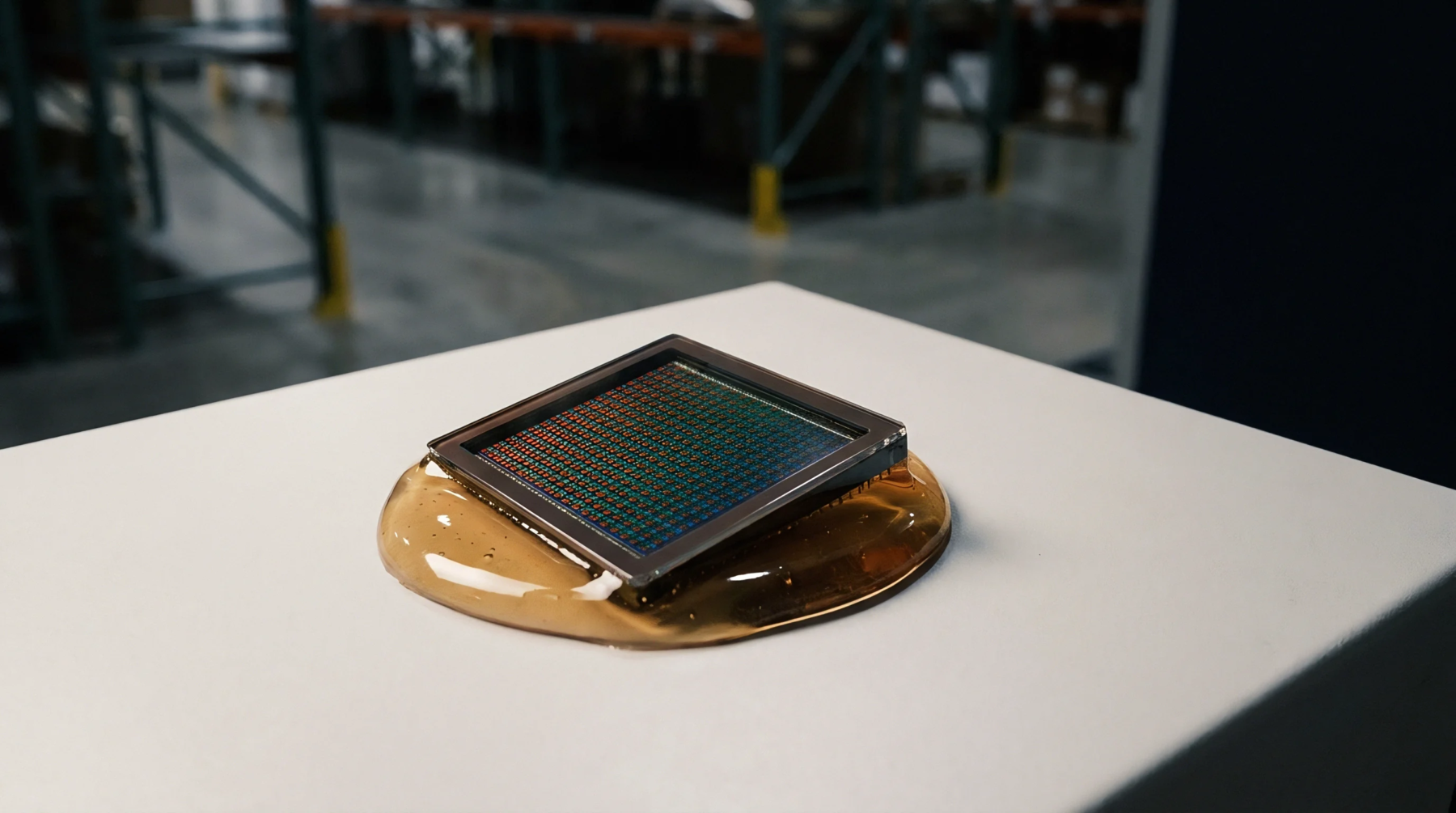
Dynamic moisture ingress into piezoresistive sensor encapsulants expands thermal hysteresis by up to 0.25% FSS, requiring humidity-conditioned calibration.
Expertise is a utility, not a secret. sentiention™ publishes its working knowledge as open reference: intelligence layer covering the materials it sources, the markets it enters, and the reference that serves both.