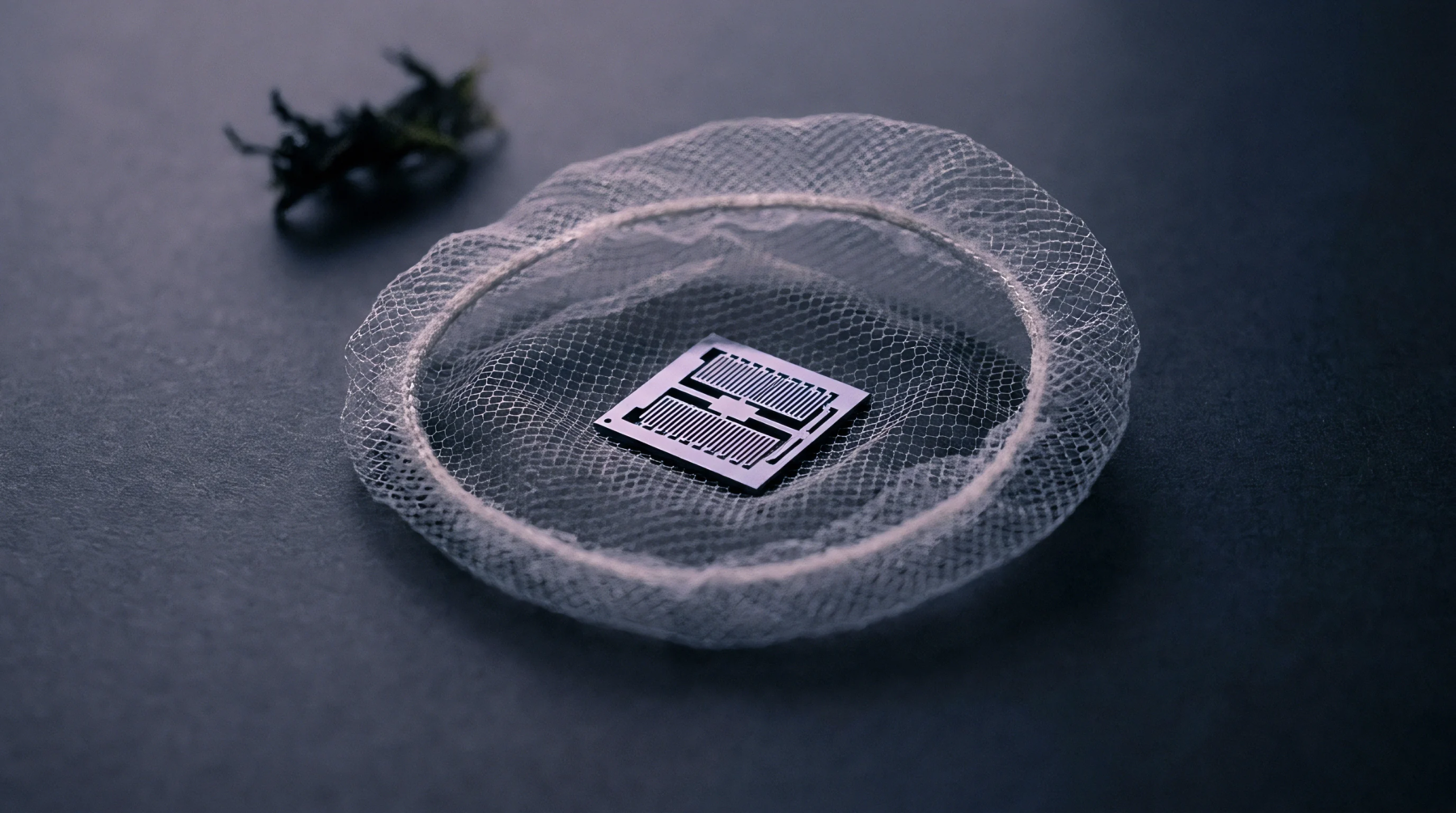
Dynamic Mechanical Shift Factor Extraction for Thermosetting Polymer Physical Aging Analysis
Extracting physical aging shift factors in thermosets requires momentary loading below Tg, sub-tenth Kelvin stability, and frame compliance corrections.
Extracting physical aging shift factors in thermosets requires momentary loading below Tg, sub-tenth Kelvin stability, and frame compliance corrections.
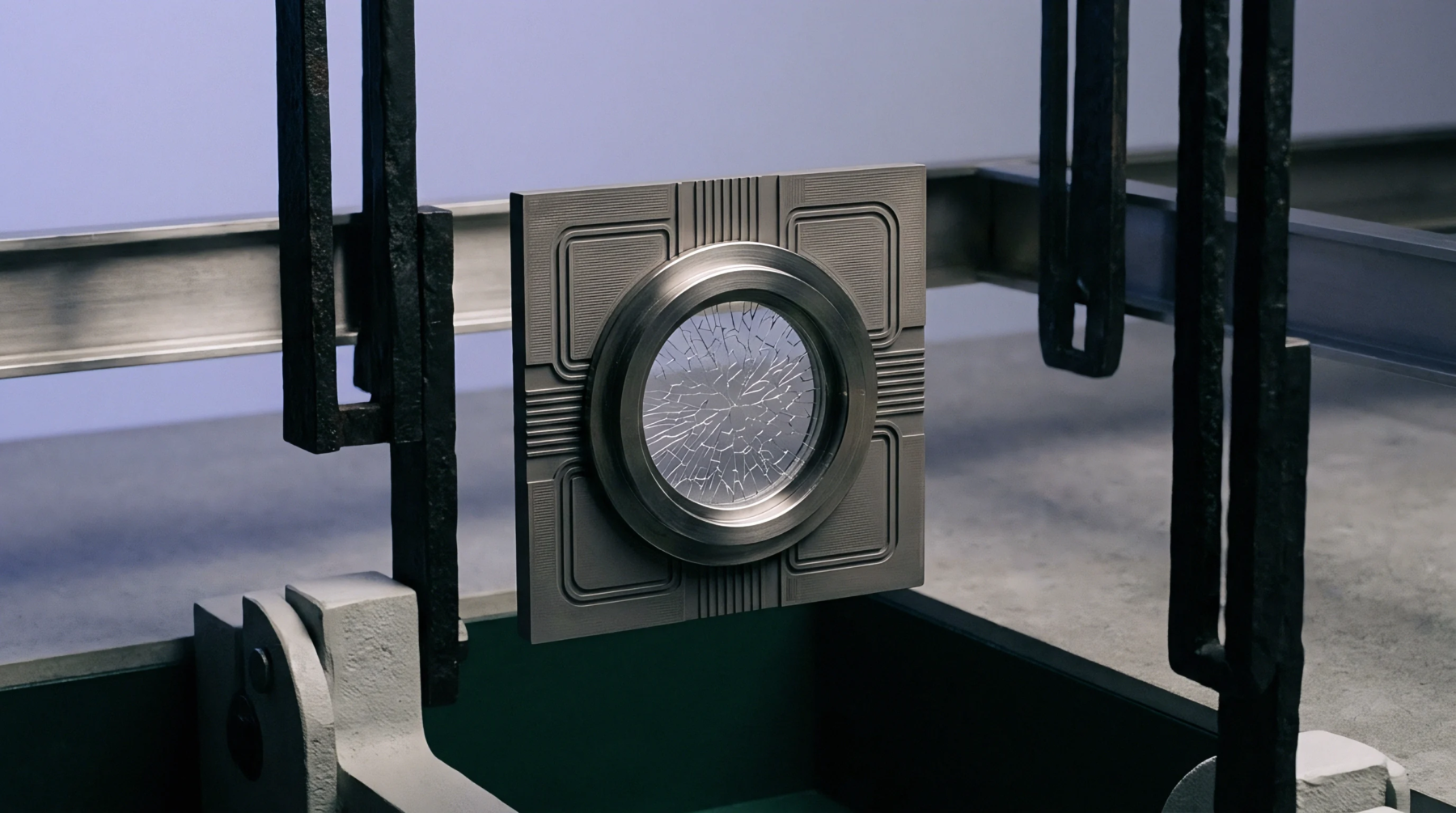
Extrapolating single isotherm Prony parameters beyond experimental test windows introduces exponential error growth governed by unconstrained relaxation modes.

Optimized PCB slotting isolates precision voltage references from board strain and thermal gradients, cutting drift below one part per million.

Finite element modeling of FOG coil thermoelastic stress vectors requires anisotropic orthotropic material matrices to capture photoelastic birefringence drift.

Polyimide stress relaxation under automotive thermal cycling follows non-linear shift factors, driving zero-offset calibration drift in precision sensors.
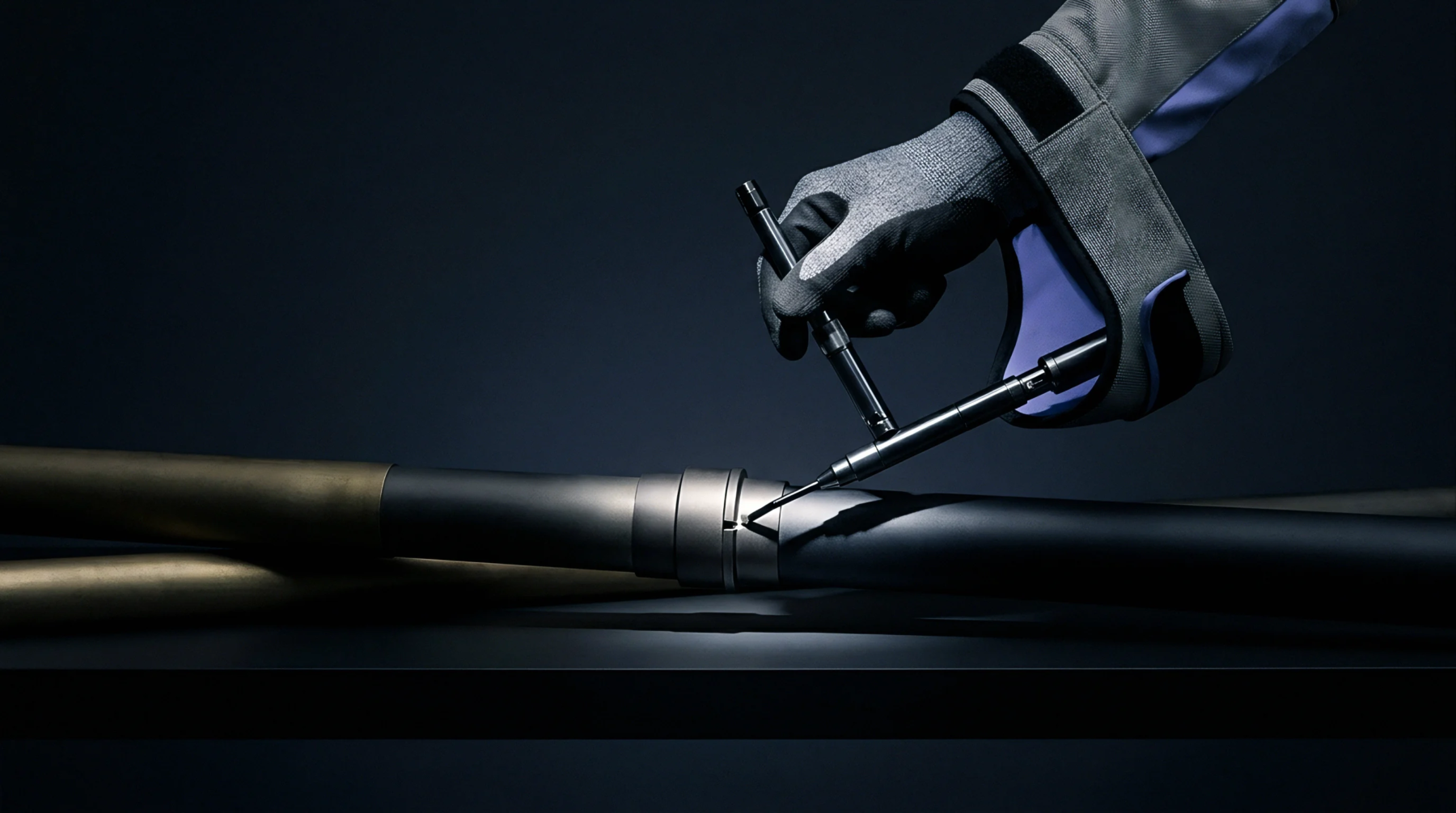
Packaging creep and stress relaxation require uncertainty budgets combining Arrhenius activation scatter, solder viscoplasticity, and burn-in screening costs.
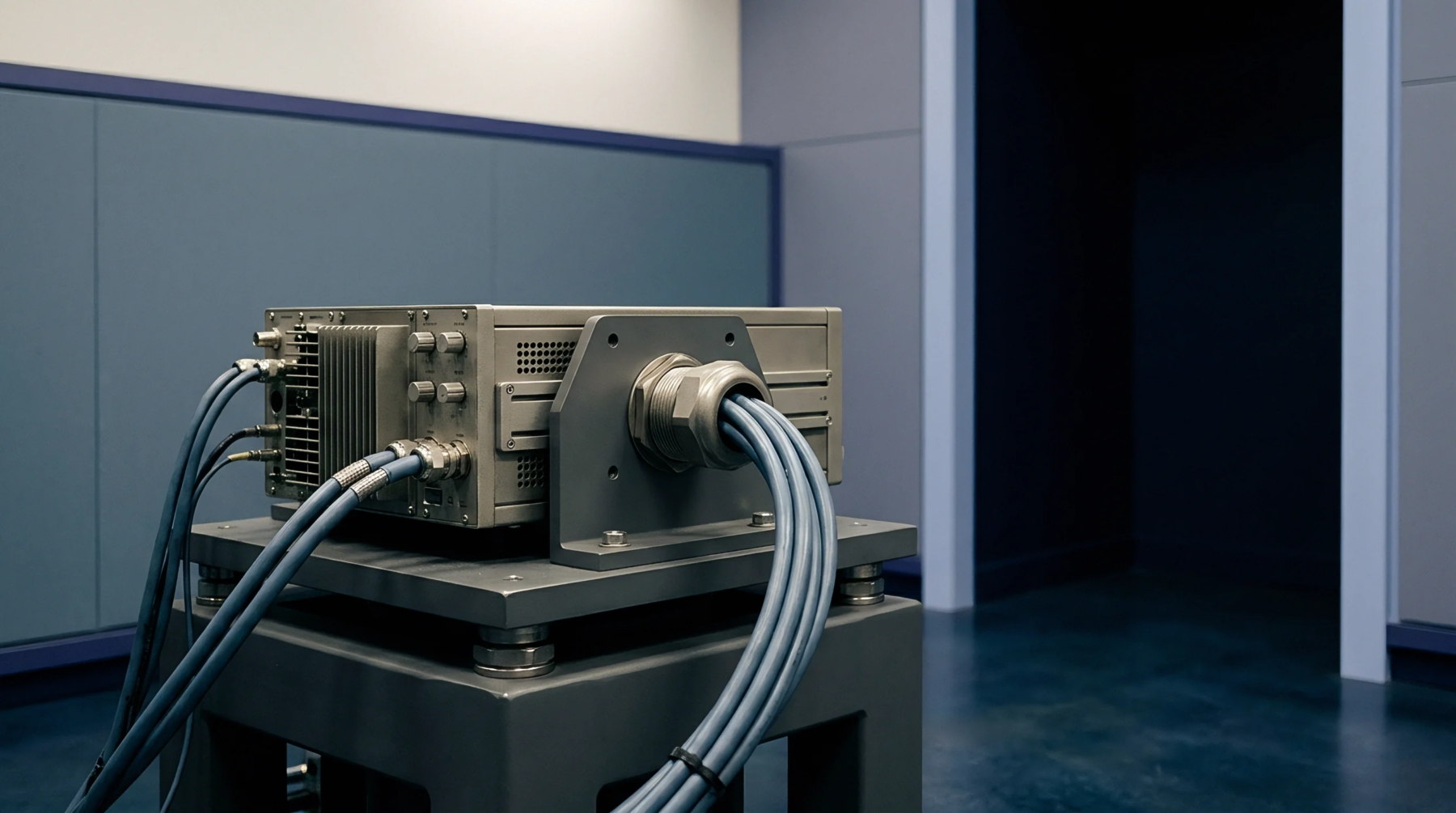
Viscoelastic stress relaxation in packaging adhesives redistributes mounting strains over time, driving zero drift that requires thermal pre-aging to stabilize.

Sub transition structural relaxation alters polymer density and modulus over time, requiring non linear fictive temperature modeling to predict long term drift.
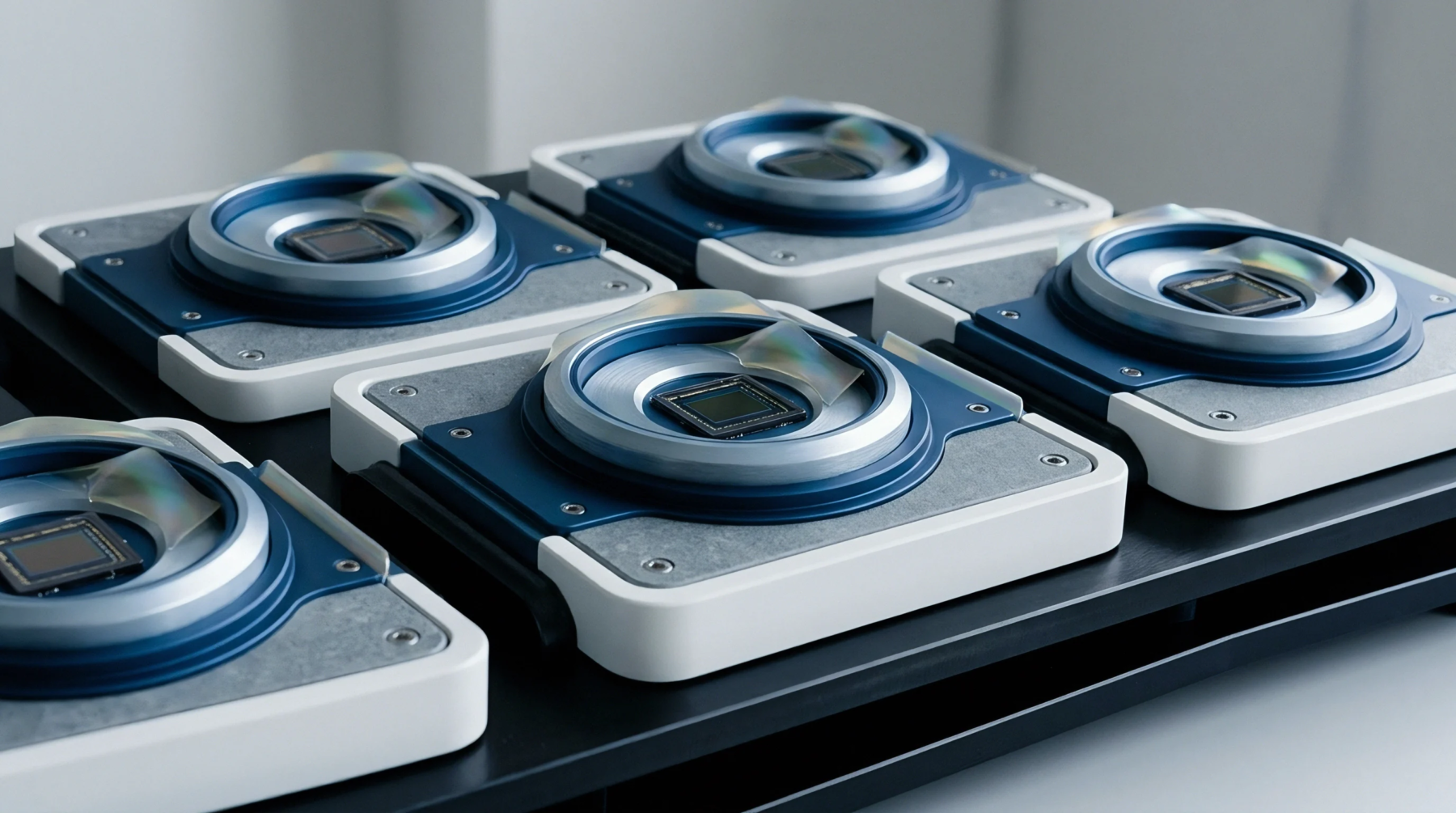
Board flexure stress couples to analog dies via solder joints and mold compounds, shifting bandgap voltages up to 10 millivolts under thermal cycling.
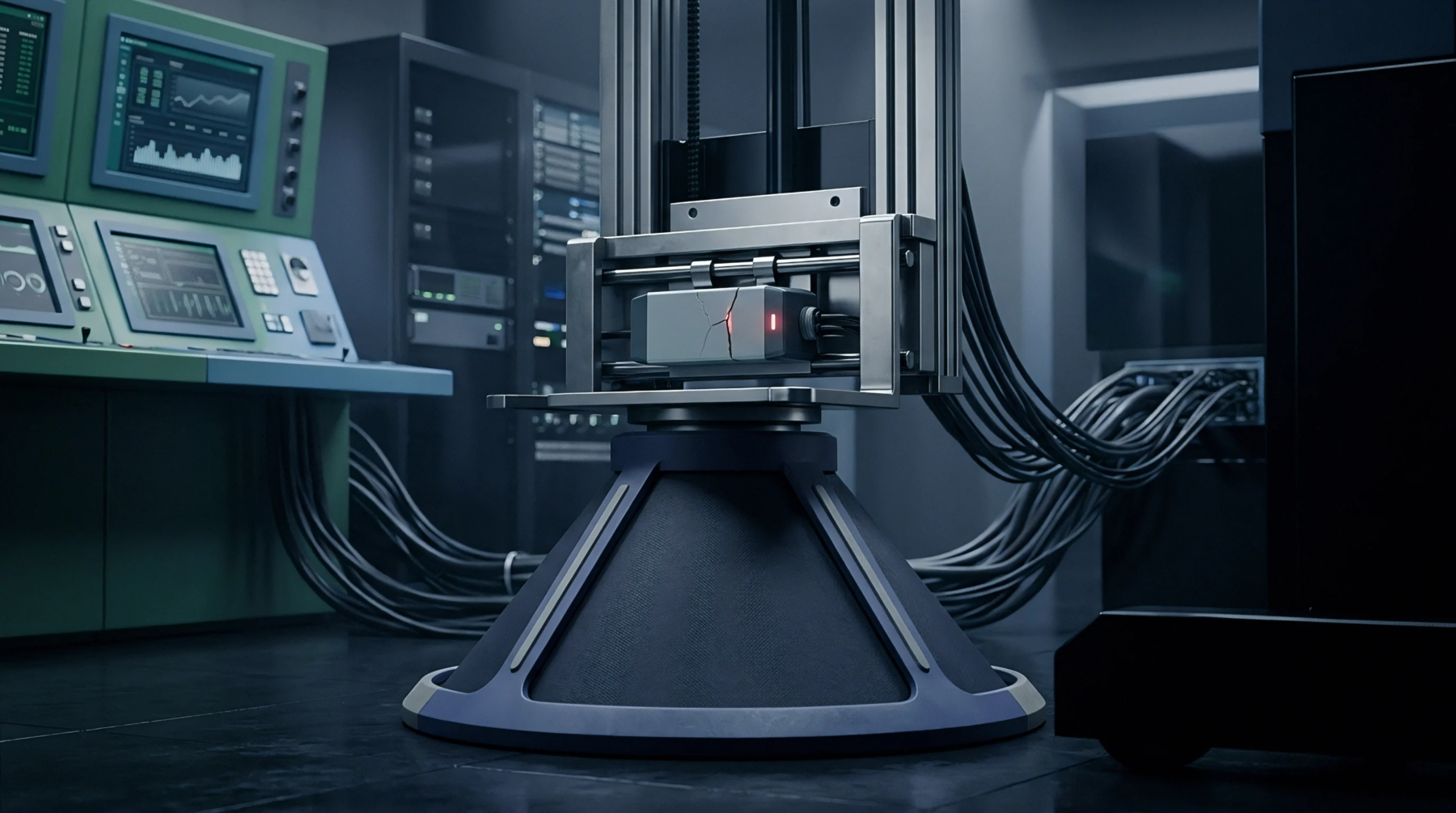
Dynamic asymmetric board strain couples into silicon piezoresistors via solder joints, causing uncompensated baseline drift mitigated by PCB isolation slots.

Select low-modulus addition-cure silicones with sub-minus 100 Celsius glass transitions to decouple thermal stress from quadrupolar gyroscope fiber coils.

Dual stage Langmuir kinetics dictate that bound moisture desorbs into steam during reflow, driving delamination and sensor offset drift unless bake profiles clear bound water.

Packaging thermal expansion mismatch generates die stress that converts to electrical offset drift via piezoresistive coupling and polymer viscoelastic creep.
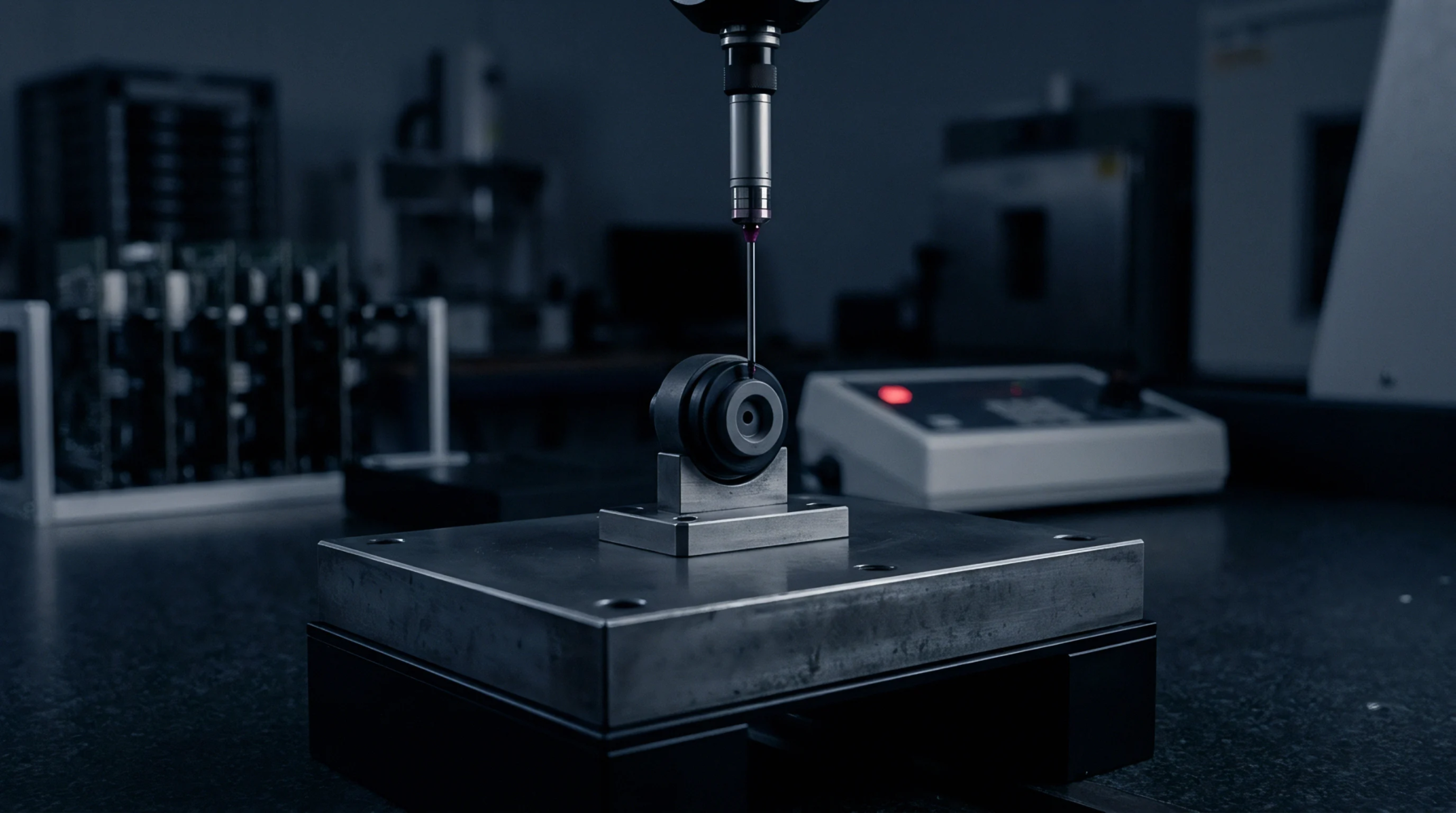
Submicroliter cavity stability under cryogenic cycling depends on managing fluid volumetric contraction to prevent diaphragm bucking and zero drift.
Interfacial hygroscopic swelling stress arises from differential moisture expansion, compounding thermal mismatch and driving package delamination during reflow.
Dual-sourcing low-tier commercial sensors introduces baseline offset drift, thermal hysteresis, and ASIC filtering divergence that increase total landed product cost.

Moisture kinetics in epoxy molding compounds dictate reflow vapor pressure, package strain, and MSL floor life across surface mount assembly lines.

Automated thermal calibration must isolate packaging thermo-mechanical stress shifts from intrinsic silicon sensor signals using real-time compensation.

Static thermal zero-g bias shifts in MEMS accelerometers are isolated by enforcing prolonged thermal dwell periods to decouple stress creep from thermal gradients.
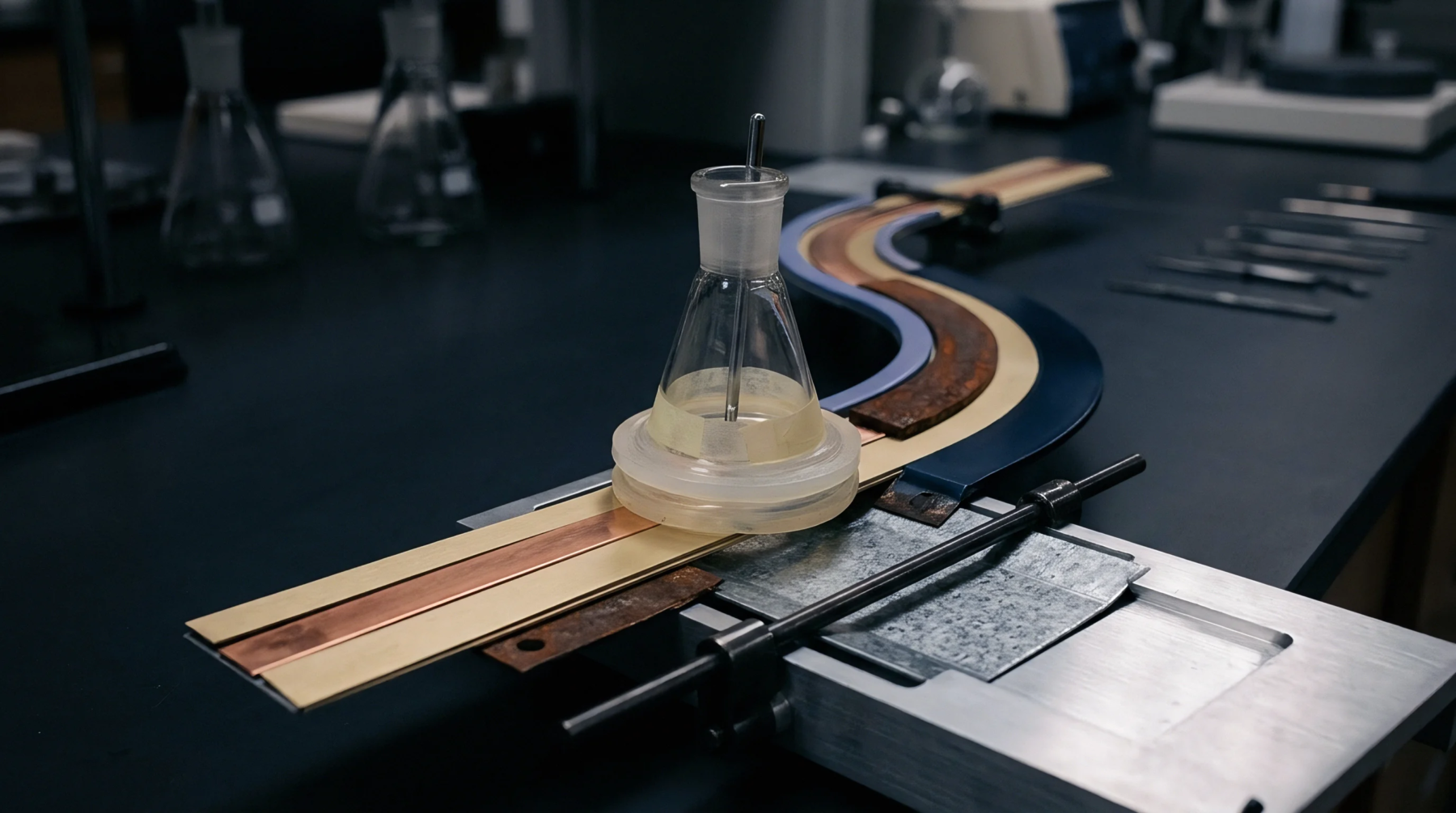
Prony series modeling converts polymer relaxation data into actionable sensor zero-drift predictions, isolating packaging strain from true physical signals.

High modulus mold compounds induce dynamic calibration shifts in sensors; sourcing specs must cap flexural modulus below 18 GPa to protect signal accuracy.

Encapsulation selection balances gel potting low cost against oil-filled cell thermal stability to control long term zero drift and field recalibration expenses.

Non-Fickian water kinetics in encapsulants create transient swelling stress fronts, driving unmodeled zero-drift in MEMS pressure diaphragms under damp heat.

Substrate CTE mismatch drives interfacial shear strain into current shunt alloys, causing piezoresistive thermal hysteresis that requires post-cure thermal cycling to stabilize.

Modelling hygrothermal stress requires superposing thermal strain, moisture swelling, and superheated steam pressure at leadframe interfaces during 260°C reflow.

Higher crosslink density suppresses polymer die attach creep rates by restricting free volume and extending rubbery plateau modulus under continuous thermal load.
Viscoelastic relaxation in polymer die attach causes time-dependent strain transfer to MEMS proof masses, driving long-term zero-g offset drift.

Arrhenius acceleration models for sensor encapsulation polymers require activation energy mapping across glass transition bounds to prevent unearned drift extrapolation.
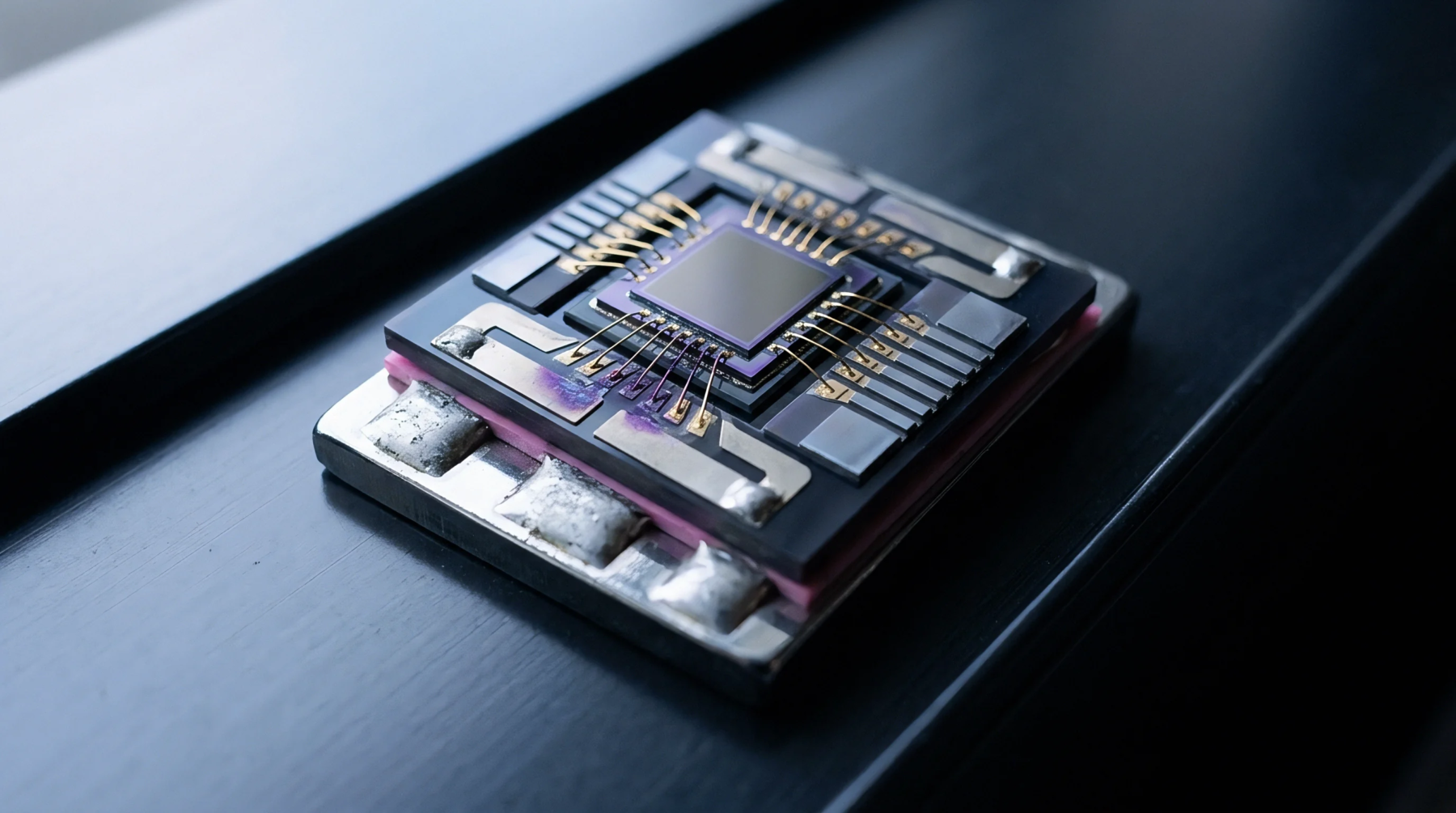
Substrate viscoelastic relaxation and thermal expansion mismatch induce time-dependent, hysteretic offset drift in MEMS requiring mechanical anchor isolation.

Packaging stress relaxation drives post-thermal drift, requiring pre-conditioning bakes and verified isothermal recovery windows to ensure long-term calibration stability.
Expertise is a utility, not a secret. sentiention™ publishes its working knowledge as open reference: intelligence layer covering the materials it sources, the markets it enters, and the reference that serves both.