
Optimizing Thermal Soak Timing during Sensor Compensation
Dynamic slope verification replaces arbitrary soak timers during sensor compensation, preventing severe polynomial fit distortion and reducing cycle overhead.
Dynamic slope verification replaces arbitrary soak timers during sensor compensation, preventing severe polynomial fit distortion and reducing cycle overhead.

Substrate strain transfer across package interfaces generates dynamic thermal sensor offset drift during transient temperature ramps.

Finite element modeling of underfill viscoelastic creep enables precise prediction of die stress relaxation and dynamic digital offset drift in encapsulated sensors.

Viscoelastic package stress drives non-linear piezoresistive zero drift, demanding multiphysics finite element modeling and high-order thermal calibration.

Common-centroid cross-quad transistor networks cancel linear thermal stress gradients in WLCSP die, maintaining sub-millivolt analog offsets across reflow.

Viscoelastic mold compound relaxation permanently redistributes internal package stress during thermal cycling, inducing continuous piezoresistive sensor offset drift.

Anisotropic silicon strain tensors corrupt precision converter references; selecting compliant leadframes or ceramic cavities prevents uncorrectable drift.

Milled PCB isolation slots and compliant leaded packages attenuate board-level thermal gradient strain to preserve 24-bit converter offset accuracy.

Piezoresistive humidity drift stems from polymer swell stresses across the die; mitigate it with inorganic barrier films, compliant bonds, or oil isolation.

Managing integrated Hall sensor offset stability requires isolating piezoresistive package stress from core magnetic remanence across temperature cycles.

Polymer viscoelastic stress relaxation in molded MEMS packages causes long-term zero-point offset drift that requires cavity isolation or baked burn-in.
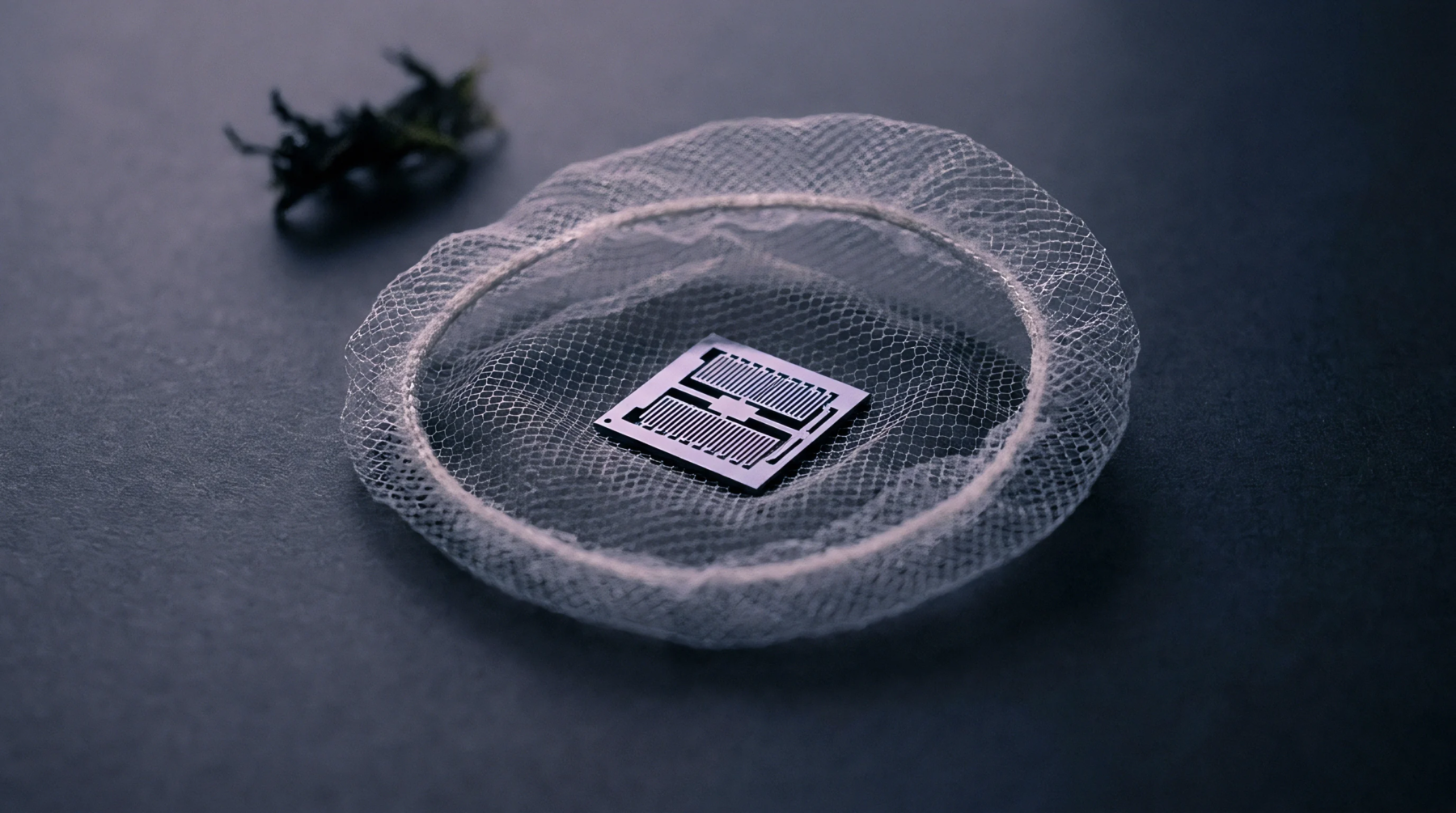
Dual-sourcing low-tier commercial sensors introduces baseline offset drift, thermal hysteresis, and ASIC filtering divergence that increase total landed product cost.

Water vapor diffusion across elastomer seals causes reference cavity pressurization and dielectric drift, requiring coulometric ISO 15105-2 verification.
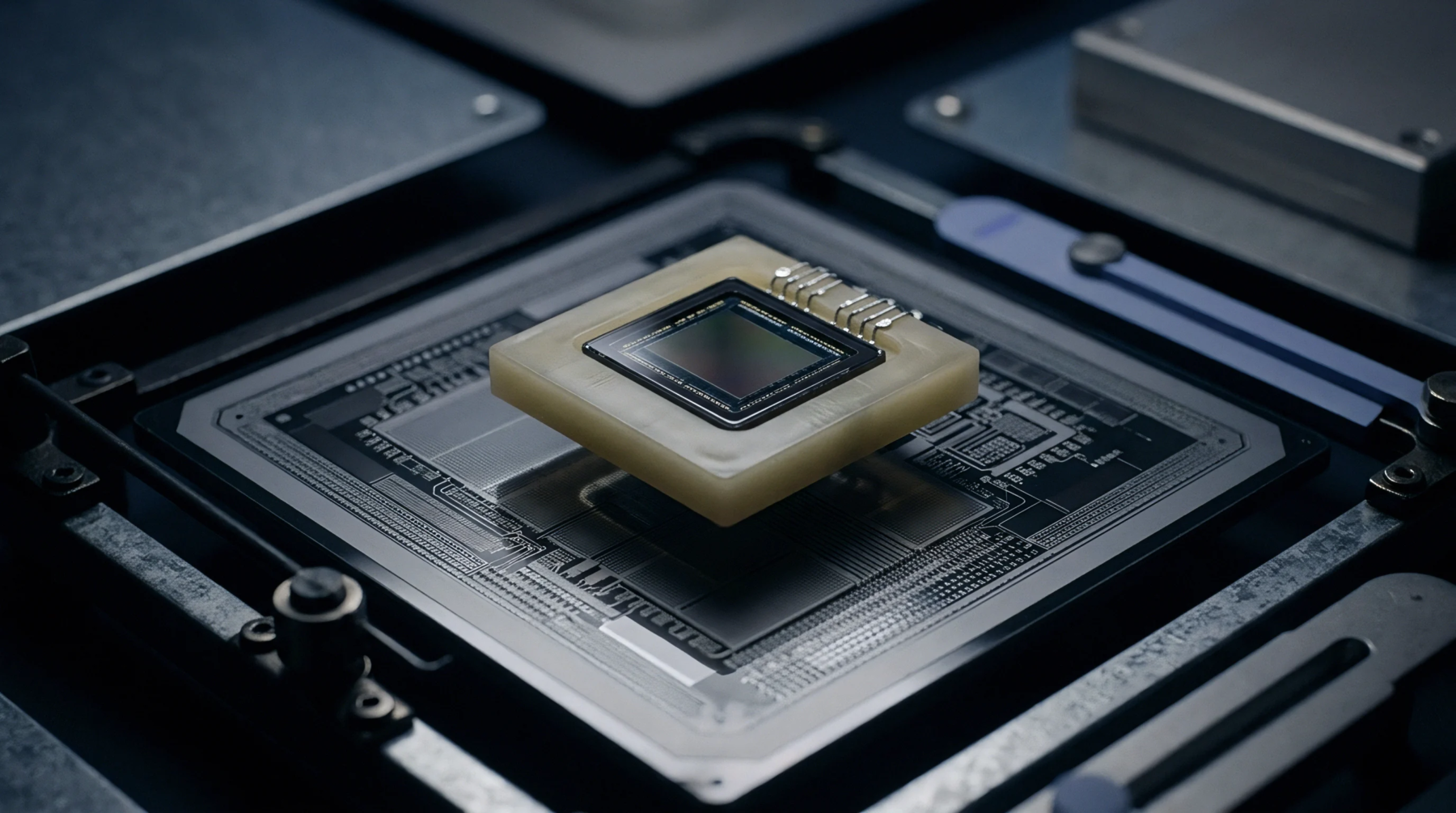
Wafer level sensor package strain mitigation relies on compliant redistribution layers, optimized pad geometries, and firmware offset calibration to ensure operational stability.

Bivariate polynomial surface fitting extracts piezoresistive drift matrices via singular value decomposition to eliminate thermal span and offset errors.
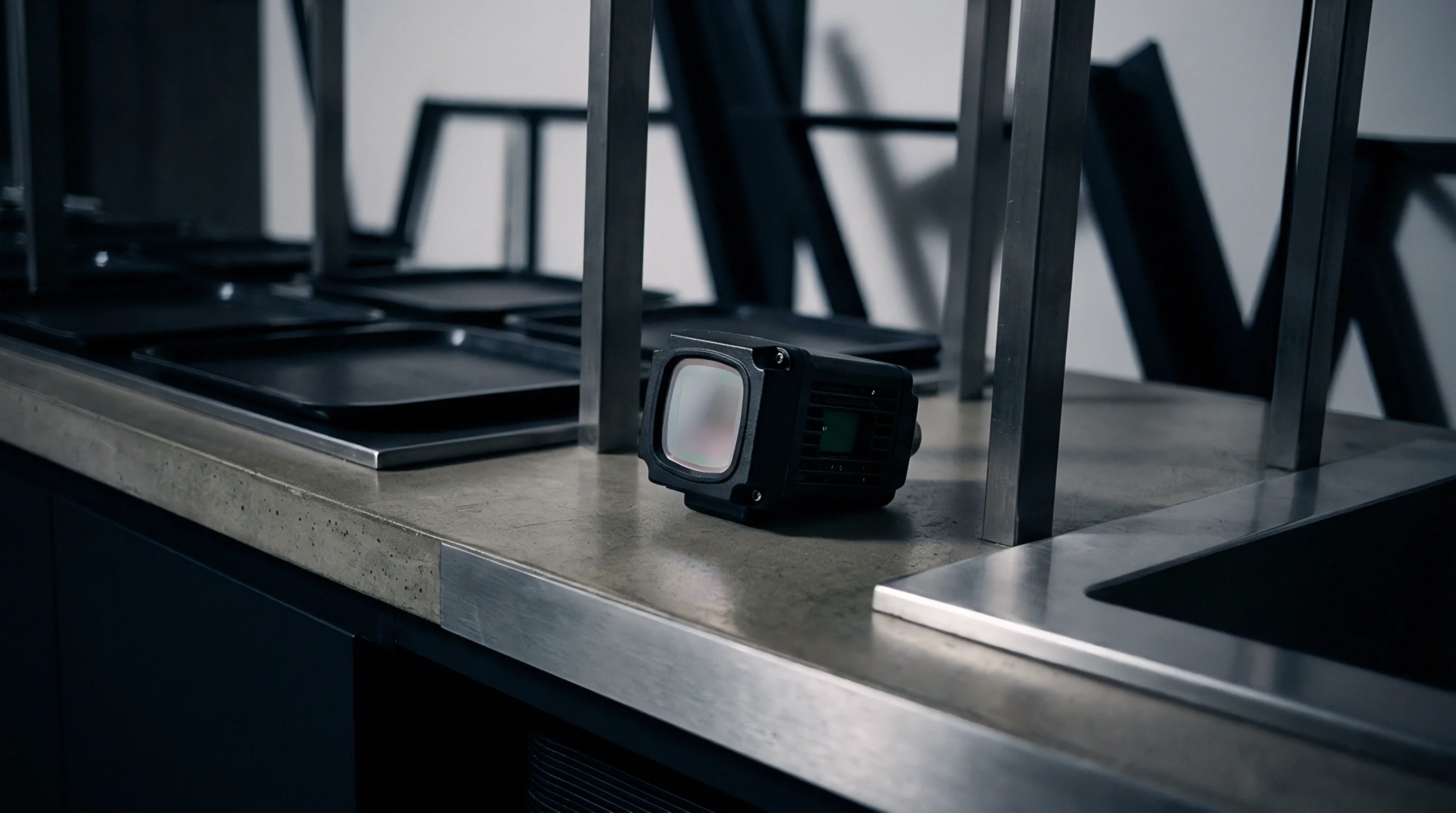
Differential fluxgate long-term offset drift stems from stress-relaxation in soft cores and remanence shift under stray fields, requiring matched CTEs.

Board level thermal gradients shift internal bandgap voltages by inducing transistor temperature differentials and piezoresistive package stress.
Expertise is a utility, not a secret. sentiention™ publishes its working knowledge as open reference: intelligence layer covering the materials it sources, the markets it enters, and the reference that serves both.