
Basic Fluxgate Differential Sensing Principles and Core Hysteresis
Differential fluxgate sensing cancels symmetric drive feedthrough to isolate second-harmonic signals, while core coercivity limits baseline offset and noise.

Differential fluxgate sensing cancels symmetric drive feedthrough to isolate second-harmonic signals, while core coercivity limits baseline offset and noise.

Discrete surface mount sensors minimize unit costs at high volume but demand board space, assembly controls, and firmware bring-up that modules eliminate.
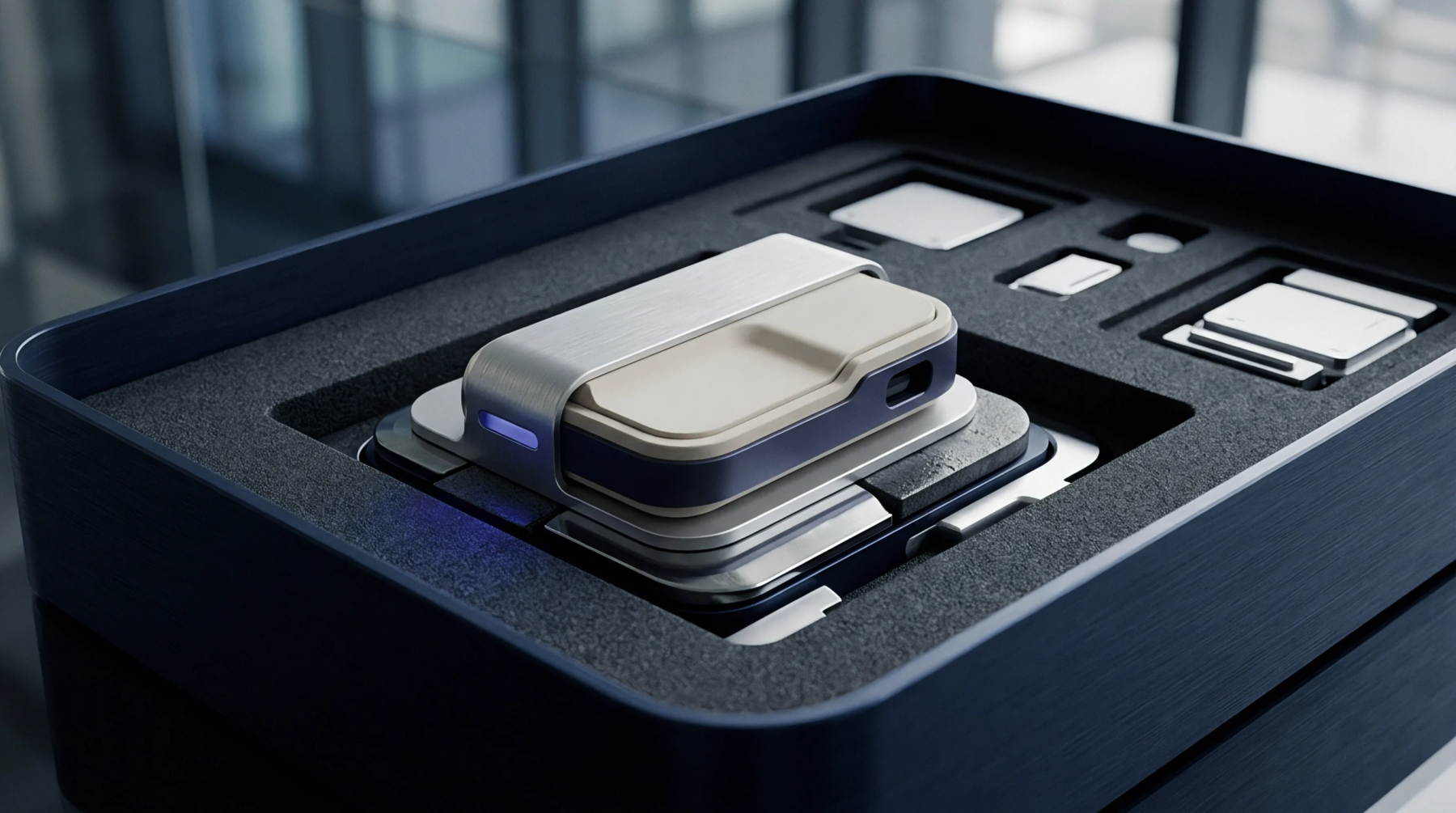
Unannounced silicon steppings alter register maps and bus timing within catalog limits, driving massive firmware rework unless gated by contract terms.

Dynamic guard phase matching and synchronous clock alignment bound the noise floor and bandwidth limits of high-reactance hybrid transducer front ends.
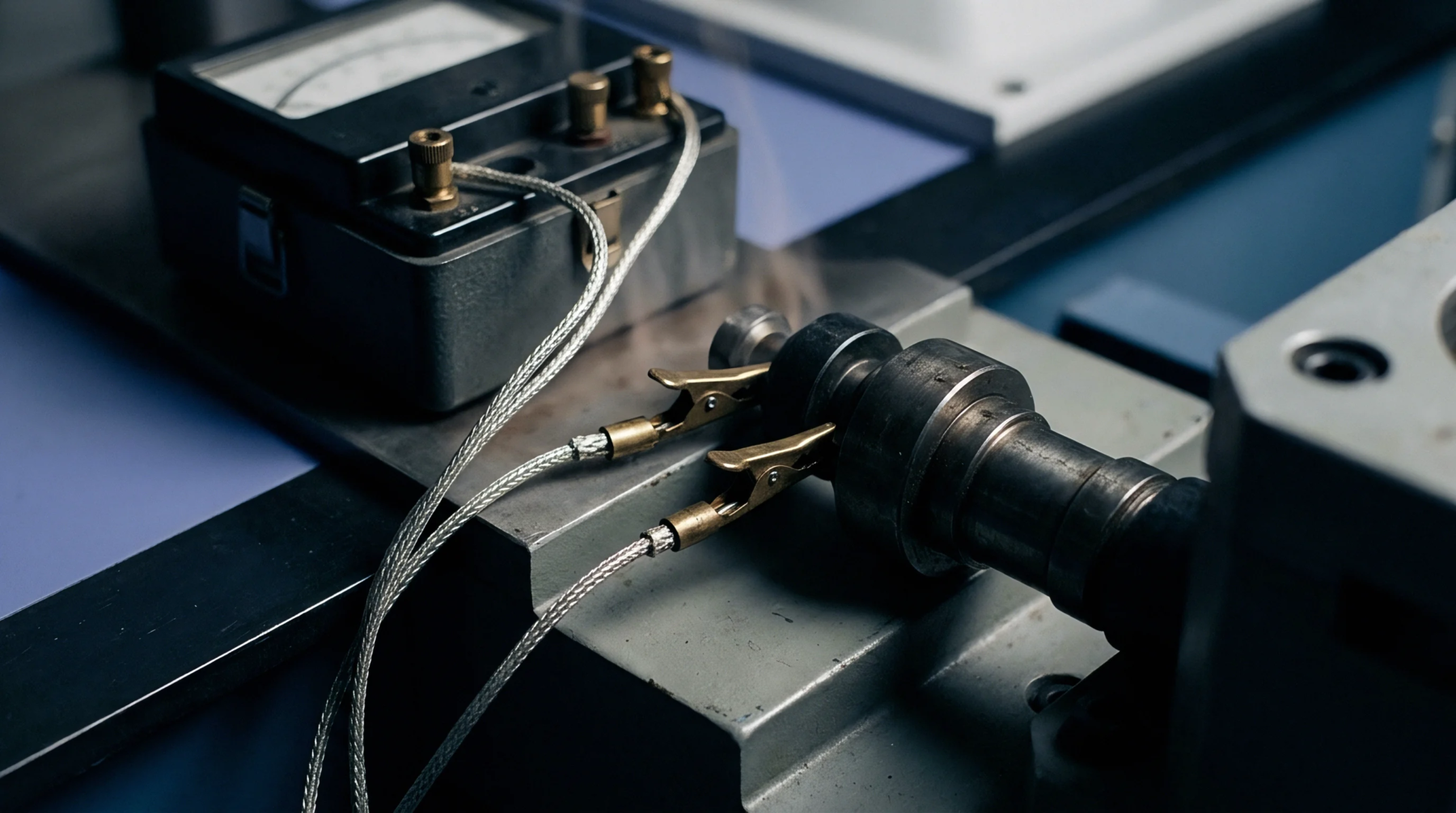
Reconfigurable front ends bridge piezoelectric charge and piezoresistive voltage modalities by actively commuting amplifier loops and parasitic switch nodes.

Firmware abstraction layers add significant processor cycle overhead that inflates wake times and forces expensive microcontroller hardware upgrades.
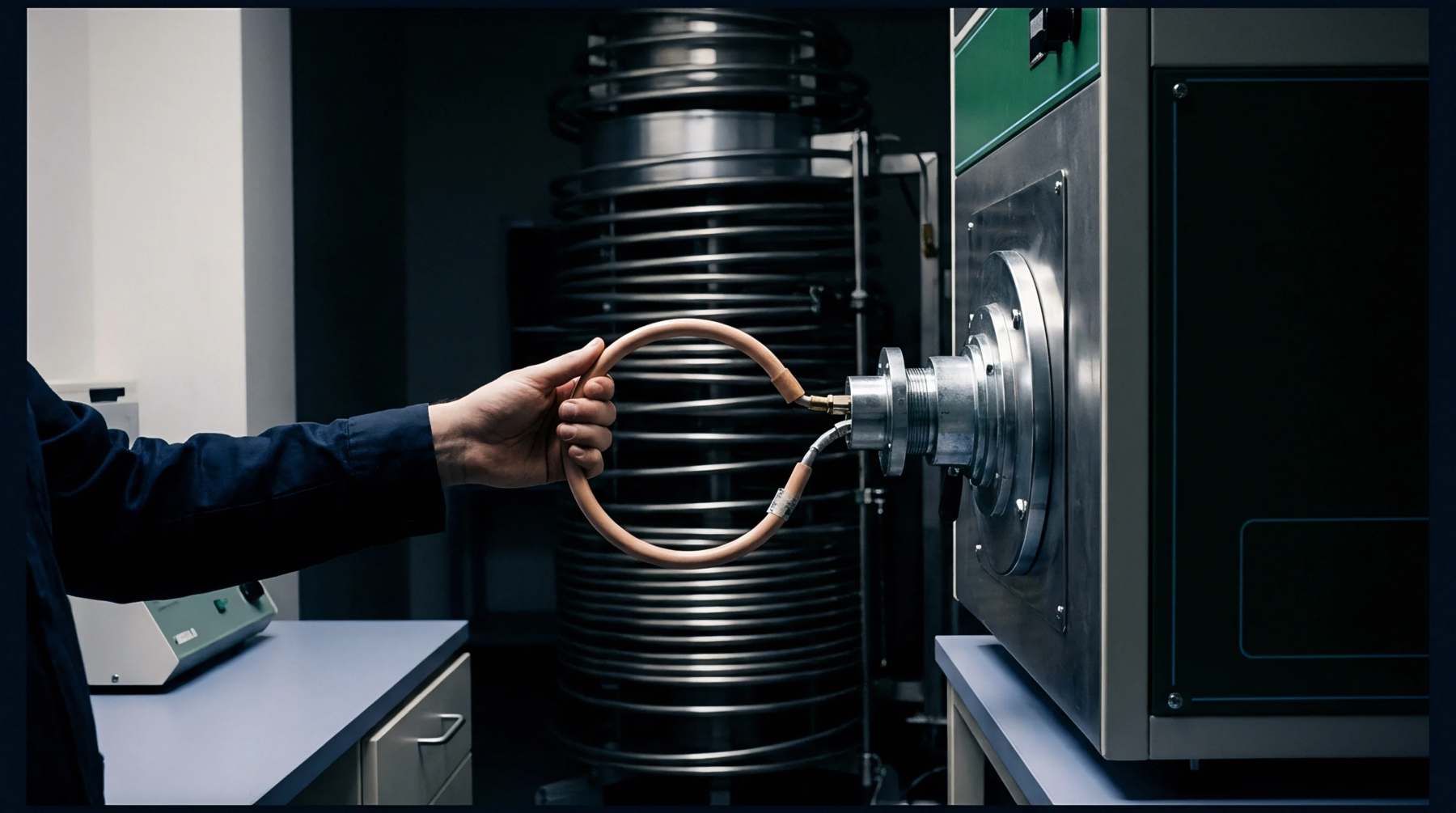
Selecting sensor packages and digital interfaces balances bus trace capacitance, pull-up current, thermal assembly stress, and firmware driver maintenance costs.
Thermal dissipation cycles induce package strain that skews bandgap reference outputs, necessitating symmetrical copper relief and strain-matched packaging.

Thermally isolates precision references from high-current output stages using symmetrical isometric layout, separate Kelvin return paths, and stress slots.
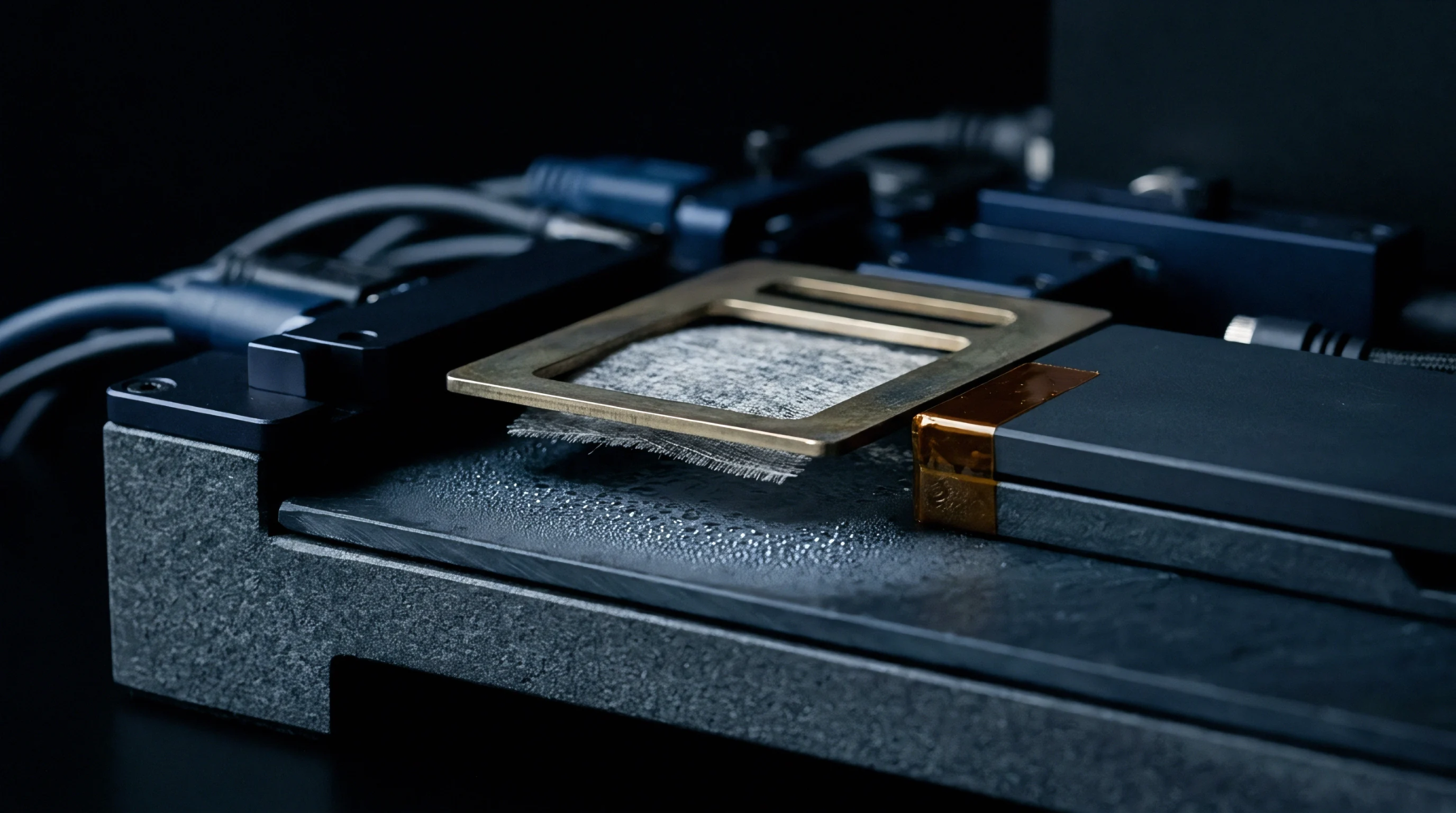
Implement quadratic drift modeling to dynamically project multi-parameter sonde recalibration thresholds, preventing regulatory data invalidation.
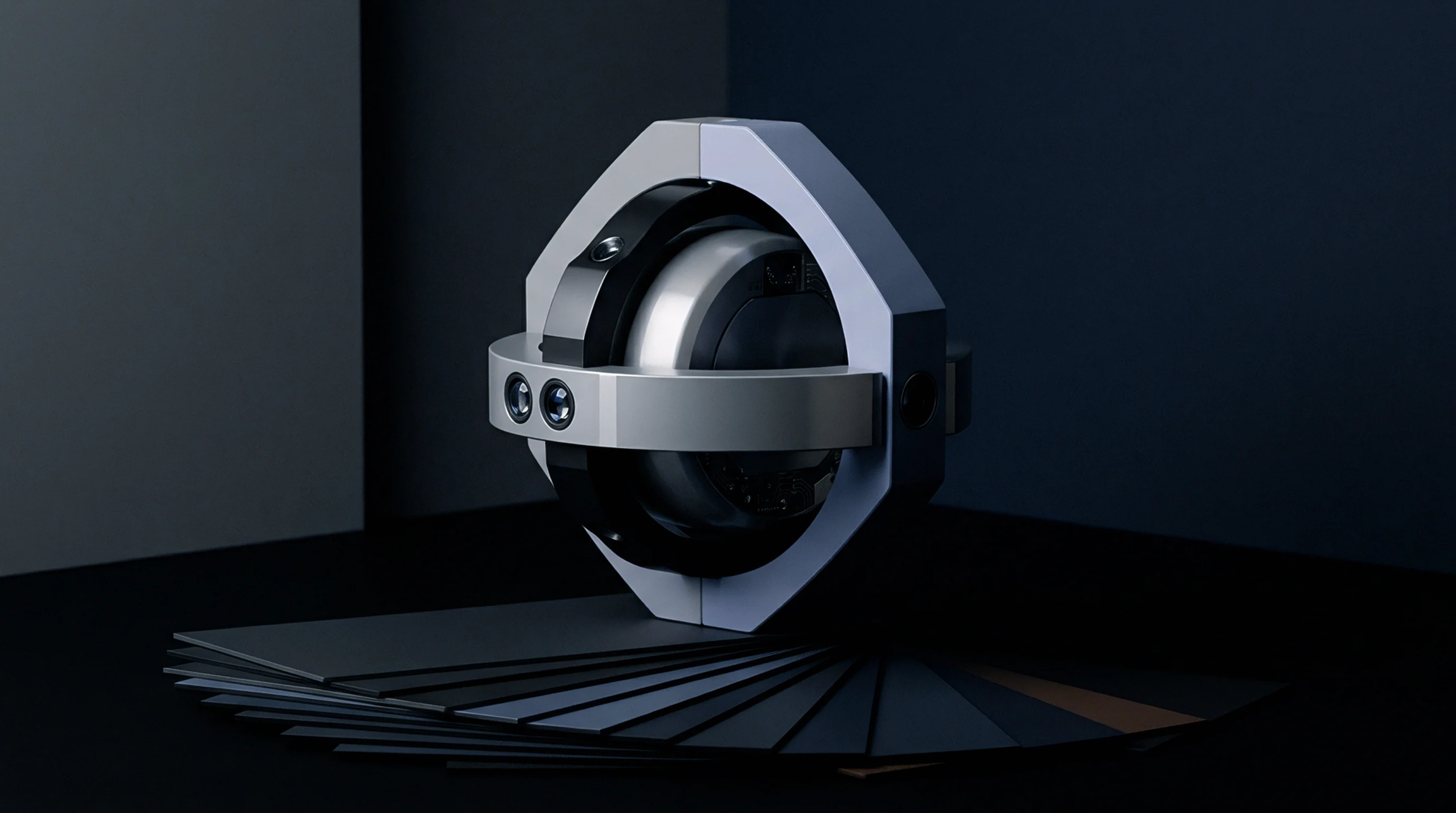
Mitigate reference thermal drift by isolating footprints with milled PCB slots, enforcing post-reflow stabilization bake, and selecting ceramic packaging.

Adapting piezoresistive and capacitive sensors requires matching source impedance, suppressing parasitics, and isolating conversion noise floors.

Quantifying conductivity cell hydrostatic coefficients requires empirical hyperbaric autoclave testing to prevent abyssal salinity biases exceeding 0.006 PSU.
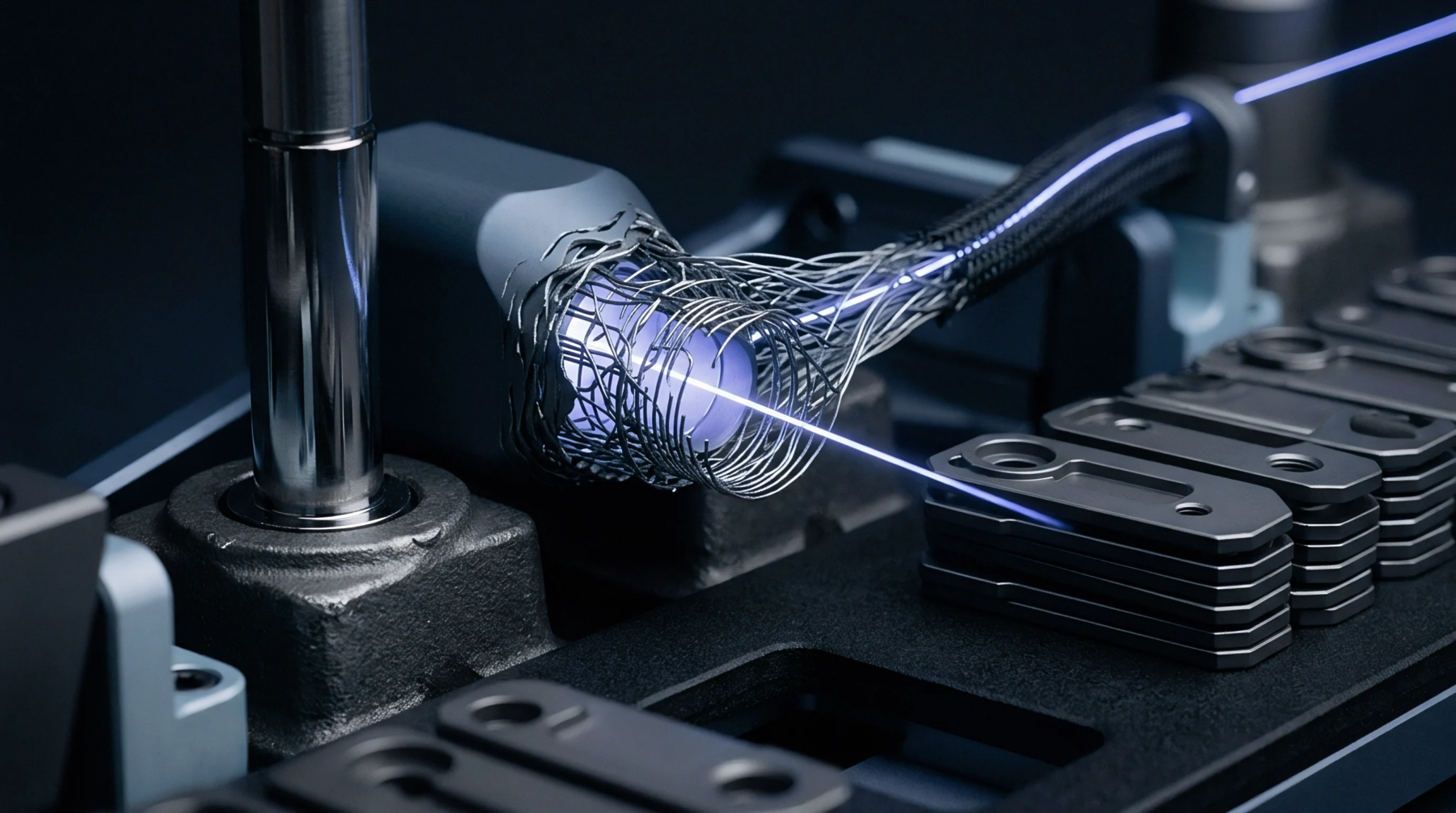
Capillary condensation in nanometer oxide anchor interfaces sets a thermodynamic hysteresis lower limit on sub-micro-g accelerometer bias stability.

Quantifying moisture diffusion and viscoelastic drift requires separating reversible dielectric changes from irreversible polymer structural relaxation.

Calibration certificates must state expanded uncertainty and test conditions; unverified bath gradients and missing drift limits void oceanographic accuracy.
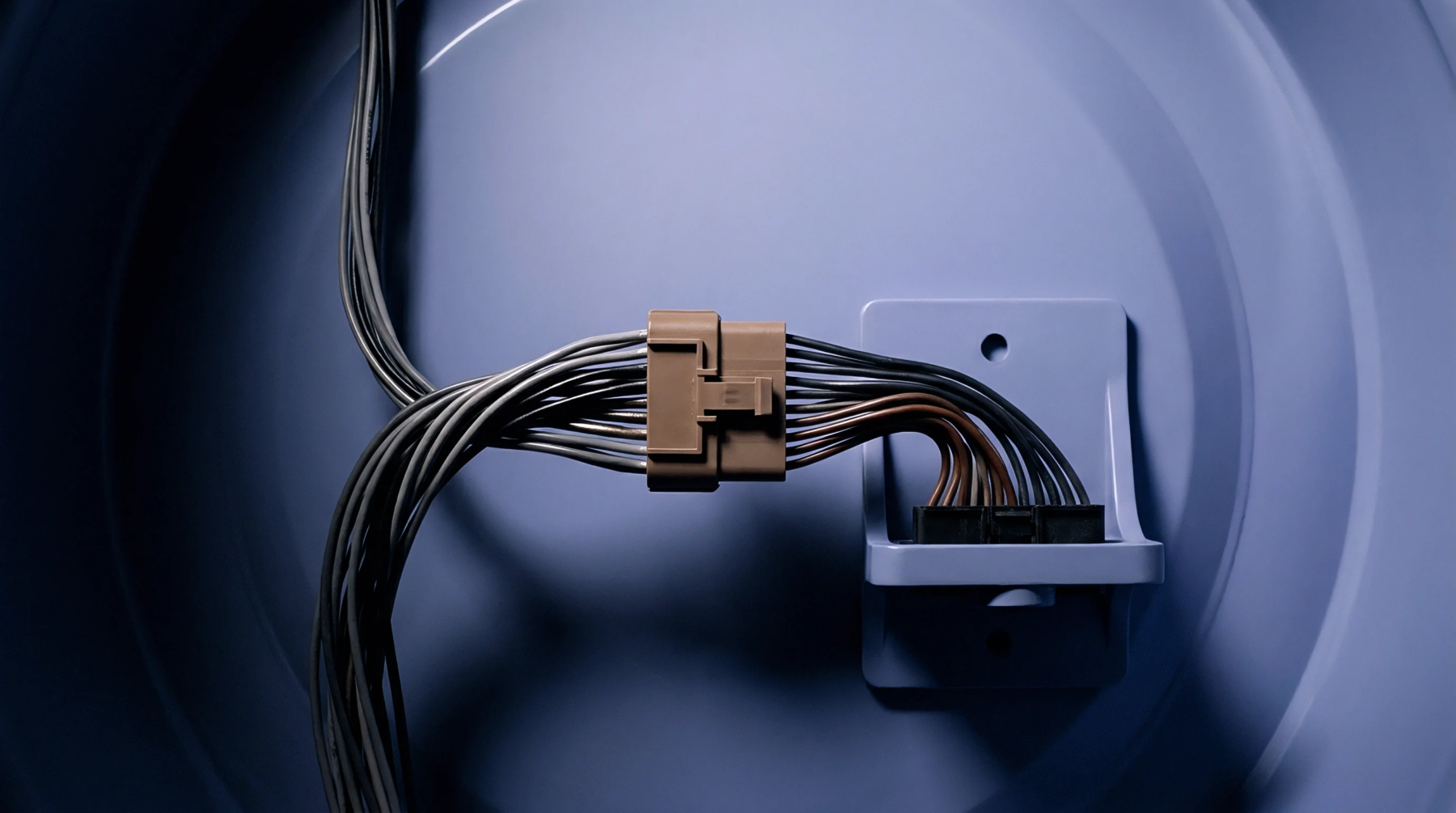
Accumulated line capacitance degrades open-drain rise times, demanding active acceleration or branch buffering to maintain deterministic software enumeration.
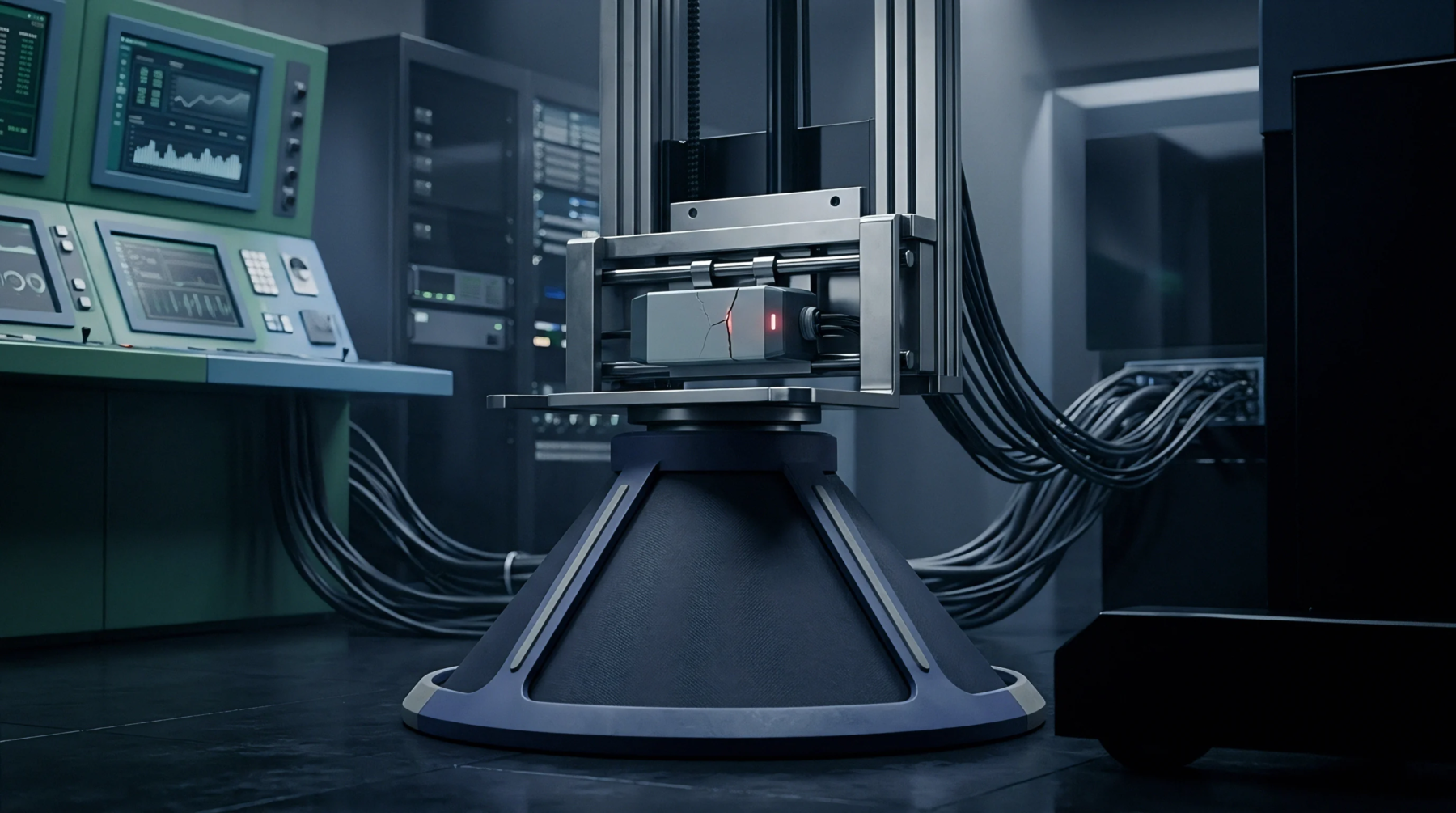
Polymer die attach stress directly alters MEMS zero-g bias; specifying low-modulus adhesives and central island anchors mitigates thermal strain coupling.

Cascade enable logic eliminates individual chip-select routing across dense sensor arrays by propagating a single hardware token down a shared serial bus.

Non-linear moisture sorption depresses encapsulant glass transition temperatures, driving premature viscoelastic relaxation that induces persistent transducer zero drift.

Viscoelastic strain decay in potted sensors causes predictable zero drift calculate it using Prony series parameters fitted to temperature step response data.

Modeling viscoelastic relaxation and interfacial voids establishes sensor offset drift limits and seals hermetic cavities against moisture failure.
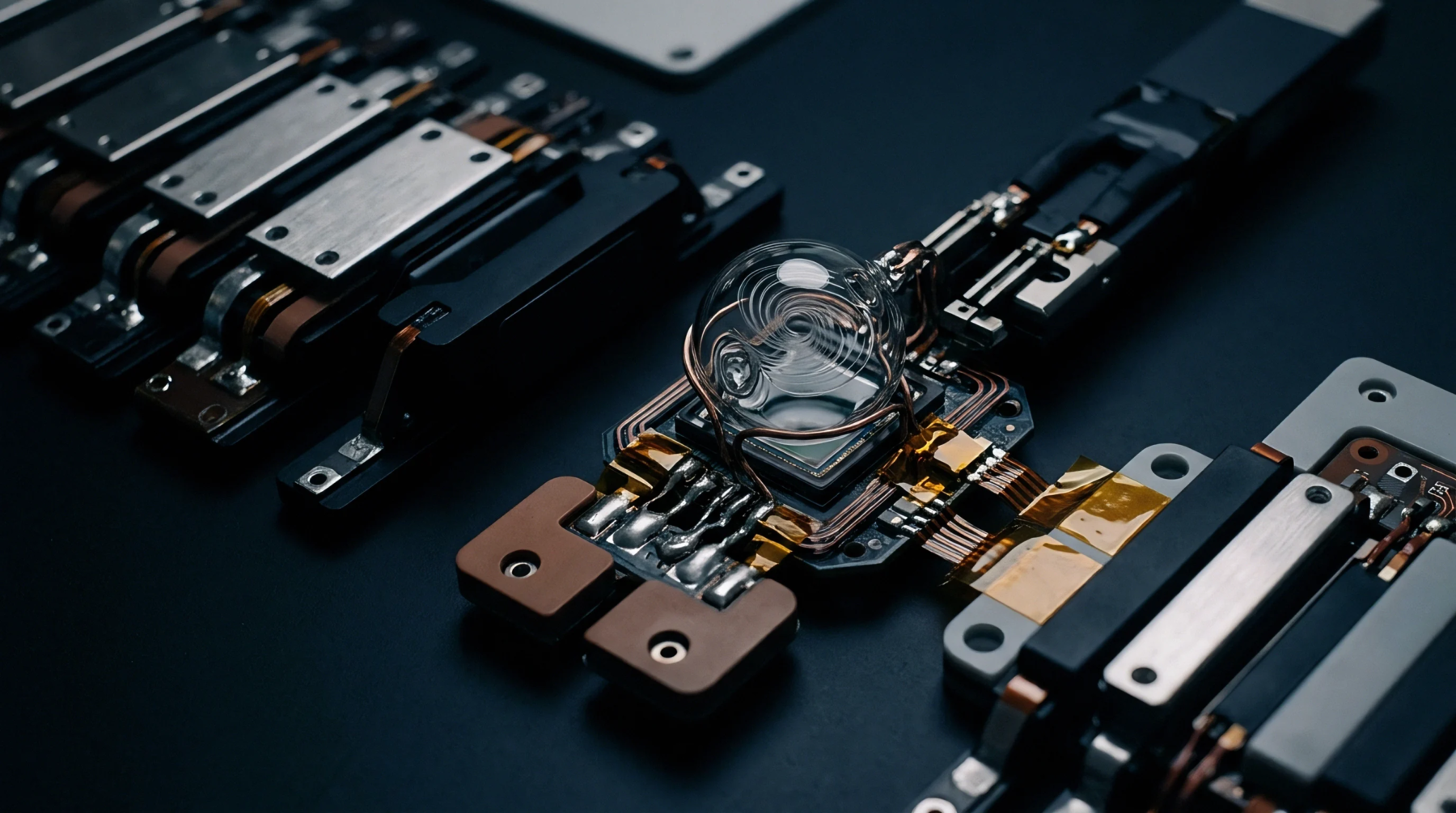
Dynamic address assignment eliminates external multiplexers in dense sensor arrays, trading minor firmware development time for reduced PCB routing and lower bill-of-materials costs.

Polymer package modulus drops and thermal expansion jumps across glass transition destabilize MEMS gyroscope anchors, producing uncompensated zero rate bias.

Polymeric stress relaxation in packaging compounds relieves assembly preloads, causing persistent transducer zero-shift drift that mimics process measurand changes.

Select low-modulus silicones or cyanate esters with uniform bondlines to decouple package stress and eliminate viscoelastic offset drift in MEMS accelerometers.

Active dynamic translation uses pulsed current injection to overcome high multi-drop bus capacitance, maintaining rise times without exceeding sink currents.
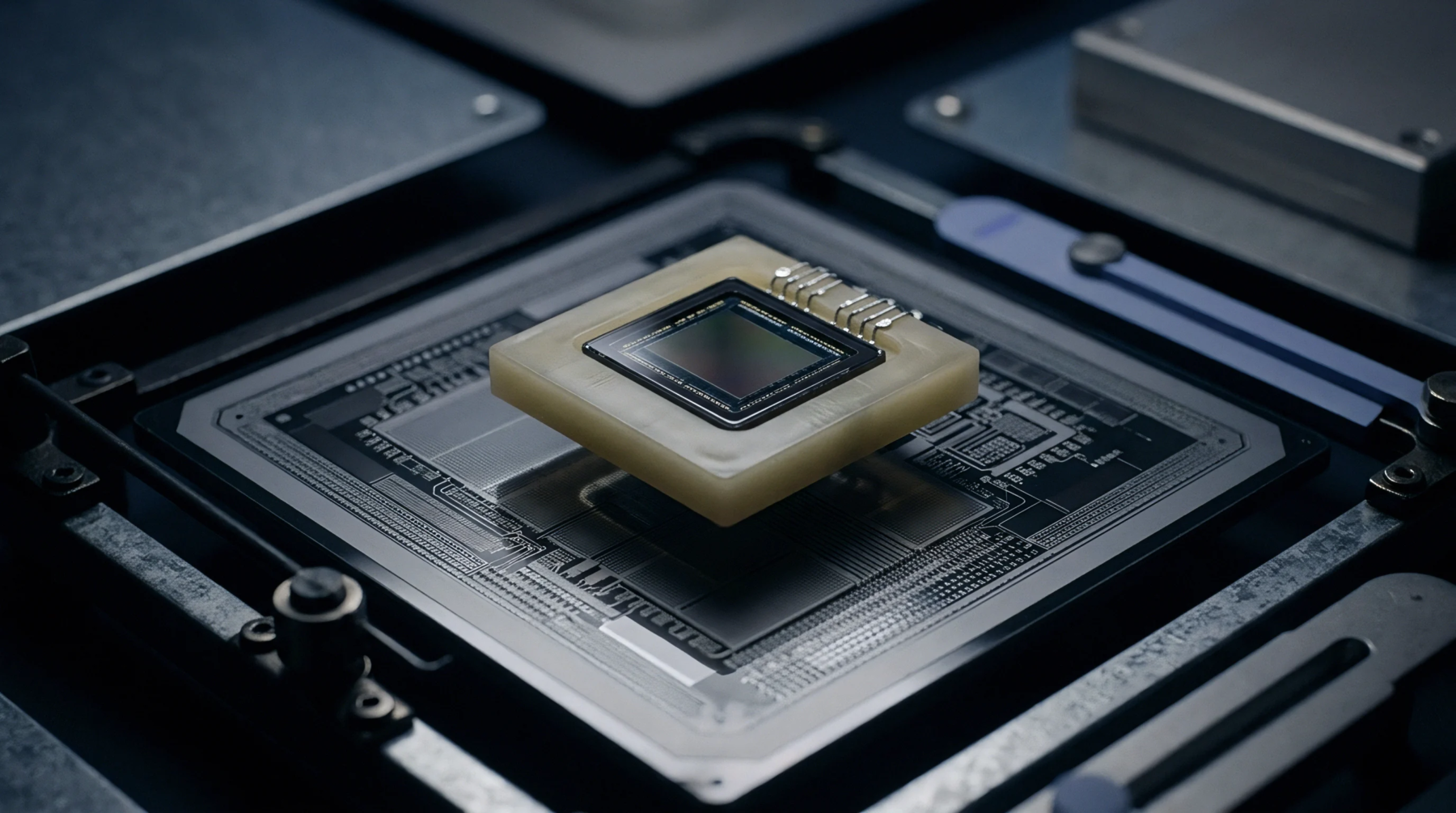
Anisotropic thermal strain compensation requires multi-node temperature sensing and tensor stiffness models to maintain zero-rate drift stability.
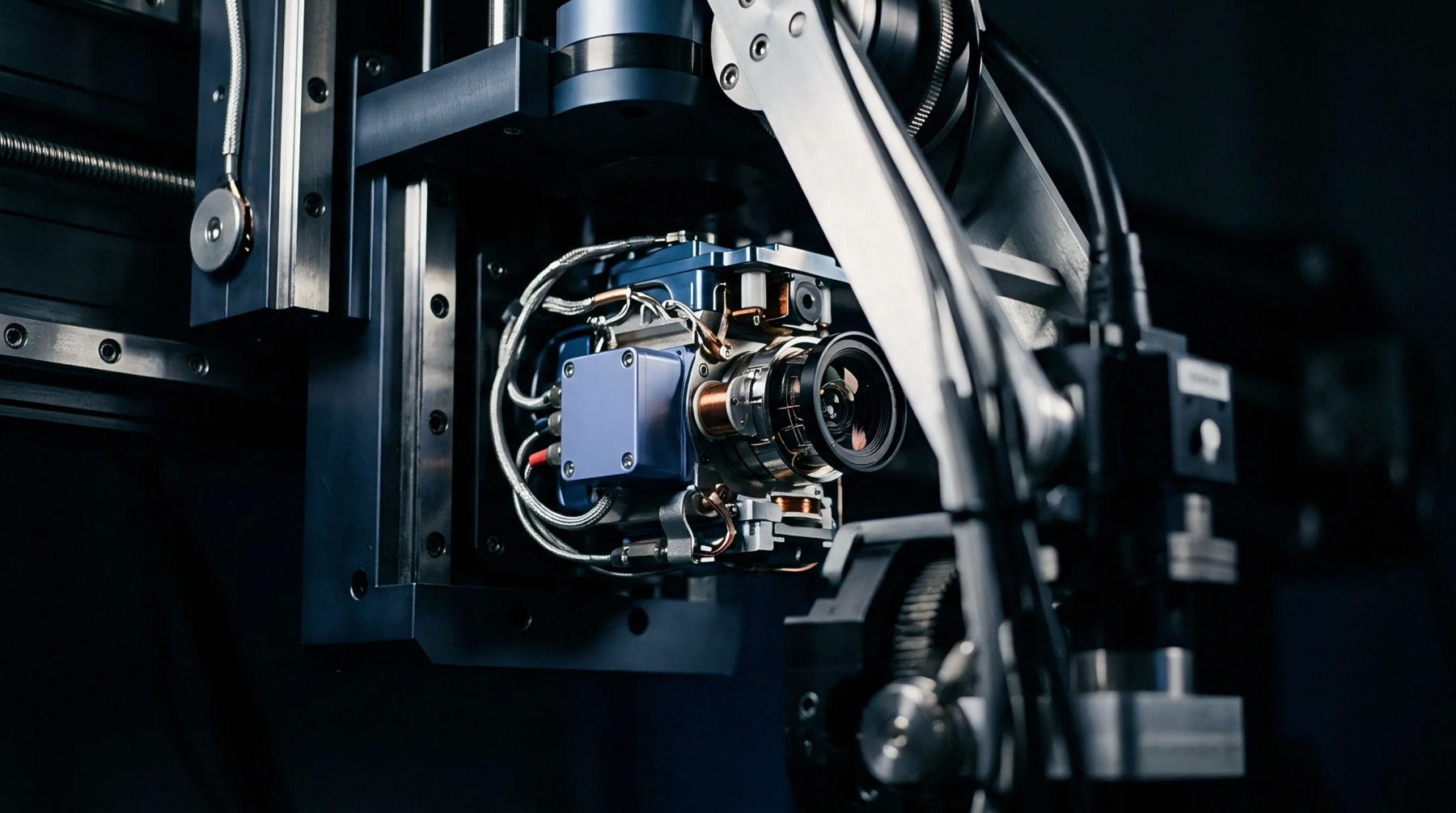
Substrate-induced thermal shear shifts dual-axis capacitive MEMS bias by altering differential electrode gaps unless isolated by compliant anchor suspensions.
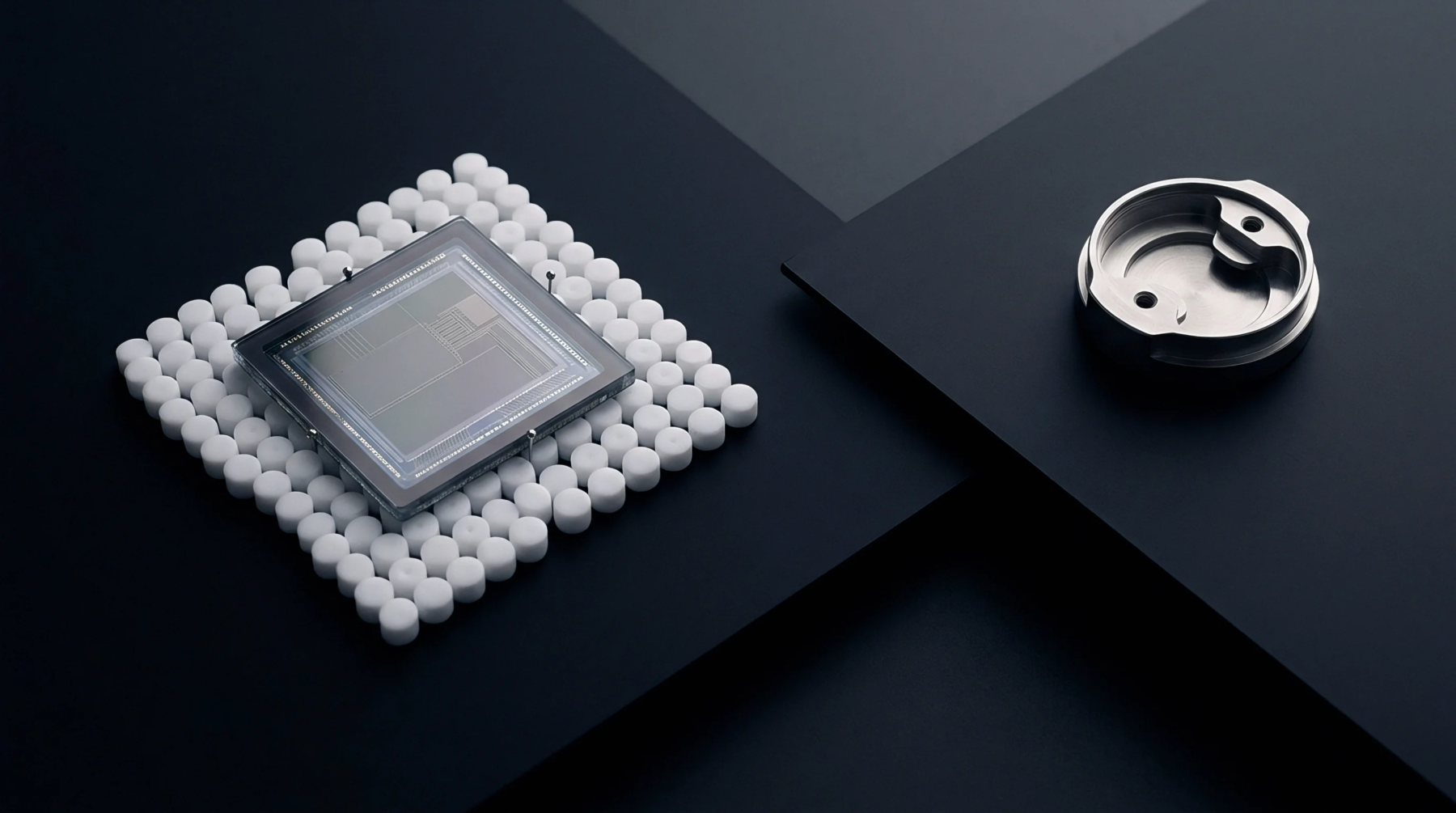
Silicon die thermal expansion mismatches induce structural packaging stresses that warp inertial sensing combs, causing uncorrected thermal bias drift.
Expertise is a utility, not a secret. sentiention™ publishes its working knowledge as open reference: intelligence layer covering the materials it sources, the markets it enters, and the reference that serves both.