Heat Impedance
Physical properties quantify the opposition to heat flow between two surfaces or regions within an electronic assembly or a power semiconductor package. Thermal resistance is a measure of the temperature difference that develops across a material or an interface for a given amount of power dissipated as heat. It is expressed in units of degrees celsius per watt or kelvin per watt, providing a direct analogy to electrical resistance.
In an integrated circuit, the primary goal is to move heat away from the silicon junction and toward the ambient environment as efficiently as possible. A low value indicates that the heat can flow easily, keeping the internal parts of the device at a safer and more stable temperature. This parameter is the most important factor in determining the maximum power that a component can safely handle without failing.
Path Calculation
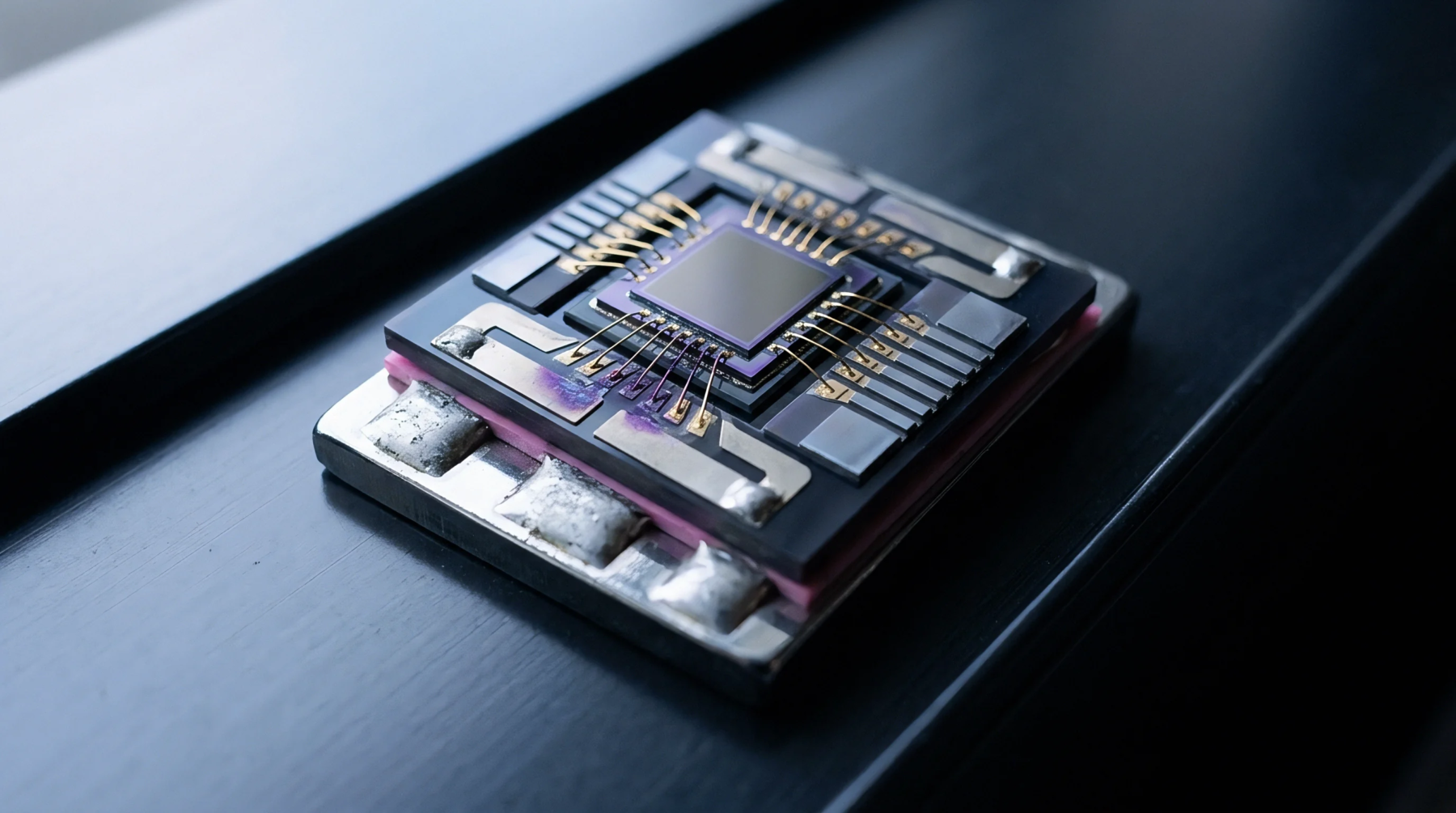
Modeling of the heat flow involves identifying all the individual resistances in the path from the die to the air. The total thermal resistance is the sum of several components, including the junction to case, case to sink and sink to ambient values. Each of these represents a different physical barrier, such as the silicon itself, the molding compound, the thermal interface material and the metal of the heat sink.
The junction to case resistance is a fixed property of the component package that is determined by the manufacturer. The subsequent values depend on the installation, such as the type of grease or pad used between the device and the cooling structure. Engineers use these calculations to ensure that the junction temperature remains below the limit specified in the datasheet, which is usually around one hundred and fifty degrees celsius.
Junction Temperature
Excess heat is the leading cause of premature failure in electronic systems, as it accelerates chemical degradation and mechanical fatigue within the package. If the thermal resistance is too high, the internal temperature will rise until the silicon reaches its thermal shutdown point or suffers permanent damage. This is particularly critical in power electronics, where high currents generate significant waste heat in a very small area.
By reducing the resistance of the path, designers can allow the system to operate at higher power levels or in hotter environments. This often involves the use of copper heat spreaders, high performance thermal interface materials and active cooling systems like fans or liquid cold plates. The relationship between power, temperature and resistance is a fundamental constraint that dictates the physical size and the performance limits of the hardware.
Cooling Requirement
Verification of the thermal design is done through a combination of computer simulations and physical measurements using thermocouples or infrared cameras. The thermal resistance of the entire system must be low enough to handle the worst case power dissipation at the highest expected ambient temperature. If the margins are too thin, the system may suffer from intermittent errors or a shortened service life.
The specification for this parameter is a standard part of every high power component datasheet, providing the information needed to design an effective cooling solution. As devices become smaller and more powerful, the challenge of managing heat becomes increasingly difficult. Thermal resistance remains the key metric for evaluating the effectiveness of a cooling strategy.
It is the fundamental link between the electronic world of the silicon chip and the physical world of heat and energy.