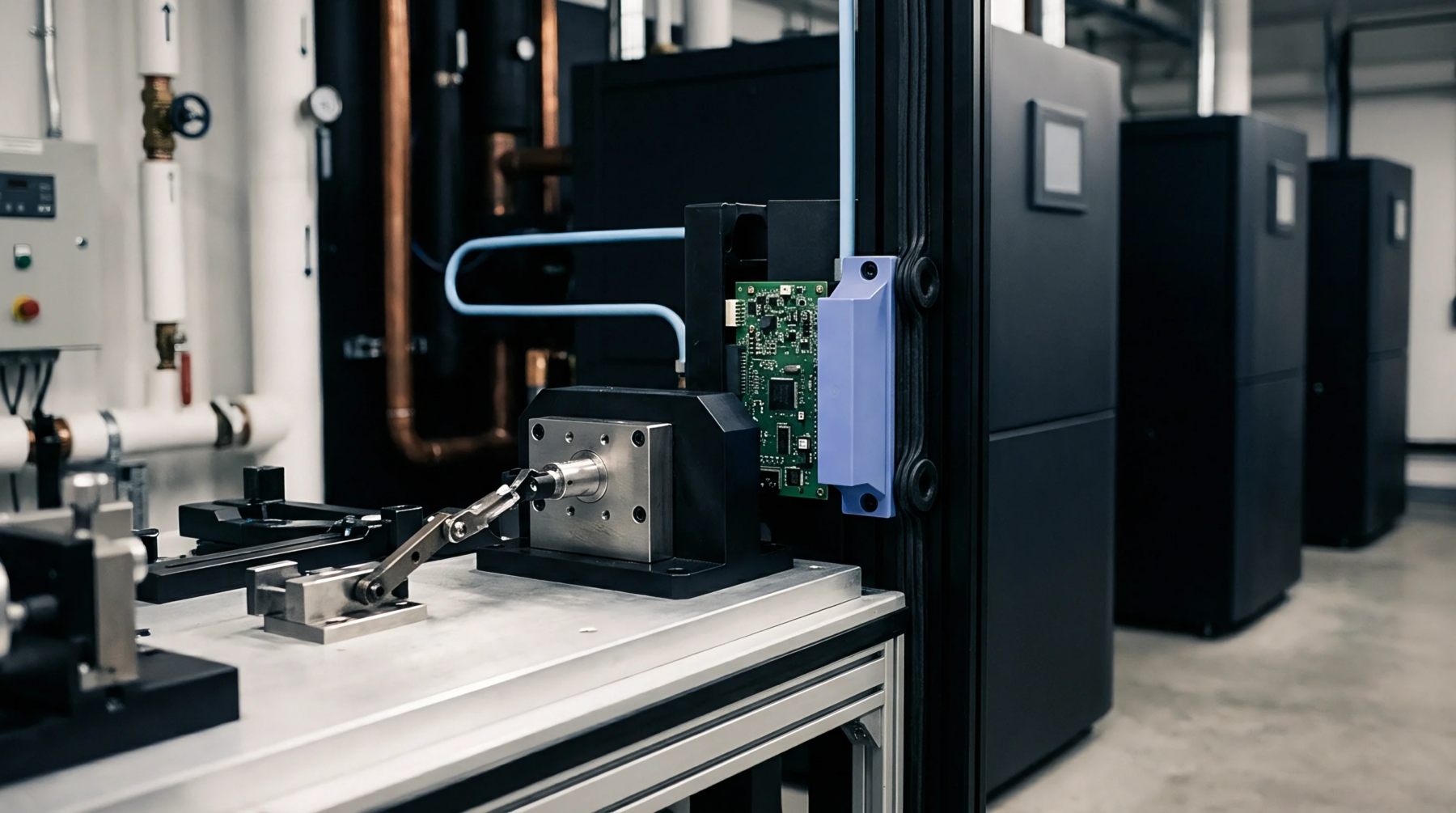
Board Flex Reaching the Die as Offset Error after Assembly
Board flexure transfers shear strain through solder joints into silicon dies, shifting zero-point offsets; isolate footprints using slots or diagonal placement.

Board flexure transfers shear strain through solder joints into silicon dies, shifting zero-point offsets; isolate footprints using slots or diagonal placement.

Compromised MSL 3 packaging instantly voids floor life: quarantine components, verify humidity cards, and require J-STD-033 dry baking before SMT reflow.

An ISO/IEC 17025 logo proves accreditation only for parameters and ranges explicitly listed on the laboratory active schedule of scope.

Unannounced die shrinks alter internal register maps and bus timing; enforce strict automated register fingerprinting and binding PCN contract terms.

An incoming thermal soak verification combined with statistical guardbanding isolates unstable sensor populations before integration into field systems

Substituting high-grade physical sensors with multi-element algorithms saves unit cost but adds firmware overhead, thermal drift risks, and qualification expenses.
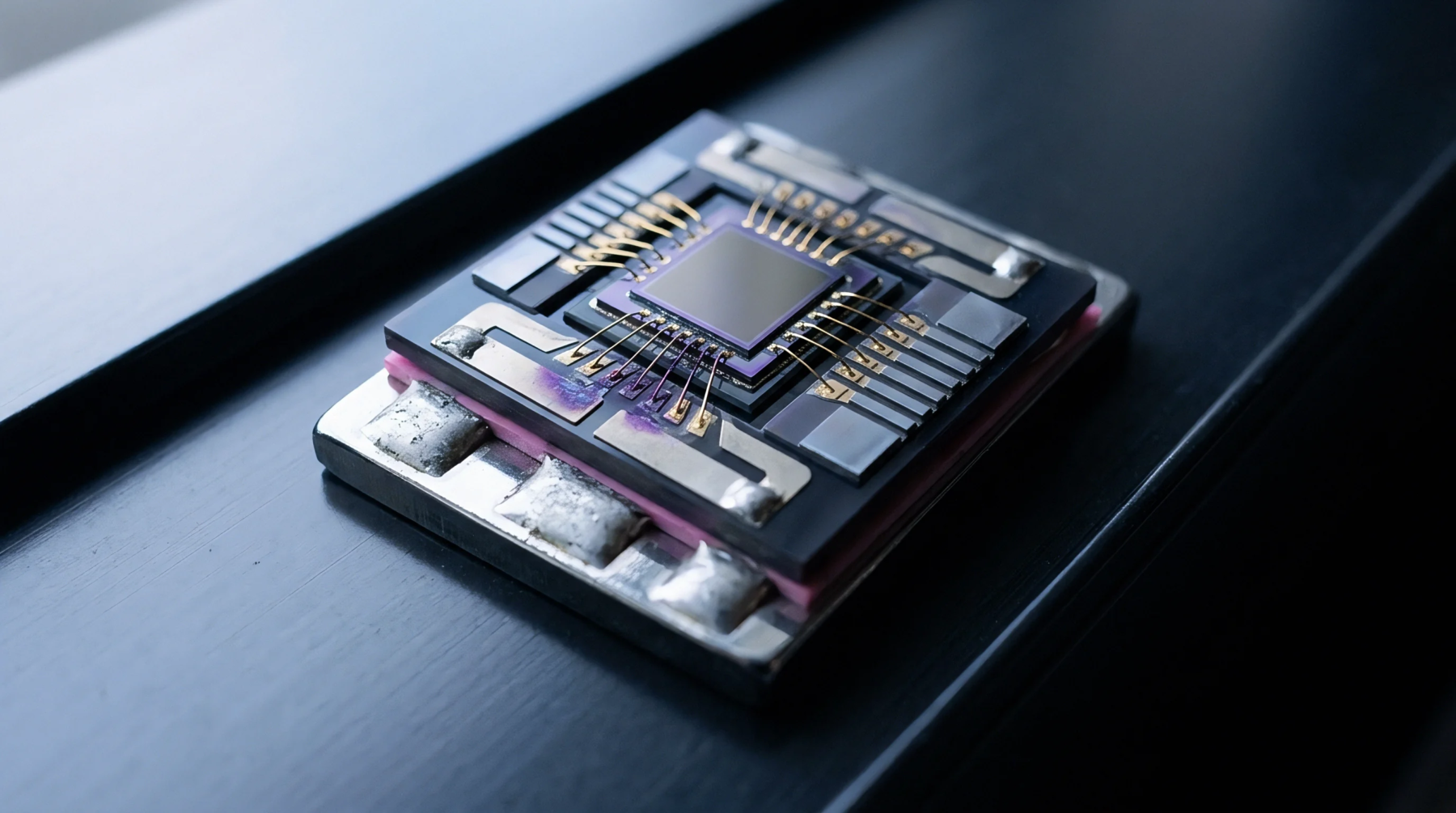
When component vendors end leaded packages, identical active silicon dies often survive in surface-mount forms that demand revised land patterns and thermal layouts.
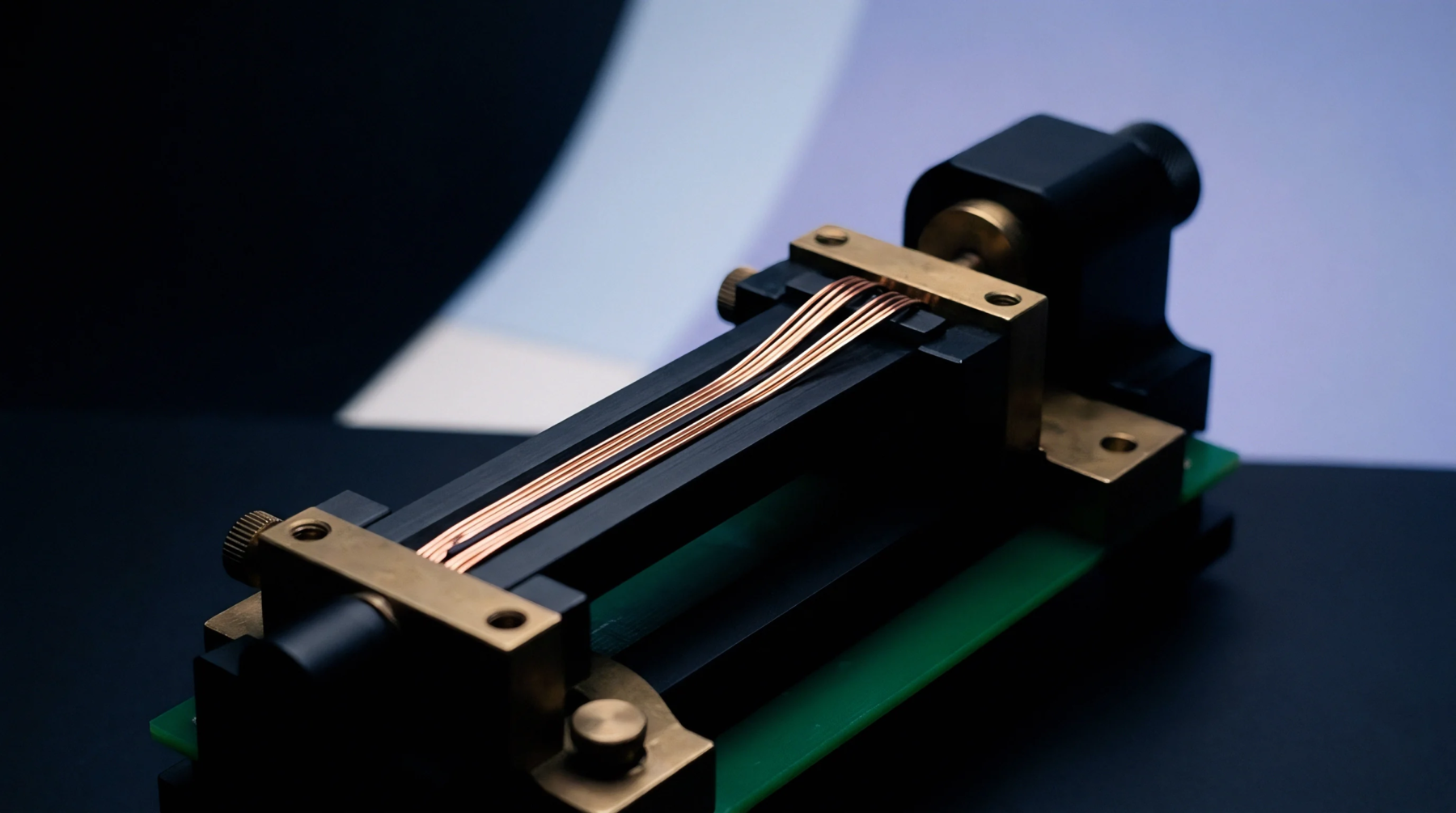
Silicon piezoresistive strain sensitivity depends on boron doping density, requiring constant current excitation or bivariate digital polynomials to suppress thermal span drop.

Variable acceptance sampling under ISO 3951-1 verifies continuous MEMS IMU drift profiles while protecting production lines from latent silicon wafer defects.

Epoxy compound moisture absorption generates critical steam pressures during lead-free reflow, demanding strict MSL dry-pack handling to prevent internal delamination.
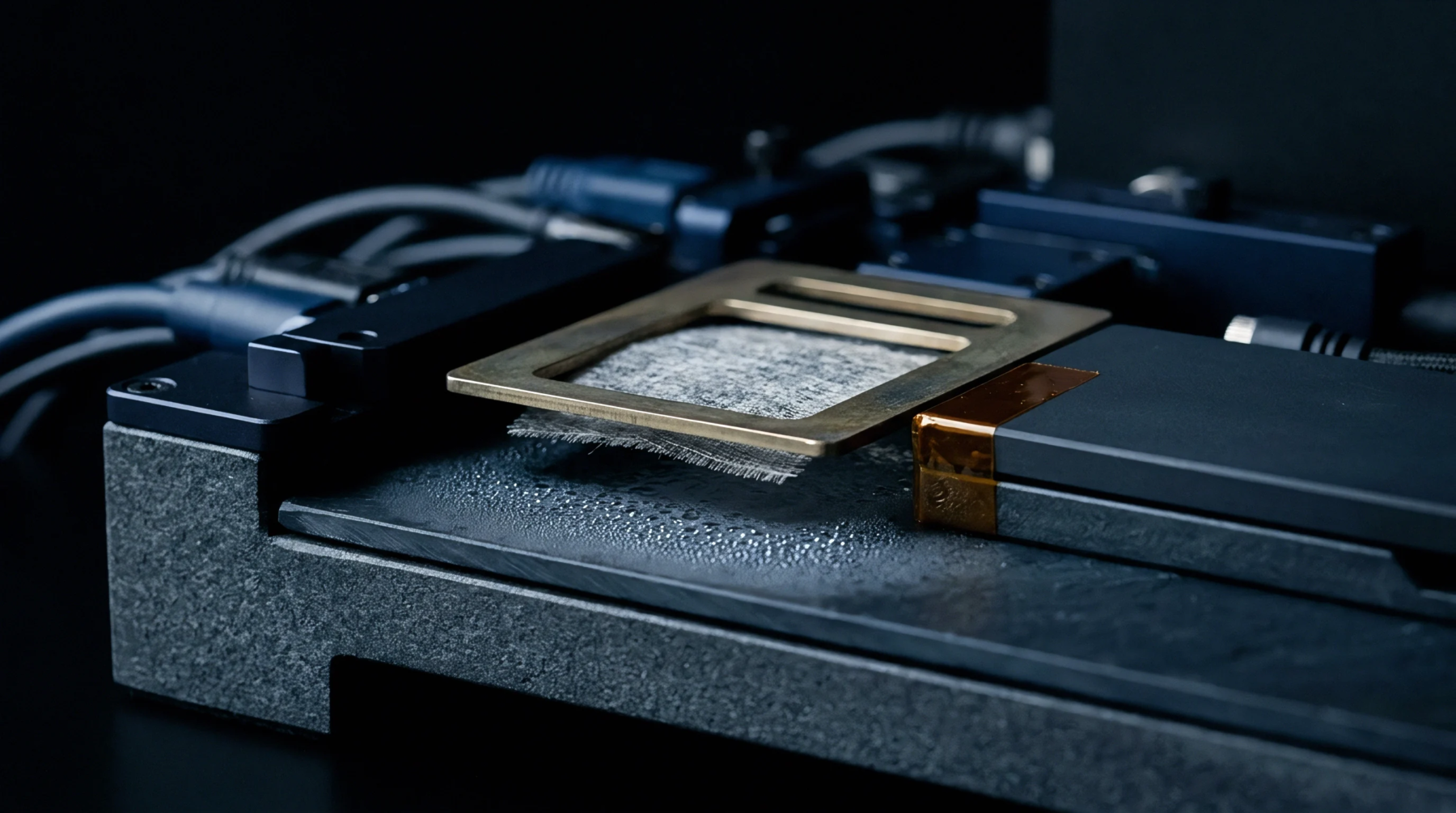
Receiving verification of moisture barrier packaging and strict floor life tracking prevent reflow delamination yield losses in surface mount assembly.

Accelerated incoming thermal soak verification exposes latent transducer parameter drift within 48 hours, enabling quantitative C=0 lot rejection before production integration.

Quantifying supplier liabilities for compromised moisture barrier packaging requires capturing direct component replacement, dry-bake remediation, and SMT line downtime costs under strict quality contract clauses.

Variable acceptance sampling under ANSI ASQ Z1.9 reduces sample size by 70 percent while enforcing strict consumer risk bounds on transducer lot audits.
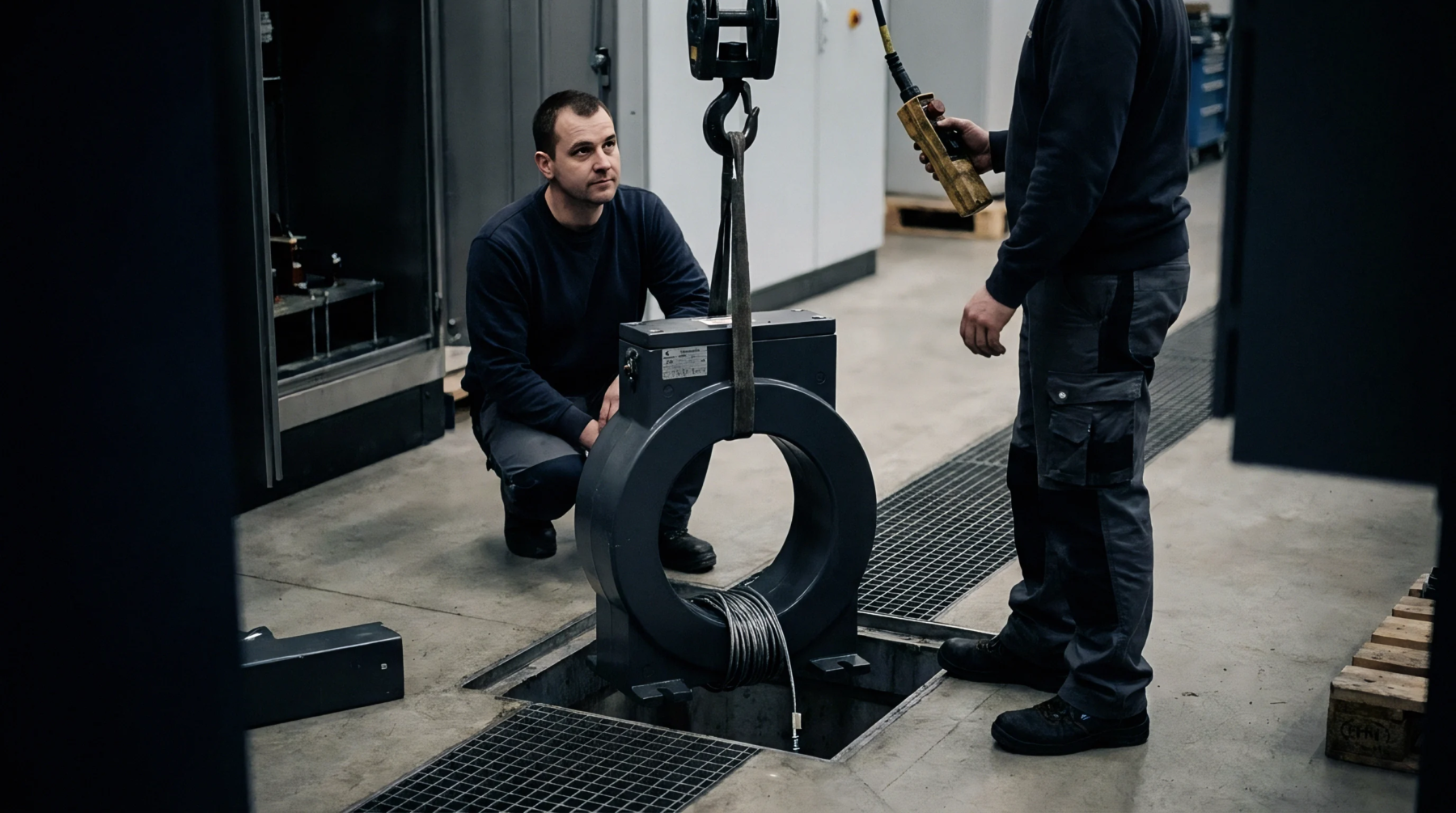
Viscoelastic creep in die attach epoxies drives zero offset hysteresis; low-modulus adhesives minimize stress transfer to preserve long-term transducer balance.
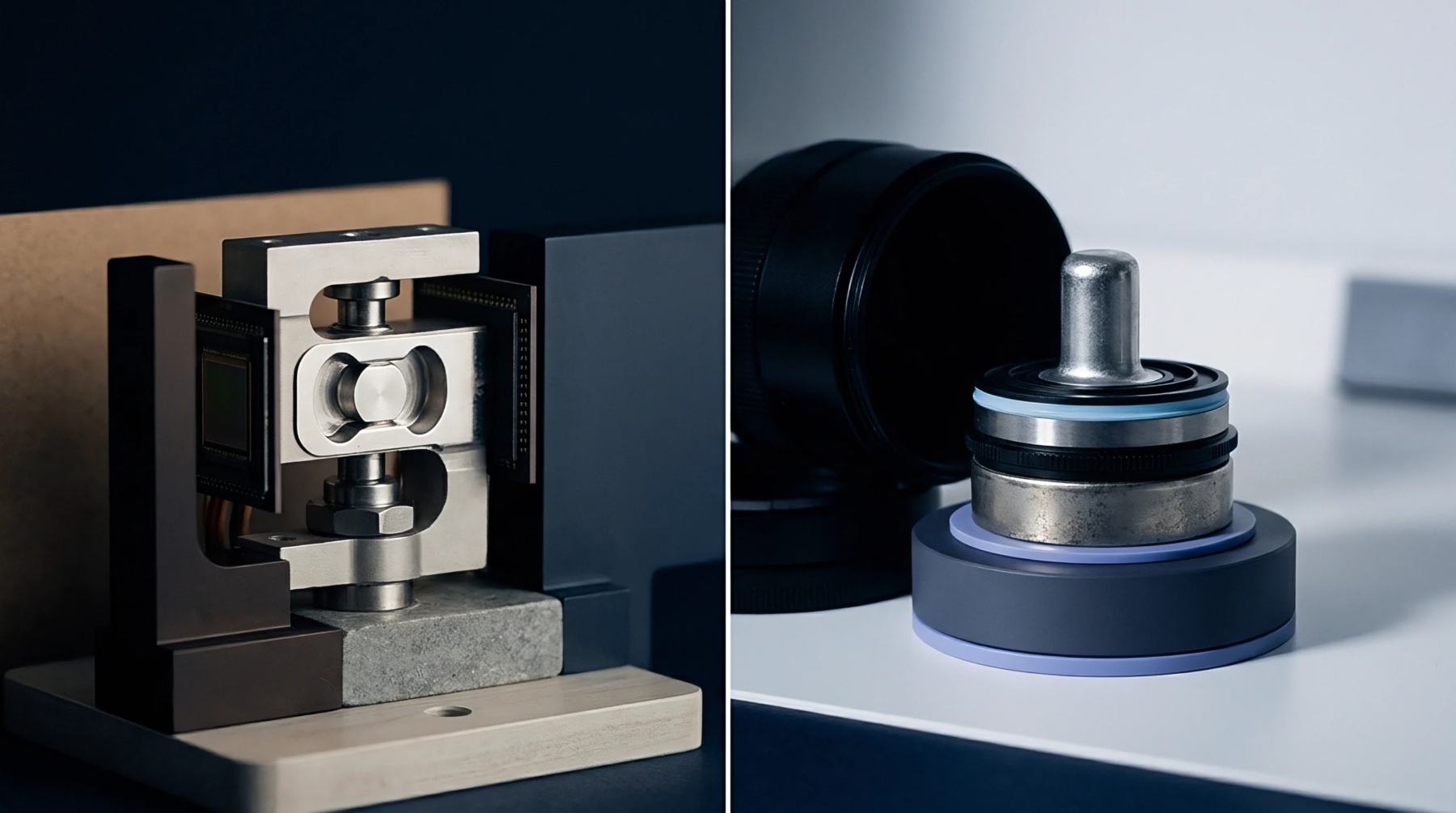
Board strain during reflow shifts MEMS digital offsets via CTE mismatch, requiring PCB keep-out zones, low-stress footprints, and 72-hour room-temp stabilization.

Incoming transducer lot qualification demands static thermal dwell saturation mapped against spatial chamber gradients to prevent false acceptance of drifting lots.

Legacy line retrenchment forces silicon die packaging changes that alter kerf tolerances, land patterns, register offsets, and landed unit economics.

Variable sampling verification for high-rate MEMS gyroscopes optimizes lot acceptance by deriving continuous quality indices from dynamic rate table test samples.
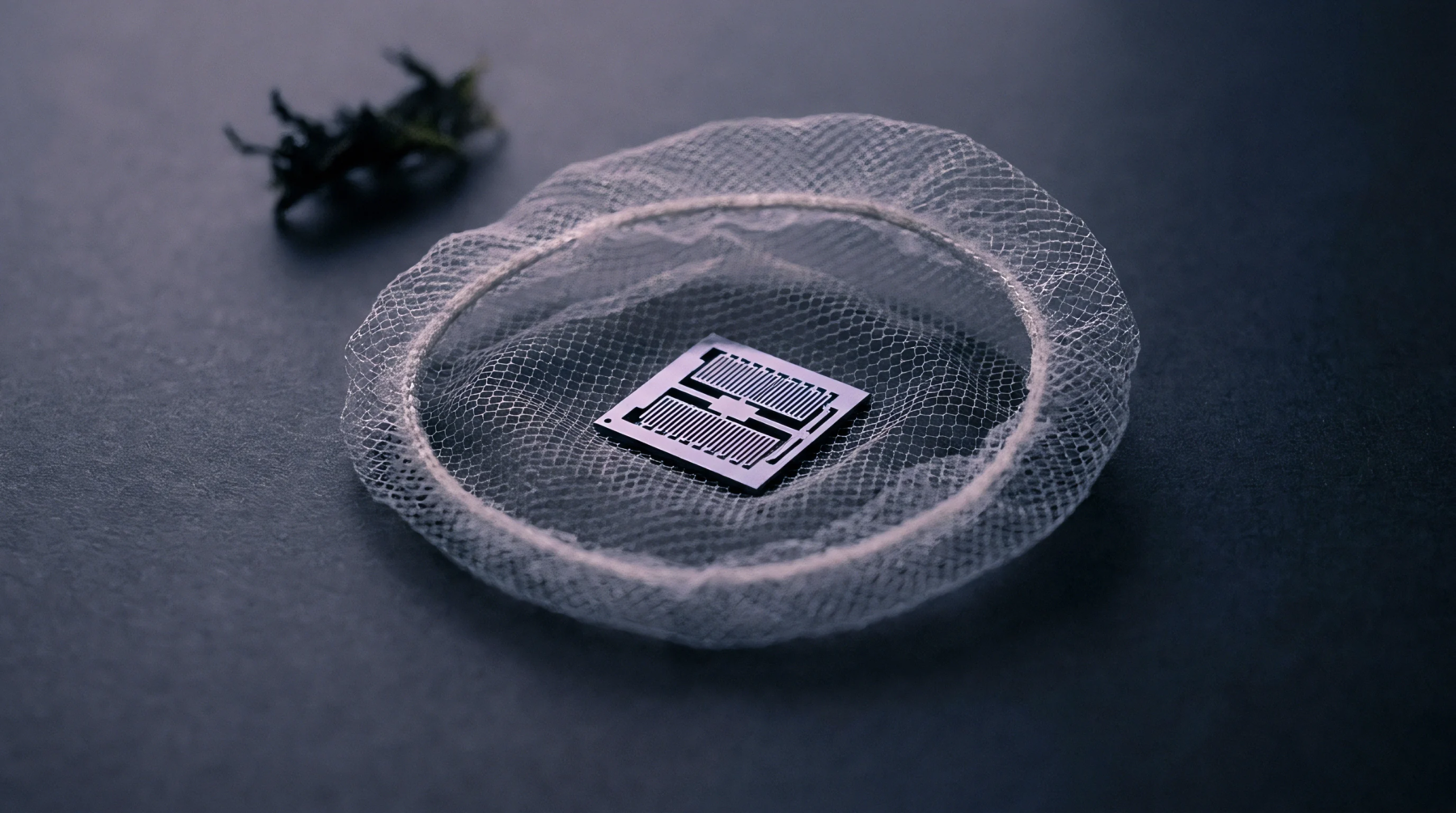
Component reflow popcorning occurs when trapped moisture vaporizes during soldering; acoustic microscopy detects internal delamination via signal phase inversion.

Inertial dead reckoning holds only while gyroscope bias instability bounds cubic tilt divergence within allowable spatial position tolerance thresholds.

Rolling shutter inspection lines require pulsed strobe lighting within global overlap windows or native global shutter sensors to eliminate motion shear errors.
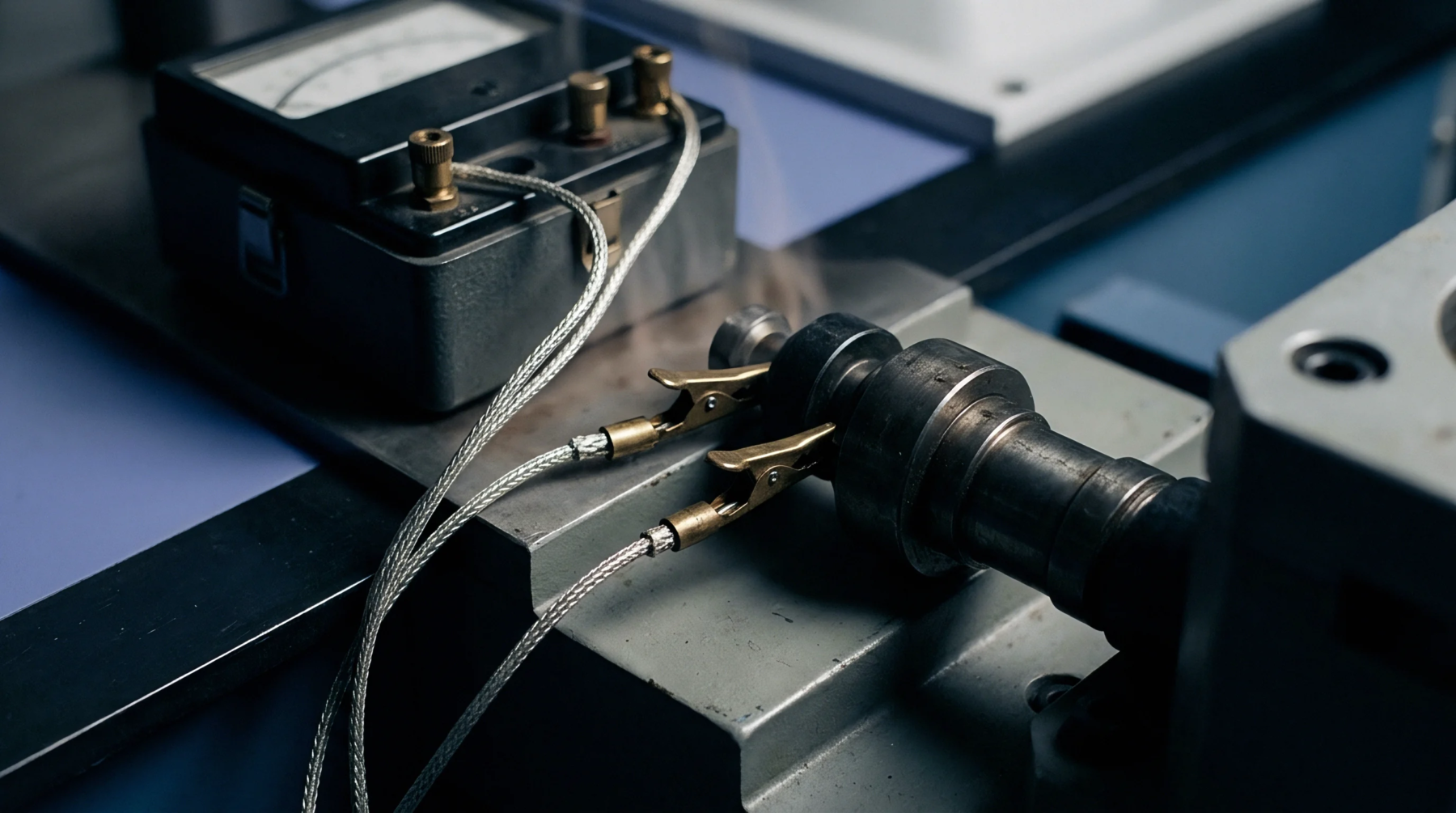
Unbudgeted sensor thermal settling times and hysteresis generate severe measurement errors, demanding mandatory package-level soak protocols to preserve field accuracy.

Metallic target variation demands Factor 1 inductive sensors to eliminate reduction factors, while polymer and liquid swaps require capacitive heads with active guarding.

Selecting die packaging forms requires matching land pattern mechanical stress, bus wiring distance, and calibration stability against landed unit economics.

Verify ingress claims using ISO IEC 17025 accredited test reports detailing pre and post electrical insulation checks rather than marketing datasheets.

Square the quotient of specified noise density over target resolution to establish the equivalent noise bandwidth required for averaging filter design.
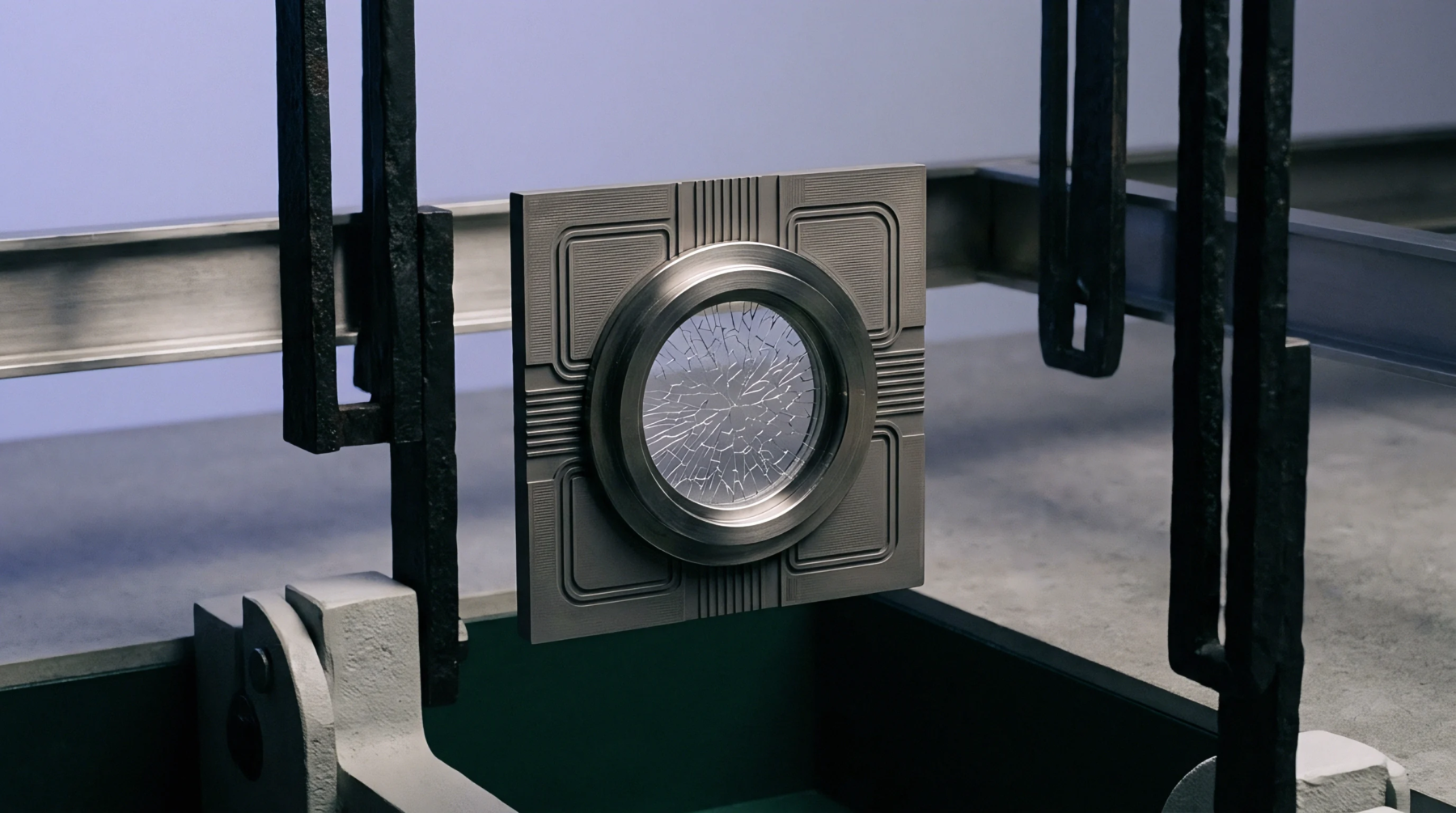
Matching element strain coefficients to substrate thermal expansion eliminates thermal hysteresis and holds sub-ppm resistance stability across operational temperature bands.

Substrate thermal expansion creates packaging shear stress that warps MEMS proof masses, demanding central single-anchor isolation and polynomial offset calibration.
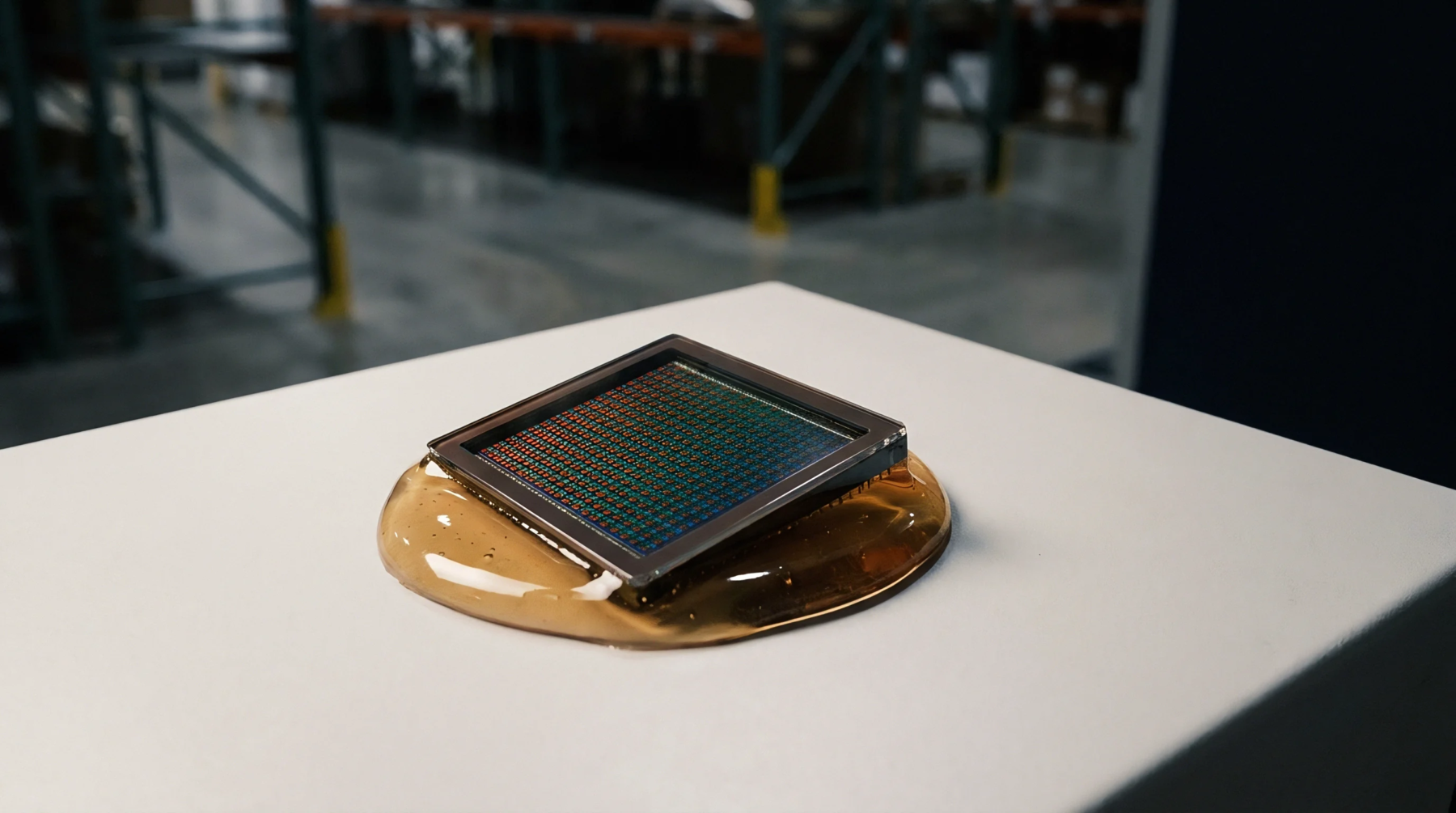
Dynamic moisture ingress into piezoresistive sensor encapsulants expands thermal hysteresis by up to 0.25% FSS, requiring humidity-conditioned calibration.
Expertise is a utility, not a secret. sentiention™ publishes its working knowledge as open reference: intelligence layer covering the materials it sources, the markets it enters, and the reference that serves both.