
SMD Package Selection and Board Land Pattern Tolerances
Calculated land pattern dimensions matching IPC-7351 guidelines balance solder fillet volume and placement tolerance to prevent joint stress and yield loss.

Calculated land pattern dimensions matching IPC-7351 guidelines balance solder fillet volume and placement tolerance to prevent joint stress and yield loss.

Dynamic thermal hysteresis in oil filled pressure sensors stems from oil viscoelasticity and cavity thermal lag solvable via rate dependent filtering.

Modelling hygrothermal stress requires superposing thermal strain, moisture swelling, and superheated steam pressure at leadframe interfaces during 260°C reflow.

Bivariate polynomial surface fitting extracts piezoresistive drift matrices via singular value decomposition to eliminate thermal span and offset errors.

Bulk metal foil resistor drift stems from thermal stress relaxation and epoxy moisture swelling, manageable through hermetic packaging and thermal burn-in.

Baking moisture sensitive ICs requires matching package thickness and carrier heat ratings to balance desorption speed against intermetallic lead oxidation risks.

Host latency boundaries under asynchronous clock stretching depend on driver timeout thresholds, recovery bit-banging cycles, and physical line capacitance.

Piezoresistive silicon pressure transducers convert diaphragm strain to millivolts via p-type bridges, requiring ratiometric current-driven signal amplification.

Degenerate boron doping above 5 x 1019 cm-3 bounds radiation mobility loss by saturating impurity scattering in piezoresistive elements.

Quantifying thermal soak delays requires isolating sheath resistance and fill conductivity to offset dynamic tracking errors in automated process control loops.
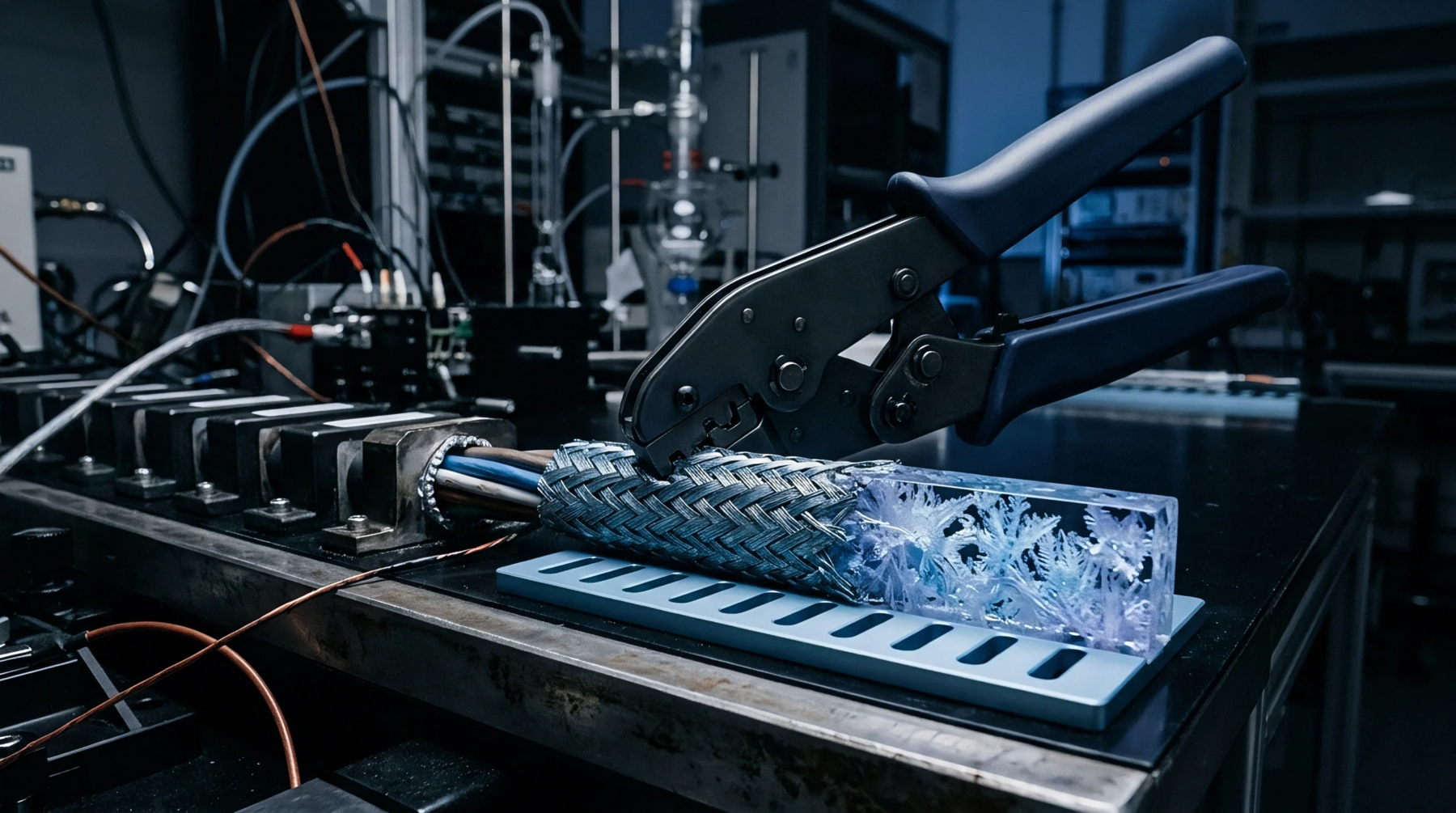
Modulated MEMS emitters exceeding thermopile bandwidth induce thermal phase lag and attenuation that require multi-RC transient model compensation.

Quantifying metal oxide cross-sensitivity requires mapping ionosorption energy states under thermal modulation to decouple target VOC signals from ethanol and humidity backgrounds.

Discrete SMD sensors break even over integrated serial modules above fifty thousand units when assembly yields exceed ninety nine percent.

Forced air thermal dwell acceptance sampling isolates package stress drift in transducer lots before field deployment.

Digital sensor firmware driver integration averages six engineering weeks, adding substantial non-recurring engineering overhead to high-volume component sourcing.
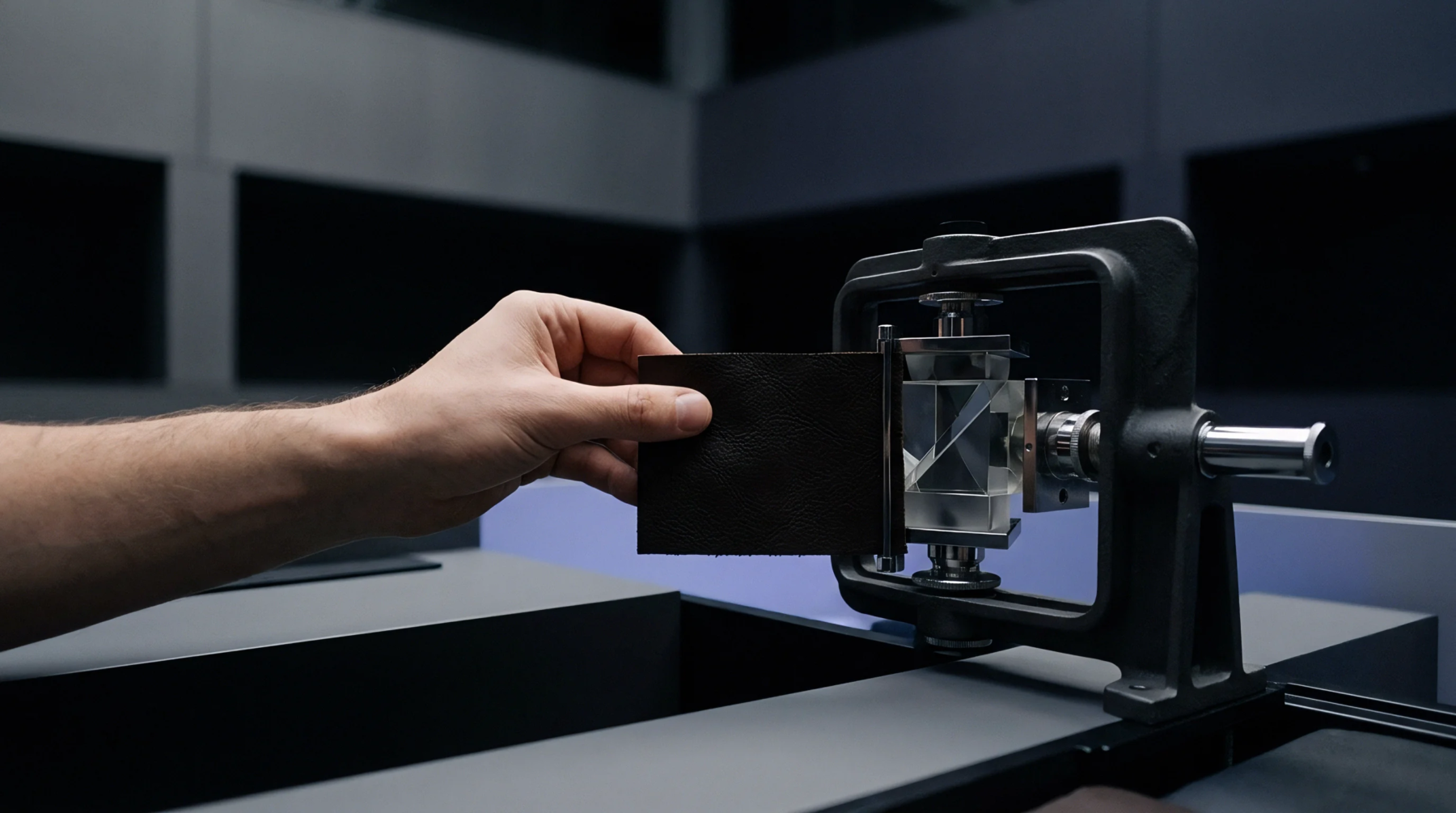
Field humidity degrades NDIR cavities through liquid condensation scattering and mirror oxidation, requiring hydrophobic vents and controlled wall heating.

Driver self-heating creates thermal gradients across integrated precision references, causing microvolt drifts that demand symmetrical PCB layout.

Higher crosslink density suppresses polymer die attach creep rates by restricting free volume and extending rubbery plateau modulus under continuous thermal load.

Dynamic address assignment eliminates multiplexers in dense sensor arrays through cascade enable lines or software ARP, reducing PCB area while raising firmware bring-up requirements.

Linear annual drift extrapolation from four-week test bench data produces severe forecast errors by ignoring logarithmic relaxation and test fixture noise floors.

Resolve I2C address collisions using dedicated bus switches, inline XOR translators, or dynamic GPIO strapping to isolate identical device addresses.
Decimation filtering shifts white noise boundaries without suppressing flicker frequency floors, requiring exact register bit sizing to prevent truncation noise.

Polymer encapsulants transfer shrinkage and expansion stress directly to sensing dies, driving long-term zero offset drift that demands compliant decoupling.

Selecting sensors requires matching physical transduction principles to measurands while accounting for thermal drift, noise floor, and fab availability.

Sensing power budgets depend on physical excitation energy, analog settling delays, and converter sampling overhead across operating duty cycles.
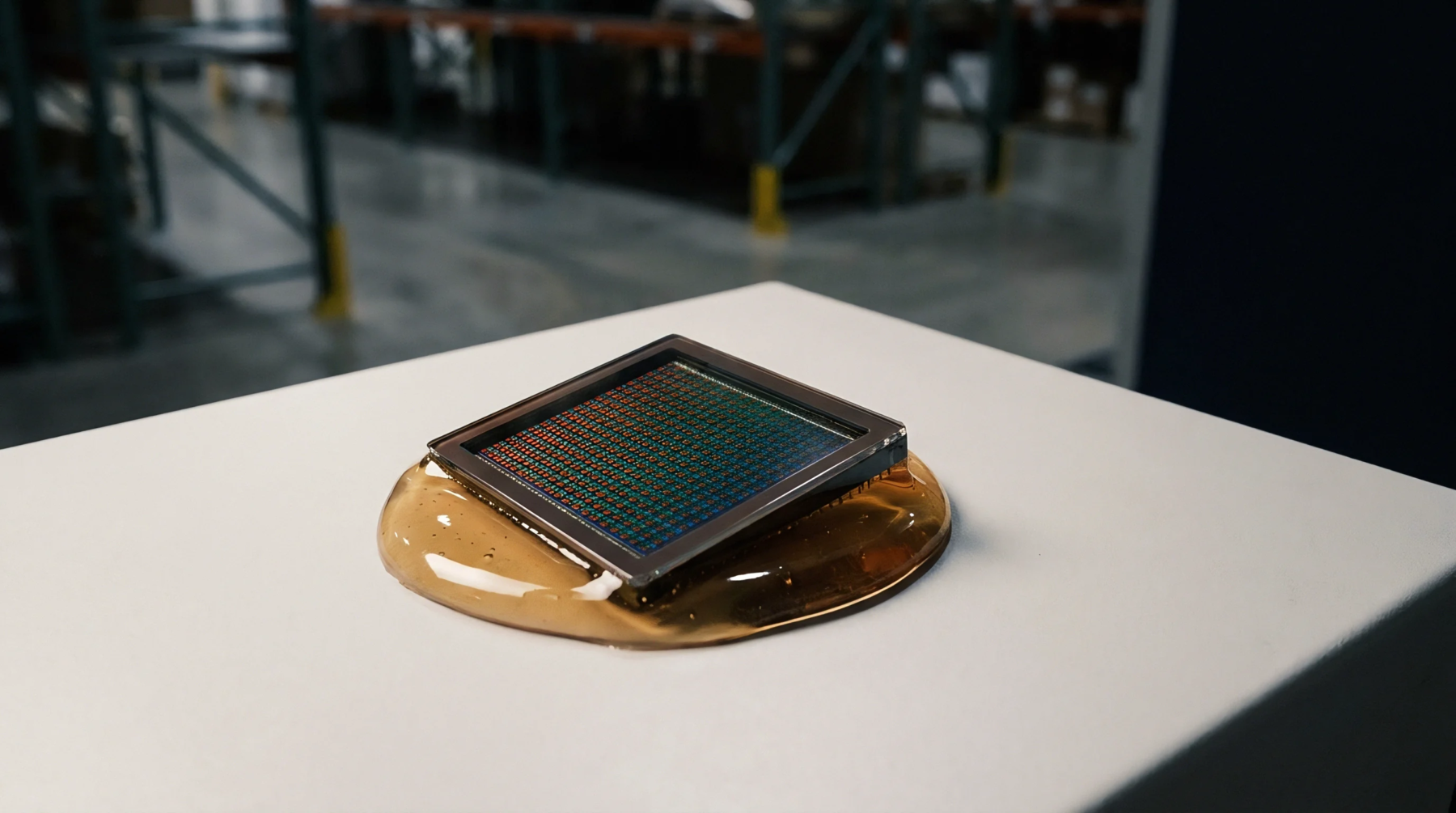
Thermal stress evaluation isolates CTE mismatch across silicon and packaging materials to prevent accelerometer zero-g offset drift and sensitivity shifts.

Thermomechanical packaging stress splits quad-symmetric gyroscope resonance modes, requiring mechanical anchor isolation paired with real-time modal stiffness tracking.

Viscoelastic relaxation in polymer die attach causes time-dependent strain transfer to MEMS proof masses, driving long-term zero-g offset drift.

Land pattern geometry, bus capacitance control, and driver timing dictate assembly yield and operational stability across sensor package formats.

Stacked BSI global shutter sensor parasitic light sensitivity depends on silicon depth, metal shield alignment, and active illumination wavelength.
Expertise is a utility, not a secret. sentiention™ publishes its working knowledge as open reference: intelligence layer covering the materials it sources, the markets it enters, and the reference that serves both.