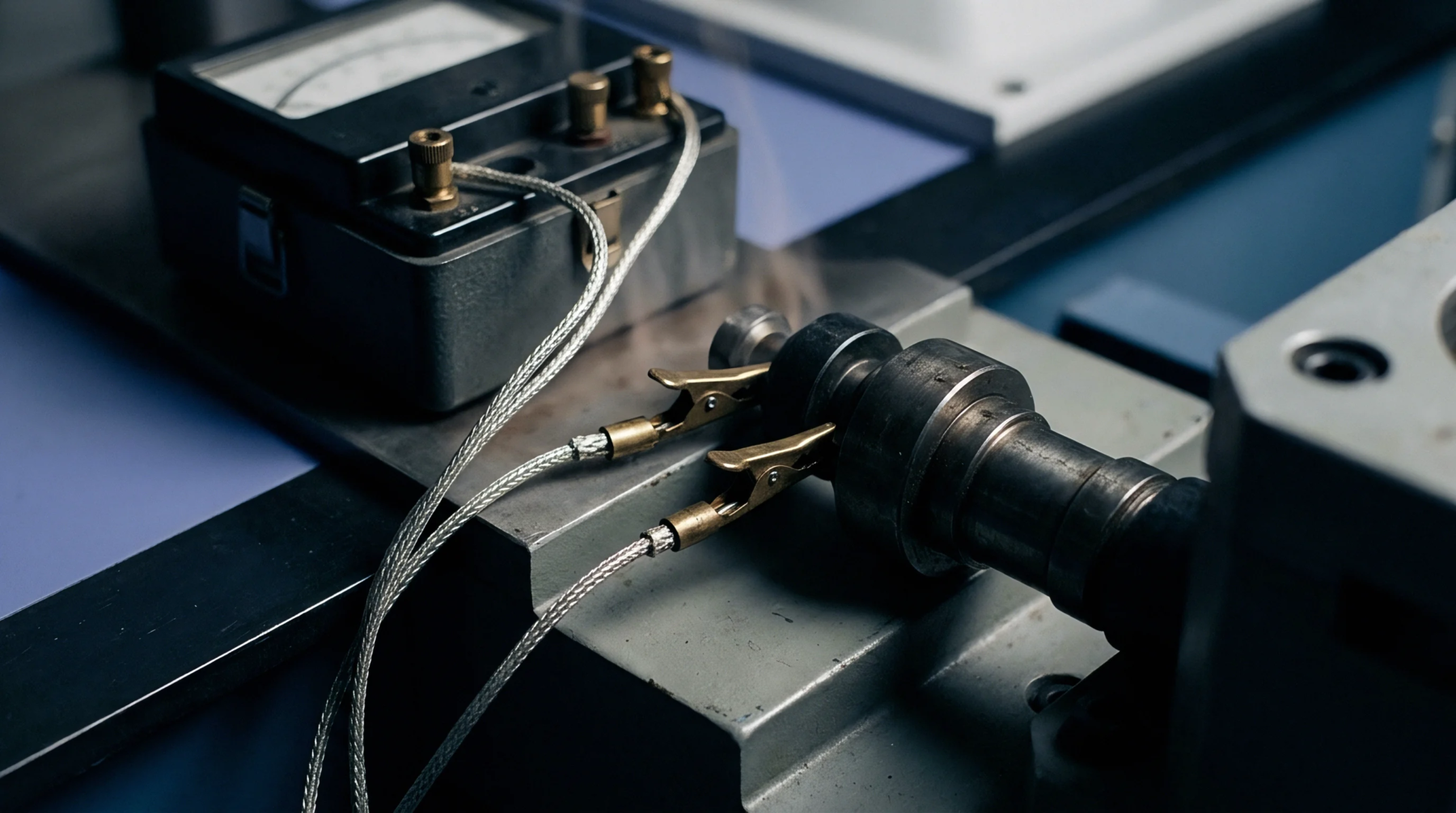
Groundwork for Dynamic Group Delay in Primary Sensor Front Ends
Dynamic group delay flatness in primary sensor front ends preserves transient signal waveforms and prevents time-domain phase distortion across temperature.

Dynamic group delay flatness in primary sensor front ends preserves transient signal waveforms and prevents time-domain phase distortion across temperature.

Acceptance boundaries must contract catalog tolerances by bench measurement uncertainty using ISO/IEC Guide 98-4 guardbands to prevent false-accept risk.

Package trace parasitic inductance induces millivolt ground bounce during fast transients, degrading precision reference accuracy without low-loop layout.

Uncorrected manifold thermal gradients inflate calibration uncertainty, forcing tight guardbands that spike manufacturing scrap and compromise traceable sensor accuracy.

Dynamic thermomechanical decoupling requires real-time state-space inversion of coupled volumetric and shear relaxation histories inside the sensor package.
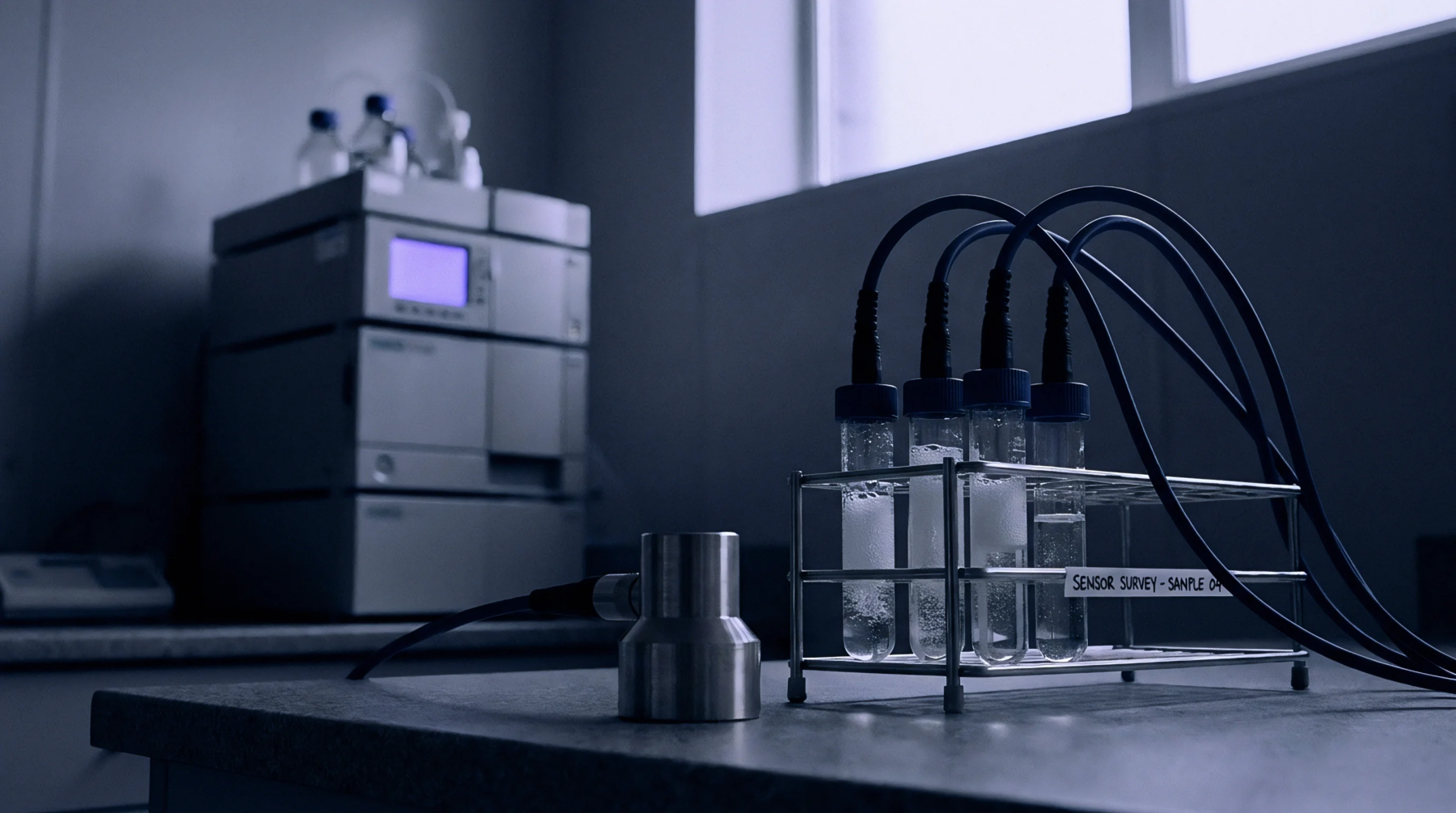
Pairwise En scores isolate facility-specific calibration offsets by dividing bilateral measurement differences by combined expanded uncertainties in quadrature.

Dynamic reference rail settling requires low package inductance, low-ESL ceramic bypass arrays, and high-bandwidth driver buffers to prevent bit-decision errors in high-speed SAR converters.
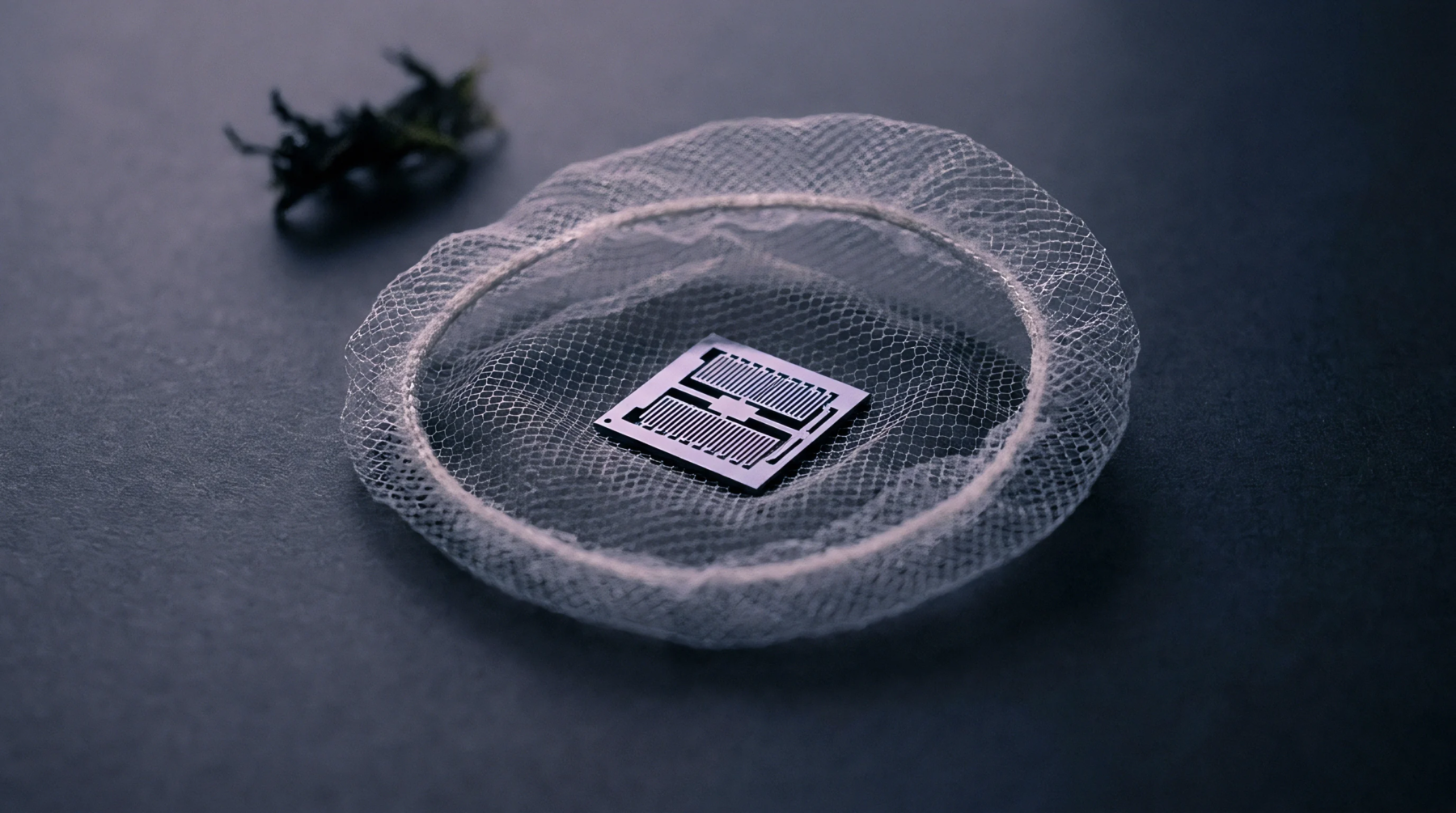
Real-time Prony series filters model structural MEMS relaxation as discrete state poles to strip low-frequency drift before velocity integration.

Static DC loads on internal reference buffers induce ohmic drop and thermal feedback drift that degrade data converter accuracy past resolution limits.

Die-attach stress relaxation transfers decaying mechanical strain into silicon sensing diaphragms, creating irreversible zero-point drift during thermal dwell.
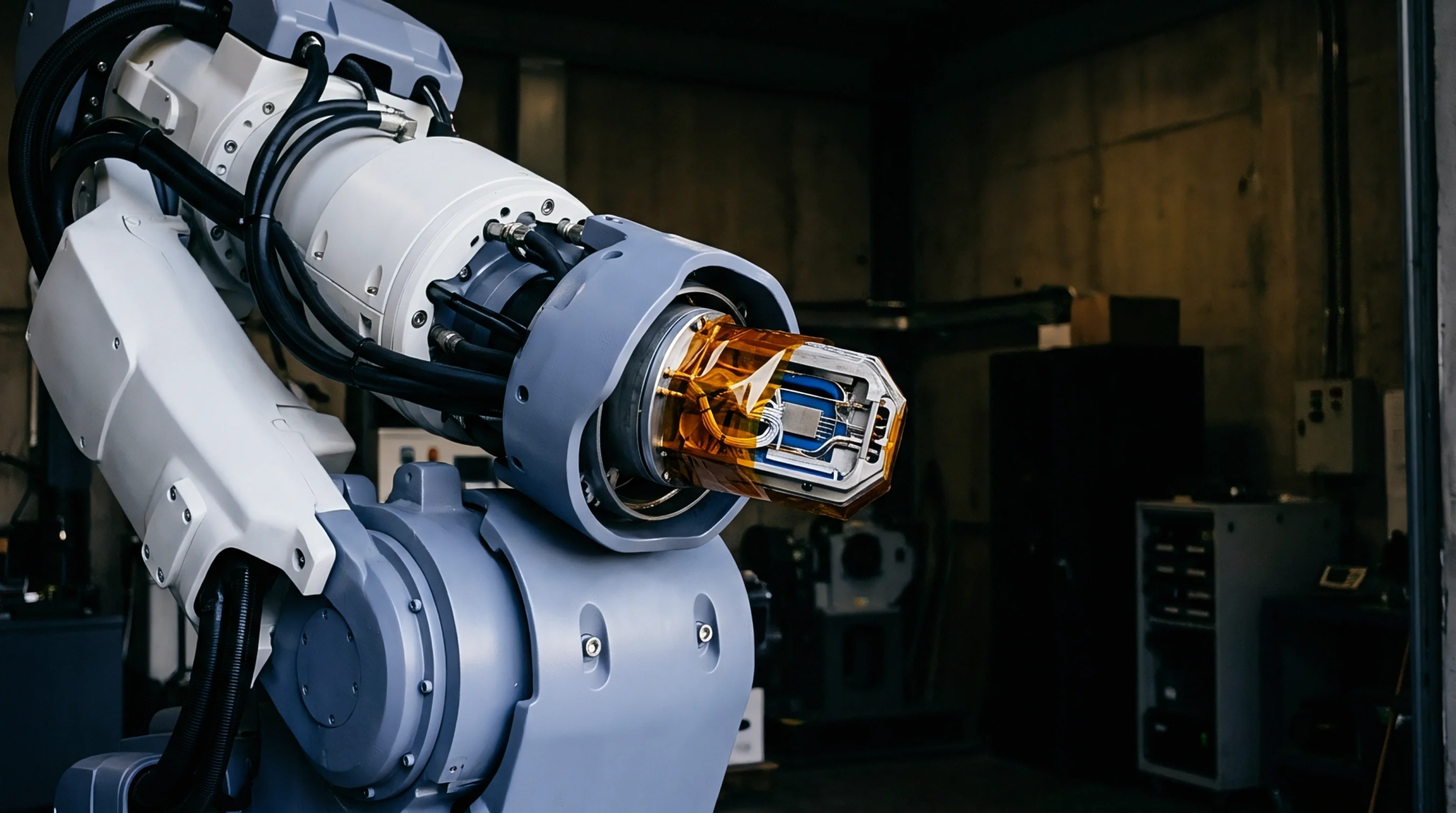
An En score divides participant deviation from a reference value by combined expanded uncertainty, defining acceptable agreement as a quotient under 1.0.
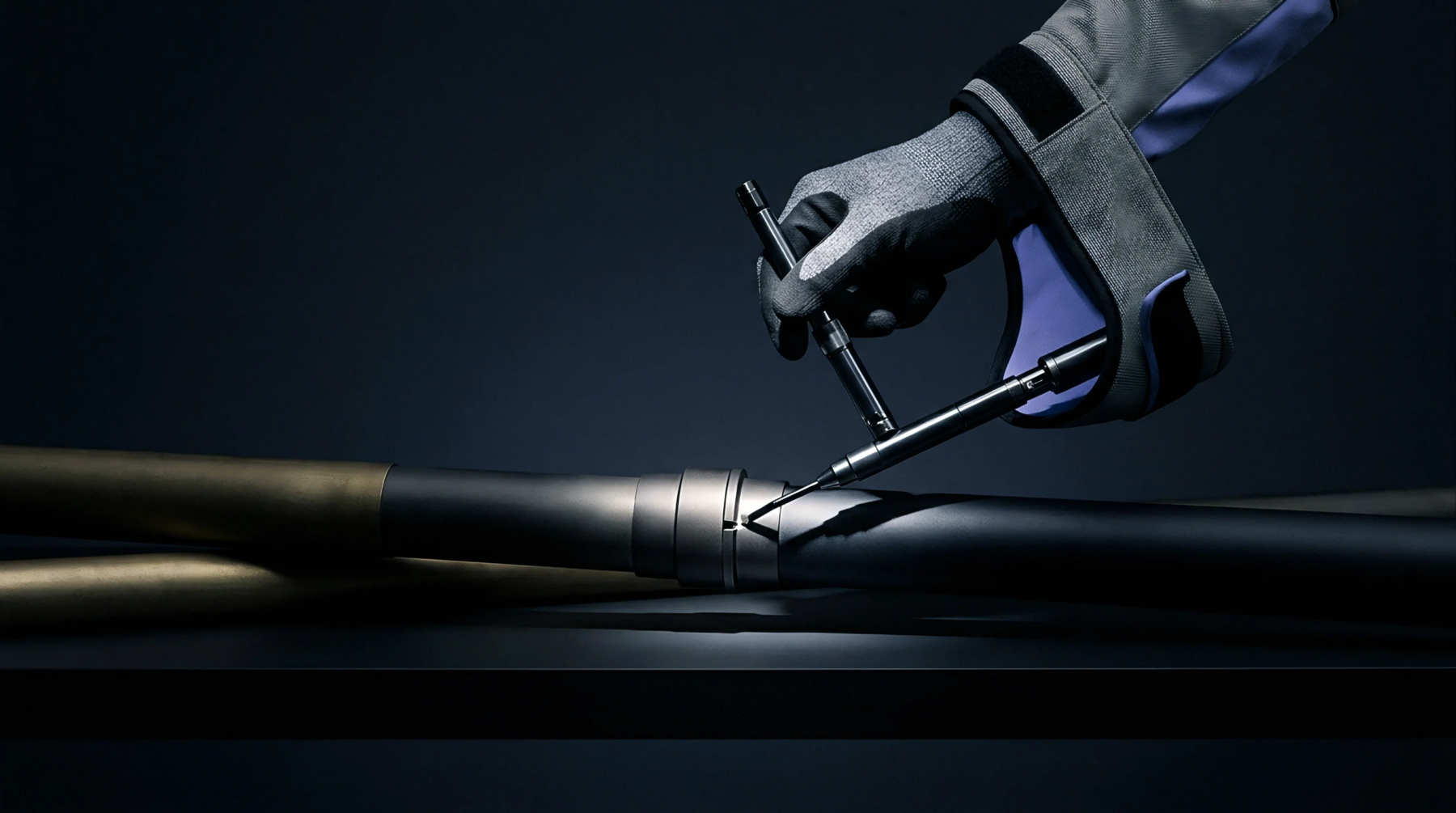
Lattice strain relaxation drives irreversible zero-point drift in piezoresistive transducers, requiring structural decoupling to prevent costly annual calibration.

Separating thermal coefficients from mechanical hysteresis requires isothermal mechanical cycling and mathematical Preisach decoupling to isolate packaging lag.

Ultra-thin wafer-level sensors lose flexural rigidity at sub-100 micrometer thicknesses, transferring solder and PCB viscoelastic creep directly into active sensing elements.

Dynamic thermomechanical algorithms split pressure errors into steady polynomial drift and transient gradient terms, preserving millibar accuracy across fast thermal shocks.

Board strain transfers directly into wafer-level dies, requiring NSMD pads, stress isolation routing, or underfill to prevent fatigue and analog drift.

Active thermal feedback zeros differential thermopile membrane gradient, converting slow, nonlinear open-loop microvolt drift into linear electrical power.

Modelling QFN land pattern parasitics balances via inductance, standoff capacitance, and substrate dielectric choices to maintain high-speed interface signal integrity.

Thermal hysteresis drift is quantified by measuring unrecoverable zero return offset at ambient reference after standardized thermal cycling under IEC 61298-2.

Active thermoelectric equalization cancels multi-axis sensor drift by actively eliminating spatial substrate gradients before packaging stress deforms the sensing die.

Ambient thermal transients create cold junction temperature lag and spatial gradients, requiring dual-element differential designs or dynamic derivative firmware compensation.

Dynamic thermal calibration traces non-isothermal vitrification and modulus evolution to prevent premature stress freeze in conductive die attach joints.

Worst case thermal expansion tolerances require arithmetic summation of material displacement and manufacturing variances to preserve solder fillet geometry.

Fine pitch SMD land pattern design balances mechanical tolerances, stencil release physics, and routing strategies to maximize high-density assembly yield.
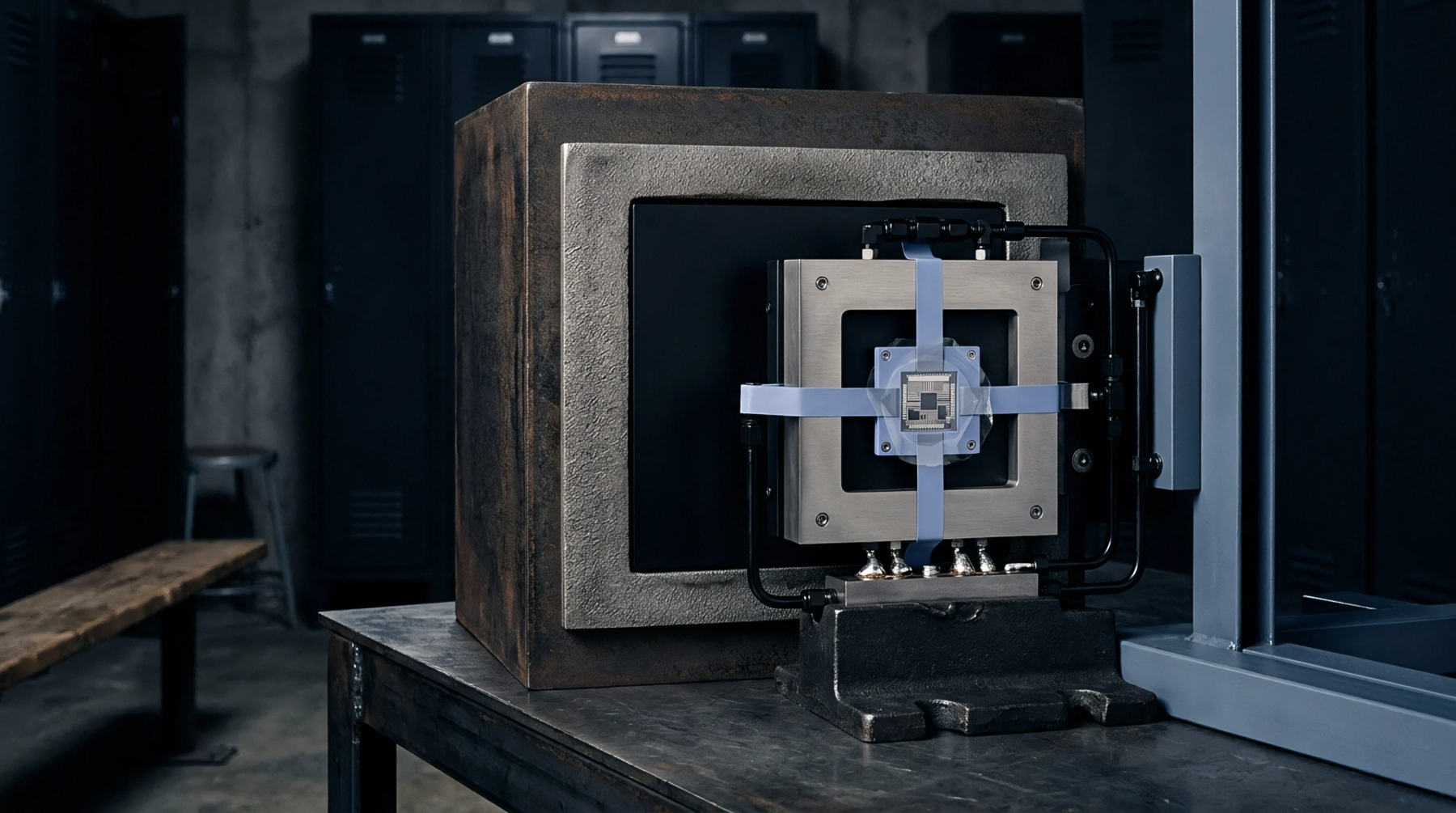
Dynamic trajectory matrix inversion fails when aeroheating expands plant condition numbers beyond stability limits, requiring regularized solver updates.

Dual-frequency eddy current sensing decouples alloy thermal drift from displacement by measuring skin-depth-dependent impedance shifts across two carrier bands.
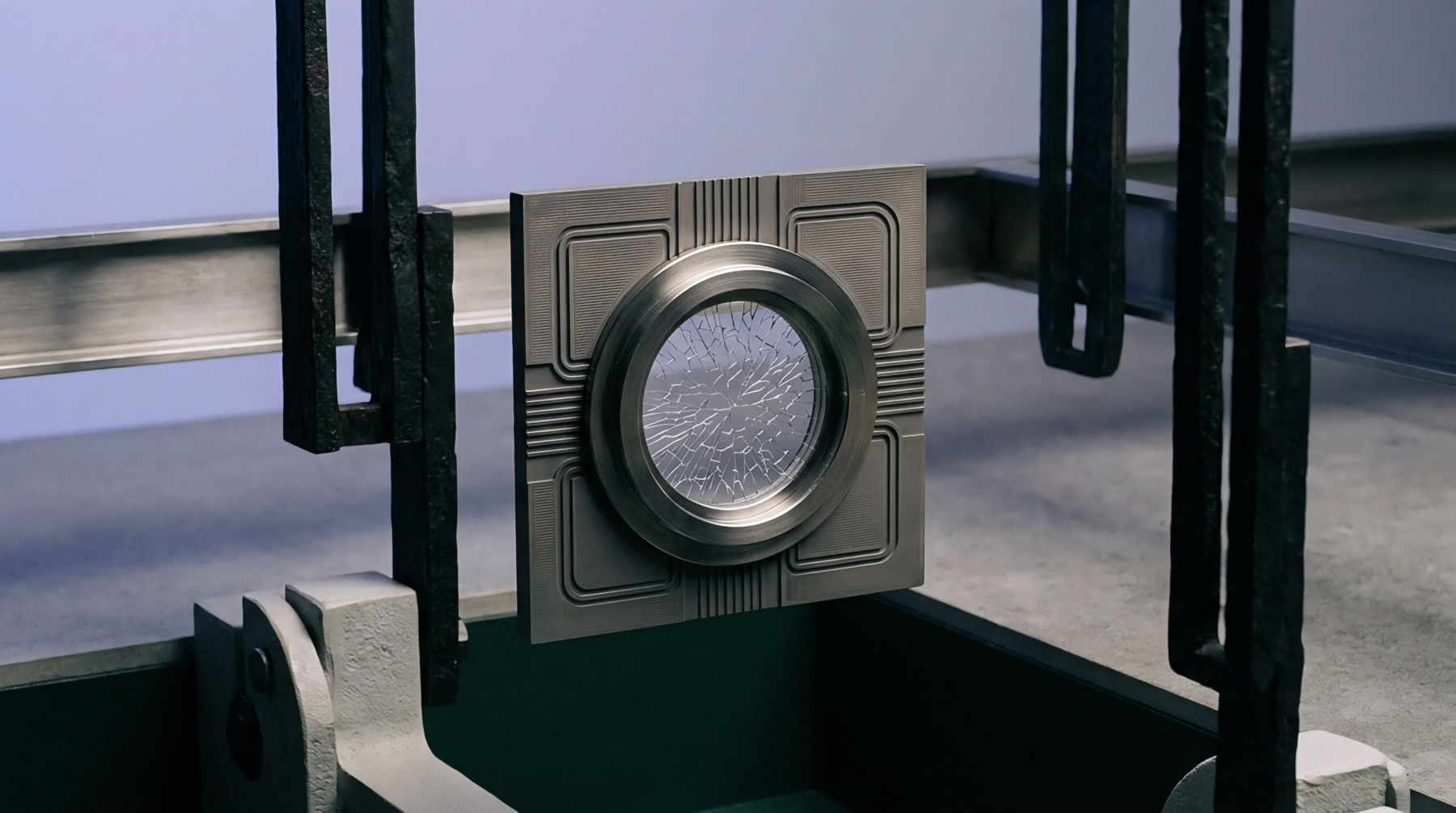
Dynamic loss modulus and tan delta tracking pinpoints isothermal epoxy vitrification where glass transition temperature advances to match the cure temperature.

Spatial trajectory matrix calculations compensate thermal expansion by integrating strain-dependent displacement tensors into dynamic coordinate transformations.
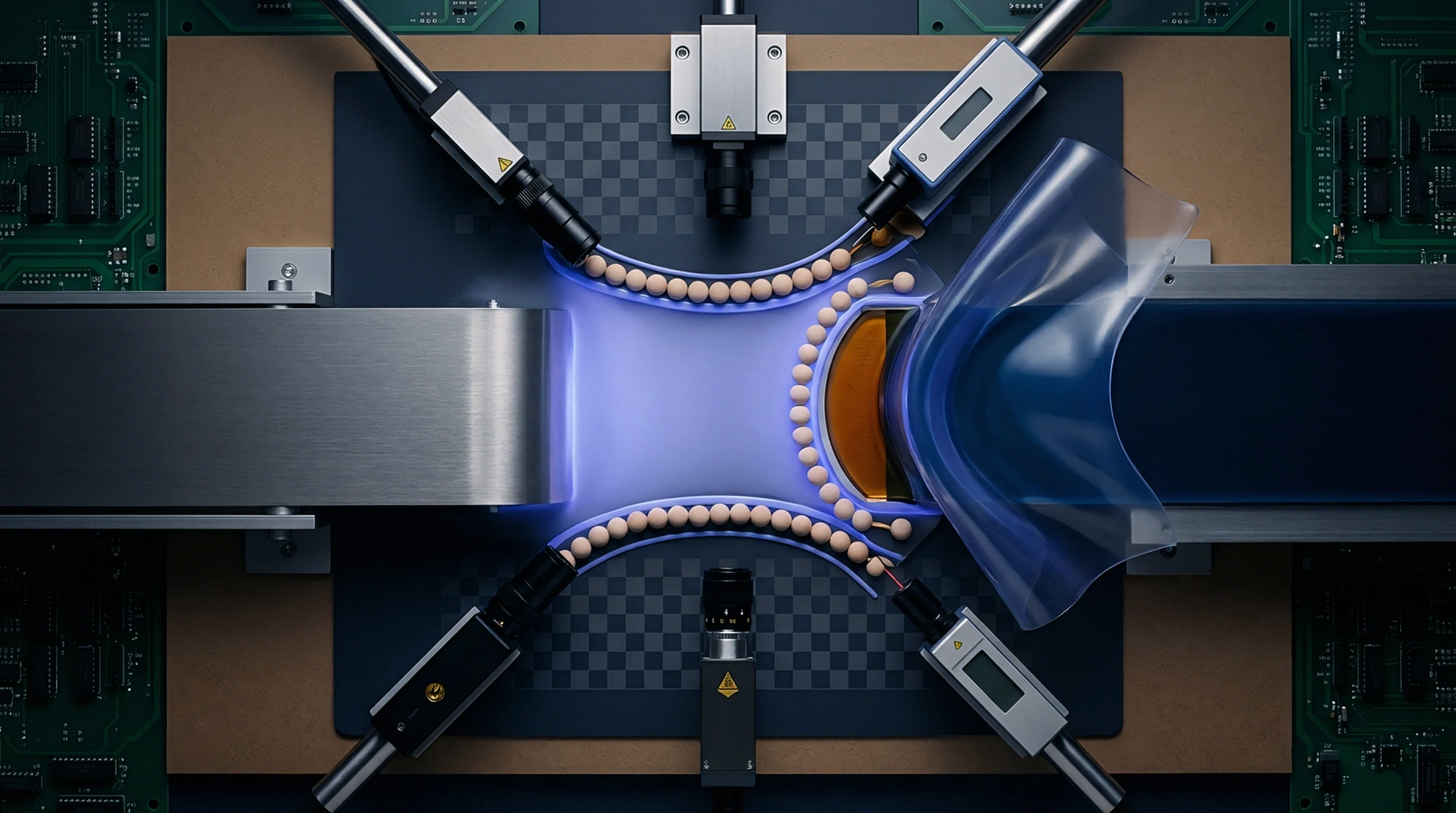
Extracting temperature-dependent interfacial fracture toughness along etched copper prevents reflow delamination and eliminates costly acoustic scan yield loss.

Thermal gradients across dielectric windows alter permittivity and thickness, generating phase tilt errors and near-field ringing that require digital compensation.
Expertise is a utility, not a secret. sentiention™ publishes its working knowledge as open reference: intelligence layer covering the materials it sources, the markets it enters, and the reference that serves both.