
Piezoresistive Diaphragm Calibration Traceability and Proof Pressure Bounds
Calibration traceability requires unbroken deadweight references, while exceeding proof pressure bounds causes unrecoverable zero drift from metallic yielding.
Calibration traceability requires unbroken deadweight references, while exceeding proof pressure bounds causes unrecoverable zero drift from metallic yielding.

Analytical die stress modeling isolates mechanical package strain from sensor signals while hysteresis compensation algorithms eliminate viscoelastic offset drift.

Dynamic thermal cycling induces non-linear piezoresistive hysteresis that demands dynamic gradient tracking and second-order surface compensation models.
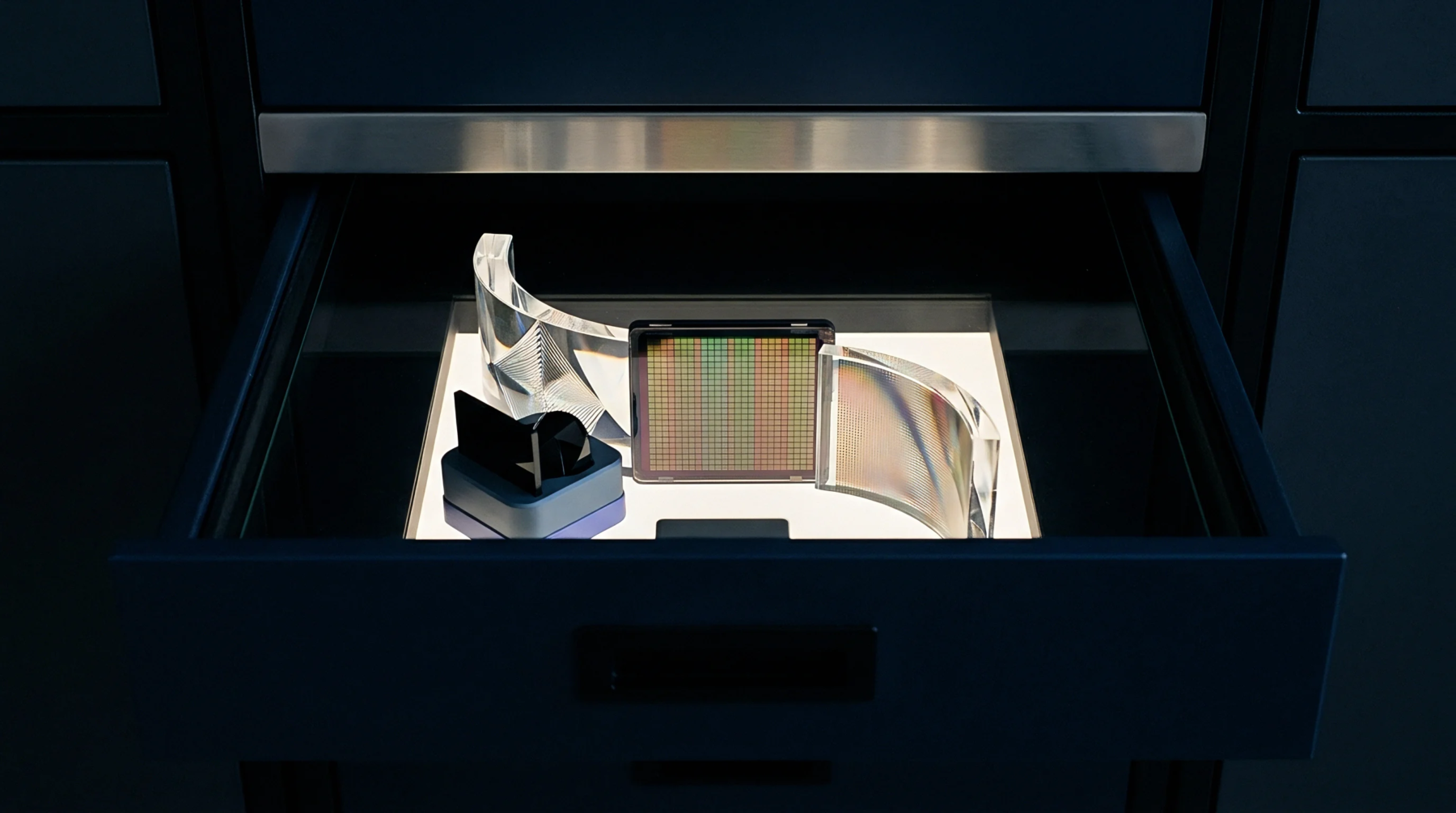
Silicon piezoresistive thermal offset stems from resistor TCR imbalances and package thermal stress, requiring targeted drive excitation and polynomial compensation.

Matrix compensation algorithms correct non-linear thermal piezoresistive drift by mapping raw bridge and temperature counts through fixed-point polynomial surfaces.
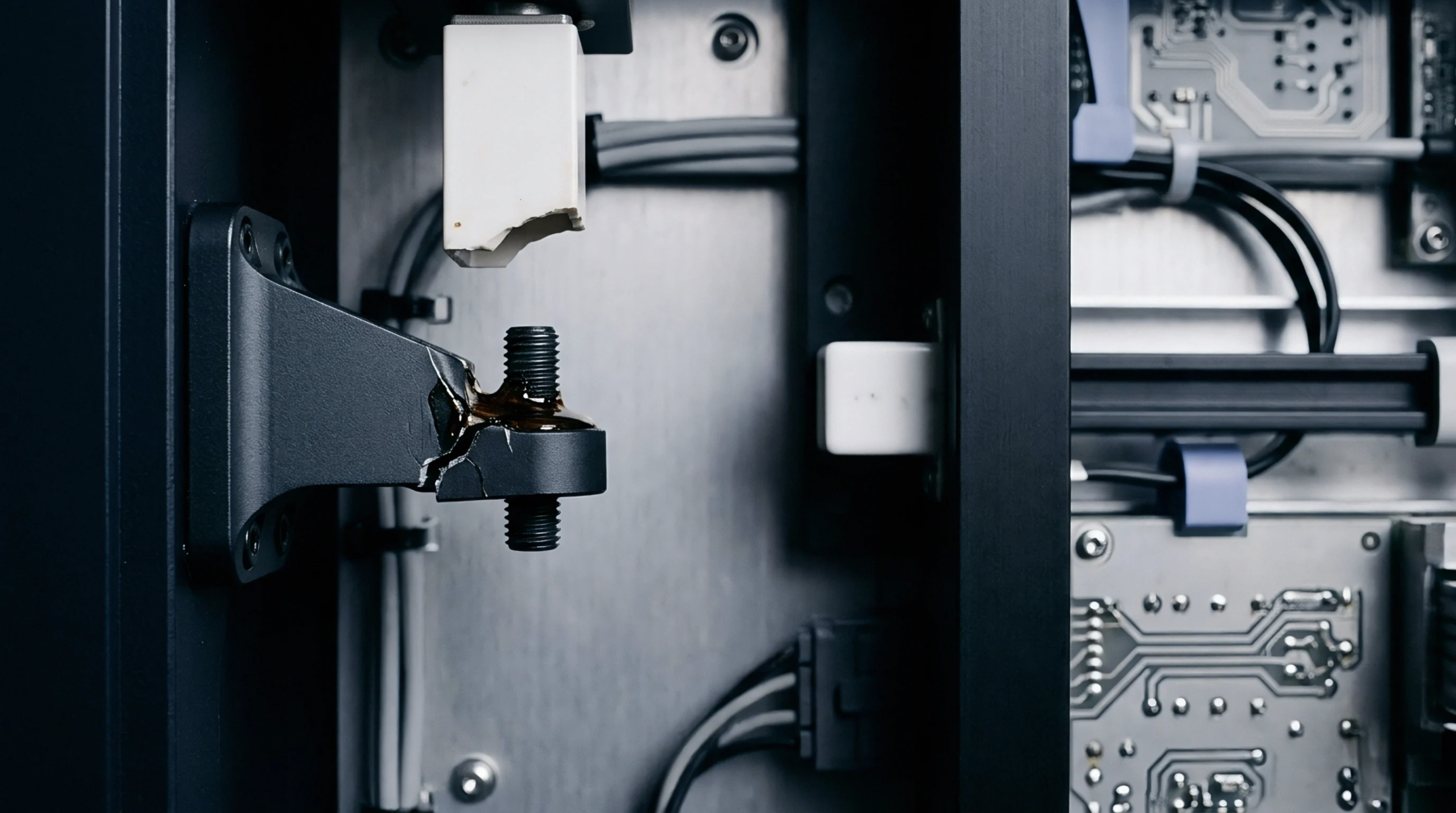
Precise Wheatstone bridge zero-point stability requires matching piezoresistive crystal orientation with thermo-mechanical strain isolation in the packaging stack.
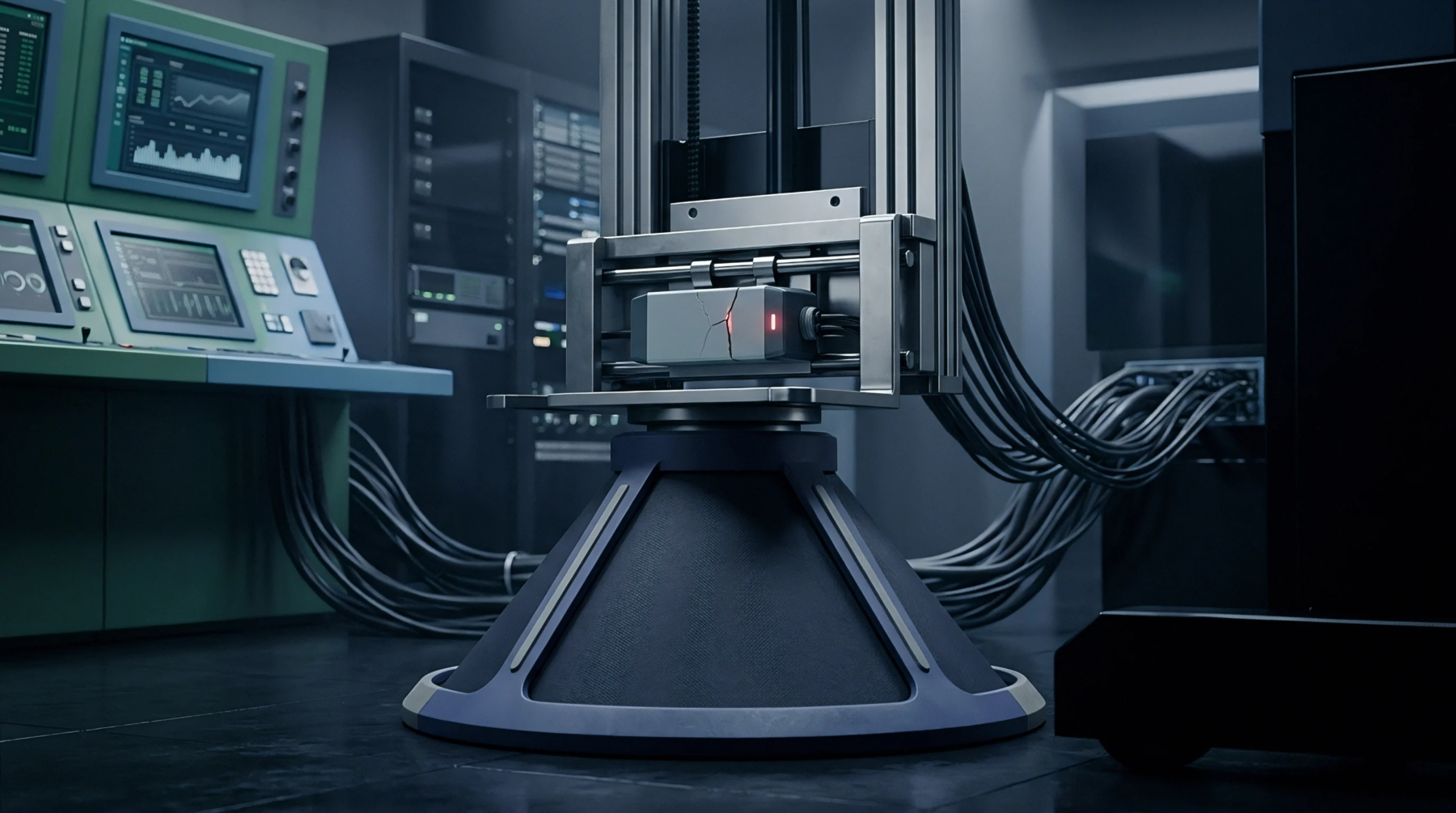
Dynamic asymmetric board strain couples into silicon piezoresistors via solder joints, causing uncompensated baseline drift mitigated by PCB isolation slots.

Heavy boron doping above 1e19 cm-3 stabilizes piezoresistive gauge factor thermal decay, allowing passive current-bias drift compensation.

Automated thermal burn-in exhausts initial die-attach stresses while acoustic microscopy weeds out sub-surface voids to halt piezoresistive field drift.

Anodically bonded Borofloat glass pedestals isolate silicon piezoresistive diaphragms from packaging strain, reducing zero thermal shift below 0.02 percent span.

Silicon pressure transducer calibration under humidity excursions requires multi-plateau RH dwells to decouple water absorption strain from pressure signals.

Sensing power budgets depend on physical excitation energy, analog settling delays, and converter sampling overhead across operating duty cycles.
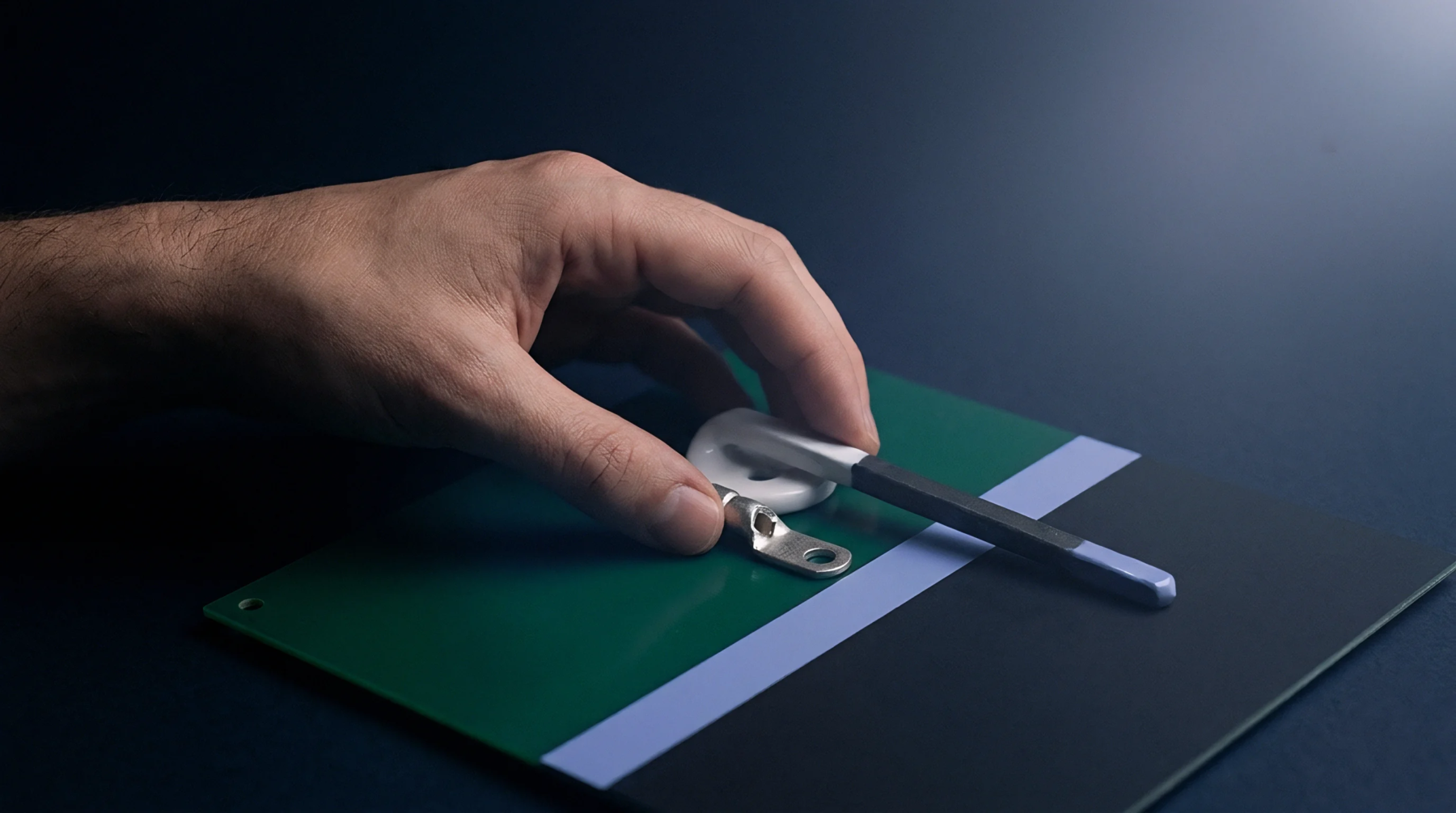
IPC-JEDEC-9704 line audits deploy triaxial strain rosettes at high-stress component corners to calculate principal strain vectors and enforce process microstrain limits.
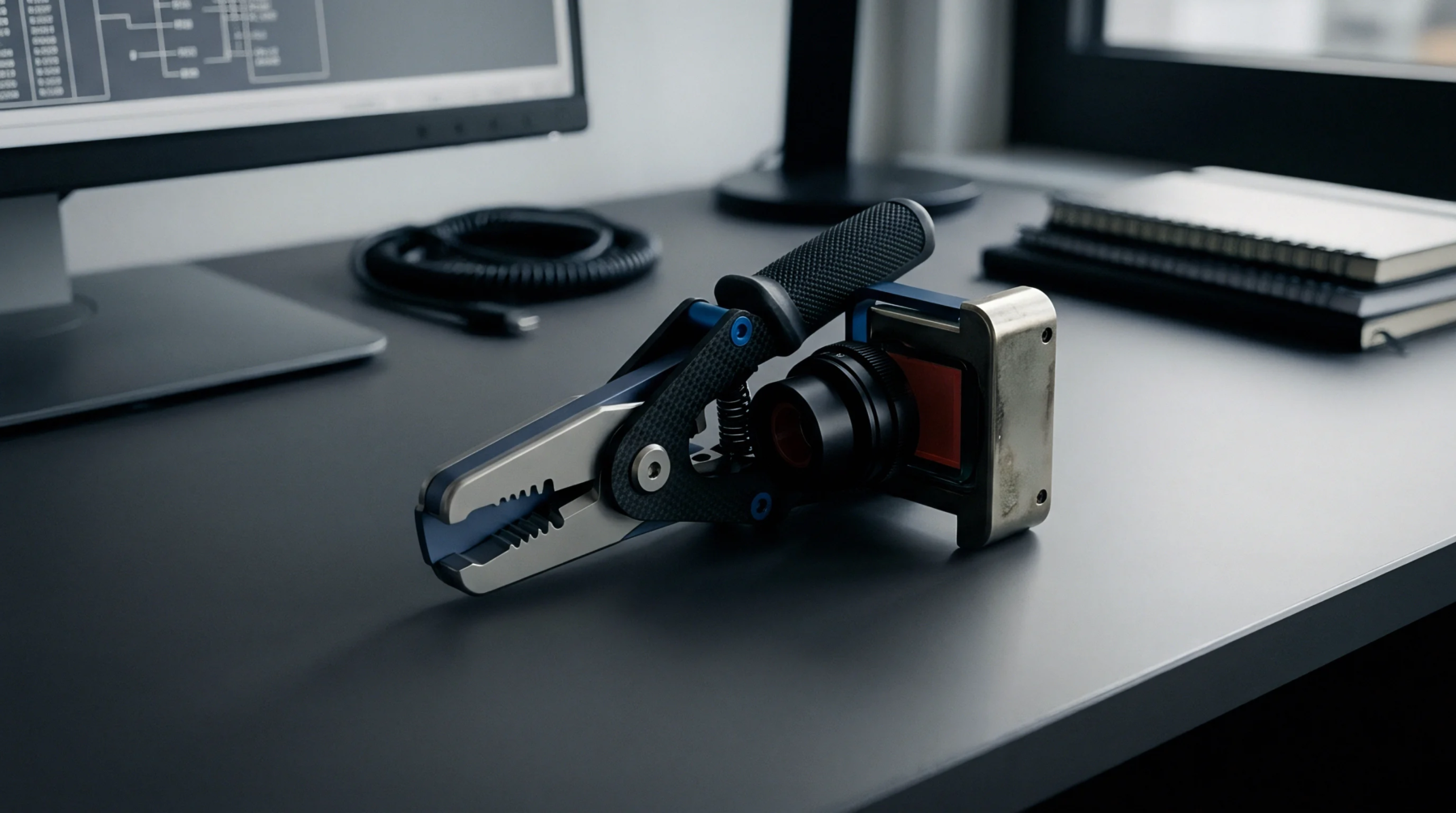
Dynamic atmospheric humidity alters gel swelling stress and dielectric passivation properties in piezoresistive sensors, driving measurable zero baseline drift.
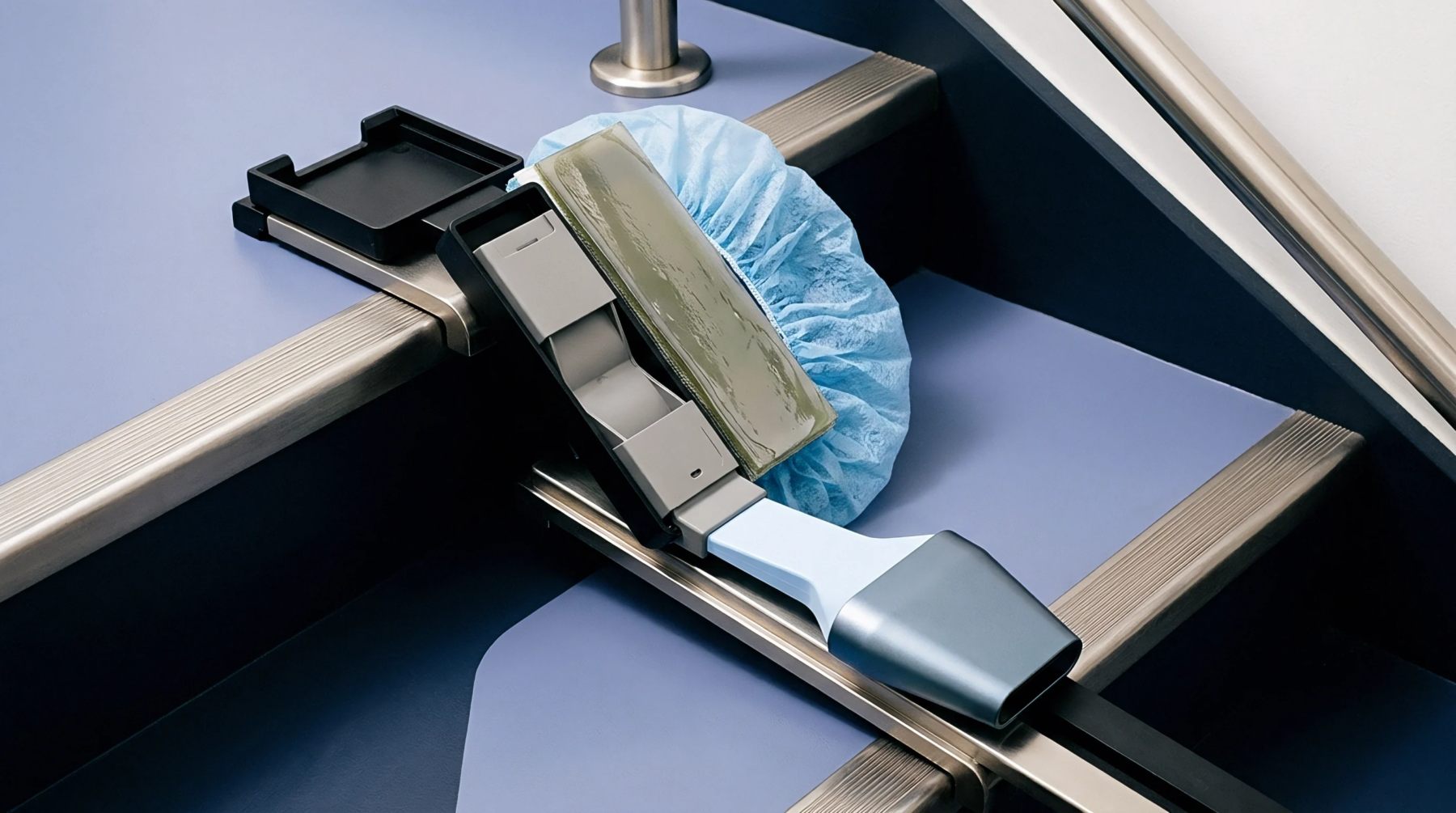
P-type silicon piezoresistors doped with boron to 1e18 cm-3 achieve an optimal balance between gauge factor magnitude and thermal coefficient stability.

MEMS silicon pressure sensor zero offset shift originates from package thermomechanical stress, dielectric charge trapping, and gel swelling, requiring thermal burn-in and polynomial ASIC compensation.
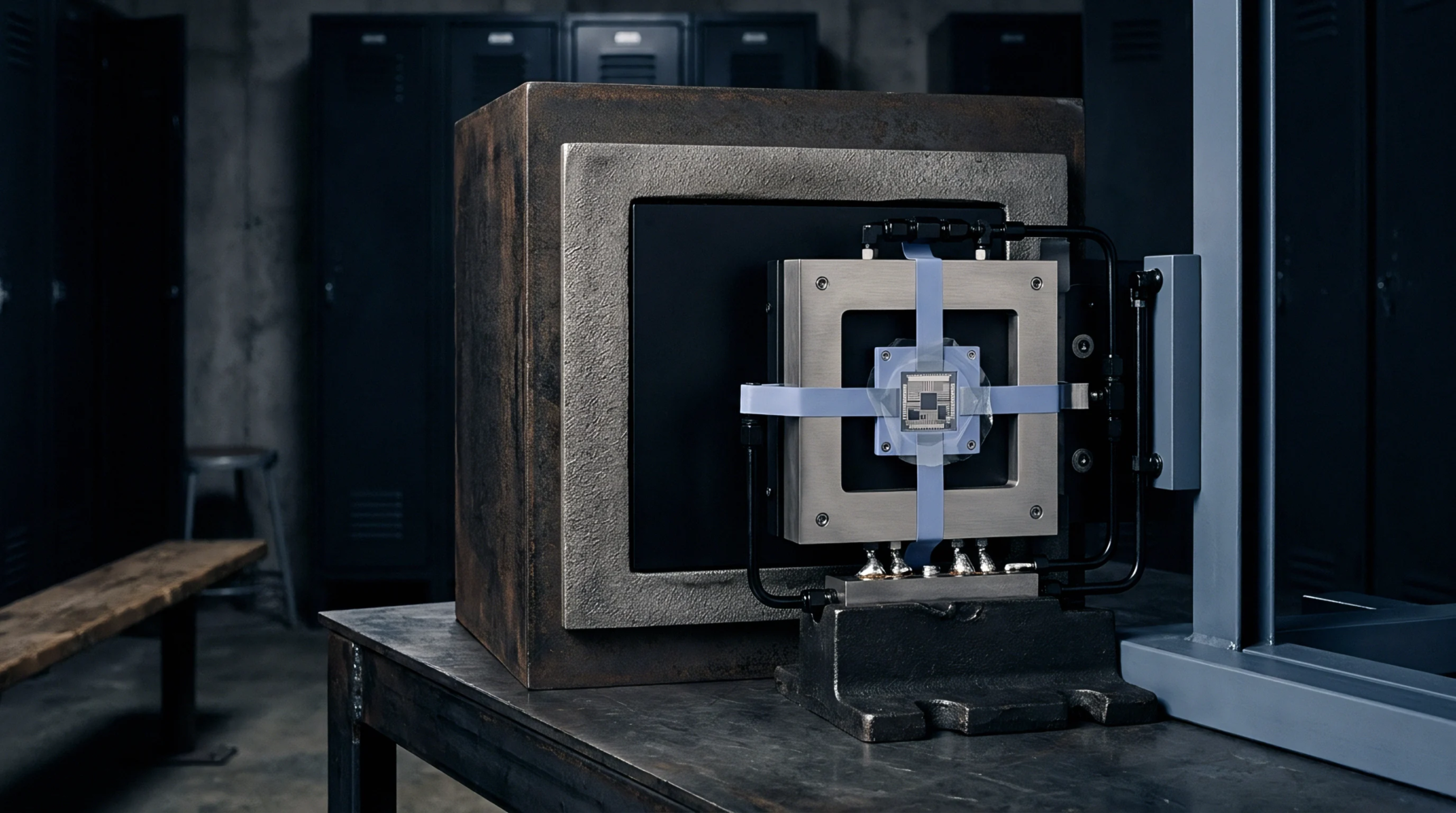
Polymer encapsulant swelling induces parasitic diaphragm stresses that drive zero-offset drift requiring hydrophobic materials or multi-variable digital compensation.

Normalizing digitized bridge and temperature counts before solving polynomial matrix equations eliminates floating point overflow and preserves calibration accuracy.
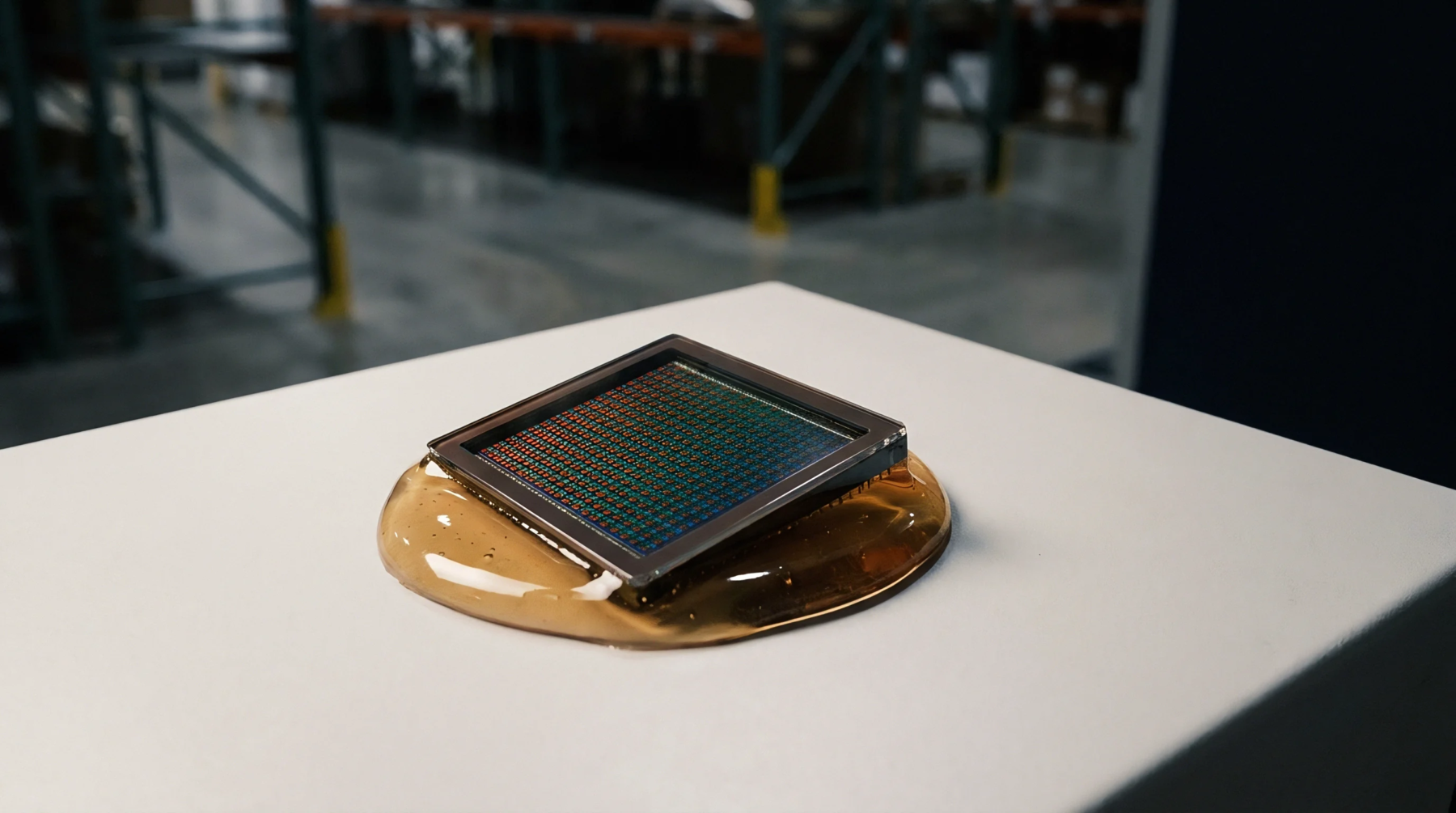
Dynamic moisture ingress into piezoresistive sensor encapsulants expands thermal hysteresis by up to 0.25% FSS, requiring humidity-conditioned calibration.
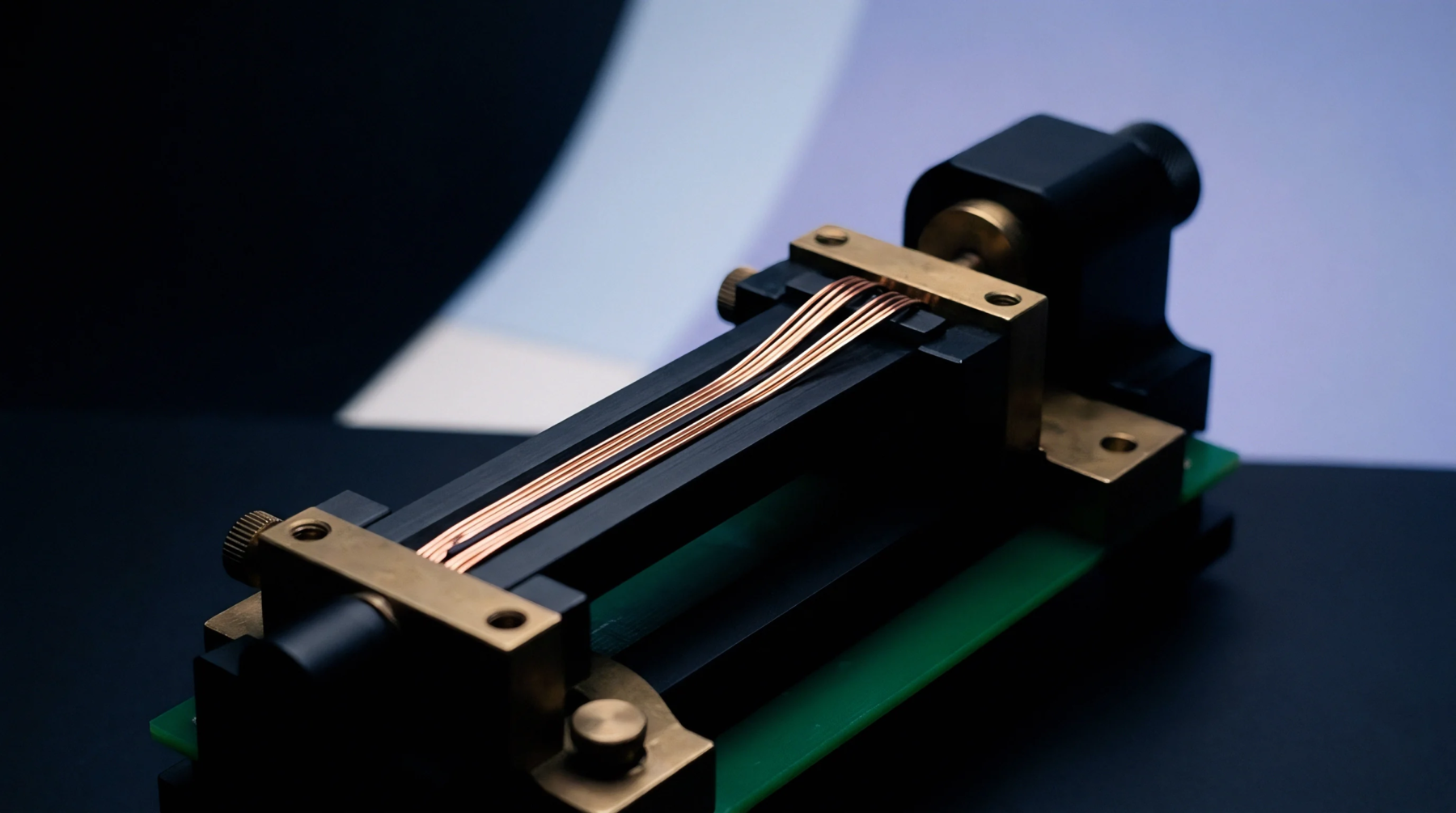
Silicon piezoresistive strain sensitivity depends on boron doping density, requiring constant current excitation or bivariate digital polynomials to suppress thermal span drop.
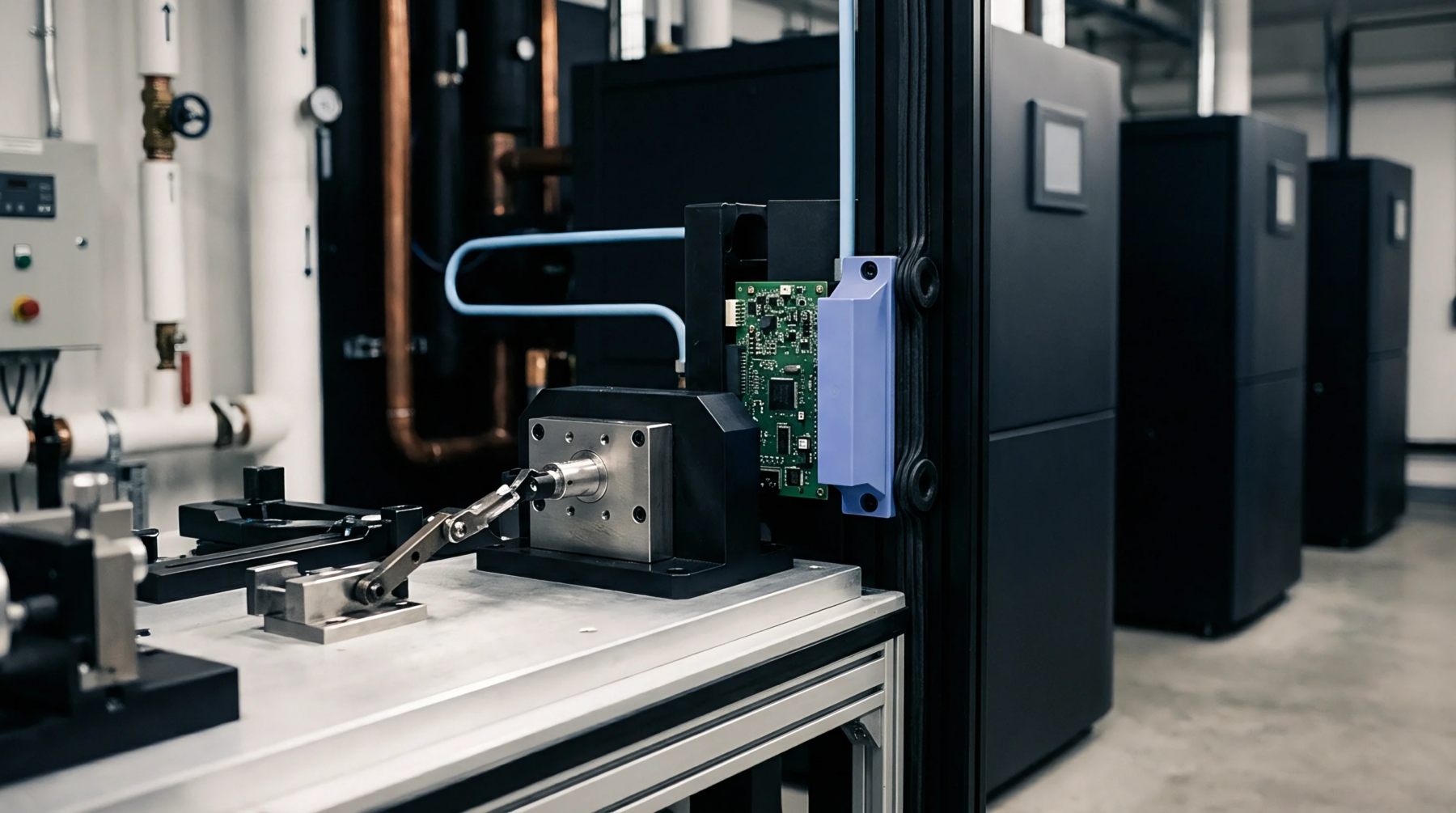
Board flexure transfers shear strain through solder joints into silicon dies, shifting zero-point offsets; isolate footprints using slots or diagonal placement.
Expertise is a utility, not a secret. sentiention™ publishes its working knowledge as open reference: intelligence layer covering the materials it sources, the markets it enters, and the reference that serves both.