
Spatial Thermal Gradient Mapping Micro-Machined Accelerometer Arrays
Spatial thermal gradient mapping in micro-machined accelerometer arrays decouples linear motion from external board heat using differential thermopile matrices.

Spatial thermal gradient mapping in micro-machined accelerometer arrays decouples linear motion from external board heat using differential thermopile matrices.

Generalized Prandtl-Ishlinskii play operators linearize directional thermal hysteresis loops, cutting transducer calibration uncertainty from 90 mK down to 13 mK.
Silicon revisions alter open-drain driver impedance and state timing, turning compliant clock stretching into bus-halting race conditions across fast edges.
Substrate stress relaxation drives long-term zero drift in encapsulated MEMS pressure sensors through viscoelastic shear in packaging adhesives over time.
Evaluating temperature coefficient wander in thin film platinum RTDs requires tracking substrate strain, glass passivation diffusion, and multi-point calibration.
Elastomer creep alters baseline compressive stress on MEMS packages, causing long term zero drift that requires digital firmware offset compensation.
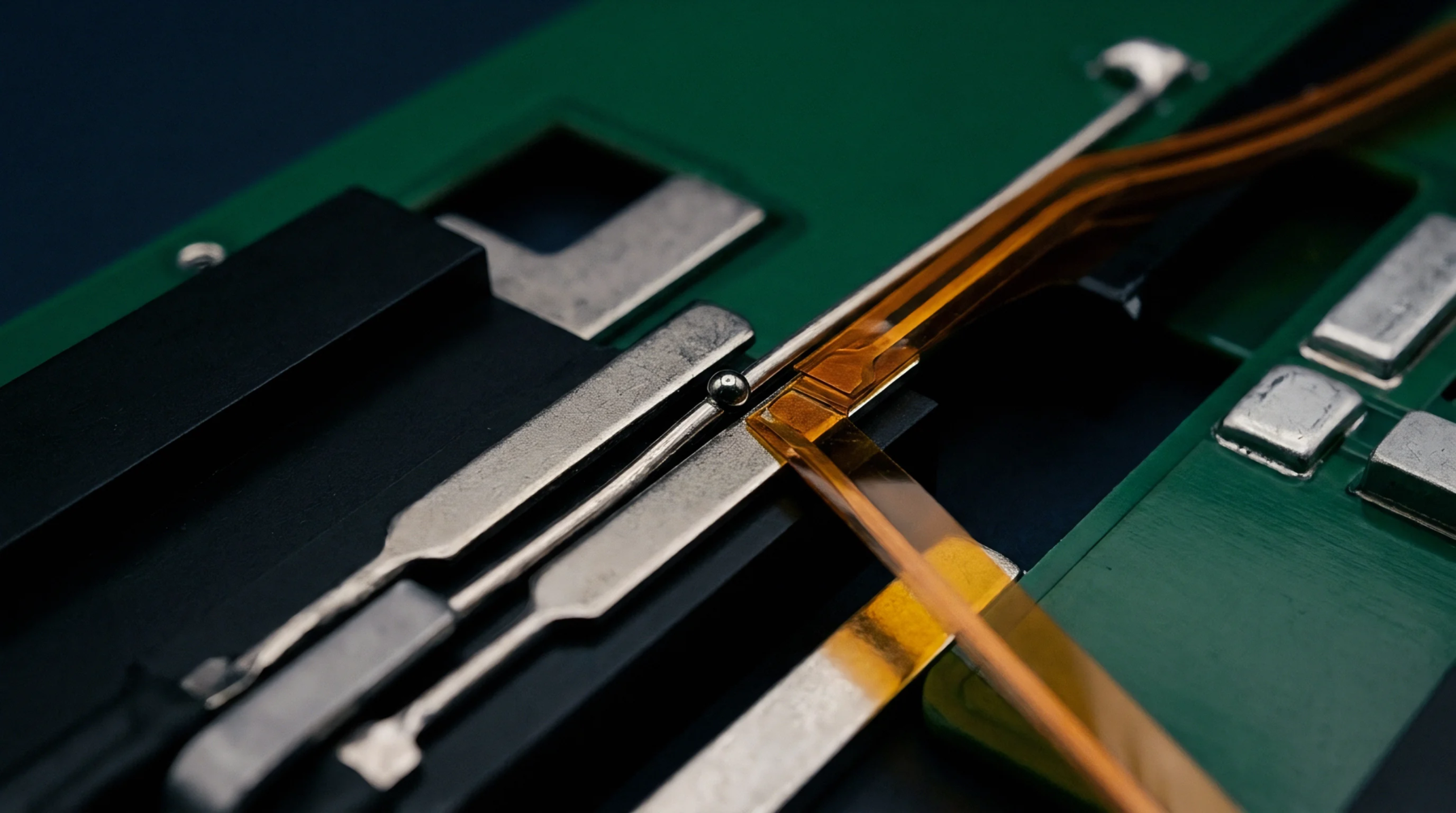
Milled PCB isolation slots and controlled solder standoff heights decouple surface mount pressure sensors from assembly flexure and thermal board strain.
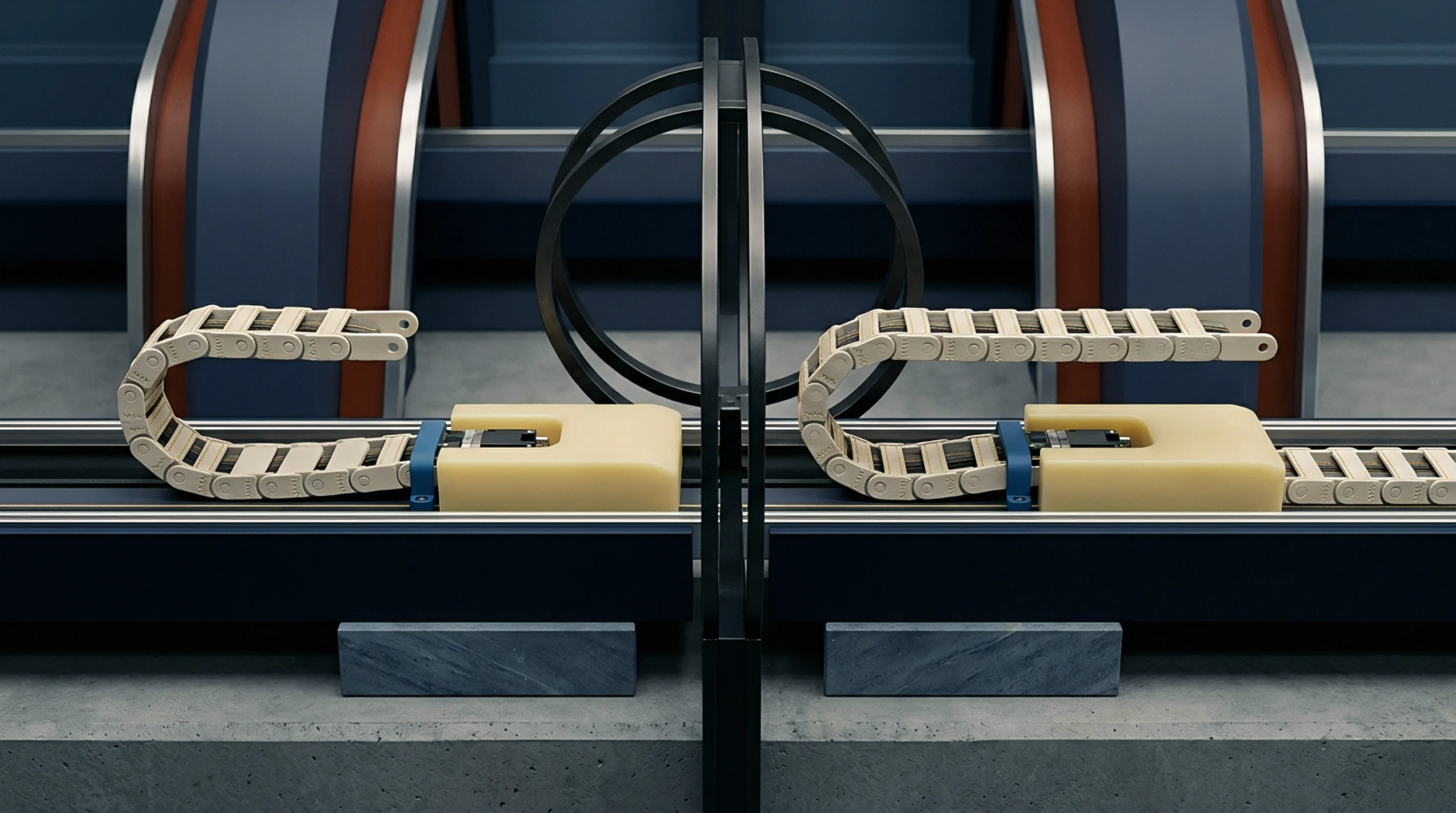
Establishing pressure traceability requires calculating complete uncertainty budgets and enforcing accredited test ratios to prove sensor claims.
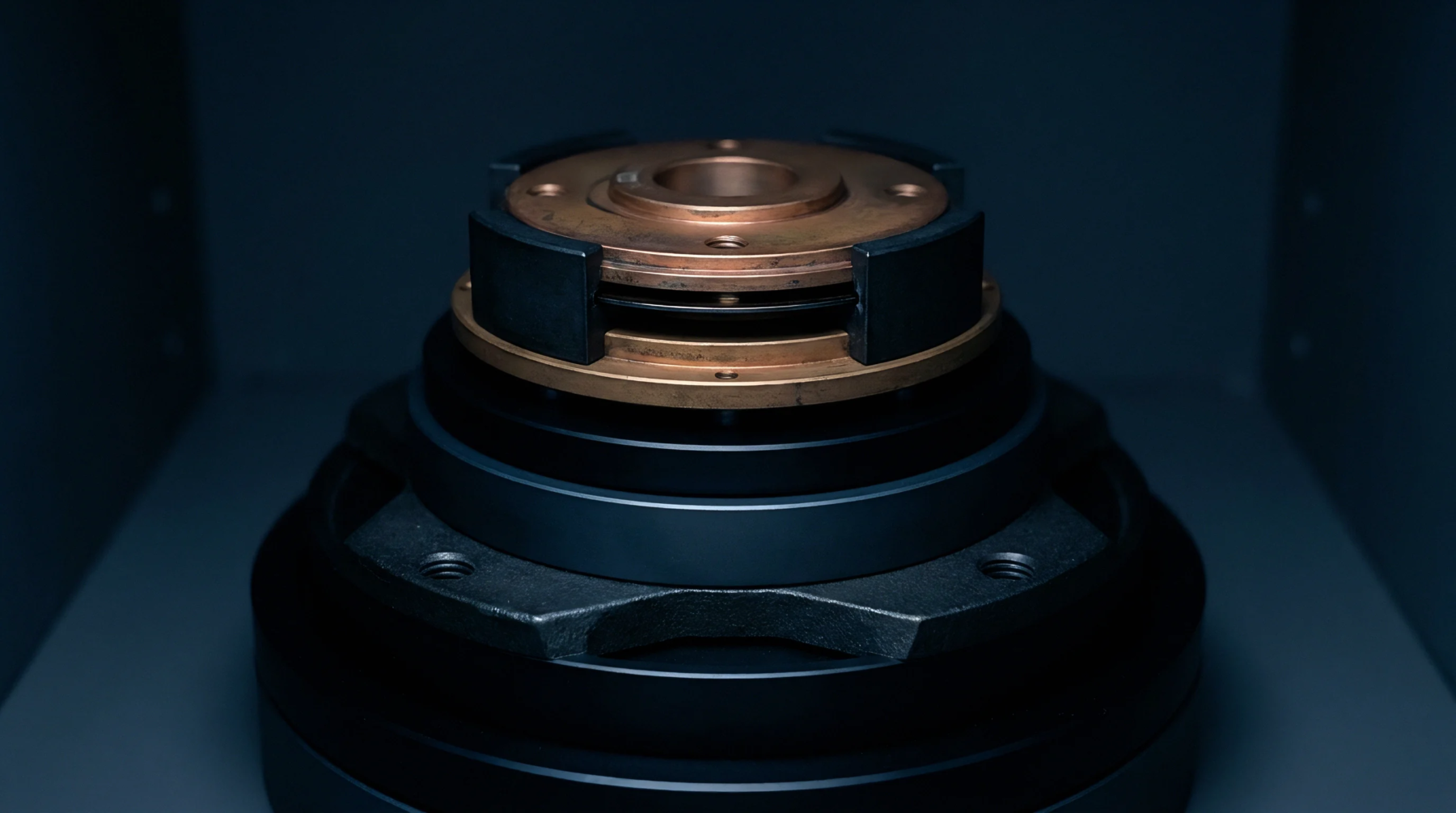
Optimizing transducer port sealing demands balancing 15 to 25 percent gasket squeeze against volumetric fill below 85 percent to prevent mechanical die offset.

Polymeric underfill modulus collapse near glass transition increases board strain attenuation while driving out-of-plane bump fatigue and sensor drift.
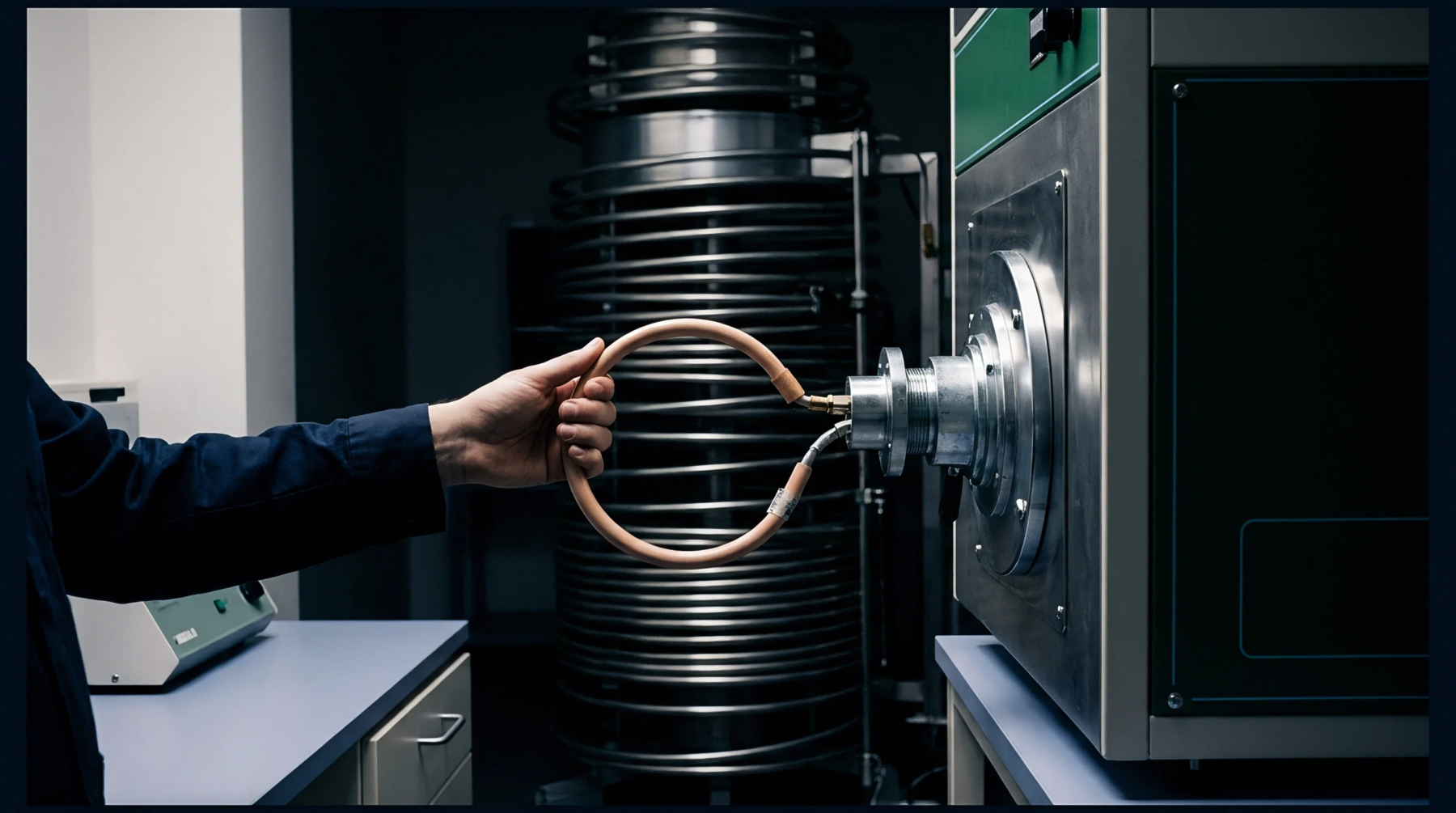
Viscoelastic relaxation in ultrafine cladding coatings couples dynamic shear strains directly into the core, generating uncorrected optical phase drift.
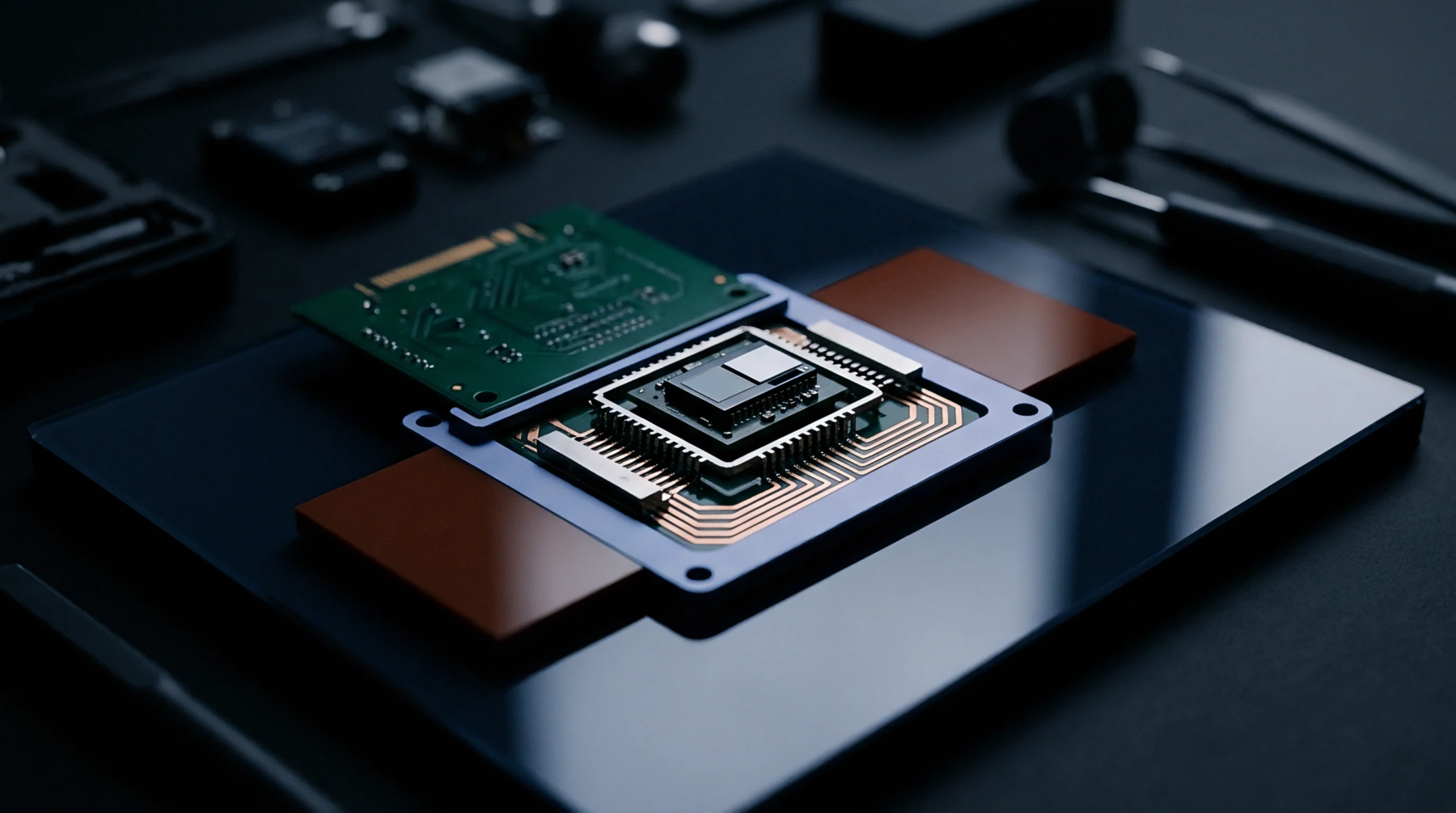
Non-Gaussian drift allocation disputes are resolved by decomposing parametric shifts using empirical quantile bounds and baseline differential tier testing.
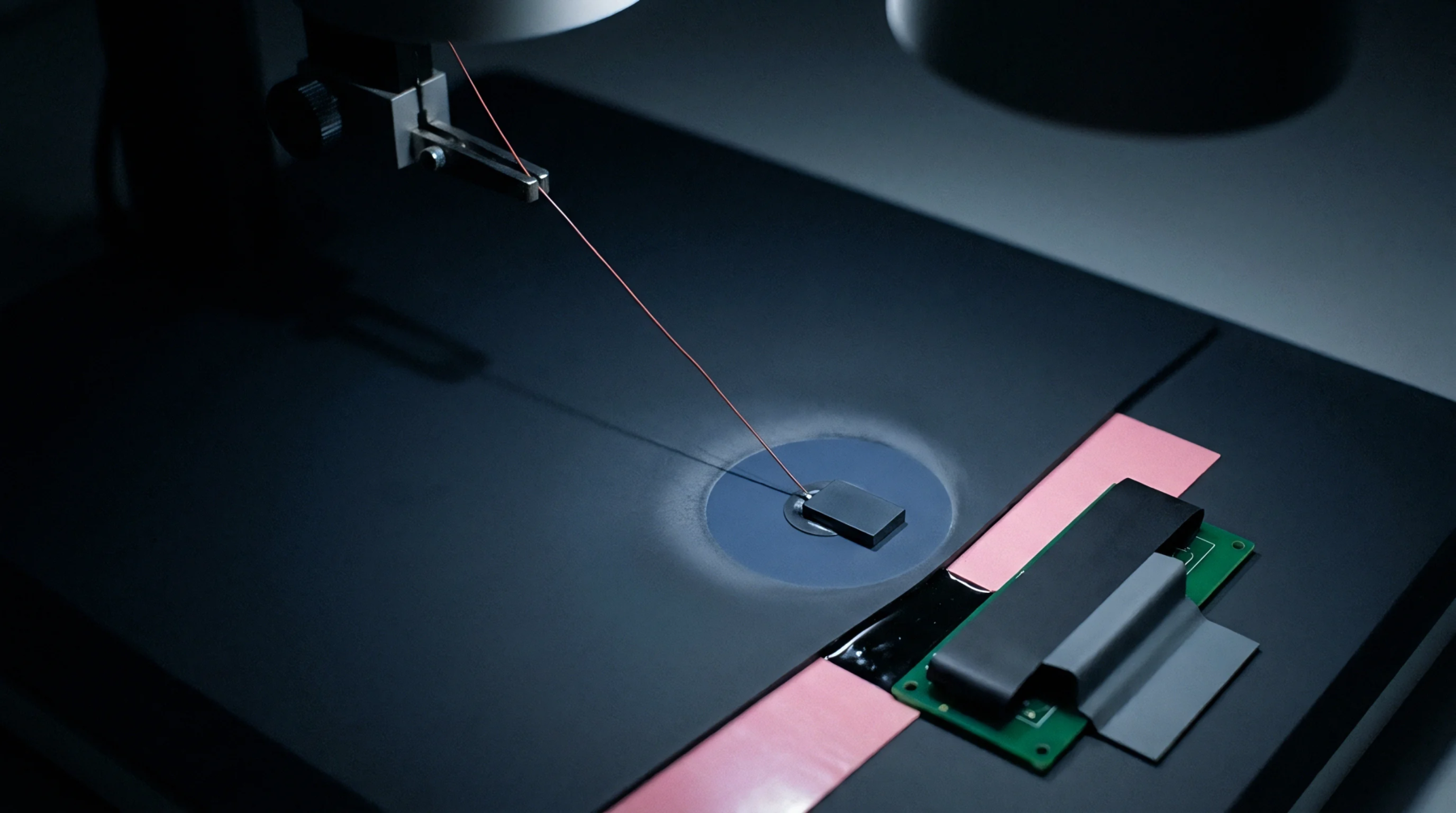
Quantifying test uncertainty and parametric drift through guardbanding and thermal acceleration equations prevents field returns and secures accurate component tolerances.

Analytical shear lag models quantify strain transfer from boards to bottom-terminated packages, showing compliant die attach drops offset drift by 98 percent.
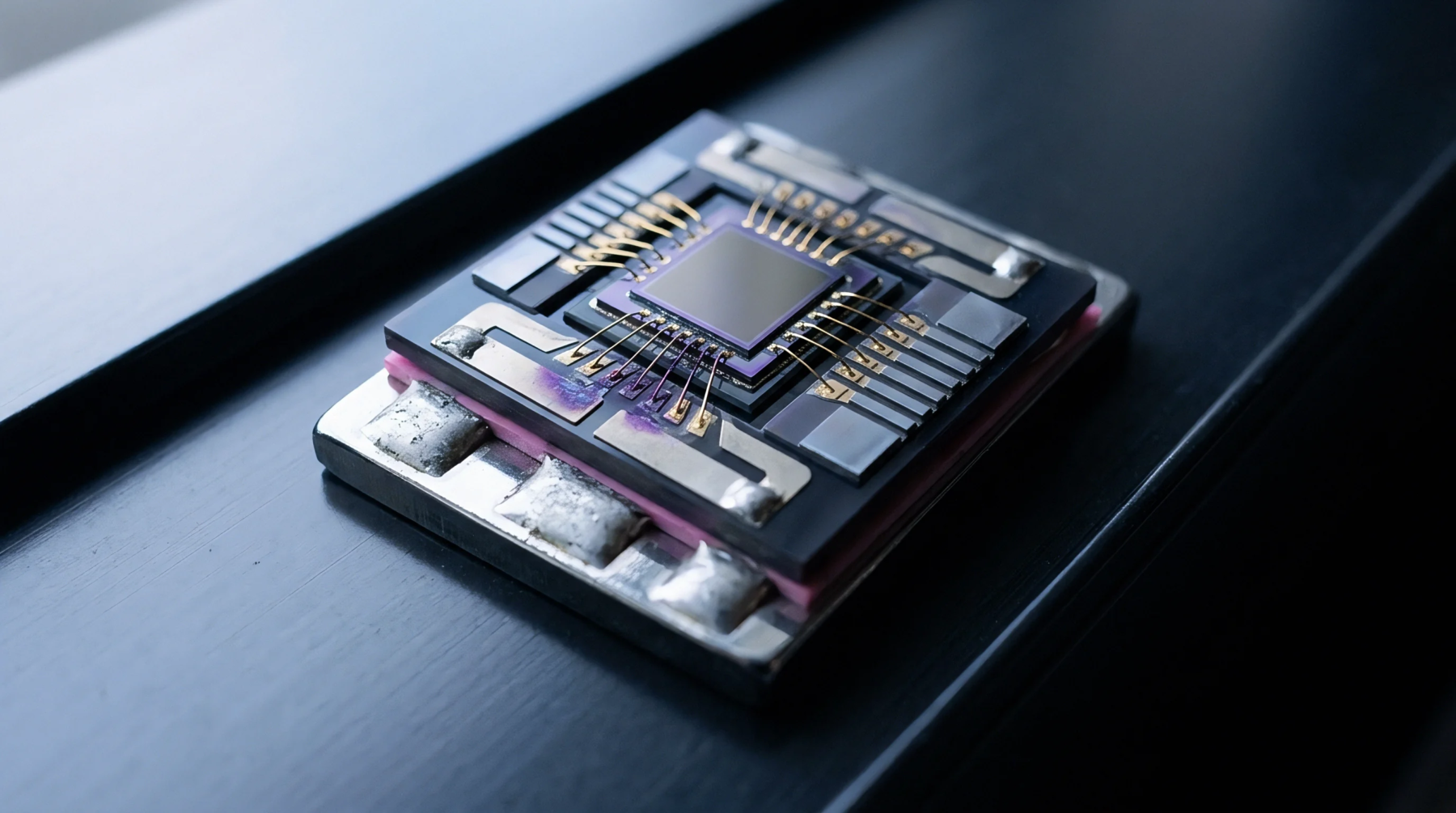
Master supply agreements enforce microelectronic acceptance by establishing guard-banded drift boundaries that partition thermal, packaging, and aging errors.

Quadrupolar winding cancels symmetric thermal gradients, leaving elasto-optic drift manageable via compliant potting and multi-point sensor compensation.
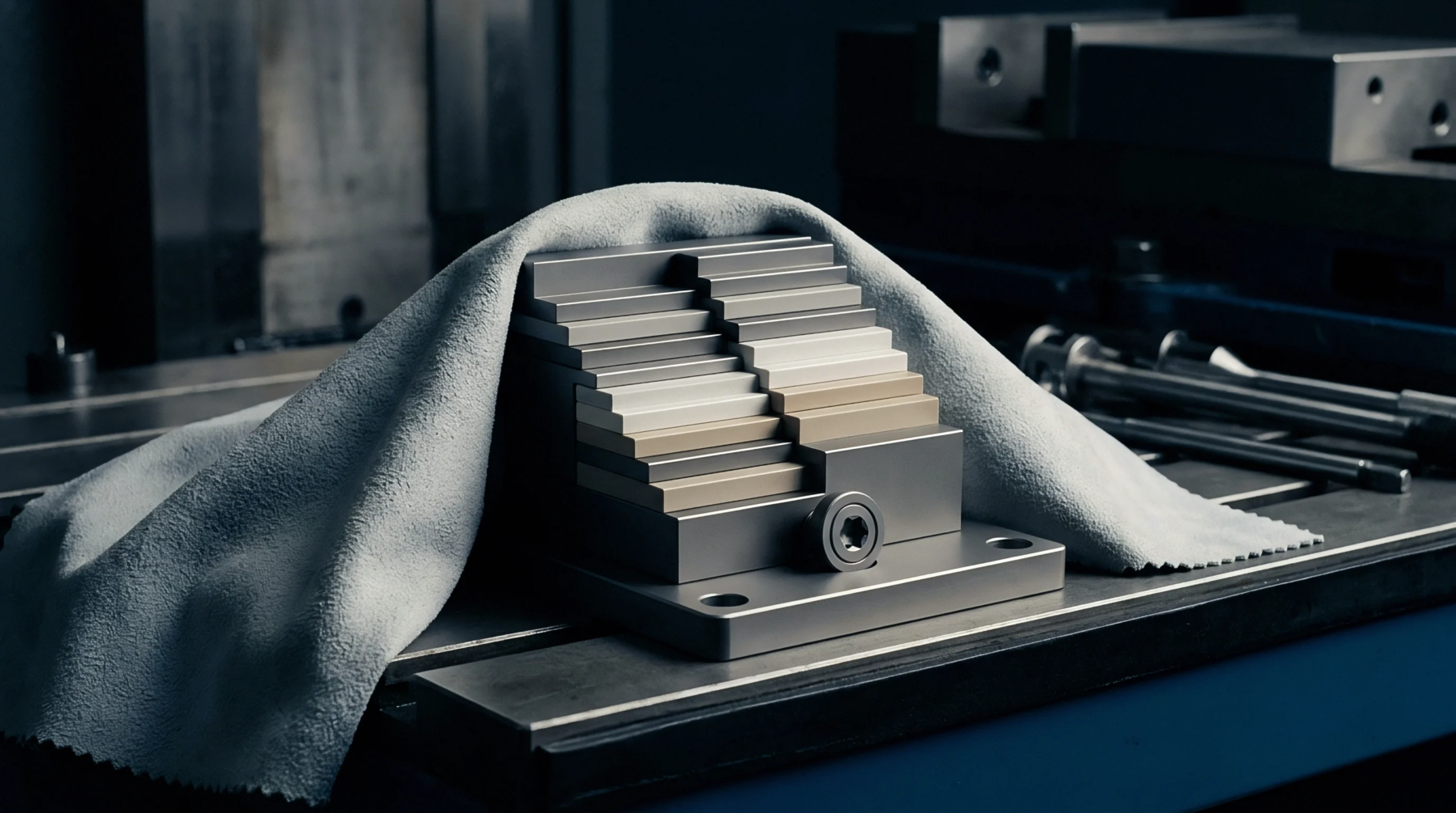
Primary deadweight piston gauge uncertainty budgeting demands rigorous mathematical coupling of effective area, pressure distortion, mass buoyancy, and clearance flow.

Calibration traceability requires unbroken deadweight references, while exceeding proof pressure bounds causes unrecoverable zero drift from metallic yielding.

Quantifying constitutive parameter uncertainty in viscoelastic die attach models prevents false thermal cycling pass predictions in high-reliability packaging.
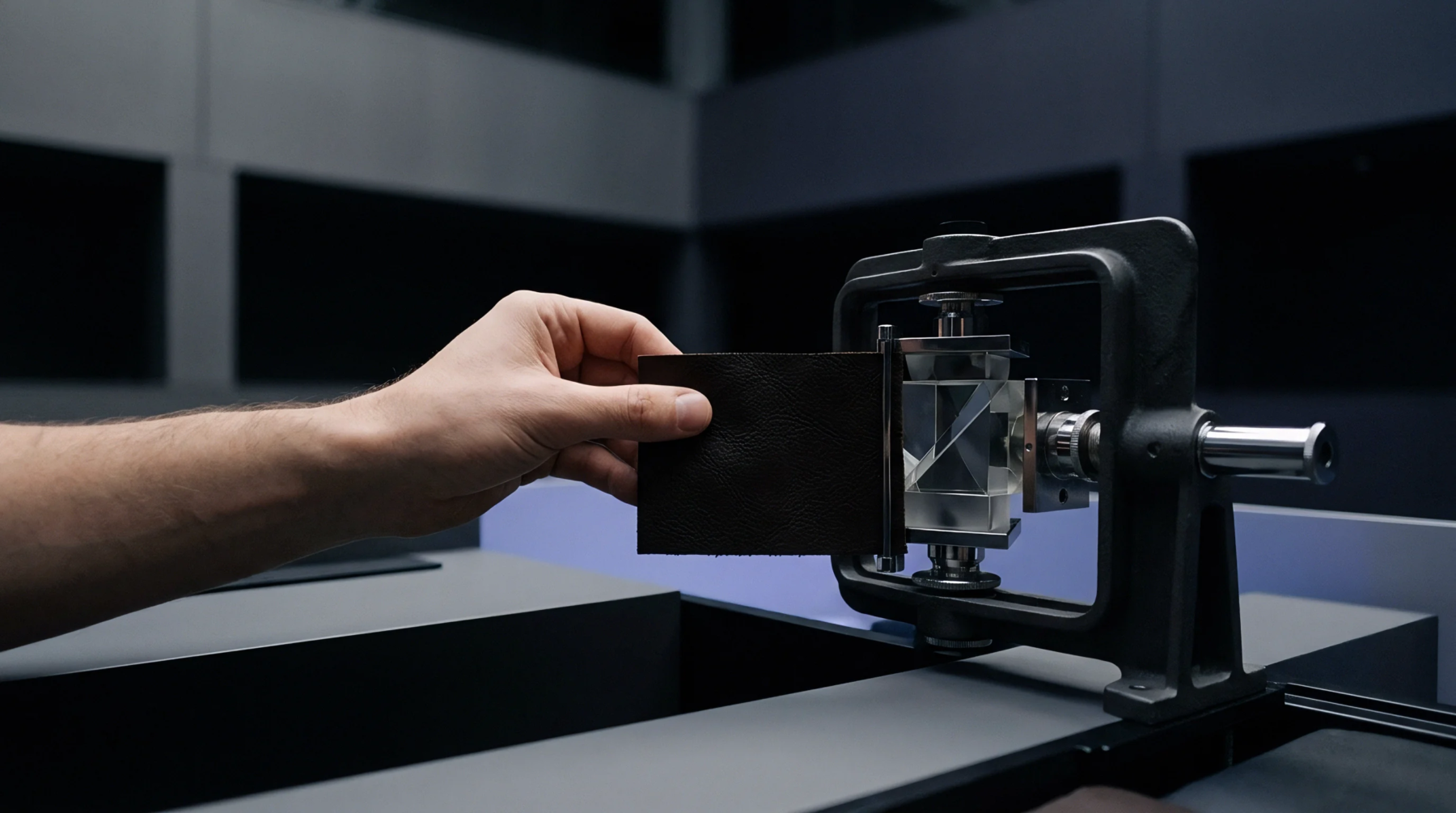
Minimizing thermal sensitivity in reduced diameter optical coils demands quadrupolar winding symmetry matched with soft elastomeric potting to prevent Shupe effect bias drift.

Dynamic Farrow filters and state observers restore feedback phase margin by compensating time-varying asynchronous decimation group delays in real time.

Digital filter latency introduces pure time delay into feedback loops, eroding phase margin at crossover frequencies by 360 degrees per cycle of propagation delay.
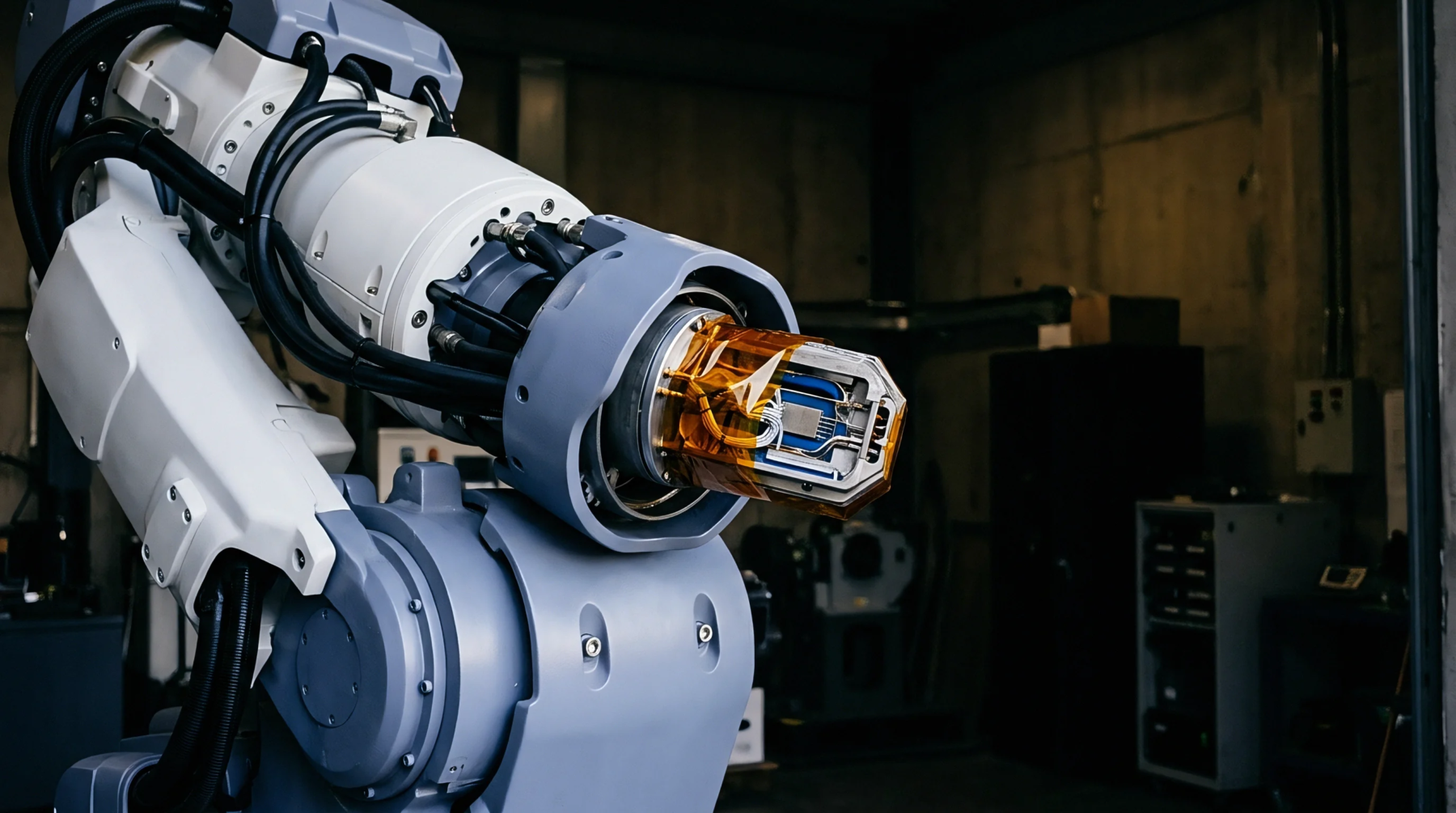
Delta-sigma converter group delay equals the phase derivative across decimation filter stages, calculated as K times M minus one divided by twice the modulator clock for sinc filters.
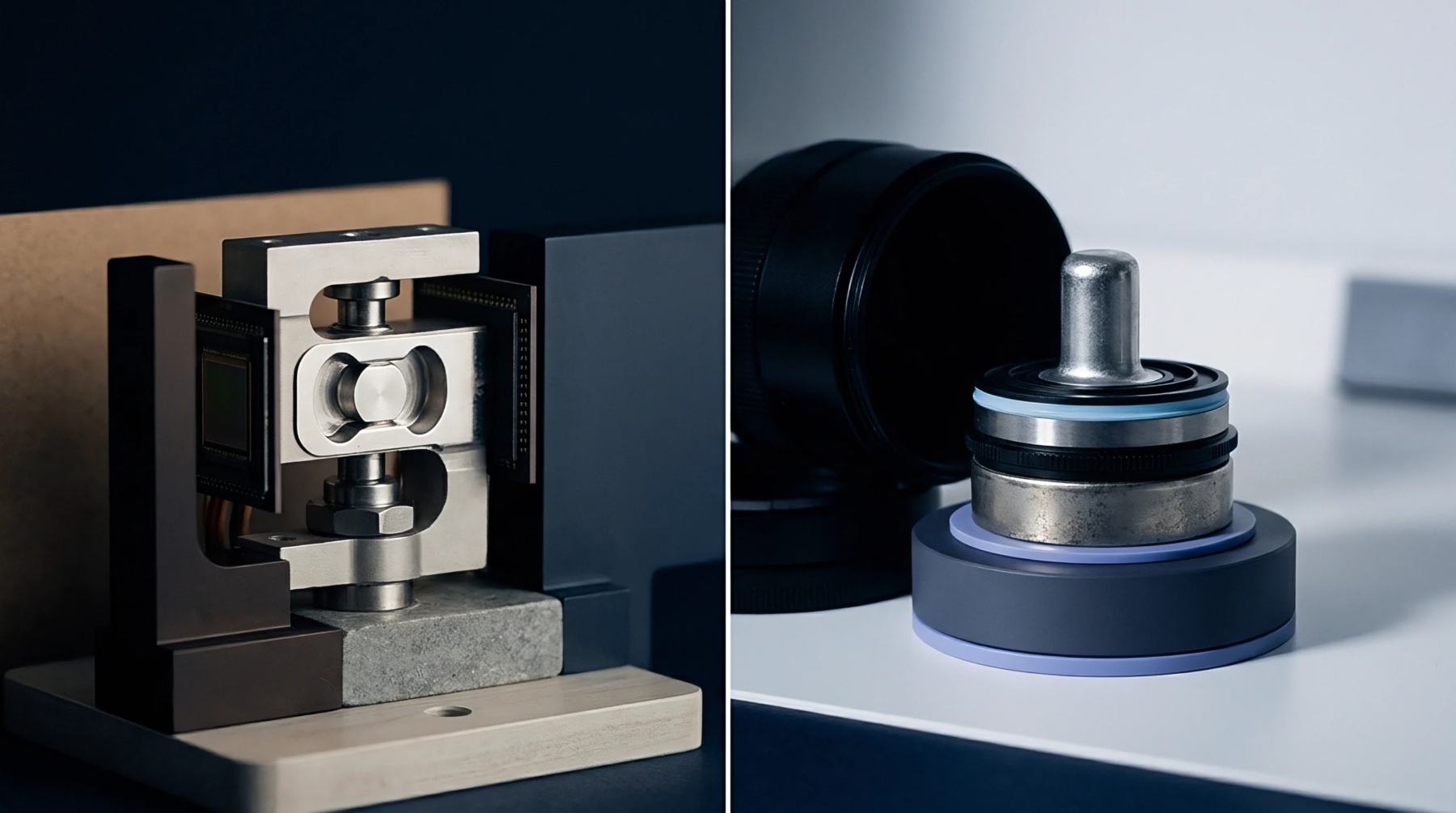
A structured transducer intake bench verifies zero balance, insulation resistance, and multi-point span accuracy against calibrated reference standards.

Reconciling divergent calibration certificates requires auditing lab scopes, matching test conditions, and computing normalized error ratios before retesting.

Digital compensation requires thermal chamber dwell times of at least four time constants based on device core telemetry rather than chamber air indicators.

Wafer level strain isolation requires tuning micro-machined silicon flexure tethers to absorb thermal contraction while keeping natural frequencies above excitation bands.
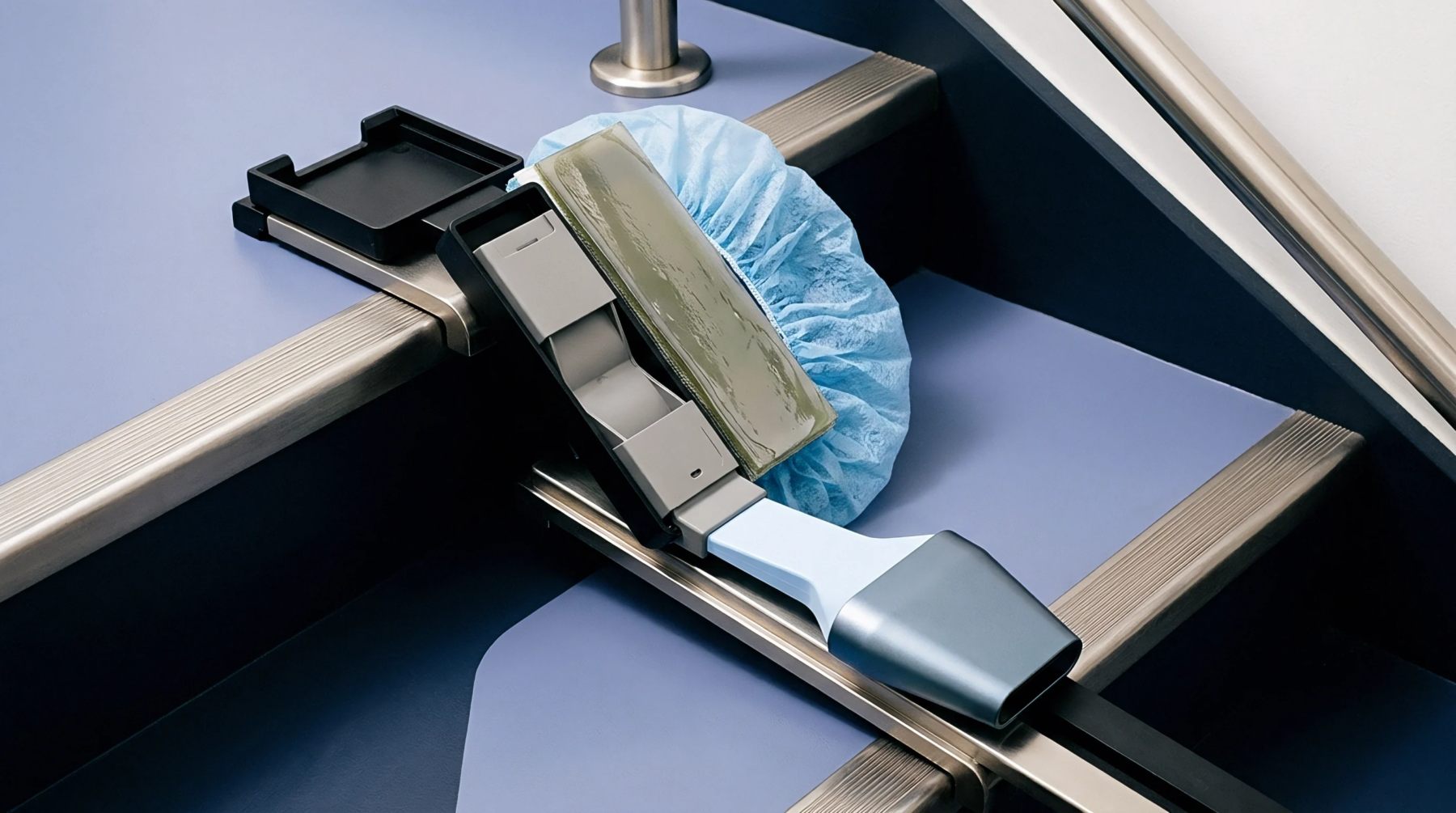
Wafer trim establishes initial sensor accuracy classes, but package stress and thermal drift determine field performance and calibration costs.

Dynamic matrix corrections combine in situ reference tracking and Arrhenius modeling to eliminate unbudgeted high temperature MEMS recalibration cycles.

Analytical die stress modeling isolates mechanical package strain from sensor signals while hysteresis compensation algorithms eliminate viscoelastic offset drift.
Expertise is a utility, not a secret. sentiention™ publishes its working knowledge as open reference: intelligence layer covering the materials it sources, the markets it enters, and the reference that serves both.