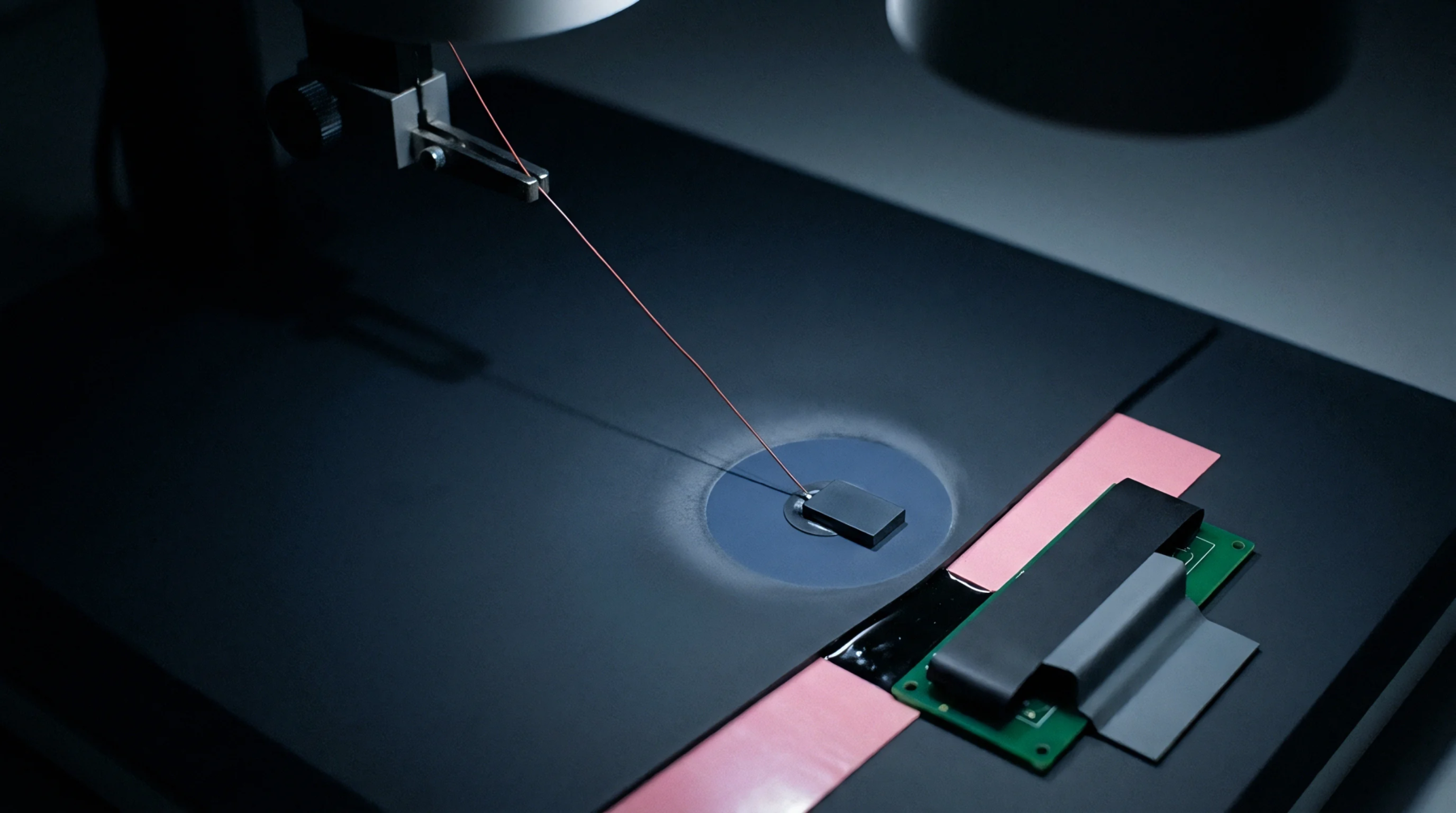
Quantifying Parametric Drift and Test Uncertainty in Sourced Microelectronics
Quantifying test uncertainty and parametric drift through guardbanding and thermal acceleration equations prevents field returns and secures accurate component tolerances.
Quantifying test uncertainty and parametric drift through guardbanding and thermal acceleration equations prevents field returns and secures accurate component tolerances.
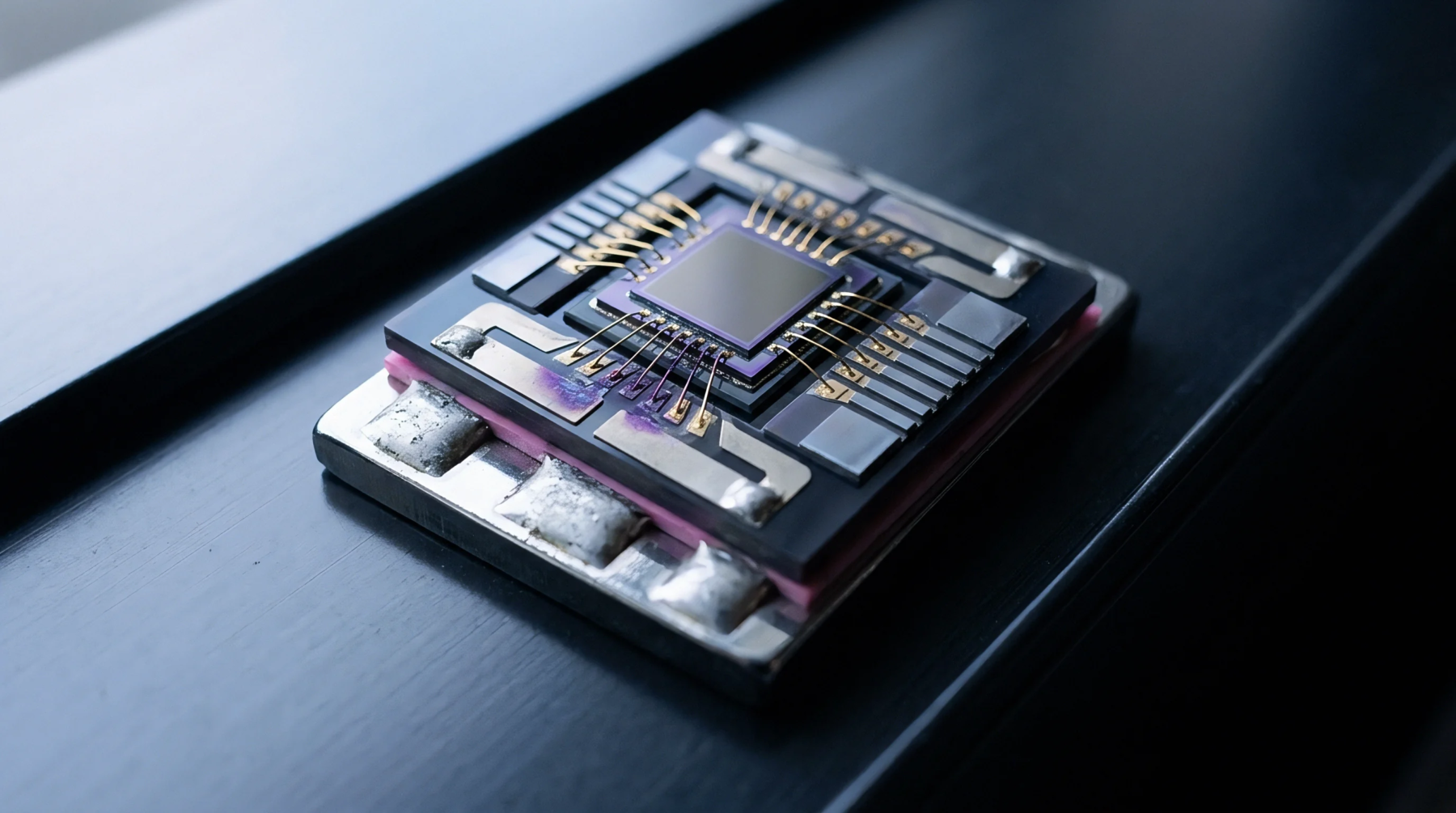
Master supply agreements enforce microelectronic acceptance by establishing guard-banded drift boundaries that partition thermal, packaging, and aging errors.

Calculate sensor burn-in time by dividing equivalent operating hours at the infant drift inflection point by the temperature-derived Arrhenius acceleration factor.
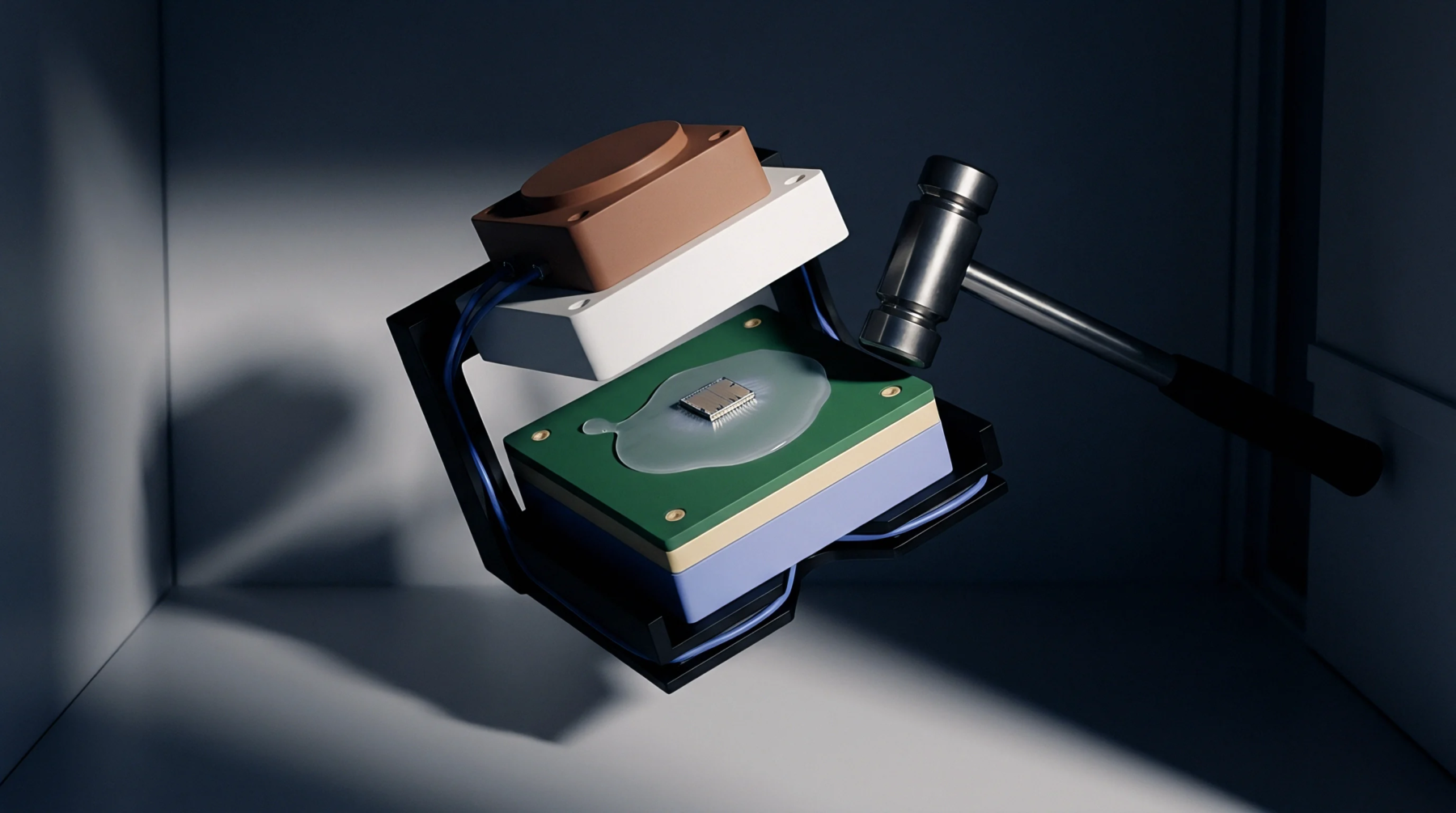
Dynamic temperature shifts in cryogenic structural epoxy master curves demand non-isothermal rate correction factors to resolve physical aging relaxation delays.

High temperature oxygen diffusion across sensor passivations triggers interfacial void nucleation, driving sensor zero-point drift past operational limits.
Metrological verification of high-temperature piezoresistors requires quantified drift kinetics, four-wire thermal testing, and guardbanded uncertainty budgets.
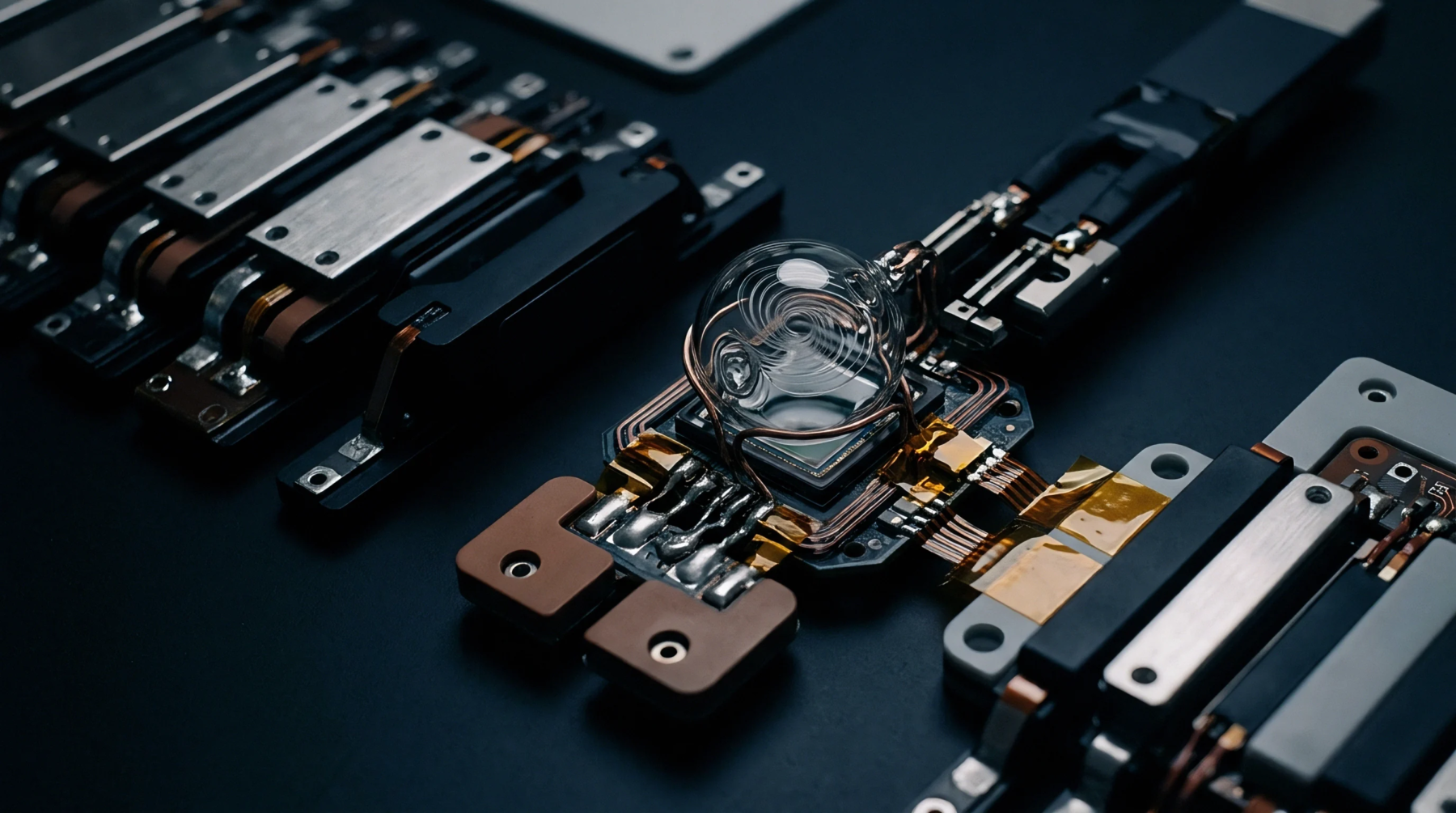
High-temperature MEMS micro-strain relaxation follows stretched exponential kinetics driven by Coble creep, requiring in-situ Raman verification above 400°C.

Moisture kinetics in epoxy molding compounds dictate reflow vapor pressure, package strain, and MSL floor life across surface mount assembly lines.

Water vapor diffusion across elastomer seals causes reference cavity pressurization and dielectric drift, requiring coulometric ISO 15105-2 verification.

Peroxide-cured EPDM and specialty FFKM compounds prevent seal failure by resisting hydrolytic scission and dynamic compression set under thermal steam washdowns.

Baking moisture sensitive ICs requires matching package thickness and carrier heat ratings to balance desorption speed against intermetallic lead oxidation risks.

Higher crosslink density suppresses polymer die attach creep rates by restricting free volume and extending rubbery plateau modulus under continuous thermal load.
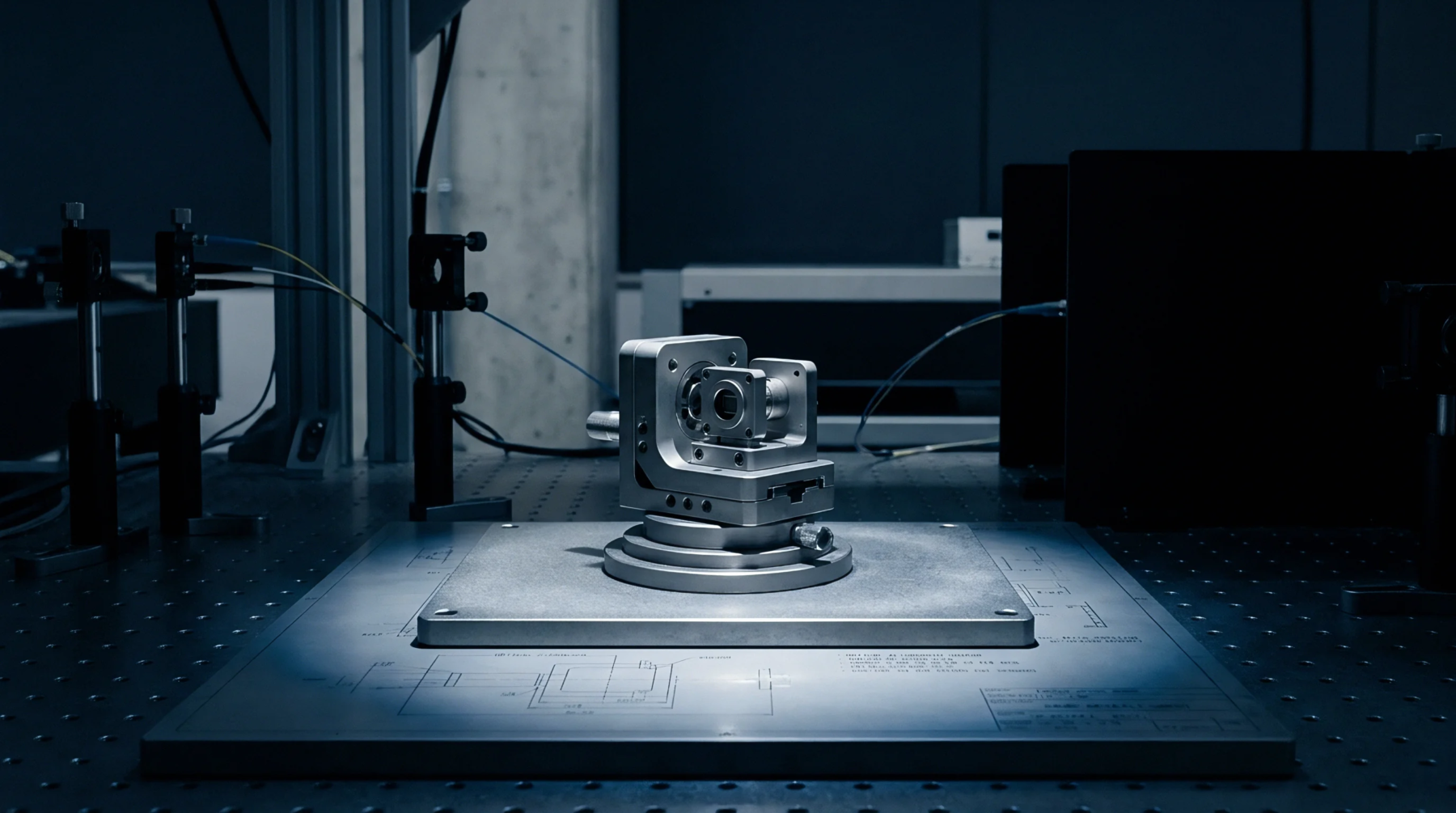
Linear annual drift extrapolation from four-week test bench data produces severe forecast errors by ignoring logarithmic relaxation and test fixture noise floors.

Arrhenius acceleration models for sensor encapsulation polymers require activation energy mapping across glass transition bounds to prevent unearned drift extrapolation.
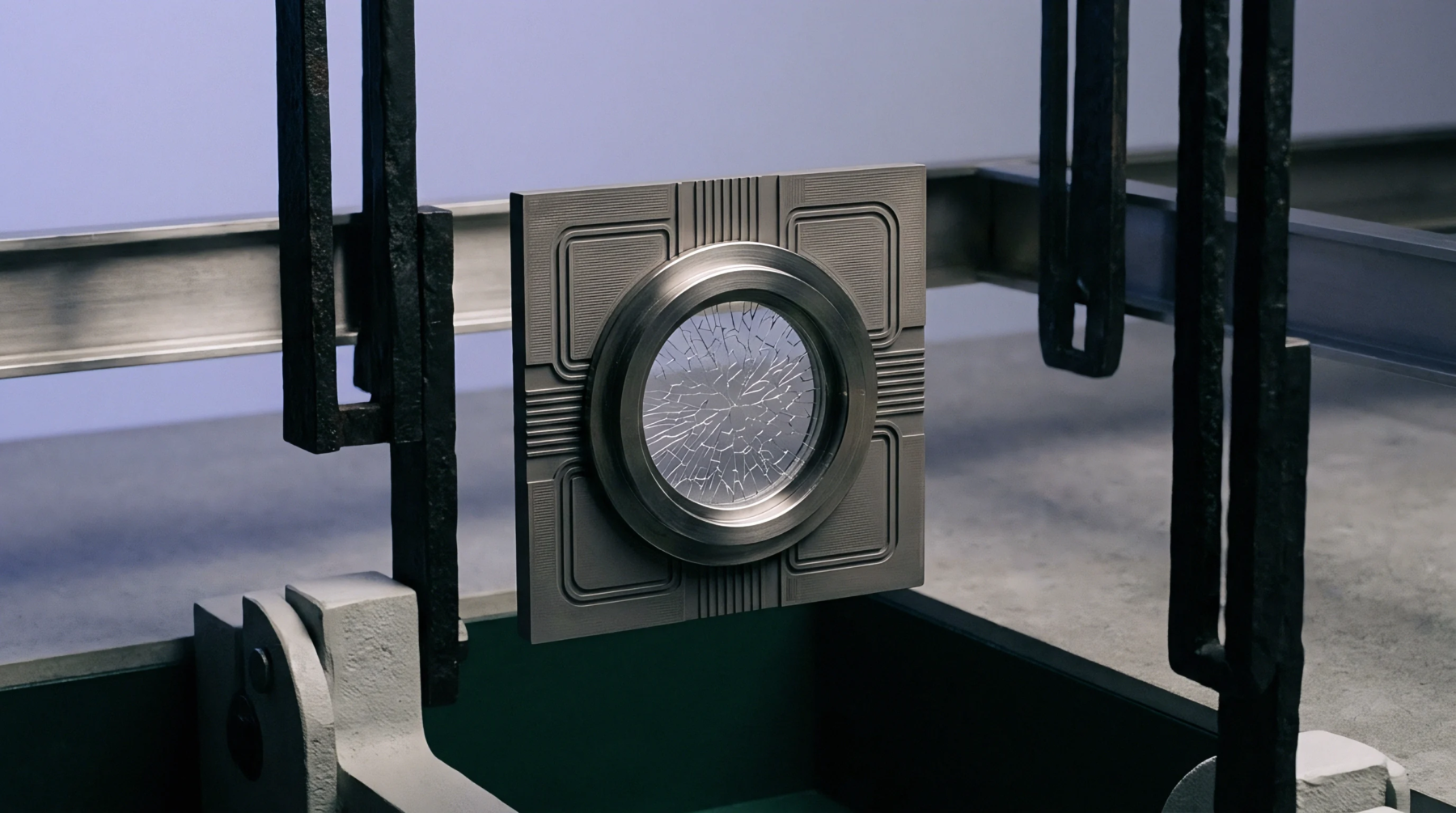
Wafer-level packaging stress relaxation induces anisoelastic stiffness drift and quadrature leakage, requiring stabilization annealing to hold tactical bias limits.

Generalized Maxwell models under cryogenic thermal ramps require Arrhenius shift functions and thermal lag compensation to accurately predict stress relaxation bounds.
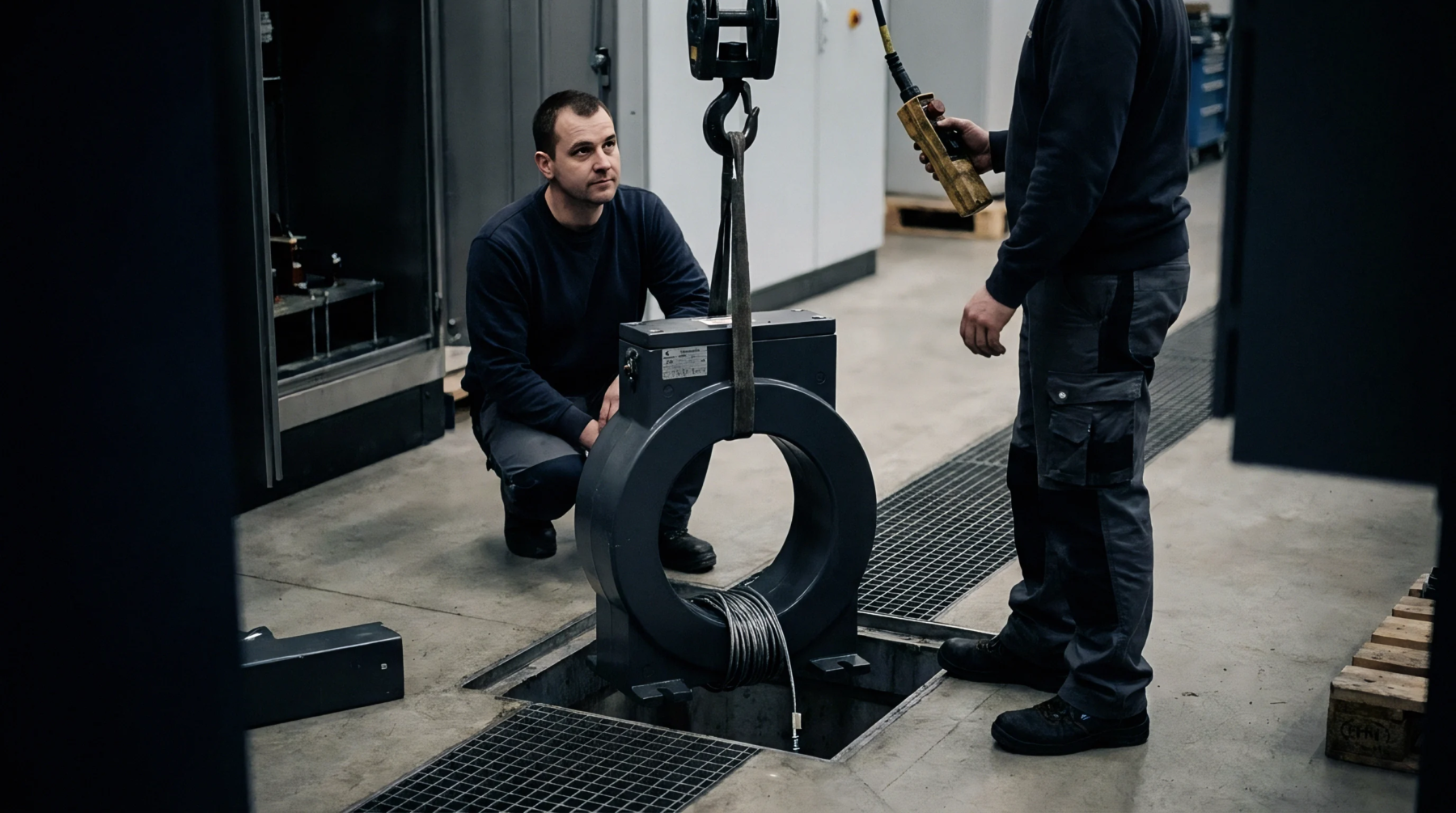
Viscoelastic creep in die attach epoxies drives zero offset hysteresis; low-modulus adhesives minimize stress transfer to preserve long-term transducer balance.

Epoxy compound moisture absorption generates critical steam pressures during lead-free reflow, demanding strict MSL dry-pack handling to prevent internal delamination.
Expertise is a utility, not a secret. sentiention™ publishes its working knowledge as open reference: intelligence layer covering the materials it sources, the markets it enters, and the reference that serves both.