
Modeling Long Term Gel Viscoelastic Relaxation under Cyclic Hydraulic Pressure Loads
Cyclic hydraulic pressure drives long-term zero drift and span loss in gel-isolated sensors through irreversible viscoelastic strain accumulation and chain fatigue.
Cyclic hydraulic pressure drives long-term zero drift and span loss in gel-isolated sensors through irreversible viscoelastic strain accumulation and chain fatigue.

Peroxide-cured EPDM and specialized FFKM elastomers provide optimal resistance to steam degradation when evaluated via ISO 23936-2 compression set metrics.
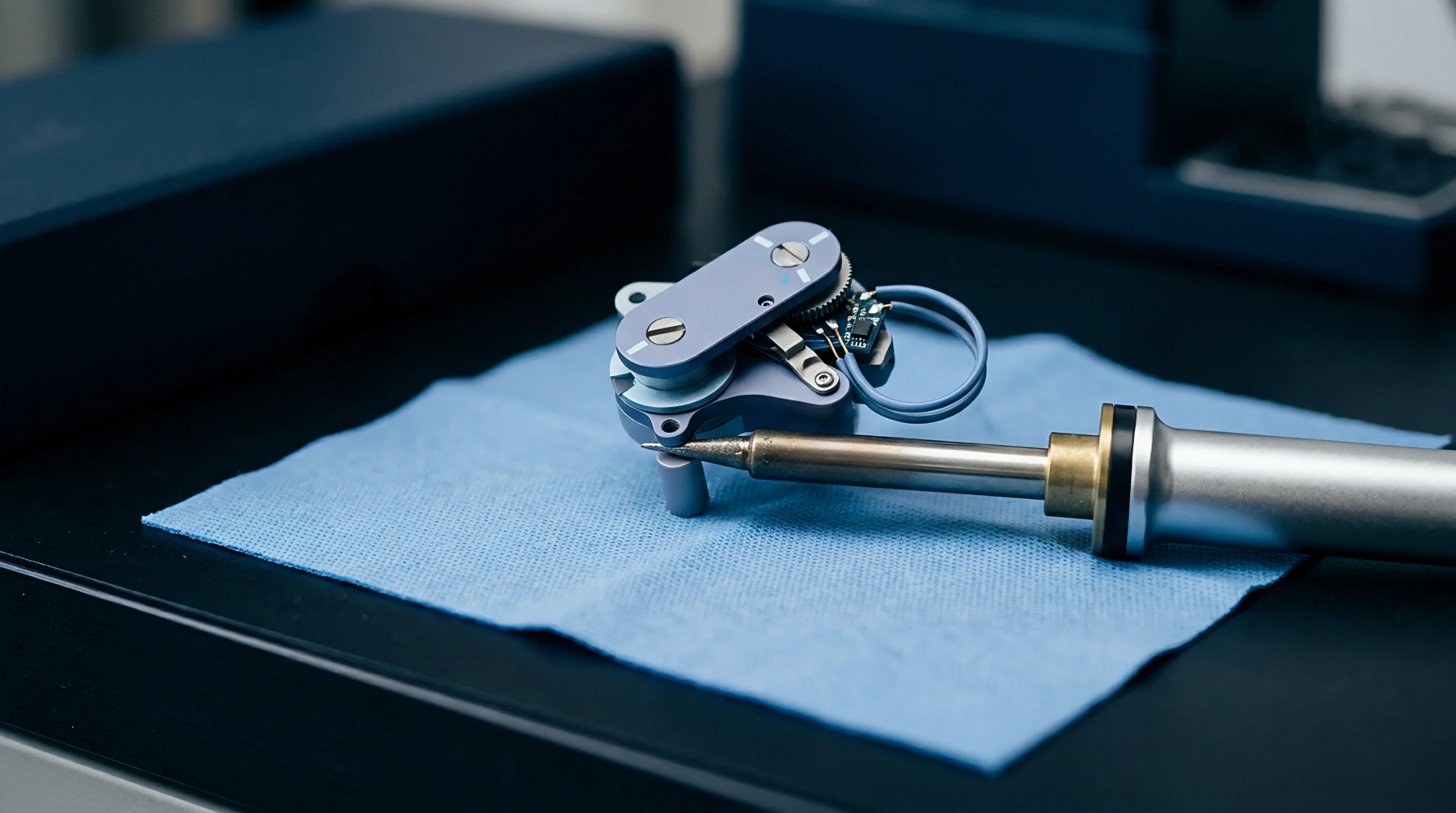
Crosslink density controls die attach modulus, glass transition, and interfacial shear stress, dictating thermal cycle fatigue life in microelectronic packages.
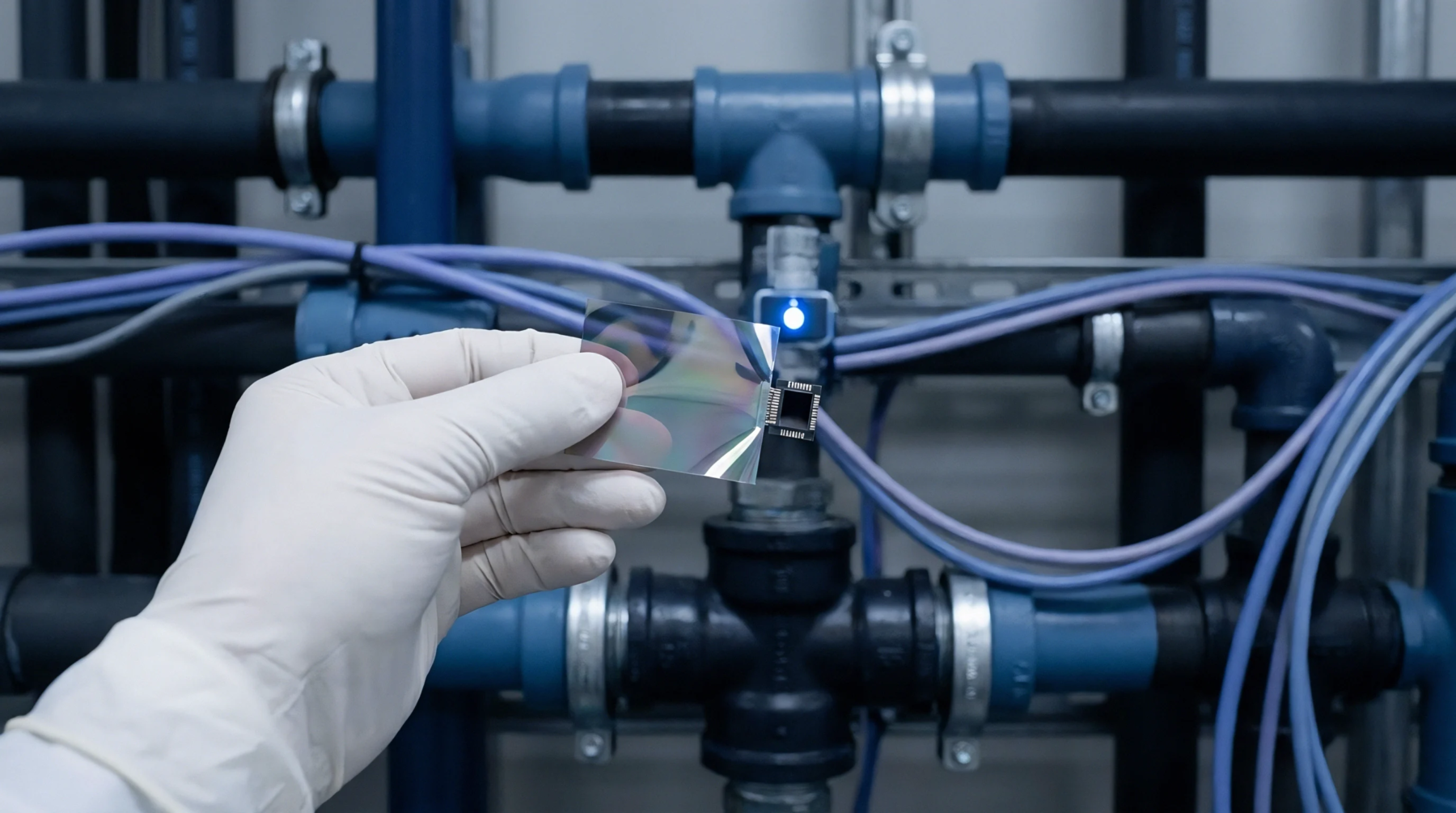
Die-attach stress relaxation transfers decaying mechanical strain into silicon sensing diaphragms, creating irreversible zero-point drift during thermal dwell.

Polymeric stress relaxation in packaging compounds relieves assembly preloads, causing persistent transducer zero-shift drift that mimics process measurand changes.

Extracting physical aging shift factors in thermosets requires momentary loading below Tg, sub-tenth Kelvin stability, and frame compliance corrections.

Higher crosslink density suppresses polymer die attach creep rates by restricting free volume and extending rubbery plateau modulus under continuous thermal load.

Arrhenius acceleration models for sensor encapsulation polymers require activation energy mapping across glass transition bounds to prevent unearned drift extrapolation.
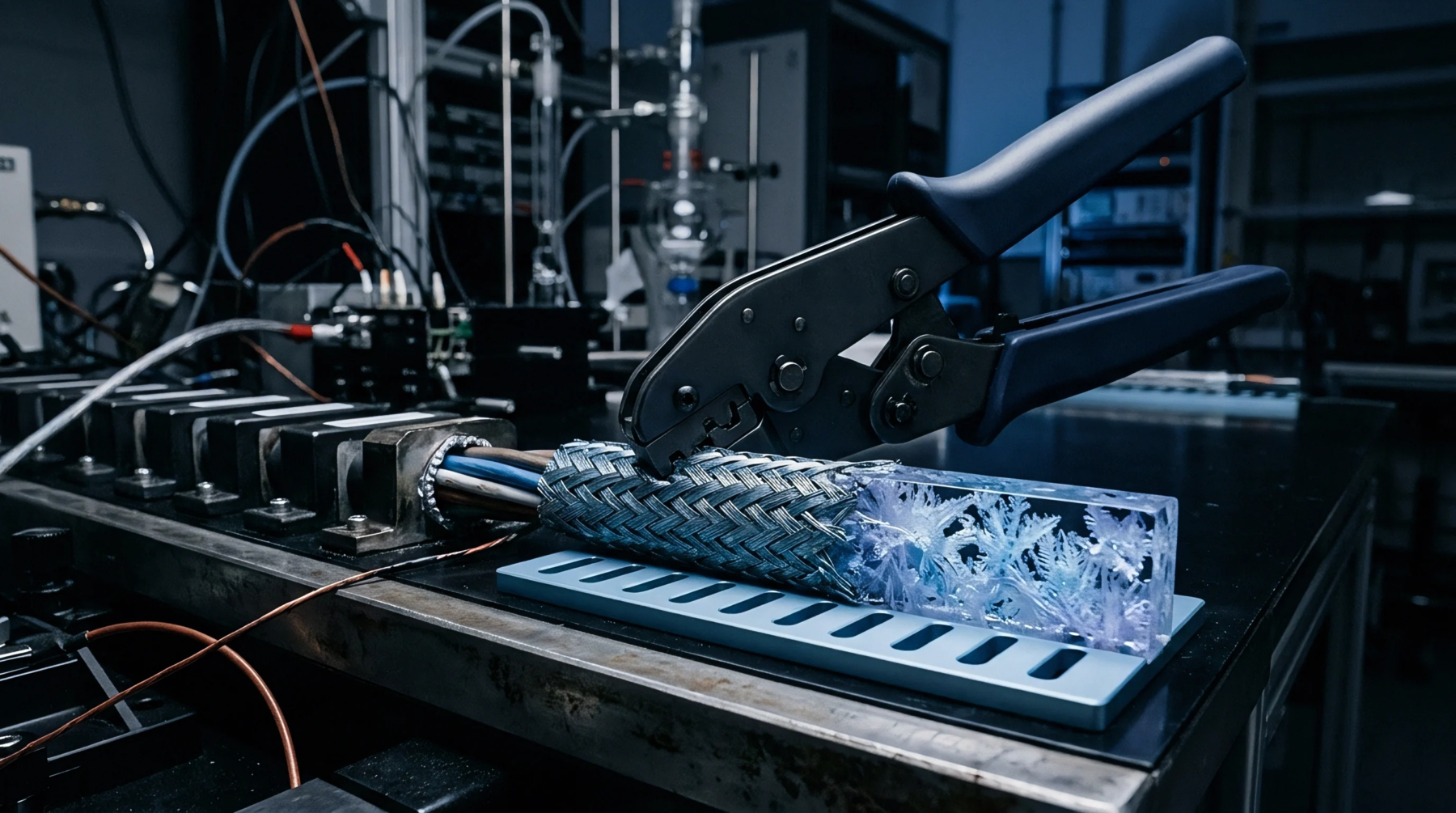
Constitutive modeling of viscoelastic aging in thermoset die attach layers enables precise finite element prediction of lifetime stress and sensor drift.
Expertise is a utility, not a secret. sentiention™ publishes its working knowledge as open reference: intelligence layer covering the materials it sources, the markets it enters, and the reference that serves both.