
Designing Cascaded I2C Multiplexer Topologies for High Density Hardware
Cascaded I2C multiplexers resolve address collisions in high-density systems by isolating bus segments, requiring strict RC capacitance and switch resistance control.
Cascaded I2C multiplexers resolve address collisions in high-density systems by isolating bus segments, requiring strict RC capacitance and switch resistance control.
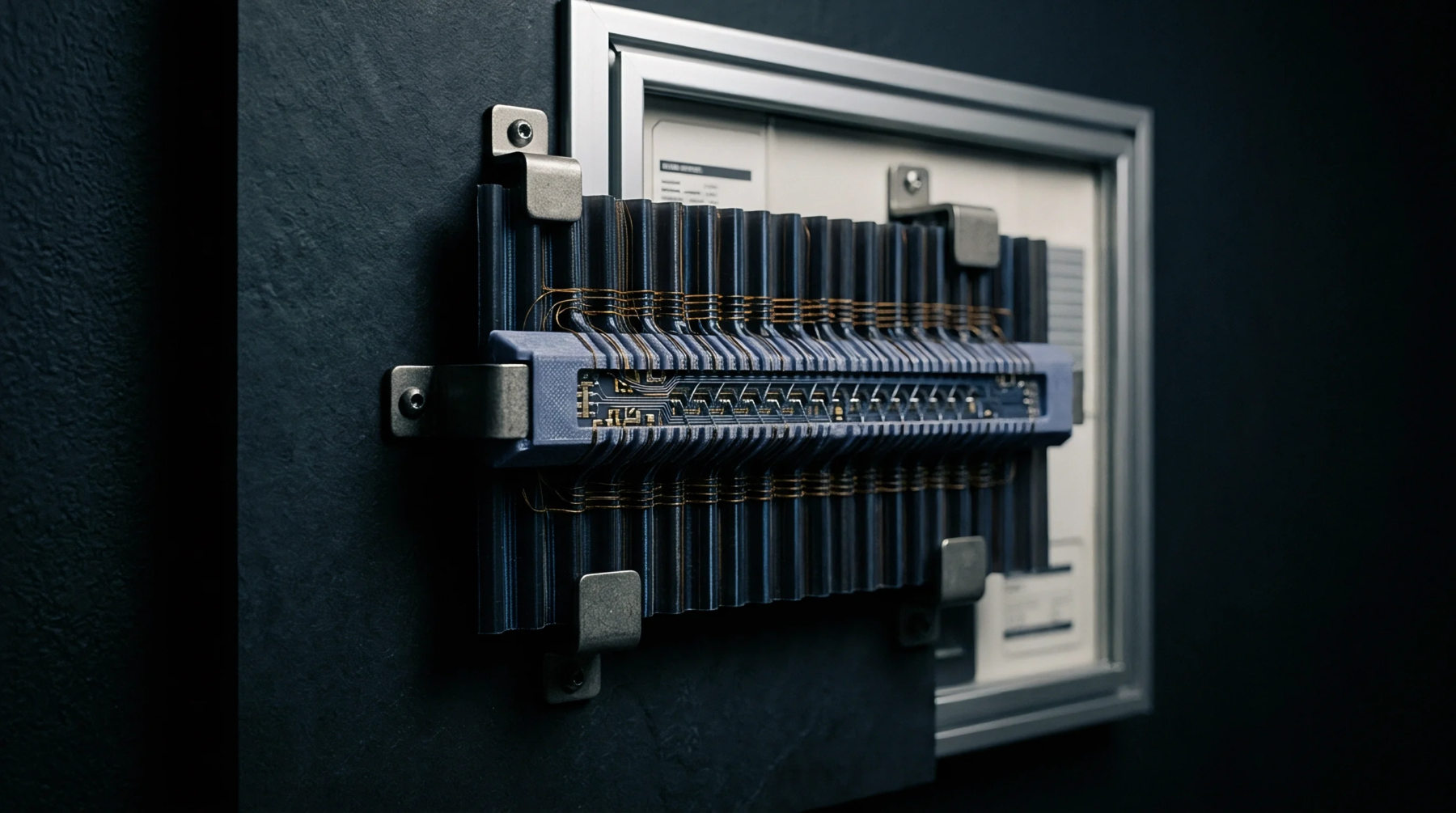
Multi-channel sensor integration on standard two-wire buses demands balancing parasitic bus capacitance, address resolution, layout geometry, and landed unit cost.
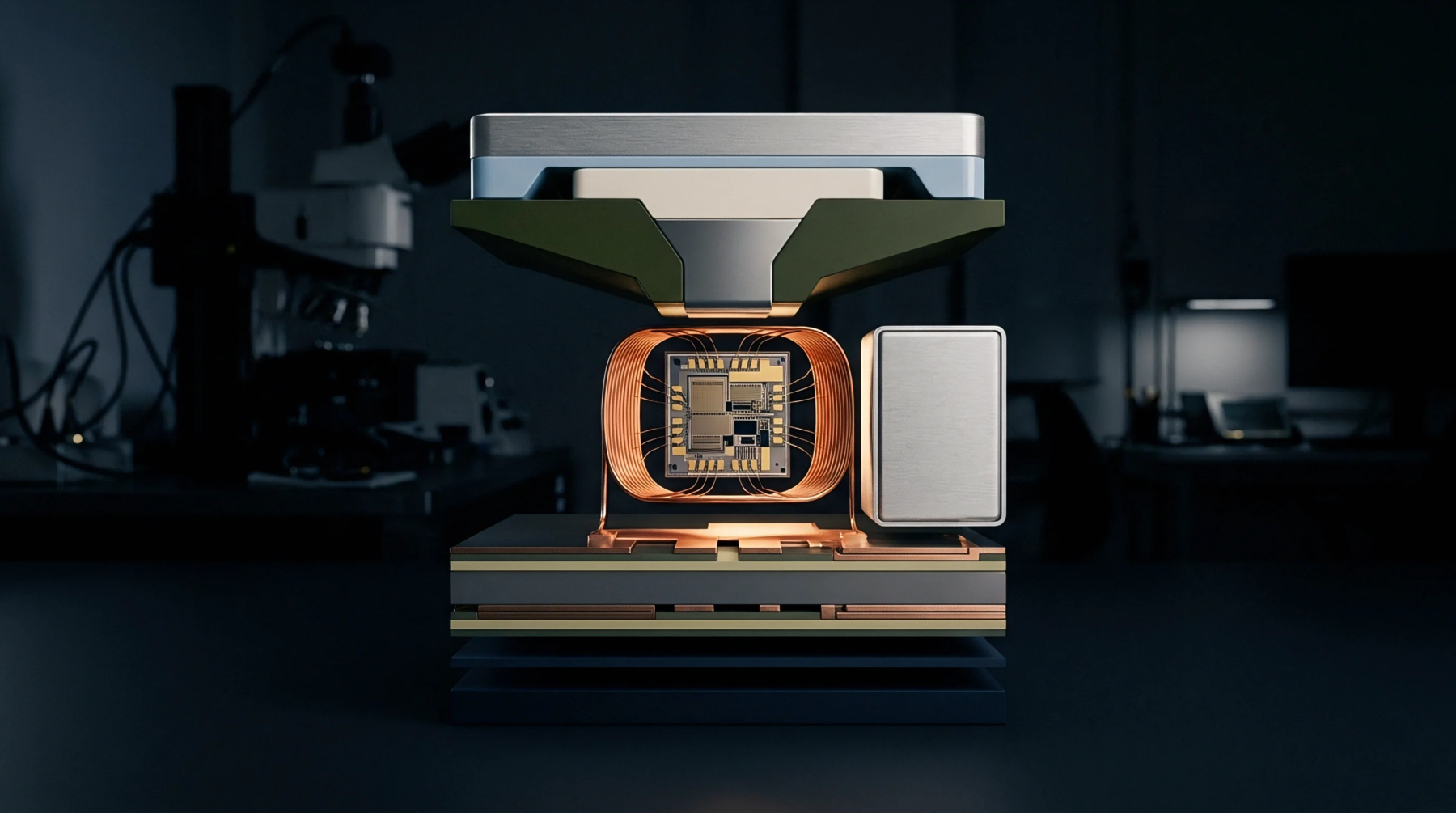
Matching package creepage distance to board pollution degree prevents arc flash failure while maintaining high density surface mount assembly yields.
Fine-pitch iso-die variants exhibit divergent zero-point offset drift governed by package compliance, substrate CTE mismatch, and mechanical piezoresistive stress transfer.

Dynamic address assignment eliminates multiplexers in dense sensor arrays through cascade enable lines or software ARP, reducing PCB area while raising firmware bring-up requirements.

Land pattern geometry, bus capacitance control, and driver timing dictate assembly yield and operational stability across sensor package formats.
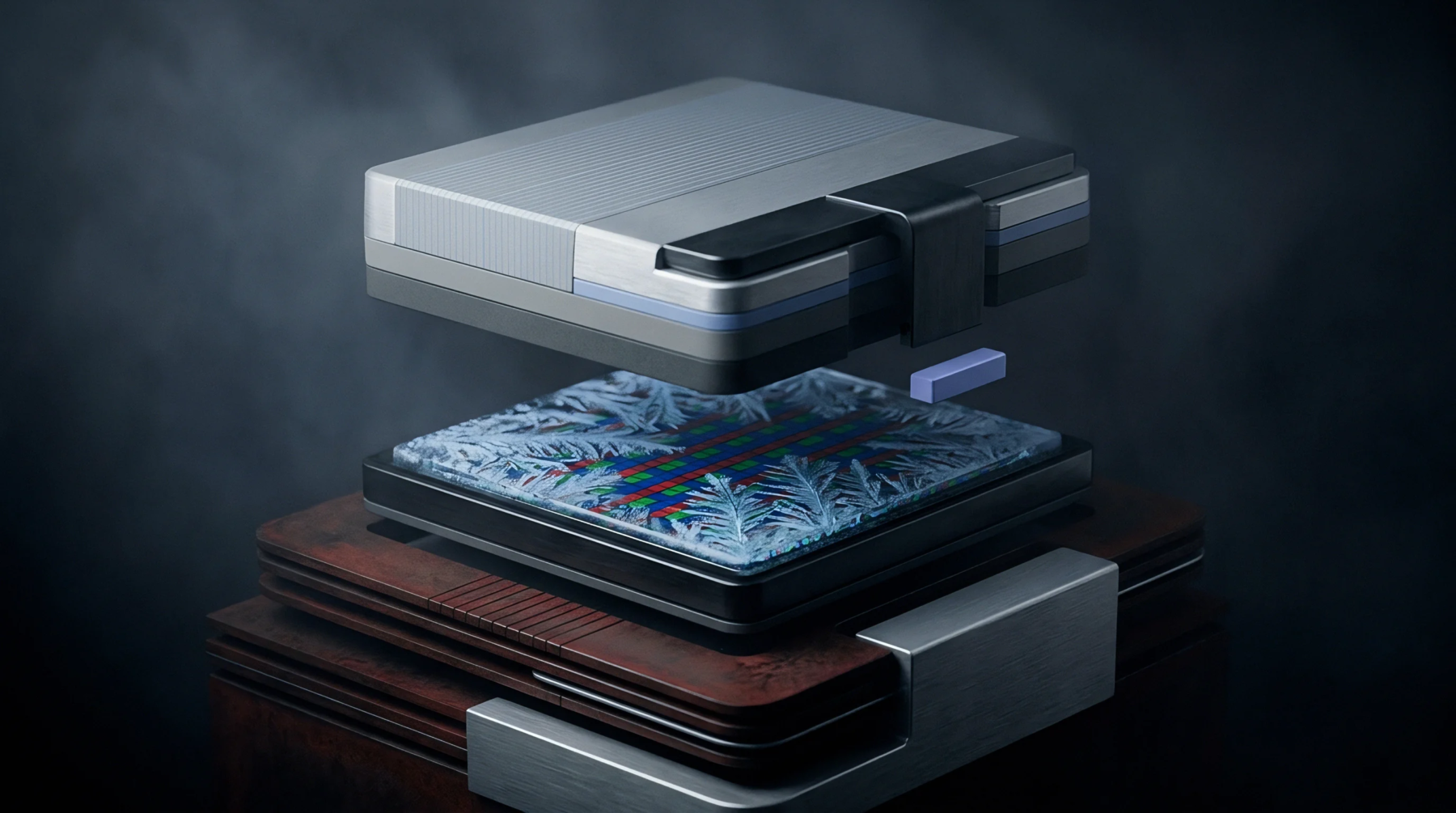
Hierarchical I2C switches isolate bus capacitance and expand address space while adding measurable transaction delays and timing limits that firmware state machines govern.
Expertise is a utility, not a secret. sentiention™ publishes its working knowledge as open reference: intelligence layer covering the materials it sources, the markets it enters, and the reference that serves both.