
Modelling Polymeric Die Attach Stress Relaxation Effects on Accelerometer Bias
Polymeric die attach relaxation shifts accelerometer bias by altering die strain profiles over time, demanding viscoelastic modeling during mechanical layout.

Polymeric die attach relaxation shifts accelerometer bias by altering die strain profiles over time, demanding viscoelastic modeling during mechanical layout.
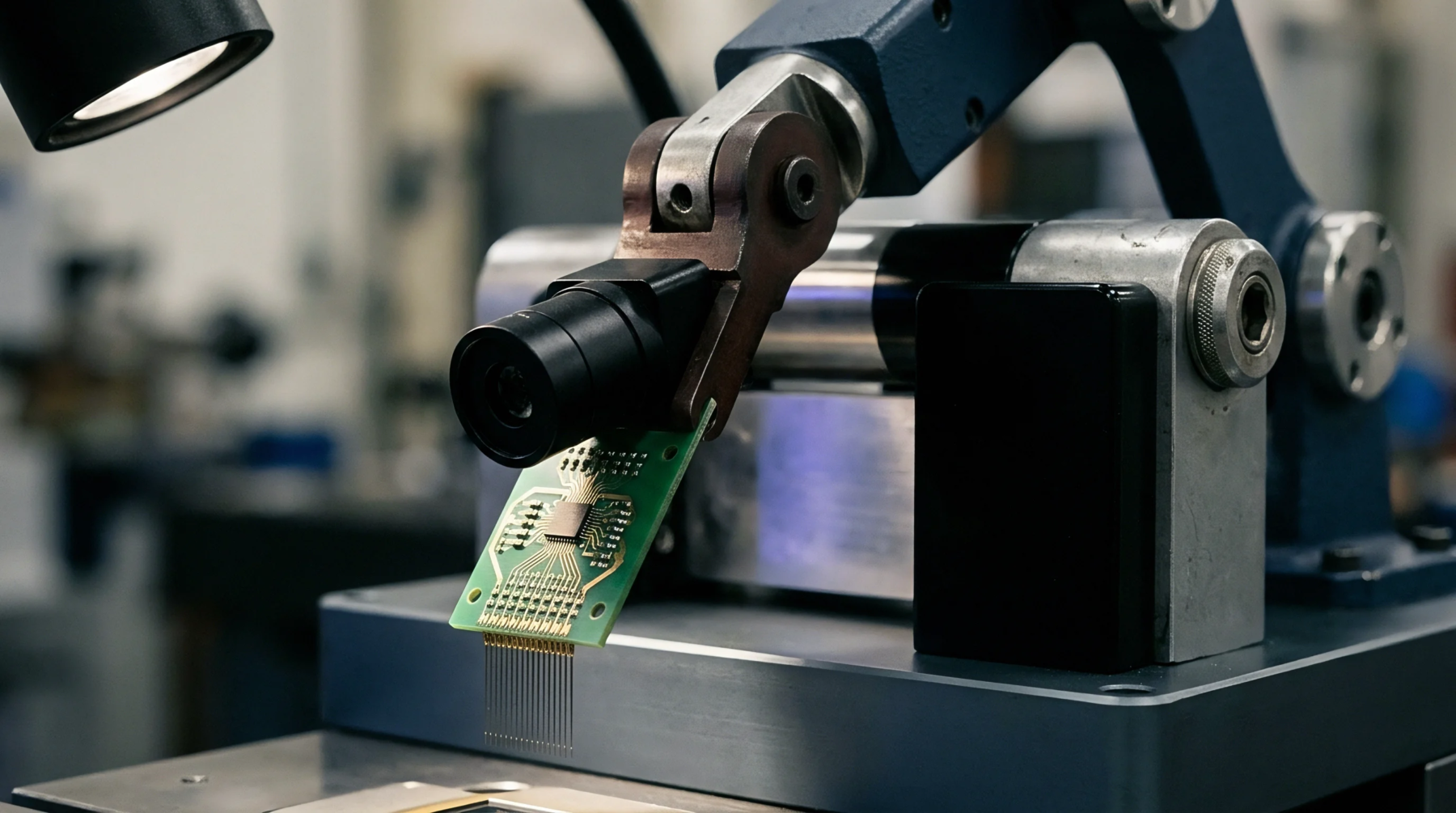
Characterize mold compound viscoelastic relaxation and decouple board strain through routing slots to prevent unrecoverable long-term sensor calibration drift.

Post-assembly thermo-mechanical drift limits require tracking package CTE mismatch, solder standoff compliance, and viscoelastic mold relaxation across life.
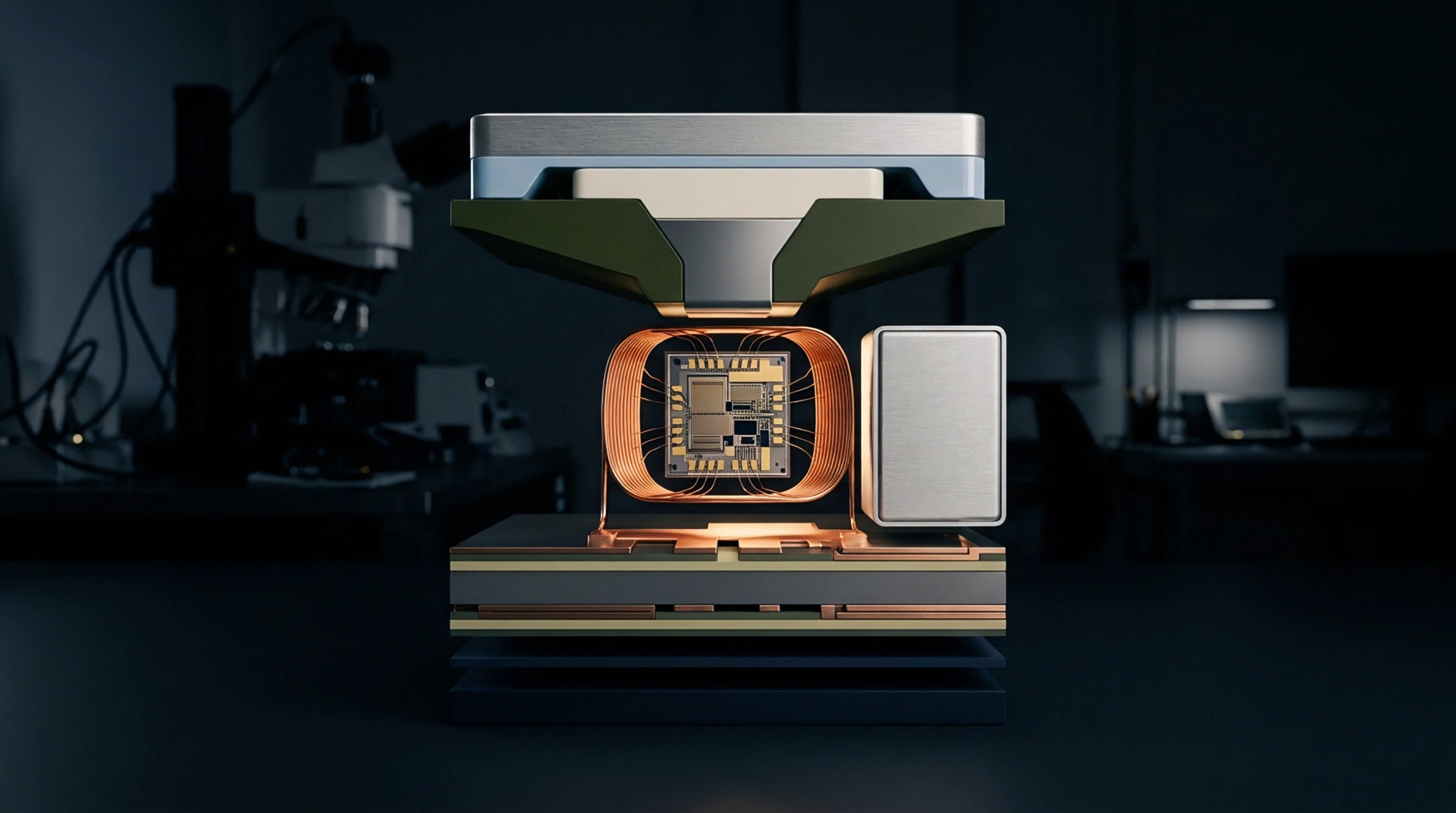
Procuring sensor mold compounds requires locking down glass transition, modulus, extractable halogens, and cold chain limits to prevent die stress and drift.

Evaluate piezoresistive die attach relaxation by tracking zero-point drift across thermal shock cycles using stretched exponential models and Kelvin sensing.

Lead-free solder creep relaxes reflow shear stress at ambient storage temperatures, tilting MEMS anchors and driving uncalibrated zero drift over time.
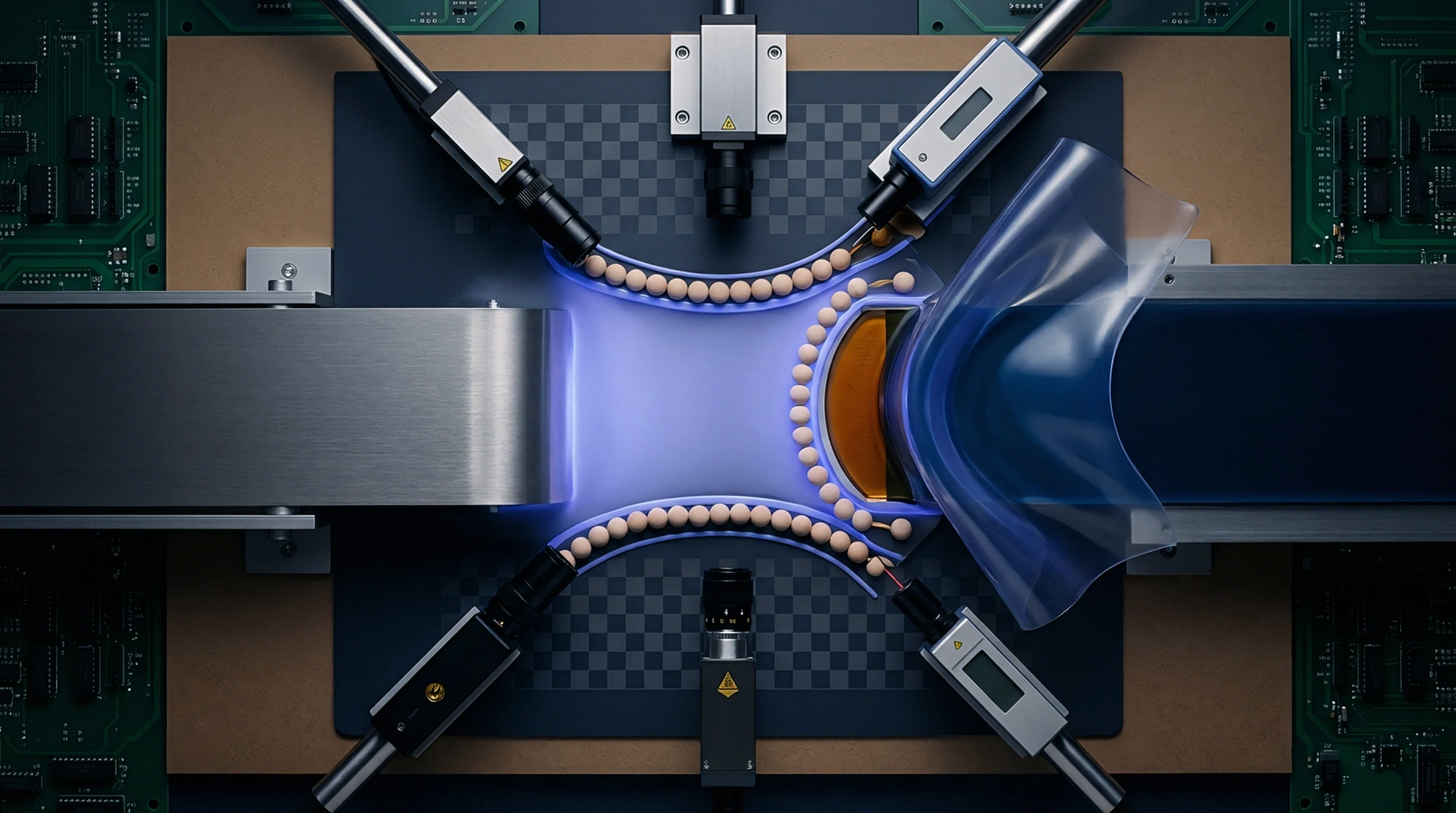
Effective subsea drift allocation links laboratory uncertainty bounds to multi-year offshore vessel extraction caps rather than standard equipment repair warranties.

PCB deformation shifts surface mount sensor calibration baselines by transferring mechanical strain into the die, causing severe factory yield fallout.

Viscoelastic package stress relaxation and thermal shock shear fatigue degrade micro-sensor offset stability, requiring void-free compliant die attach.

Hydrocarbon allocation systems demand rigorous uncertainty cascade calculations under ISO 5168 to prevent unquantified financial exposure across shared flow networks.

Field calibration verification on offshore transmitters validates operational accuracy against line pressure shifts and thermal drift using traceable reference tools.

Silicone swelling under humidity shifts induces interfacial stress on silicon pressure dies, creating reversible zero drift up to 0.4 percent of full scale.

Dynamic humidity cycling induces hygroscopic package stress shifting zero offsets, demanding traceable multi-point calibration and preconditioning.

Control surface-mount sensor zero offset by isolating board flex with PCB relief slots, selecting low-modulus die attach packages, and balancing solder volume.

Piezoresistive humidity drift stems from polymer swell stresses across the die; mitigate it with inorganic barrier films, compliant bonds, or oil isolation.

Transient logic heating shifts substrate temperatures, degrading analog front ends without spatial floorplan isolation and matched carrier selection.

Substrate thermal diffusion fields distort piezoresistive sensitivity tensors via localized expansion stresses, requiring centrosymmetric bridge layouts.

Asymmetric thermal gradients induce localized mechanical strain in silicon MEMS transducers, causing uncompensated sensor drift that defies scalar calibration.

Thermal degradation of silicon piezoresistive coefficients and dopant migration drive irrecoverable sensitivity loss and zero drift above 150 Celsius.
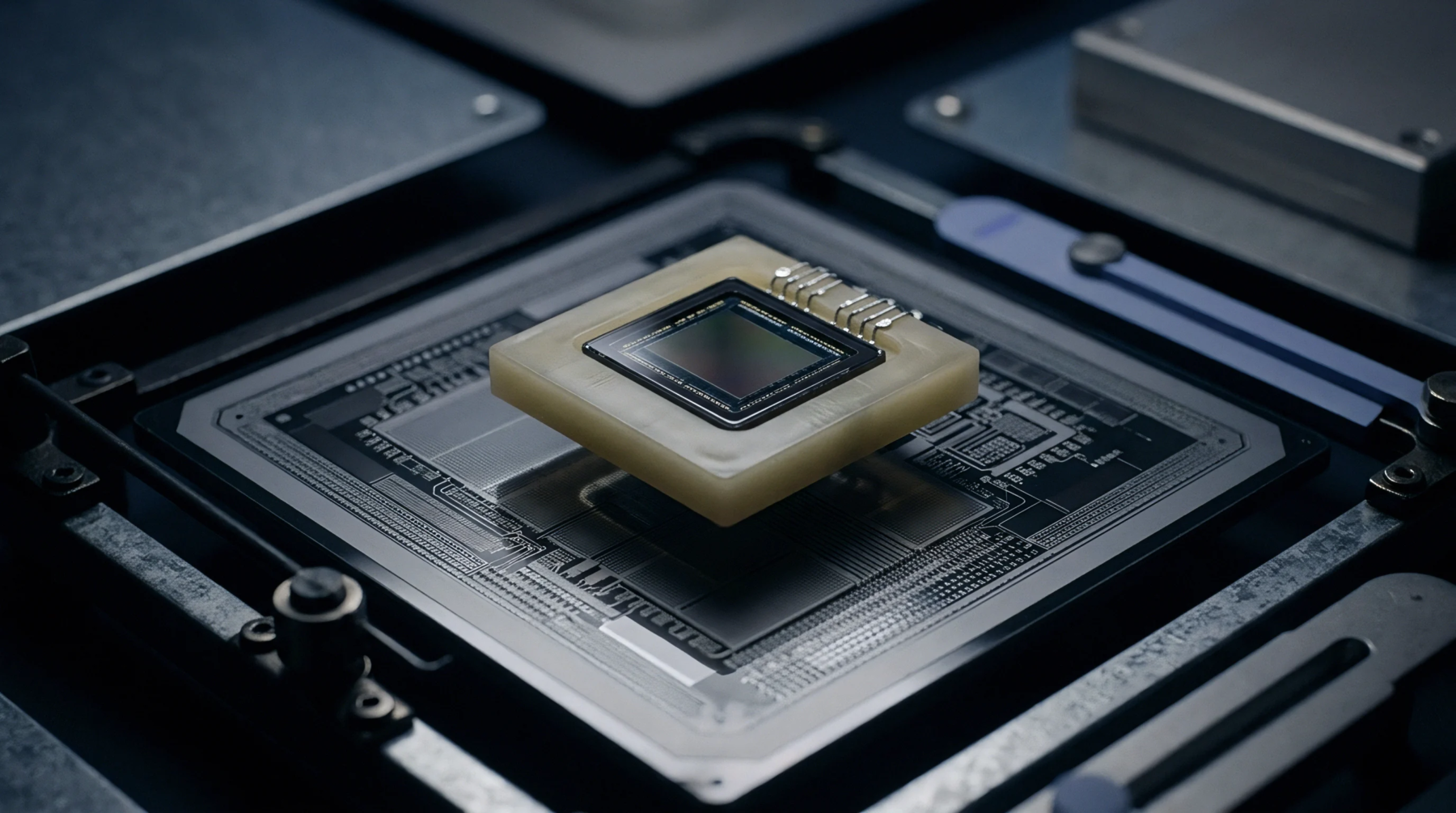
Eliminating protective mold compounds exposes silicon directly to board flexure and solder creep, driving piezoresistive offset shifts across temperature.

Unresolved thermal boundary layers skew multiphase sensor calibrations by distorting near-wall fluid properties, expanding field uncertainty beyond certificate limits.

Degenerate boron implantation above 8e19 cm-3 pins the Fermi level into the valence band, matching TCR to TCGF for passive constant-current bridge compensation.

Silicon bandgap thermal drift inside microcontrollers creates parabolic ADC gain errors that package stress and reflow worsen, requiring careful compensation.

Evaluating package parasitics and dynamic reference drive capabilities proves vital to stabilizing dynamic conversion settlement and maximizing AFE accuracy.

Isolating large reservoir capacitors with series resistance preserves reference buffer stability while supplying instant switching charge to precision converters.
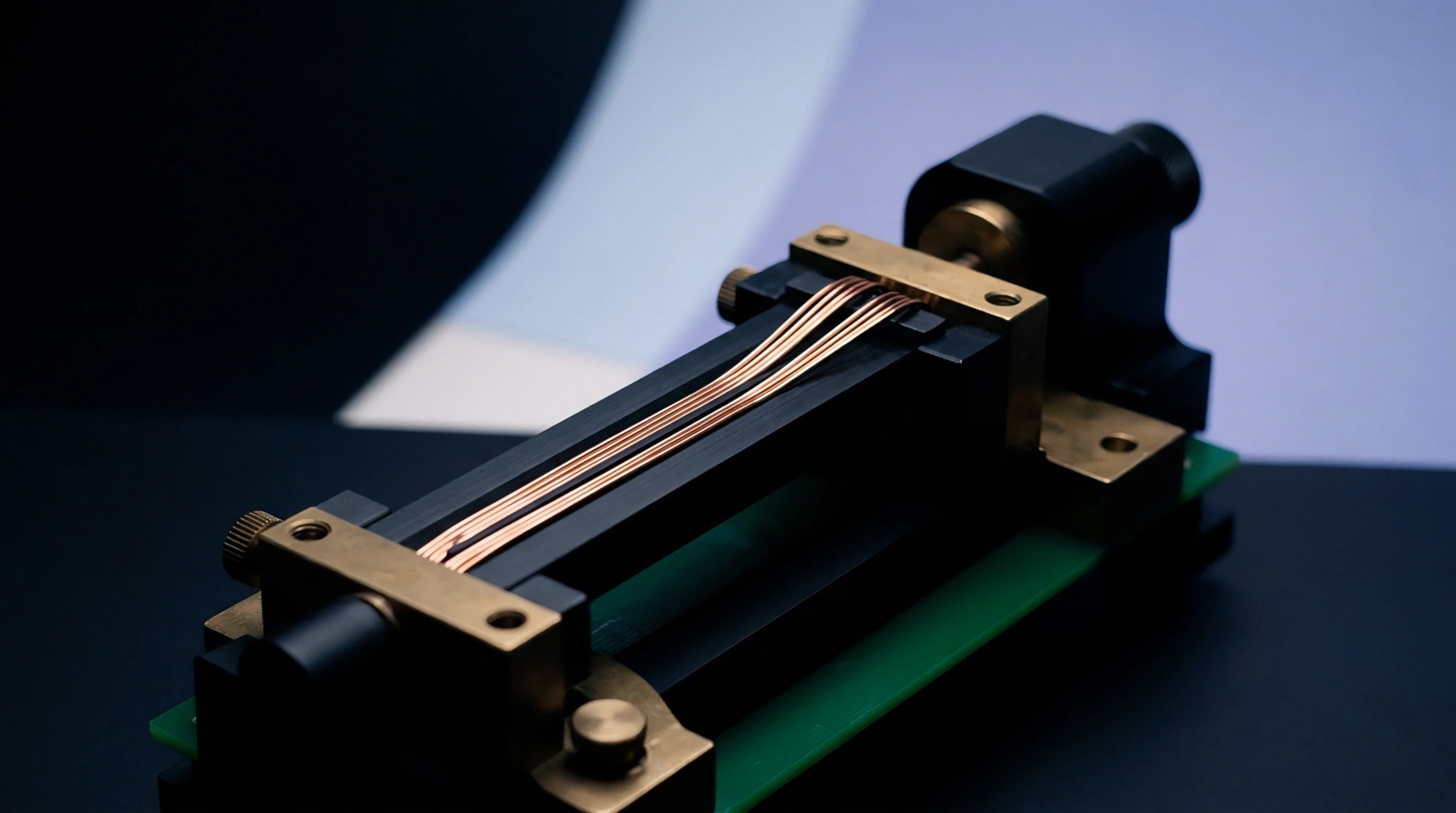
Doping concentration governs the trade-off between piezoresistive gauge factor and thermal drift while crystallographic alignment sets mechanical strain sensitivity.

Dynamic Farrow fractional delay filtering tracks thermal and rail fluctuations to cancel dual-sourced transducer group delay skews in real time.

Dual sourced sensor phase distortion corrupts fusion pipelines through unmodeled group delay mismatches, requiring dynamic transfer function verification.

Mitigating reference droop requires low-inductance packaging, Class 1 C0G reservoirs, and high-bandwidth buffered feedback to ensure settling within conversion windows.

Guard band multipliers compress thermal tolerance bands by laboratory measurement uncertainty to allocate cross-site test dispute risks between parties.
Expertise is a utility, not a secret. sentiention™ publishes its working knowledge as open reference: intelligence layer covering the materials it sources, the markets it enters, and the reference that serves both.