
Evaluating SMT Yield Loss and Calibration Cost in Discrete Transducer Assembly
Discrete transducer SMT yield loss and calibration costs depend on pad symmetry, post-reflow strain aging, and test cell chamber dwell times.
Discrete transducer SMT yield loss and calibration costs depend on pad symmetry, post-reflow strain aging, and test cell chamber dwell times.

Mitigate surface-mount precision reference thermomechanical drift using three-sided PCB slot moats, compliant land patterns, or hermetic ceramic packages.

Thermomechanical fatigue modeling for WLCSP solder arrays requires mapping viscoplastic Anand strain energy density to predict field thermal cycling failures.
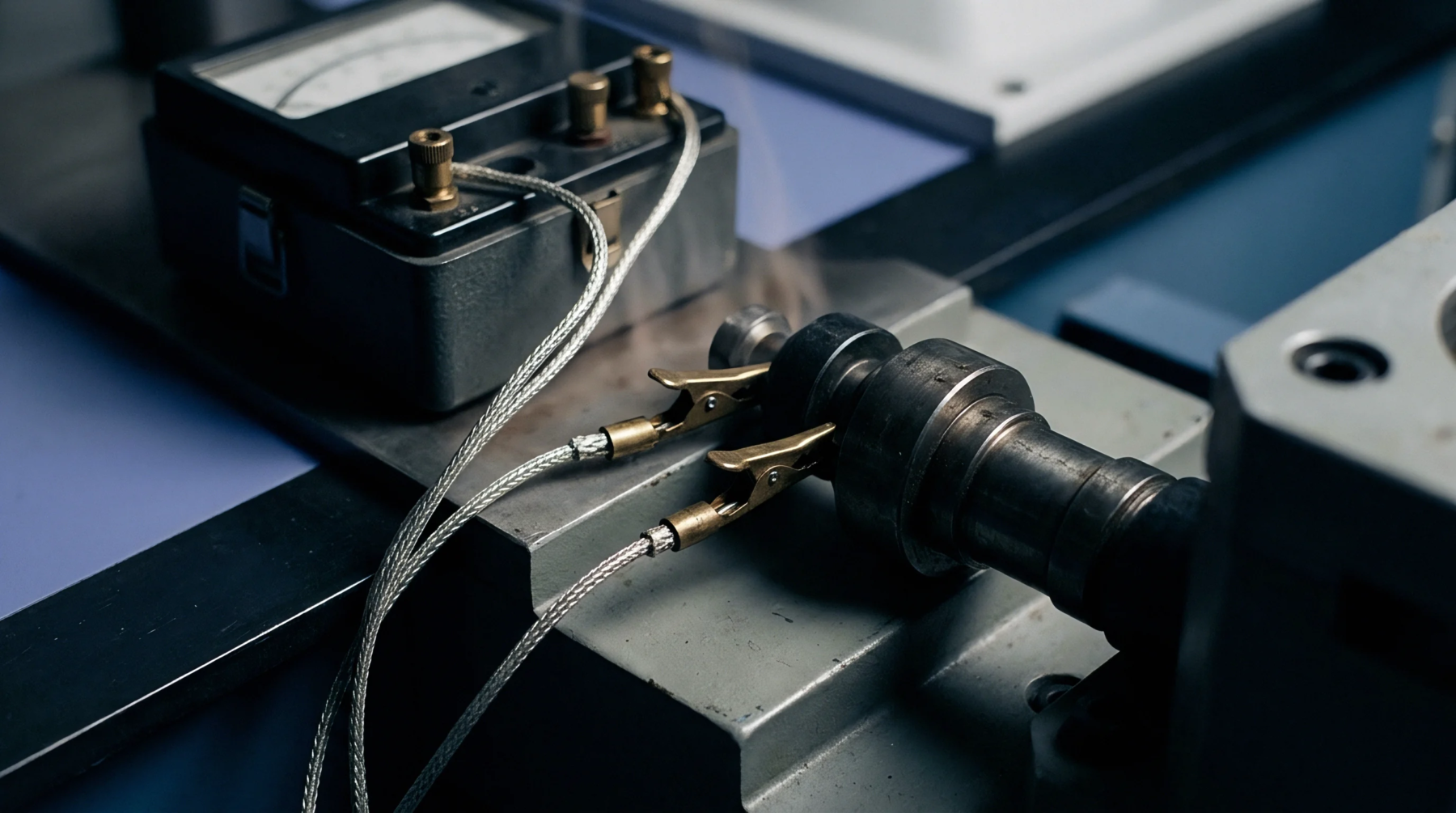
Dynamic PCB thermal gradients cause substrate flexing that alters converter resistor ladder ratios via piezoresistive strain, driving gain drift.

Static thermal zero-g bias shifts in MEMS accelerometers are isolated by enforcing prolonged thermal dwell periods to decouple stress creep from thermal gradients.

Fine-pitch iso-die variants exhibit divergent zero-point offset drift governed by package compliance, substrate CTE mismatch, and mechanical piezoresistive stress transfer.

Micro-anchor thermal expansion differential sensitivity measures resonant frequency shifts caused by package-induced mechanical strain across temperature gradients.

Packaging stress relaxation drives post-thermal drift, requiring pre-conditioning bakes and verified isothermal recovery windows to ensure long-term calibration stability.

Packaging stress decay in silicon sensor dies causes continuous zero-point drift that requires thermal preconditioning bakes to stabilize long-term offset accuracy.

Board level thermal gradients shift internal bandgap voltages by inducing transistor temperature differentials and piezoresistive package stress.
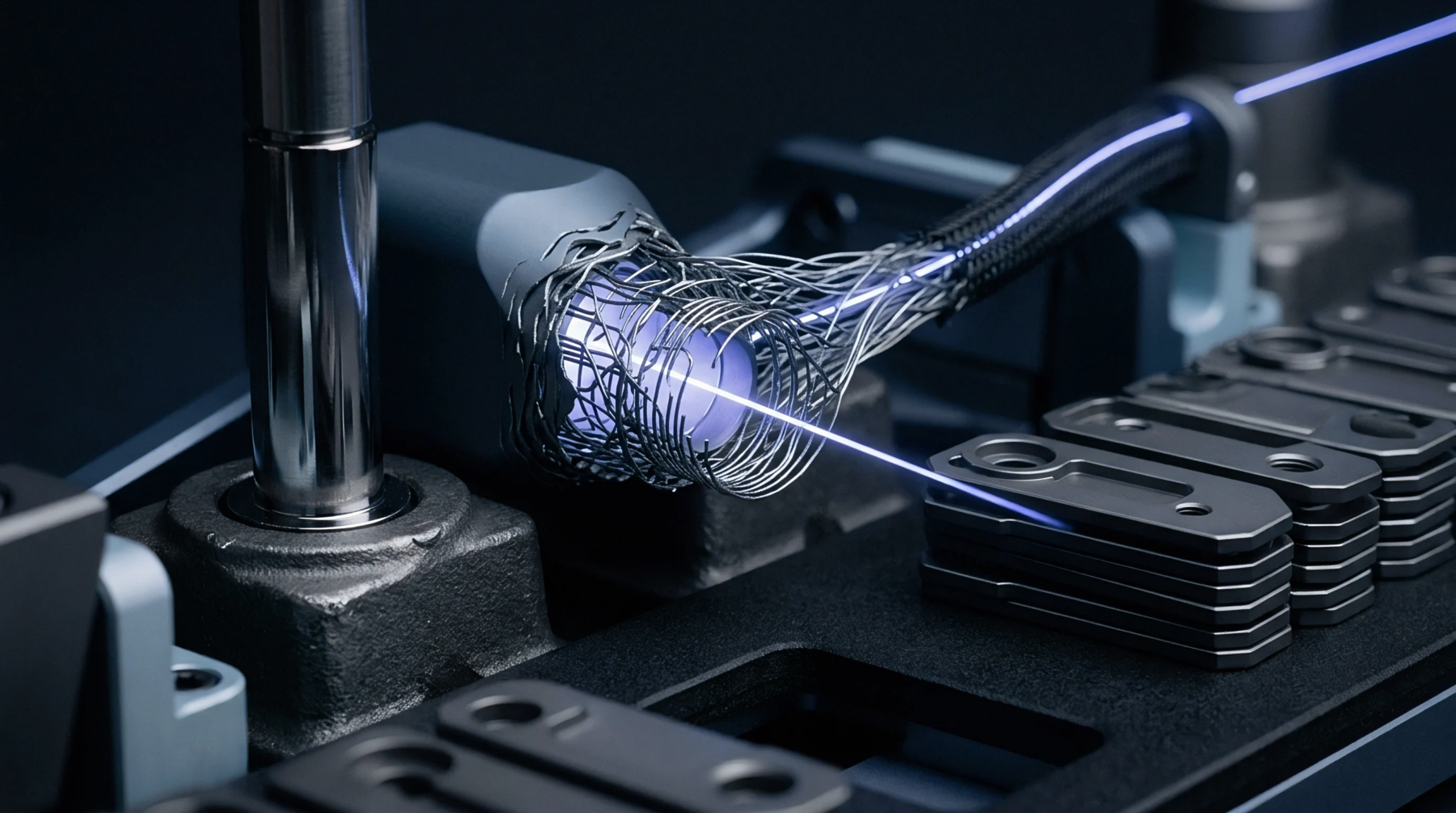
Thermal soak accelerates die attach viscoelastic micro-strain relaxation, reducing shear stress while driving physical aging, interface delamination, and Rth growth.
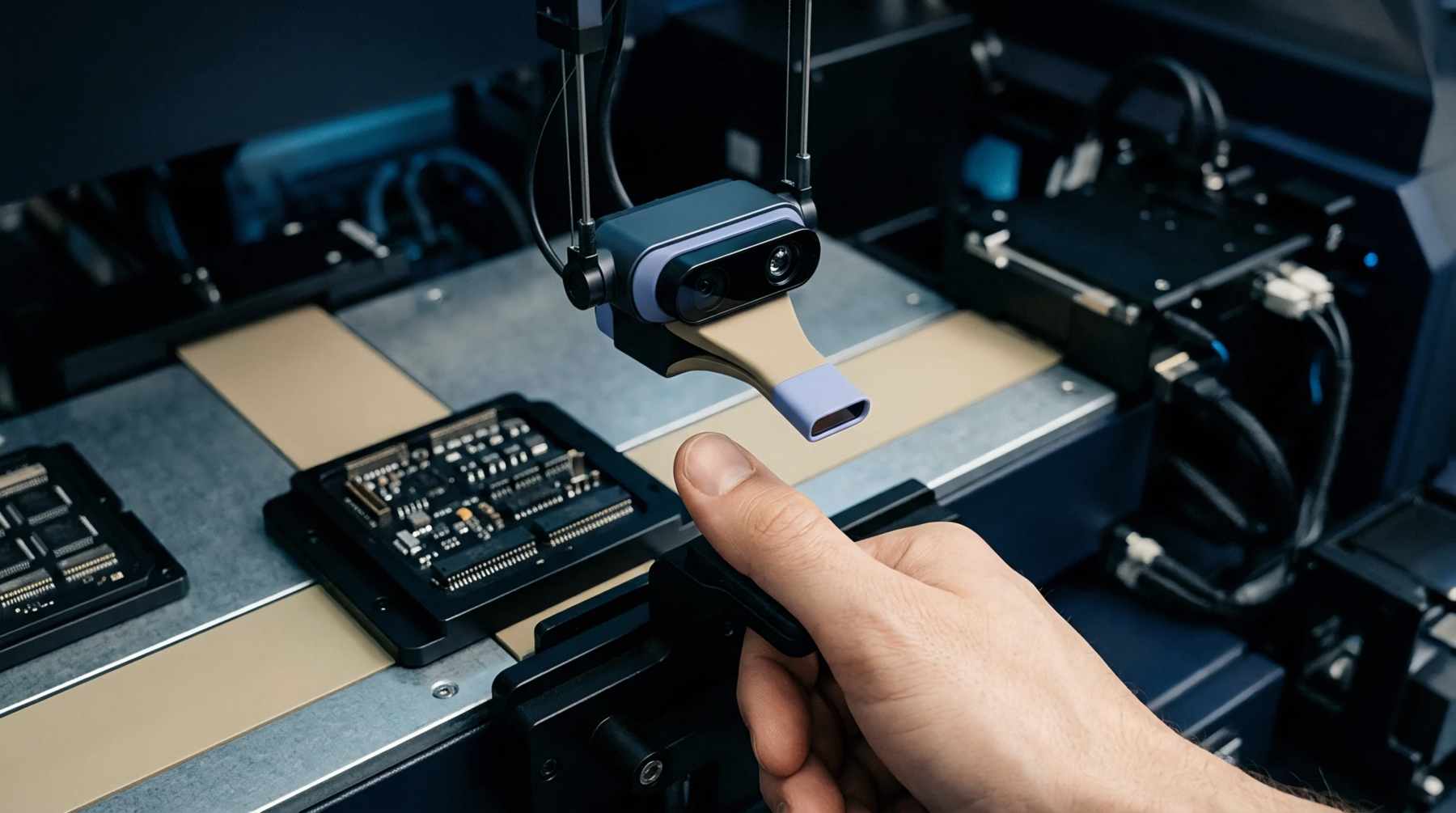
Precision land pattern design balances component manufacturing tolerances against board assembly capability to eliminate thermomechanical stress on silicon die output registers.

Sourcing sensor modules eliminates 4 to 12 weeks of driver engineering, flipping break-even economics below 15,000 units despite higher unit BOM prices.

Thermal hysteresis and package strain corrupt accelerometer zero offset; accurate baseline determinations require thermal soak isolation and vibration rejection.

MEMS silicon pressure sensor zero offset shift originates from package thermomechanical stress, dielectric charge trapping, and gel swelling, requiring thermal burn-in and polynomial ASIC compensation.

Dynamic thermal gradient compensation requires multi-node spatial sensing and state-space filtering to eliminate phase-lagged bias shifts during rapid thermal slewing.

Selecting low-modulus die attach adhesives with glass transition temperatures outside operating limits eliminates non-linear MEMS zero-g offset drift.
Expertise is a utility, not a secret. sentiention™ publishes its working knowledge as open reference: intelligence layer covering the materials it sources, the markets it enters, and the reference that serves both.