
Standard Product Discontinuance Timelines for Surface Mount Integrated Sensors
JESD48B establishes six-month buy and ship windows, but MEMS packaging closures demand immediate firmware and mechanical layout audits to prevent production halts.

JESD48B establishes six-month buy and ship windows, but MEMS packaging closures demand immediate firmware and mechanical layout audits to prevent production halts.

Polymer die attach relaxation decays mounting stress into silicon frames, causing sub-nanometer anchor warpage that shifts precision accelerometer bias.
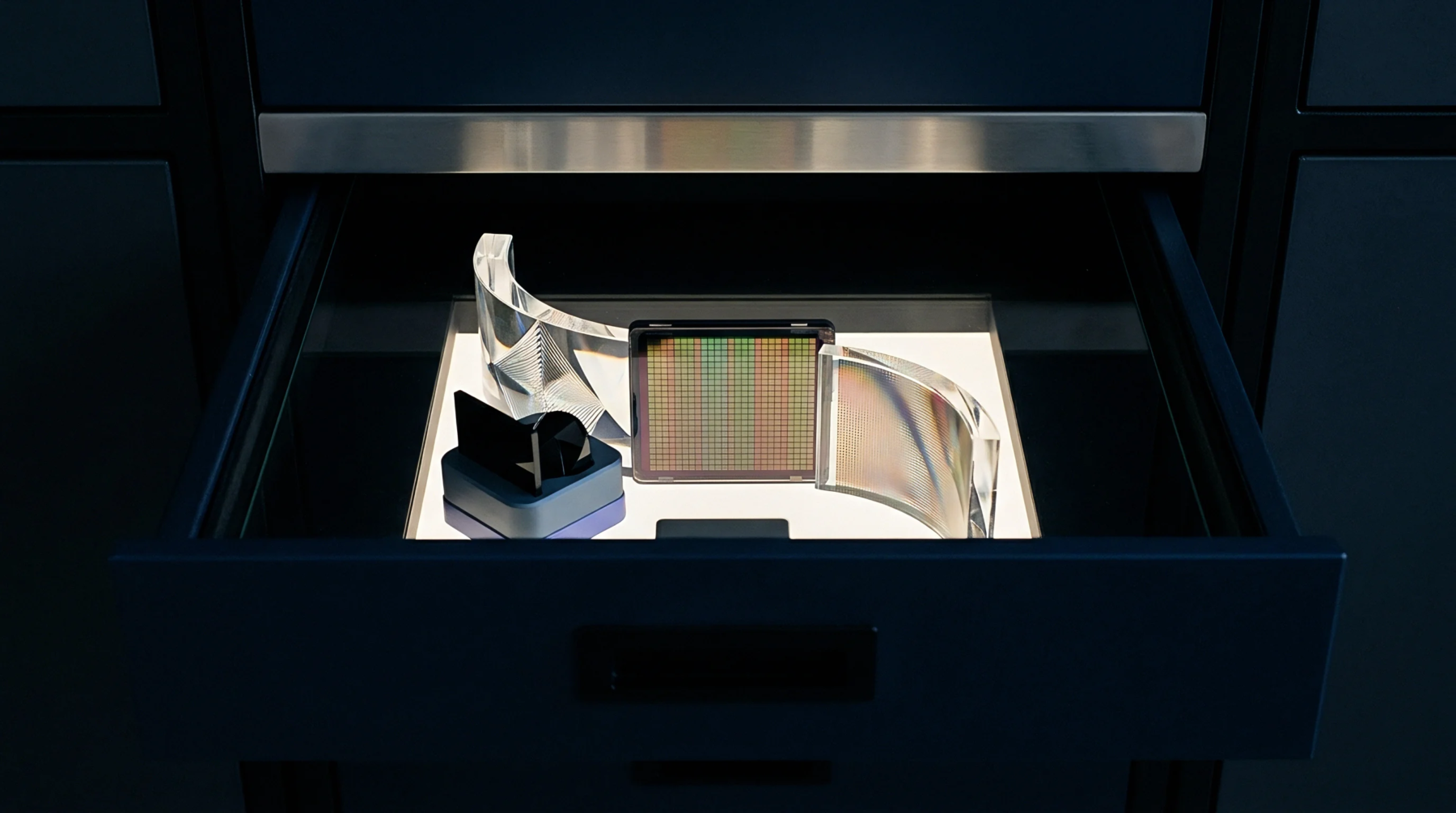
Polymeric die-attach relaxation causes time-dependent thermal strain hysteresis in silicon MEMS, producing zero-offset drift that static calibration cannot fix.

Trench isolation blocks lateral carrier bleed and oblique near-infrared rays, securing sub-minus-eighty-decibel shutter isolation at the cost of sidewall defects.

Localized carrier lifetime quenching suppresses stacked sensor parasitic charge by contracting minority carrier diffusion lengths below readout pixel pitches.

Parasitic light sensitivity in backside illuminated sensors measures optical and electrical charge leakage into the storage node during global shutter readout.

Mitigate 3D chiplet anti-fuse drift by deploying differential sensing, 35-micrometer TSV keep-outs, and post-assembly adaptive programming pulse shaping.

Non-linear rebalance quantization causes limit cycles and rectification errors that degrade multi-axis navigation unless suppressed by optimized dither loops.

Potting conductivity above 1.8 W/m·K yields minimal sensor lag reduction while escalating void formation risk, element mechanical strain, and batch calibration drift.

Sensing window margin analysis for redistribution eFuses quantifies the electrical resistance separation between intact links and programmed voids across packaging stress.

Dynamic sensor response testing requires automated plunge actuation into verified fluid loops to separate internal encapsulation conduction from boundary layer lag.

Allan variance parameters translate into discrete Kalman covariance matrices by integrating continuous spectral densities scaled by sample interval durations.
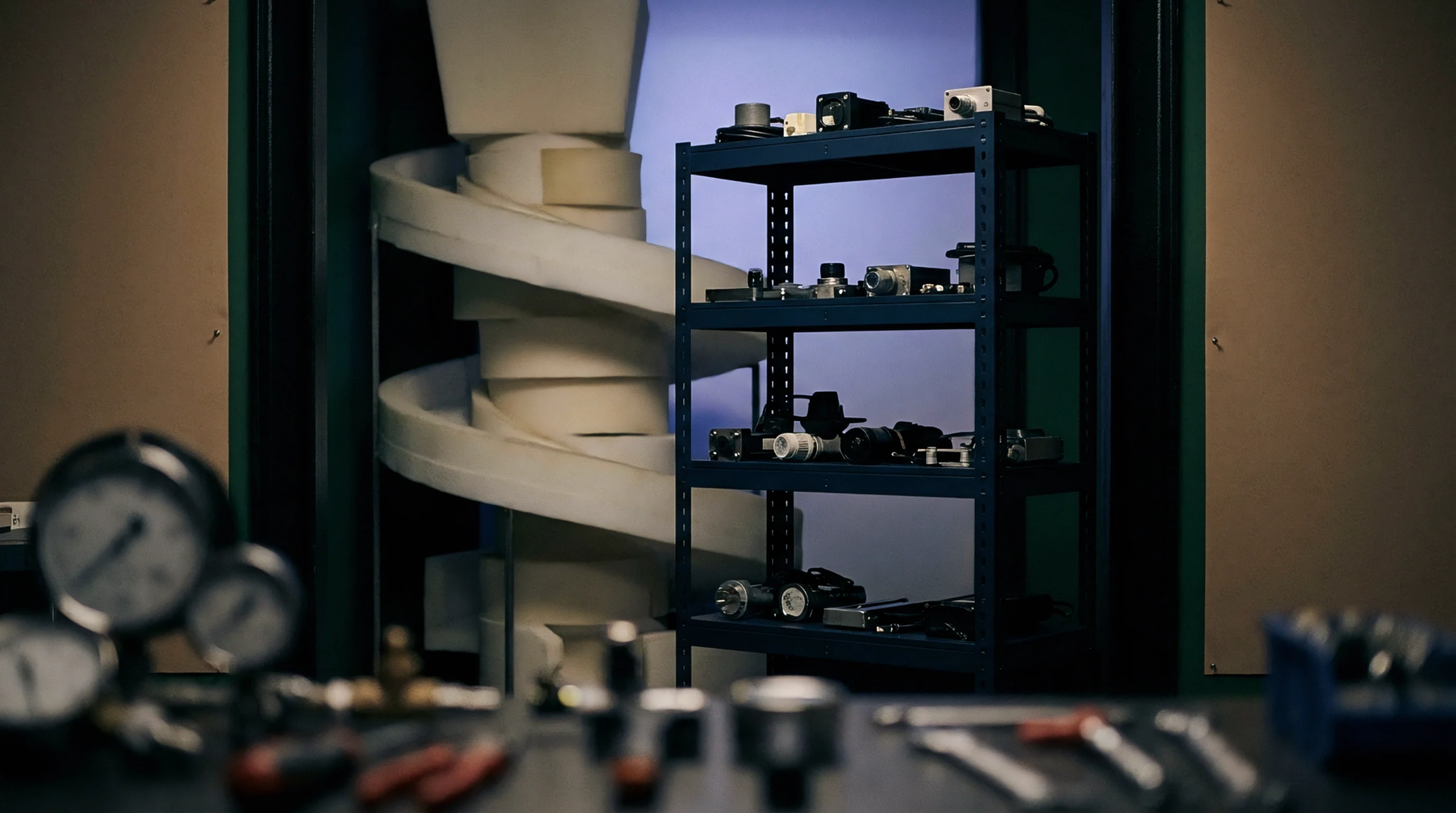
Characterizing packaging strain relaxation under forced convection isolates thermal boundary layer stripping from fluid line pressure to secure true sensor accuracy.

Post-packaging register readouts under dual-margin voltage biases confirm die traceability and guard high-density assemblies against silent trim corruption.

Forced air acceptance testing verifies sensor dynamic response and self-heating limits by replicating application flow velocities and convective coefficients.

Closed-loop inertial noise extraction isolates actuator drive noise, quantization limits, and thermal flicker through overlapping Allan variance integration bins.

Verify transducer internal core thermal equilibrium with calculated multi-time-constant dwells before executing c=0 acceptance sampling against guardbanded limits.
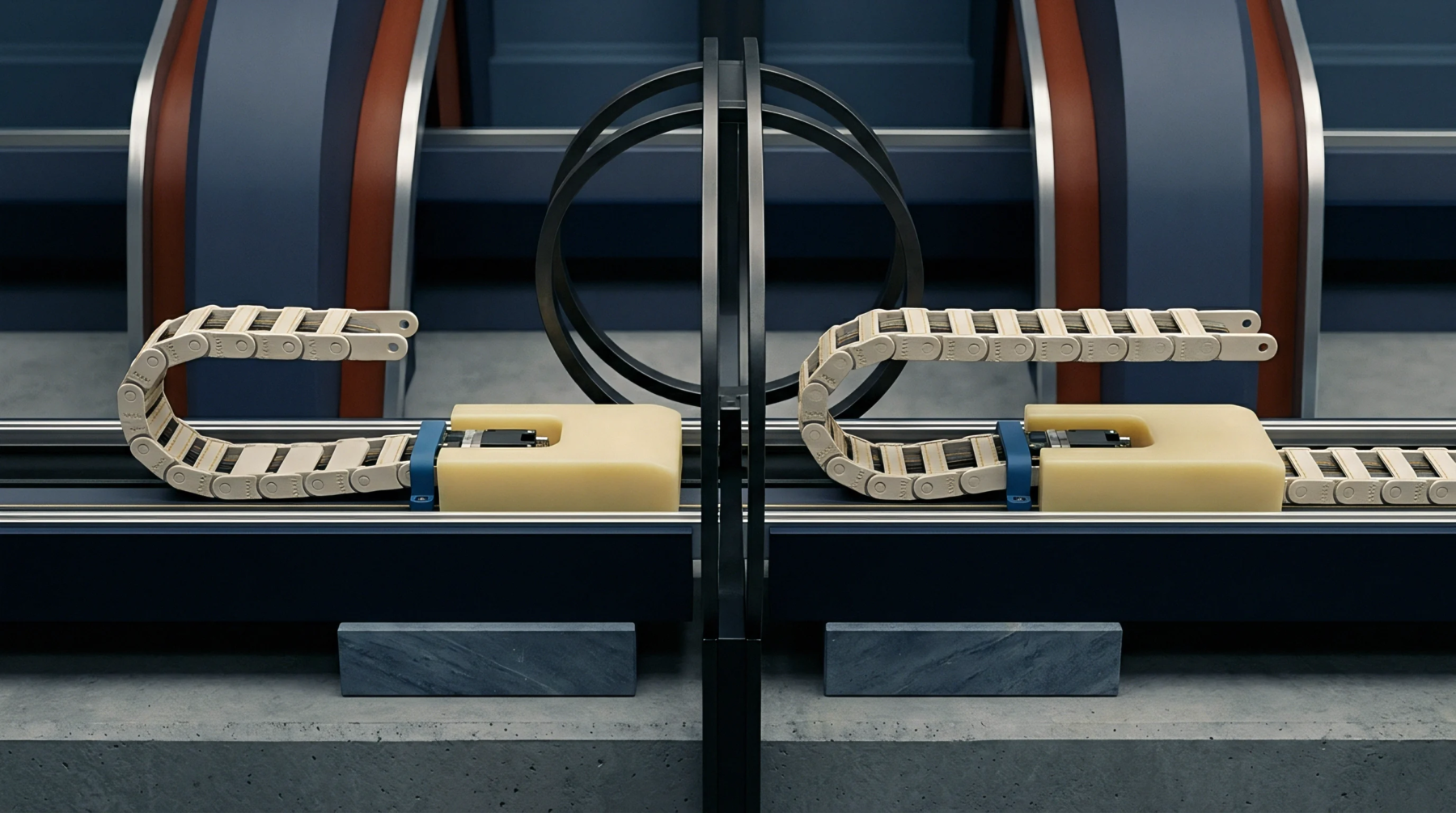
Early logarithmic packaging stress relaxation drives interfacial intermetallic diffusion, requiring refractory diffusion barriers and pre-calibration bakes.
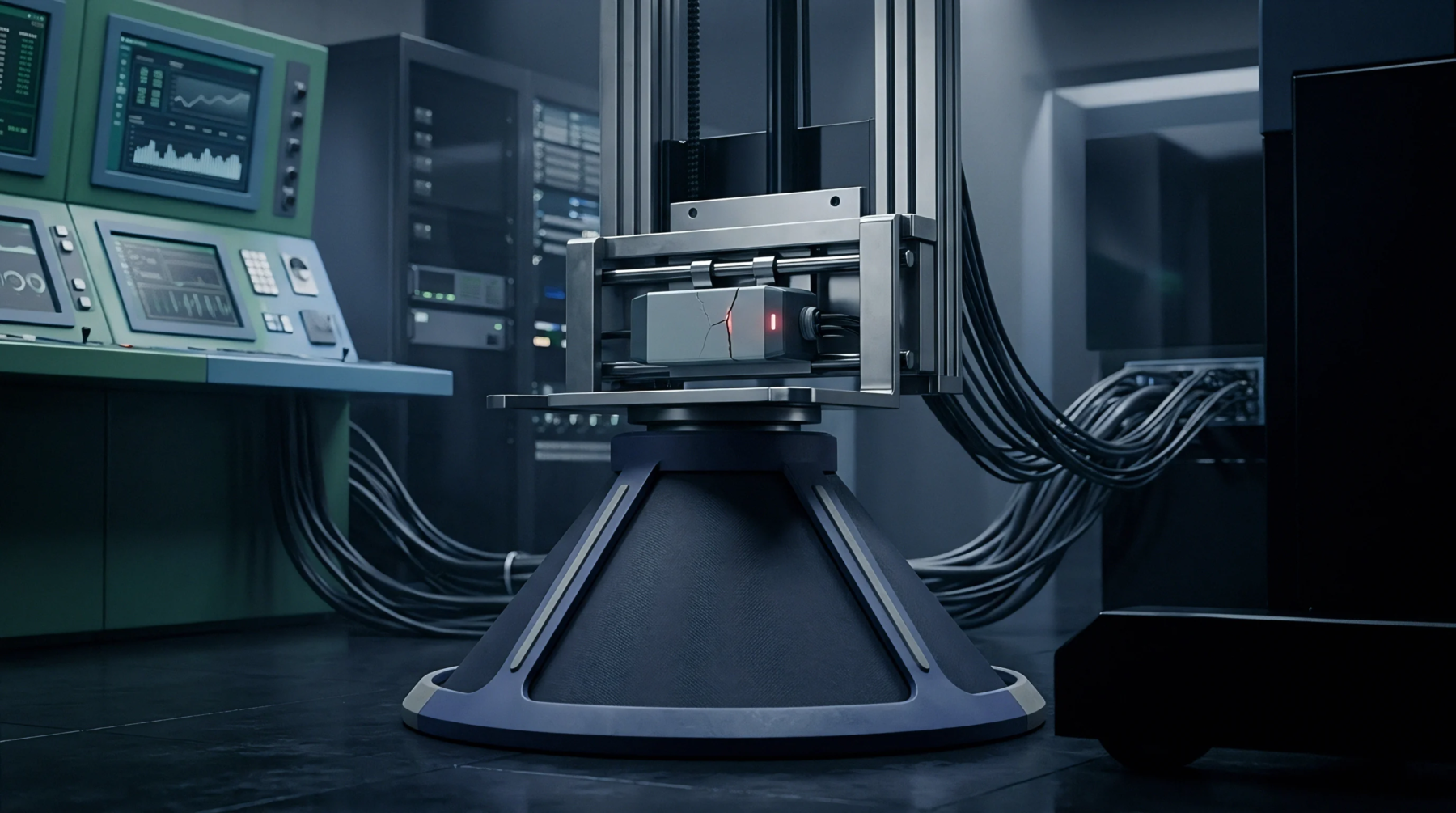
Sensor drift modeling couples Arrhenius and Peck kinetics with packaging mechanics to predict real measurement decay and optimize recalibration intervals.

Non-equilibrium microstructural evolution in silicon suspension beams drives mechanical quadrature drift beyond transimpedance amplifier saturation ceilings.

Dynamic thermal stress induces localized micro-bump strain and jitter, requiring CRC-protected in-band register polling to verify chiplet steppings before boot.

Validating four-week transducer qualification requires deriving activation energies empirically across stepped temperatures to prevent severe drift underestimation.

Viscoelastic interfacial relaxation across silicon resonator anchors alters structural stress, inducing predictable long-term frequency drift and Q degradation.

Dynamic thermal gradients drive nonlinear viscoelastic die attach shear creep, inducing hysteretic sensor offset drift that evades static factory calibration.

High frequency complex admittance tracking isolates liquid condensation from ambient humidity by separating dipolar relaxation from ionic interfacial dispersion.

IEEE 1838 die register verification across high-density interposer bumps requires cycle-accurate scan patterns mapped to low-skew DWR and FSI boundary registers.

Wafer level packaging couples board assembly strain directly to MEMS suspensions, demanding mechanical anchor isolation to prevent irreversible bias drift.

Automated boundary scan architecture isolates microbump faults inside multi-die packages, replacing physical probing to safeguard assembly yields.

Interfacial shear stress transfers package thermal mismatch into piezoresistor bridges, requiring glass pedestals to prevent unrecoverable zero-point drift.
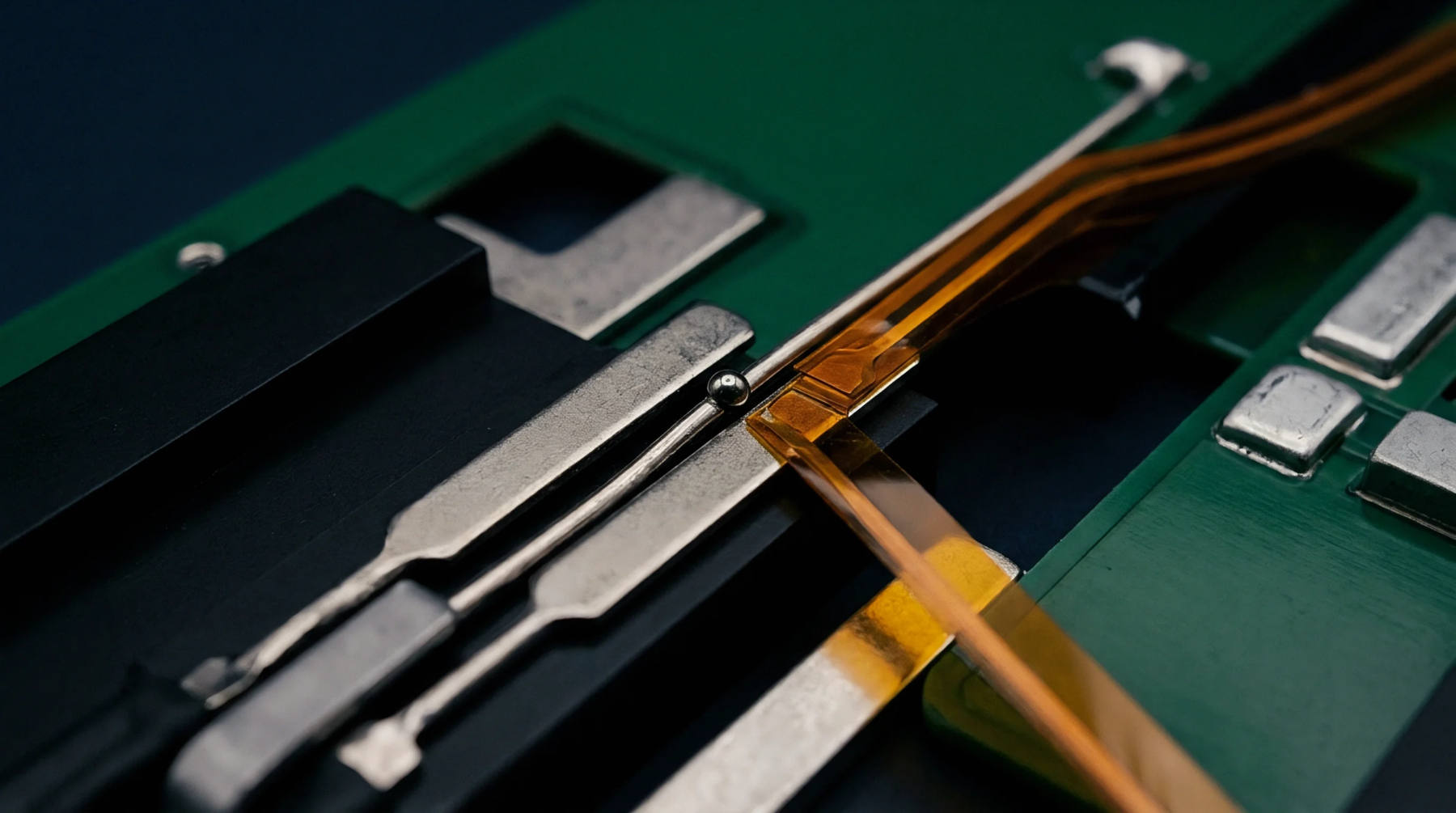
Automated pre-placement socket interrogation of silicon revision registers prevents unannounced wafer steppings from halting high-volume SMT production lines.
Expertise is a utility, not a secret. sentiention™ publishes its working knowledge as open reference: intelligence layer covering the materials it sources, the markets it enters, and the reference that serves both.