
Transient Thermal Impedance Measurement in Semiconductor Die Attach Layers
Transient thermal impedance measurement isolates semiconductor die attach voids by deconvolving time-domain cooling curves into spatial structure functions.

Transient thermal impedance measurement isolates semiconductor die attach voids by deconvolving time-domain cooling curves into spatial structure functions.

Augmenting transient observer state vectors with nonlinear Maxwell viscoelastic die attach models eliminates sensor drift between 77 Kelvin and 473 Kelvin.
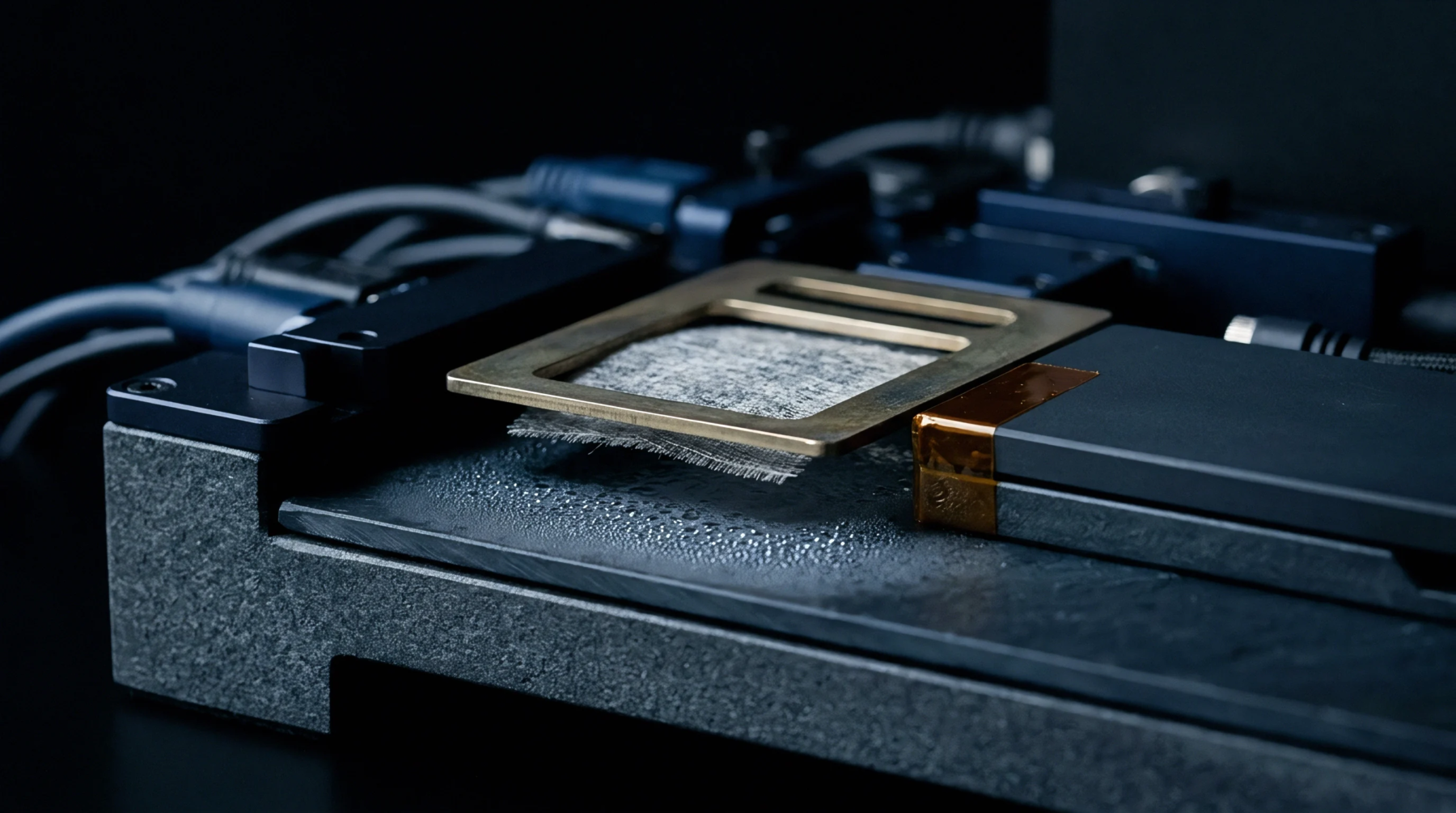
Lumped parameter state space observers reconstruct true sensor inputs by modeling internal transducer dynamic lag in firmware to eliminate delay and phase lag.

Discrete transducer SMT yield loss and calibration costs depend on pad symmetry, post-reflow strain aging, and test cell chamber dwell times.
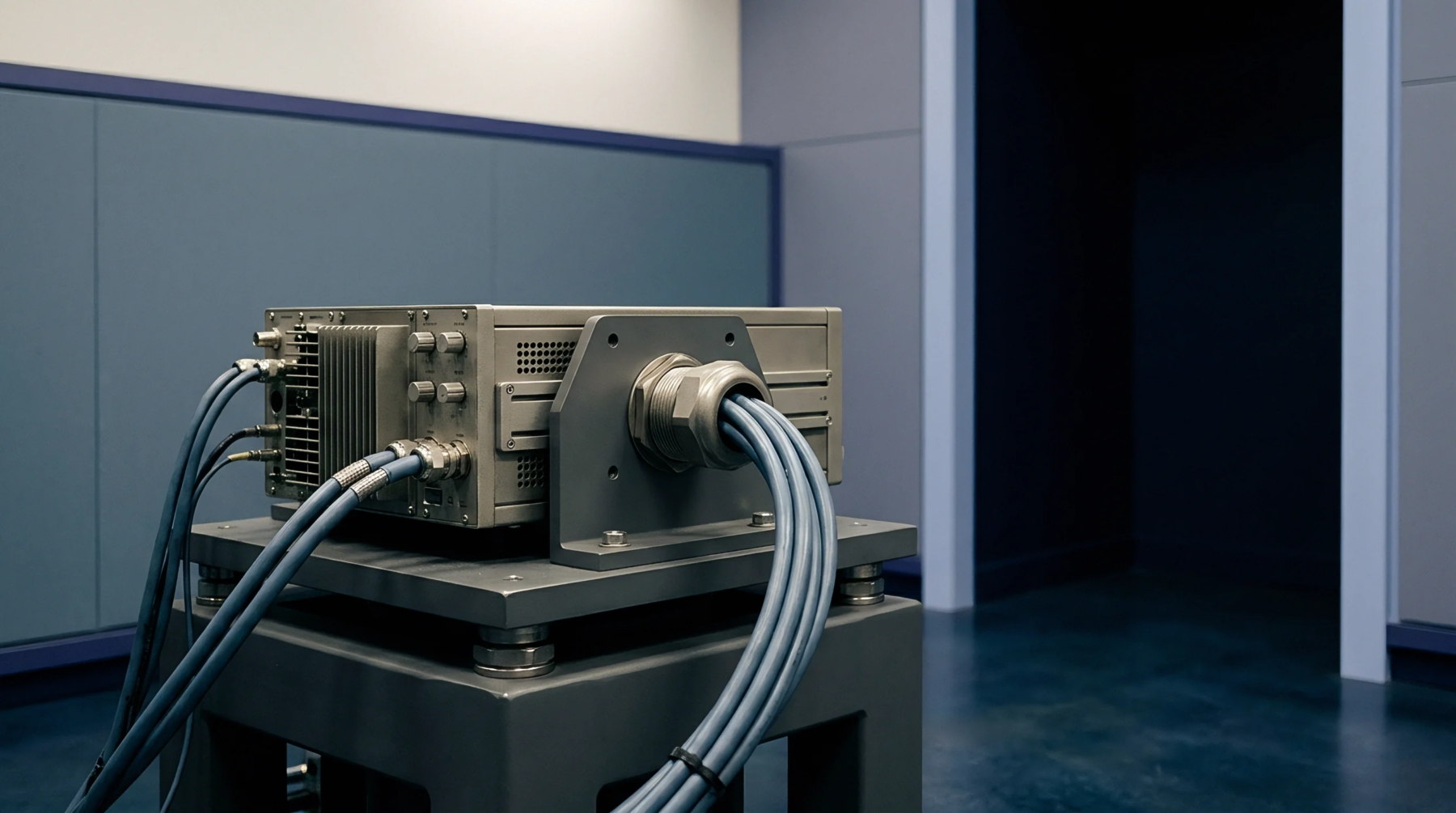
Tactical IMU thermal bias modeling requires combining static higher-order polynomials with real-time temperature derivative terms to eliminate dynamic lag errors.

Sub-micron thermo-mechanical strain in encapsulated accelerometer arrays is mitigated using central anchor suspensions, DRIE isolation trenches, and balanced wafer stacks.

Discrete sensor chip-down integration breaks even above fifteen thousand units where bill-of-materials savings overcome tooling and test fixture outlays.

Automated boundary scan extraction combined with transmissive X-ray die metrology catches silent silicon stepping changes before SMT placement lines fault.

Trap hardware stepping errata by verifying silicon ID registers during boot and driving high-side rail switches to clear frozen bus states.
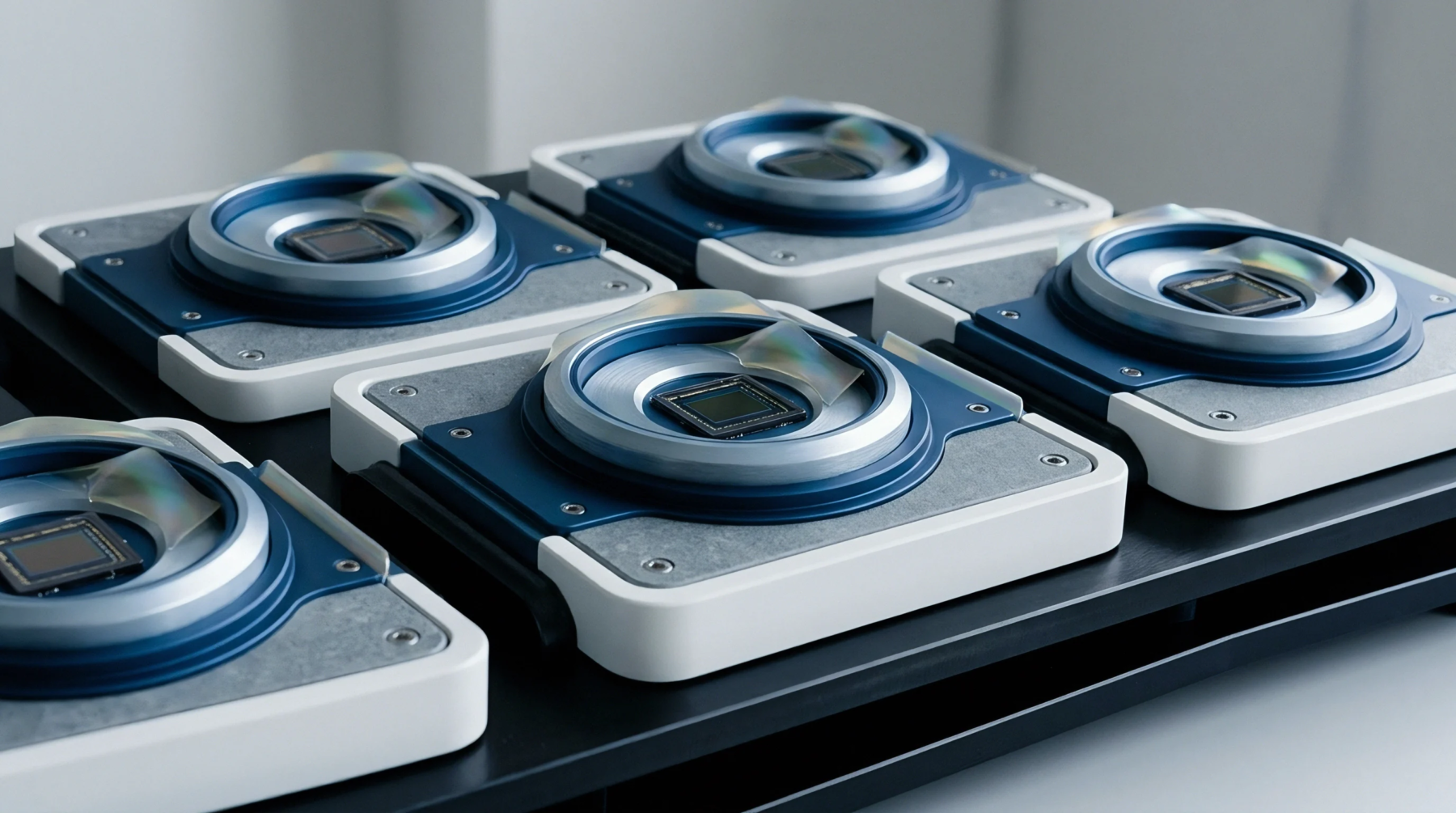
Spatial thermal gradients disrupt differential capacitive balance, requiring symmetric substrate layout and strain isolation to preserve bias stability.
Expertise is a utility, not a secret. sentiention™ publishes its working knowledge as open reference: intelligence layer covering the materials it sources, the markets it enters, and the reference that serves both.