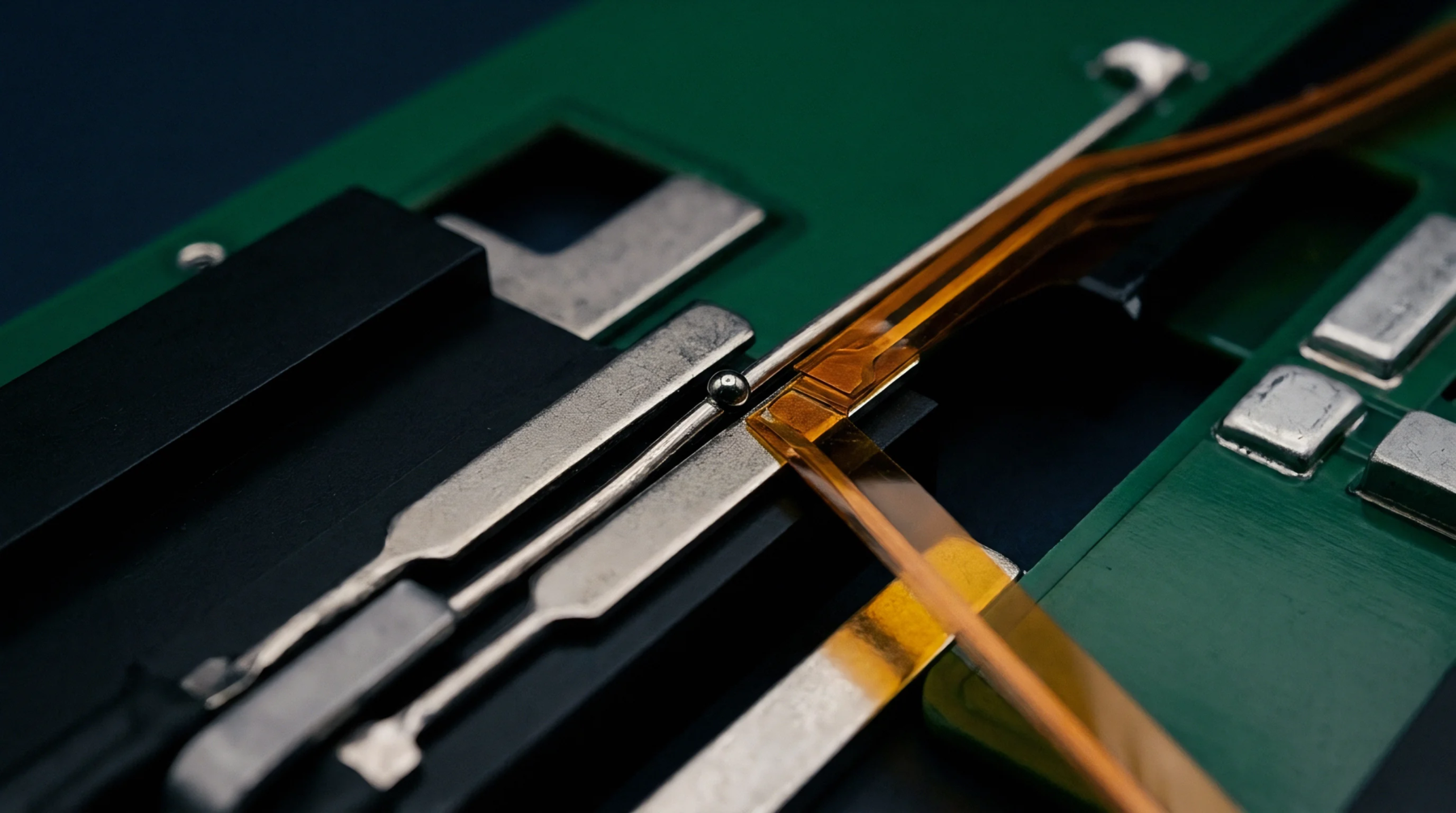
Minimizing Circuit Board Strain Propagation in Surface Mounted Pressure Sensors
Milled PCB isolation slots and controlled solder standoff heights decouple surface mount pressure sensors from assembly flexure and thermal board strain.
Milled PCB isolation slots and controlled solder standoff heights decouple surface mount pressure sensors from assembly flexure and thermal board strain.

Extracting cross axis rectification coefficients requires dual tone orthogonal excitation to isolate second order asymmetric stiffness shifts from true tilt.

Static thermal zero-g bias shifts in MEMS accelerometers are isolated by enforcing prolonged thermal dwell periods to decouple stress creep from thermal gradients.

Selecting sensors requires matching physical transduction principles to measurands while accounting for thermal drift, noise floor, and fab availability.

Sensing power budgets depend on physical excitation energy, analog settling delays, and converter sampling overhead across operating duty cycles.
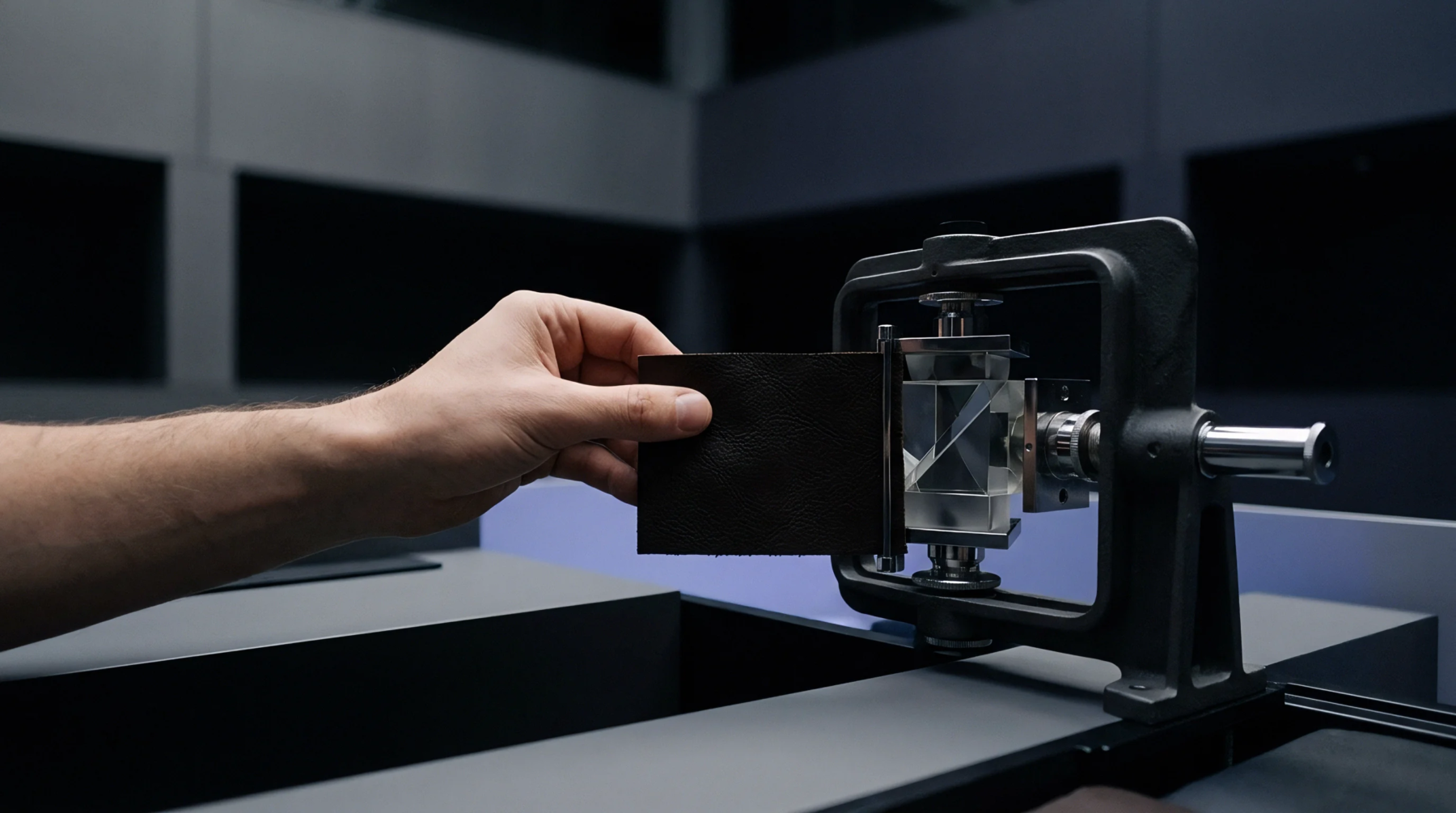
Static multi-position gravity inversion separates zero-g offset from scale factor while Allan variance bias instability defines maximum valid integration time.

Stationary leveling extracts pitch and roll by isolating the 1g local gravity vector, bounded by accelerometer bias stability and vibration rectification error.

Replacing a primary sensor with an alternate physics module requires rebuilding signal conditioning, cross-sensitivity models, and chamber qualification suites
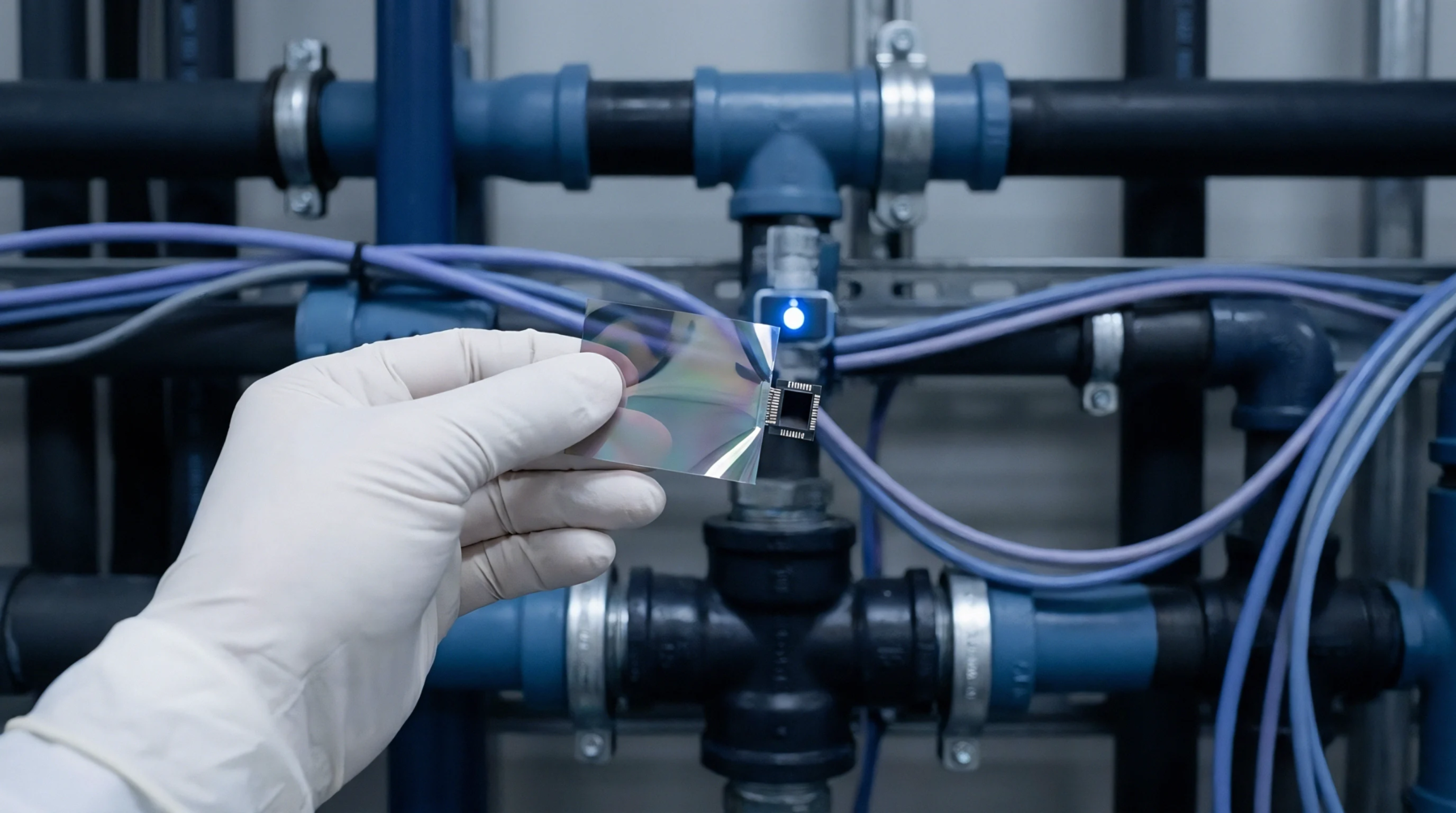
Inertial dead reckoning holds only while gyroscope bias instability bounds cubic tilt divergence within allowable spatial position tolerance thresholds.
Expertise is a utility, not a secret. sentiention™ publishes its working knowledge as open reference: intelligence layer covering the materials it sources, the markets it enters, and the reference that serves both.