
Evaluating SMT Yield Loss and Calibration Cost in Discrete Transducer Assembly
Discrete transducer SMT yield loss and calibration costs depend on pad symmetry, post-reflow strain aging, and test cell chamber dwell times.
Discrete transducer SMT yield loss and calibration costs depend on pad symmetry, post-reflow strain aging, and test cell chamber dwell times.
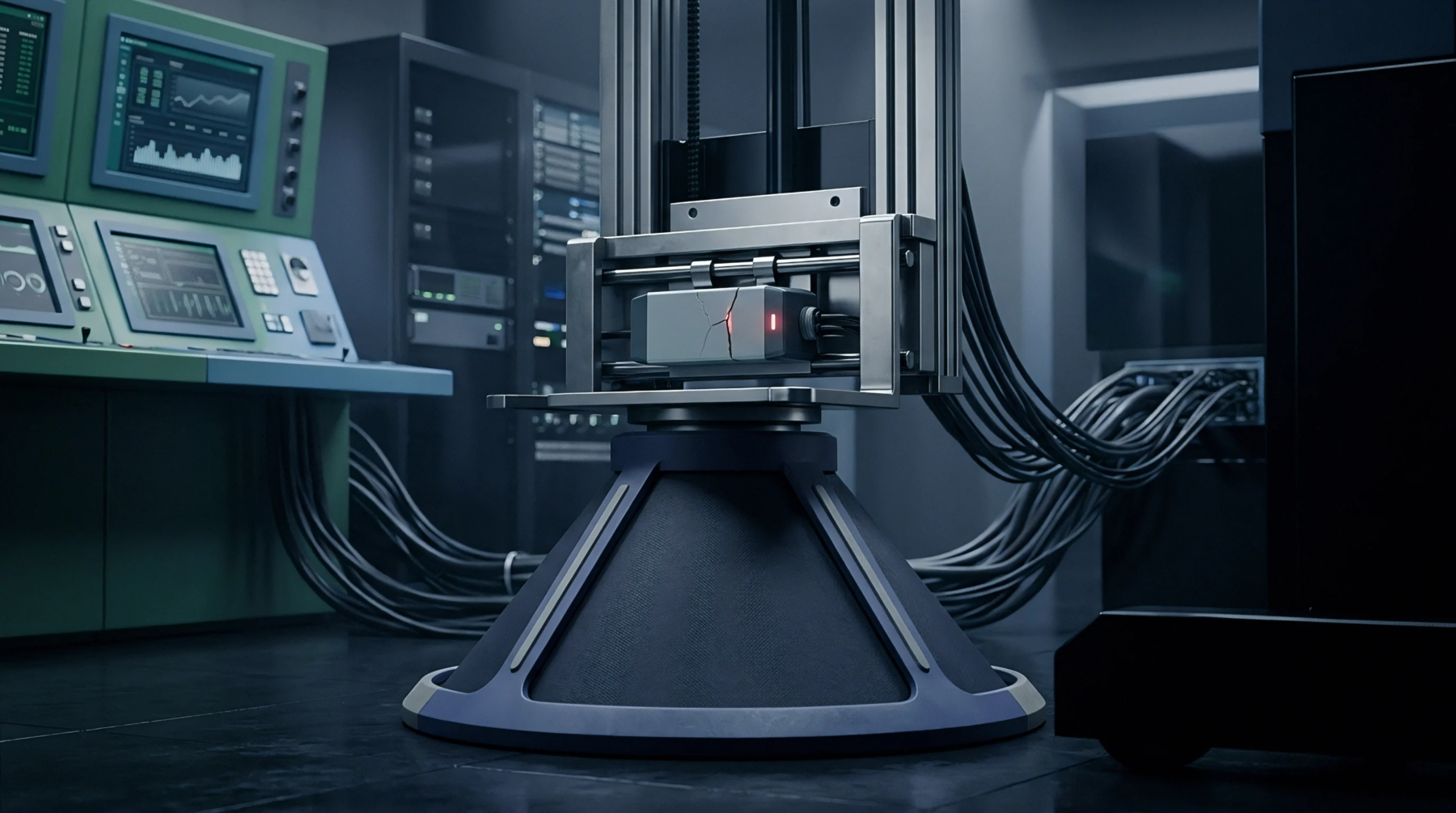
Dynamic asymmetric board strain couples into silicon piezoresistors via solder joints, causing uncompensated baseline drift mitigated by PCB isolation slots.

Selecting surface mount sensor packages requires balancing land-pattern mechanical stress and reflow limits against bus integration effort and unit yield cost.
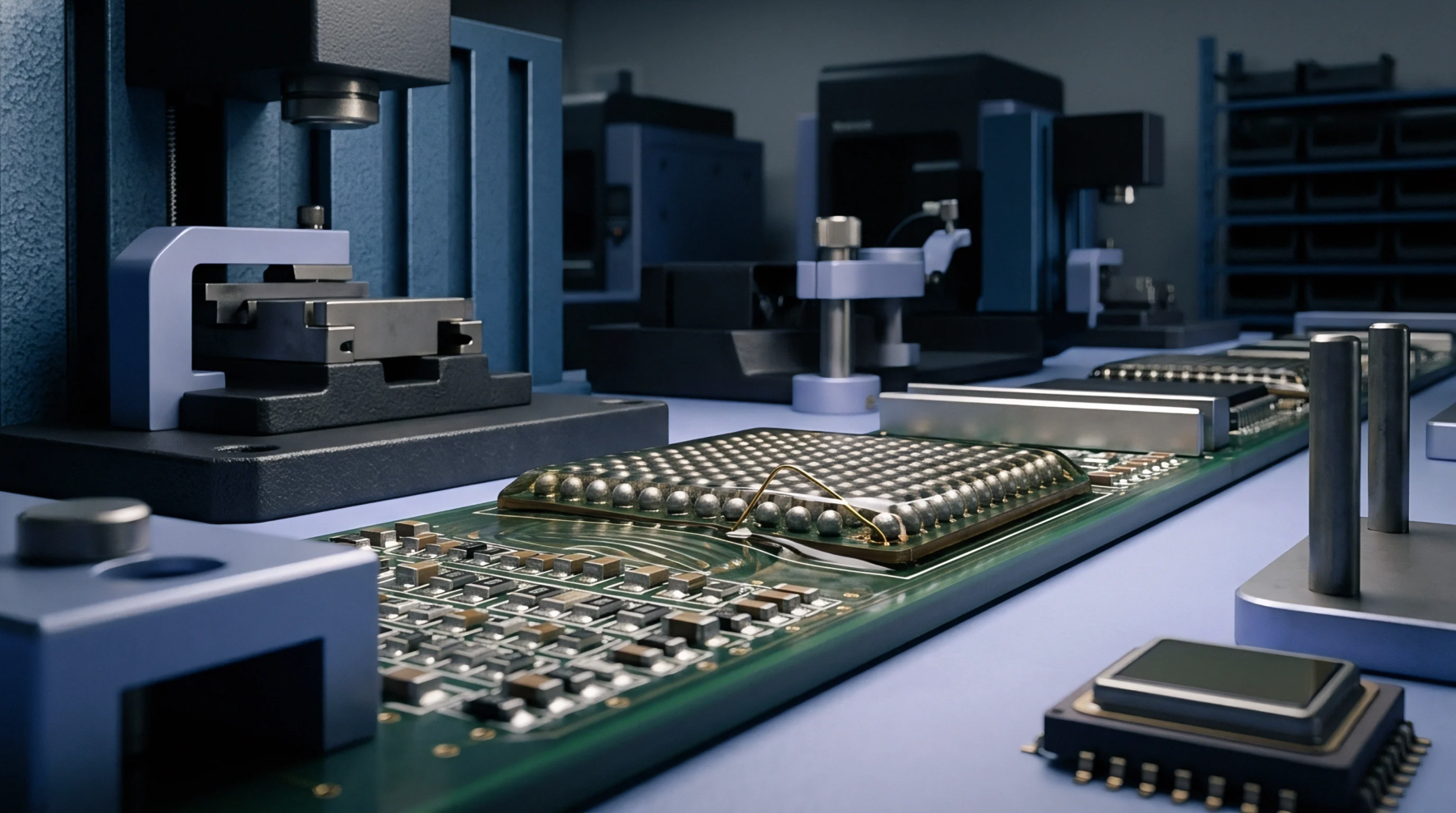
Calculated land pattern dimensions matching IPC-7351 guidelines balance solder fillet volume and placement tolerance to prevent joint stress and yield loss.
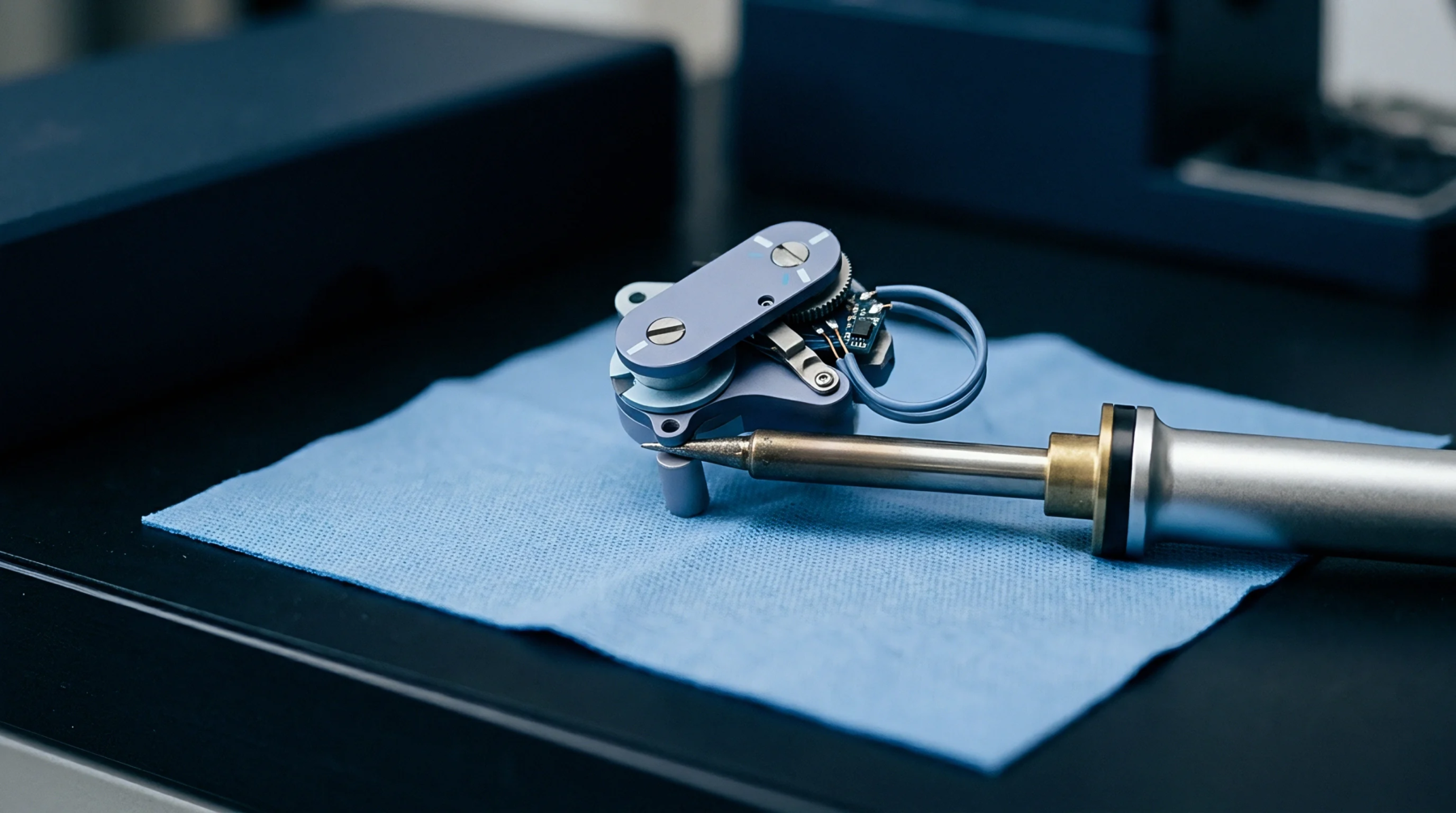
Transitioning to leadless packages reduces lead inductance by 80 percent, accelerating edge rates and requiring layout tuning to control ringing and drift.
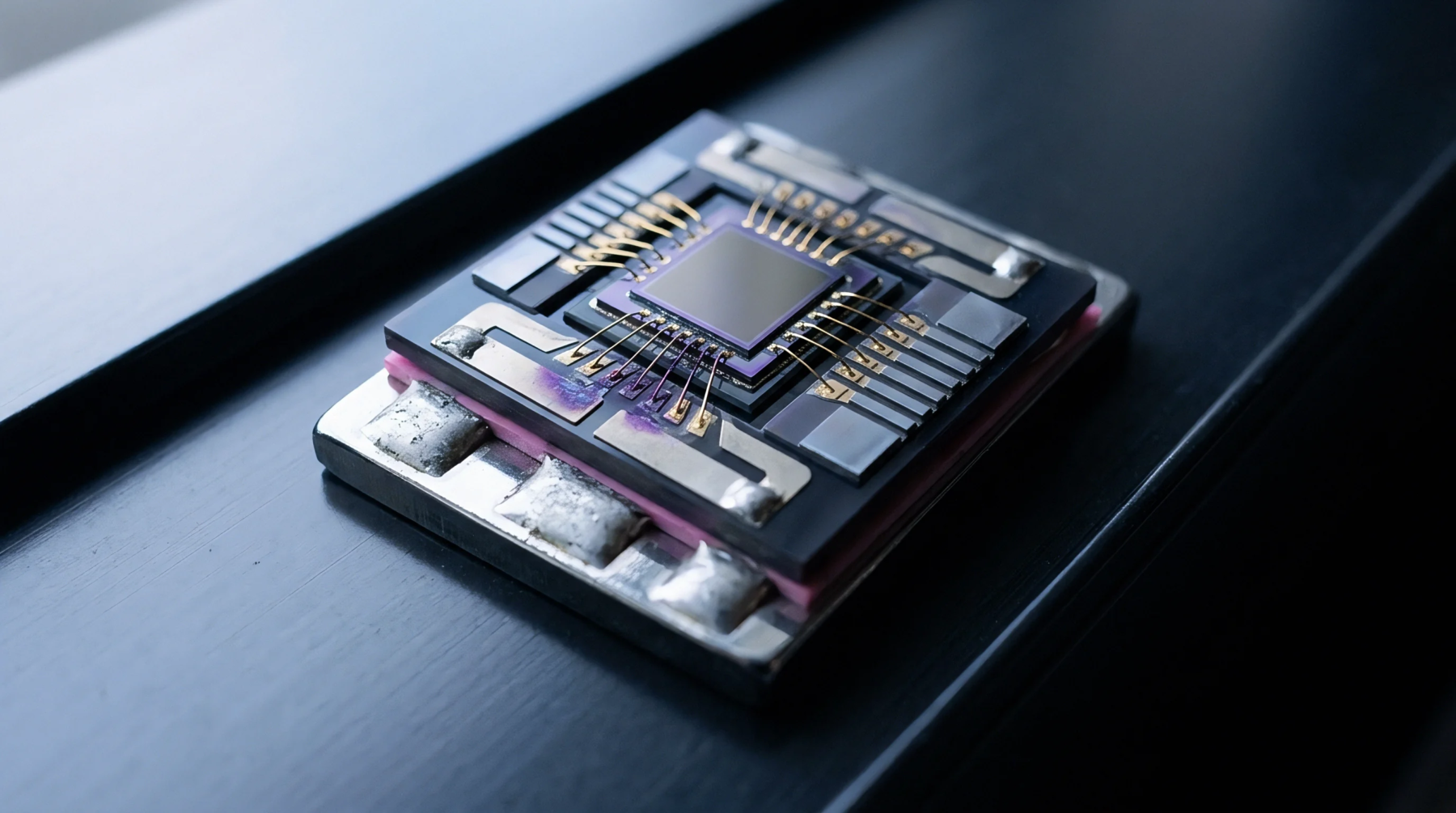
Substrate viscoelastic relaxation and thermal expansion mismatch induce time-dependent, hysteretic offset drift in MEMS requiring mechanical anchor isolation.
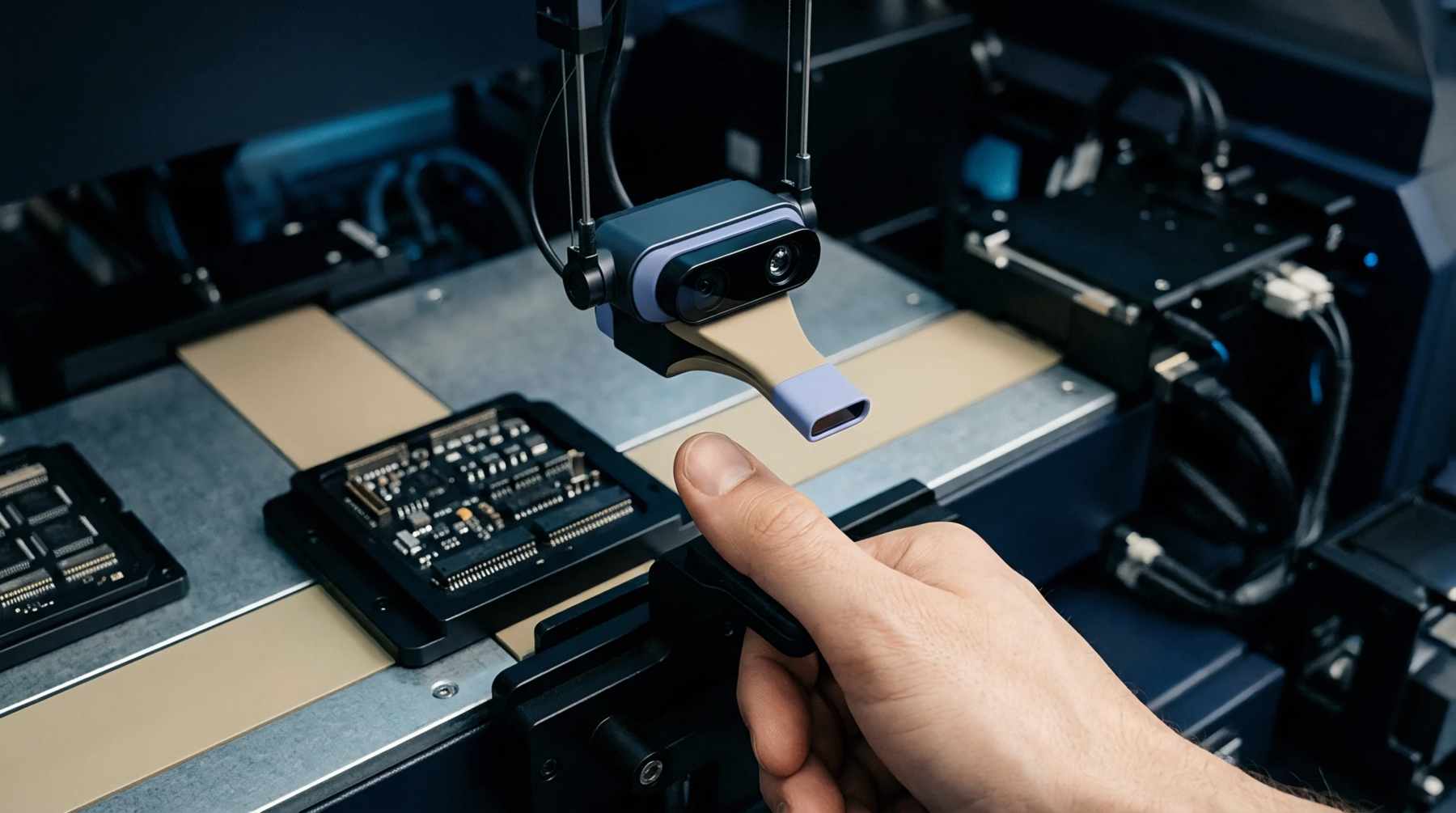
Precision land pattern design balances component manufacturing tolerances against board assembly capability to eliminate thermomechanical stress on silicon die output registers.

Compromised MSL 3 packaging instantly voids floor life: quarantine components, verify humidity cards, and require J-STD-033 dry baking before SMT reflow.
Expertise is a utility, not a secret. sentiention™ publishes its working knowledge as open reference: intelligence layer covering the materials it sources, the markets it enters, and the reference that serves both.