Spatial Thermal
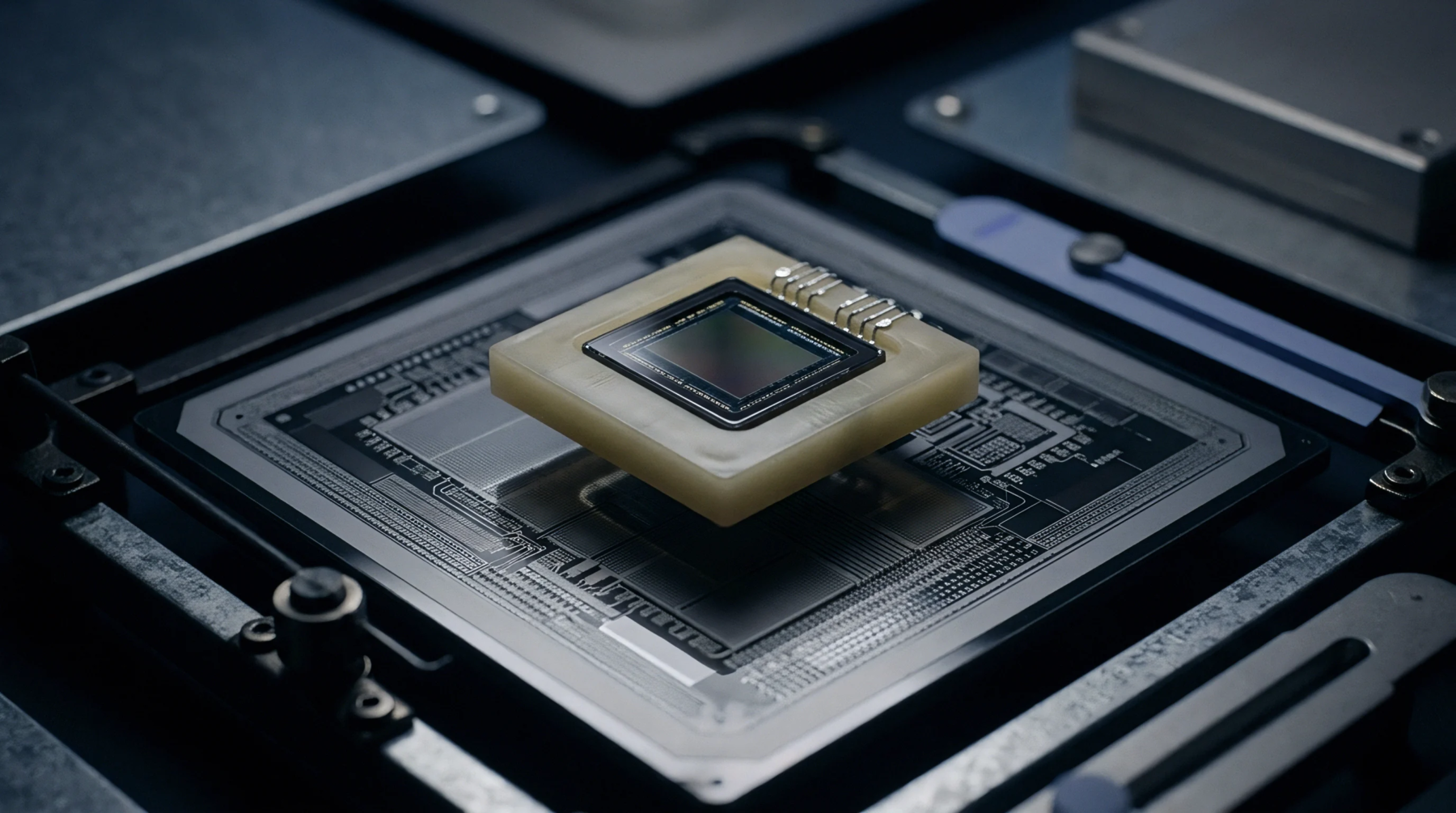
Distributed circuit networks monitor localized temperature values across diverse physical regions of an integrated substrate or package cavity. Multi node thermal sensing tracks internal thermal gradients across complex microelectromechanical devices via arrays of diodes, thermistors, or resonant temperature detectors. This multi point approach ceases applicability when devices operate within isothermal spaces where single point bulk temperature monitoring suffices.
Gradient Generation
Uneven board heating, power amplifier dissipation, and ambient convective crosswinds produce dynamic internal temperature differences across physical sensor dies. Single thermal sensors mounted near package borders fail to capture microclimates developing near suspended central proof masses. Multi node arrays position independent sensing elements adjacent to outer anchors, readout circuits, and suspension springs.
Individual localized sensing channels capture the magnitude, direction, and evolution of spatial thermal gradients. Compensating engines use these multidirectional vectors to cancel temperature dependent strain artifacts that standard single variable models miss.
Drift Elimination
Asymmetrical thermal expansion creates mechanical torques that mirror true inertial signals on capacitive sense interfaces. Distributed sensing informs multi parameter polynomial models, decoupling ambient thermal spikes from physical acceleration or rotation events. Offset drift over dynamic temperature profiles drops significantly when localized thermal deltas replace lumped bulk temperature assumptions.
Calibration Mapping
Factory qualification involves driving local micro heaters while cycling the overall device across thermal ranges in automated calibration chambers. Automated test benches construct spatial calibration coefficients, confirming gradient rejection across multidirectional heat fluxes. Validation protocols reject units displaying uncompensated thermal drift exceeding designated parts per million limits.