
Spatial Thermal Gradient Mapping Micro-Machined Accelerometer Arrays
Spatial thermal gradient mapping in micro-machined accelerometer arrays decouples linear motion from external board heat using differential thermopile matrices.
Spatial thermal gradient mapping in micro-machined accelerometer arrays decouples linear motion from external board heat using differential thermopile matrices.

Dynamic thermal gradients induce structural strain and bias errors that static calibrations miss, requiring real-time state observer algorithms.

Multi-axis tumble matrix optimization extracts 21 sensor parameters, reducing vector error residuals to native sensor noise bounds.

Precision Allan variance characterization demands thermal soak chambers featuring sub-millikelvin temperature stability, low vibration, and zero fluid turbulence.

Bench Allan variance parameters convert to discrete Kalman process noise matrices by integrating state transition matrices over the sampling interval.
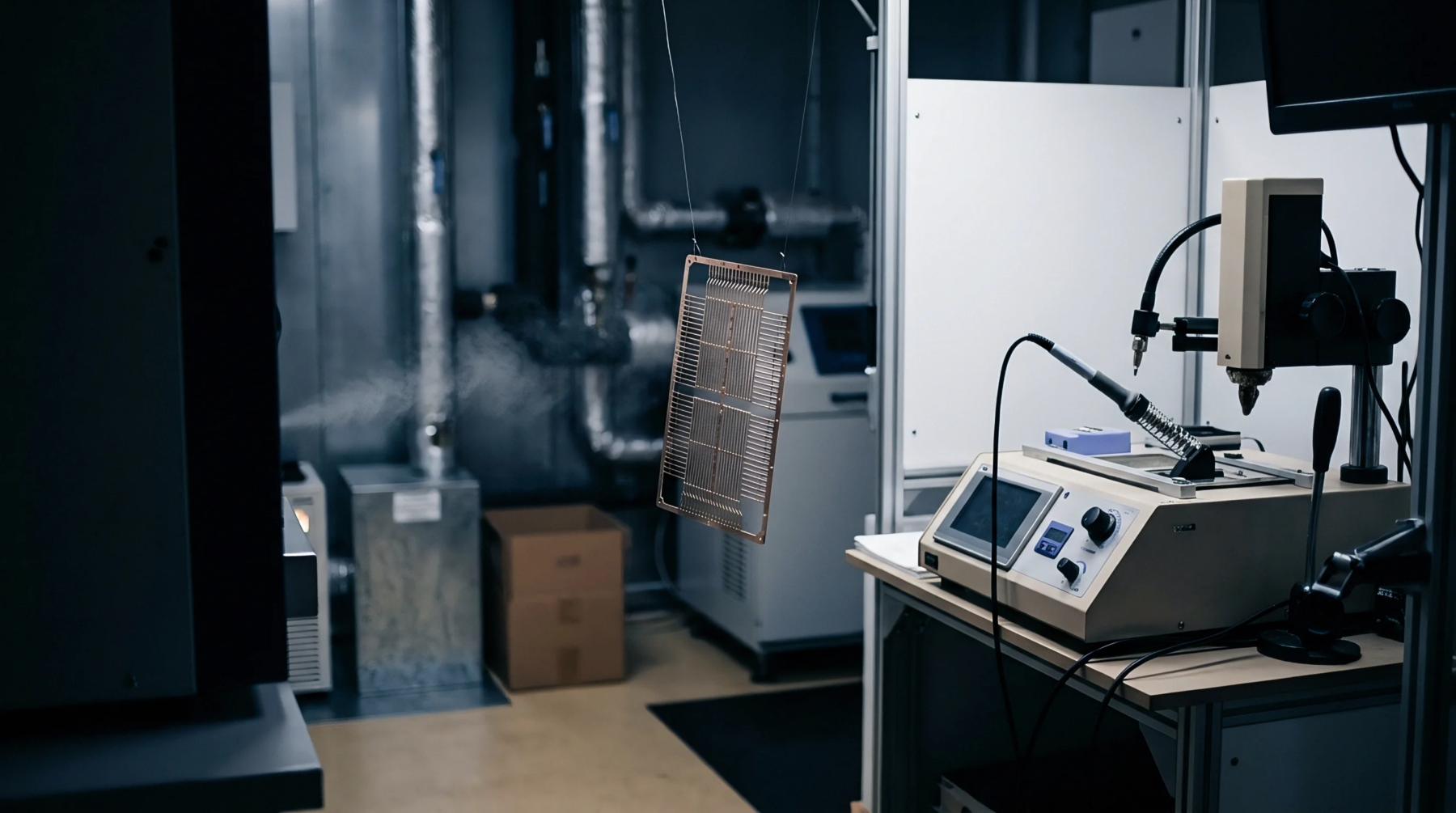
Analytical error bounds combine accelerometer bias tilt projection and latitude secant gyrocompassing equations to establish deterministic spatial uncertainty limits.
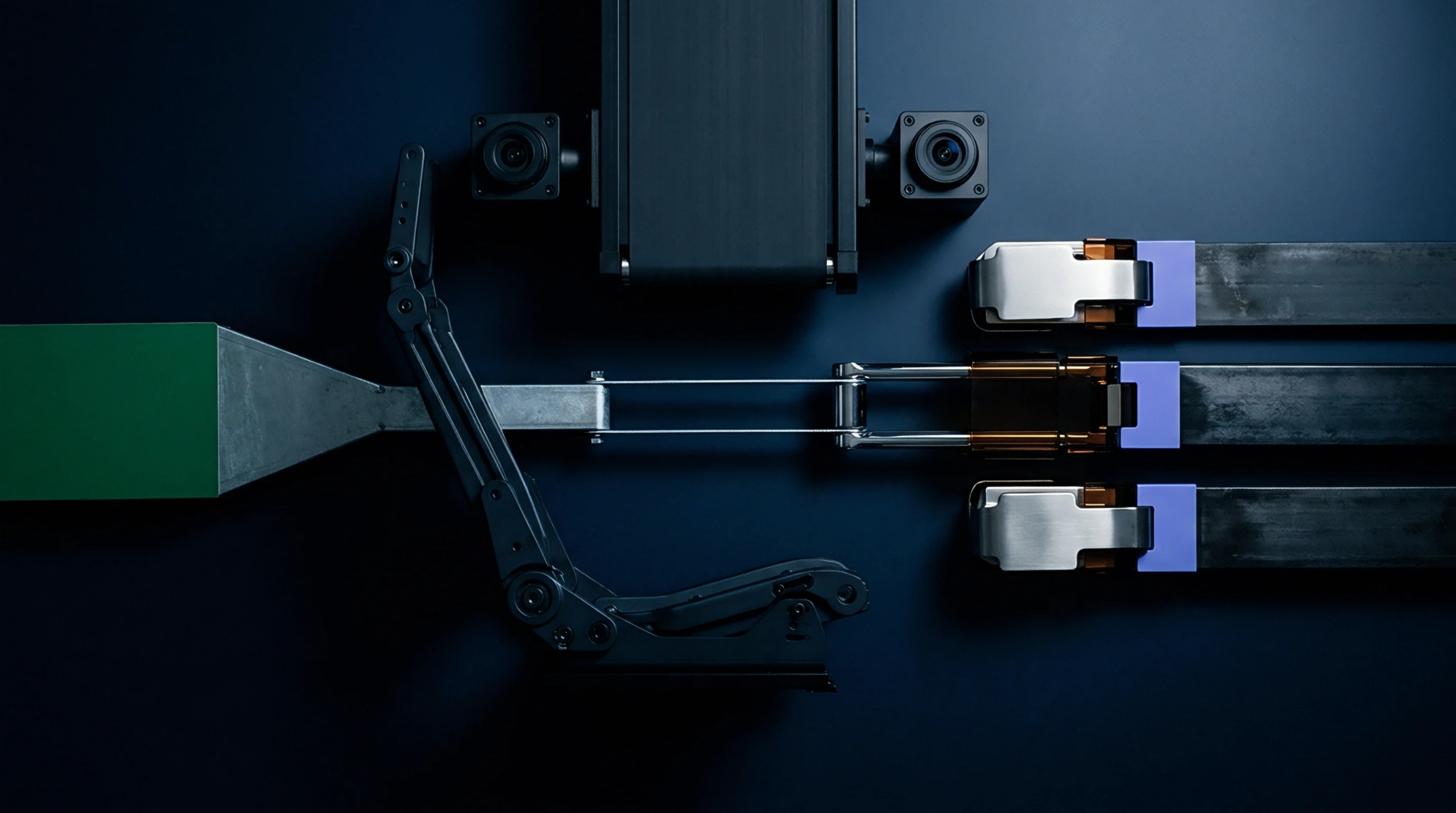
Closed loop inertial sensor Allan variance noise parameters require isolating active rebalance filter artifacts before populating discrete Kalman filter process noise matrices.

Active differential thermopile feedback loops suppress transient ambient gradient baseline drift by driving real-time substrate thermal equalization.

Static tumble calibration calculates accelerometer bias, scale factor, and cross-axis matrices by optimizing spatial vector residuals against local gravity.
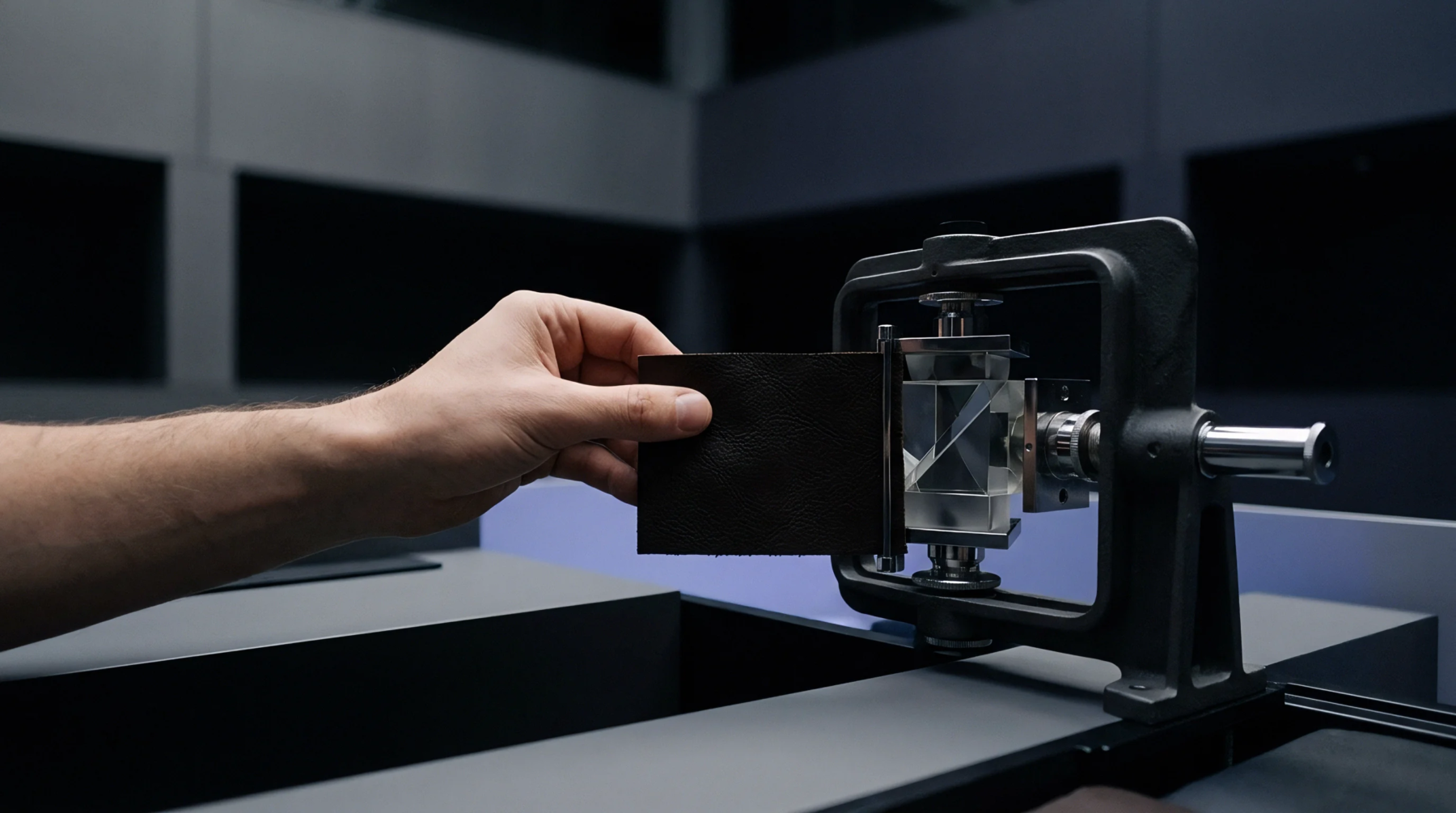
Static multi-position gravity inversion separates zero-g offset from scale factor while Allan variance bias instability defines maximum valid integration time.
Stationary leveling extracts pitch and roll by isolating the 1g local gravity vector, bounded by accelerometer bias stability and vibration rectification error.

Quantify gyro noise coefficients by fitting specific logarithmic slope asymptotes to overlapped Allan deviation curves gathered in thermally stabilized static rigs.

Stationary alignment extracts gravity and Earth rate vectors to initialize pitch, roll, and true north azimuth prior to unguided motion tracking.

Allan Variance bias stability metrics directly determine discrete Kalman process noise matrix entries to prevent filter divergence under non-stationary drift.

Ground alignment error bounds depend on accelerometer turn-on bias for leveling and East gyro bias stability divided by cosine latitude for heading accuracy.

Inertial dead reckoning holds only while gyroscope bias instability bounds cubic tilt divergence within allowable spatial position tolerance thresholds.

Variable sampling verification for high-rate MEMS gyroscopes optimizes lot acceptance by deriving continuous quality indices from dynamic rate table test samples.
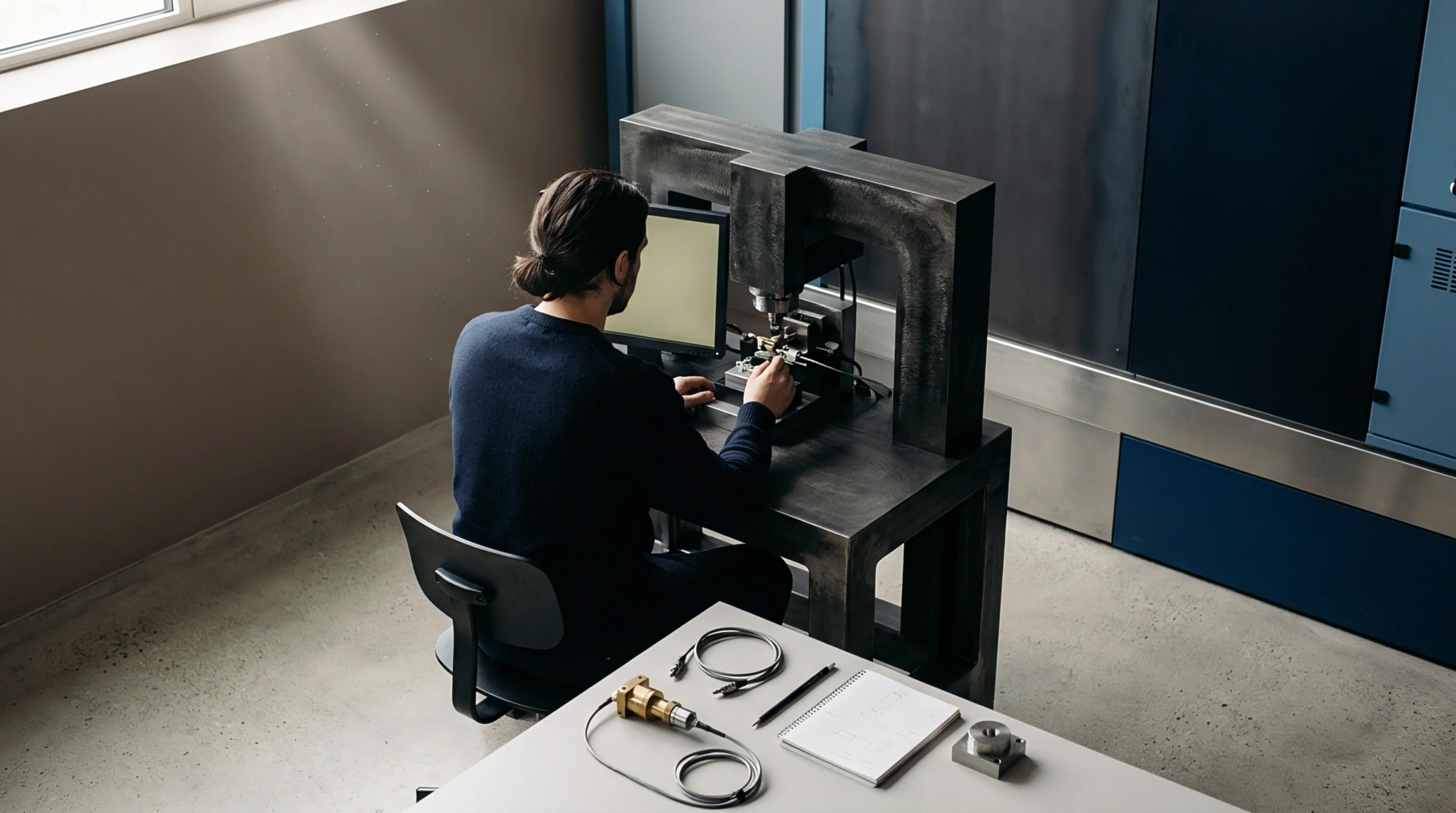
Variable acceptance sampling under ISO 3951-1 verifies continuous MEMS IMU drift profiles while protecting production lines from latent silicon wafer defects.
Expertise is a utility, not a secret. sentiention™ publishes its working knowledge as open reference: intelligence layer covering the materials it sources, the markets it enters, and the reference that serves both.