Stochastic Fluctuation
Zero motion drift in inertial sensors results from internal flicker noise that causes the output to wander over extended periods of observation. Bias instability is formally measured using Allan variance to identify the minimum point on a root mean square error plot where noise transitions from white frequency noise to random walk. It represents the inherent stability floor of an instrument and limits how well a system can maintain accuracy over time without external corrections.
Verification Standard
Data acquisition happens over thousands of samples while the device is held perfectly stationary in a thermally controlled environment. Because bias instability determines the drift rate of a gyroscope or accelerometer, manufacturers specify it in units of degrees per hour or micro-g to allow users to predict the buildup of positional errors during navigation.
Metrological Interference
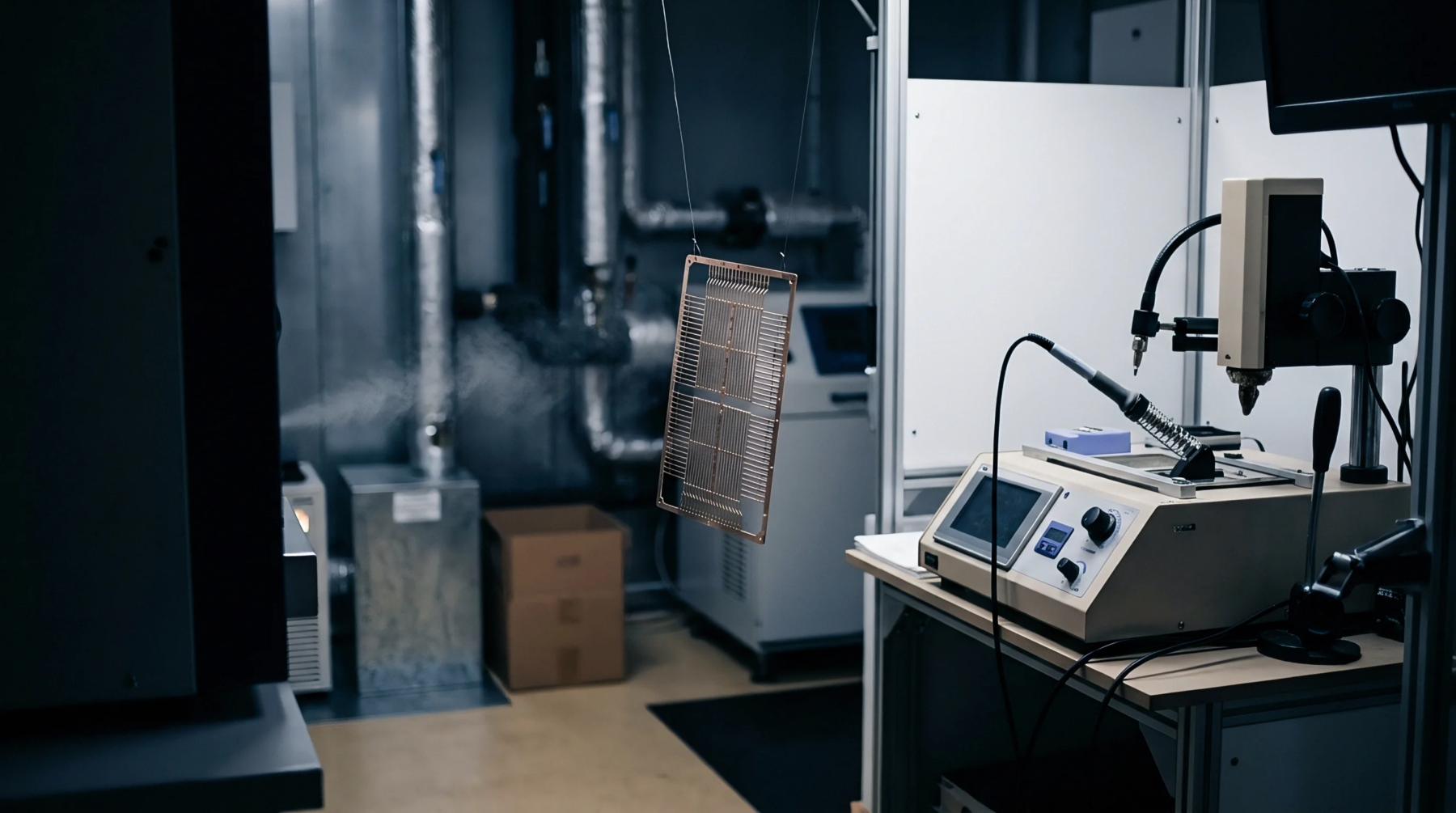
Temperature shifts and mechanical vibrations introduce external error sources that confuse the measurement of stochastic instability. High quality testing requires specific environmental controls to isolate internal electronic noise from these external factors. Calibration labs use high accuracy reference tables to hold sensors during the twelve to twenty four hour testing periods required for valid statistical characterization.
Performance Limit
A small bias instability value indicates a high precision instrument capable of maintaining alignment for longer durations. This metric is a fundamental selection criterion for autonomous vehicles or aerospace guidance systems where external reference signals like global positioning may be intermittent or unavailable.