
Transducer Lot Acceptance Thermal Dwell Sampling Protocols
Verify transducer internal core thermal equilibrium with calculated multi-time-constant dwells before executing c=0 acceptance sampling against guardbanded limits.
Verify transducer internal core thermal equilibrium with calculated multi-time-constant dwells before executing c=0 acceptance sampling against guardbanded limits.

Viscoelastic interfacial relaxation across silicon resonator anchors alters structural stress, inducing predictable long-term frequency drift and Q degradation.

Viscoelastic strain decay in potted sensors causes predictable zero drift calculate it using Prony series parameters fitted to temperature step response data.
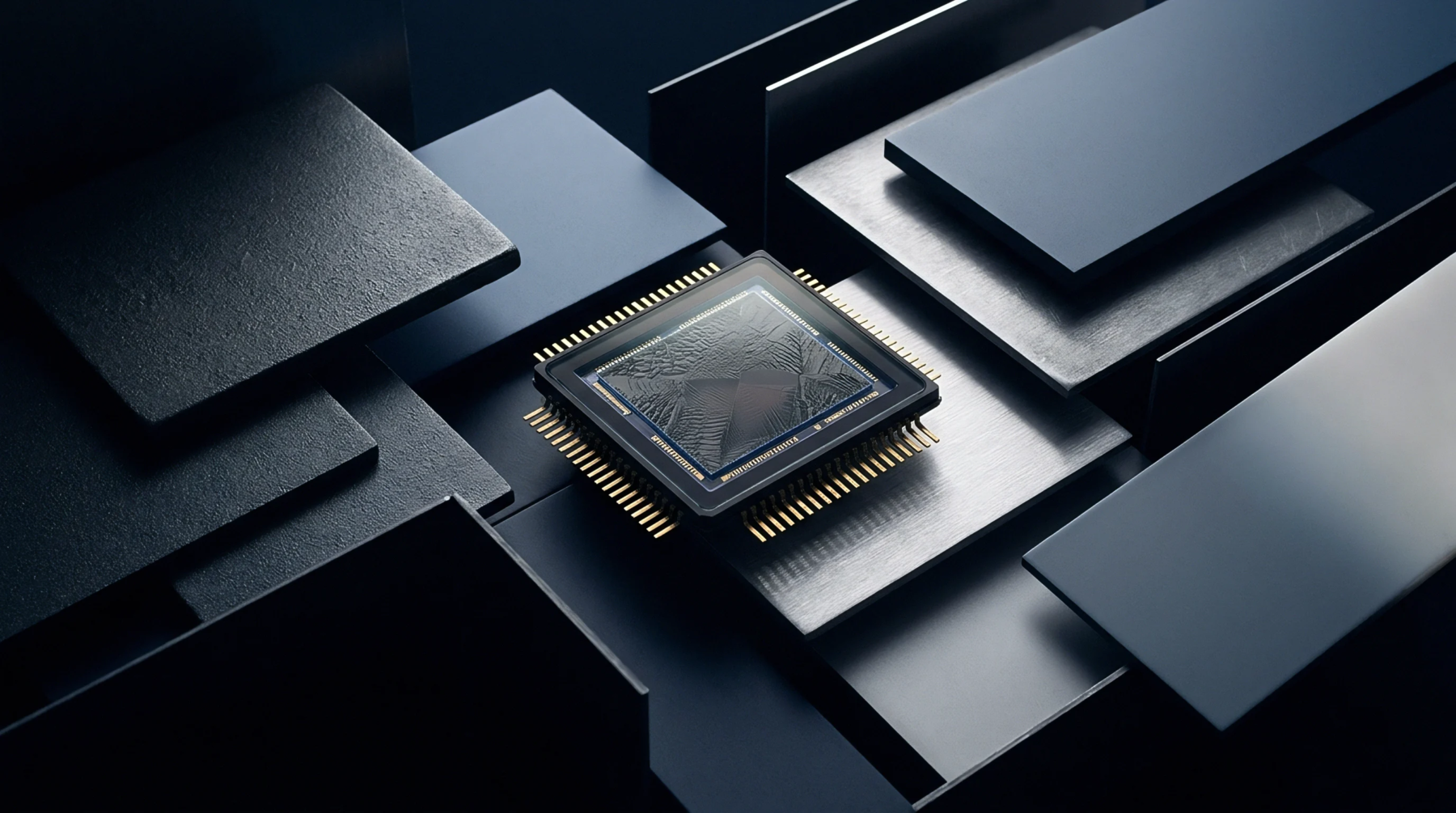
Controlled high-temperature bake schedules accelerate viscoelastic strain relaxation in die-attach adhesives to suppress long-term zero drift.

Polymeric sensor packaging viscoelasticity causes long-term zero-point calibration drift, demanding thermomechanical screening and stress relaxation modeling.

Dynamic matrix corrections combine in situ reference tracking and Arrhenius modeling to eliminate unbudgeted high temperature MEMS recalibration cycles.

Automated thermal burn-in exhausts initial die-attach stresses while acoustic microscopy weeds out sub-surface voids to halt piezoresistive field drift.
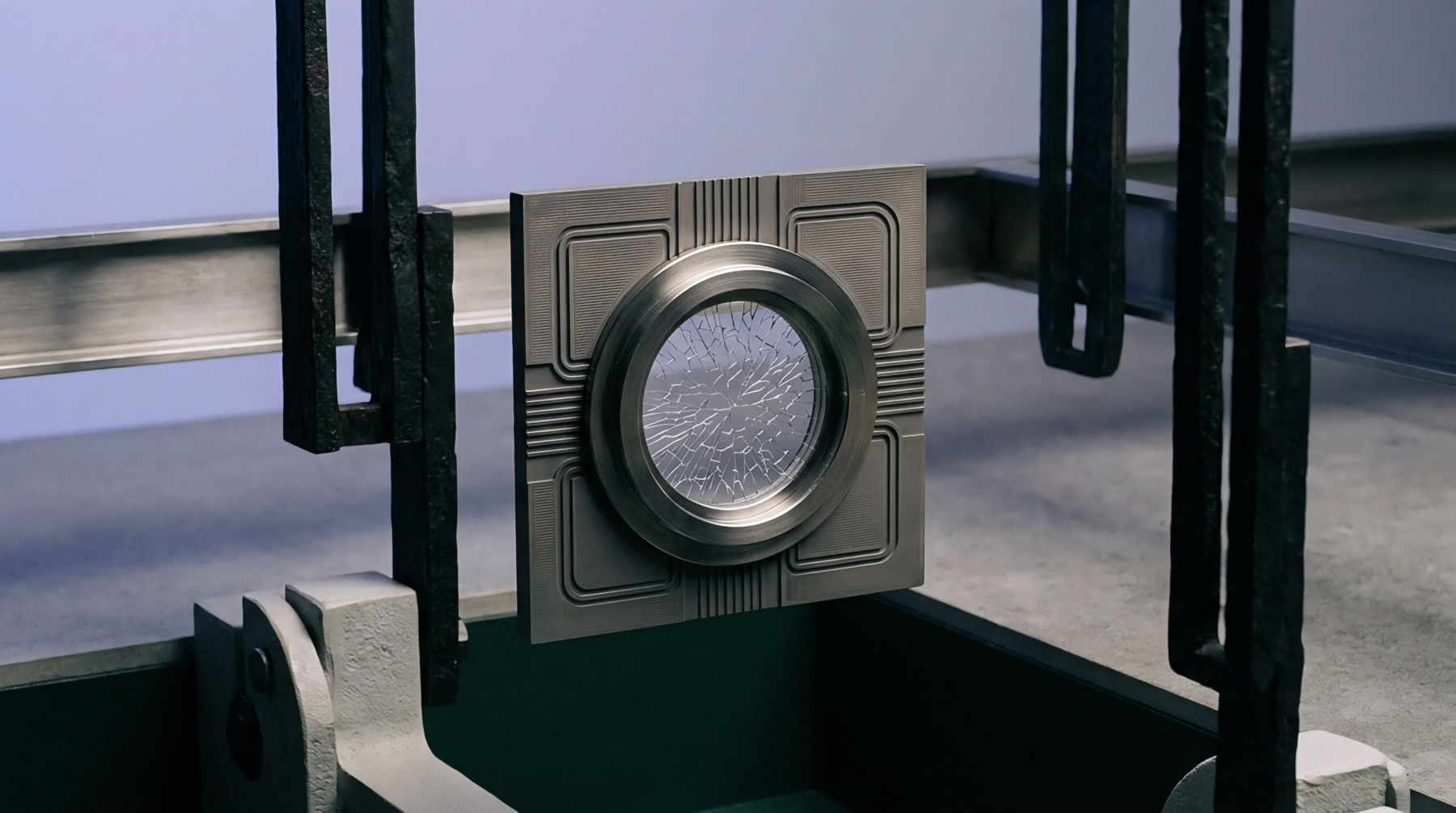
Wafer-level packaging stress relaxation induces anisoelastic stiffness drift and quadrature leakage, requiring stabilization annealing to hold tactical bias limits.
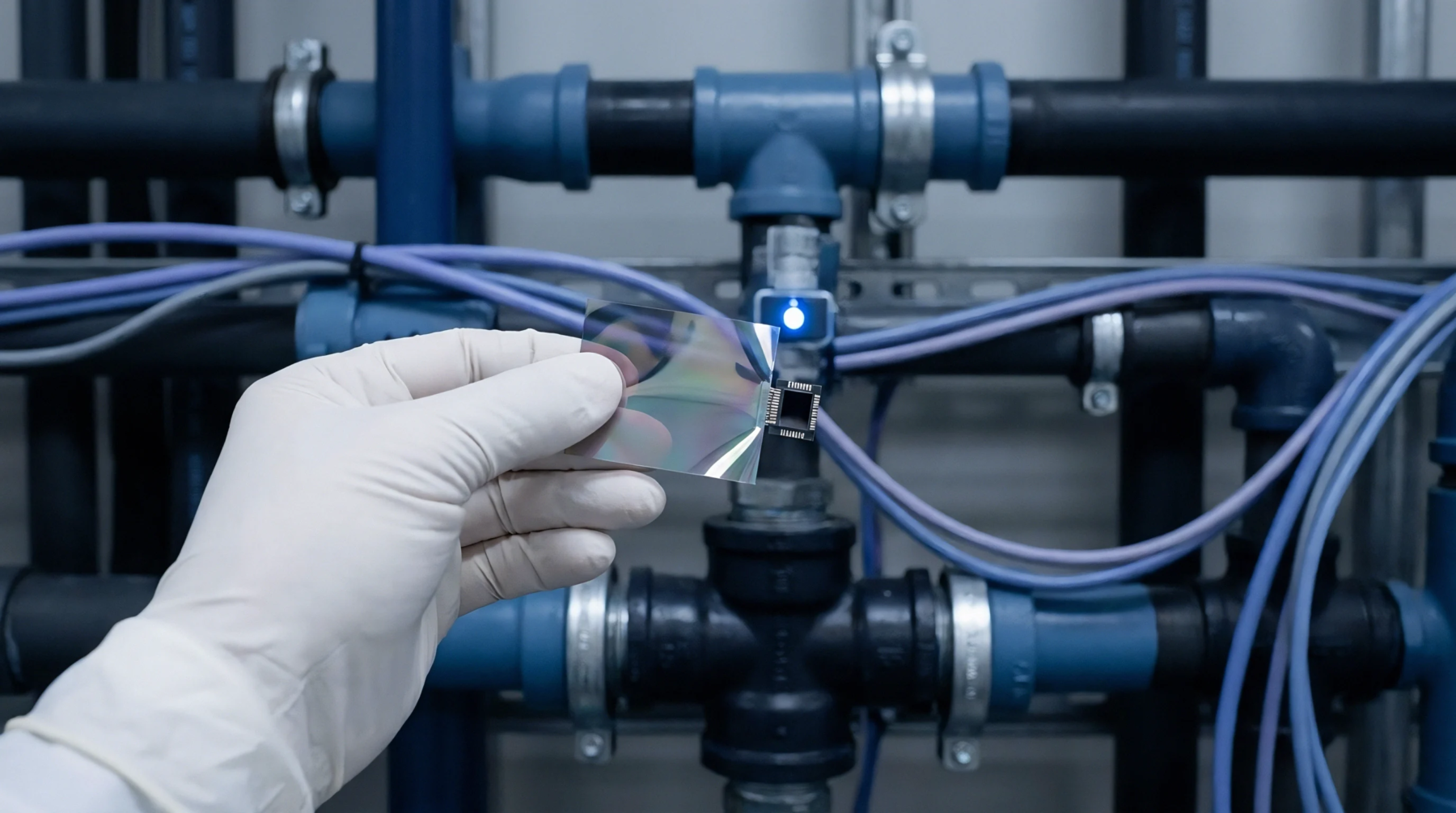
Packaging stress decay in silicon sensor dies causes continuous zero-point drift that requires thermal preconditioning bakes to stabilize long-term offset accuracy.

High-temperature package creep redistributes interfacial strain to drive long-term sensor drift, requiring viscoplastic modeling and burn-in stabilization.
Expertise is a utility, not a secret. sentiention™ publishes its working knowledge as open reference: intelligence layer covering the materials it sources, the markets it enters, and the reference that serves both.