
Calculating Burn in Duration to Attenuate Non Linear Sensor Aging
Calculate sensor burn-in time by dividing equivalent operating hours at the infant drift inflection point by the temperature-derived Arrhenius acceleration factor.

Calculate sensor burn-in time by dividing equivalent operating hours at the infant drift inflection point by the temperature-derived Arrhenius acceleration factor.
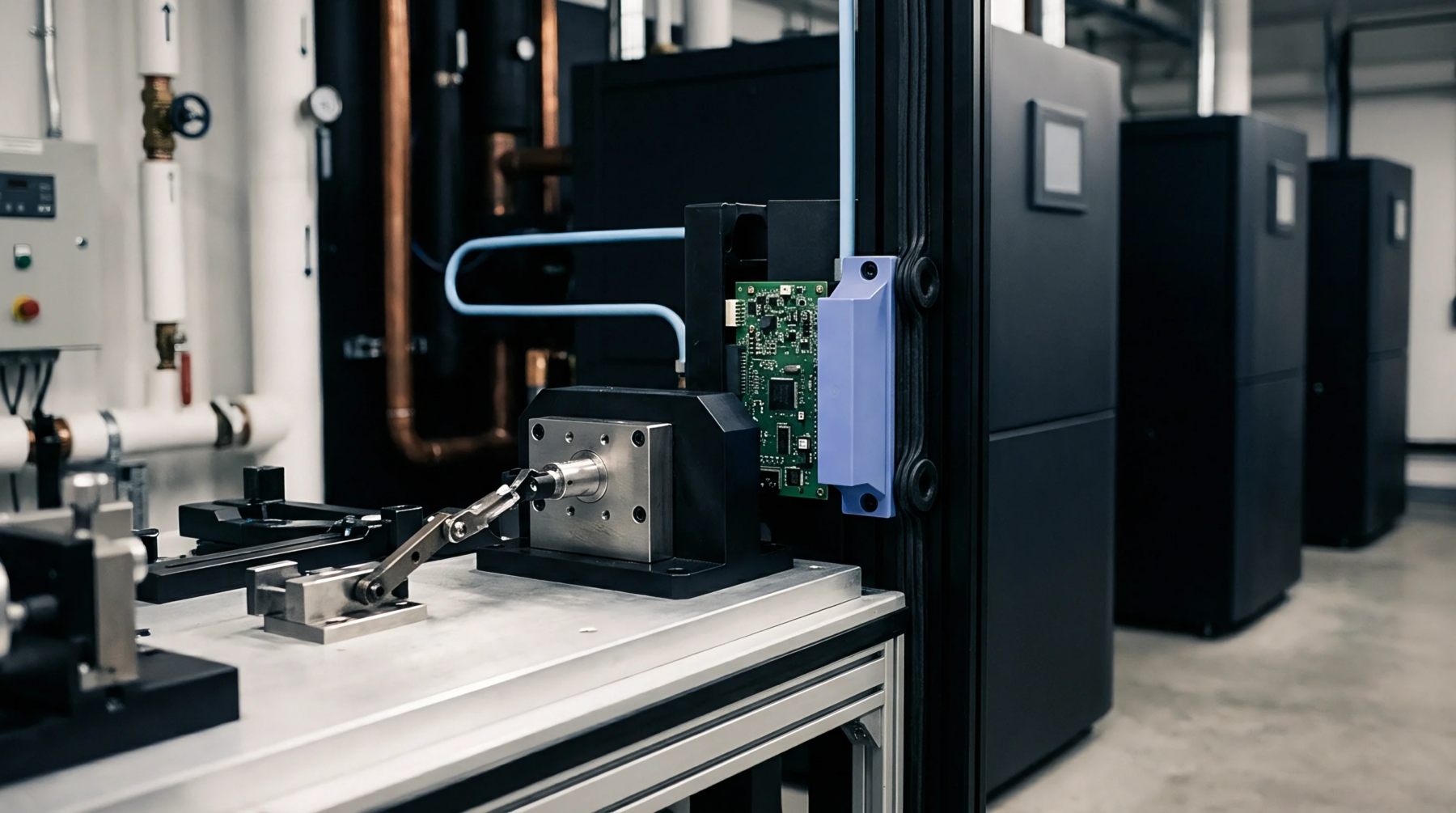
Surface strain fields across deflecting circuit boards scale with distance from the neutral axis and concentrate sharply at stiff component perimeters.

Early sensor drift in precision strain gauges stems from adhesive glueline viscoelastic relaxation, foil alloy recovery, and moisture ingress within 72 hours.

WLCSP packaging induces mechanical stress gradients that shift bandgap references, requiring rotated common-centroid layouts and active digital trim.

Mitigate bandgap thermal stress errors using compliant leaded packages, PCB isolation slots, polyimide die buffers, and stabilized factory calibration.

Cross-quad common-centroid bandgap layouts cancel linear thermal gradients, while PCB isolation slots prevent package piezoresistive strain from shifting Vbe drift.

Precision capacitive MEMS accelerometer thermo-mechanical bias stability requires stress-isolated ceramic packaging and gradient-aware temperature calibration.
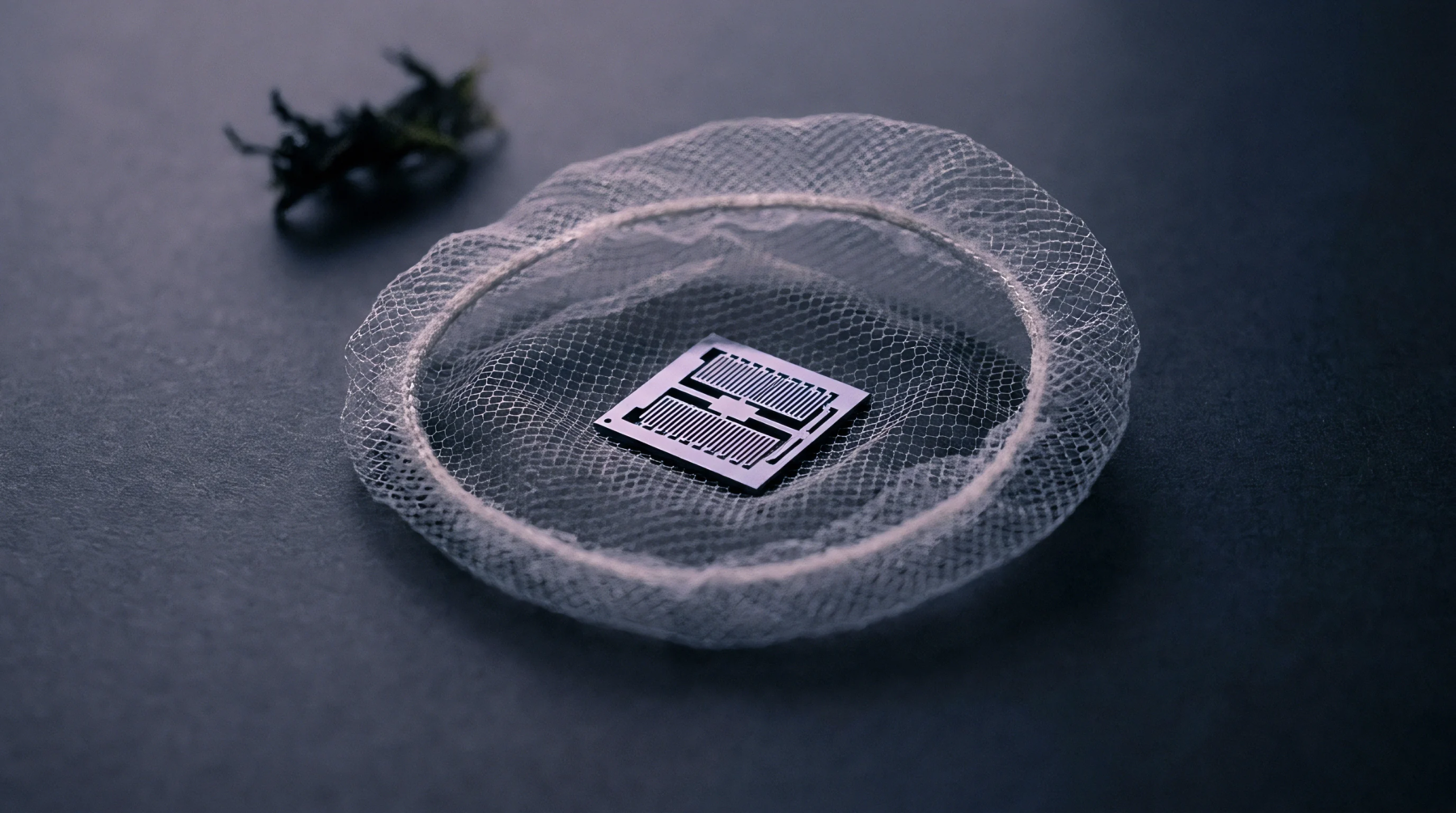
Extracting physical aging shift factors in thermosets requires momentary loading below Tg, sub-tenth Kelvin stability, and frame compliance corrections.

Mitigate surface-mount precision reference thermomechanical drift using three-sided PCB slot moats, compliant land patterns, or hermetic ceramic packages.
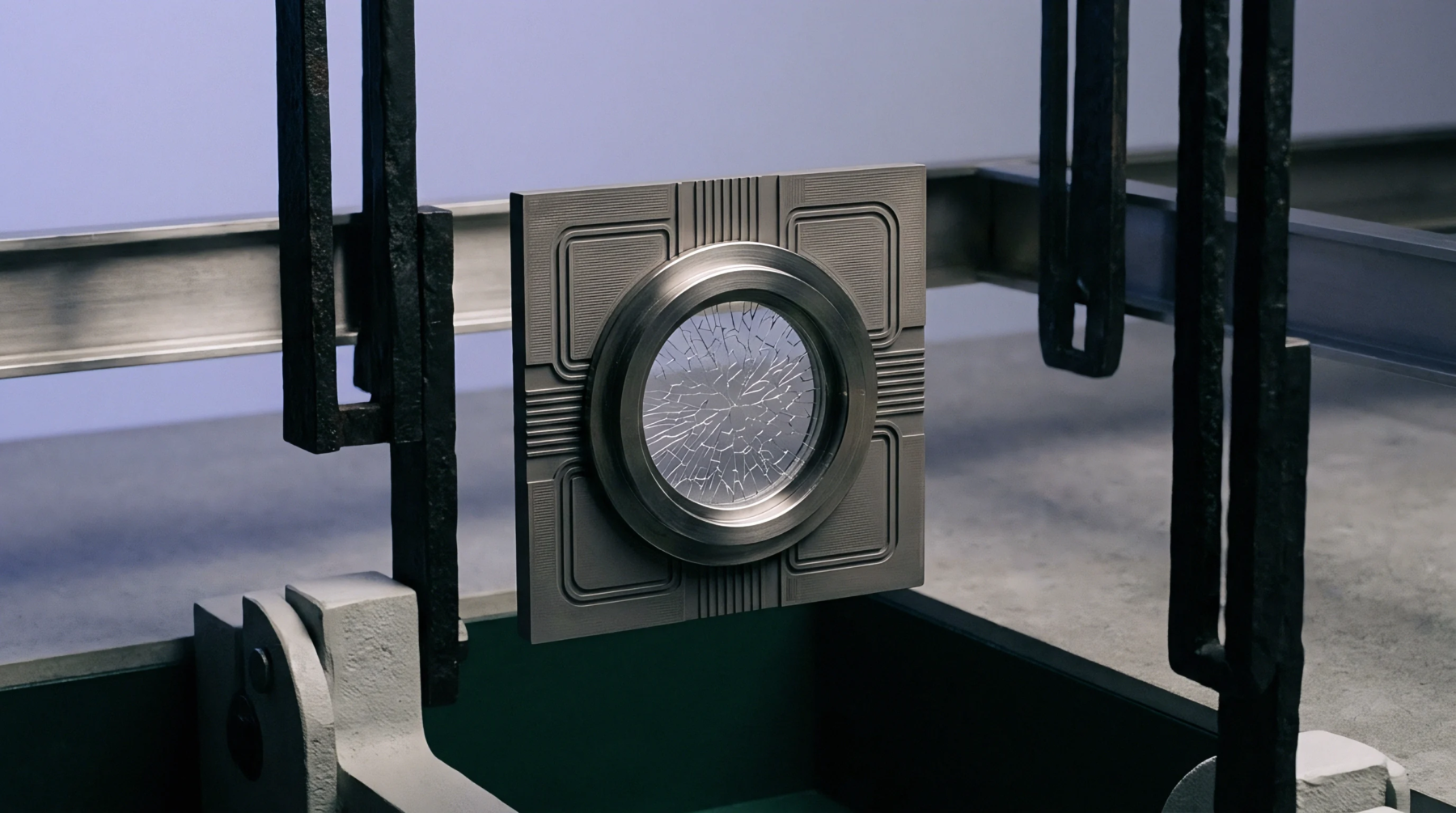
Extrapolating single isotherm Prony parameters beyond experimental test windows introduces exponential error growth governed by unconstrained relaxation modes.

Optimized PCB slotting isolates precision voltage references from board strain and thermal gradients, cutting drift below one part per million.
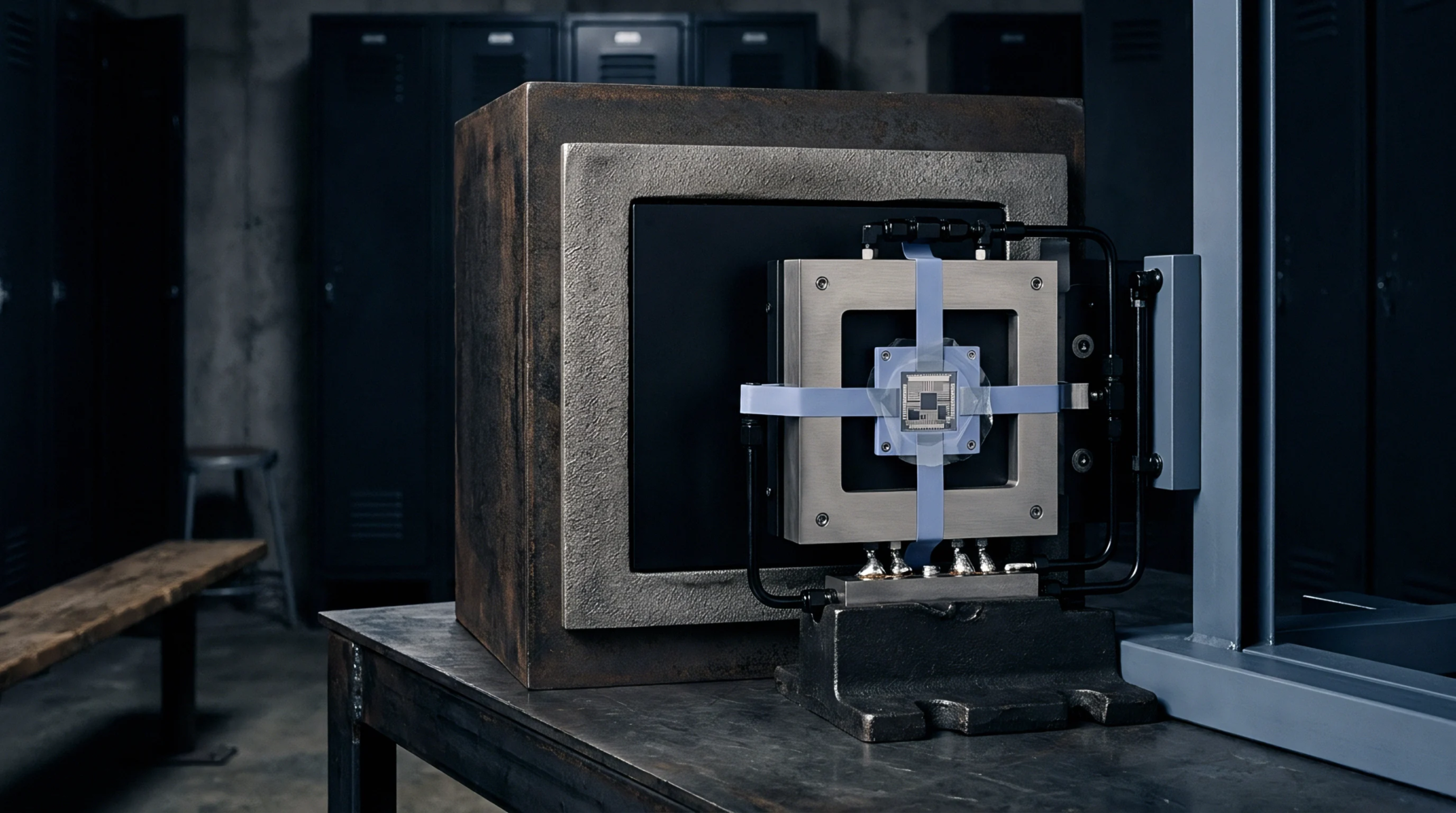
Extracting non-negative Prony parameters from dynamic sweeps requires Tikhonov-regularized NNLS to prevent numerical instability in time-domain FEA solvers.

Extracting cross axis rectification coefficients requires dual tone orthogonal excitation to isolate second order asymmetric stiffness shifts from true tilt.
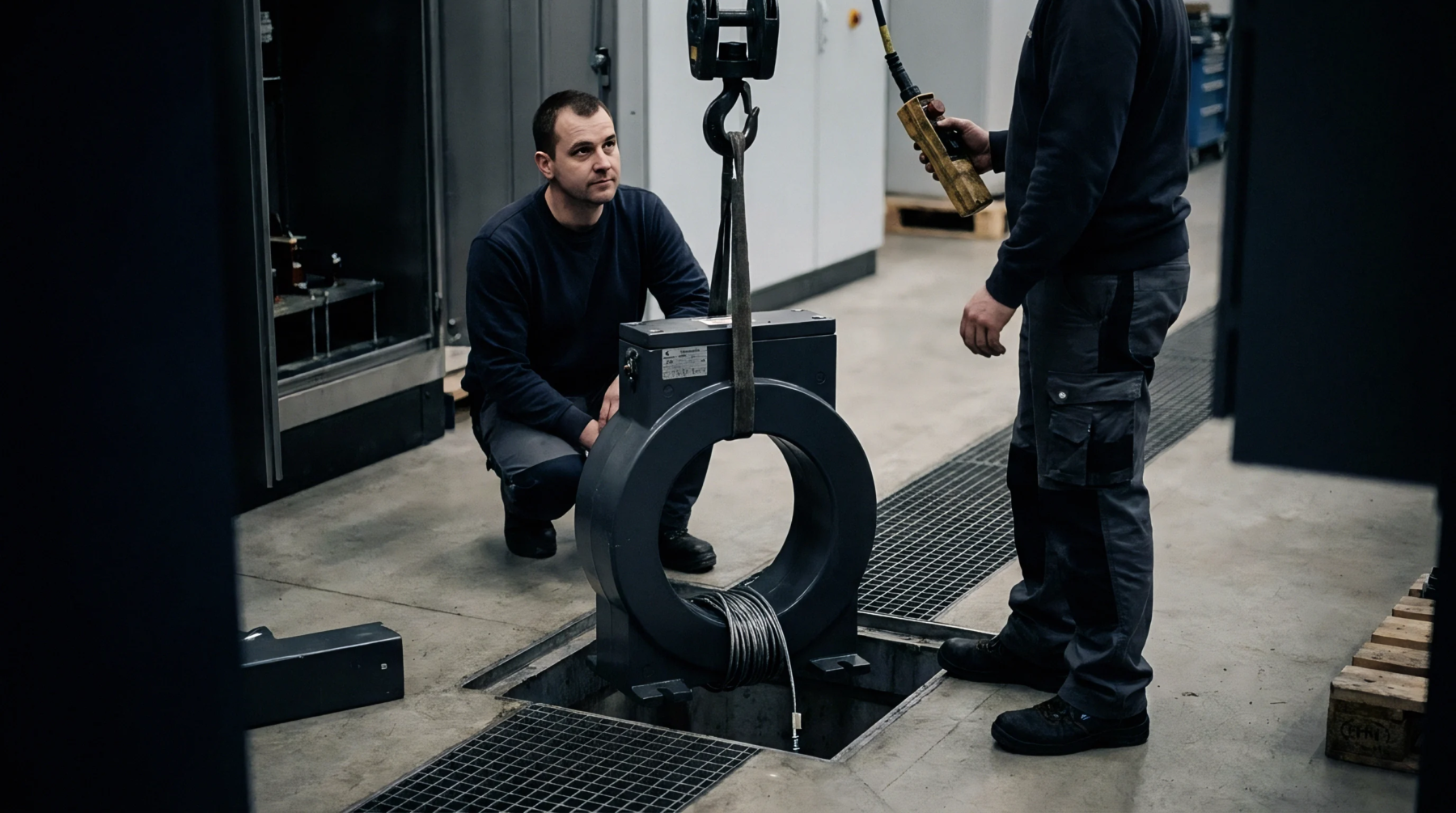
Precision voltage reference accuracy depends on isolating packages from board flexure, balancing trace Seebeck junctions, and blocking thermal conduction paths.

Vibration rectification in silicon MEMS accelerometers converts out-of-band mechanical excitation into direct current bias shifts through non-linear flexure stiffness, capacitive gap dynamics, and signal-chain clipping.
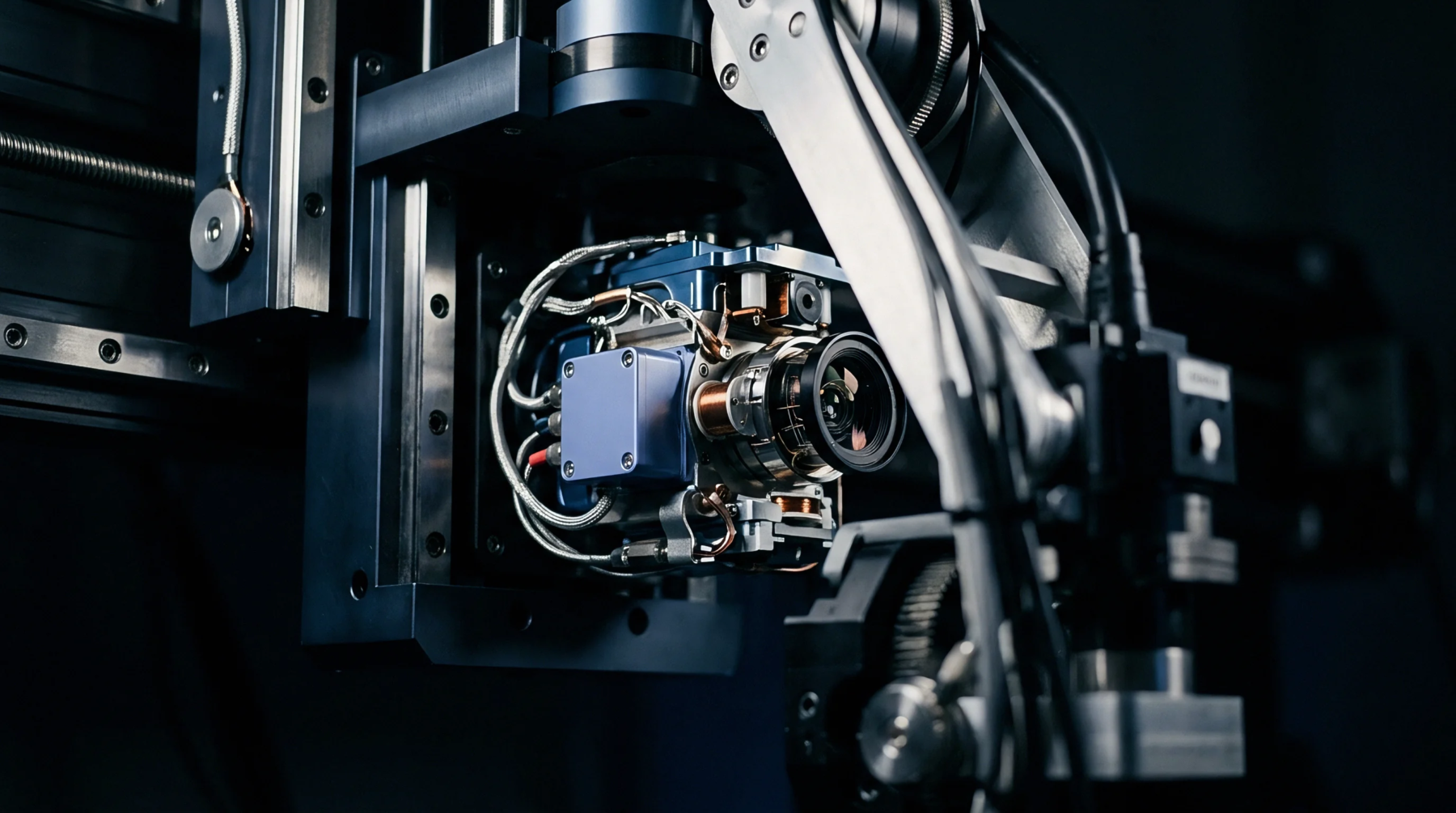
Quantifying timing budget degradation across multi-channel I2C switches requires auditing accumulated branch capacitance against pull-up rise time limits.

Finite element modeling of FOG coil thermoelastic stress vectors requires anisotropic orthotropic material matrices to capture photoelastic birefringence drift.

Cascaded I2C multiplexers resolve address collisions in high-density systems by isolating bus segments, requiring strict RC capacitance and switch resistance control.

Multi-channel sensor integration on standard two-wire buses demands balancing parasitic bus capacitance, address resolution, layout geometry, and landed unit cost.
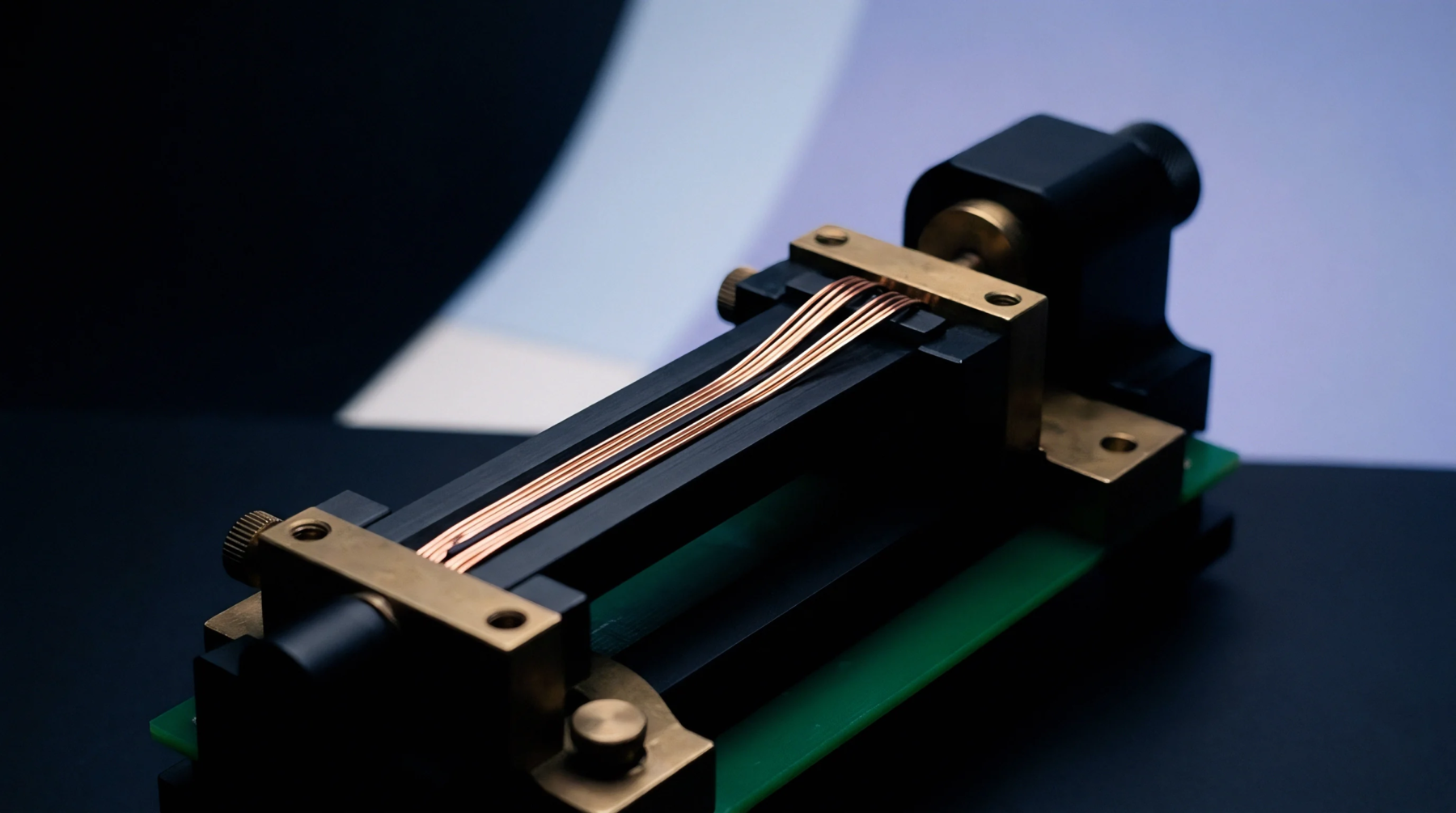
Sputtered titanium and nickel-chromium interlayers under cyclic strain alter oxygen ingress kinetics from parabolic to linear regimes, shortening sensor calibration stability.

Suppress high frequency parasitic coupling under thermal stress by using quad-twisted high-temp fluoropolymer cable with 360-degree shield crimps and CMC filtering.

Dynamic thermal gradients induce structural strain and bias errors that static calibrations miss, requiring real-time state observer algorithms.

Active pull-up buffers restore slew rates on high-capacitance sensor lines without raising low-level output voltages or violating static sink limits.

Twisted pair cabling shunt capacitance equals mutual line capacitance plus half the line-to-shield capacitance, setting hard limits on sensor signal bandwidth.

Thermomechanical fatigue modeling for WLCSP solder arrays requires mapping viscoplastic Anand strain energy density to predict field thermal cycling failures.
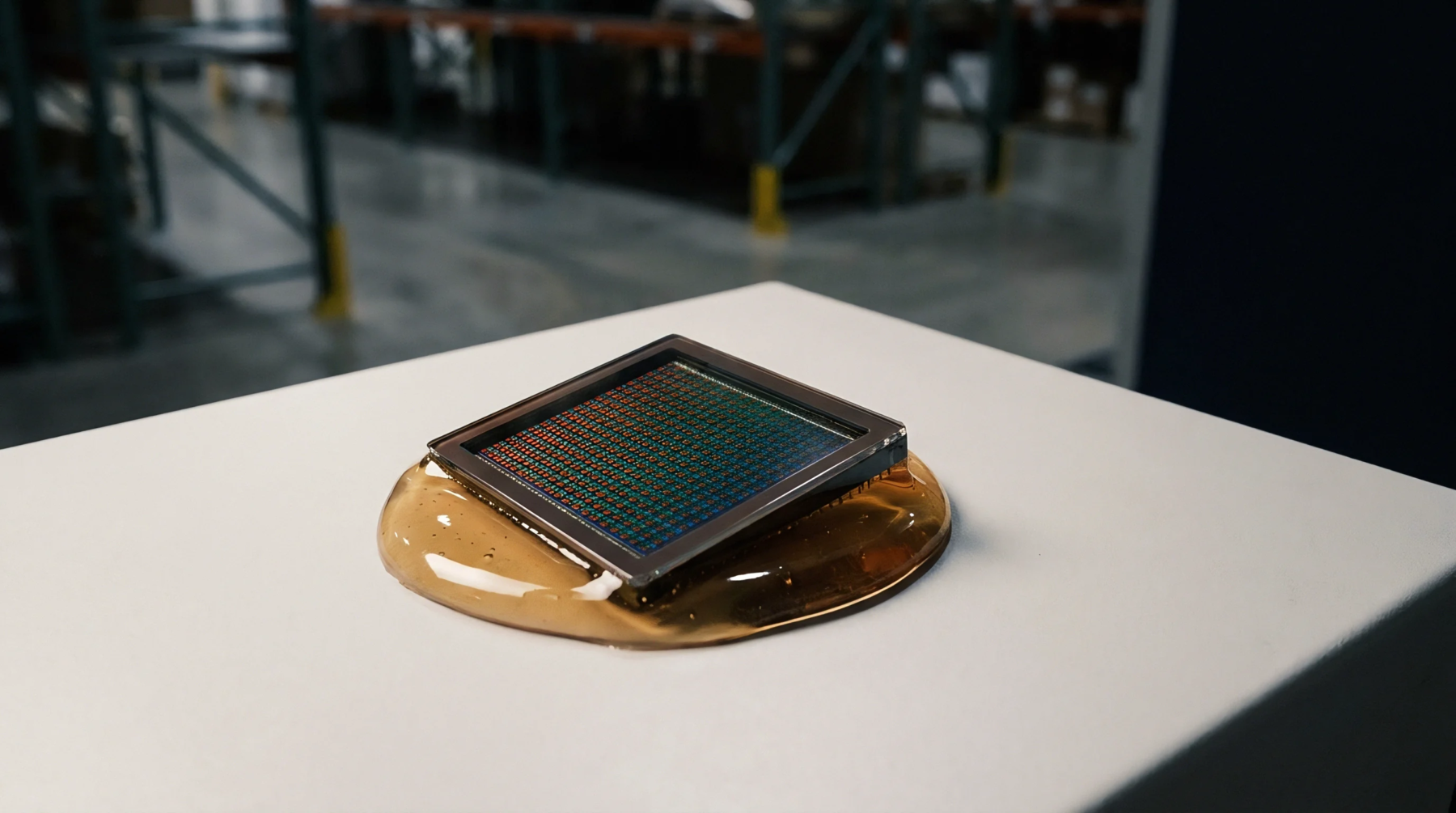
Transient thermal calibration compensates quartz resonant accelerometer bias shifts caused by temperature gradients using differential thermal rate models.

Fine-pitch package assembly requires pairing stencil foil reductions with thin outer-layer dielectrics to maintain solder transfer and controlled impedance.
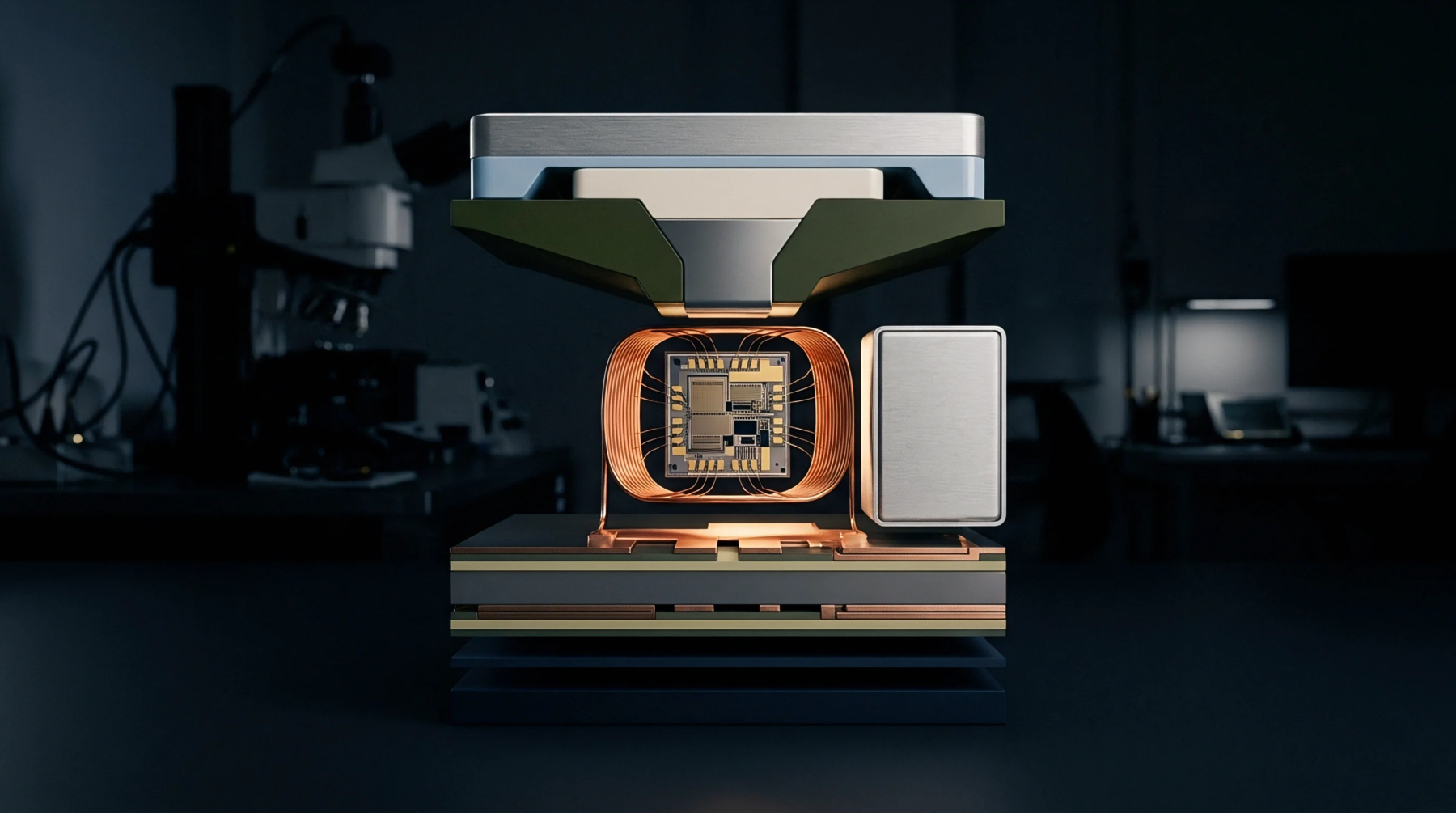
Matching package creepage distance to board pollution degree prevents arc flash failure while maintaining high density surface mount assembly yields.

Compositionally graded compliant interlayers and post-sputter thermal anneals eliminate residual thermal strain, preventing zero-drift in sputtered thin-film sensors.
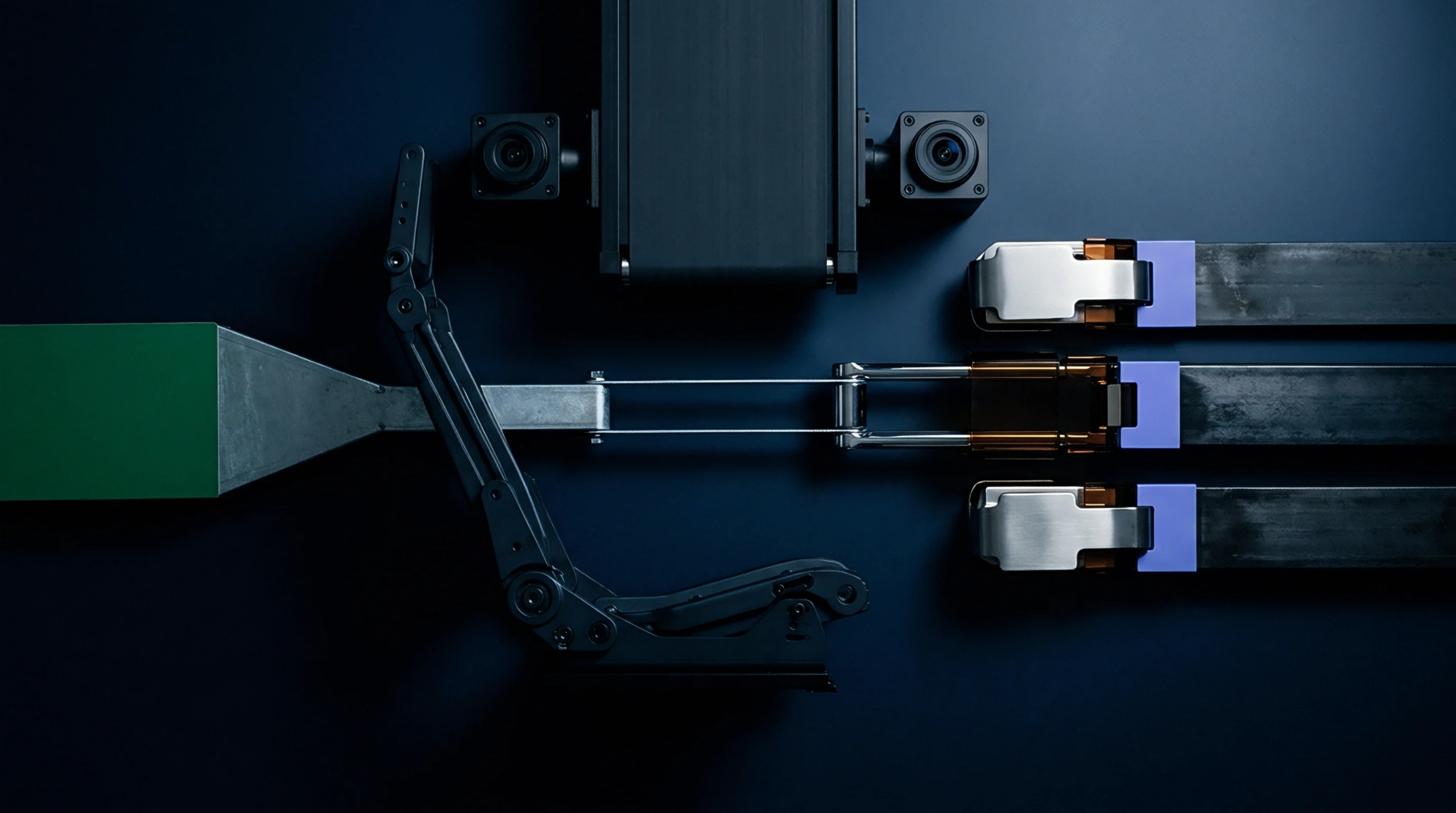
Thermal shock induces severe biaxial strain gradients that shift ferroelectric permittivity non-linearly via electrostriction, requiring C0G or soft terminations.
Expertise is a utility, not a secret. sentiention™ publishes its working knowledge as open reference: intelligence layer covering the materials it sources, the markets it enters, and the reference that serves both.