
Polyimide Stress Relaxation Spectrum Shift Factors under Automotive Cycling Limits
Polyimide stress relaxation under automotive thermal cycling follows non-linear shift factors, driving zero-offset calibration drift in precision sensors.

Polyimide stress relaxation under automotive thermal cycling follows non-linear shift factors, driving zero-offset calibration drift in precision sensors.
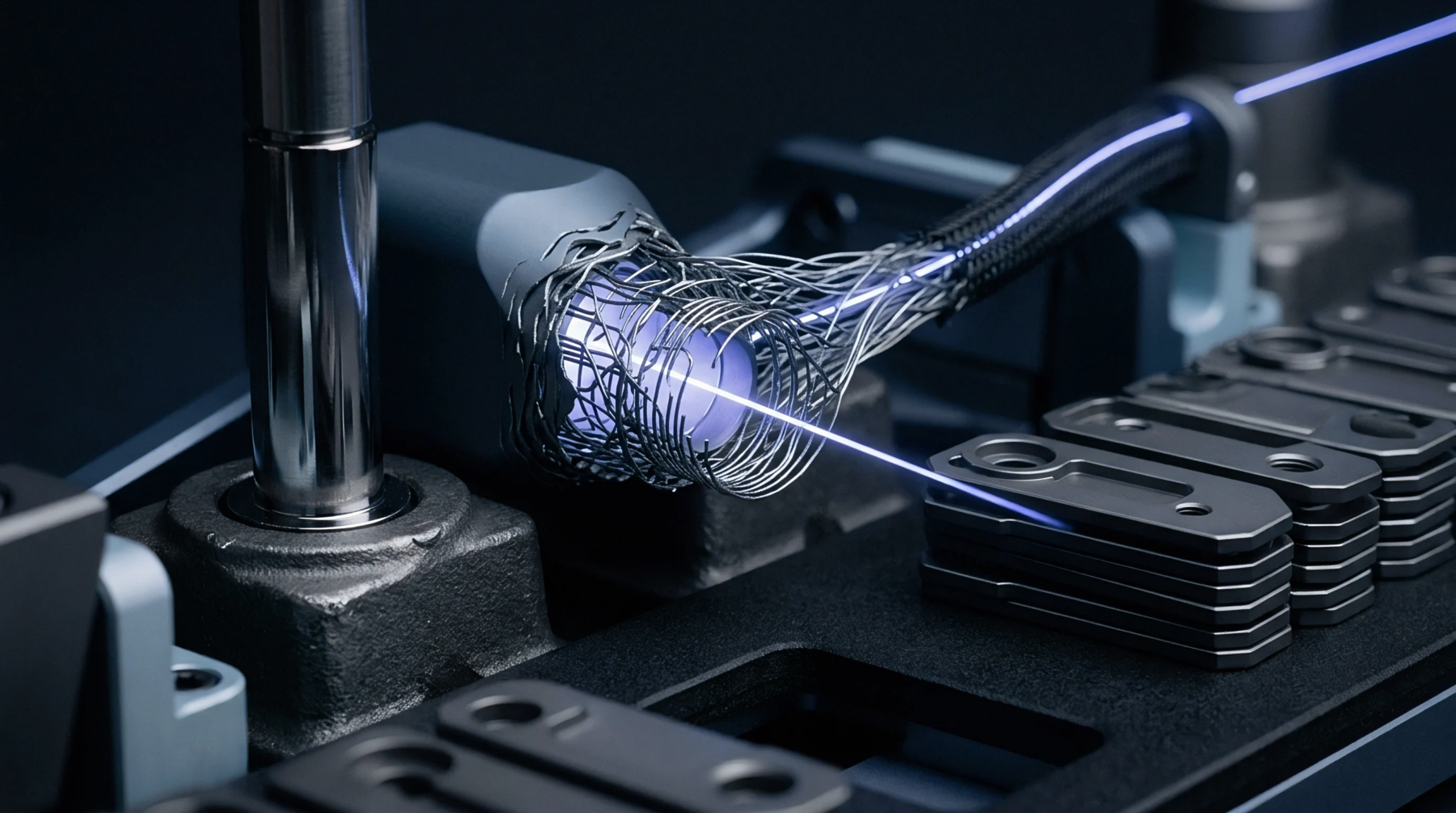
Quantifying diaphragm strain and gas nucleation requires combining von Kármán plate mechanics with bulk modulus compliance models under dynamic step testing.
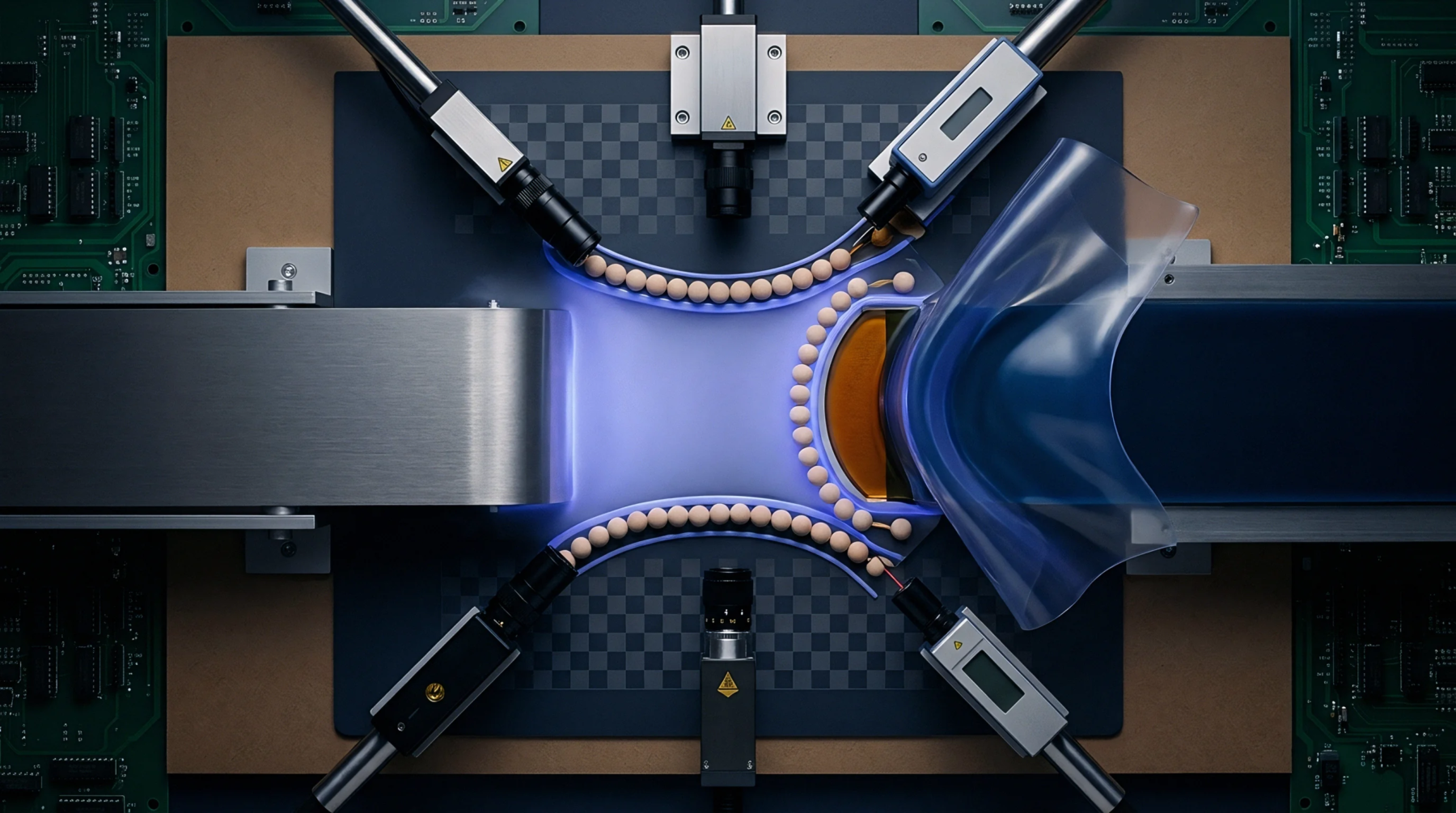
Thermal zero hysteresis in micro dosing controls is mitigated by active dual vector temperature compensation and low expansion wetted materials.

Confirm fill oil volume using pre- and post-injection micro-gravimetric mass checks combined with non-contact laser interferometric diaphragm dome profiling.

Dynamic thermal cycling induces non-linear piezoresistive hysteresis that demands dynamic gradient tracking and second-order surface compensation models.

Bivariate polynomial matrix fitting corrects non-linear sensor thermal drift when inputs are normalized and solved via singular value decomposition.
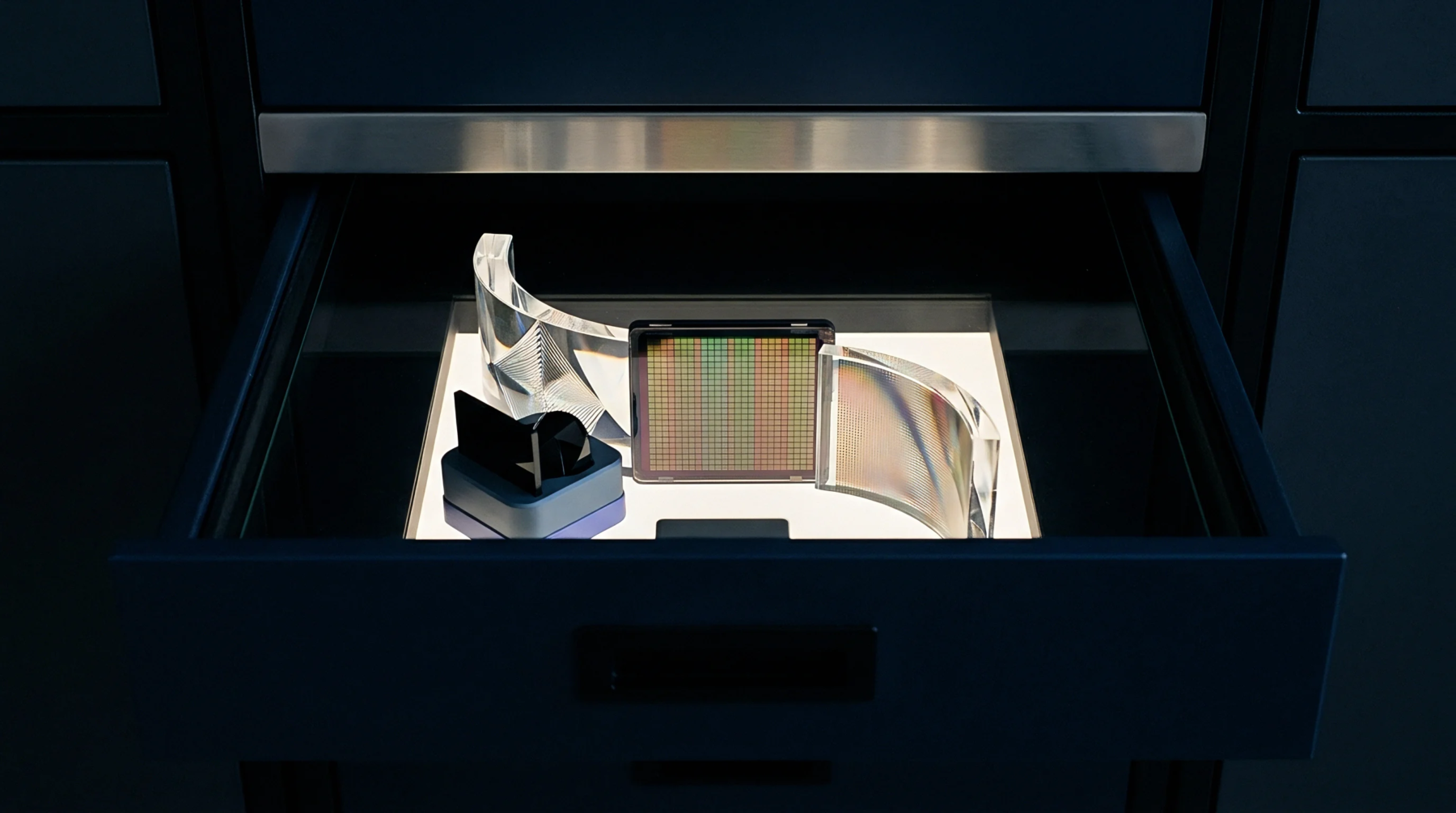
Silicon piezoresistive thermal offset stems from resistor TCR imbalances and package thermal stress, requiring targeted drive excitation and polynomial compensation.

Matrix compensation algorithms correct non-linear thermal piezoresistive drift by mapping raw bridge and temperature counts through fixed-point polynomial surfaces.

Precise Wheatstone bridge zero-point stability requires matching piezoresistive crystal orientation with thermo-mechanical strain isolation in the packaging stack.

Asymmetric thermal expansion shifts bandgap voltage via piezoresistive substrate stress; mechanical slots and ceramic packaging isolate critical reference nodes.

Packaging creep and stress relaxation require uncertainty budgets combining Arrhenius activation scatter, solder viscoplasticity, and burn-in screening costs.

Viscoelastic stress relaxation in packaging adhesives redistributes mounting strains over time, driving zero drift that requires thermal pre-aging to stabilize.

Interfacial package creep modeling requires viscoplastic constitutive equations and temperature-dependent stress mapping to prevent long-term field drift.

Sub transition structural relaxation alters polymer density and modulus over time, requiring non linear fictive temperature modeling to predict long term drift.

Dynamic multi-sensor varactor compensation uses thermal flux tracking and predictive modeling to eliminate tuning drift during steep temperature ramps.
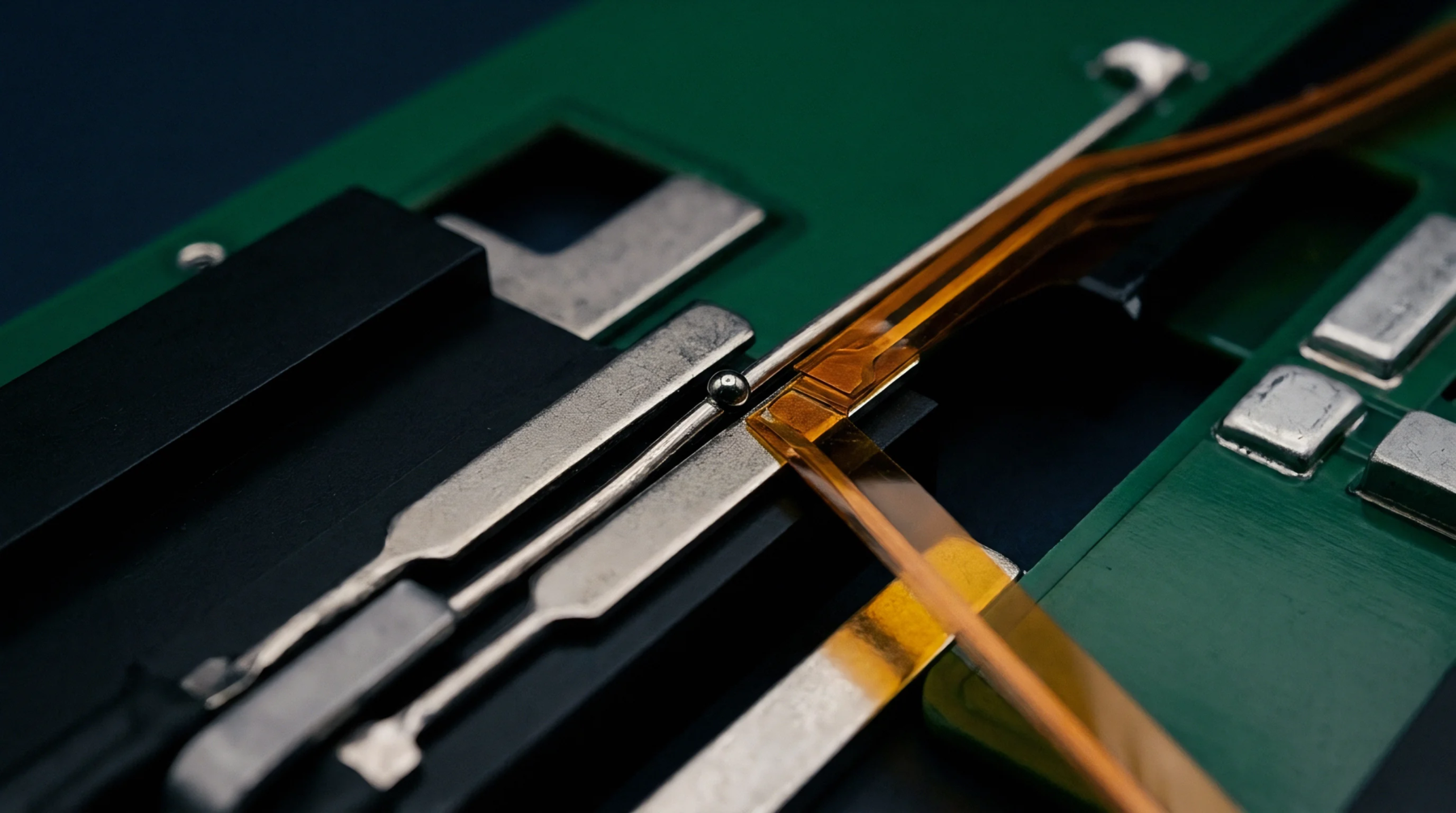
Dynamic PCB thermal gradients cause substrate flexing that alters converter resistor ladder ratios via piezoresistive strain, driving gain drift.

Dynamic temperature shifts in cryogenic structural epoxy master curves demand non-isothermal rate correction factors to resolve physical aging relaxation delays.
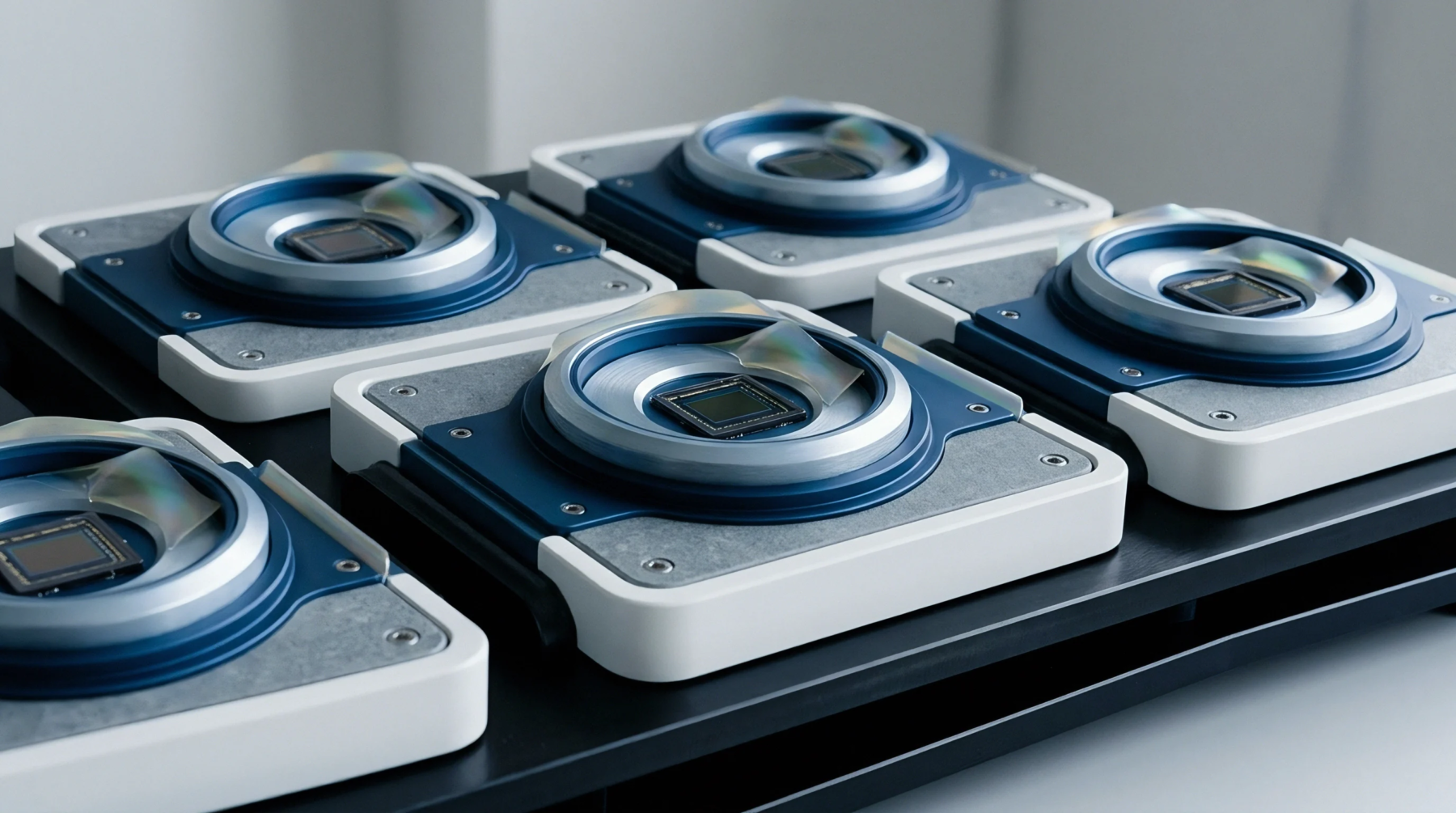
Board flexure stress couples to analog dies via solder joints and mold compounds, shifting bandgap voltages up to 10 millivolts under thermal cycling.

Uncompensated high frequency LC tank drift exceeds 30 ppm per kelvin; matching negative dielectric coefficients against coil expansion brings stability below 2 ppm.
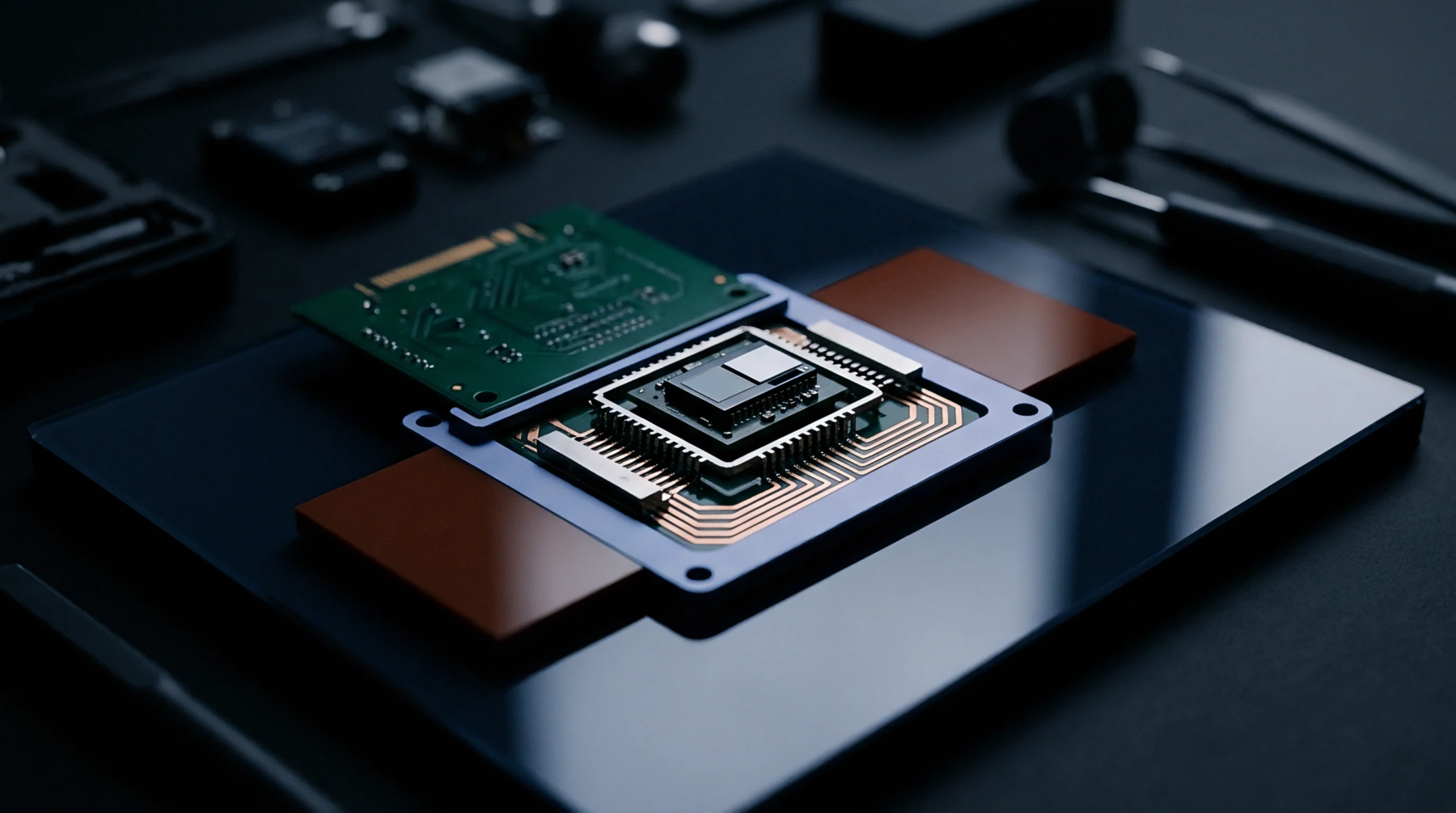
Common centroid transistor layouts for bandgap cores cancel linear thermal and lithographic gradients, reducing post-packaging output drift below 5 ppm per C.

Non-linear thermoelastic coupling dictates mechanical dissipation ceilings in sub-microbar vacuum packages when spatial temperature gradients exceed two kelvins per millimeter.

Spatial multi-point temperature sensing inside sub-Torr MEMS packages removes transient thermal gradient frequency drift down to sub-ppm precision limits.

Thermal drift in vacuum MEMS resonators stems from elastic modulus degradation and package stress, requiring temperature-dependent electrostatic stiffness offset tuning.

Orthogonal vector decomposition of complex impedance separates resistive copper thermal drift from reactive target motion in high-Q resonant inductive sensors.
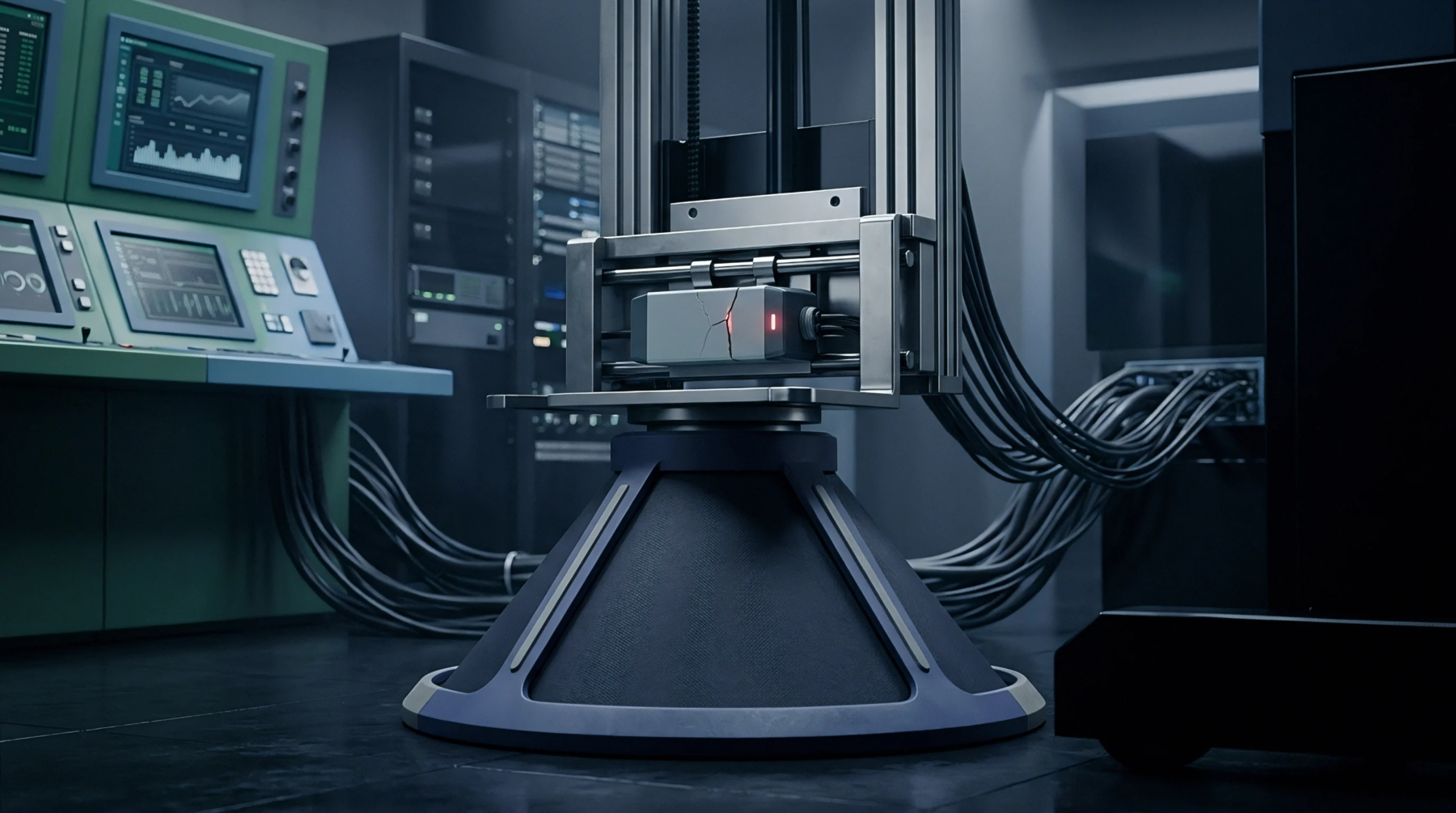
Dynamic asymmetric board strain couples into silicon piezoresistors via solder joints, causing uncompensated baseline drift mitigated by PCB isolation slots.

Standard skin depth defines the exponential field decay boundary, dictating coil drive frequencies and target thickness minimums for displacement sensing.

High temperature oxygen diffusion across sensor passivations triggers interfacial void nucleation, driving sensor zero-point drift past operational limits.

Wafer-level residual stress gradients induce asymmetric die warpage that relaxes over time, causing dynamic calibration matrices to suffer severe cross-axis drift.

Select low-modulus addition-cure silicones with sub-minus 100 Celsius glass transitions to decouple thermal stress from quadrupolar gyroscope fiber coils.

Quadrupolar winding cancels thermal Shupe non-reciprocity by spatially pairing symmetric fiber segments equidistant from the coil center.
Expertise is a utility, not a secret. sentiention™ publishes its working knowledge as open reference: intelligence layer covering the materials it sources, the markets it enters, and the reference that serves both.