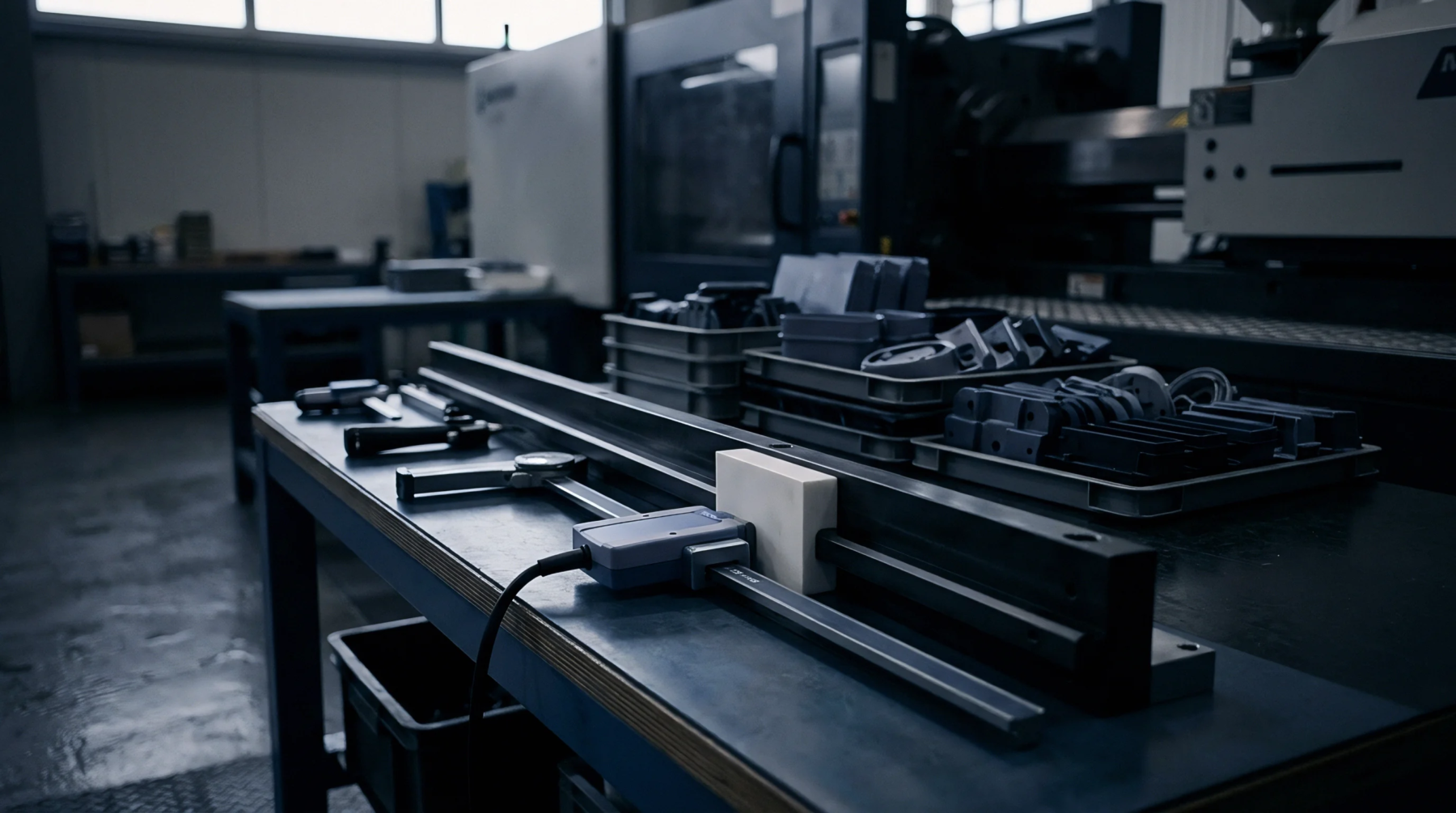
Piezoresistive Gauge Factor Temperature Compensation via Degenerate Boron Implantation
Degenerate boron implantation above 8e19 cm-3 pins the Fermi level into the valence band, matching TCR to TCGF for passive constant-current bridge compensation.
Degenerate boron implantation above 8e19 cm-3 pins the Fermi level into the valence band, matching TCR to TCGF for passive constant-current bridge compensation.

Sputtered thin film strain gauges eliminate adhesive creep at 800°C but demand strict thermal stabilization to manage oxidation-driven apparent strain drift.

Engineered boron dopant profiles between 8x10^18 and 2x10^19 cm^-3 balance piezoresistive gauge factor against thermal sensitivity drift in silicon MEMS sensors.
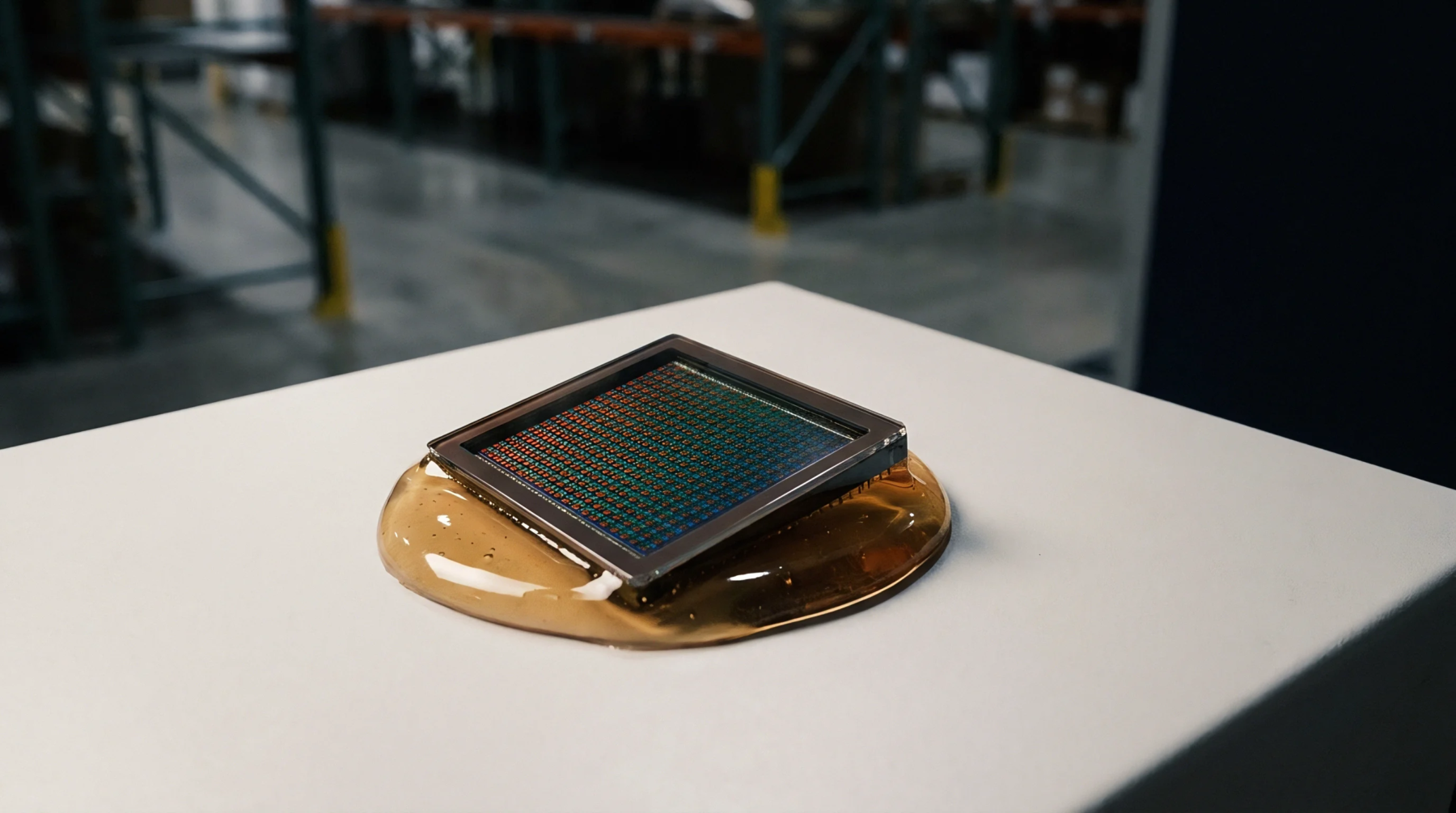
Silicon piezoresistive element selection requires matching doping concentration to signal chain compensation capabilities to handle resistance and sensitivity thermal shifts.
Heavy boron doping above 1e19 cm-3 stabilizes piezoresistive gauge factor thermal decay, allowing passive current-bias drift compensation.

Implantation energy and post-anneal thermal budgets set piezoresistive sensitivity and offset stability in silicon pressure sensor diaphragms.
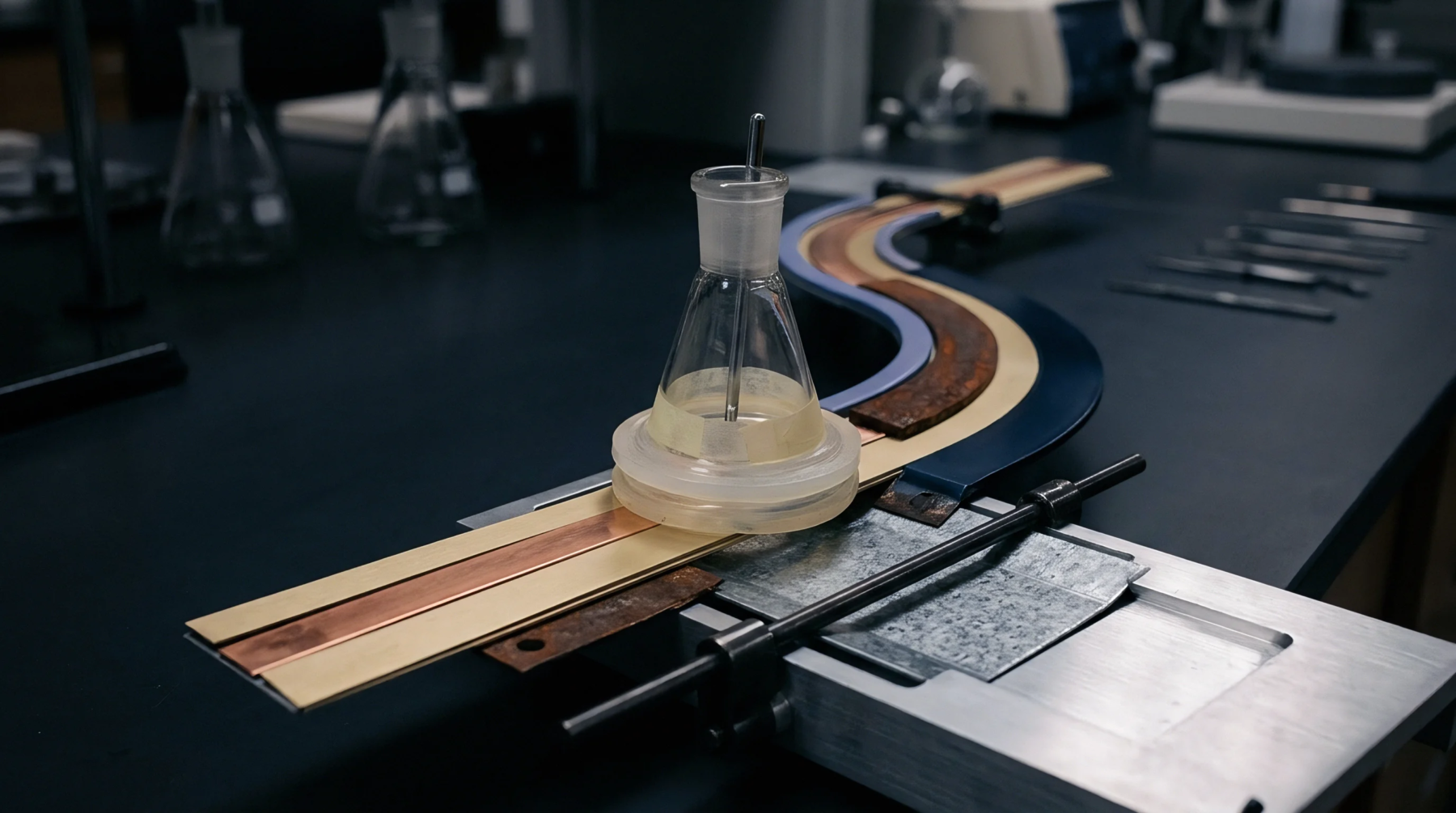
Optimizing boron doping concentrations between 10¹8 and 10¹⁹ cm⁻³ balances high piezoresistive gauge factors with manageable temperature coefficient drift.
P-type silicon piezoresistors doped with boron to 1e18 cm-3 achieve an optimal balance between gauge factor magnitude and thermal coefficient stability.
Optimal piezoresistive stability requires heavy surface boron doping above 2e19 cm-3 combined with plasma-activated silane coupling to prevent delamination.
Expertise is a utility, not a secret. sentiention™ publishes its working knowledge as open reference: intelligence layer covering the materials it sources, the markets it enters, and the reference that serves both.