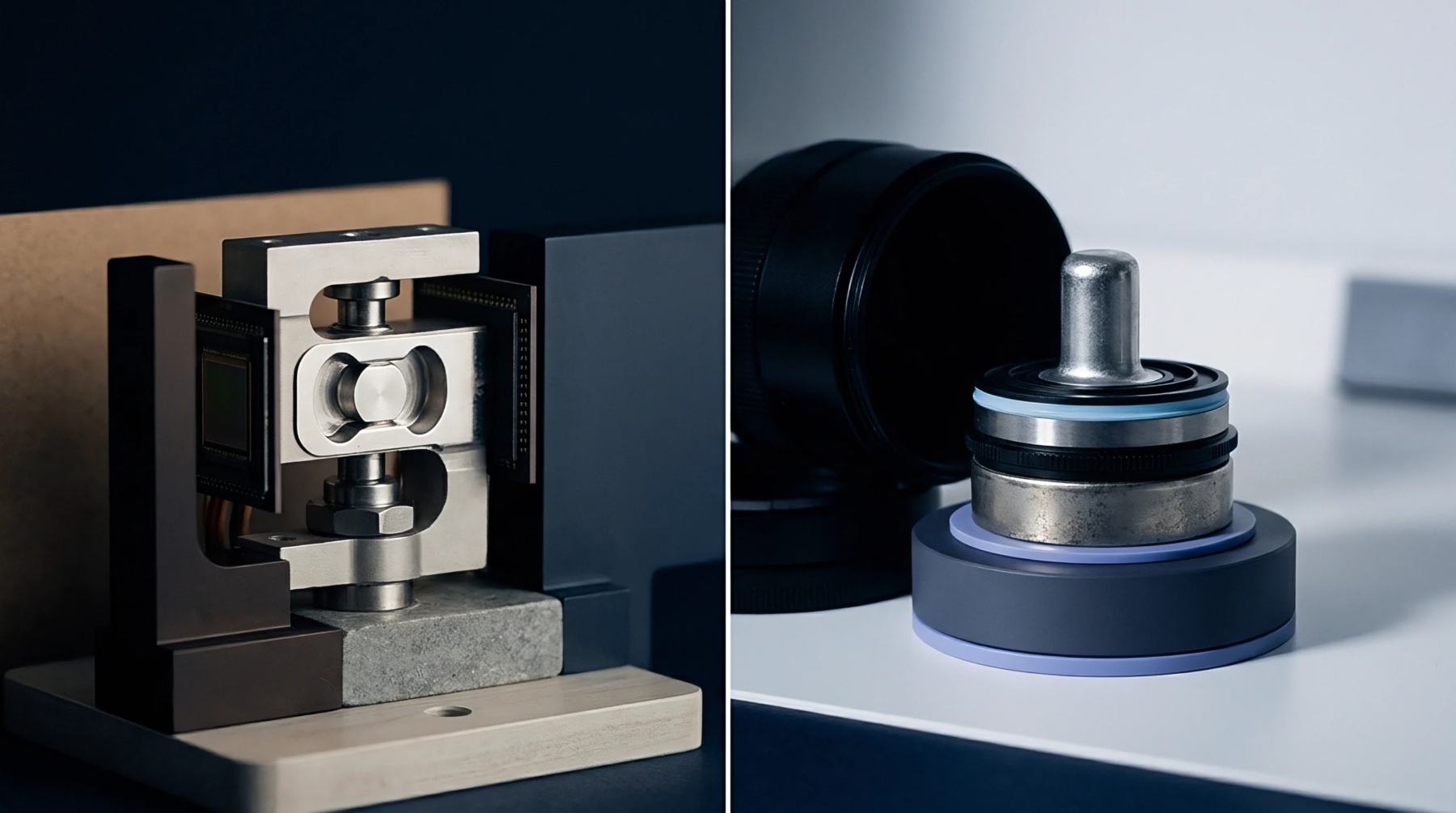
Incoming Transducer Inspection Basic Verification Workflow Setup
A structured transducer intake bench verifies zero balance, insulation resistance, and multi-point span accuracy against calibrated reference standards.
A structured transducer intake bench verifies zero balance, insulation resistance, and multi-point span accuracy against calibrated reference standards.

Uncompensated high frequency LC tank drift exceeds 30 ppm per kelvin; matching negative dielectric coefficients against coil expansion brings stability below 2 ppm.
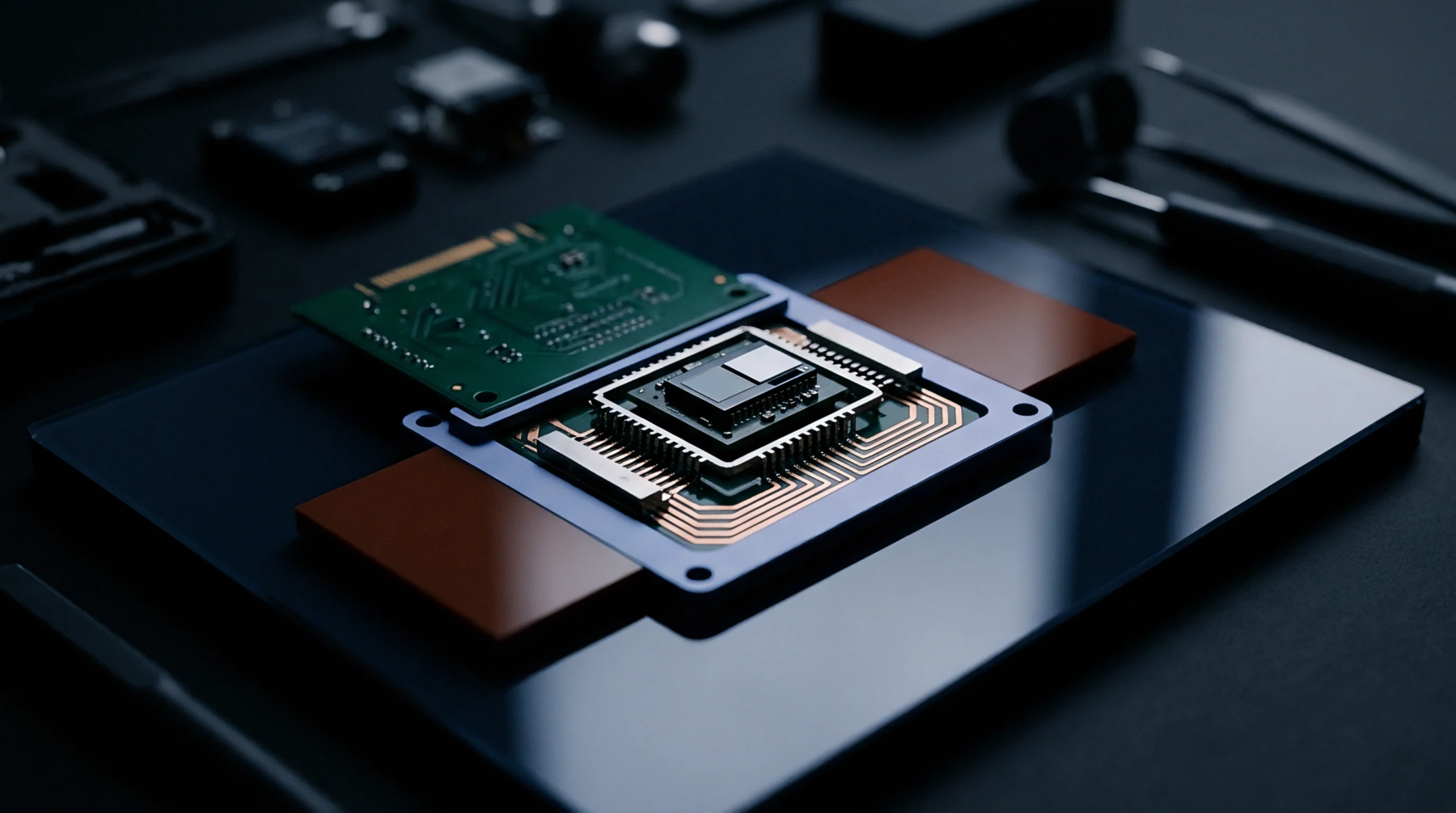
Common centroid transistor layouts for bandgap cores cancel linear thermal and lithographic gradients, reducing post-packaging output drift below 5 ppm per C.

Monolithic reference thermal drift sensitivity combines silicon junction non-linearities, piezoresistive mechanical package stress, and solder reflow hysteresis.
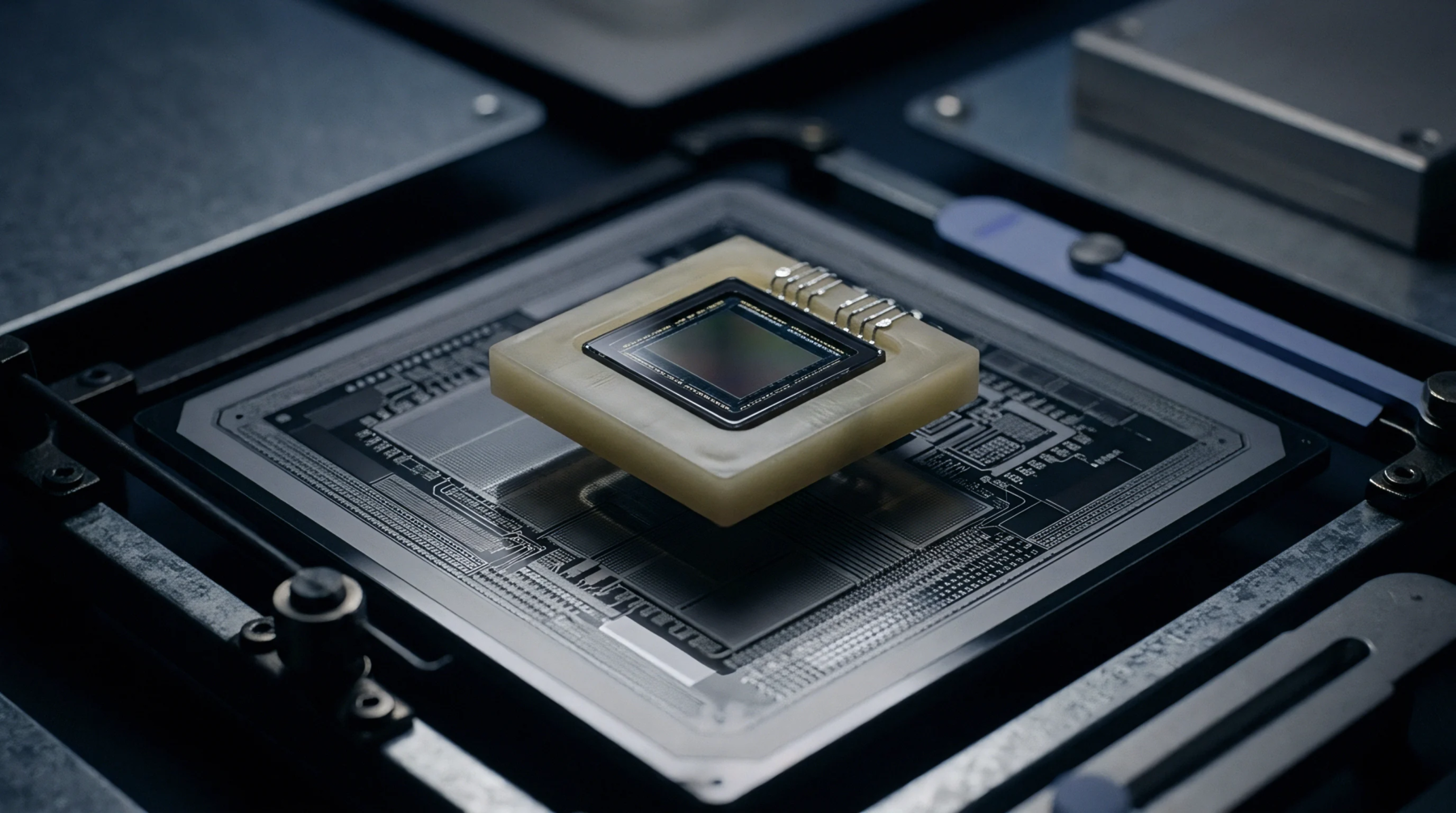
Wafer level sensor package strain mitigation relies on compliant redistribution layers, optimized pad geometries, and firmware offset calibration to ensure operational stability.
Linear annual drift extrapolation from four-week test bench data produces severe forecast errors by ignoring logarithmic relaxation and test fixture noise floors.

Room-temperature sensor calibrations omit outdoor thermal drift coefficients, expanding real field uncertainty far beyond published baseline claims.
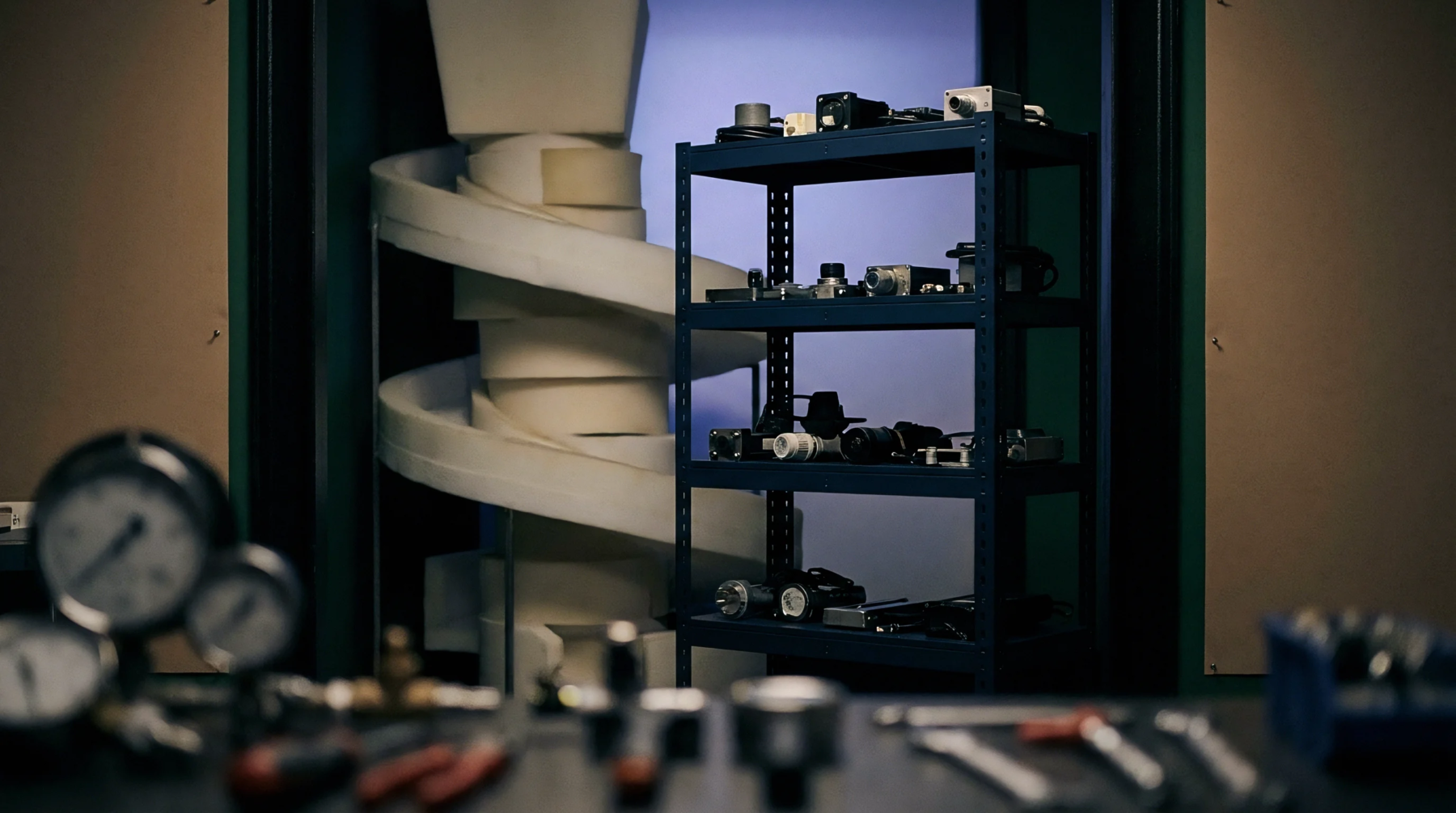
Internal bandgap voltage errors in high gradient layouts are reduced by common-centroid matching, thermal isolation trenching, and package stress mitigation.
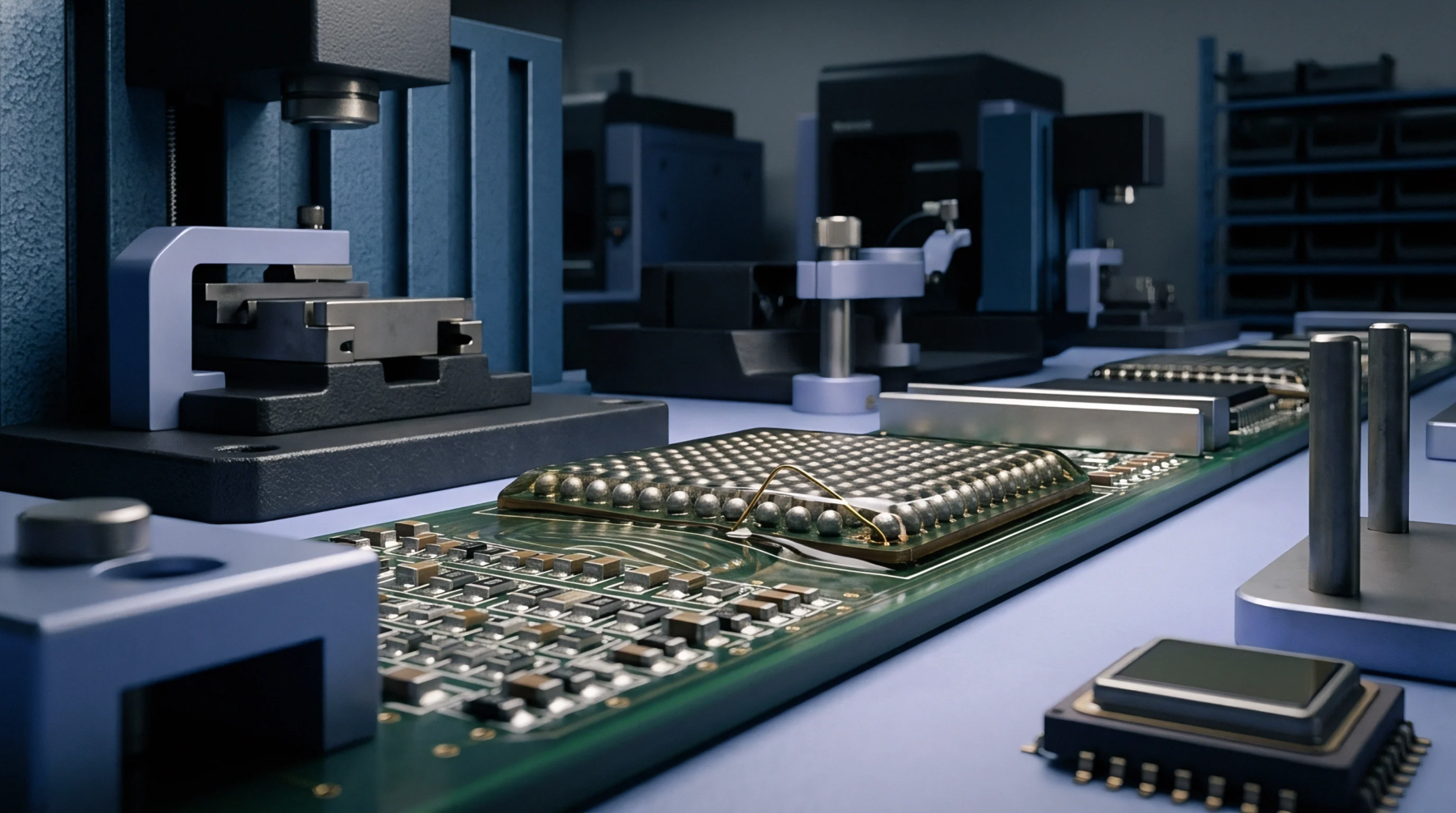
Isothermal precision reference layouts eliminate microvolt thermal EMFs and mechanical strain by balancing copper symmetry, milling strain-relief cuts, and decoupling heat flow.

Board level thermal gradients shift internal bandgap voltages by inducing transistor temperature differentials and piezoresistive package stress.

Sensor accuracy price curves scale exponentially because higher tiers demand longer thermal chuck dwell times, lower silicon yields, and guard-banded calibration.
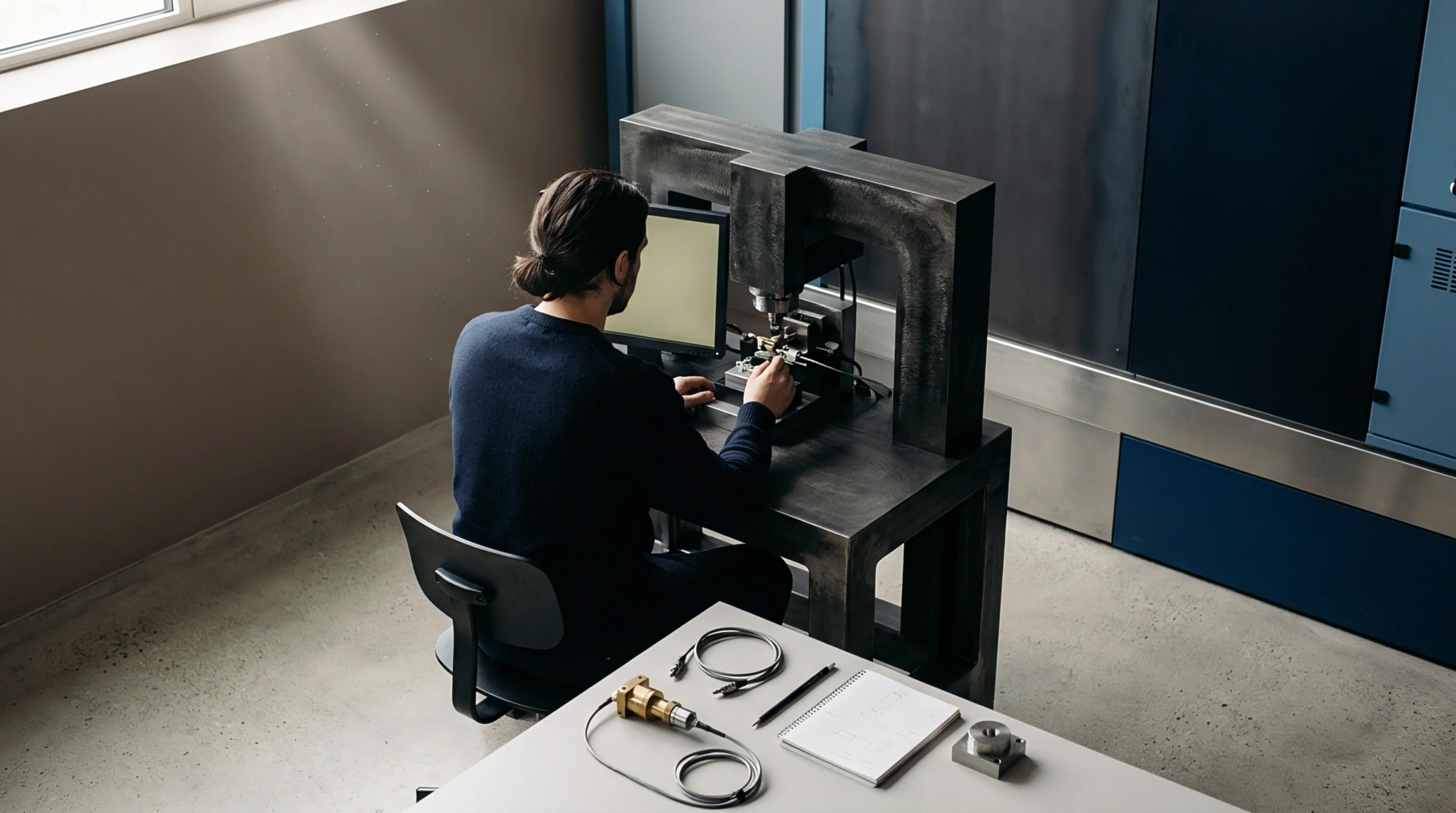
Variable acceptance sampling under ISO 3951-1 verifies continuous MEMS IMU drift profiles while protecting production lines from latent silicon wafer defects.
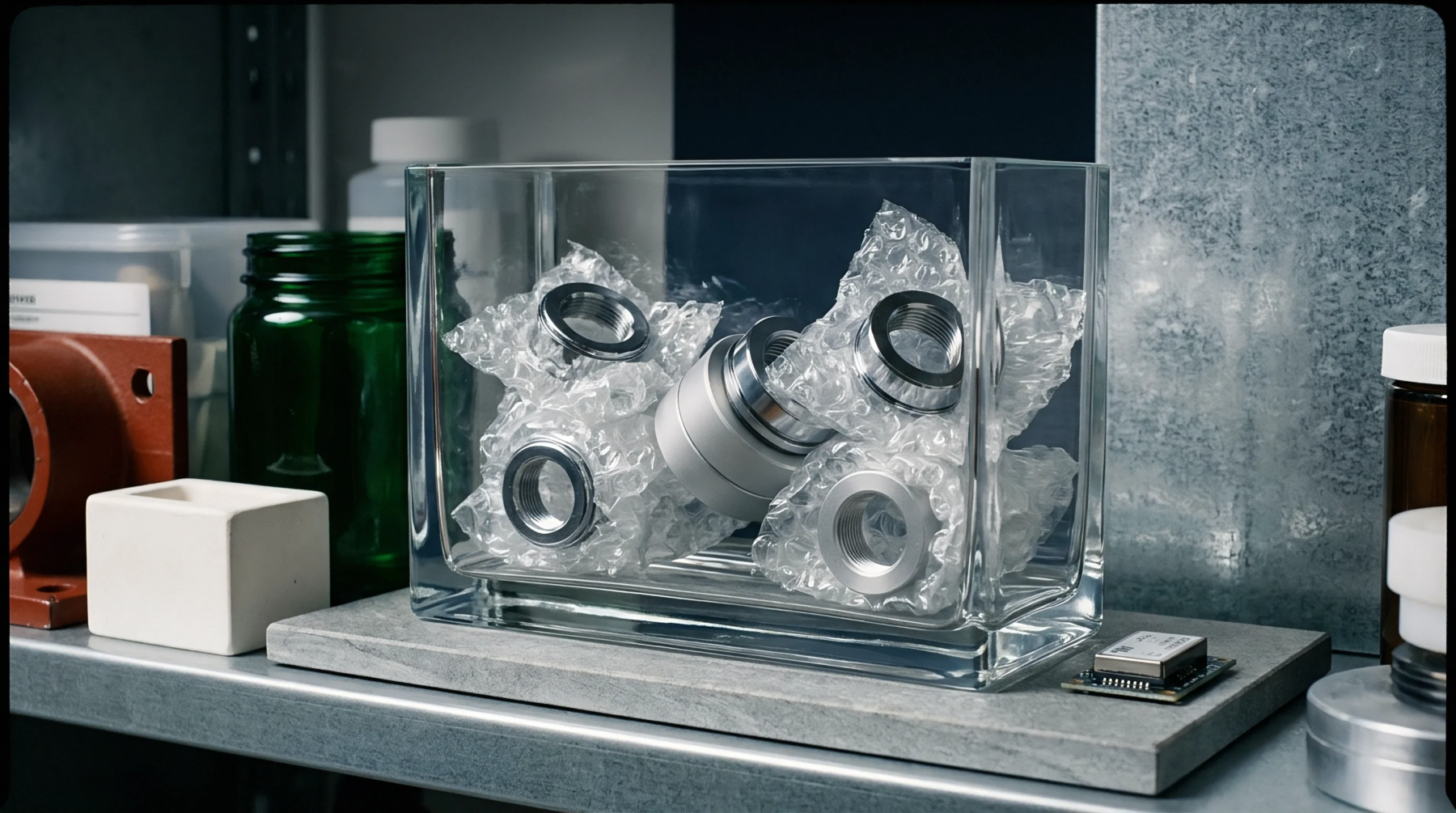
Substituting high-grade physical sensors with multi-element algorithms saves unit cost but adds firmware overhead, thermal drift risks, and qualification expenses.
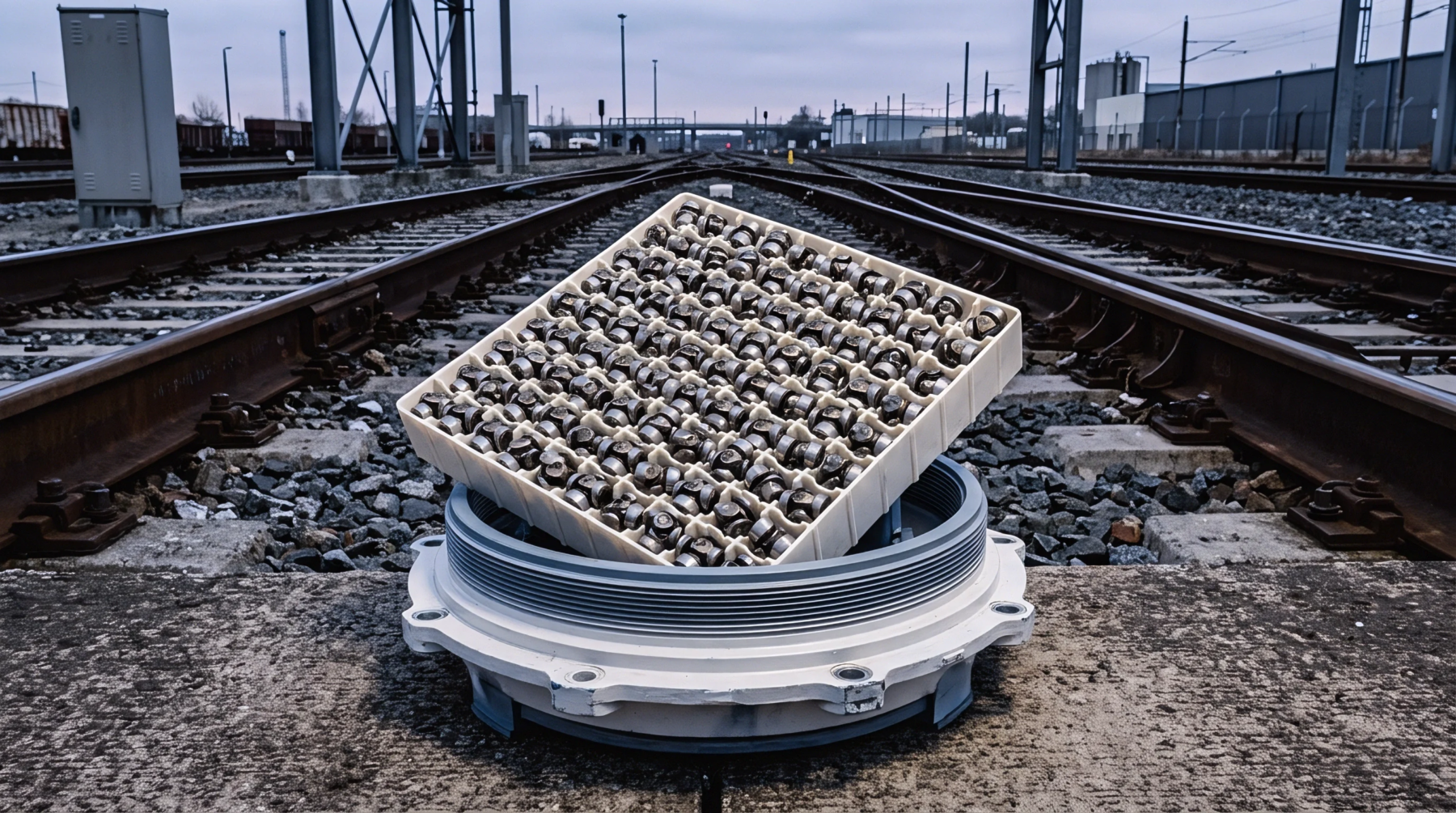
An ISO/IEC 17025 logo proves accreditation only for parameters and ranges explicitly listed on the laboratory active schedule of scope.
Expertise is a utility, not a secret. sentiention™ publishes its working knowledge as open reference: intelligence layer covering the materials it sources, the markets it enters, and the reference that serves both.