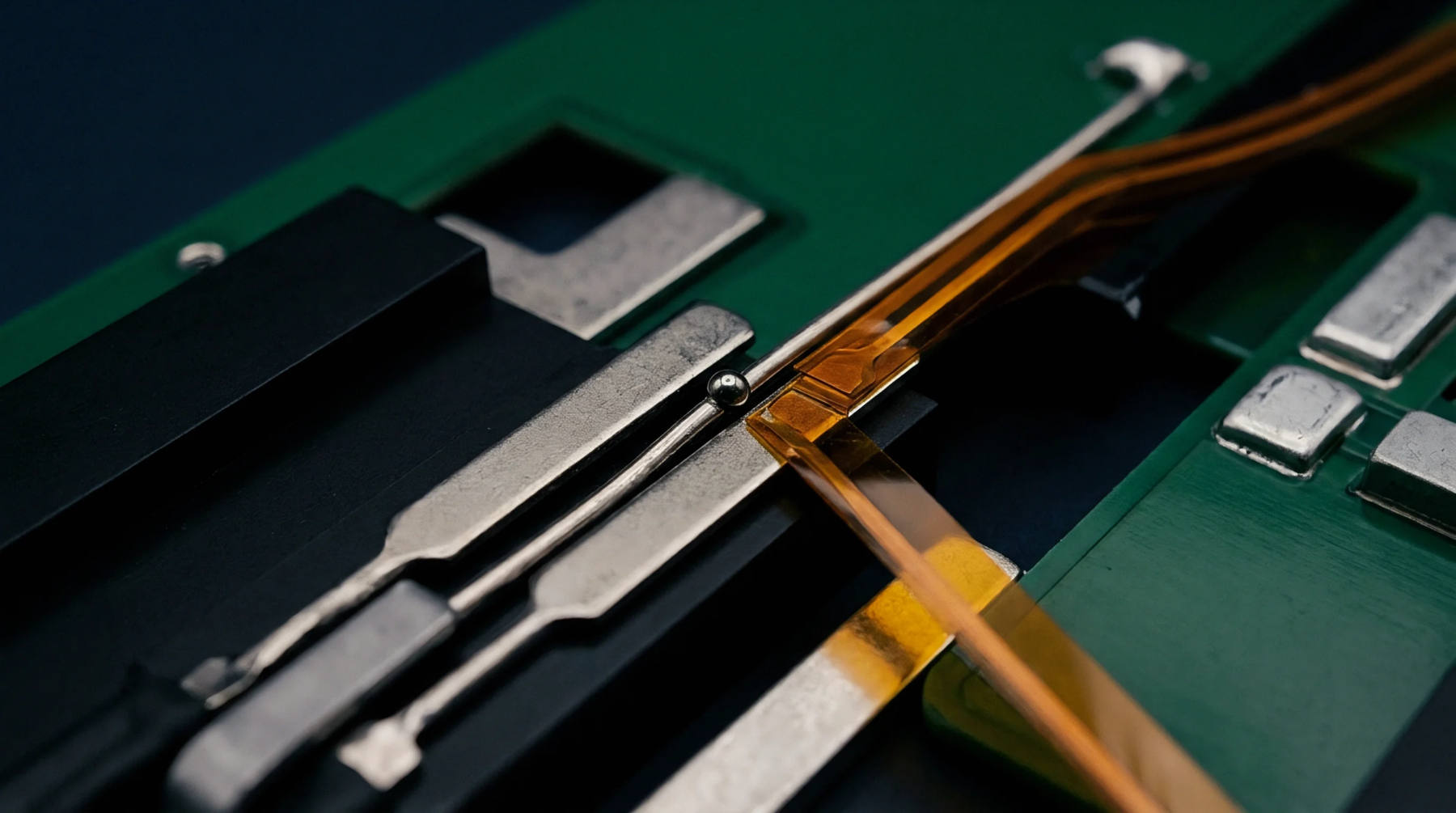
Hardware Identifier
Dedicated read-only memory addresses store hardwired digital bitmasks that define the silicon iteration and mask stepping of an integrated circuit. A rev_id register resides in peripheral address spaces accessible over standard I2C or SPI buses. Fabricated via metal-layer interconnects or hardwired logic tie-offs, this status register outputs a static numerical value indicating physical foundry changes without altering functional core architecture.
Hardware engineers read this location to confirm the silicon stepping level of incoming sensing components before initiating board population. The register function terminates at version reporting, offering no dynamic write capabilities or runtime configuration controls to host processors.
Stepping Traceability
Silicon manufacturers increment version bits whenever foundry modifications correct known errata or optimize manufacturing yields. In mixed-signal devices, a rev_id register distinction separates initial silicon steppings with thermal drift errata from subsequent production revisions incorporating layout fixes. Tracking these step modifications prevents the unapproved substitution of immature engineering silicon into high-reliability instrument builds.
Firmware Coordination
Host firmware queries revision registers during boot sequences to configure operational parameters to the installed silicon variant. Embedded drivers read the rev_id register to selectively load calibrated coefficients or bypass known hardware errata supported only on later production steppings. System initialization halts if an unsupported silicon iteration returns an unrecognized bit combination.
Qualification Verification
Incoming inspection procedures mandate register interrogation to authenticate component batches against procurement documentation. Sourcing engineers program automated test benches to poll the rev_id register on incoming samples, cross-referencing returned bit patterns against manufacturer errata notices and signed qualification certificates. Unannounced silicon revisions alter analog signal path characteristics or shift internal reference voltages, leading to measurement drift when paired with legacy calibration algorithms.
If incoming components report an outdated stepping or an unverified respin, automated receiving lines immediately quarantine the lot to prevent manufacturing integration. Final production acceptance hinges on explicit verification that the hardware revision encoded within silicon strictly matches the configuration qualified during initial instrument sourcing trials.