
Silicon Piezoresistive Strain Sensitivities in Surface Mount Packaging Formats
Surface mount packaging transfers printed circuit board flexure to piezoresistive silicon dies, causing bridge zero shifts that defeat digital compensation.

Surface mount packaging transfers printed circuit board flexure to piezoresistive silicon dies, causing bridge zero shifts that defeat digital compensation.

Post-package bandgap voltage reference drift stems from mold compound thermal strain and moisture swelling, requiring ceramic packaging or stress-isolated PCB layouts to maintain sub-10 ppm accuracy.

Orthogonal cross-quad bipolar layout cancels linear packaging stress and inverts shear vectors to stabilize bandgap reference drift below two millivolts.

Common-centroid cross-quad transistor layout and symmetrical thermal isolation eliminate systematic process gradients to hold sub-millivolt reference accuracy.

Line readout delay is the sequential horizontal row digitization time governing progressive CMOS exposure skew, image shear, and motion blur geometry.

Thermal offset shift in oil-filled sensors stems from liquid expansion against diaphragm stiffness, manageable only by cavity volume and compliance design.

Viscoelastic relaxation in fill fluids generates transient zero offset drift during thermal steps, necessitating Prony series modeling for active firmware correction.

High-order matrix surfaces cannot eliminate path-dependent thermal hysteresis caused by packaging viscoelasticity, requiring bound-based error budgeting.

Thermal expansion mismatch between silicon diaphragms and substrate packaging generates mechanical stress that shifts zero offset and requires matrix compensation.

Packaging stress relaxation drives non-linear zero drift in piezoresistive sensors, requiring early recalibration before shifting to extended intervals.
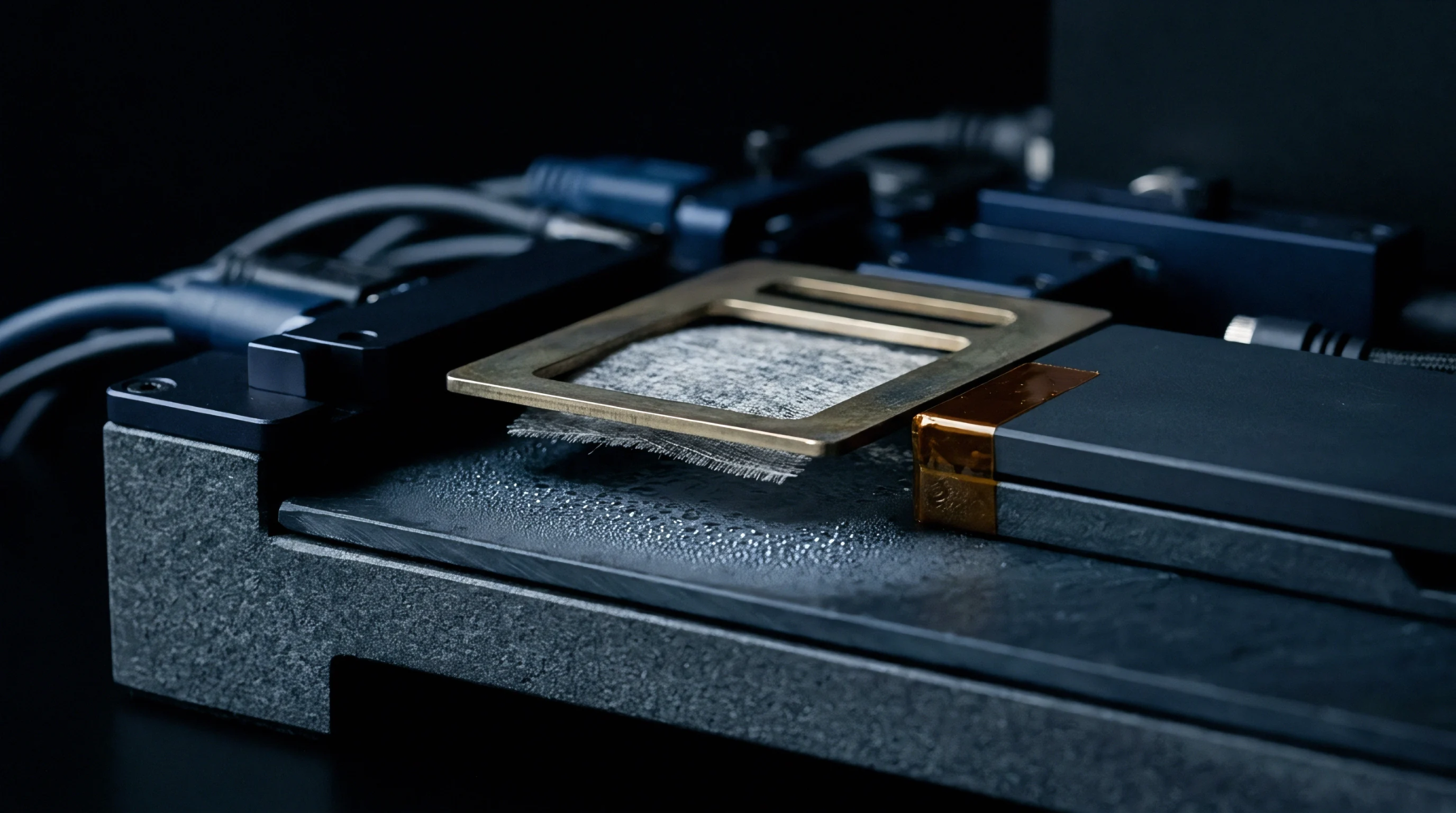
Implementing bivariate polynomial thermal surfaces in firmware requires Horner evaluation of scaled Q1.31 fixed-point coefficients derived from Chebychev nodes.
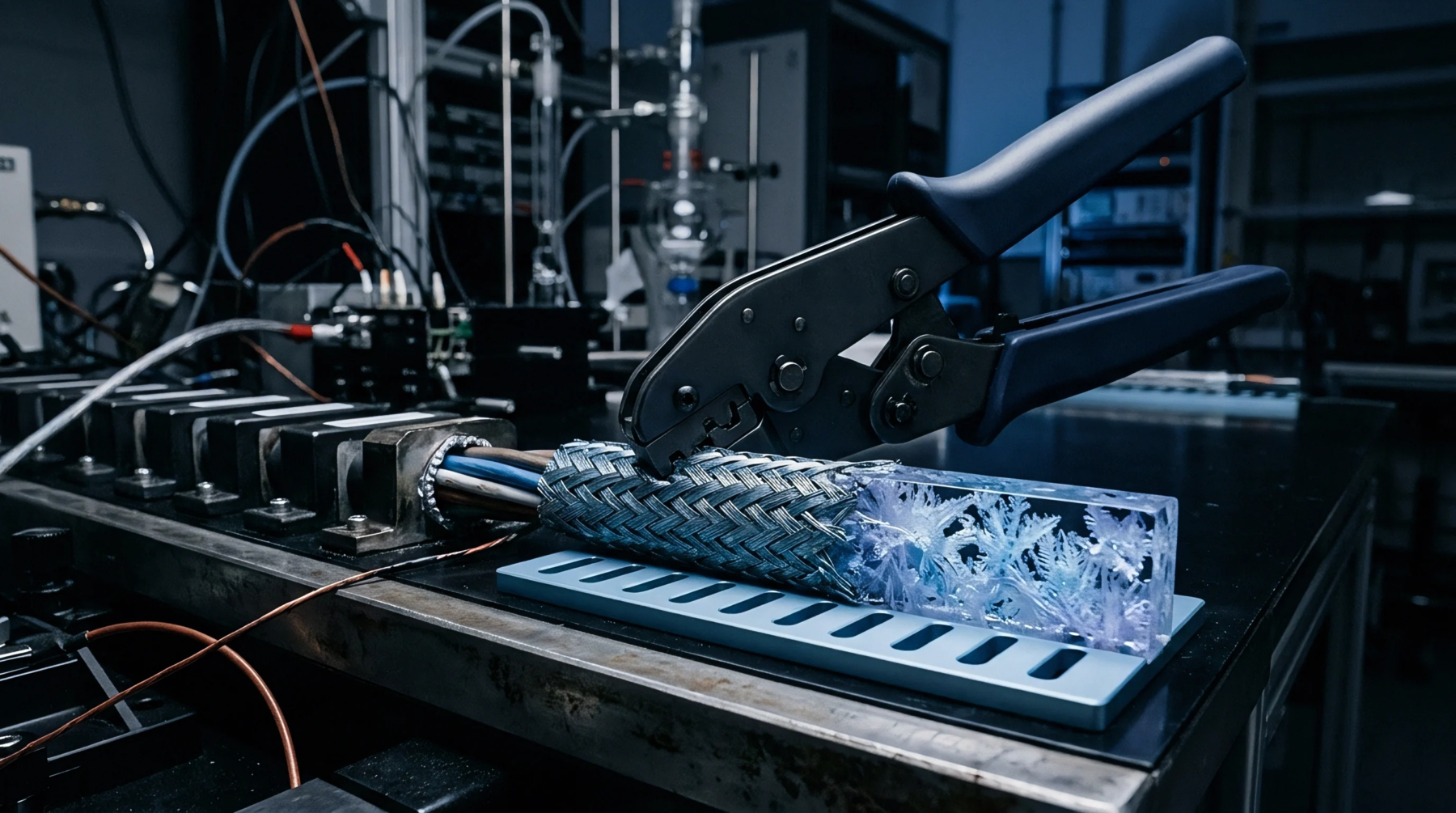
Digital polynomial ASIC compensation cancels predictable piezoresistive silicon thermal drift but leaves packaging hysteresis and long-term creep uncorrected.

Non-Fickian dual-phase models isolate dissolved penetrant from microvoid entrapment, establishing defensible three-year calibration limits for polymer sensors.
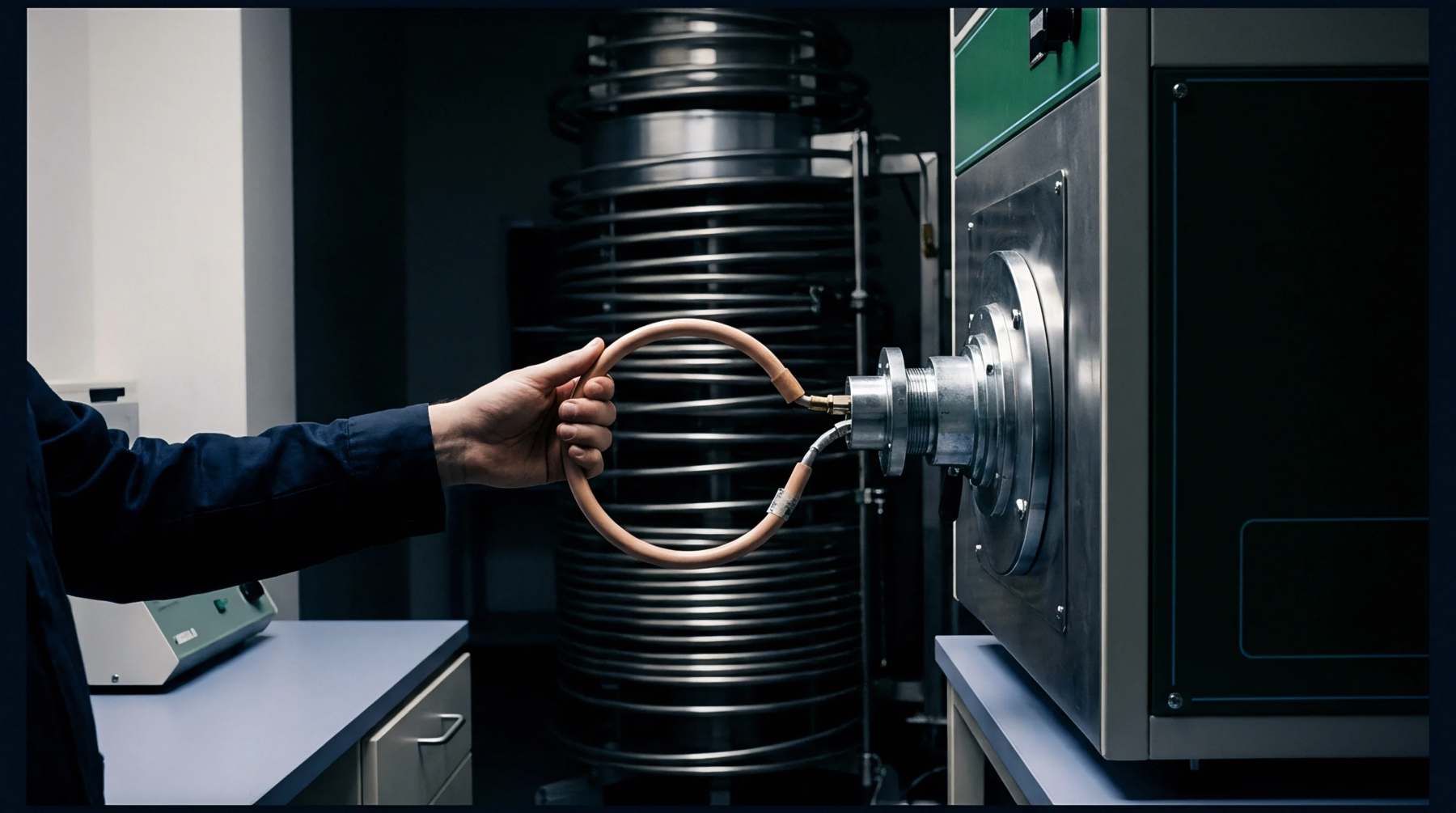
Water diffusion into silicon sensor passivations causes asymmetric swelling stress that drives zero point drift unless arrested by true hermetic packaging.

Hygroscopic swelling in packaging polymers transfers parasitic shear into MEMS diaphragms, causing zero-point drift that demands pedestal isolation.

Dynamic asymmetric thermal cycles induce unrecoverable solder creep that relaxes packaging stresses, shifting precision sensor baselines over operating time.

Substrate warpage injects mechanical strain directly into the sensing die, shifting analog front-end bridge balance past digital trim limits.

Cyclic hydraulic pressure drives long-term zero drift and span loss in gel-isolated sensors through irreversible viscoelastic strain accumulation and chain fatigue.

Board flexure and reflow strain pass straight into surface mount piezoresistive die; routing slits, soft die attach, and glass pedestals isolate zero drift.

Dynamic micro-thermal gradients across dissimilar package metals induce Seebeck drift that common-centroid routing and ceramic substrates minimize.

Bivariate polynomial surface fitting maps raw piezoresistive bridge ratios and temperatures to true pressure, suppressing thermal and non-linear drift below 0.05% FS.

Dual-mode compensation pairing constant current excitation with digital polynomial modeling suppresses piezoresistive thermal drift to 0.1 percent full scale.

Balanced copper layout and symmetric isolation slots eliminate cross-die thermal gradients, suppressing uncompensated voltage drift in surface-mount references.

Precision voltage references demand symmetric copper lands, isolation slots, and convective shielding to suppress piezoresistive and thermoelectric drift.

Packaging thermal stress alters piezoresistive bridge balance; maintaining sensor accuracy requires etched isolation moats and cooling rates under 2 C per minute.

Ratiometric excitation paired with chopper-stabilized instrumentation amplifiers resolves microvolt piezoresistive bridge signals while cancelling thermal drift.
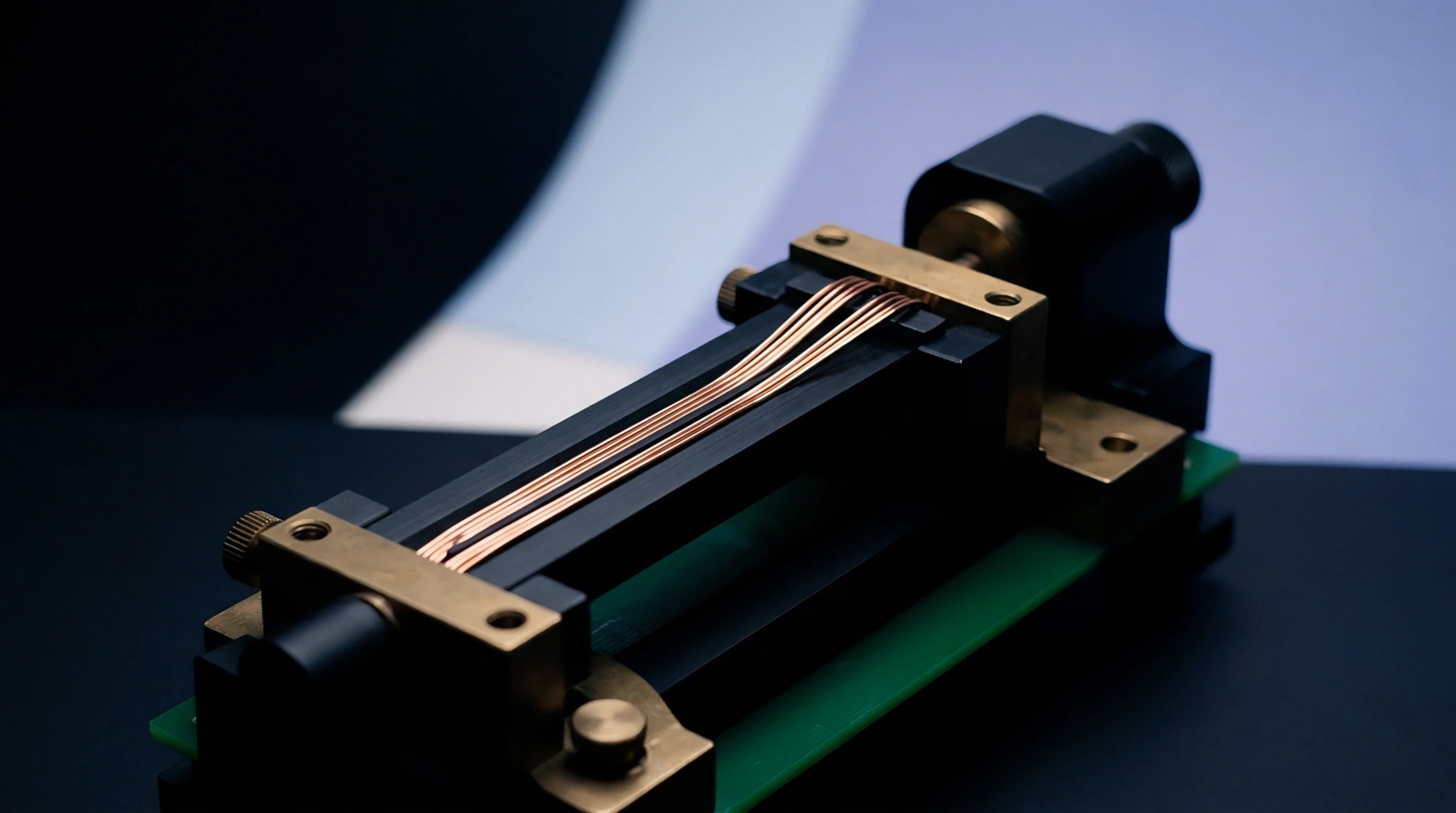
Piezoresistive diaphragm performance demands matching current excitation to silicon thermal coefficients and isolating media via low-volume oil cavities.

Excess oil fill volume drops isolation diaphragm compliance during thermal expansion, inducing non-linear hydraulic backpressure that drives zero offset drift.

Strain fields alter point defect activation volumes in degenerate silicon gauges, accelerating offset drift unless pre-packaging bakes clear defect clusters.

Proton displacement damage degrades piezoresistive sensitivity by generating lattice defects that reduce free carrier mobility and effective gauge factor.
Expertise is a utility, not a secret. sentiention™ publishes its working knowledge as open reference: intelligence layer covering the materials it sources, the markets it enters, and the reference that serves both.