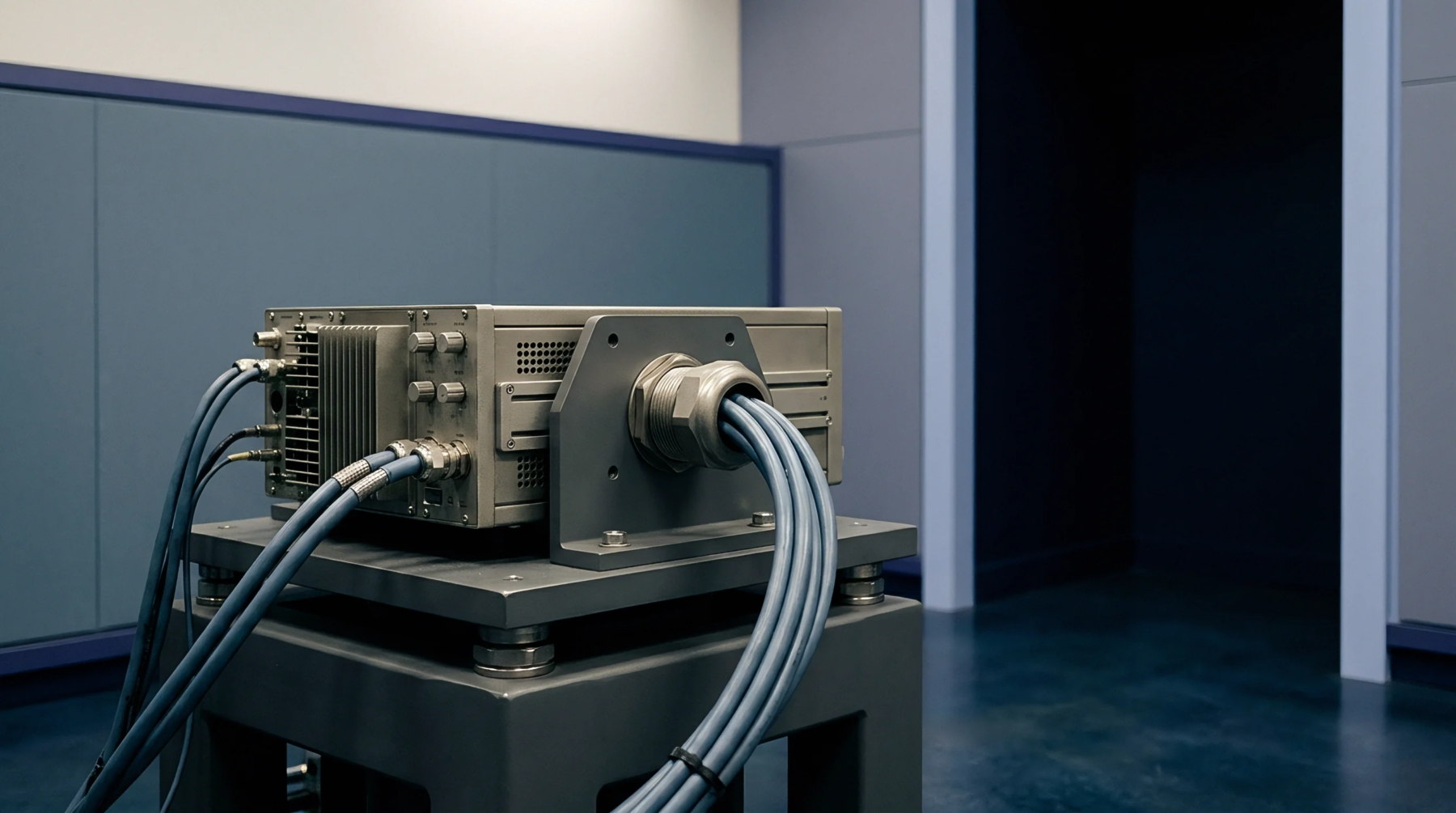
Tactical Inertial Measurement Unit Thermal Bias Modeling Fundamentals
Tactical IMU thermal bias modeling requires combining static higher-order polynomials with real-time temperature derivative terms to eliminate dynamic lag errors.
Tactical IMU thermal bias modeling requires combining static higher-order polynomials with real-time temperature derivative terms to eliminate dynamic lag errors.
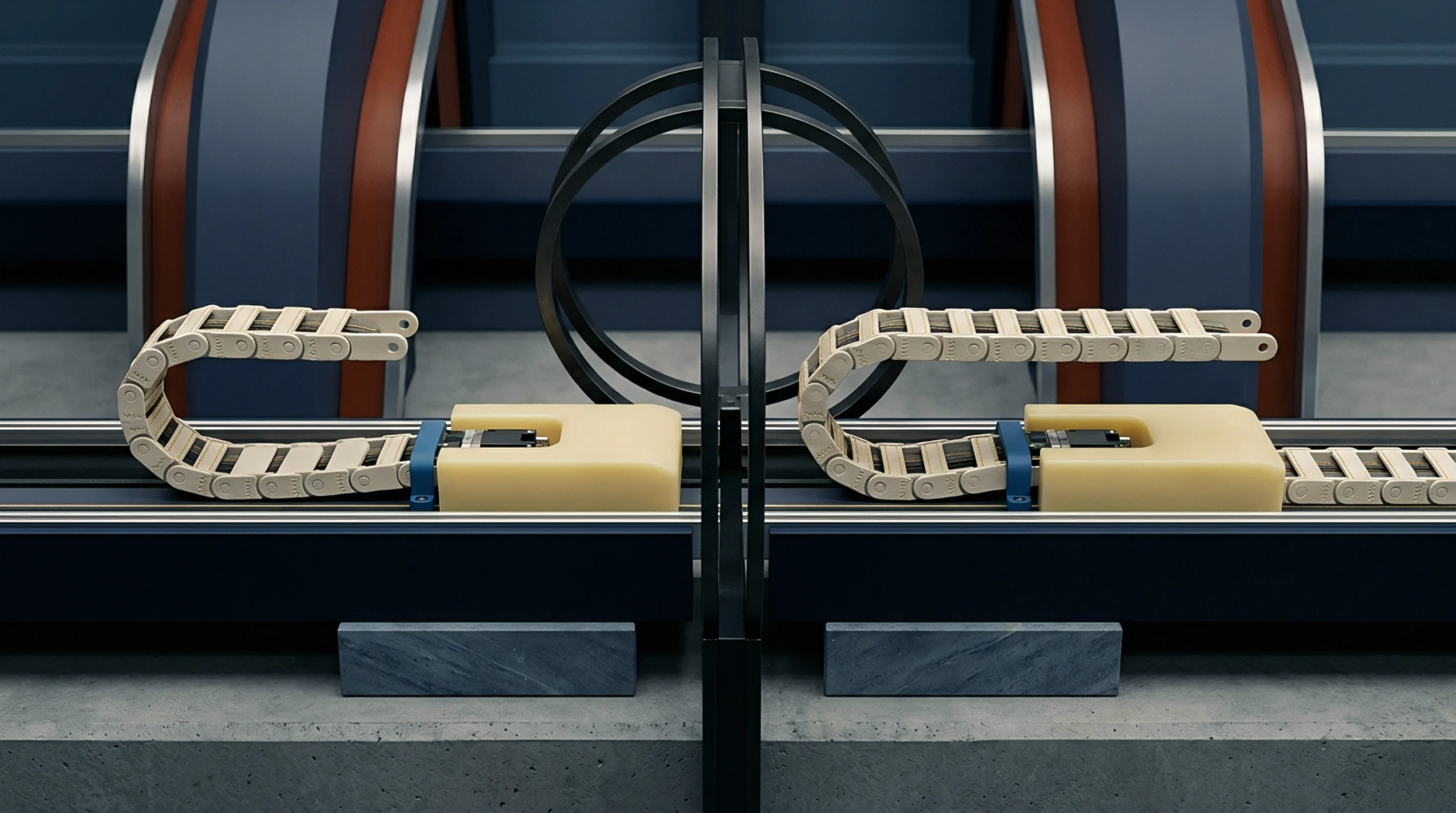
Establishing pressure traceability requires calculating complete uncertainty budgets and enforcing accredited test ratios to prove sensor claims.
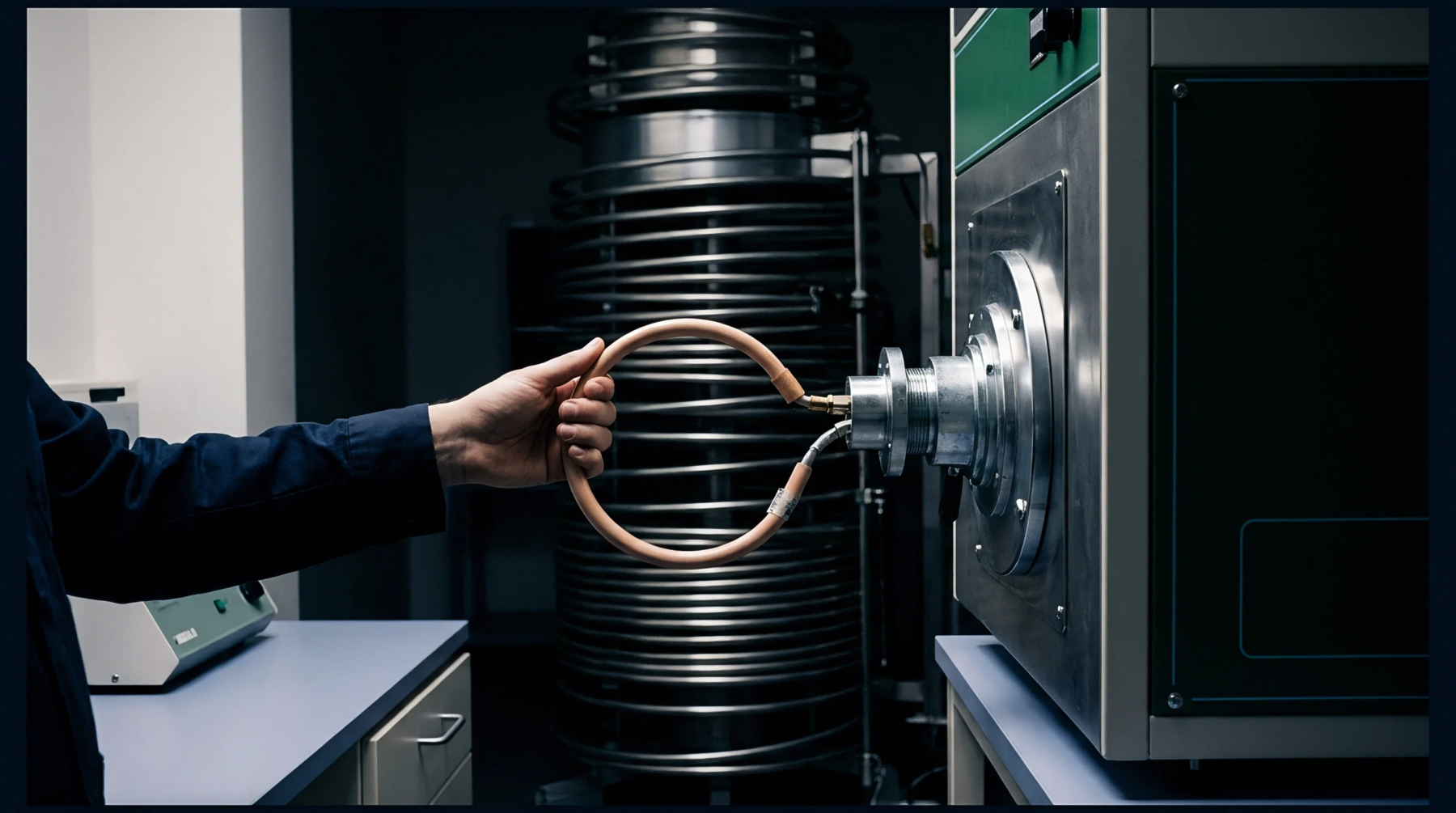
Viscoelastic relaxation in ultrafine cladding coatings couples dynamic shear strains directly into the core, generating uncorrected optical phase drift.
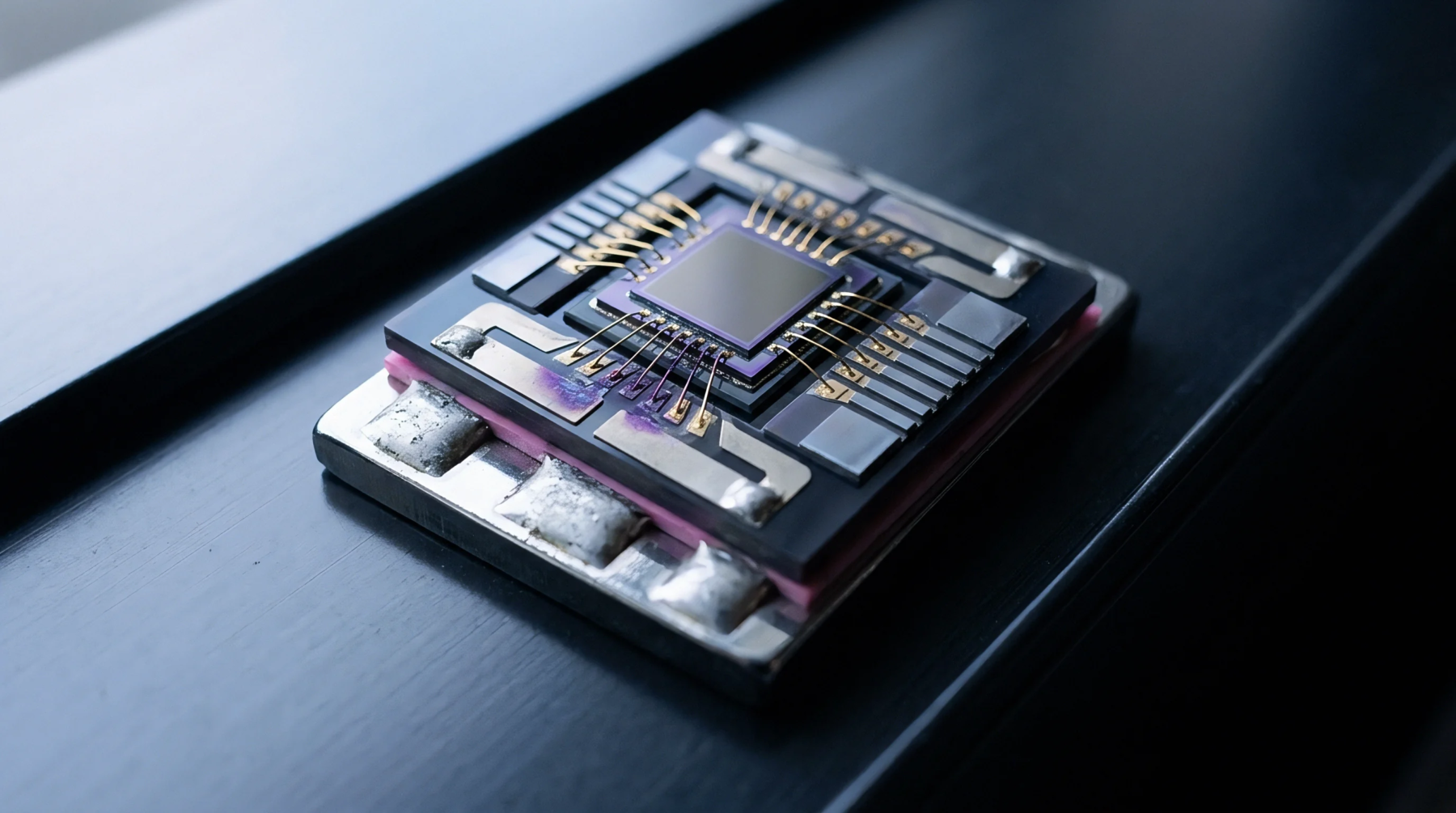
Master supply agreements enforce microelectronic acceptance by establishing guard-banded drift boundaries that partition thermal, packaging, and aging errors.

Dynamic matrix corrections combine in situ reference tracking and Arrhenius modeling to eliminate unbudgeted high temperature MEMS recalibration cycles.

Precision capacitive MEMS accelerometer thermo-mechanical bias stability requires stress-isolated ceramic packaging and gradient-aware temperature calibration.

Mitigate surface-mount precision reference thermomechanical drift using three-sided PCB slot moats, compliant land patterns, or hermetic ceramic packages.
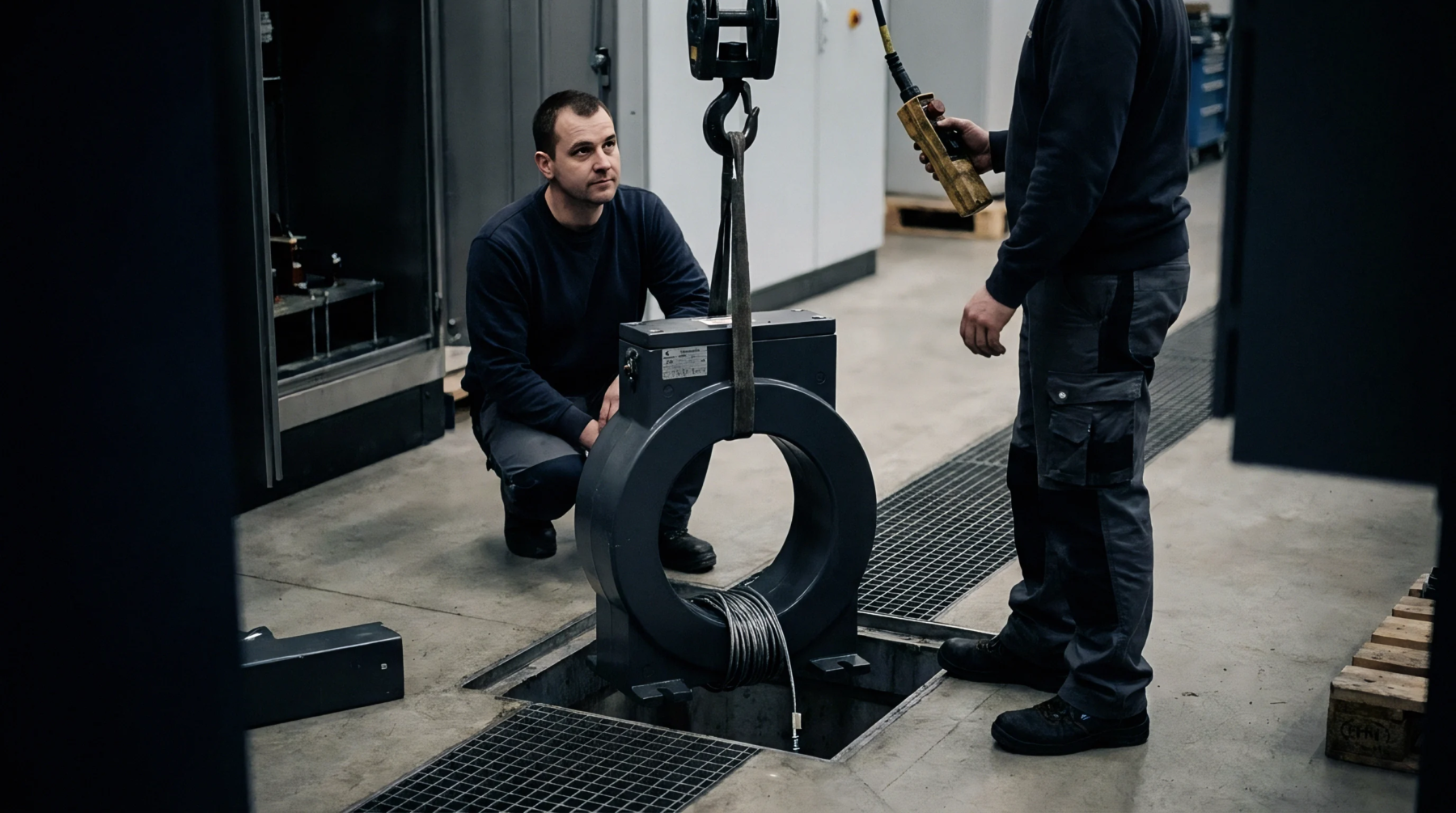
Precision voltage reference accuracy depends on isolating packages from board flexure, balancing trace Seebeck junctions, and blocking thermal conduction paths.
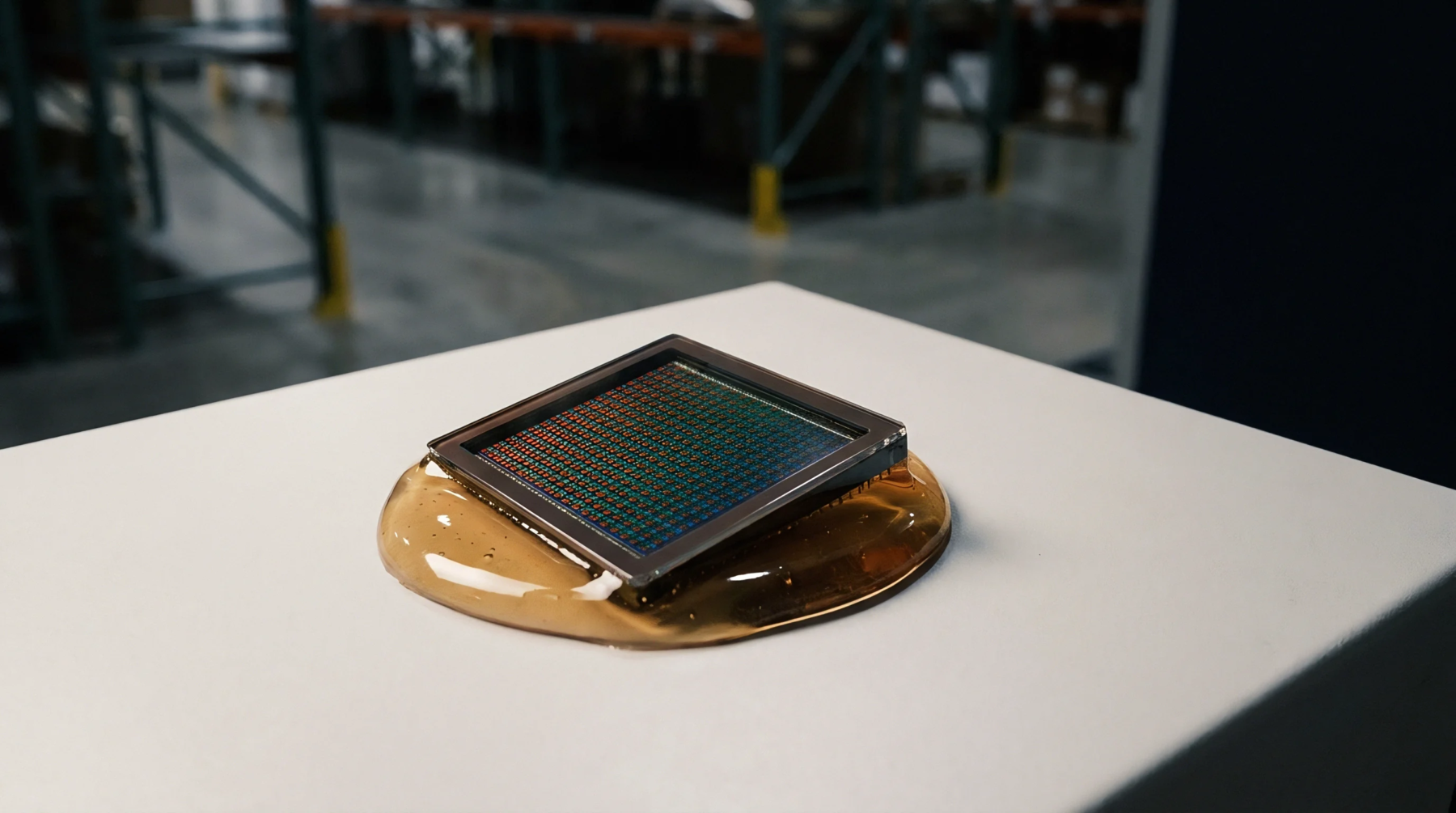
Transient thermal calibration compensates quartz resonant accelerometer bias shifts caused by temperature gradients using differential thermal rate models.

Dynamic thermal cycling induces non-linear piezoresistive hysteresis that demands dynamic gradient tracking and second-order surface compensation models.

Matrix compensation algorithms correct non-linear thermal piezoresistive drift by mapping raw bridge and temperature counts through fixed-point polynomial surfaces.
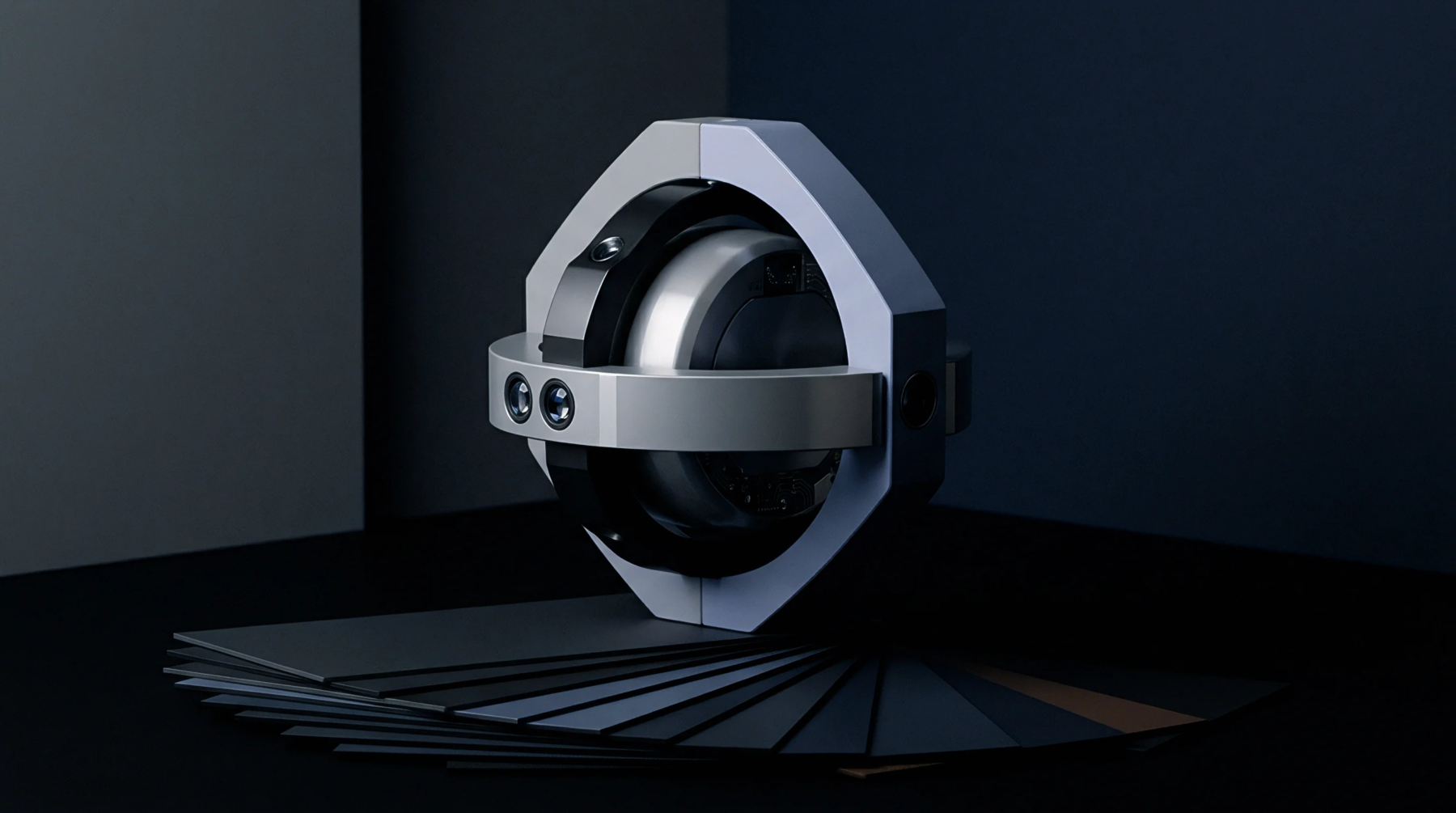
Asymmetric thermal expansion shifts bandgap voltage via piezoresistive substrate stress; mechanical slots and ceramic packaging isolate critical reference nodes.
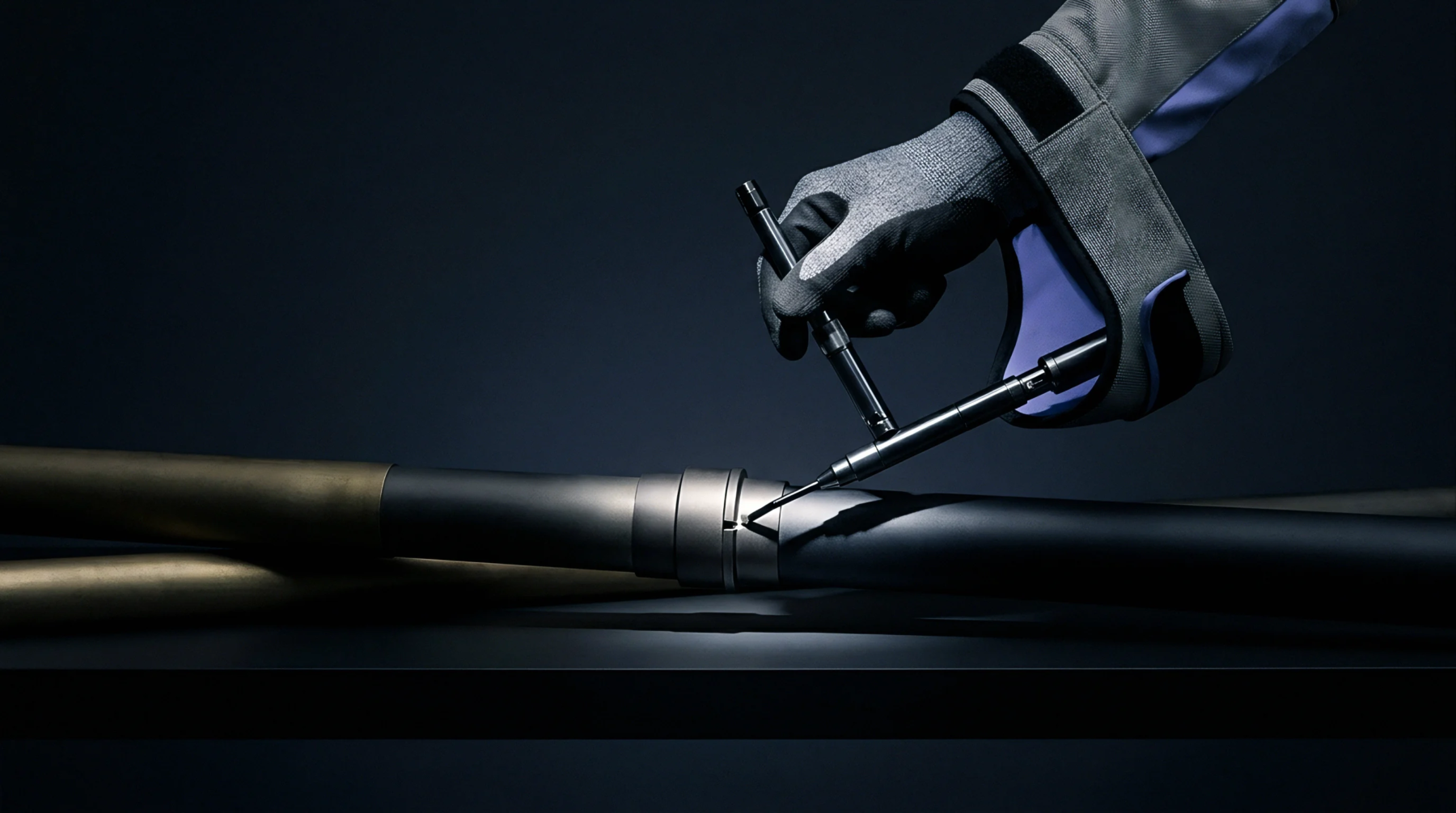
Packaging creep and stress relaxation require uncertainty budgets combining Arrhenius activation scatter, solder viscoplasticity, and burn-in screening costs.

Uncompensated high frequency LC tank drift exceeds 30 ppm per kelvin; matching negative dielectric coefficients against coil expansion brings stability below 2 ppm.

Spatial multi-point temperature sensing inside sub-Torr MEMS packages removes transient thermal gradient frequency drift down to sub-ppm precision limits.

High temperature oxygen diffusion across sensor passivations triggers interfacial void nucleation, driving sensor zero-point drift past operational limits.

Wafer-level residual stress gradients induce asymmetric die warpage that relaxes over time, causing dynamic calibration matrices to suffer severe cross-axis drift.
Expertise is a utility, not a secret. sentiention™ publishes its working knowledge as open reference: intelligence layer covering the materials it sources, the markets it enters, and the reference that serves both.