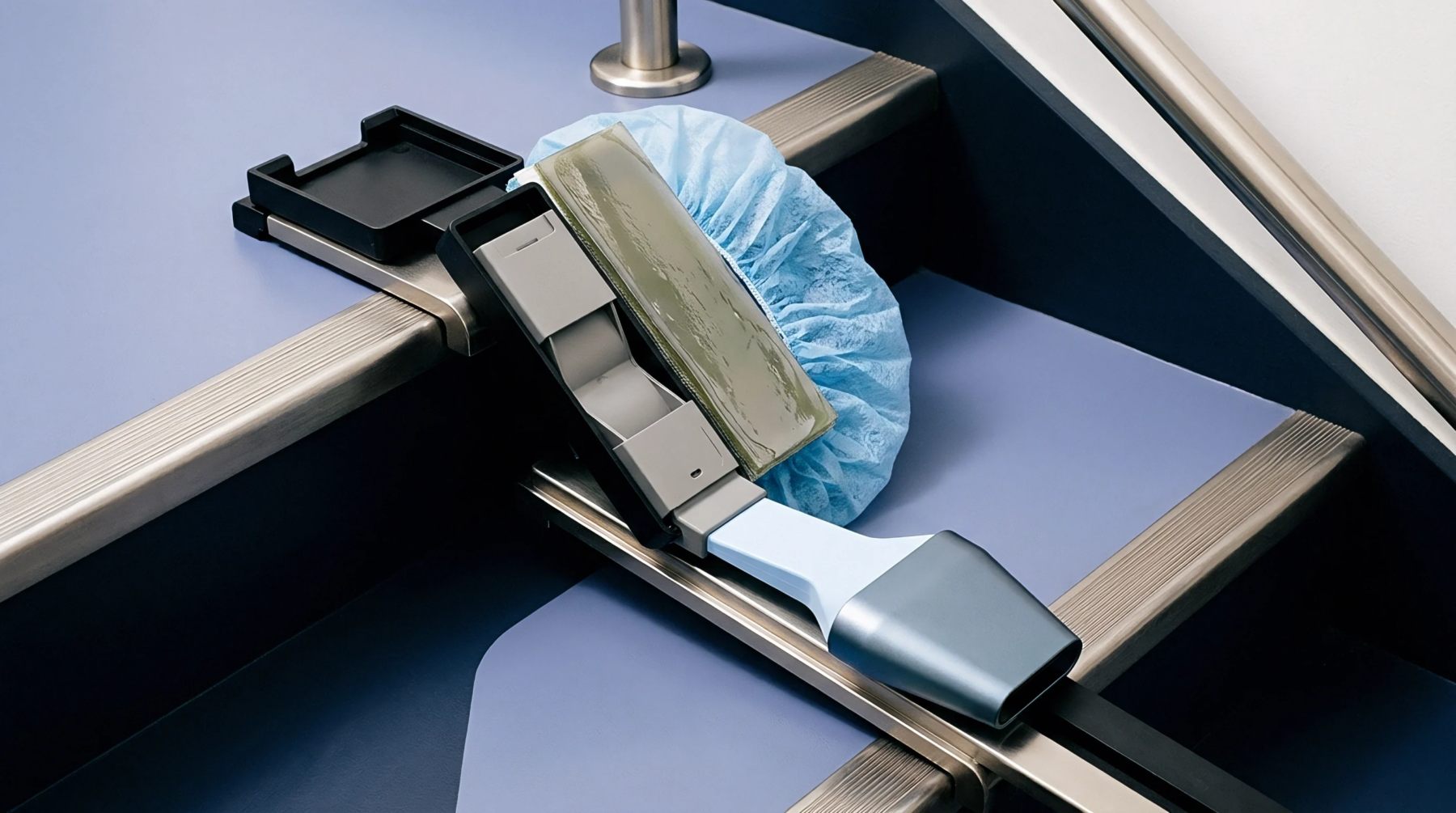
Determining Baseline Sensor Accuracy Classes and Wafer Trim Mechanics
Wafer trim establishes initial sensor accuracy classes, but package stress and thermal drift determine field performance and calibration costs.
Wafer trim establishes initial sensor accuracy classes, but package stress and thermal drift determine field performance and calibration costs.

Calculate sensor burn-in time by dividing equivalent operating hours at the infant drift inflection point by the temperature-derived Arrhenius acceleration factor.

Interfacial package creep modeling requires viscoplastic constitutive equations and temperature-dependent stress mapping to prevent long-term field drift.
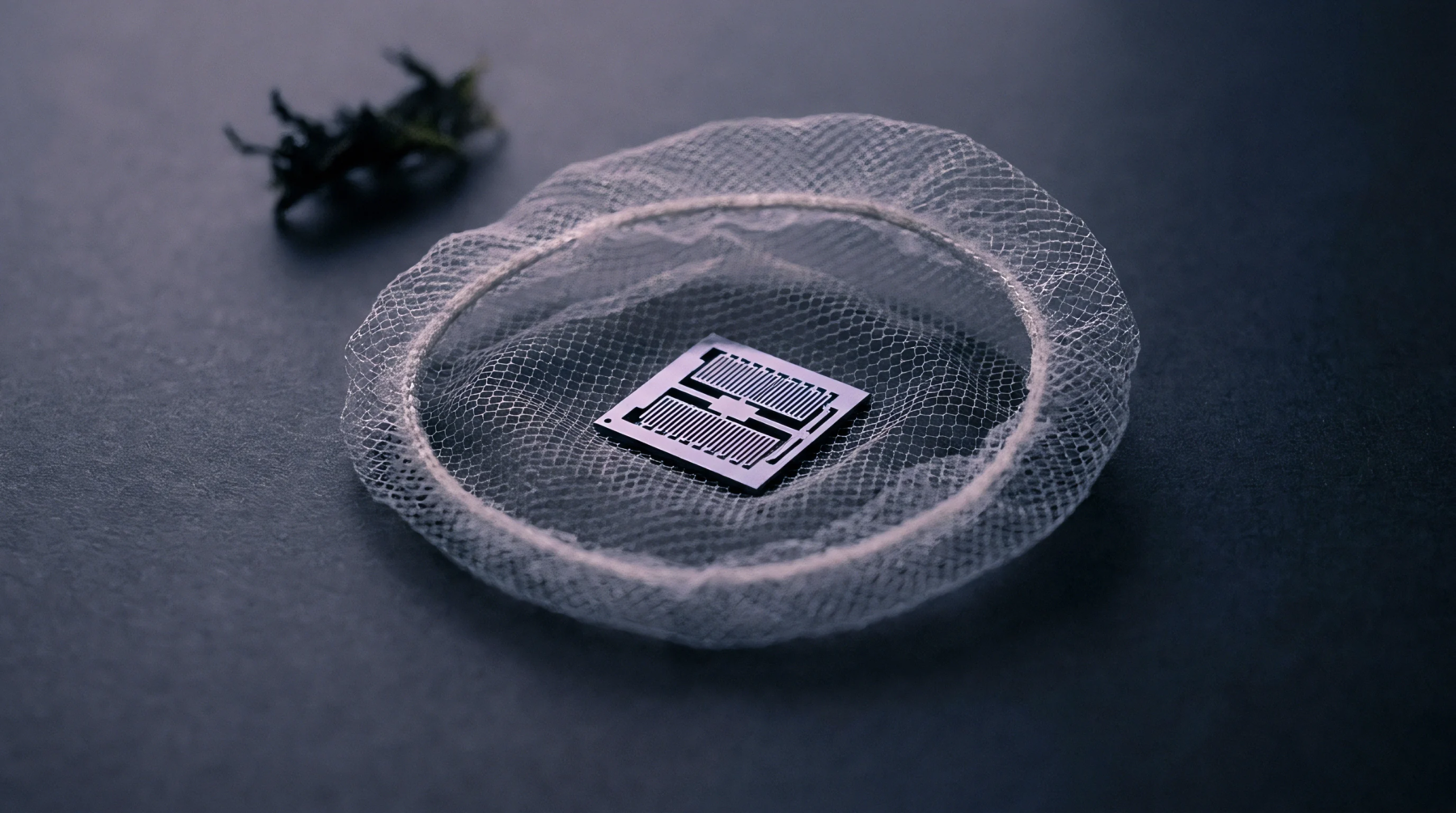
Dual-sourcing low-tier commercial sensors introduces baseline offset drift, thermal hysteresis, and ASIC filtering divergence that increase total landed product cost.
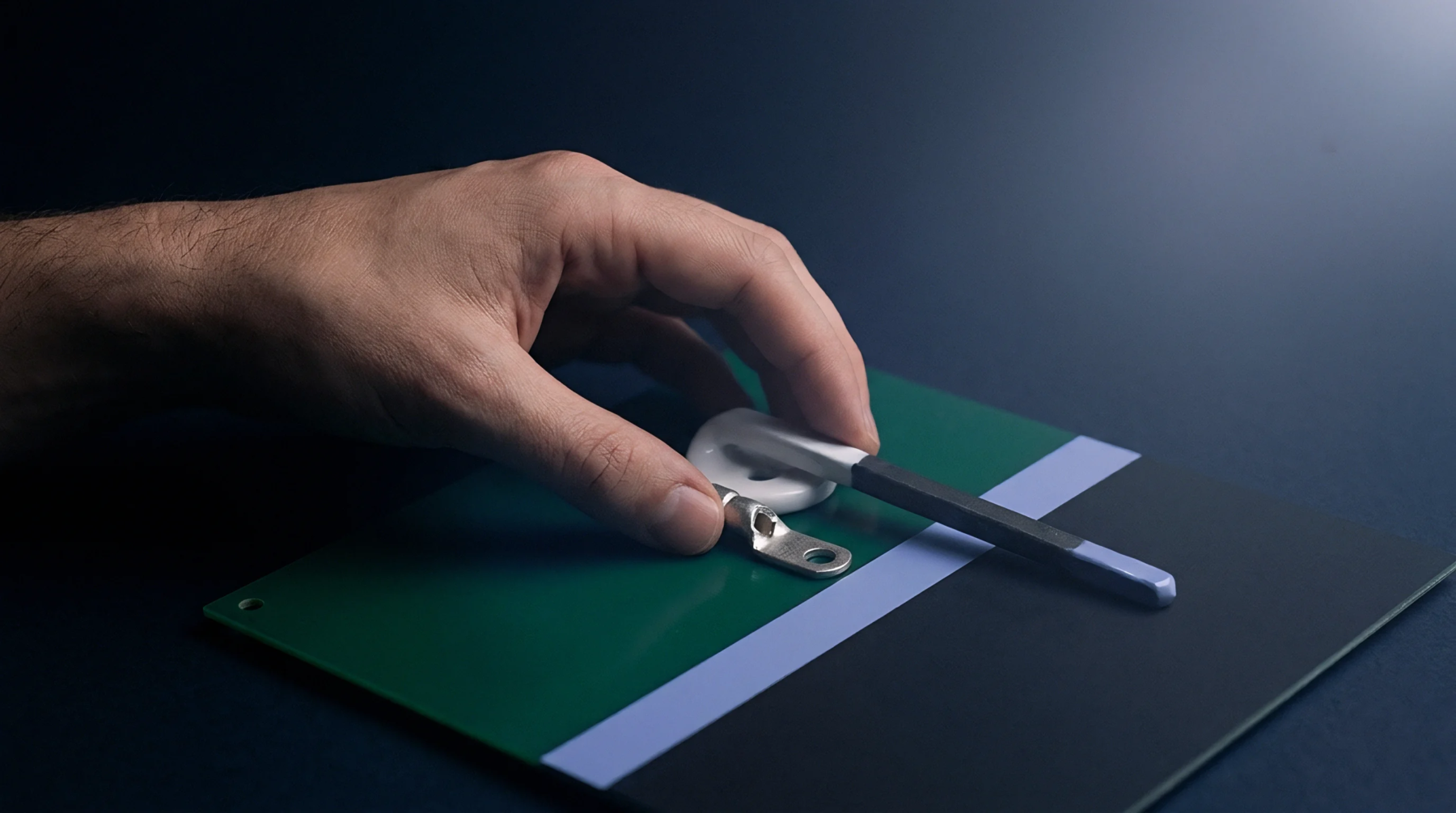
Micro-anchor thermal expansion differential sensitivity measures resonant frequency shifts caused by package-induced mechanical strain across temperature gradients.

High-temperature package creep redistributes interfacial strain to drive long-term sensor drift, requiring viscoplastic modeling and burn-in stabilization.

Viscoelastic relaxation in organic sensor die attach adhesives causes baseline zero drift that requires thermal pre-conditioning bake cycles to stabilize.
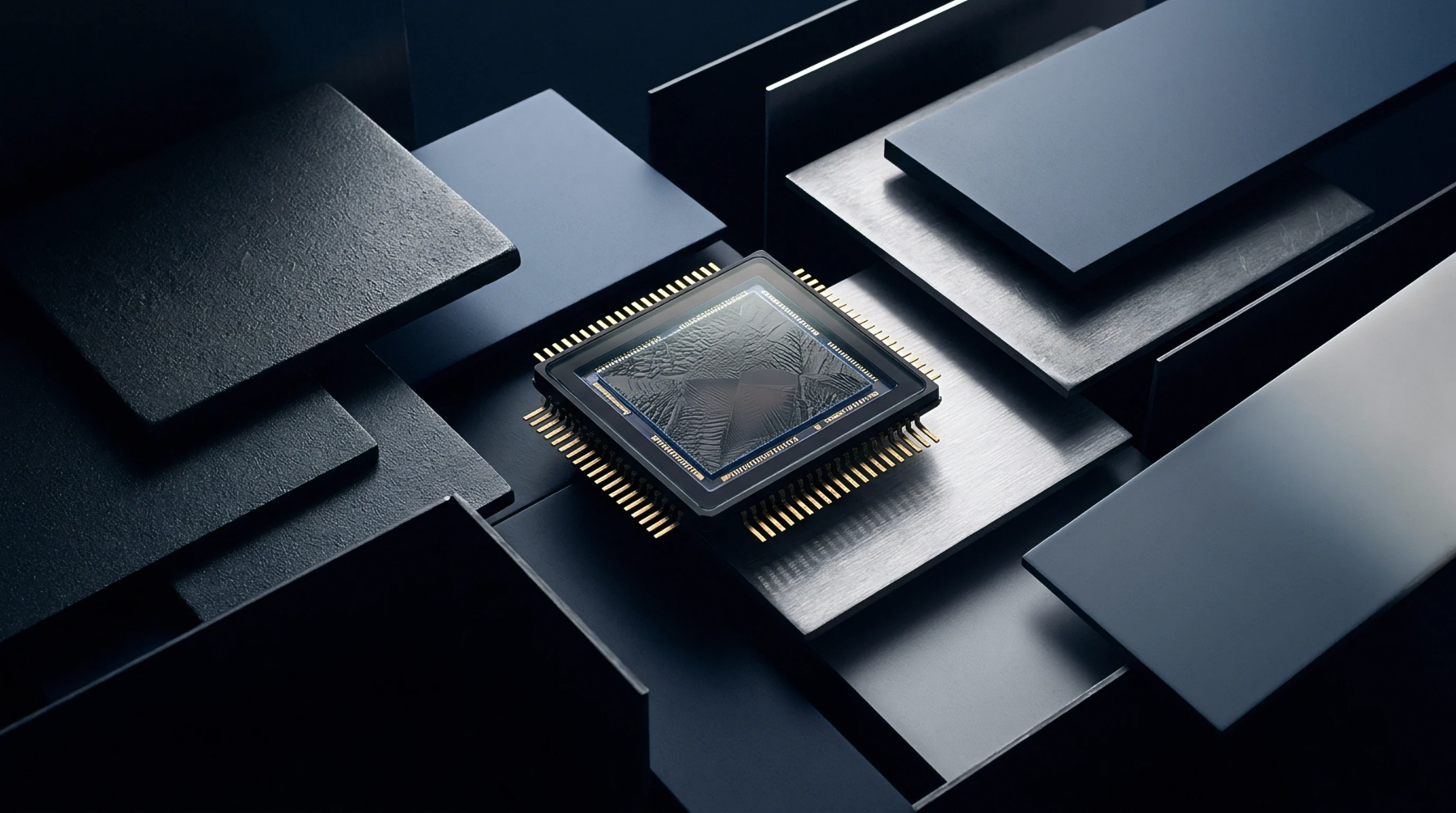
Separating package stress from silicon creep during calibration relies on modeling the exponential viscoelastic time constants of polymers against intrinsic lattice stability.

Thermal hysteresis and package strain corrupt accelerometer zero offset; accurate baseline determinations require thermal soak isolation and vibration rejection.
Expertise is a utility, not a secret. sentiention™ publishes its working knowledge as open reference: intelligence layer covering the materials it sources, the markets it enters, and the reference that serves both.