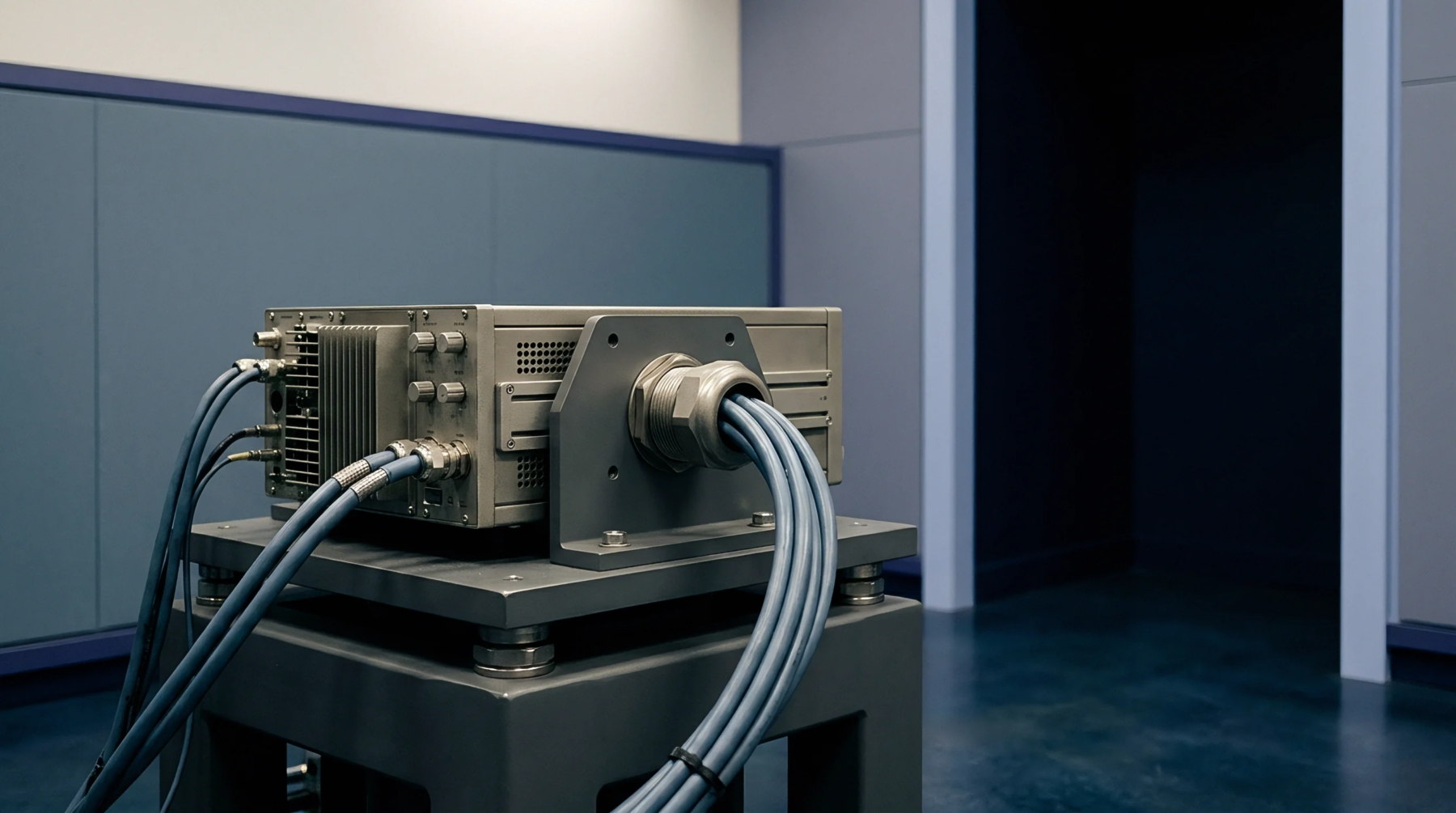
Tactical Inertial Measurement Unit Thermal Bias Modeling Fundamentals
Tactical IMU thermal bias modeling requires combining static higher-order polynomials with real-time temperature derivative terms to eliminate dynamic lag errors.
Tactical IMU thermal bias modeling requires combining static higher-order polynomials with real-time temperature derivative terms to eliminate dynamic lag errors.
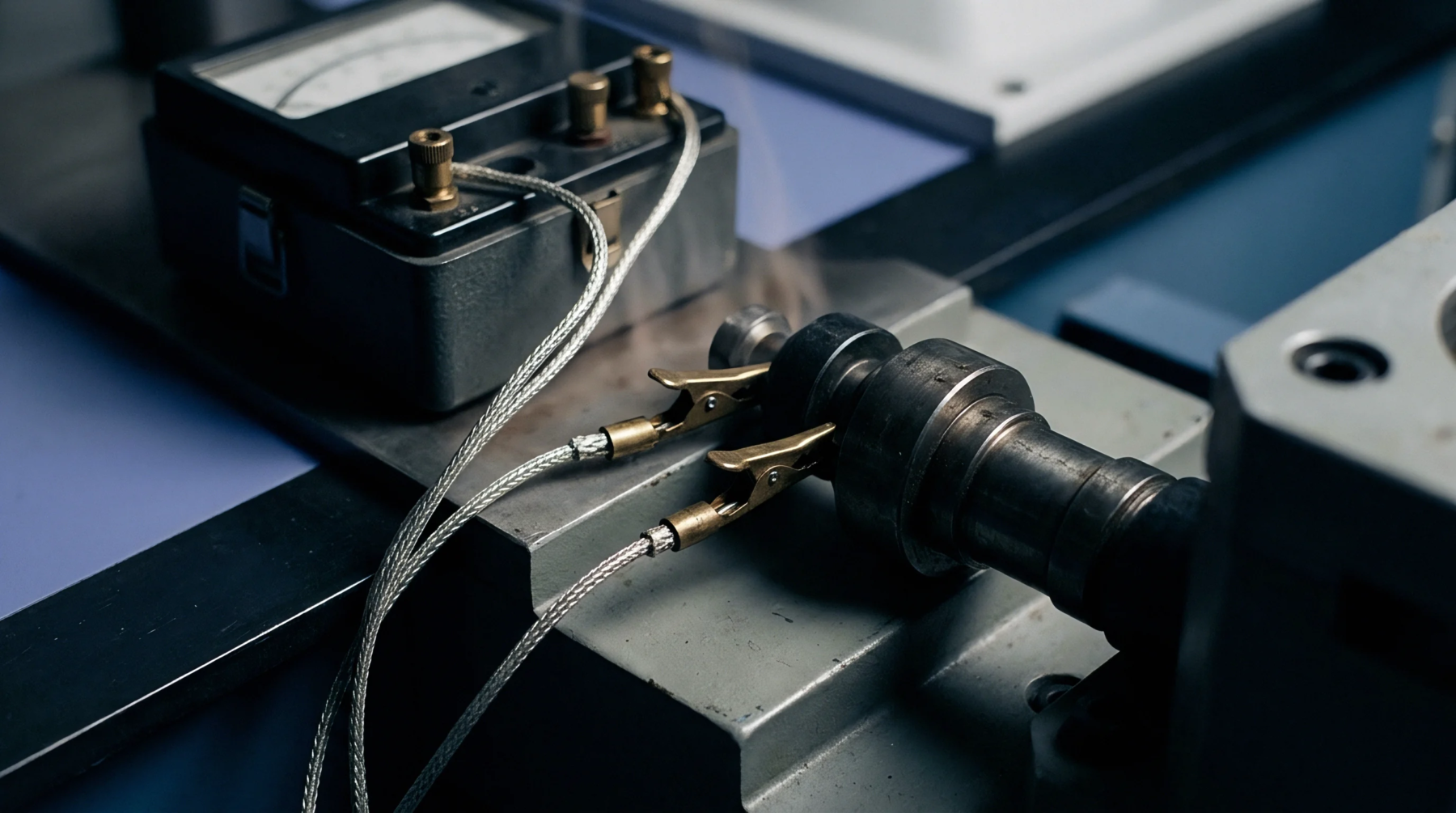
Evaluating temperature coefficient wander in thin film platinum RTDs requires tracking substrate strain, glass passivation diffusion, and multi-point calibration.
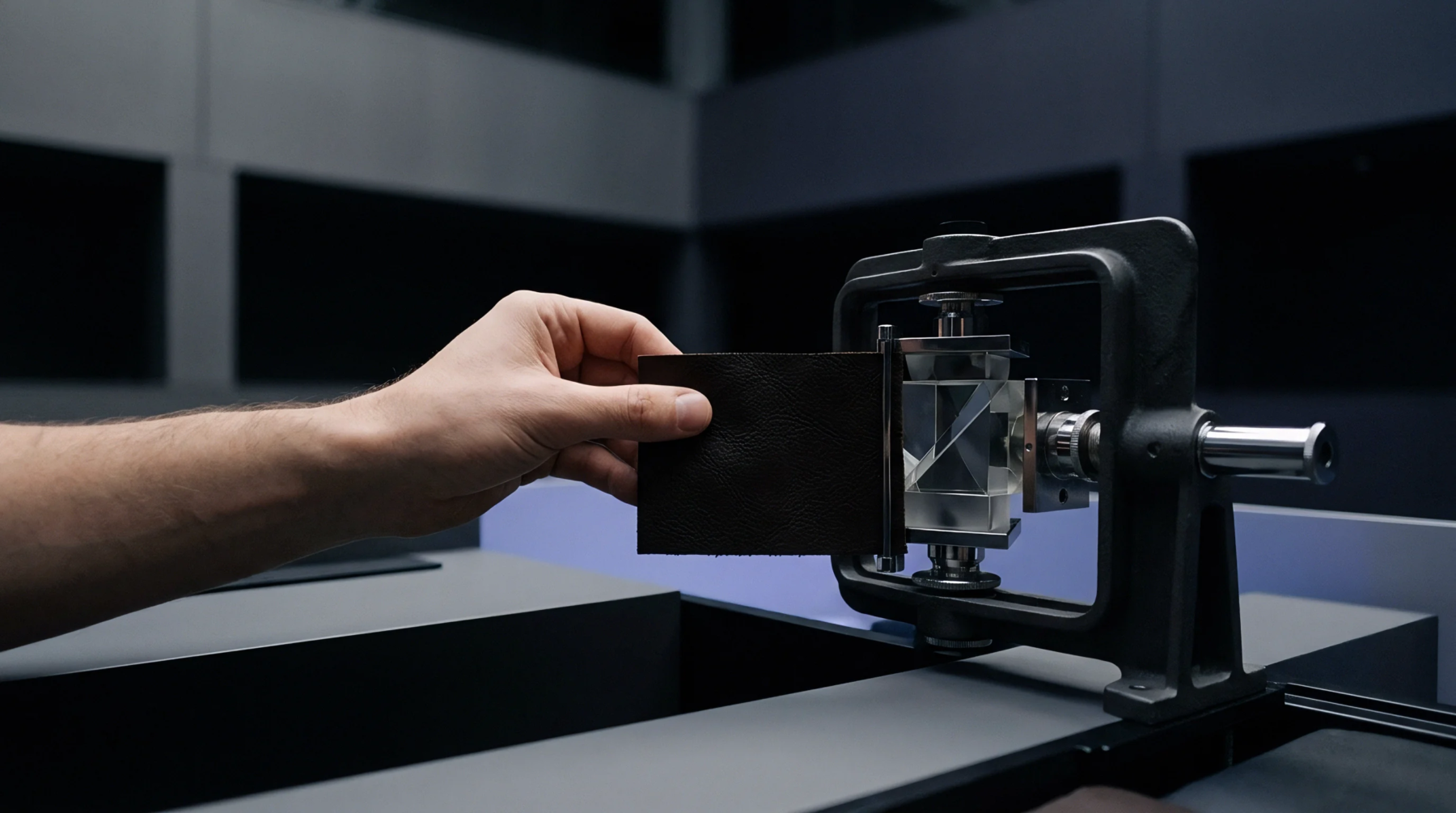
Minimizing thermal sensitivity in reduced diameter optical coils demands quadrupolar winding symmetry matched with soft elastomeric potting to prevent Shupe effect bias drift.

Suppress high frequency parasitic coupling under thermal stress by using quad-twisted high-temp fluoropolymer cable with 360-degree shield crimps and CMC filtering.
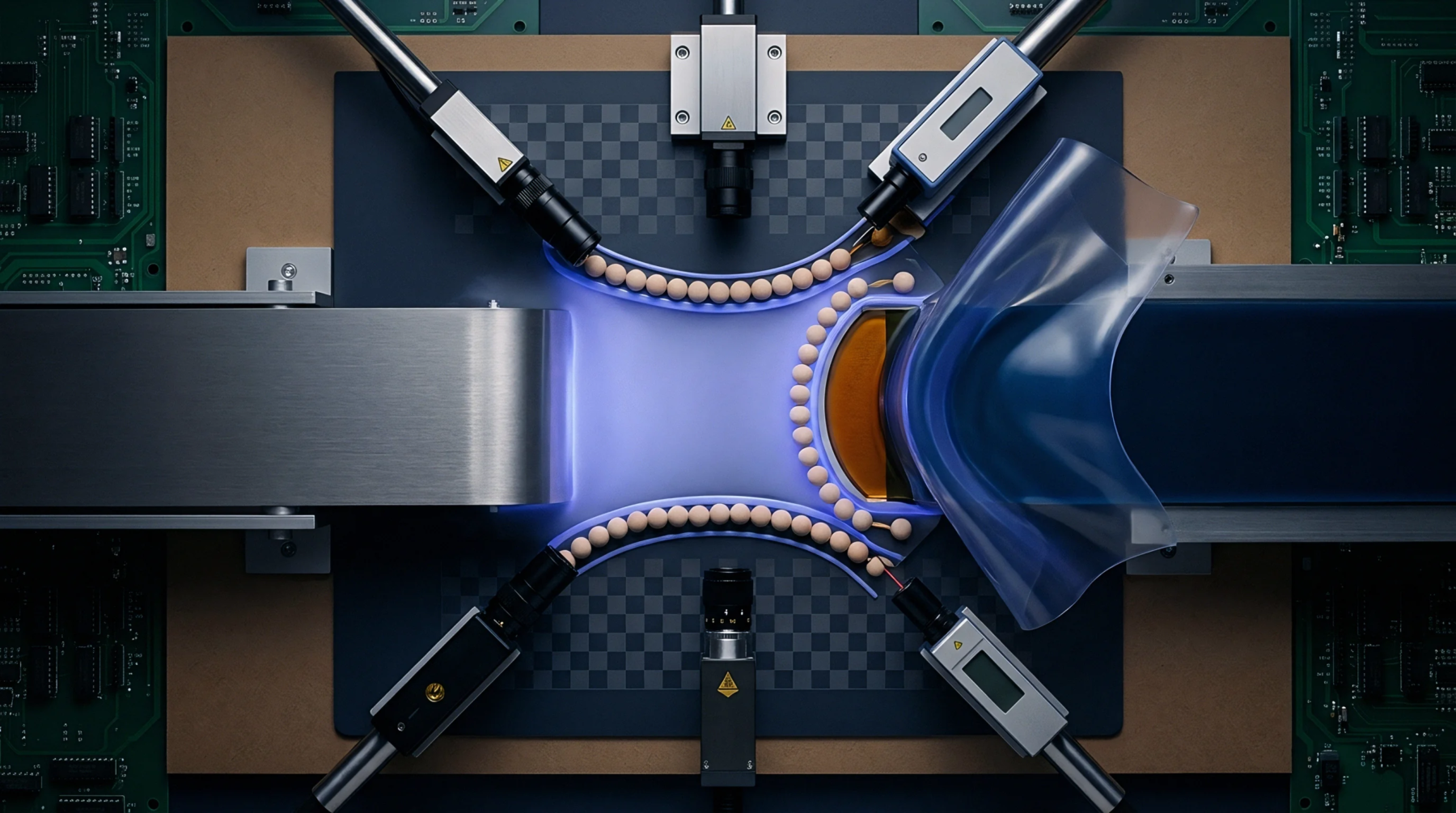
Thermal zero hysteresis in micro dosing controls is mitigated by active dual vector temperature compensation and low expansion wetted materials.

Confirm fill oil volume using pre- and post-injection micro-gravimetric mass checks combined with non-contact laser interferometric diaphragm dome profiling.

Select low-modulus addition-cure silicones with sub-minus 100 Celsius glass transitions to decouple thermal stress from quadrupolar gyroscope fiber coils.

Anodically bonded Borofloat glass pedestals isolate silicon piezoresistive diaphragms from packaging strain, reducing zero thermal shift below 0.02 percent span.

Micro-anchor thermal expansion differential sensitivity measures resonant frequency shifts caused by package-induced mechanical strain across temperature gradients.

Encapsulation selection balances gel potting low cost against oil-filled cell thermal stability to control long term zero drift and field recalibration expenses.

Polymer encapsulants transfer shrinkage and expansion stress directly to sensing dies, driving long-term zero offset drift that demands compliant decoupling.

Room-temperature sensor calibrations omit outdoor thermal drift coefficients, expanding real field uncertainty far beyond published baseline claims.

Substrate thermal gradients induce anisotropic strain fields that degrade MEMS accuracy through piezoresistive offset shifts and capacitive gap distortion.
Internal bandgap voltage errors in high gradient layouts are reduced by common-centroid matching, thermal isolation trenching, and package stress mitigation.

Dynamic environmental transfer artifact drift verification requires non-linear hysteresis modeling to maintain absolute calibration uncertainty within 0.05% of full scale across thermal cycles.

Sensor package choice dictates board layout tolerances, bus signal integrity, driver firmware complexity, and final landed unit economics across production volumes.

Micro-cladding coils require symmetric viscoelastic potting and strict glass-transition offset to eliminate non-linear thermo-elastic bias drift.

Generalized Maxwell models under cryogenic thermal ramps require Arrhenius shift functions and thermal lag compensation to accurately predict stress relaxation bounds.

Viscoelastic stress relaxation in sensor potting creates non-linear strain hysteresis, requiring generalized Maxwell modeling to prevent zero-point calibration drift.
Expertise is a utility, not a secret. sentiention™ publishes its working knowledge as open reference: intelligence layer covering the materials it sources, the markets it enters, and the reference that serves both.