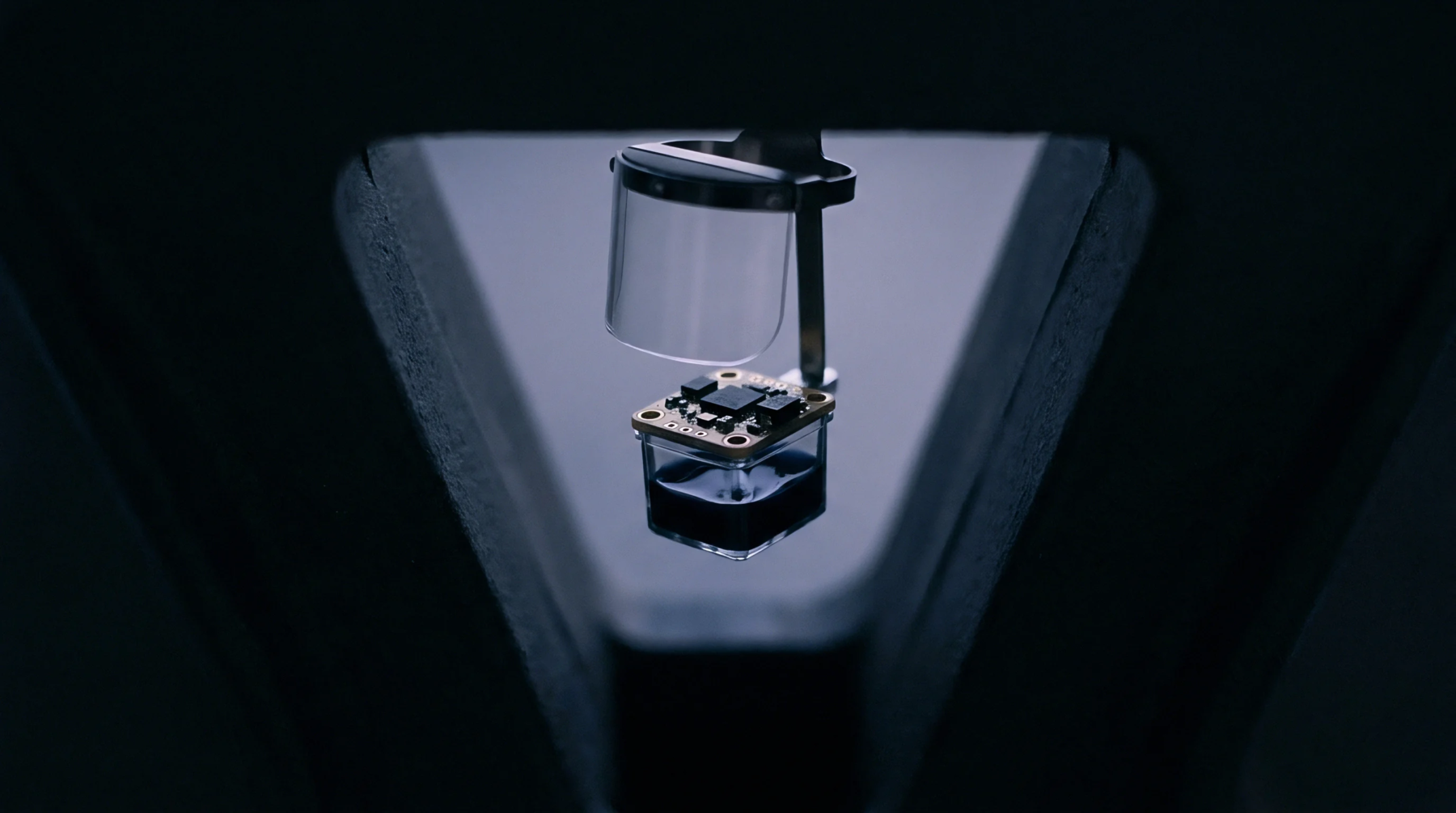
Designing Printed Board Stress Relief Trenches for Precision Altimeter Sensors
Board stress relief trenches isolate MEMS altimeter sensors from thermal and flexural strain, preserving sub-pascal accuracy and preventing zero-point calibration drift.
Board stress relief trenches isolate MEMS altimeter sensors from thermal and flexural strain, preserving sub-pascal accuracy and preventing zero-point calibration drift.

Mitigating mechanical flexure in SMD pressure packaging requires structural routing slots, compliant solder alloys, and controlled gasket compression.
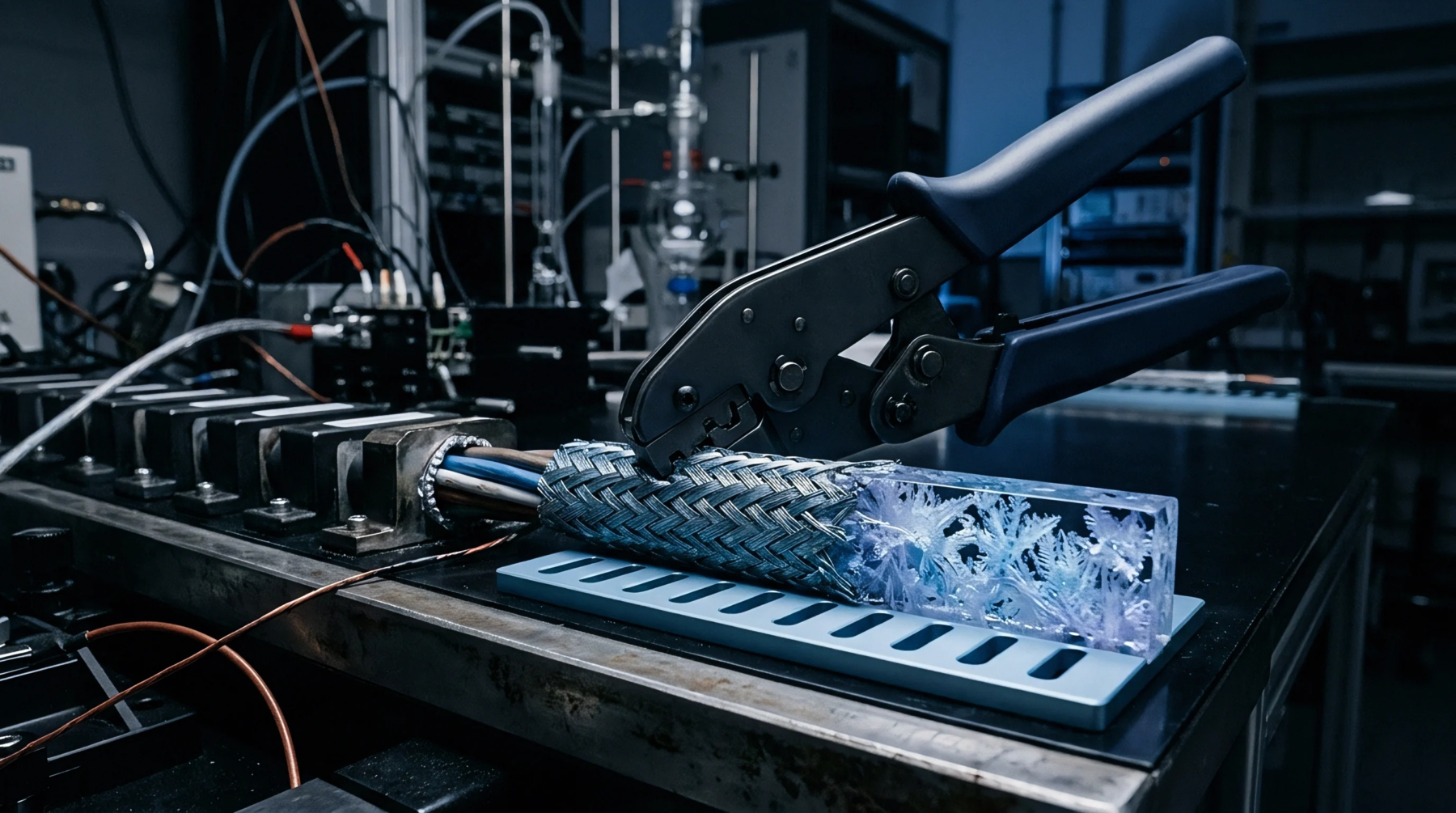
Asymmetric clamping torque on pressure port glands induces anisotropic diaphragm strain, driving piezoresistive zero shift that digital calibration cannot isolate.

Modeling elastomeric stress relaxation via Prony series parameters allows host firmware to compensate for mechanical drift in high-pressure sensor glands.
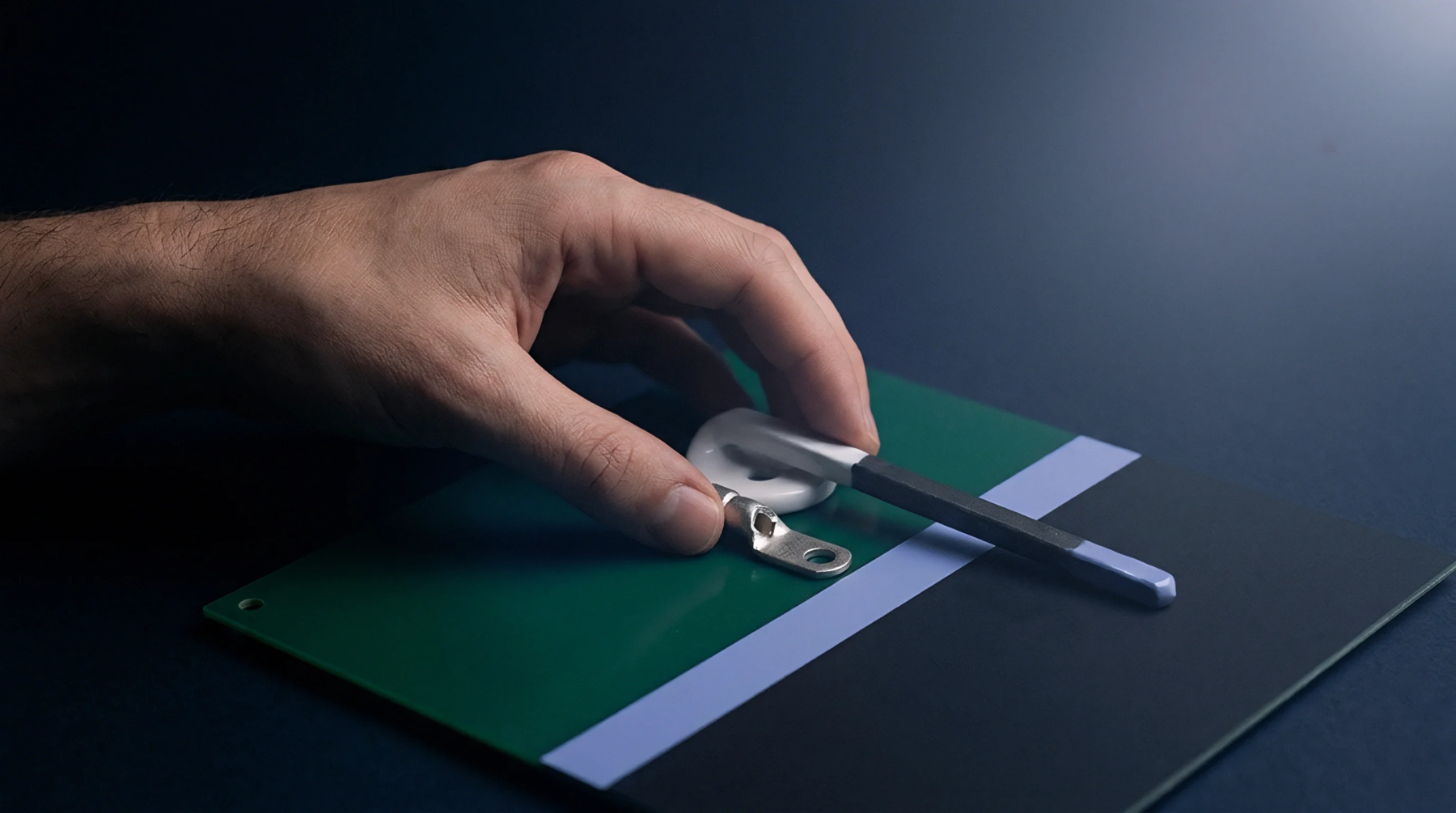
Axial compression ratios for machined static O-ring ports target 15% to 25% squeeze to maintain environmental sealing without over-stressing package dies.
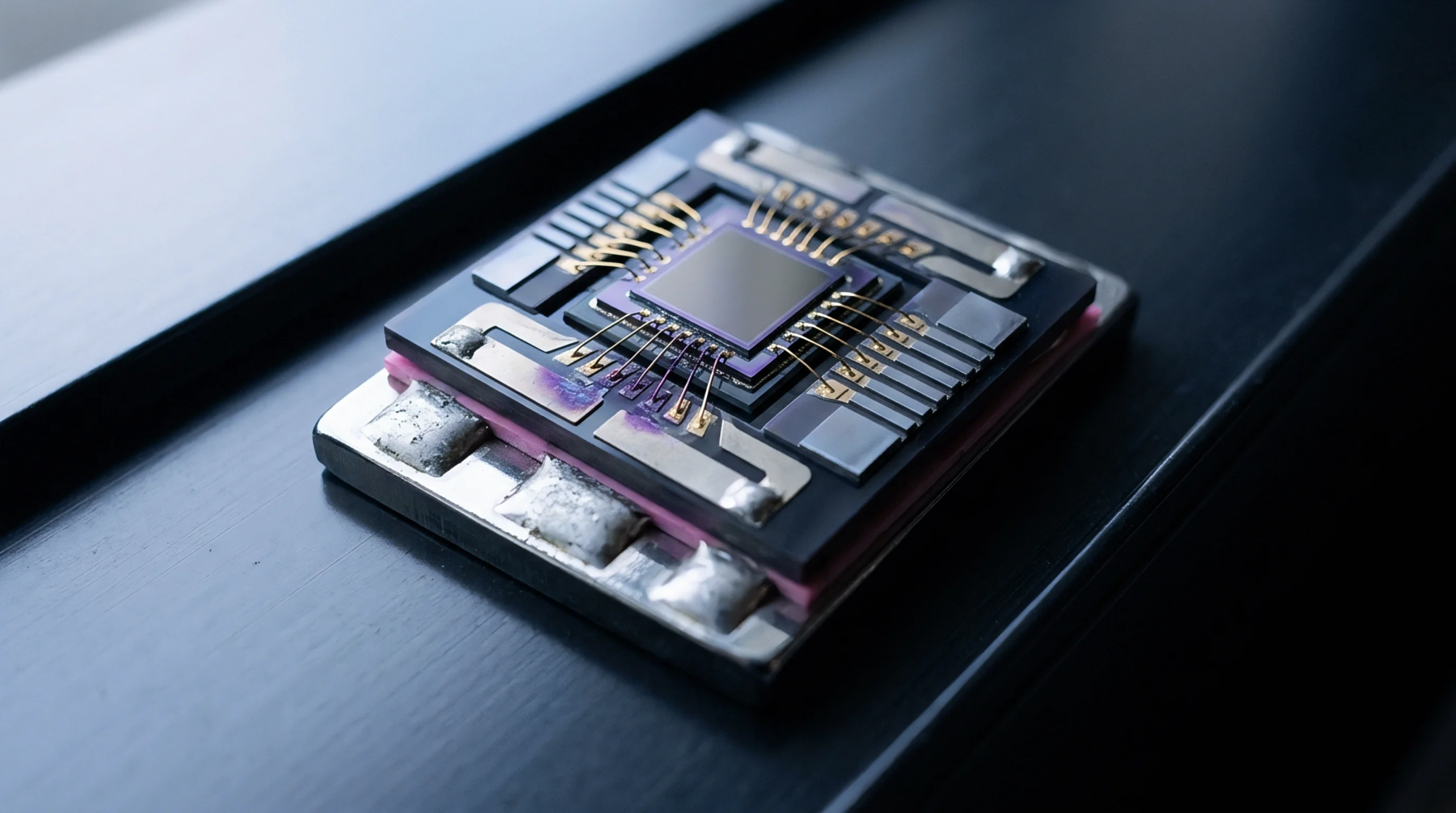
Out-of-plane thermal expansion failures in high-density sensors are resolved by balancing copper layers and configuring dynamic offset registers.

Viscoelastic modulus relaxation in packaging encapsulants drives post reflow offset drift, requiring timed thermal stabilization before factory offset calibration.

Polymeric underfill selection balances thermomechanical bump fatigue isolation against die strain output drift, process flow speed, and landed unit yield costs.
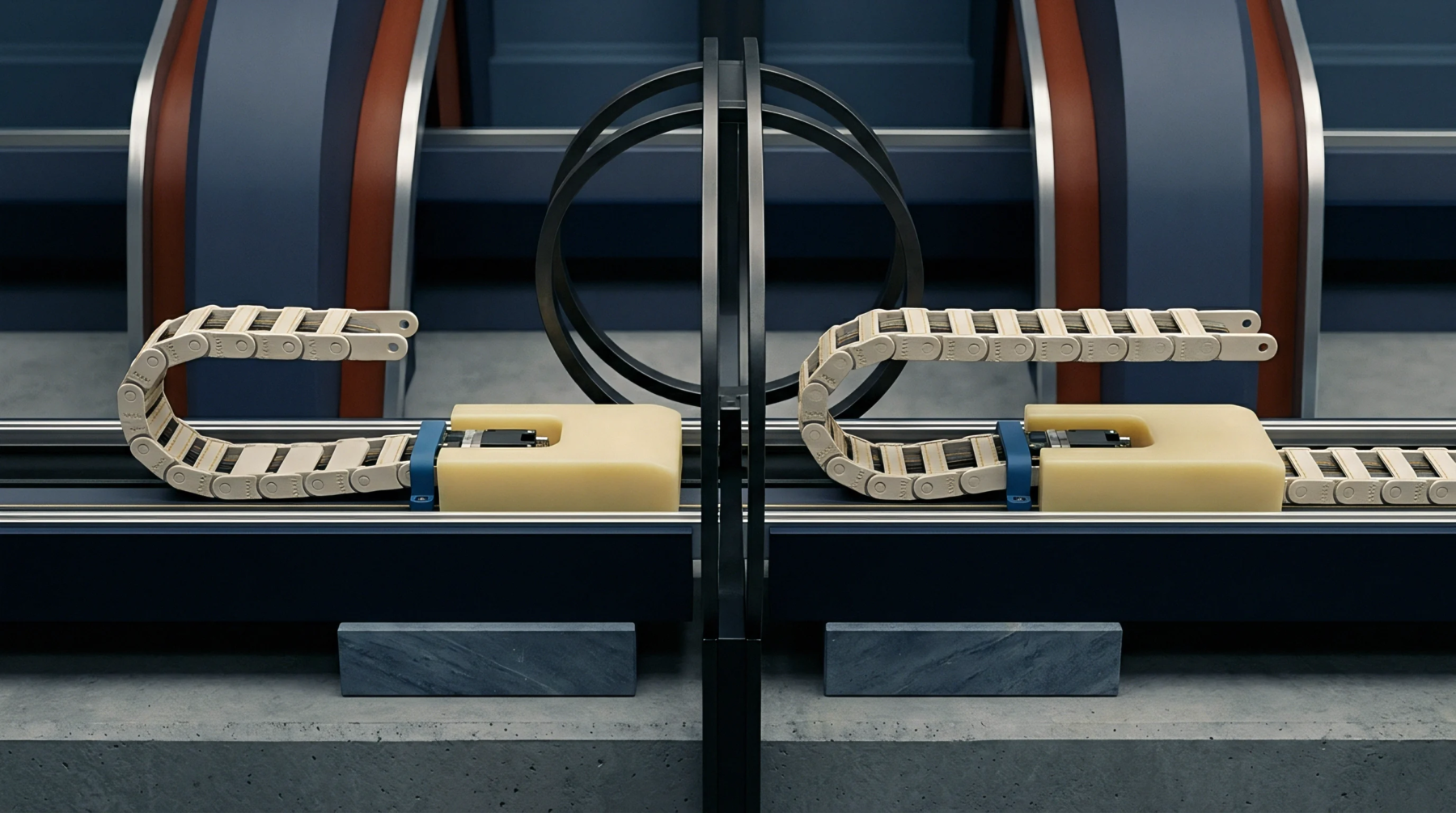
Board flexure fatigue failure is mitigated by limiting strain energy density accumulation through NSMD pad geometry, SAC105 alloy selection, or corner underfill.

Analytical strain attenuation models quantify flexural stress transfer through solder lands, enabling optimized patterns that prevent sensor drift and joint fatigue.
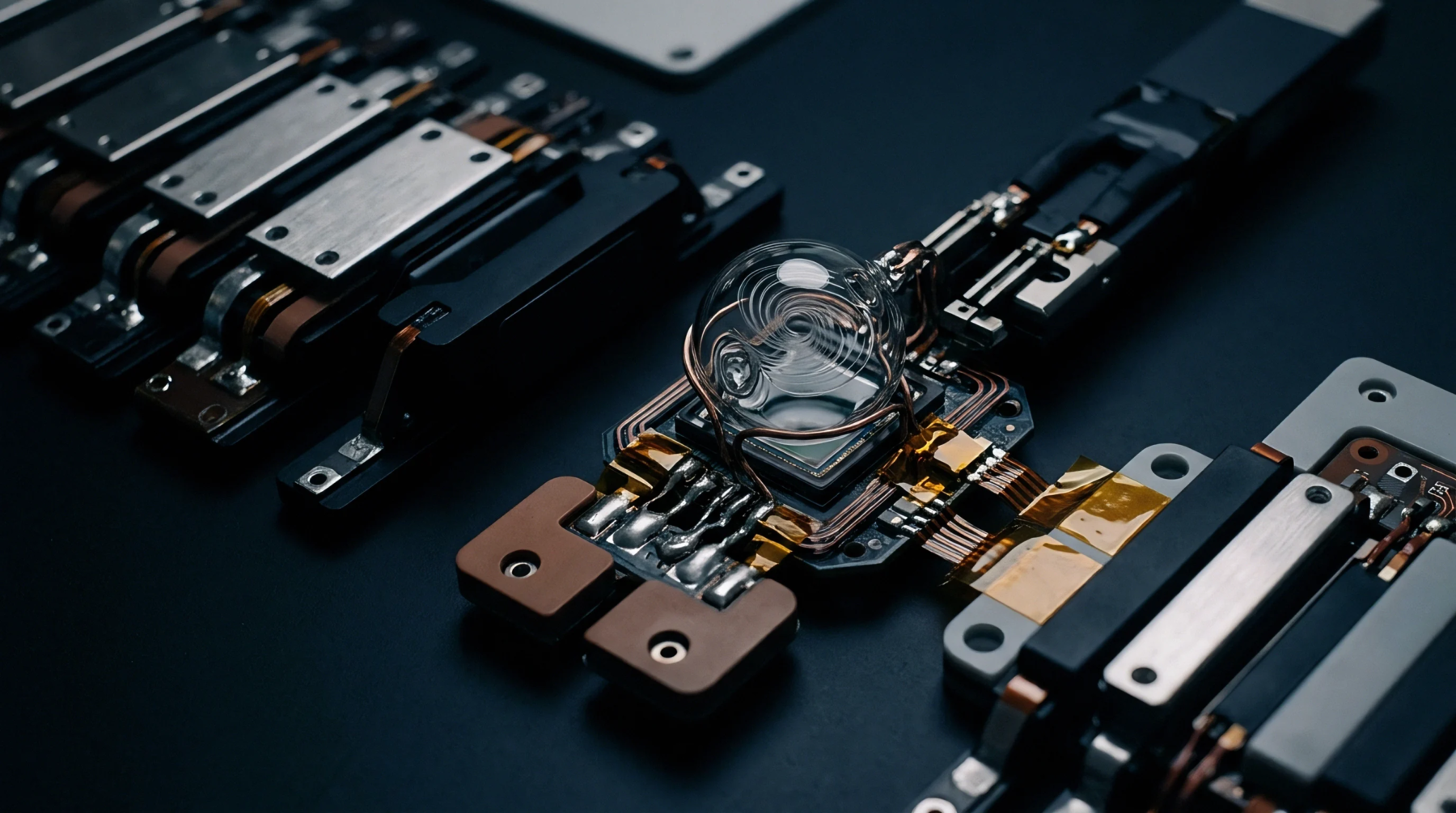
Interfacial shear lag concentrates thermal mismatch forces at package corners, requiring precise standoff height and pad geometry control to prevent joint fatigue.
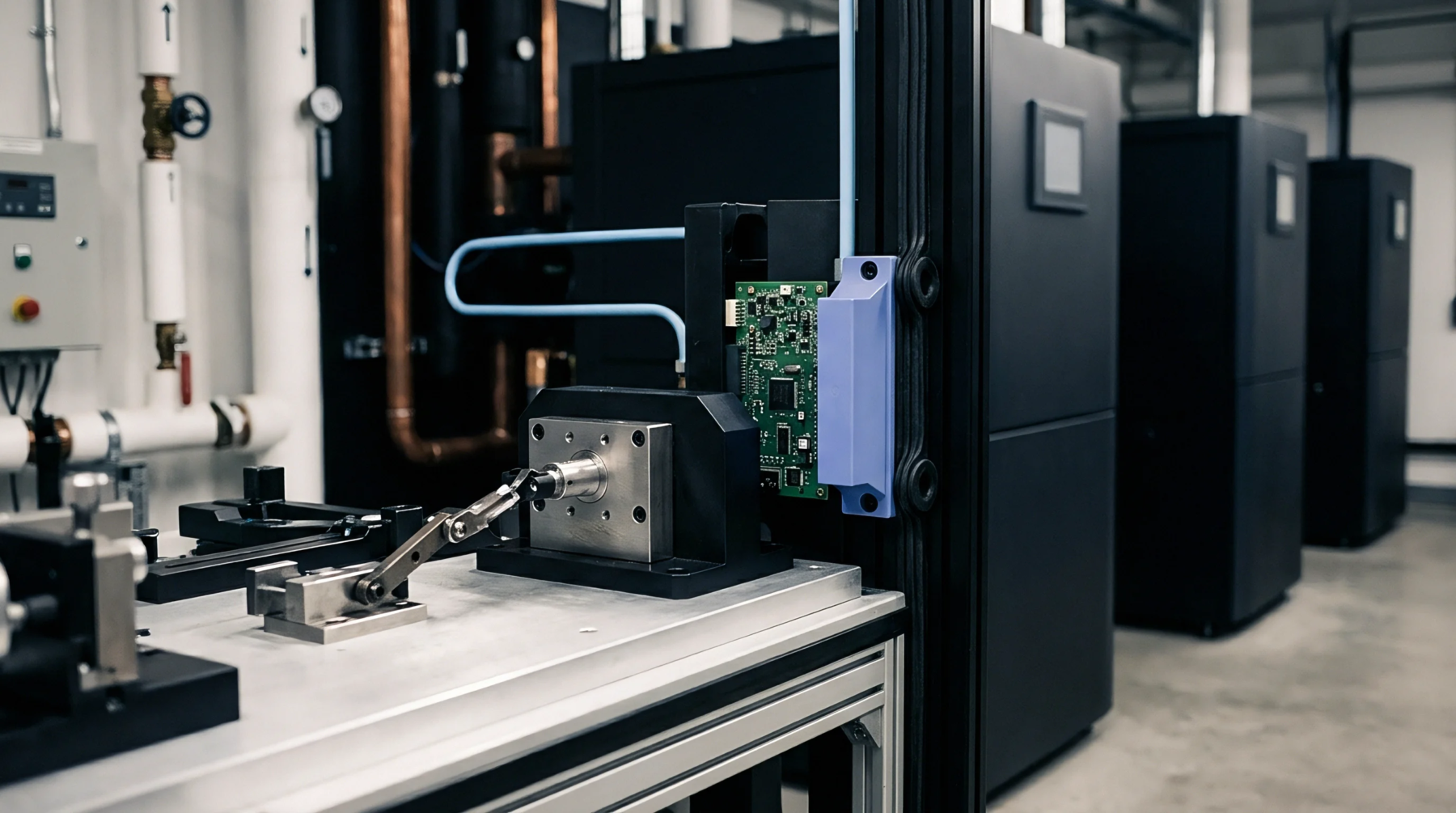
Resolving viscoelastic anisotropy in dynamic high rate board flexure requires strain-rate-dependent Prony series models to prevent BGA solder ball fatigue.

Triaxial rosettes resolve multiaxial board strain tensors during flexure, extracting principal vectors and strain rates to prevent solder joint and laminate failure.
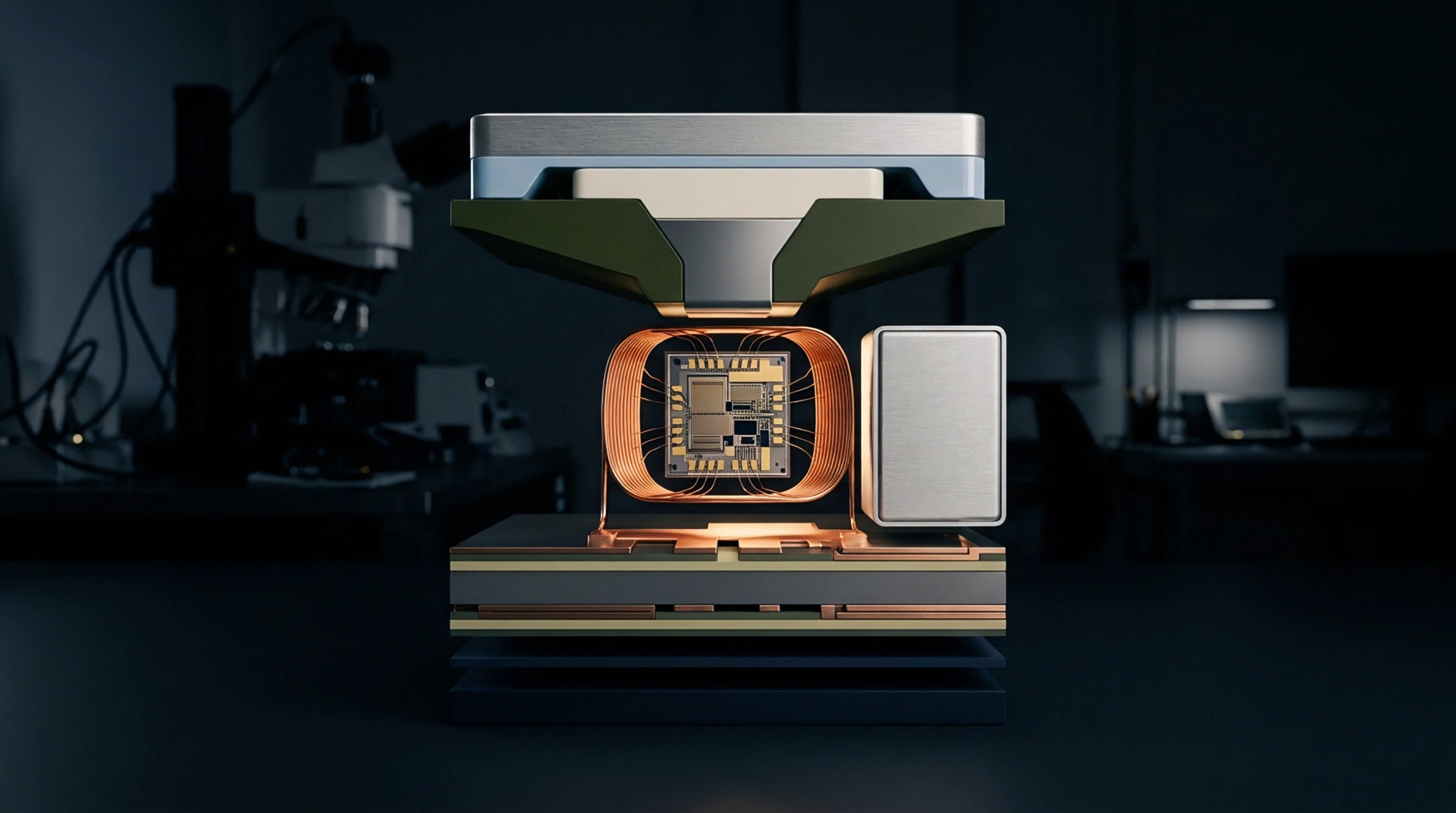
Calculate surface strain fields using triaxial rosettes and Mohr circle transformations to keep assembly principal strains within IPC-9704 strain-rate limits.

Dynamic moisture absorption in plastic reference packages induces non-linear output drift through resin swelling and piezoresistive stress on the silicon die.

Common-centroid cross-quad transistor networks cancel linear thermal stress gradients in WLCSP die, maintaining sub-millivolt analog offsets across reflow.

Packaging stress shifts silicon bandgap output voltages via piezoresistive and piezojunction mechanisms, requiring crystallographic layout and compliant packaging.
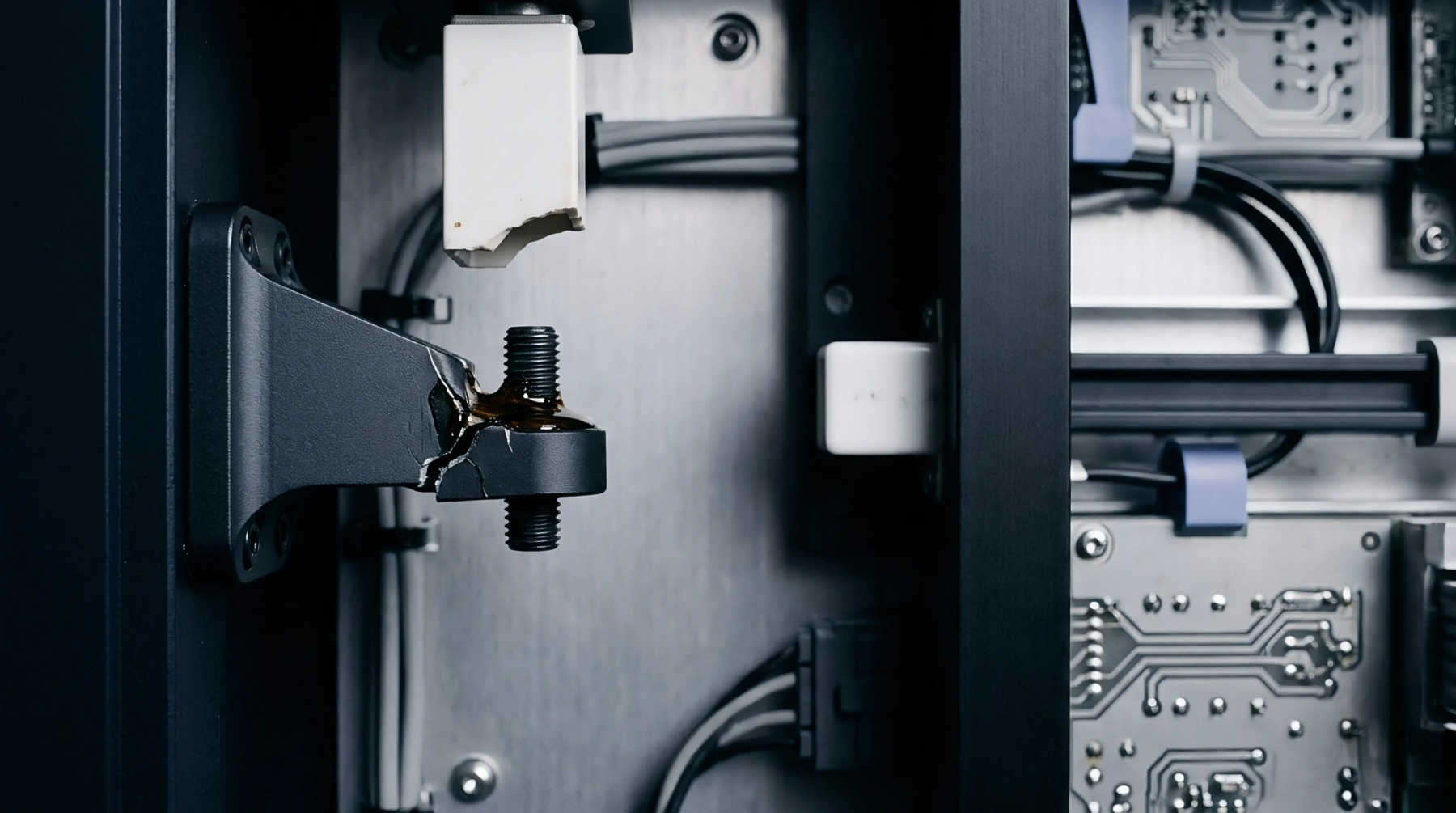
Viscoelastic mold compound relaxation permanently redistributes internal package stress during thermal cycling, inducing continuous piezoresistive sensor offset drift.
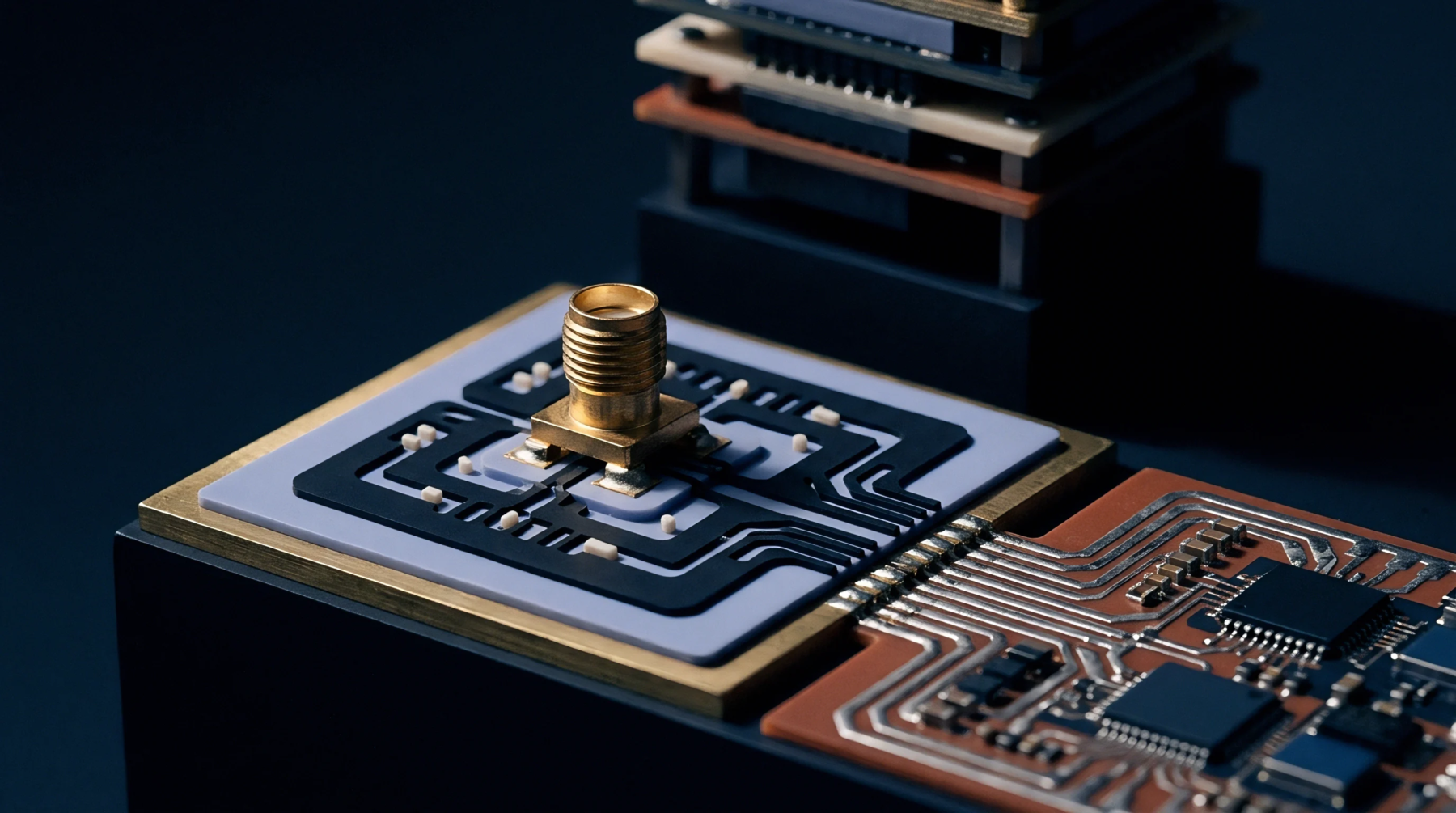
Precision PCB stress relief requires milled isolation slots around sensitive packages alongside symmetrical non-solder-mask-defined land patterns.
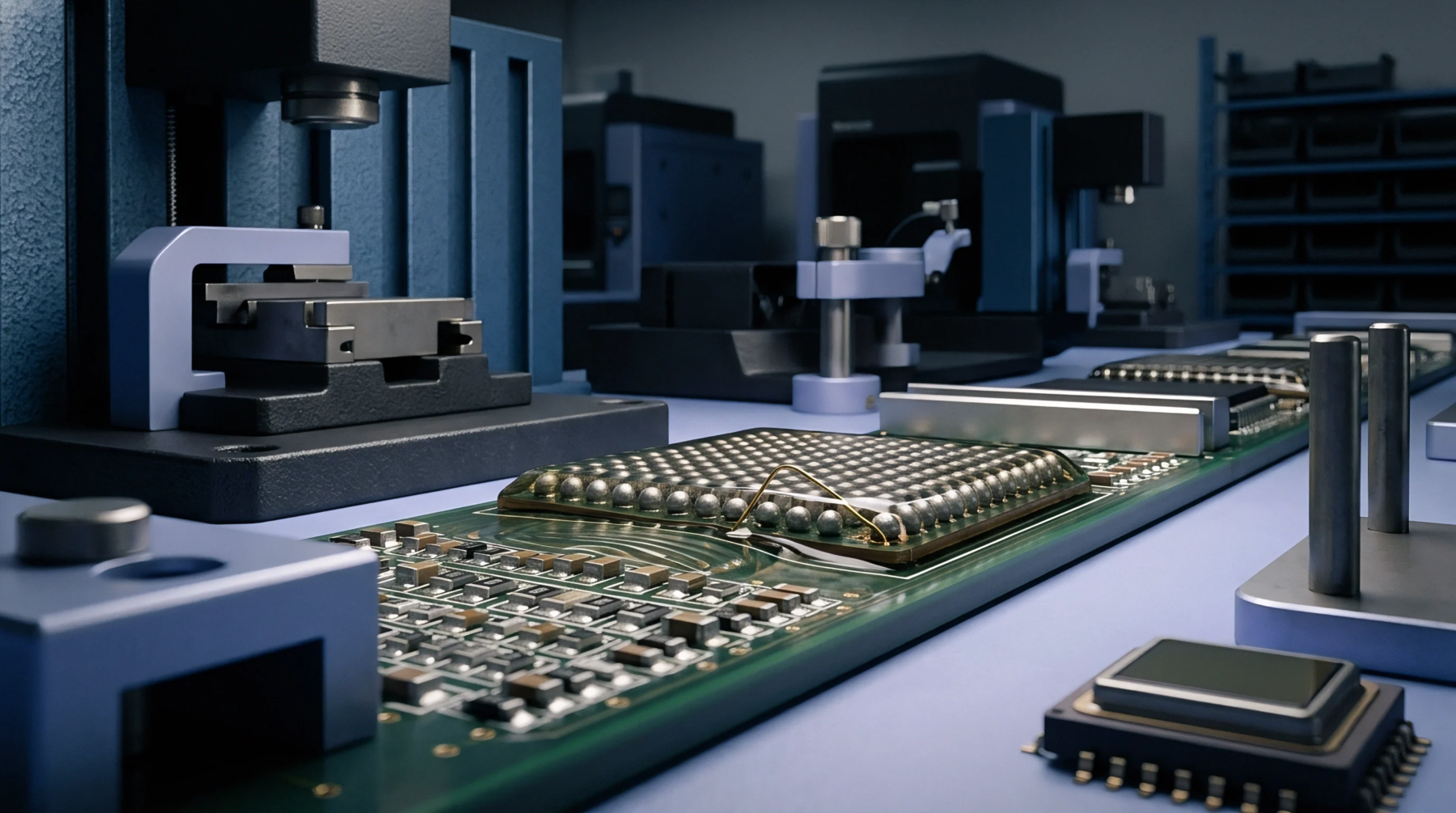
Reflow thermal stress alters bandgap reference outputs by up to 1500 ppm via piezoresistive die strain, demanding compliant packages, bakes, or in-system trim.

Packaging stress modulates bandgap reference drift under dynamic thermal gradients, requiring structural isolation and dynamic digital register trim.

Differential reflow heating creates asymmetric mold compound strain, driving permanent microvolt zero-point offset drift across surface-mount sensor ICs.

Common centroid geometry eliminates linear gradients in precision silicon references, transferring residual drift limits entirely to packaging stress and bus trim.

Viscoelastic epoxy relaxation alters internal die stress, driving long-term drift and thermal hysteresis in hermetic references via piezoresistive coupling.
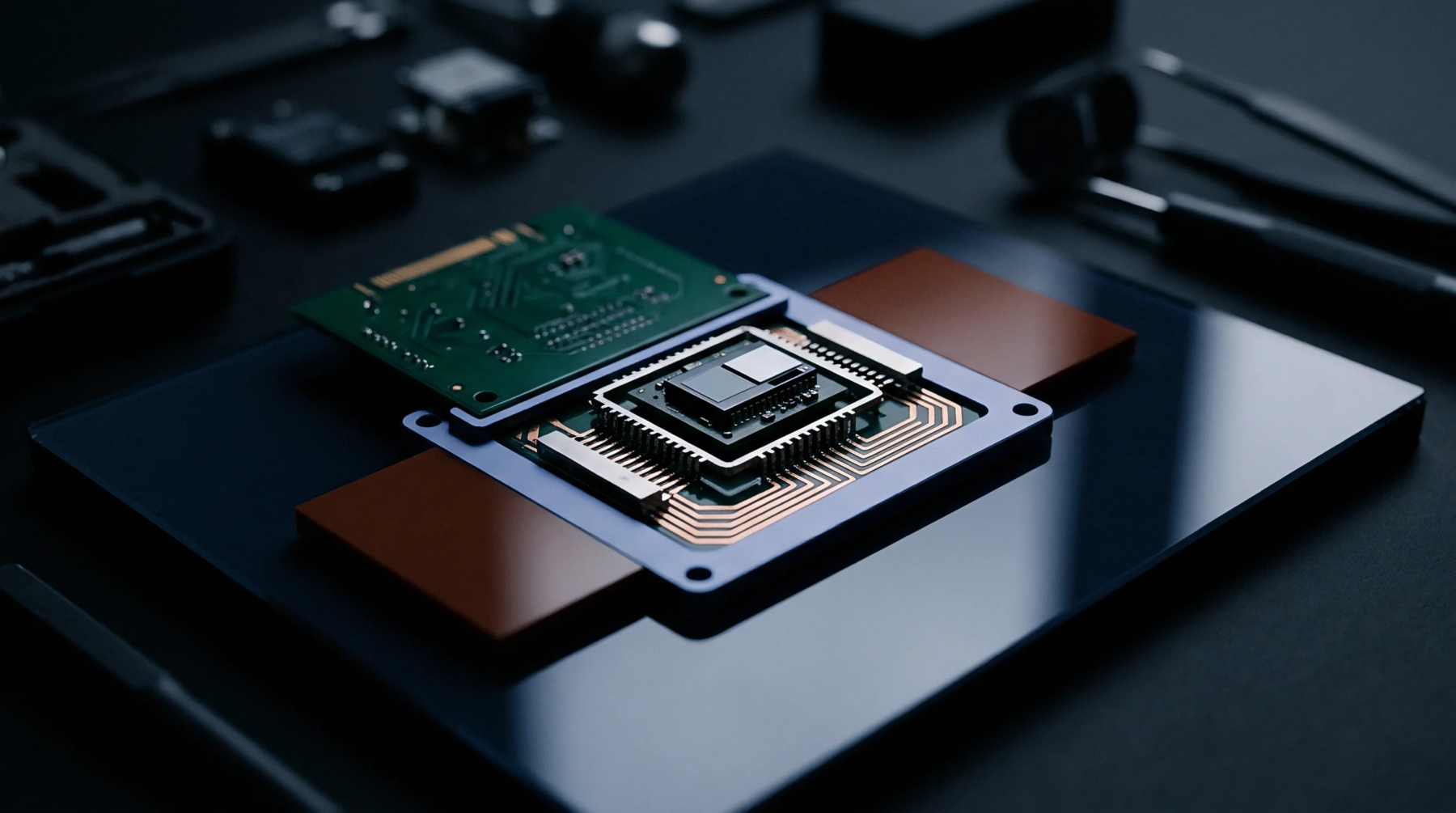
Milling perimeter strain isolation slots with a 1.0 mm bit and 0.35 mm copper keepout attenuates board flexure stress on precision references by up to 24 dB.
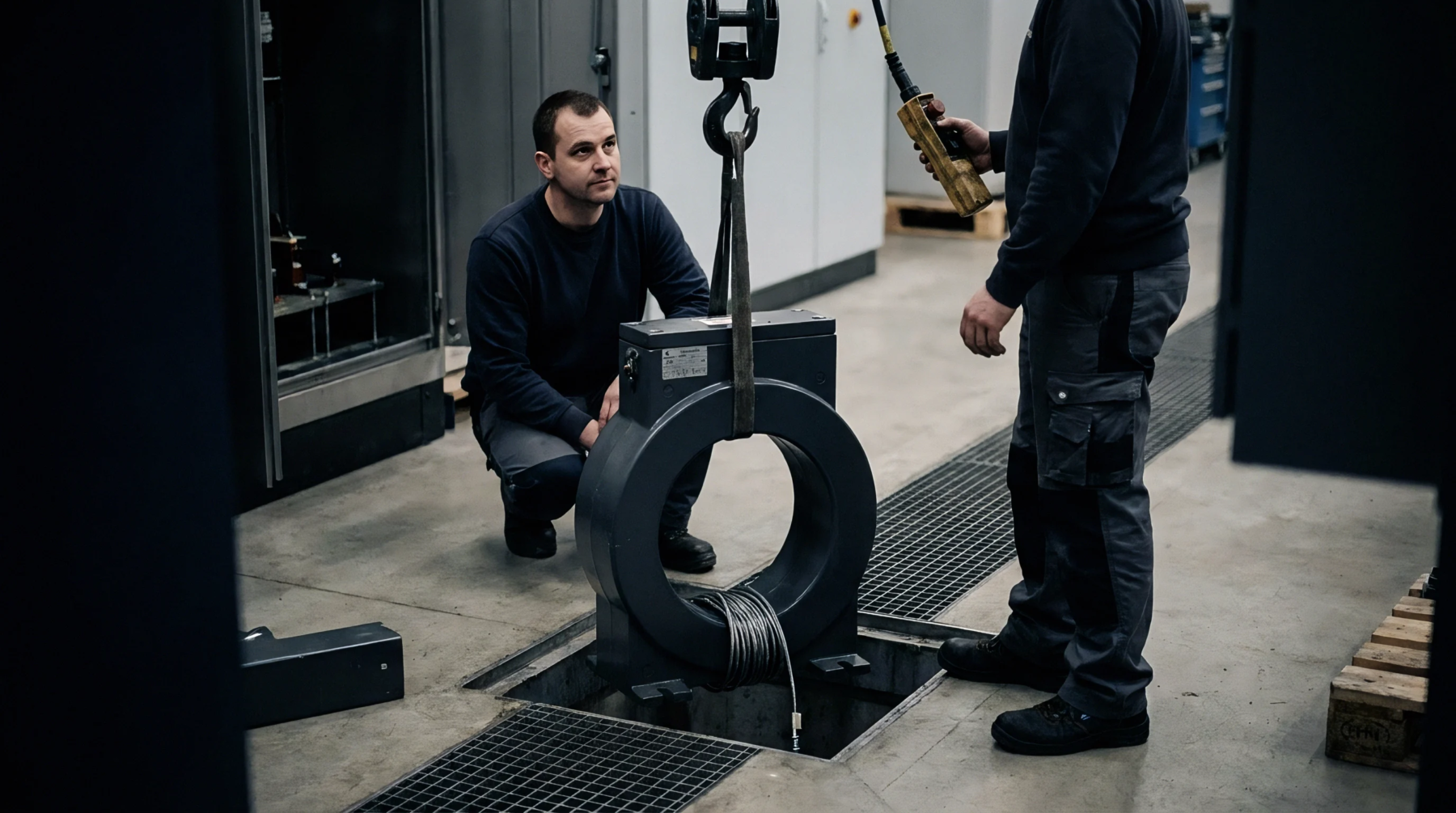
Mitigate voltage reference piezoresistive drift by selecting compliant gull-wing packages, implementing board stress relief slots, and utilizing digital trim.
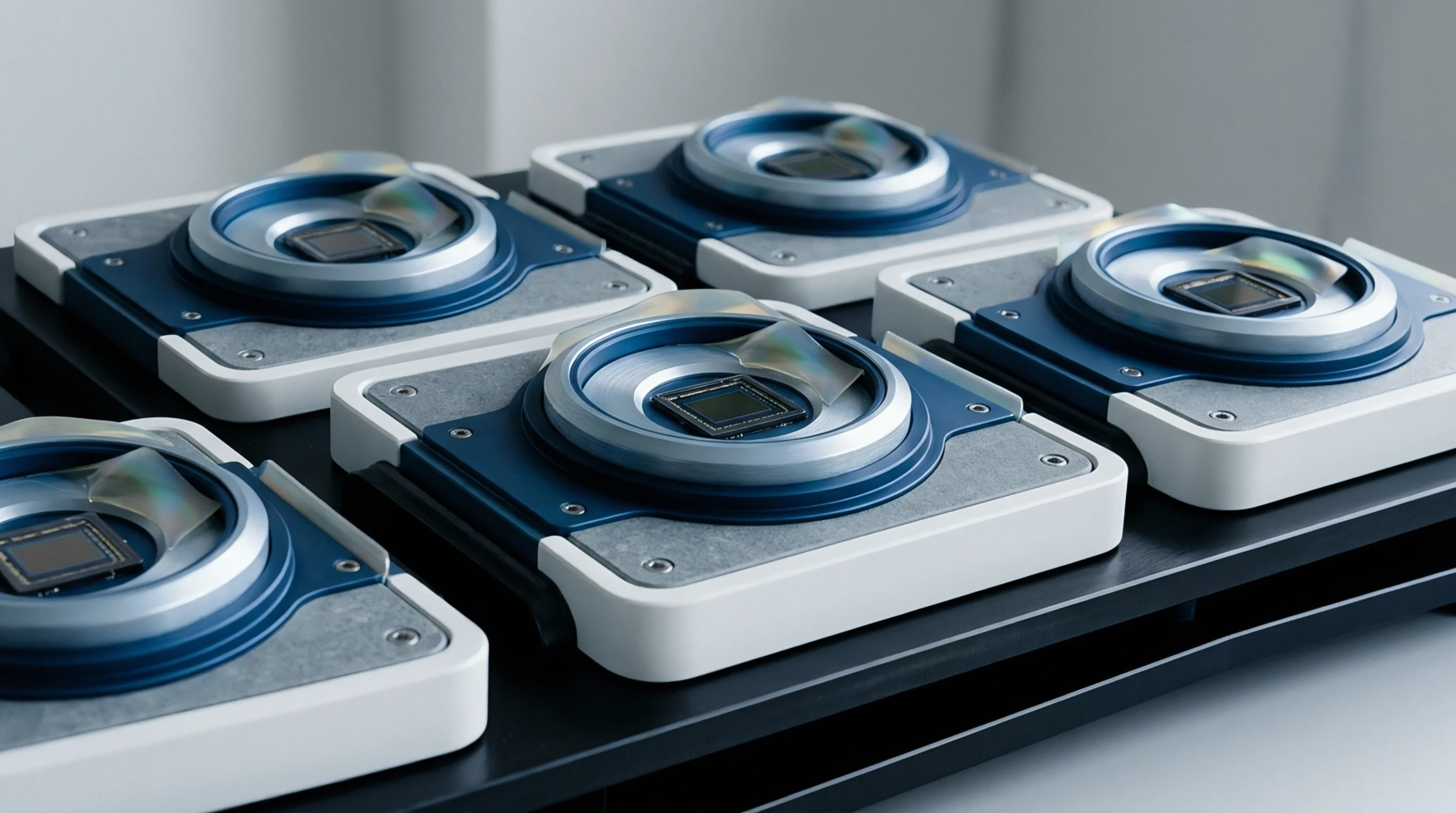
Controlling coating flow over thermal isolation slots depends on balancing jet shear thinning against rapid zero-shear viscosity recovery.

Routing routed moat slots around precision ceramic voltage references attenuates board flexing strain by 28 dB and keeps mechanical hysteresis under 0.4 ppm.
PCB slotting isolates heat and mechanical stress by replacing high-conduction substrate material with air gaps, protecting sensitive die performance.
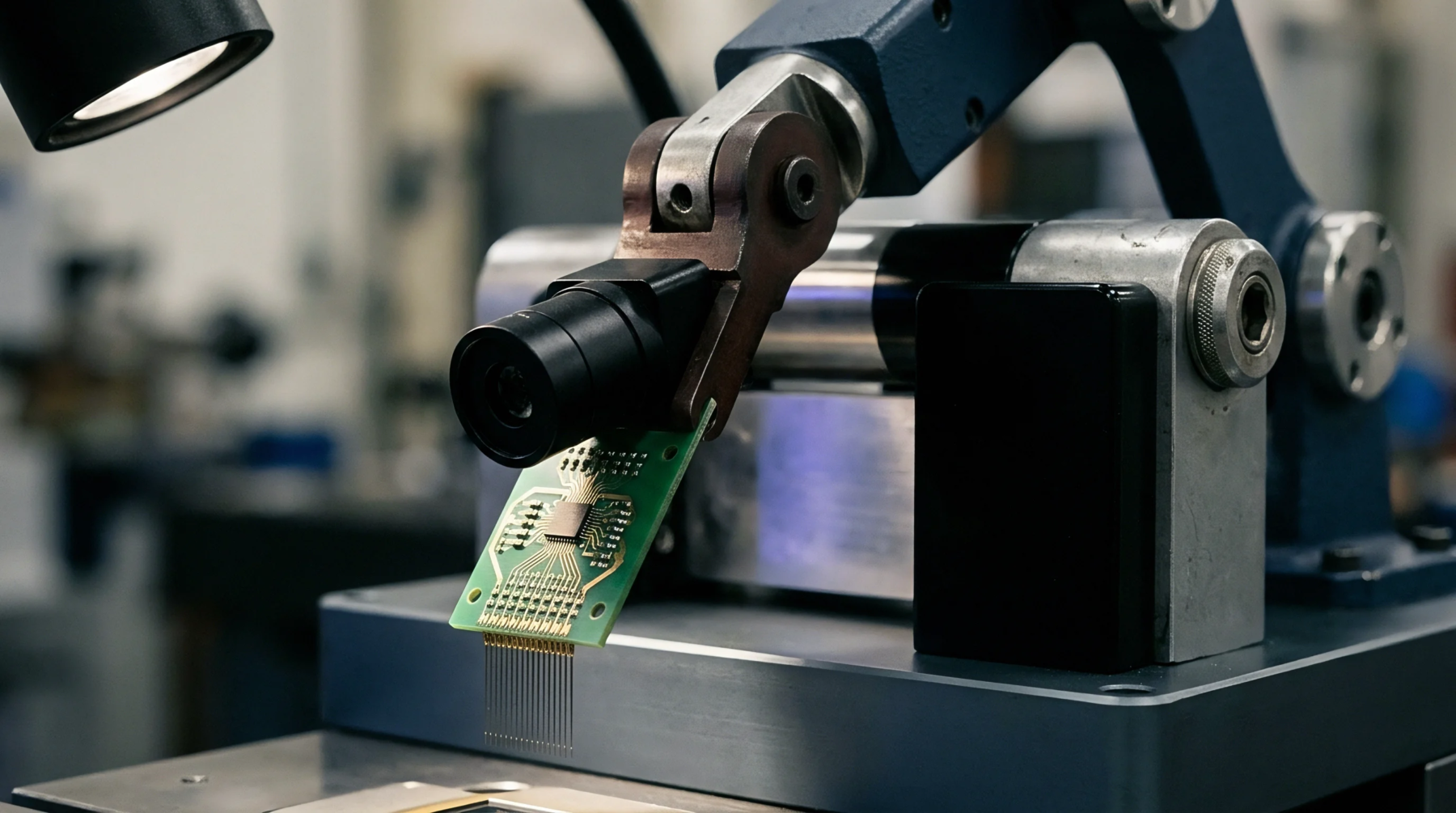
Lead-free solder solidification locks high shear stress into piezoresistive dies, requiring compliant packages or post-reflow dwell times to stabilize zero-point drift.
Expertise is a utility, not a secret. sentiention™ publishes its working knowledge as open reference: intelligence layer covering the materials it sources, the markets it enters, and the reference that serves both.