Unit Separation
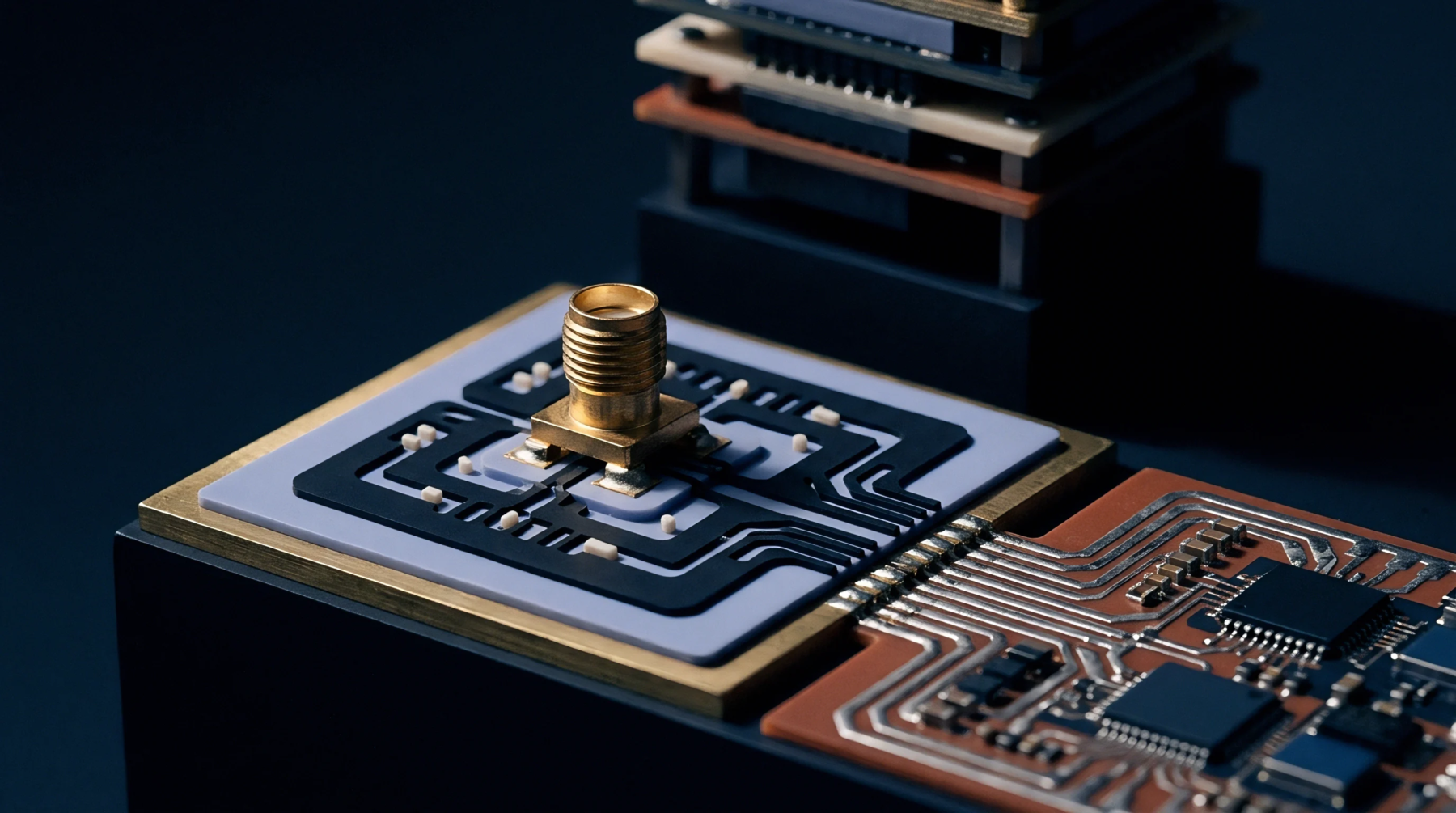
Post-fabrication processes in electronics manufacturing involve the physical detachment of individual circuit boards or chips from a larger production array. Effective singulation ensures that each unit is ready for final testing or packaging. This step occurs after the completion of all surface mount assembly and reflow soldering.
Cutting Technology
Mechanical saws, routers, milling bits, or lasers perform the actual division. During singulation, the tool path must follow the predefined streets or lanes between the circuits. The choice of method depends on the thickness of the material and the sensitivity of the components to mechanical shock.
Structural Integrity
Thermal stress and high frequency vibration can damage sensitive components located near the cut line. Controlled singulation minimizes the risk of delamination or solder joint cracking in the final sensor assembly. Dust and debris generated during the process require immediate vacuum extraction to prevent contamination of the active sensor surfaces.
If the cutting speed is too high, the heat generated by the friction of a saw blade can discolour the substrate or melt the protective coating. Automated systems use vision sensors to align the cutting tool with fiducial markers to ensure the dimensions of the final product remain within tolerance.
Verification Step
Final inspection verifies that the edges are clean and free of burrs. Every separated module must meet the mechanical specification before moving to the electrical testing station.