
Interfacial Stress Transfer Mechanics and Dynamic Thermal Sensor Offset Drift
Substrate strain transfer across package interfaces generates dynamic thermal sensor offset drift during transient temperature ramps.
Substrate strain transfer across package interfaces generates dynamic thermal sensor offset drift during transient temperature ramps.
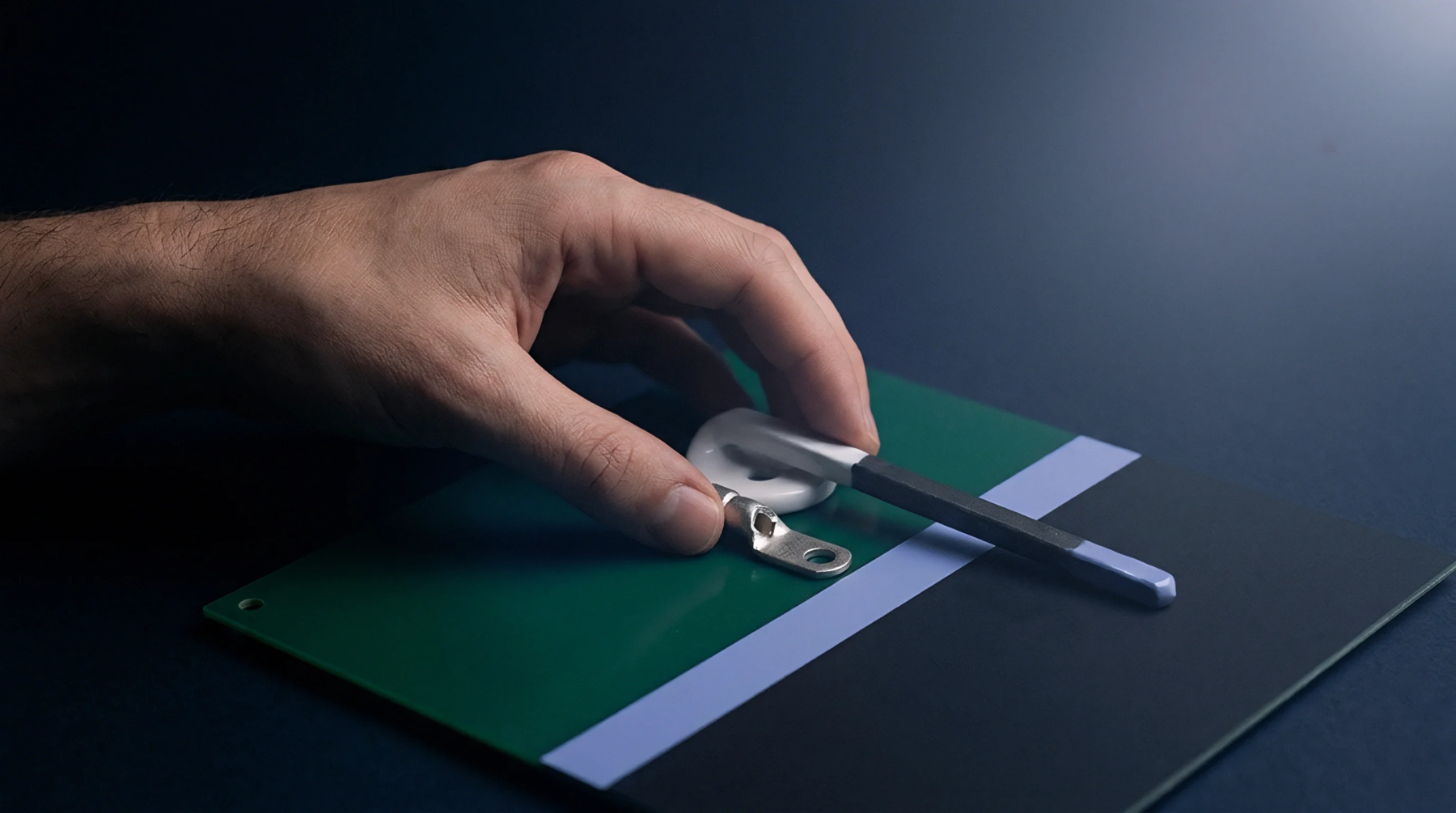
Substrate viscoelastic shear relaxation drives post-reflow sensor zero-point drift, requiring high-Tg resins, strain-decoupled pads, or host software recalibration.

Coupled hygro-thermo-mechanical stress inversion in molded underfill sensor cavities demands fillet radius optimization to prevent decade-long zero-point drift.

Finite element modeling of underfill viscoelastic creep enables precise prediction of die stress relaxation and dynamic digital offset drift in encapsulated sensors.

Polymeric underfill relaxation alters MEMS package stress over time, requiring Prony series viscoelastic modeling to prevent field baseline calibration drift.
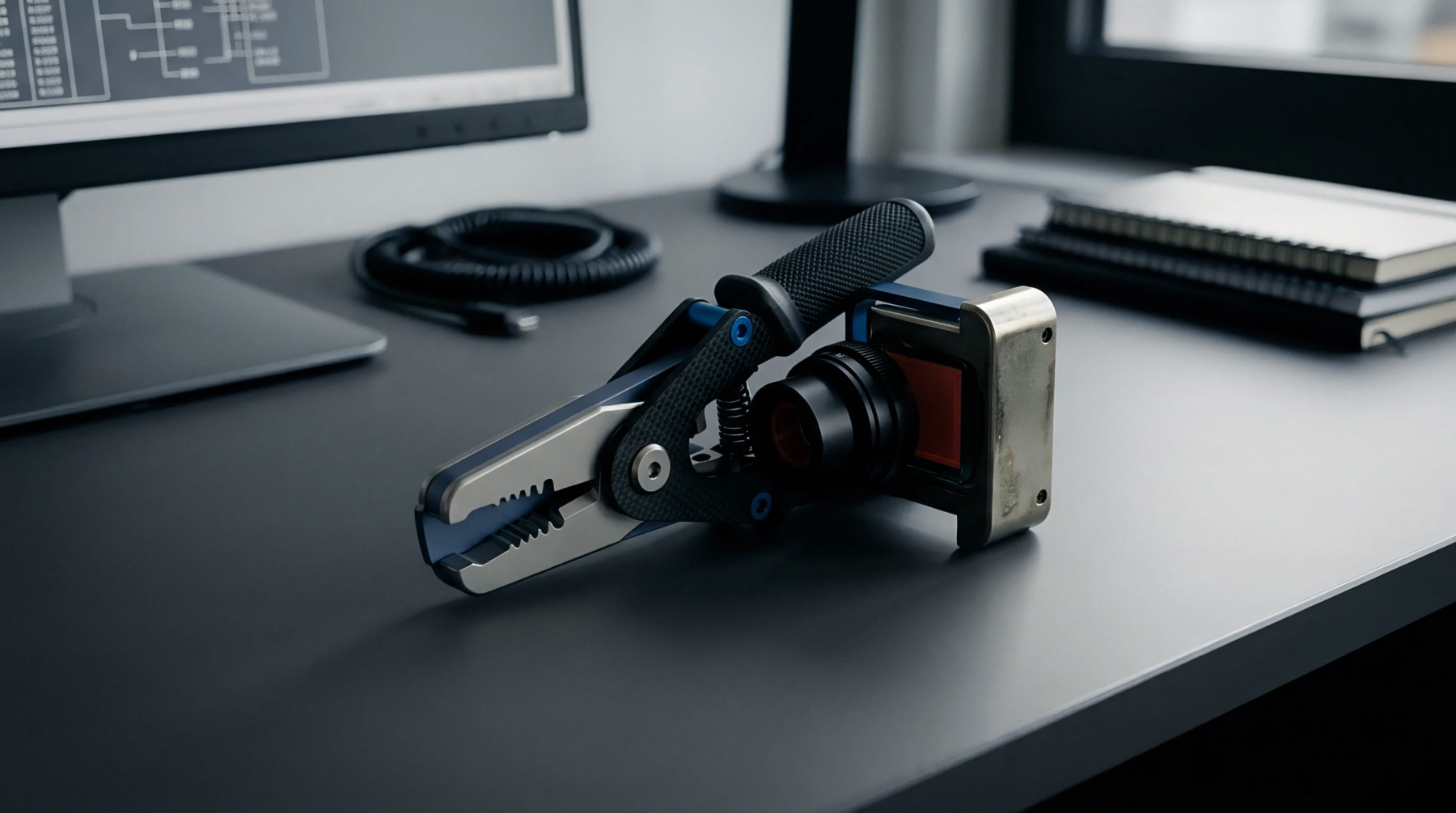
Asymmetric epoxy swelling induces die bending stress and digital zero-point calibration drift, requiring package isolation and specific land pattern geometries.
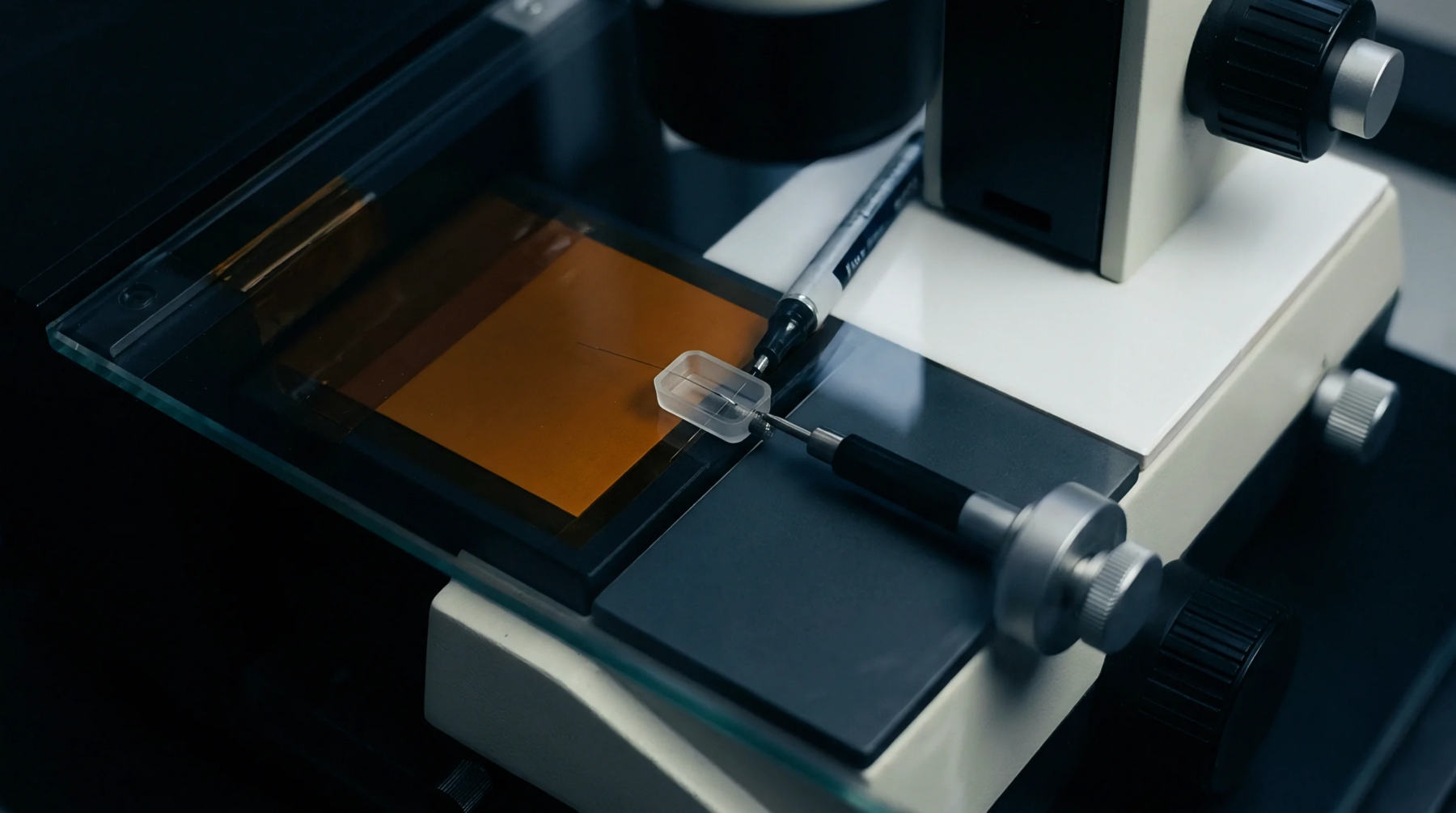
Transfer molding stresses deform transducer diaphragms, shifting zero-point calibration by up to three percent full scale across reflow assembly cycles.

Modelling surface mount viscoelastic relaxation requires mapping mold compound Prony parameters to die stress decay for dynamic firmware offset compensation.

Viscoelastic stress relaxation in organic die attach layers drives long-term sensor offset drift, demanding Prony-characterized finite element selection of high-filler formulations to stabilize package stress.
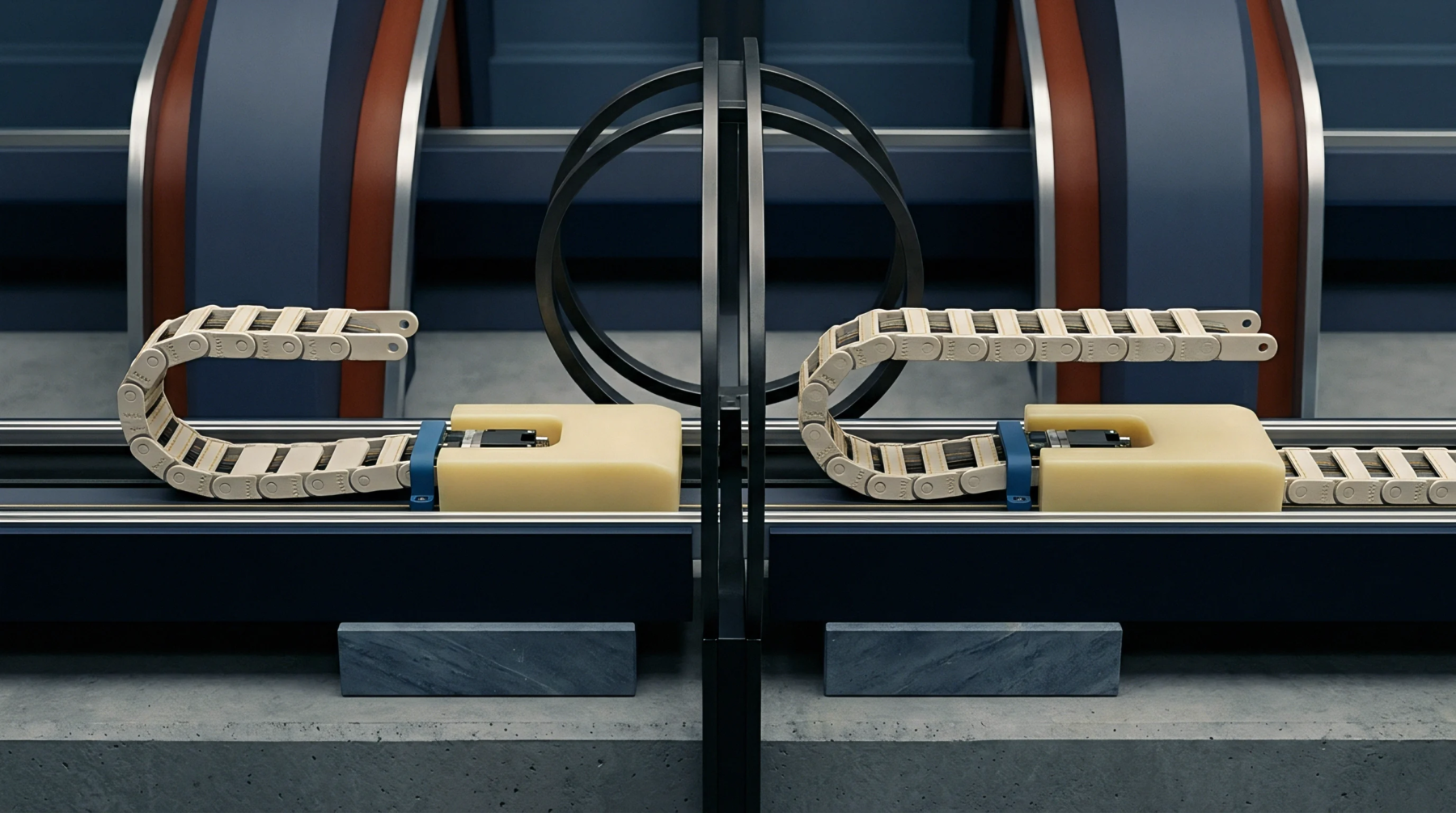
Laminate MEMS pressure sensor offsets decline by isolating silicon piezoresistors using compliant die-attach elastomer and symmetrical copper substrate layouts.
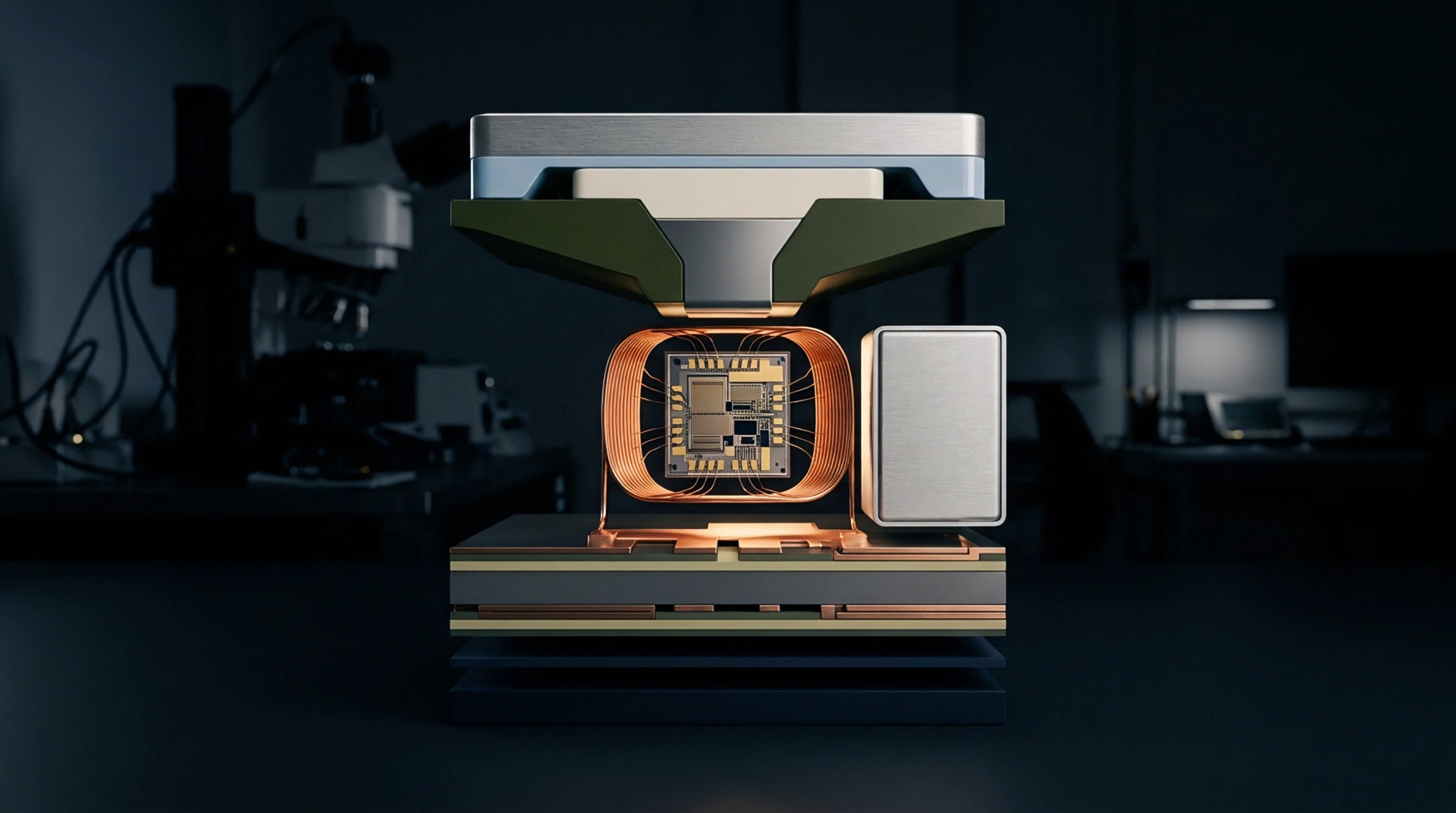
Reflow heating locks thermomechanical strain into laminate sensor packages, shifting zero offsets by up to two percent unless mitigated by board slots.
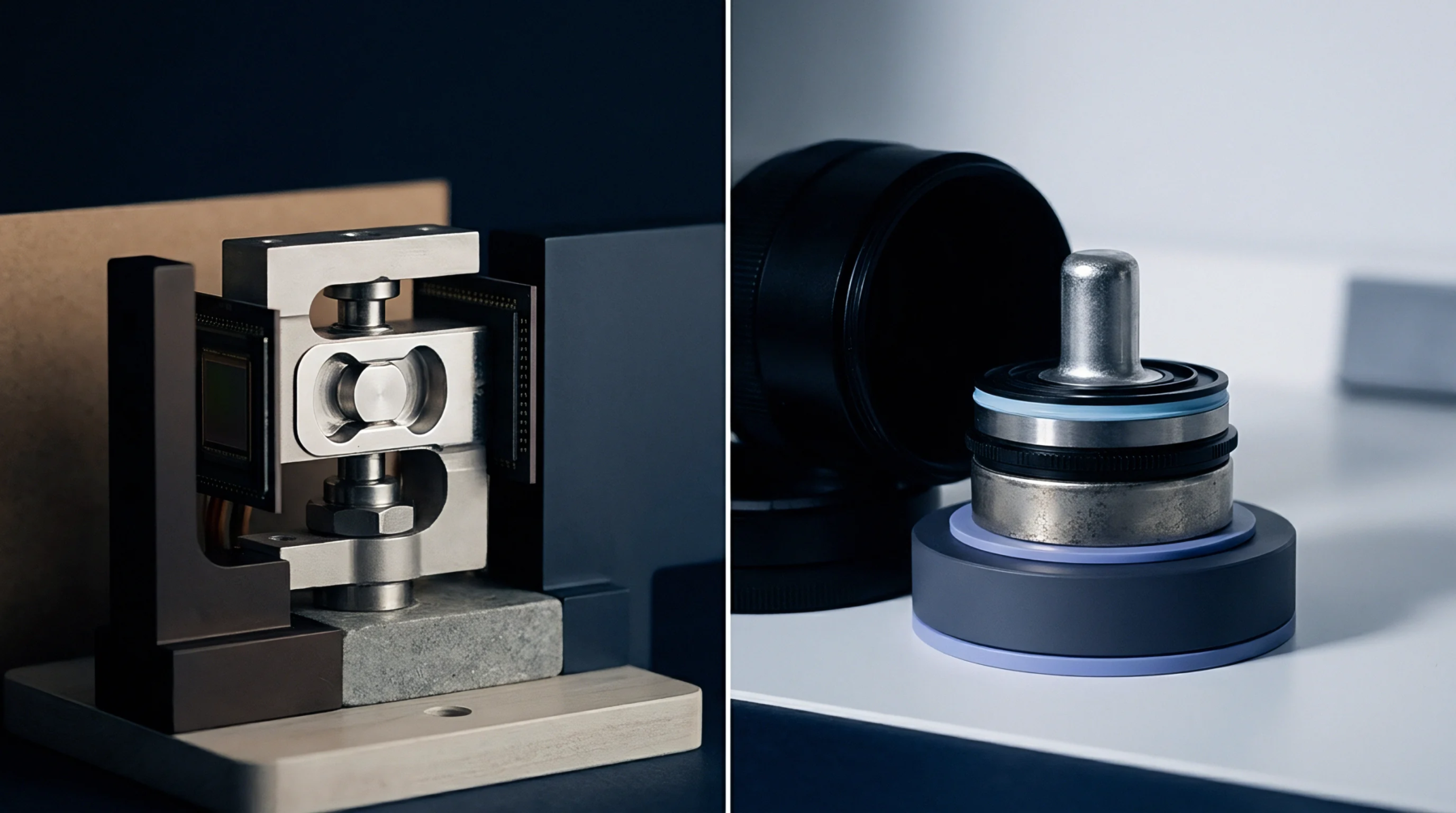
Post-reflow thermal drift in LGA transducers stems from viscoelastic substrate relaxation, demanding controlled isothermal conditioning before calibration.

Factory-calibrated pressure sensors beat in-house thermal test cells below one hundred thousand units where fixture capital and thermal dwell times dominate.

Optimizing stencil apertures and thermal profiles prevents tombstoning, solder voiding, and calibration shift in reflowed discrete sensors.
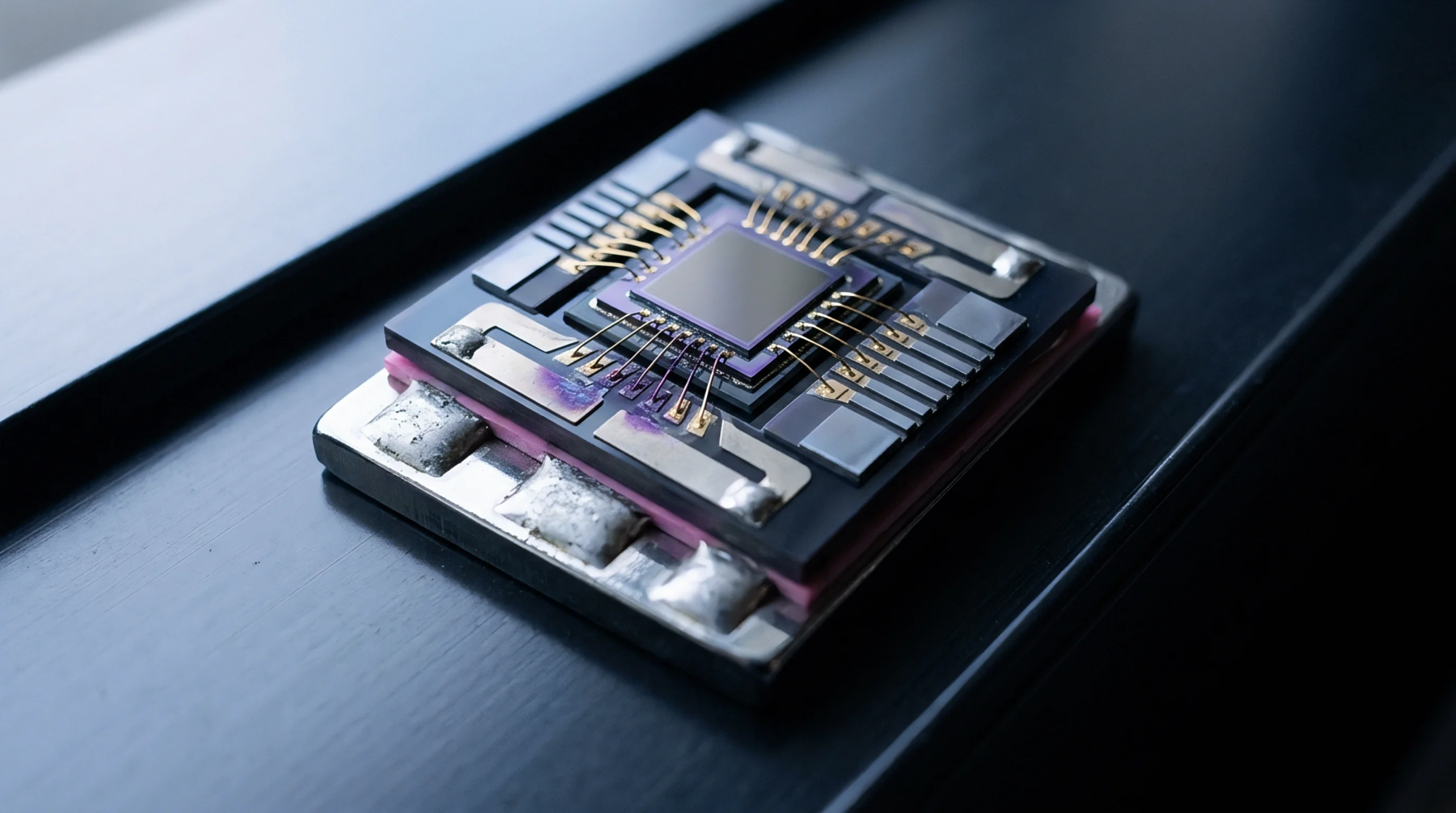
Substrate warpage over 10 micrometers shifts direct die sensor baselines; voice coil force placement and dynamic optical profiling protect assembly yields.

Custom daughterboard carriers achieve financial break-even over modular sensors when production volume amortizes engineering costs below modular BOM margins.

Matching sensor package geometry to bus capacitance constraints controls surface mount assembly yields and landed unit costs across production volumes.
Lithographic die shrinks require simultaneous nozzle, stencil, and register map updates to prevent continuous SMT line stoppages during manufacturing transitions.
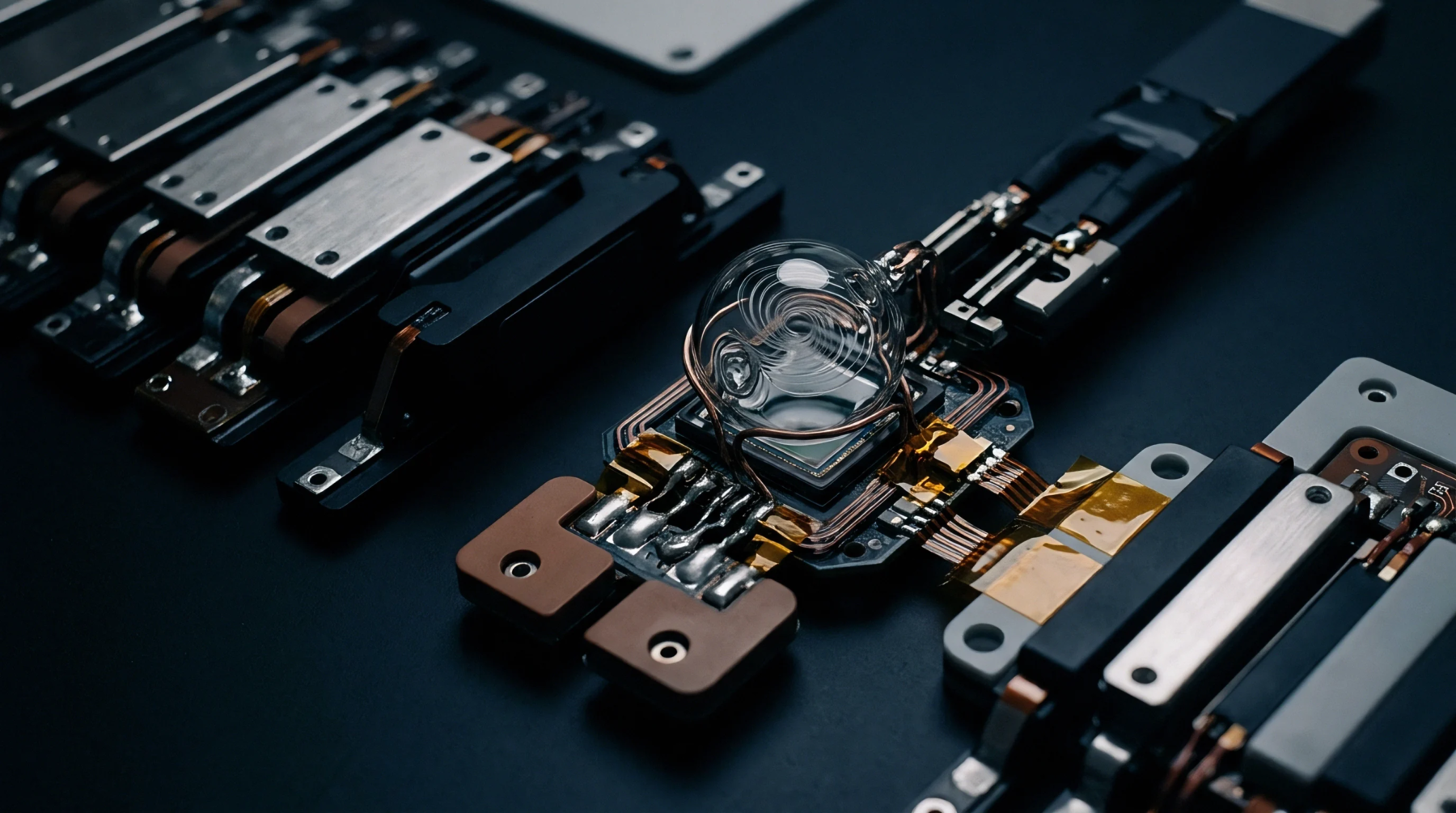
Automated boundary scan protocols replace impossible physical probing on fine-pitch silicon interposers to deliver pin-level interconnect defect isolation.
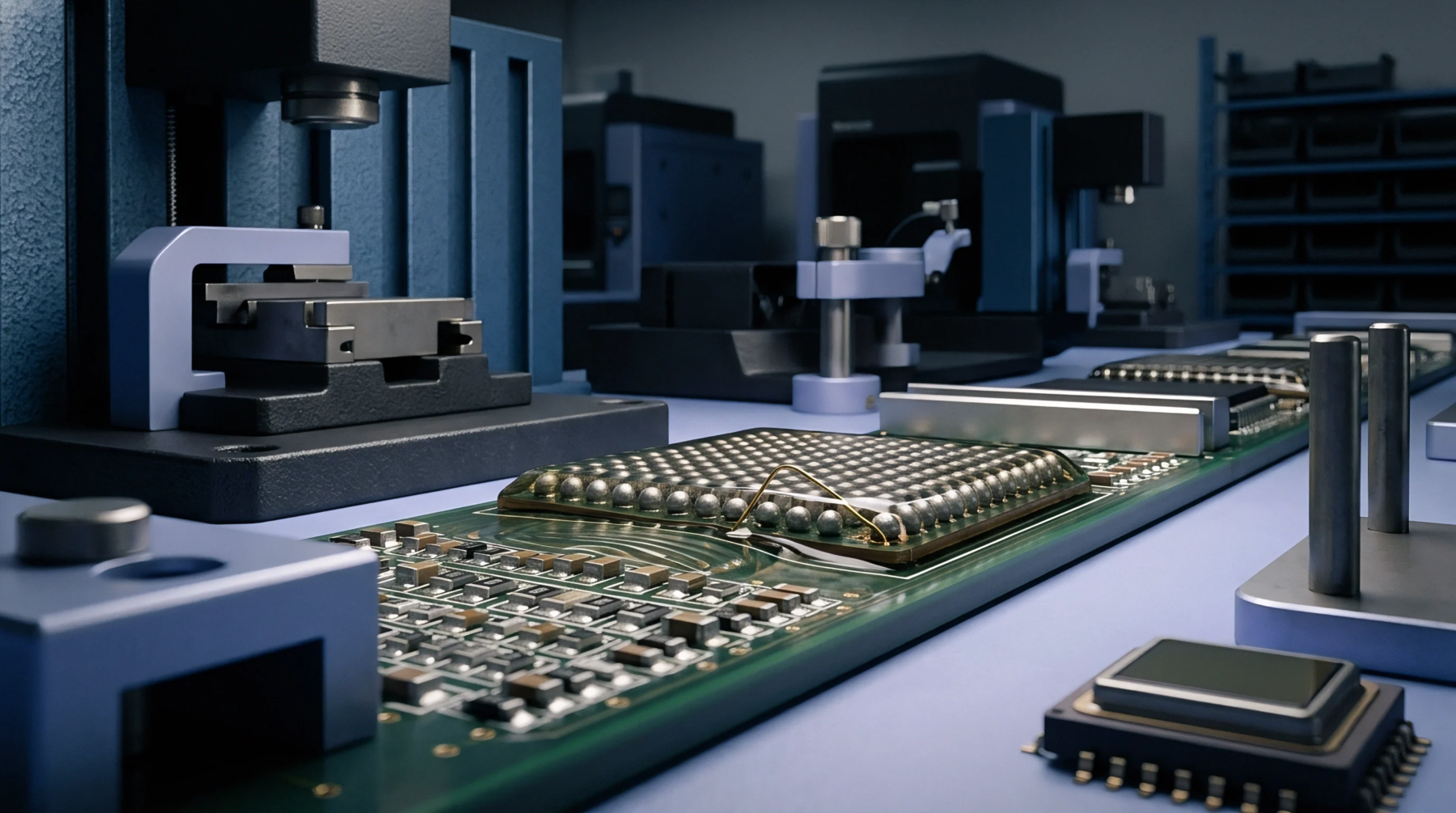
Inline JTAG IDCODE interrogation paired with optical top-mark OCR prevents unannounced silicon stepping revisions from introducing silent assembly yield failures.

Dynamic silicon stepping identification allows unified firmware to adjust peripheral clock domain crossing wait states, preventing bus lockup in mixed fleets.

Host driver register recovery isolates unannounced silicon stepping errata through dynamic register probing, shadow map allocation, and bus clearing cycles.

Silicon stepping registers provide unambiguous hardware verification, ensuring firmware driver compatibility and protecting production lines from unannounced die alterations.

Manage microsecond clock stretching drift by replacing static firmware timeouts with dynamic SCL polling and enforcing strict silicon stepping PCN agreements.
Silicon stepping die shrinks lower pull-down driver resistance, accelerating open-drain bus fall times and breaching timing margins unless pull-ups are re-sized.
Clock stretching allows open-drain targets to hold SCL low, forcing host timing compliance through physical line sensing and hardware timeouts.

Elastomer gel creep shifts piezoresistive sensor offset via asymmetric shear stress, demanding cross-link controls and dynamic firmware baseline recalibration.

Viscoelastic die-attach relaxation shifts piezoresistive bridge zero-points; Prony-series modeling predicts and isolates this packaging strain drift.

Elastomer compression set reduces gasket sealing force over time, demanding precise gland geometry, cross-link stability, and offset compensation.

Dynamic piezoresistive diaphragm calibration requires high-order matrix surface fitting to decoupling thermal drift from high-frequency vibration strain.
Expertise is a utility, not a secret. sentiention™ publishes its working knowledge as open reference: intelligence layer covering the materials it sources, the markets it enters, and the reference that serves both.